
Trivor Base Camp Trek from Nagar
From Nagar Khas up the Gharesa glacier to the base camp below Trivor and Momhil Sar, Nagar District, Gilgit-Baltistan
The Trivor Base Camp trek climbs from Nagar Khas, the old capital of Nagar, up the Gharesa glacier to a meadow base camp at about 4,600 m below Trivor (7,577 m) and Momhil Sar: about 25 km each way, from June to September. Our trip is 13 days from Islamabad, from US$1,850.


Last updated: · Reviewed by Javeed Iqbal, Founder
About This Tour
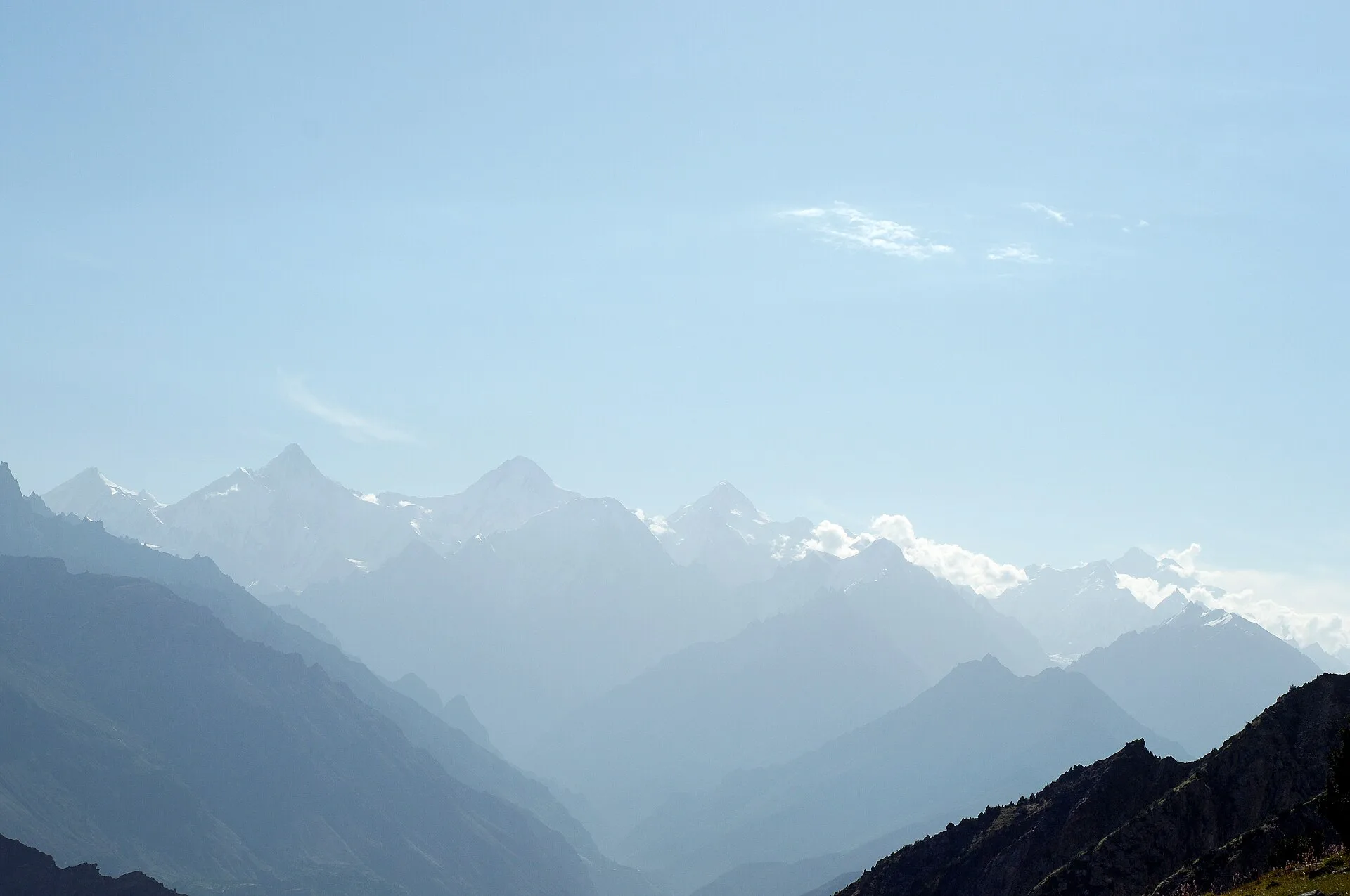
Look east from Aliabad or Karimabad at sunset and, behind the brown ridges of Nagar, a sharp white summit lights up long after the valley has gone dark. That is Trivor, 7,577 m, one of the westernmost big peaks of the Hispar Muztagh. This trek walks to its foot from Nagar Khas, the old capital of Nagar, up a side glacier that very few trekkers have seen: the Gharesa.
The route leaves the Hispar road above Nagar Khas and climbs steeply into the Gharesa valley, past the shepherd camps of Shikam Khai, Phorosh Pati and Changa Bul, then up the rubble-covered glacier by Miza Basa and Nazar Beg to a base camp at about 4,600 m. In 1960 Wilfrid Noyce's team found it a beautiful spot, grass and primulas by a gentle stream, and walked from there to the first ascent of Trivor. Momhil Sar, 7,343 m, rises next to it.
Our trip is 13 days from Islamabad. We fly to Gilgit and drive to Nagar Khas, take four days to walk in, spend a full day at base camp, and come back down in two. A spare day covers weather or a cancelled flight, and we finish with a night in Karimabad.
It suits experienced trekkers who want a real expedition approach without a climbing permit: steep, dusty paths on the first day, long stretches of moraine and glacier, and almost nobody else on the route. If you want a quieter Nagar base camp with easier logistics, the link below goes to the Golden Peak trek from Hopar. Another Nagar base camp: see the Golden Peak trek from Hopar
| Location | Nagar District, Gilgit-Baltistan, Pakistan: from Nagar Khas up the Gharesa glacier, north of the Hispar river, about three hours' drive from Gilgit. |
|---|---|
| Route | Nagar Khas, Shikam Khai, Phorosh Pati, Changa Bul, Miza Basa, Nazar Beg and Trivor Base Camp, and back the same way. |
| Distance | About 25 km each way. |
| Altitudes | Trivor Base Camp about 4,600 m; Trivor 7,577 m (older maps say 7,728 m); Momhil Sar 7,343 m. |
| Walking days | Seven walking days, including a full day at base camp. 13 days from Islamabad to Islamabad, with a spare day. |
| Grade | Demanding: a steep, loose first day, then moraine and boulder-covered glacier; no climbing. |
| Season | June to September. |
| Group size | Minimum five, maximum twelve trekkers. |
| Permits | Open zone: no trekking permit or liaison officer; a Pakistan tourist visa is enough. |
| Price | From US$1,850 per person for a group of five or more, Islamabad to Islamabad. |
Curated Program
Day-by-Day Itinerary
All Transfers & Permits Included
1Arrive in Islamabad
Arrive in Islamabad
- Meet your guide
- Hotel night
2Fly to Gilgit, drive to Nagar Khas
Fly to Gilgit, drive to Nagar Khas
- Flight option
- Road transfer
3Nagar Khas to Shikam Khai
Nagar Khas to Shikam Khai
- Trekking day
- Night in camp
4Shikam Khai to Changa Bul
Shikam Khai to Changa Bul
- Trekking day
- Acclimatisation
5Changa Bul to Miza Basa
Changa Bul to Miza Basa
- Trekking day
- Glacier
6Miza Basa to Trivor Base Camp (about 4,600 m)
4,600 m
Miza Basa to Trivor Base Camp (about 4,600 m)
- Trekking day
- Night in camp
7Day at Trivor Base Camp
4,600 m
Day at Trivor Base Camp
- Acclimatisation
- Night in camp
8Base Camp back to Changa Bul
Base Camp back to Changa Bul
- Trekking day
- Glacier
9Changa Bul to Nagar Khas
Changa Bul to Nagar Khas
- Trekking day
- Village visit
10Spare day
Spare day
- Buffer day
11Nagar Khas to Karimabad, Hunza
Nagar Khas to Karimabad, Hunza
- Road transfer
- Hotel night
12Drive to Gilgit, fly to Islamabad
Drive to Gilgit, fly to Islamabad
- Road transfer
- Flight option
13Depart Islamabad
Depart Islamabad
| Day | Stage | Walking time | Night |
|---|---|---|---|
| 3 | Nagar Khas up the valley wall to Shikam Khai | 5 to 6 h | Shikam Khai |
| 4 | Shikam Khai past Phorosh Pati to Changa Bul | 4 to 5 h | Changa Bul |
| 5 | Changa Bul onto the Gharesa glacier to Miza Basa | 5 to 6 h | Miza Basa |
| 6 | Miza Basa past Nazar Beg to Trivor Base Camp | 5 to 6 h | Trivor Base Camp, about 4,600 m |
| 7 | Rest and exploring day at base camp | Optional walks | Trivor Base Camp, about 4,600 m |
| 8 | Base camp back to Changa Bul | 6 to 7 h | Changa Bul |
| 9 | Changa Bul down to Nagar Khas | 5 to 6 h | Nagar Khas |
Trivor Base Camp Trek Guide
The Route: Nagar Khas and the Gharesa Glacier
Nagar Khas is the old seat of the Mirs of Nagar, on the south side of the Hunza river where the Hispar river comes in. The road to Hispar and Hopar runs east from here. A little way along it, the Trivor route turns uphill into the Gharesa valley, a side valley that drains the glacier coming down from Trivor and Momhil Sar. Climbers' reports call it both the Gharesa glacier and the Trivor glacier.
The first day is the steepest: a dusty path up a high valley wall with long drops to the river below. In 1960 Don Whillans fixed ropes here so that the porters would cross. Above it the valley opens into grazing land with shepherd camps at Shikam Khai, Phorosh Pati and Changa Bul. From there the route follows the glacier, mostly on rubble-covered ice and the moraine at its side, past Miza Basa and Nazar Beg to base camp. Every expedition that has used it, in 1960, 1964 and 1980, reached base camp in about four days from Nagar.
How Hard Is the Trek?
We grade it demanding. No climbing skills are needed, but the first day is steep and loose, with exposed sections where the guide sets a hand line if conditions call for it, and the middle days are on boulder-covered glacier where every step needs attention. Days are five to seven hours.
You should have done a multi-day trek at altitude before and be steady on loose ground with trekking poles. It is not a first trek. Base camp is at about 4,600 m and you climb more than 2,000 m to reach it, so the itinerary spreads the gain over four days and gives you a full day at base camp before you turn around.
Trivor and the 1960 First Ascent
Trivor stands on the ridge between the Hispar glacier and the valleys that drain north to Shimshal. For decades its height was given as 7,728 m; a Russian 1:100,000 map puts it at 7,577 m, which matches photographs better and is the figure most databases now use. Eric Shipton's 1939 survey party first marked it on a map, and in 1960 the Surveyor-General of Pakistan told Wilfrid Noyce that no mountain of that name could be found on any map he had.
Noyce's Anglo-American team walked in from Nagar up the Gharesa glacier, put a camp on the col between Trivor and Momhil Sar and followed the north-west ridge. Don Whillans, who had found the route, fell ill high on the mountain, and Noyce and the American Jack Sadler reached the summit on 17 August 1960. A Japanese team made the second ascent in 1991 from the Momhil glacier on the other side. Few people have stood on it since, and fewer still have walked to its base camp.
What You See From Base Camp
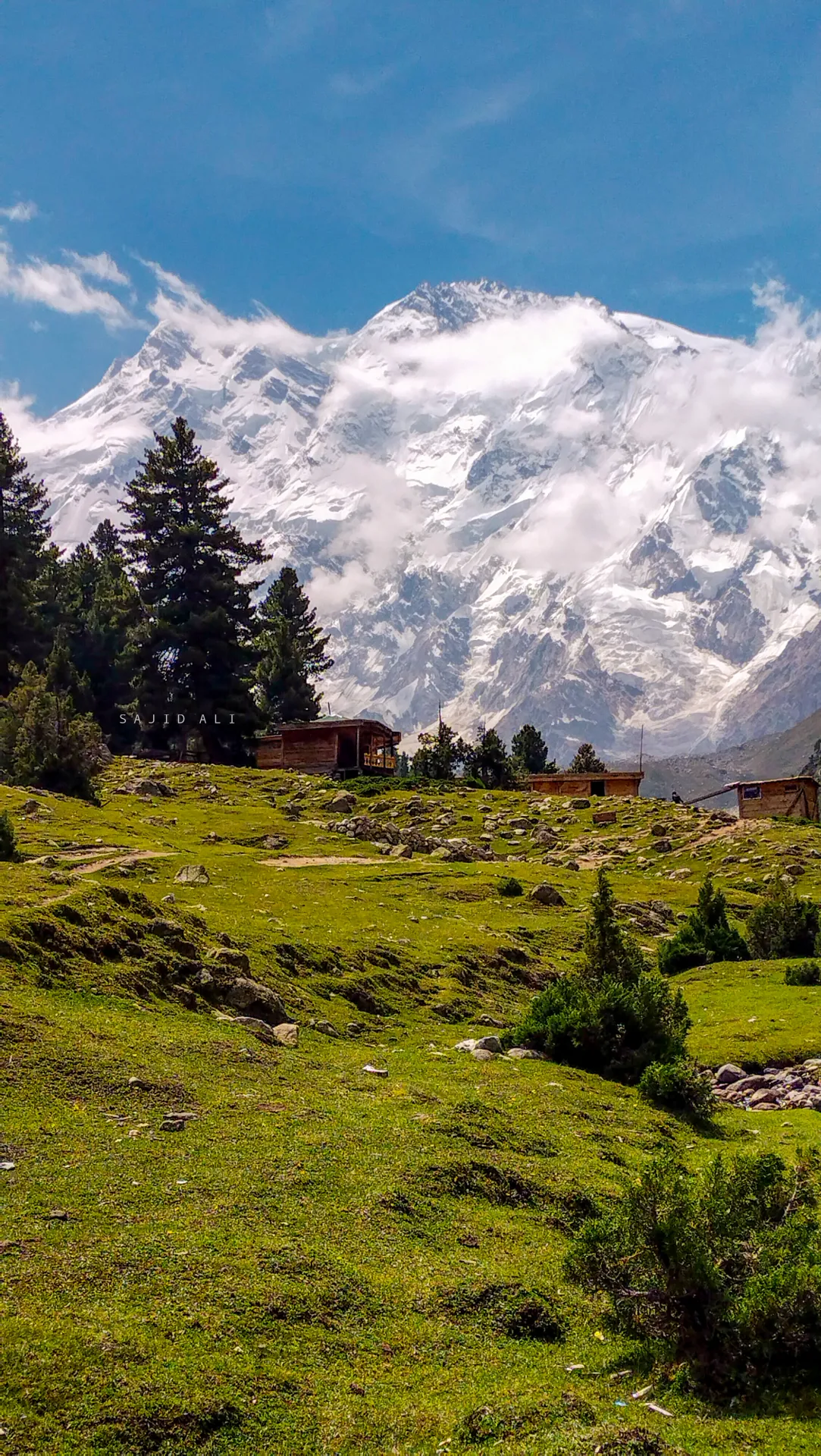
Base camp sits on a shelf of grass beside the glacier. Above it the walls of Trivor and Momhil Sar rise about 3,000 m, with the icefall and the long snow slope to the col between them, the line the 1960 and 1980 expeditions used. On the way up, Rakaposhi and Diran fill the view back down the valley on clear mornings.
In July the meadows around the camp flower, which is what Noyce's team remembered most. Bring a warm layer for the evenings: once the sun drops behind the ridge, base camp cools quickly, even in high summer.
How We Run the Trek
The nights in Nagar Khas are in a village guesthouse. On the trek you sleep in tents with mattresses, with a mess tent, a kitchen tent and a toilet tent; our cook makes three meals a day, and porters from Nagar carry up to 15 kg of your kit. Drinking water is boiled or filtered.
There is no mobile signal once you leave the Hispar road, so the guide carries a satellite phone. Anyone who is unwell goes down with a member of the crew, and a helicopter is called through your insurance if it is needed.
Combine It With Hunza or Another Nagar Trek
Nagar Khas is an hour from Karimabad, so the trek fits easily after a few days in Hunza, which is also a good way to acclimatise. The other base camp treks in Nagar start from Hopar, a little further up the same road: Golden Peak Base Camp up the Barpu glacier and Diran Base Camp up the Bualtar. If you want to cross the whole range instead, the Biafo-Hispar trek passes below Trivor on the Hispar glacier.
Why Book With Us
We are based in Gilgit-Baltistan and run treks in Nagar every summer with local guides and porters. On the Gharesa we walk with crew who know the shepherd paths and the glacier, keep groups small, hold a spare day and tell you plainly how hard the route is.
Safety First
Certified guides, comprehensive insurance, and rigorous safety protocols on every expedition.
- Emergency protocols
- Medical support
- Satellite communication
Local Expertise
Our team includes local guides who know every trail, village, and hidden gem in the region.
- Born & raised locally
- Cultural ambassadors
- Language fluency
Curated Experiences
Each journey is carefully designed to balance adventure, culture, and authentic encounters.
- Handpicked routes
- Hidden gems
- Authentic stays
Sustainable Travel
Committed to responsible tourism that benefits local communities and preserves nature.
- Community support
- Leave no trace
- Carbon offset
Stories from Our Travelers
“We did a set of tours with Go Witu Guide, starting in Lahore and continuing in Shigar and Hunza Valley. Organisation was very good throughout. Knowledgeable guides. Fluent in English and all local languages. An excellent trip. Highly recommend using them.”“We just visited Pakistan and Javeed was our driver and tour guide for the Northern Pakistan leg which included Skardu, Gilgit and Hunza. We had an exceptional experience! Javeed is a very experienced driver, very knowledgeable about the area, easy to talk to and he went out of his way to show us sites at sunset. We highly recommend his services.”“Javeed Hunzai has been a wonderful guide, he identified exactly what I was looking for when even I did not know what I was in Hunza for, and showed me the best places to trek, and stop and absorb Nature. Highly recommend, 10/10. I came to Hunza with little idea of what I wanted to do or where I wanted to go, in upper Hunza alone, he showed me places I hadn't seen the last 4-5 times I had been to Hunza.”Frequently Asked Questions
Where is Trivor Base Camp?
Where is Trivor Base Camp?
How many days is the Trivor Base Camp trek?
How many days is the Trivor Base Camp trek?
How much does the Trivor Base Camp trek cost?
How much does the Trivor Base Camp trek cost?
How hard is the trek?
How hard is the trek?
How high is Trivor, and how high is the base camp?
How high is Trivor, and how high is the base camp?
Who first climbed Trivor?
Who first climbed Trivor?
Do I need a permit or a special visa?
Do I need a permit or a special visa?
When is the best time to go?
When is the best time to go?
How do you get to Nagar Khas?
How do you get to Nagar Khas?
Is Trivor Base Camp busy?
Is Trivor Base Camp busy?
Start Your Journey
Tell us about your trip
No commitment: we'll send back a free itinerary.
Related Reading
Route guides, seasons and practical advice from our team in Gilgit-Baltistan.
Biafo Hispar Trek: Snow Lake and Hispar La
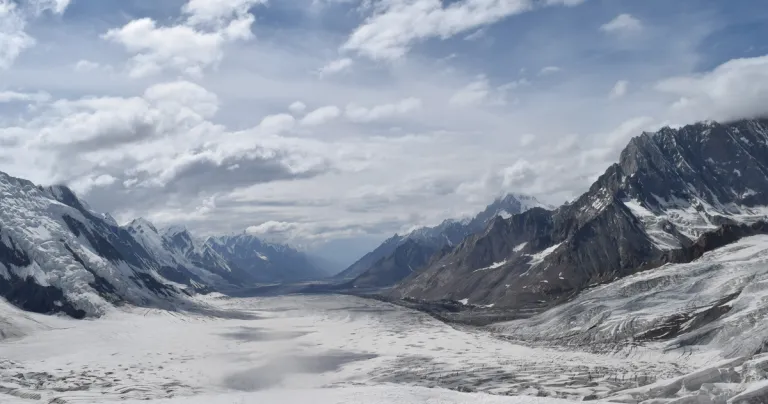
Askole to Hispar village over Snow Lake and the Hispar La: about 100 km of glacier, the 13 stages with altitudes, the permit position, the July-August window and the cost.
Read the full guide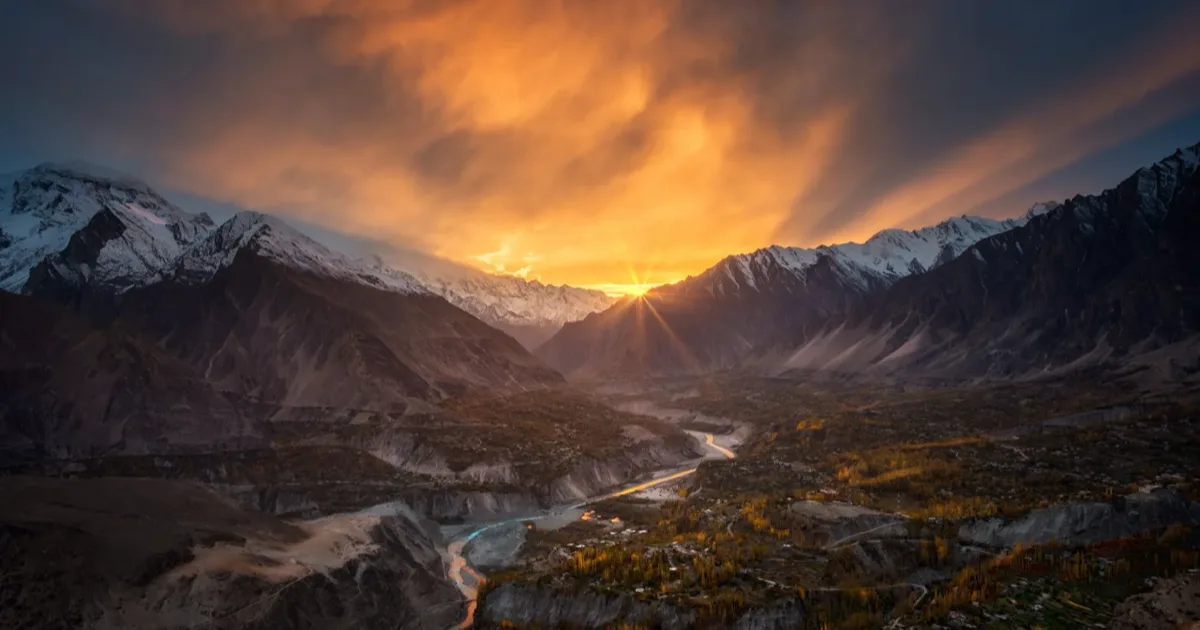
20 Best Places to Visit in Hunza Valley (Attabad Lake to Passu Cones)
From the turquoise water of Attabad Lake to the cathedral spires of Passu, here are the 20 best places to visit in Hunza Valley, with how to reach each one, the best time to go, and how many days you need.
Read the full guide
Hunza Valley Facts: Longevity, Language and Culture
The real facts about the Hunza people: the truth behind the longevity myth, the Burushaski language, religion, literacy, apricots, forts and the Silk Road.
Read the full guide
Trekking in Pakistan: The Complete Guide (2026/2027)
The best treks in Pakistan by grade, how the open and restricted zones work in 2026, when to go, real costs from US$350, and how safe it is.
Read the full guide