Snow Lake & Hispar La Trek: Biafo to Hispar | Go With Guide
Home
All Tours Cultural Tours Family Holidays Luxury Tours Camping Road Trips
K2 Treks Trending Treks High Passes Trekking Holidays All Treks
8000m Peaks 7000m Peaks 6000m Peaks High Passes
Cycle Touring Eco Tourism Motorcycle Touring Mountain Passes Festivals of Pakistan Ibex Hunting Snow Leopard International Travelers
About Us Vehicles Contact FAQs Blog
Plan Your Trip
Snow Lake basin and the Hispar La crossing on the Biafo to Hispar glacier traverse
Back to Tours
Trekking Gilgit-Baltistan

Snow Lake & Hispar La

The hardest trek we run: a roped glacier traverse over the Hispar La
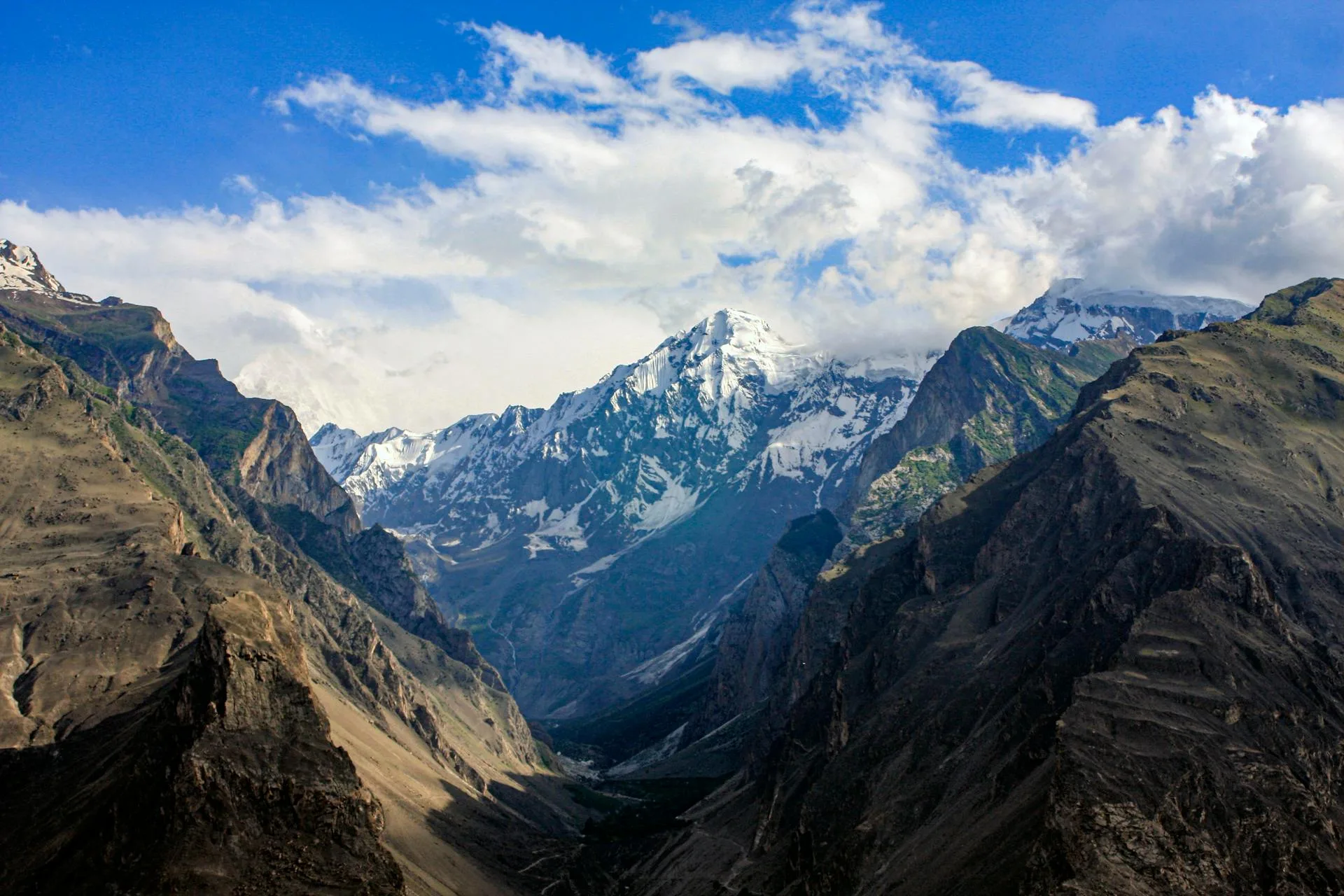
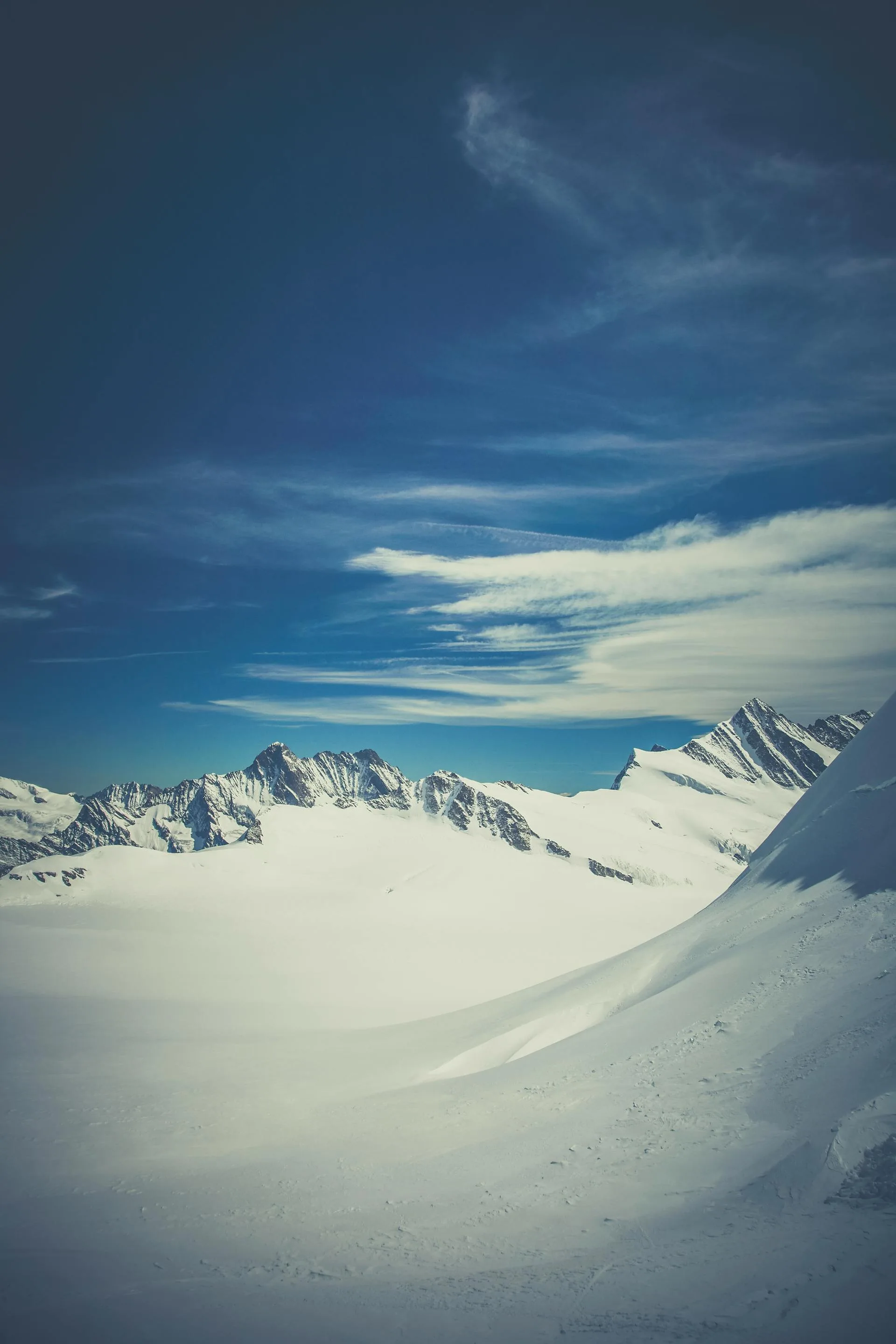
Snow-covered Karakoram peaks on the Biafo Glacier approach to Snow Lake
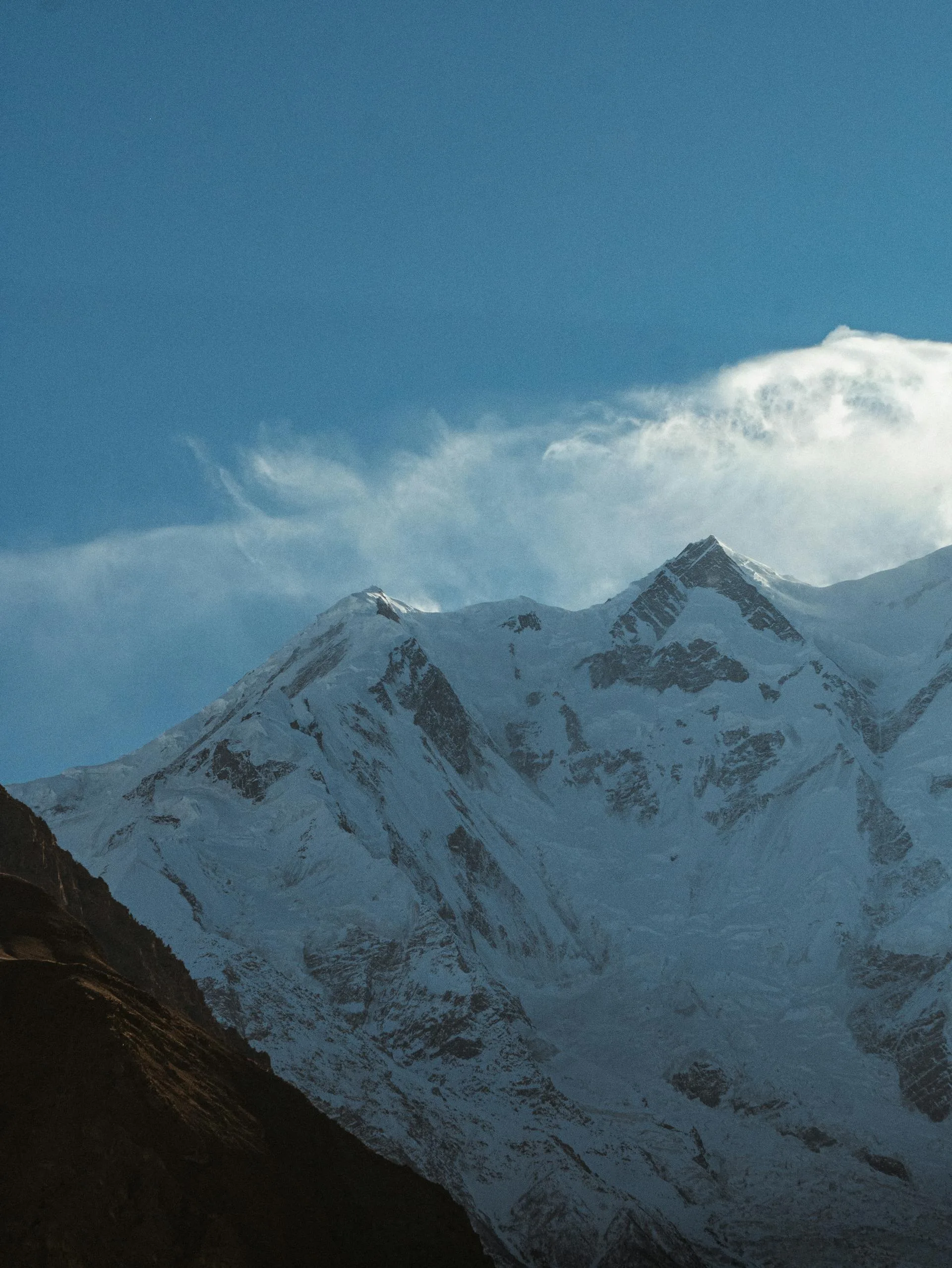
Snow-dusted peaks above the Hispar Glacier on the descent from the Hispar La
The wide Snow Lake firn basin under snow-capped Karakoram peaks and clear sky
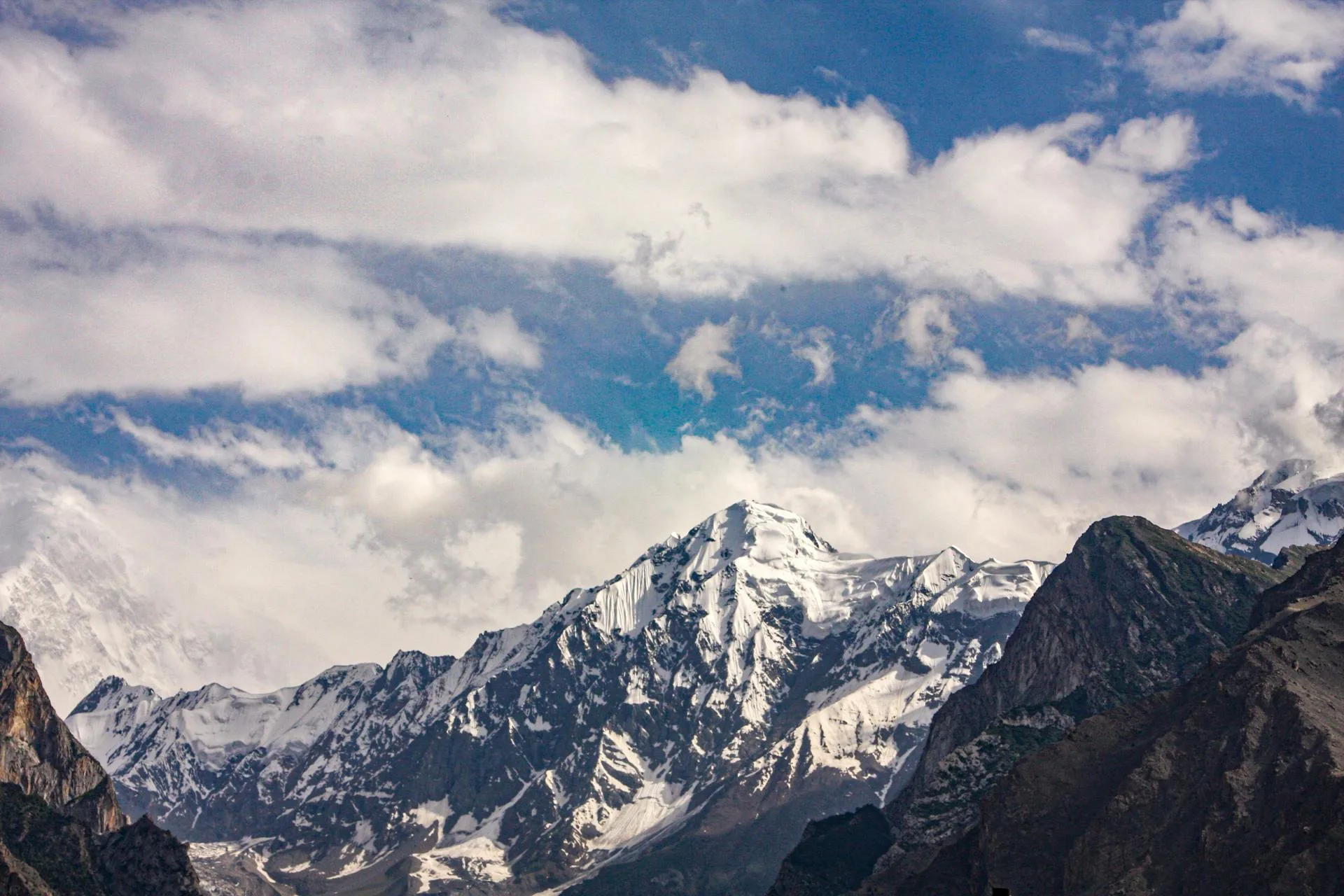
Snow-covered high peaks around the Hispar La in the Karakoram of northern Pakistan
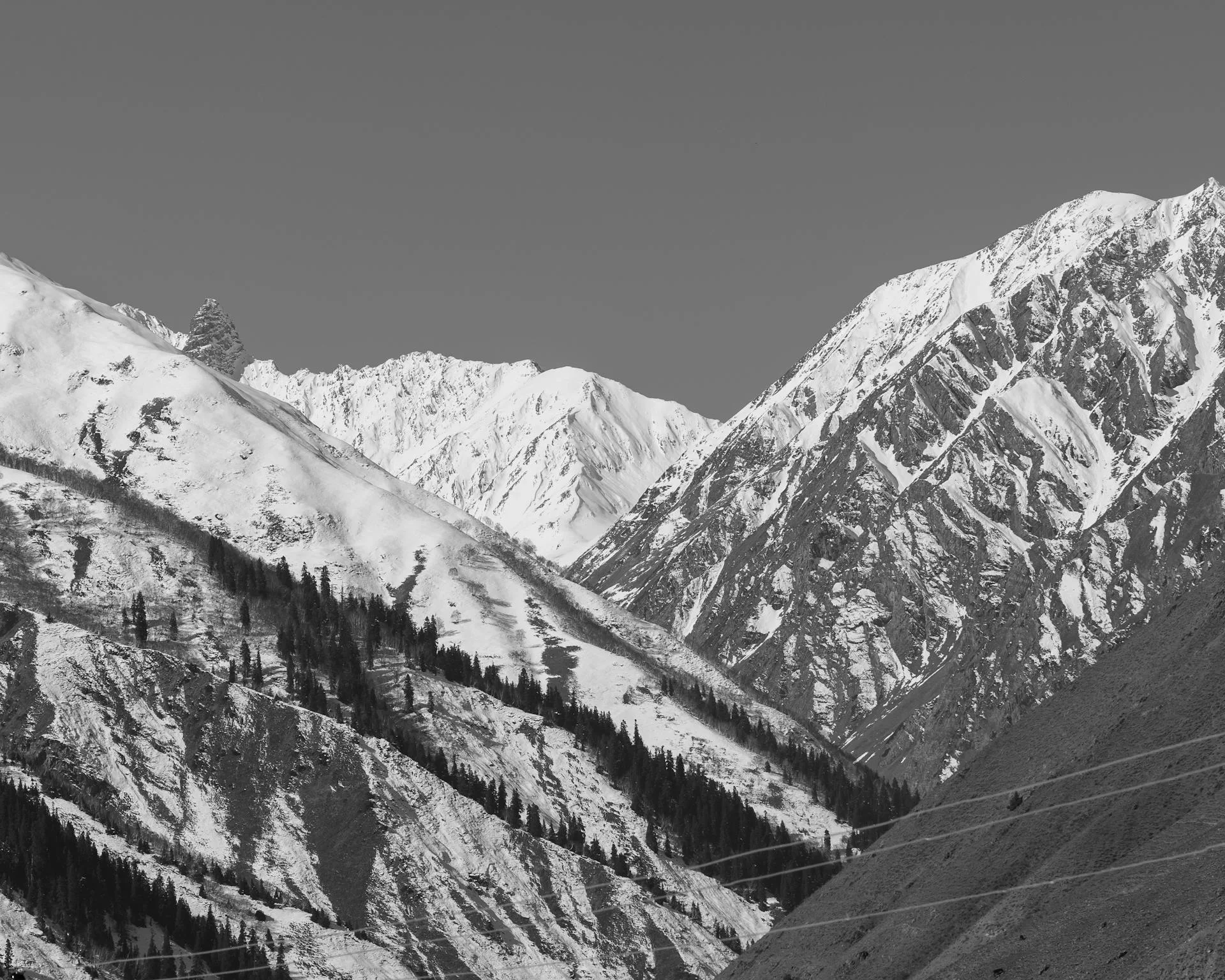
A snow-capped peak rising above the glacier on the Snow Lake and Hispar La route

Last updated: · Reviewed by Javeed Iqbal, Founder

Duration

18-22 Days

Difficulty

Strenuous

Group Size

4-12 Trekkers

Best Season

Jul-Aug

About This Tour

This trek crosses the Karakoram from the inside. It links Askole in the Braldu valley to Hispar in Nagar by going up the Biafo Glacier, across the Snow Lake basin, over the Hispar La at about 5,151 metres, and down the Hispar Glacier on the far side. Snow Lake, known locally as Lukpe Lawo, is a firn basin more than 16 kilometres wide at the head of the two glaciers, sitting around 4,700 metres. End to end it is roughly 120 kilometres of almost unbroken glacier, one of the longest contiguous ice systems outside the poles.

What sets it apart is the scale of the wilderness and the total commitment. There are no villages, lodges, teahouses or resupply between Askole and Hispar; everything is carried by porters and you are self-sufficient for the whole crossing. Baintha at about 4,041 metres on the Biafo is a rare patch of green and the standard acclimatisation stop. From the Hispar La the Karakoram opens up around you, with Kanjut Sar, Distaghil Sar and Kunyang Chhish on the skyline.

We will be blunt: this is the hardest trek we sell. It is non-technical in the sense that there are no climbing moves, but it is days of roped travel across crevassed glacier, navigation across the featureless white of Snow Lake where a whiteout leaves nothing to steer by, and a high pass with no easy way off the ice once you start. You need prior high-altitude trekking experience, comfort on crampons, and basic rope skills before you join. This is not a first big trek.

We run it fully supported with a licensed guide, a roped porter team that crosses these glaciers every season, all camping kit and every permit. The marketed length runs to 18 to 22 days because it folds in travel from Islamabad, acclimatisation and weather contingency, which on a route this committing is not padding but safety margin. The price is USD 3,800 per person.

The Route Across Two Glaciers

From Skardu a jeep runs to Askole at about 3,015 metres, the last village. The walk goes up the Braldu to Namla at roughly 3,571 metres, then Mango near 3,715 metres, before stepping onto the Biafo Glacier and climbing it to Baintha at about 4,041 metres. We rest here to acclimatise; it is the last grass for a long time. Above Baintha the glacier leads through Karphogoro at around 4,298 metres to the Snow Lake basin at roughly 4,700 metres.

Snow Lake is the heart of the trek and the navigational crux. The basin is so wide and so uniform that in poor light there is no horizon and no landmark, which is why the weather window is narrow and a guide who knows the ground matters. From the Hispar La base camp near 4,585 metres, the crossing of the Hispar La at about 5,151 metres is the high point of the route.

The far side is a long descent of the Hispar Glacier through Kani Basa at roughly 4,468 metres, Jutmal near 4,168 metres and Bitanmal at about 3,765 metres, with river crossings as the ice gives way to moraine and then meadow. The trek ends at Hispar village at around 2,300 metres, where a jeep carries you out to Karimabad in Hunza.

How Hard and How Dangerous Is It?

Among the hardest non-technical treks in the Karakoram, and the most committing route on our list. The difficulty is not in climbing moves but in days of roped glacier travel, sustained altitude, full self-sufficiency and the simple fact that once you are on the ice there is no exit, no road and no village to bail to. Evacuation from the middle of Snow Lake is slow and hard.

The specific hazards are real. Crevasses mean the team travels roped, and you need to be comfortable in a harness moving on snow bridges. Whiteouts on Snow Lake stop navigation dead. Add the usual altitude risks of AMS, HAPE and HACE above 4,500 metres, and the river crossings on the Hispar descent. We require prior high-altitude experience and crampon and rope competence before we take a booking, and we mean it.

Day-by-Day Itinerary

1

Islamabad to Skardu

Fly to Skardu at about 2,300 metres, with the long Karakoram Highway drive held in reserve if the flight is cancelled. Rest, sort equipment and meet the trek crew.
3

Skardu to Askole (3,015m)

Jeep up the Braldu valley to Askole at roughly 3,015 metres, the last settlement before the glaciers. Final supply and porter check.
4

Askole to Namla (3,571m)

Walk the Braldu gorge to Namla at about 3,571 metres, the river running below towering valley walls.
5

Namla to Mango (3,715m)

Continue along the river to Mango near 3,715 metres, crossing side streams as the Biafo snout draws closer.
6

Mango to the Biafo Snout

Reach the snout of the Biafo Glacier and step onto the ice, camping on the moraine at the glacier's edge.
7

Up the Biafo Glacier

Glacier travel through ice, moraine and ablation valleys, picking a line through the crevasse fields as the peaks close in around the Biafo.
9

Baintha Camp (4,041m)

Reach Baintha at about 4,041 metres, a rare green camp and the standard acclimatisation stop, under Baintha Brakk, the Ogre, at 7,285 metres.
10

Baintha to Snow Lake (4,700m)

Climb the glacier through Karphogoro to the Snow Lake basin at roughly 4,700 metres, where the world flattens into a vast white firn plain ringed by ice peaks.
12

Rest and Acclimatise at Snow Lake

A rest day in the basin at about 4,700 metres to absorb altitude and prepare for the Hispar La. Essential before the pass and a chance to take in the scale of Lukpe Lawo.
13

Cross the Hispar La (5,151m)

The crux. An early start for the roped climb to the Hispar La at about 5,151 metres, the high point of the trek, then a careful descent onto the Hispar Glacier.
14

Down the Hispar Glacier

Long descent of the Hispar through Kani Basa, Jutmal and Bitanmal as the ice gives way to moraine, with river crossings as the valley greens.
17

Hispar Village (2,300m)

Reach Hispar village at around 2,300 metres in Nagar, the first settlement in over two weeks. Local hospitality and a real meal.
18

Hispar to Karimabad

Jeep out to Karimabad in the Hunza valley for a hard-earned rest in comfortable accommodation.
19

Return to Islamabad

Drive or fly back to Islamabad via Gilgit or the Karakoram Highway, where the trip ends.

Best Time to Cross Snow Lake

July and August, and effectively only then. The crossing needs the snow bridges over the crevasses to still be intact but the weather settled enough to risk Snow Lake and the Hispar La, and that combination only lines up in high summer. Earlier and the snowpack is deep and unstable; later and the bridges start collapsing and storms move in. It is one of the shortest reliable windows of any trek we run.

Because the window is so tight, we build in spare days and treat the forecast as advisory. Sitting out a storm at Baintha or below the pass is part of the trip, and forcing a crossing of Snow Lake in a whiteout is exactly the mistake this route punishes.

Permits, Porters and Logistics

The classic route over the Hispar La, from Askole up the Biafo Glacier to Snow Lake and down the Hispar Glacier to Nagar, is listed by the Ministry of Tourism as an open-zone trek, so no trekking permit is needed for it. The Biafo lies inside Central Karakoram National Park, so the park's entry fee applies. Variants that leave Snow Lake over the Lukpe La to Shimshal or the Sim La to the Panmah Glacier are in the restricted zone and need a trekking permit. We arrange the park fee and any permits, and we build the porter team and the rope logistics that a glacier traverse needs rather than a standard trail crew.

Access is by air or road to Skardu and jeep to Askole, with the exit at Hispar leading out to Hunza, so this is a true traverse and not an out-and-back. There is no resupply for the whole crossing, which is why the marketed 18 to 22 days includes the contingency this route demands. If you want a serious objective that is shorter or less committing, our K2 Base Camp trek and the Rush Lake trek are described below.

Where Are Snow Lake and the Hispar La?

Snow Lake, known locally as Lukpe Lawo, is a vast high-altitude glacial basin at the head of the Biafo Glacier in the Karakoram of Gilgit-Baltistan, and the Hispar La is the 5,151-metre pass that links it westward to the Hispar Glacier. Together they form the Biafo-Hispar traverse, which crosses from Askole in the Shigar valley, near the K2 trailhead, over the watershed and down to Hispar village in Nagar, upper Hunza. There are no villages, roads or shelter for the eight or more days between the two ends, so the whole crossing is self-contained: you walk in from one side of the Karakoram and come out the other, carrying everything with you.

The Biafo-Hispar Traverse: One of Earth's Longest Glacier Systems

Linked end to end at the Hispar La, the Biafo and Hispar glaciers form a roughly 100-kilometre river of ice, one of the longest continuous glacier systems outside the polar regions. At its heart, Snow Lake spreads out as a huge, almost level snow basin ringed by the spires of the Latok group and the Ogre (Baintha Brakk), a view so unusual that early explorers debated whether it was a true ice cap. Nearly all the crossing is spent on the glacier itself, roped up and travelling over snow that hides crevasses, which is why this is the hardest trek we run and strictly a July-to-August, fully-guided undertaking. The reward is a wilderness traverse that very few trekkers ever complete.

Why Book With Us

This is a route you do not attempt with a crew booked for the week. We are based in Gilgit-Baltistan and run Snow Lake with guides and porters who cross the Biafo and Hispar every season and know where the snow bridges hold. We rope and pace the team for crevassed travel, carry real weather and acclimatisation margin, and screen bookings for the high-altitude and rope experience the trek needs. All permits, the CKNP fee, the full glacier-trained support team and camping kit are included.

What's Included

All camping equipment, tents, and mess tent
Experienced trek guide and assistant guides
Porter team for full glacier traverse
All meals during the trek (breakfast, lunch, dinner)
Permits and national park fees
Transport: Islamabad-Skardu-Askole and Hispar-Islamabad

Not Included

International flights
Travel insurance
Personal expenses and tips

Frequently Asked Questions

How hard is the Snow Lake and Hispar La trek?

Very hard. It is the hardest trek we sell and among the hardest non-technical treks in the Karakoram. There are no climbing moves, but you spend days roped together on crevassed glacier at altitude, navigate across the featureless Snow Lake basin at about 4,700 metres, and cross the Hispar La at about 5,151 metres. Once you are on the ice there is no road, village or easy way off, and evacuation from the middle of Snow Lake is slow. Porters carry everything and there is no resupply between Askole and Hispar. You need prior high-altitude trekking, crampon competence and basic rope skills before you join, and we check that experience before we accept a booking. We build spare days into the 18 to 22 day trip and a rest day at Snow Lake before the pass, because pacing and acclimatisation matter as much as fitness on this route.

Is the trek technical?

Not in the mountaineering sense. There is no rock climbing and no ice climbing anywhere on the route. It is, though, roped glacier travel for days across crevasse fields, which makes it far more committing than a trail trek. The team moves roped together on the Biafo Glacier, across Snow Lake and over the Hispar La, and you need to be comfortable in a harness and walking on snow bridges that hide crevasses. Crampons are part of the kit, and you should already know how to use them before you arrive. We don't teach these skills on the trip; we ask for prior high-altitude experience plus crampon and rope competence at booking. Our porter team crosses these glaciers every season and knows where the snow bridges hold, and our guide picks the line through the crevasse fields and sets the pace on the pass day.

What is the altitude of the Hispar La?

The Hispar La is about 5,151 metres, and it is the high point of the whole traverse. You cross it from a base camp near 4,585 metres on the Snow Lake side, after a rest day in the basin at roughly 4,700 metres to absorb the altitude. It is a long, exposed pass day with an early start and a roped climb to the top, followed by a careful descent onto the Hispar Glacier and down towards Kani Basa at about 4,468 metres. From the crest the Karakoram opens up, with Kanjut Sar, Distaghil Sar and Kunyang Chhish on the skyline. The altitude is serious. Above 4,500 metres the risks of AMS, HAPE and HACE are real, which is why we acclimatise at Baintha, at about 4,041 metres, and again at Snow Lake before the crossing, and keep spare days for bad weather.

When can the trek be done?

July and August only, one of the shortest windows of any Karakoram trek. The snow bridges over the crevasses need to be intact while the weather is settled enough to cross Snow Lake and the pass, and that only lines up in high summer. Go earlier and the snowpack is deep and unstable. Go later and the bridges start to collapse while storms move in. Because the window is so tight, we build spare days into the itinerary and treat the forecast as advisory rather than a promise. Sitting out a storm at Baintha or below the Hispar La is part of the trip, and we won't force a crossing of Snow Lake in a whiteout, when the flat white basin leaves nothing to steer by. Plan your dates around July and August and allow for the full 18 to 22 days so the contingency is there if you need it.

How long is the trek and how far?

Roughly 120 kilometres of almost continuous glacier from Askole to Hispar, one of the longest contiguous ice systems outside the poles. The marketed trip runs 18 to 22 days because it includes travel from Islamabad, acclimatisation and weather contingency. On a route this committing that margin is safety, not padding. The walking starts at Askole at about 3,015 metres and runs through Namla and Mango before you step onto the Biafo Glacier. After Baintha and Snow Lake you cross the Hispar La and spend several days descending the Hispar Glacier through Kani Basa, Jutmal and Bitanmal to Hispar village at around 2,300 metres. There are no villages, roads or shelter for eight or more days between the two ends, so porters carry everything. A jeep then takes you out to Karimabad in Hunza before the return to Islamabad.

Is it safe?

It is safe for experienced trekkers with a properly roped and guided team, which is why we screen every booking for high-altitude and rope experience. The real hazards are crevasses, whiteout navigation on Snow Lake, altitude and the total remoteness. Crevasses mean the team always travels roped on the ice. A whiteout on the basin stops navigation dead, so we wait it out rather than push on. Above 4,500 metres there is the usual risk of AMS, HAPE and HACE, which we manage with acclimatisation stops at Baintha and Snow Lake. There are also river crossings on the Hispar descent. Evacuation from the middle of Snow Lake is slow and hard, and there is no road or village to retreat to once you are committed. Our guides and porters cross these glaciers every season, and the spare days in the plan are there so nobody has to take a risk to stay on schedule.

What permits do I need?

For the classic route over the Hispar La, no trekking permit is needed: the Ministry of Tourism lists Askole, the Biafo Glacier, Snow Lake, the Hispar La, the Hispar Glacier and Nagar as an open-zone trek. The Biafo is inside Central Karakoram National Park, though, so you pay the park's entry fee, which the Gilgit-Baltistan government sets each year. The rules change if you leave Snow Lake by another pass: the Lukpe La route to Shimshal and the Sim La route to the Panmah Glacier are in the restricted zone and need a trekking permit through a registered operator. Open-zone rules do not require a guide, but nobody should cross crevassed Snow Lake without one. We arrange the park fee and any permits, and both are included in the price.

How does it compare to the K2 Base Camp trek?

It is harder and more committing. K2 Base Camp is an out-and-back you can retreat along, while Snow Lake is a full traverse with roped glacier travel and no exit once you are on the ice. Both start at Askole, the same roadhead reached by jeep from Skardu, but they split there: the K2 route heads up the Baltoro, while this one climbs the Biafo Glacier to Snow Lake and crosses the Hispar La at about 5,151 metres before descending to Hispar in Nagar. The permits differ too. K2 Base Camp sits in the restricted zone and needs a trekking permit, whereas the classic Hispar La route is open zone with a national park fee. Most people do K2 Base Camp first and come back for this. If you want a serious objective that is shorter or less committing, we also run the Rush Lake trek.

Where is Snow Lake?

Snow Lake, or Lukpe Lawo, is a huge glacial basin at the head of the Biafo Glacier in the Karakoram of Gilgit-Baltistan. It is a firn basin more than 16 kilometres wide, lying at around 4,700 metres, and it is shared with the head of the Hispar Glacier. The basin sits on the traverse between Askole in the Shigar valley, near the K2 trailhead, and Hispar in Nagar, upper Hunza, linked westward by the 5,151-metre Hispar La. There are no roads or villages anywhere near it, and no shelter for the eight or more days between the two ends of the crossing. The spires of the Latok group and the Ogre, Baintha Brakk, ring the basin. To reach it you walk several days from Askole up the Braldu and then climb the Biafo Glacier past the acclimatisation camp at Baintha.

Why is it called Snow Lake?

Because it looks like a frozen lake, although there is no open water in it at all. Snow Lake is a vast, almost level basin of snow and ice, the shared névé at the head of the Biafo and Hispar glaciers. It is more than 16 kilometres wide and sits at around 4,700 metres. Early explorers named it Snow Lake because from the surrounding peaks the flat white expanse looks like a lake frozen over, and some of them debated whether it was a true ice cap. The local name, Lukpe Lawo, carries the same idea. That flatness is also what makes the basin the navigational crux of the trek. In poor light there is no horizon and no landmark, so a whiteout stops movement completely, and the snow hides crevasses that keep the team roped the whole way across.

How do you get to the start of the trek?

You fly or drive from Islamabad to Skardu, then jeep to Askole, the same roadhead as the K2 trek, and start walking up the Braldu towards the Biafo Glacier. The flight from Islamabad is the usual way in, and we hold the long Karakoram Highway drive in reserve in case it is cancelled. The first day in Skardu is for rest, sorting kit and meeting the trek crew. The jeep then climbs the Braldu valley to Askole at roughly 3,015 metres, the last village, where we do a final supply and porter check. Because this is a traverse, you finish on the other side at Hispar in Nagar and drive out through Hunza to Karimabad, so it is not an out-and-back to the same point. All of that transport, from Islamabad to Skardu and Askole and back from Hispar, is included in the price.

What is the weather like on the Snow Lake trek?

High, cold and glaciated. Even in the July-to-August window, nights on the ice are well below freezing and snow can fall at any time on the high basin around 5,000 metres. By day the strong sun reflects fiercely off the snow, so the same trek can feel freezing and scorching within a few hours. Whiteouts are the weather that matters most. When cloud settles on Snow Lake there is no horizon and no landmark to navigate by, and we stop and wait rather than move. Earlier than July the snow is deep and unstable, and later than August storms move in as the snow bridges weaken. This is why the trek runs only in high summer and demands full winter-grade glacier kit. We build spare days into the itinerary for sitting out storms, whether at Baintha or below the Hispar La.

From

$3,800

per person

* Prices may vary. Contact us for accurate, customized pricing.

Duration18-22 Days
DifficultyStrenuous
Group Size4-12 Trekkers
Best SeasonJul-Aug
Max Altitude5,150m
Book This Tour Ask a Question

Free cancellation up to 30 days before departure

Ready for Your Next Adventure?

Join our community of explorers and discover the journey of a lifetime. Our expert team is ready to help you plan your perfect expedition.