Khunjerab Wildlife Trek: Snow Leopard Park | Go With Guide
Home
All Tours Cultural Tours Family Holidays Luxury Tours Camping Road Trips
K2 Treks Trending Treks High Passes Trekking Holidays All Treks
8000m Peaks 7000m Peaks 6000m Peaks High Passes
Cycle Touring Eco Tourism Motorcycle Touring Mountain Passes Festivals of Pakistan Ibex Hunting Snow Leopard International Travelers
About Us Vehicles Contact FAQs Blog
Plan Your Trip
Tracker-led wildlife walk in Khunjerab National Park snow leopard habitat
Back to Tours
Trekking Gilgit-Baltistan

Khunjerab Wildlife Trek

Tracker-led wildlife walks in Khunjerab National Park
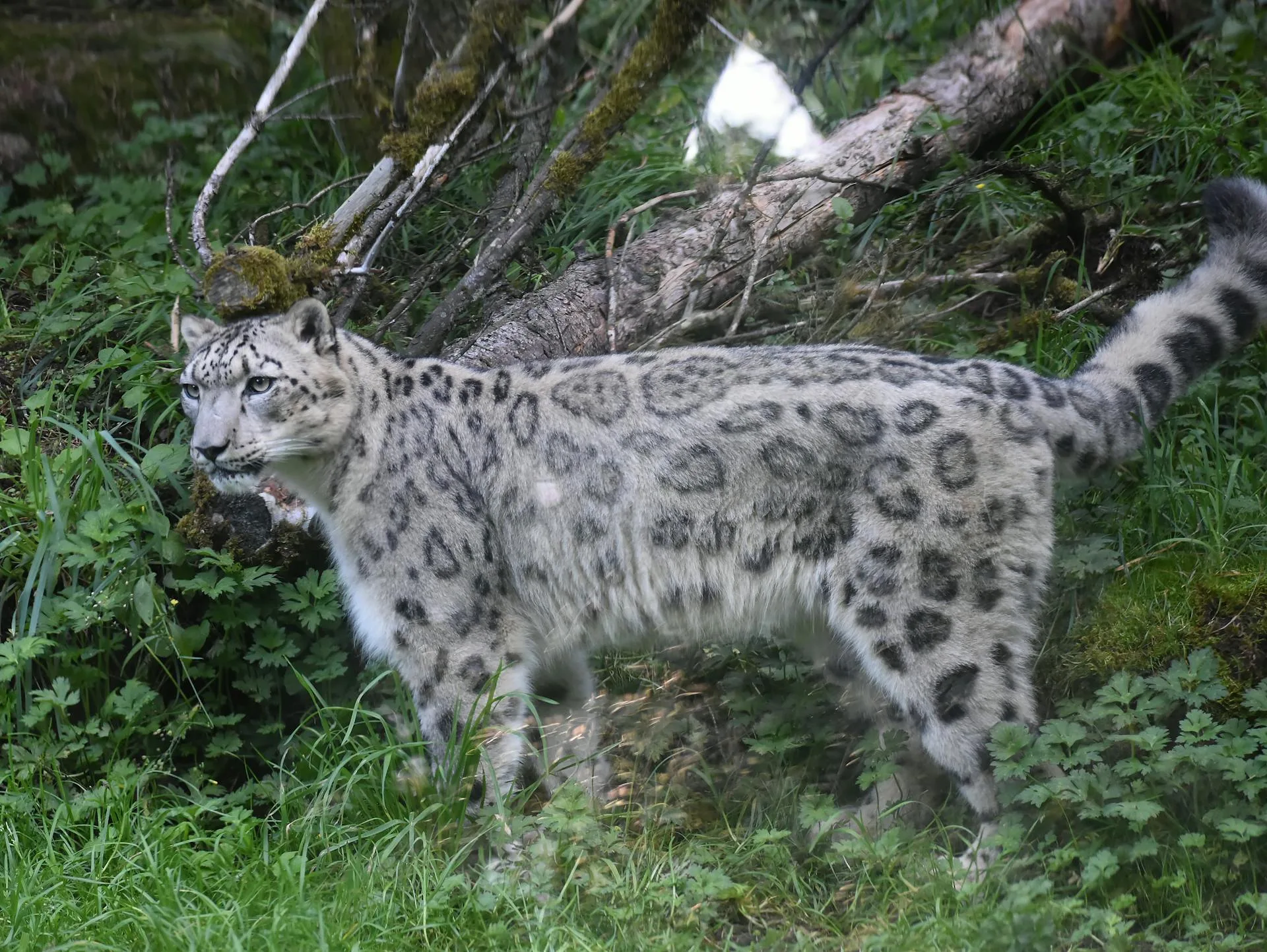
Snow leopard, the rarely seen apex predator of Khunjerab National Park
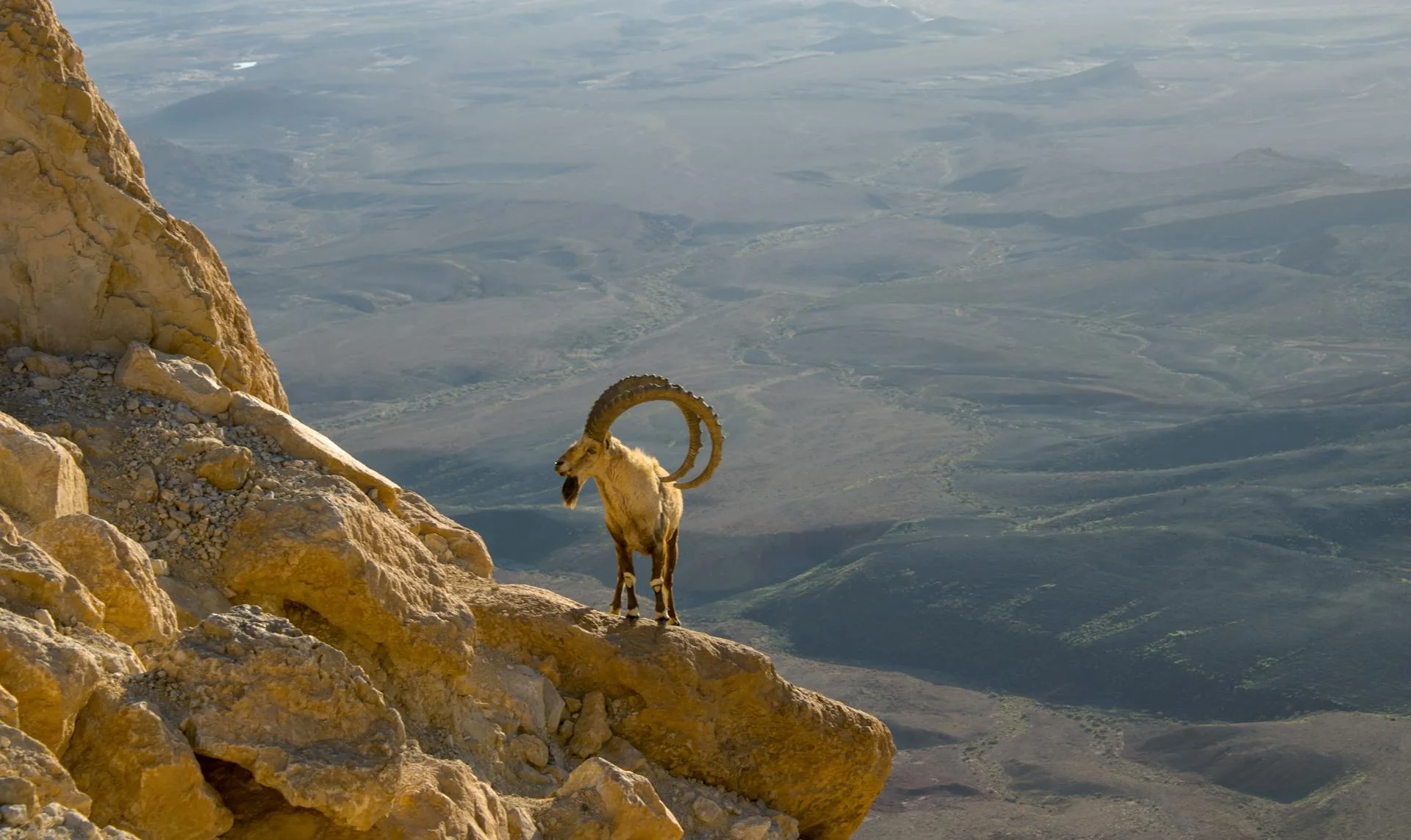
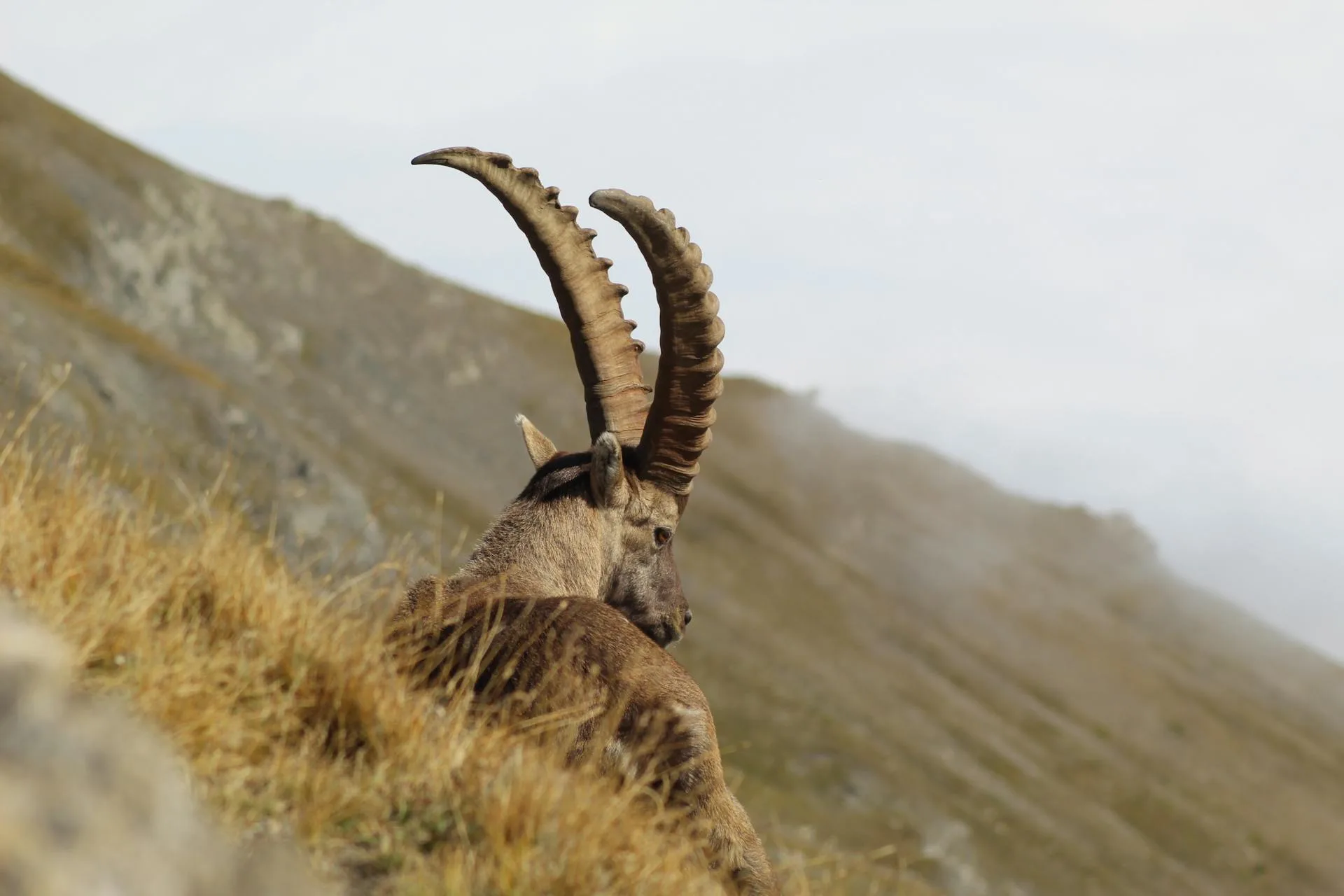
Himalayan ibex on a slope in Khunjerab National Park
Ibex among rock terrain in the high Khunjerab Karakoram
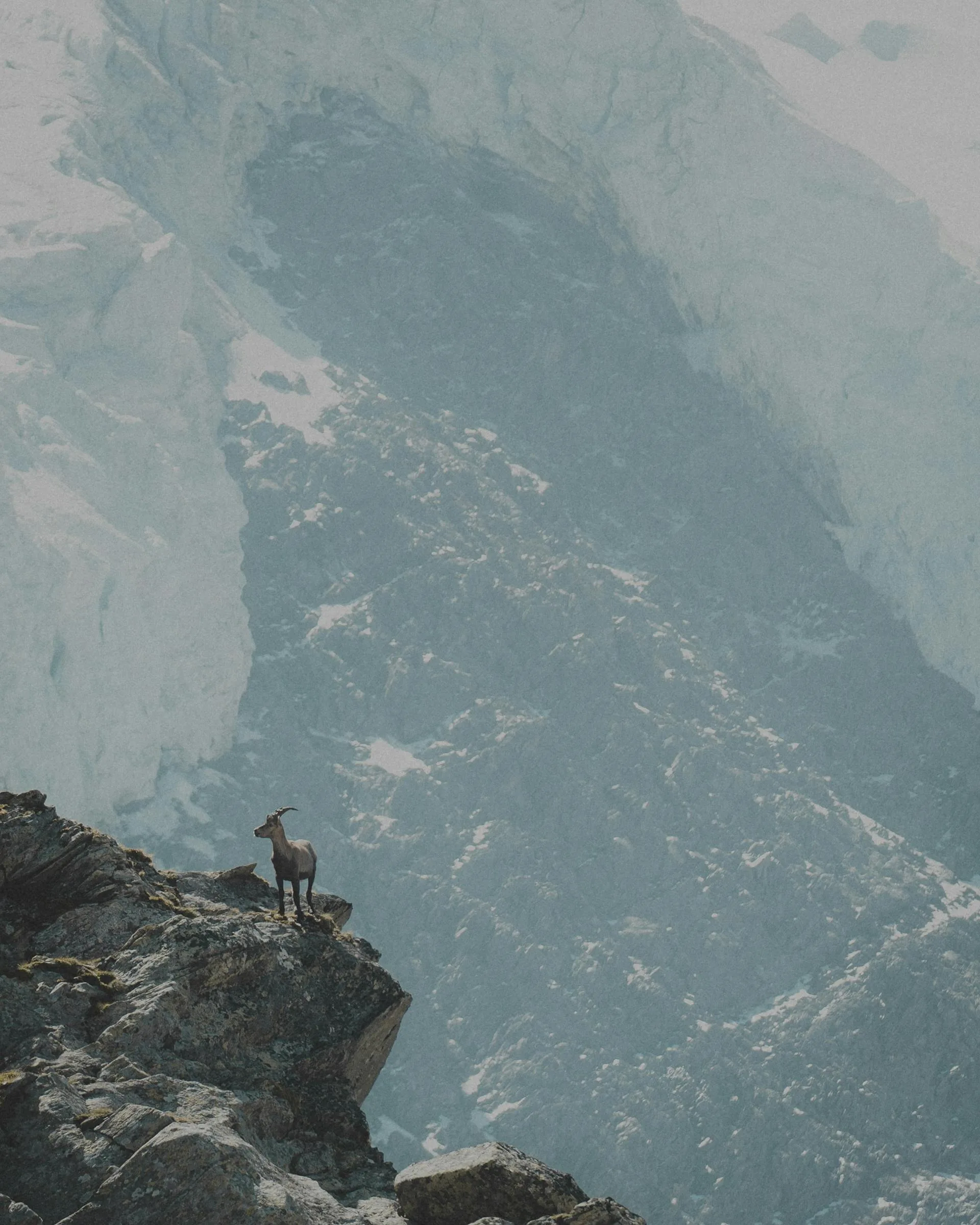
Wild ibex on a cliff in Khunjerab National Park
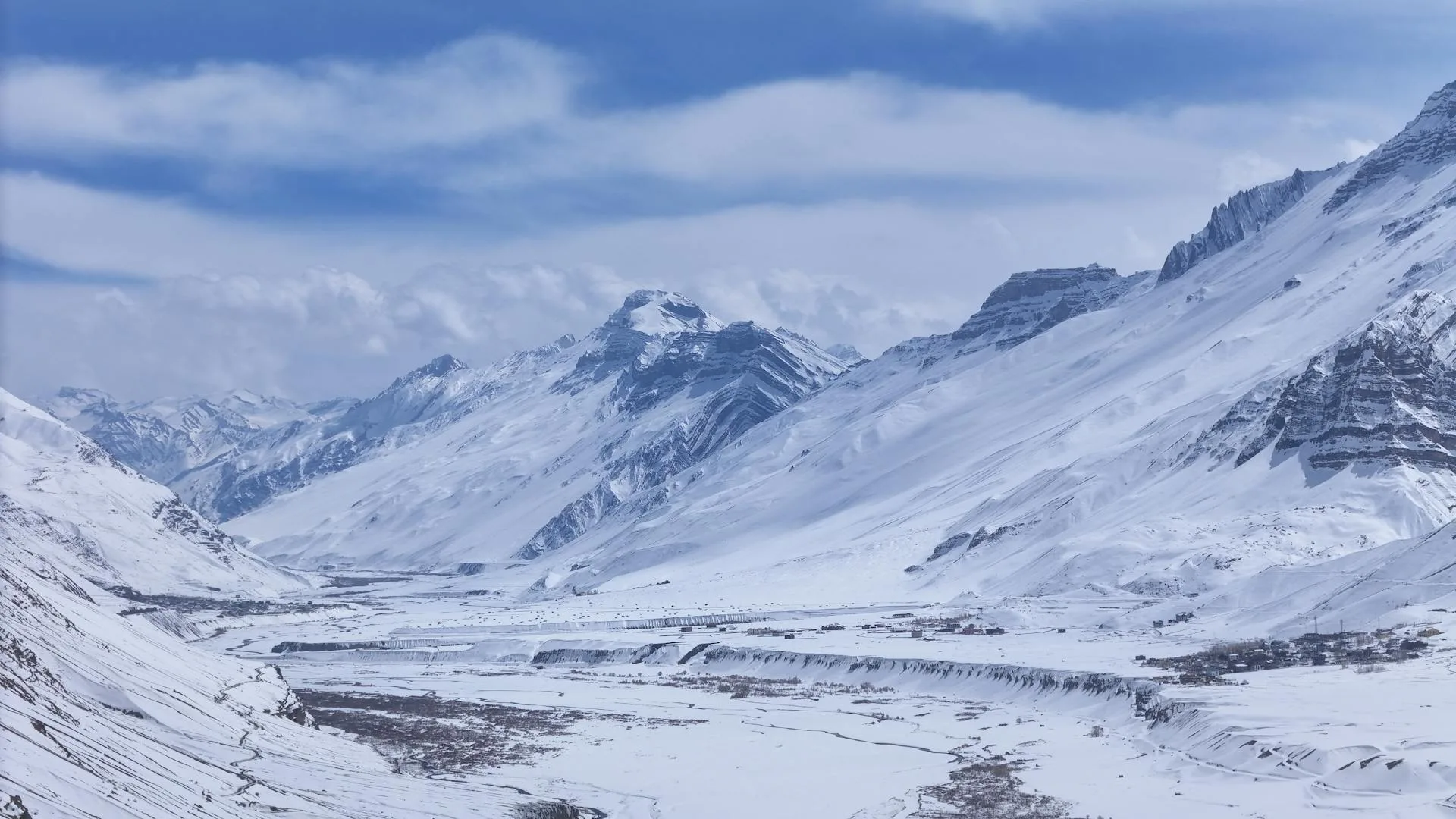
Snow-covered Karakoram peaks above Khunjerab National Park

Last updated: · Reviewed by Javeed Iqbal, Founder

Duration

7-9 Days

Difficulty

Easy-Moderate

Group Size

2-8 people

Best Season

Jun-Sep

About This Tour

Be clear from the start about what this is. Khunjerab National Park does not have a single fixed-trail trek the way the Baltoro or Shimshal Pass do. What we run here is a wildlife and eco itinerary: tracker-led day walks in the side valleys of the park, Wakhi homestays, and a drive up to the Khunjerab Pass. We sell it on the biodiversity, the landscape and the culture, not on a summit or a pass crossing. If you want a hard pass trek, this is not it; if you want to read a high-altitude ecosystem with someone who knows it, this is one of the best places in Pakistan to do that.

The park protects a huge sweep of high Karakoram between the KKH and the Chinese border, and it holds one of the highest densities of snow leopard in the region. That said, a sighting is luck, not a product, and we will not promise one. What you can realistically expect is to see habitat and sign: snow leopard scrapes that the tracker reads off the ground, ibex on the slopes, blue sheep in the Shimshal area, and the occasional Marco Polo sheep near the frontier. Himalayan ibex number in the thousands here, so the chance of seeing them is genuinely good.

The walking is easy to moderate, typically 10 to 18 km a day at altitudes between about 3,200 m and 4,600 m, with acclimatisation built in rather than long technical days. Our guides include trained wildlife trackers who read scrapes, trails and droppings, and the days are paced for watching and learning rather than covering ground. Wakhi families host us in their homes along the way, and their knowledge of the animals, built over generations of living among them, is as much a part of the trip as the trekking.

Our itinerary runs 9 days from Islamabad and back, combining day walks in the Shimshal Pamir margins with a KKH journey to the Khunjerab Pass. For a focused road trip to the frontier itself, with less walking and more time at the pass, see our Khunjerab Pass tour.

What You Will Realistically See

Himalayan and Siberian ibex are the wildlife you are most likely to spot, with well over a thousand in the park and frequent sightings on slopes like the Furzeen Gar pastures. Blue sheep show up around the Shimshal side, and Marco Polo sheep, whose range only just crosses into Pakistan, are an occasional treat near the border. Brown bear and Tibetan wolf are present but rarely seen.

Snow leopard is the headline animal and the honest reality is that you track sign rather than expect the cat. Khunjerab holds one of the highest densities in the region, yet sightings are very rare and down to luck. Our trackers will show you scrapes, prints and kill sites, and explain how the camera-trap surveys work, so you leave understanding the predator's world even if it stays unseen, which it almost certainly will.

Day-by-Day Itinerary

1

Islamabad to Gilgit

Fly to Gilgit at about 1,500 m and rest to begin acclimatising. Evening briefing on snow leopard ecology, the park's wildlife and the conservation rules we follow.
2

Gilgit to Karimabad

Drive north on the KKH to Karimabad at about 2,438 m. Visit Baltit Fort and Eagle's Nest, with an evening acclimatisation walk on the slopes above the town.
3

Karimabad to Passu

Drive up the KKH past Attabad Lake and Gulmit to Passu at about 2,800 m, with a short walk at Borith Lake on the way. Passu is the gateway to the trekking valleys.
4

Passu to Shimshal Valley

Drive the jeep track to Shimshal village at about 3,100 m, one of the most remote inhabited villages in Pakistan. Begin gentle acclimatisation walks in the valley and meet the Wakhi hosts.
5

Wildlife Walk to Furzeen Gar

Trek about 15 km to the Furzeen Gar pastures at around 4,200 m, where ibex sightings are frequent. The wildlife tracker leads the group in reading scrapes, prints and trails on the slopes.
6

Furzeen to Shujerab Pasture

Trek roughly 12 km deeper into the park to about 4,400 m. Meet Wakhi herders for tea at a summer camp and visit a camera-trap station used in the snow leopard surveys.
7

Return to Shimshal and Khunjerab Pass Drive

Walk back to Shimshal, then drive to Sost at about 2,743 m and on up to the Khunjerab Pass at 4,693 m for photographs at the frontier. The road gain is rapid, so we keep the stop short.
8

Sost to Passu to Gilgit

Drive back down the KKH at a relaxed pace, stopping at the Passu Cones and Attabad Lake. Overnight in Gilgit.
9

Gilgit to Islamabad

Fly from Gilgit to Islamabad. The trip ends.

Best Time to Visit Khunjerab

Late spring to autumn is the window, roughly when the KKH and the Khunjerab Pass are open, since winter snow closes the pass. Summer gives the most reliable access and the warmest walking at altitude, while early autumn brings clearer air and lower river levels. Wildlife is most active around dawn and dusk, so our walks are timed early rather than built around midday distances.

Permits, Fees and Getting There

Entry is via a Khunjerab National Park ticket, collected at the park gate near Sost on the KKH; rates are modest and higher for foreigners than nationals, and we confirm the current figure before you travel. The Khunjerab Villagers Organization and Wakhi communities are involved in the wildlife side. Access is by road: Islamabad to Hunza, then up to Sost and the park, with the side-valley walks reached by jeep and on foot.

Altitude, Fitness and What to Pack

The trekking is easy to moderate, but altitude is the thing to respect. The road gain to the Khunjerab Pass is rapid and can bring on mountain sickness, so we build acclimatisation into the lower days and watch everyone closely. Bring comfortable walking boots, binoculars for the wildlife, warm layers for cold mornings even in summer, and sun protection. We arrange homestays, transport, guides and park logistics.

Why Book With Us

We have run trips in Gilgit-Baltistan since 2015, and on this one we pair you with trained Wakhi wildlife trackers who actually live in the park's valleys and read its animal sign daily. We keep groups small and the pace honest: we tell you up front that this is a wildlife and eco trek, that ibex and blue sheep are likely but a snow leopard sighting is rare luck, and that the value is in the ecology and the homestays. We would rather set true expectations than oversell a cat you will probably never see.

What's Included

Gilgit-Islamabad flights (both directions)
All transport including jeep hire to Shimshal
Trek guide with wildlife tracking certification
All accommodation (guesthouses & Wakhi family homestay)
All meals throughout
Khunjerab National Park fees and trekking permits

Not Included

International flights
Travel insurance
Personal expenses and tips

Frequently Asked Questions

Is the Khunjerab trek a real trek?

Not in the fixed-trail sense of the Baltoro or Shimshal Pass, and we are upfront about that. It is a wildlife and eco itinerary built around tracker-led day walks, Wakhi homestays and a drive up to the Khunjerab Pass. You do walk properly. Day walks run about 10 to 18 km, and the route takes you from Shimshal village at about 3,100 m out to the Furzeen Gar pastures at around 4,200 m and on to Shujerab at about 4,400 m. What you will not find is a summit, a pass crossing on foot or a long technical day. We sell it on biodiversity, landscape and culture, not on bagging a pass. If a hard pass trek is what you are after, this is the wrong trip for you. If you want to learn how a high-altitude ecosystem works from people who live inside it, Khunjerab is one of the best places in Pakistan to do that.

Will I see a snow leopard in Khunjerab?

Almost certainly not, and we will not pretend otherwise. Khunjerab has one of the highest snow leopard densities in the region, but sightings are very rare and come down to luck, so we never sell the cat as part of the trip. What you realistically see is sign. Our trackers read scrapes, prints and kill sites off the ground and explain what each one says about where the animal has been moving. On the walk to Shujerab pasture we visit a camera-trap station used in the snow leopard surveys and show you how that monitoring works. Wakhi herders, whose families have lived alongside these predators for generations, add their own stories over tea at their summer camp. You also have a good chance of ibex and other wildlife along the way. Most guests go home understanding the snow leopard's world far better than when they arrived, even though the animal itself stays out of sight.

What wildlife can I actually expect to see?

Himalayan and Siberian ibex are the most likely, with well over a thousand in the park and frequent sightings, especially on slopes like the Furzeen Gar pastures we walk to on day 5. Blue sheep appear around the Shimshal side of the park. Marco Polo sheep, whose range only just crosses into Pakistan, turn up occasionally near the border, so count one as a bonus rather than a plan. Brown bear and Tibetan wolf are present but seldom seen. Snow leopards live here too, though you will be looking at their sign rather than the cat. We time the walks for dawn and dusk, when animals are most active, and we strongly suggest bringing binoculars, since much of the watching happens across a valley rather than up close. Our trackers show you what to scan for on the slopes, and by the end of the trip most guests are spotting ibex before the guide points them out.

How hard is the Khunjerab wildlife trek?

Easy to moderate on foot. Day walks run about 10 to 18 km at altitudes between roughly 3,200 m and 4,600 m, paced for wildlife watching rather than distance, with frequent stops to scan slopes and read sign. The longest walking day is the roughly 15 km to the Furzeen Gar pastures at around 4,200 m, followed by about 12 km deeper into the park to Shujerab at about 4,400 m. There is no technical ground and no pass to cross on foot. The biggest physical demand is the altitude, especially the rapid road climb from Sost to the Khunjerab Pass at 4,693 m. We handle that by building acclimatisation into the lower days, with nights in Gilgit, Karimabad and Passu before Shimshal, and by keeping a close eye on everyone. If you can walk a full day in hills carrying a light pack, you will manage the walking comfortably.

How high is the Khunjerab Pass?

We use 4,693 m for the pass, though sources vary and some cite 4,934 m, so treat the figure as approximate. It is the highest point of the trip and sits on the Pakistan to China frontier at the top of the Karakoram Highway. You reach it by road on day 7, after walking back from the pastures to Shimshal and driving to Sost at about 2,743 m, then on up to the pass. That is a big, fast gain in a single afternoon, so we keep the stop brief, long enough for photographs at the frontier, and then head back down. The earlier days do the real work here. Nights at Karimabad, Passu and Shimshal, plus walks up to about 4,400 m inside the park, mean you arrive better adapted than someone driving straight up from Hunza. Pack a warm layer for the top.

What is the best time to visit Khunjerab?

Late spring to autumn, roughly while the KKH and the Khunjerab Pass are open; winter snow closes the pass. Summer gives the most reliable access and the warmest walking at altitude, which counts for a lot when you are out on pastures above 4,000 m. Early autumn brings the clearest air and lower river levels. Our booking panel gives June to September as the core season. Whichever month you pick, the days are shaped around the animals rather than the clock. Wildlife is most active at dawn and dusk, so we schedule walks early and late instead of building long midday distances. Mornings are cold even in summer, so bring warm layers alongside sun protection. If your dates are fixed, tell us when you enquire and we will say honestly how that window looks for access to the pass and for the wildlife you are hoping to see.

Do I need a permit for Khunjerab National Park?

You need a national-park entry ticket, collected at the park gate near Sost on the Karakoram Highway. Rates are modest and higher for foreigners than for nationals. Fees change, so we confirm the current figure before you travel rather than quote one here. You do not have to pay it at the gate yourself: Khunjerab National Park fees and trekking permits are included in the trip price, and we deal with the formalities. The wildlife side of the park also involves local people, including the Khunjerab Villagers Organization and the Wakhi families who host us in their homes, and we make those community arrangements as part of the trip too. Beyond that you need a valid Pakistan visa. Keep your passport with you on the day you drive up to the pass, since the road to the frontier runs through the park and a border zone where documents are checked.

How is this different from the Khunjerab Pass tour?

This trek centres on tracker-led wildlife walks and homestays inside the park's valleys, with the pass as one day. You spend days 4 to 7 in and around Shimshal, walking out to the Furzeen Gar and Shujerab pastures with a wildlife tracker, reading sign and visiting a camera-trap station, before driving up to the frontier on day 7. Our Khunjerab Pass tour is a road-focused trip to the frontier itself, with far less walking and more time at the pass. Pick this trek if the animals, the ecology and staying with Wakhi families matter more to you than the border. Pick the pass tour if you want the Karakoram Highway and the frontier without several days of walking at 4,000 m and above. The trek also needs more fitness and a little more tolerance for simple homestay comforts. Tell us what you are hoping for and we will point you to the right one.

From

$1,500

per person

* Prices may vary. Contact us for accurate, customized pricing.

Duration7-9 Days
DifficultyEasy-Moderate
Group Size2-8 people
Best SeasonJun-Sep
Max Altitude4,693 m
Book This Tour Ask a Question

Free cancellation up to 30 days before departure

Ready for Your Next Adventure?

Join our community of explorers and discover the journey of a lifetime. Our expert team is ready to help you plan your perfect expedition.