Skardu & Deosai Cycling: Plateau MTB Tour | Go With Guide
Home
All Tours Cultural Tours Family Holidays Luxury Tours Camping Road Trips
K2 Treks Trending Treks High Passes Trekking Holidays All Treks
8000m Peaks 7000m Peaks 6000m Peaks High Passes
Cycle Touring Eco Tourism Motorcycle Touring Mountain Passes Festivals of Pakistan Ibex Hunting Snow Leopard International Travelers
About Us Vehicles Contact FAQs Blog
Plan Your Trip
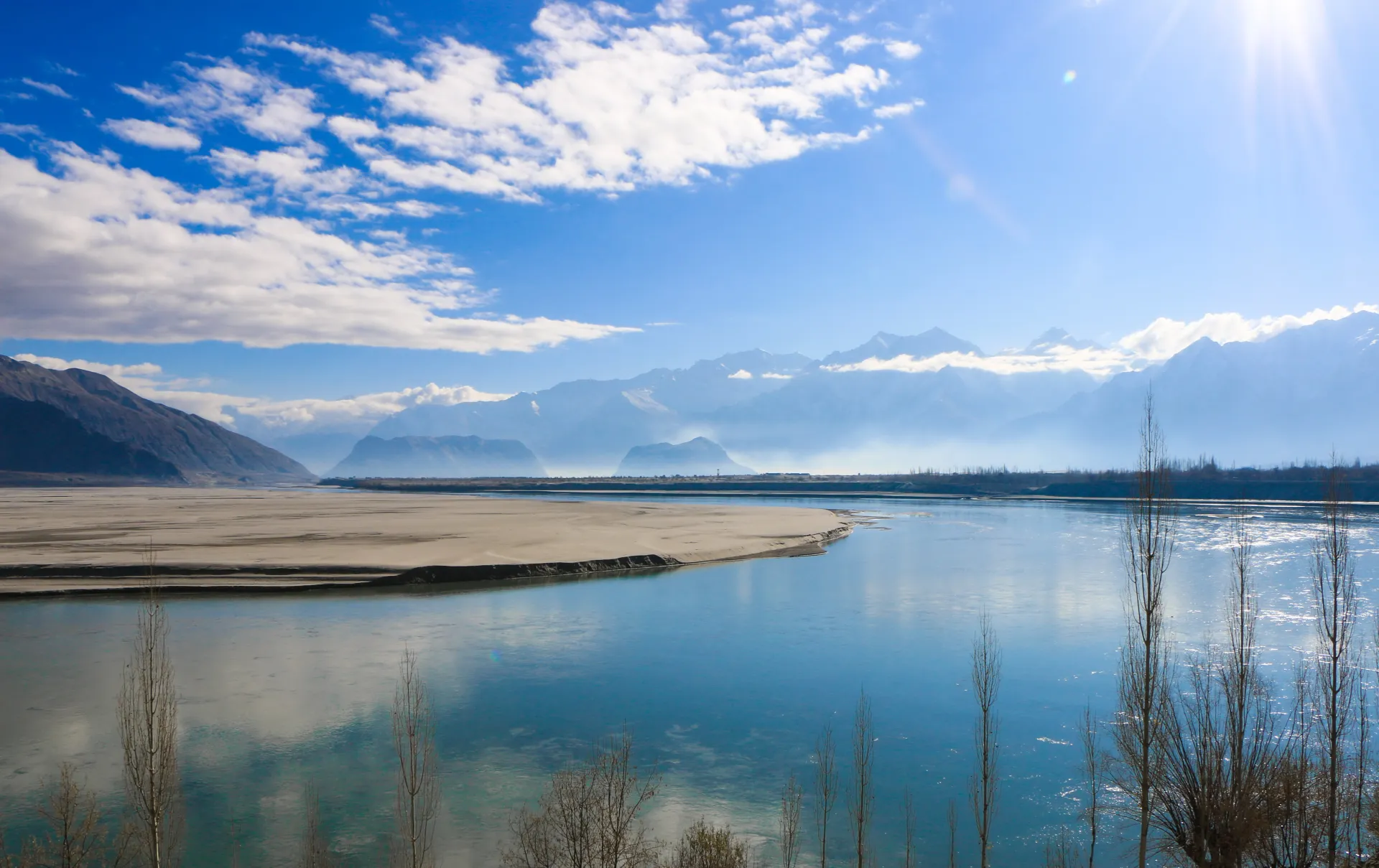
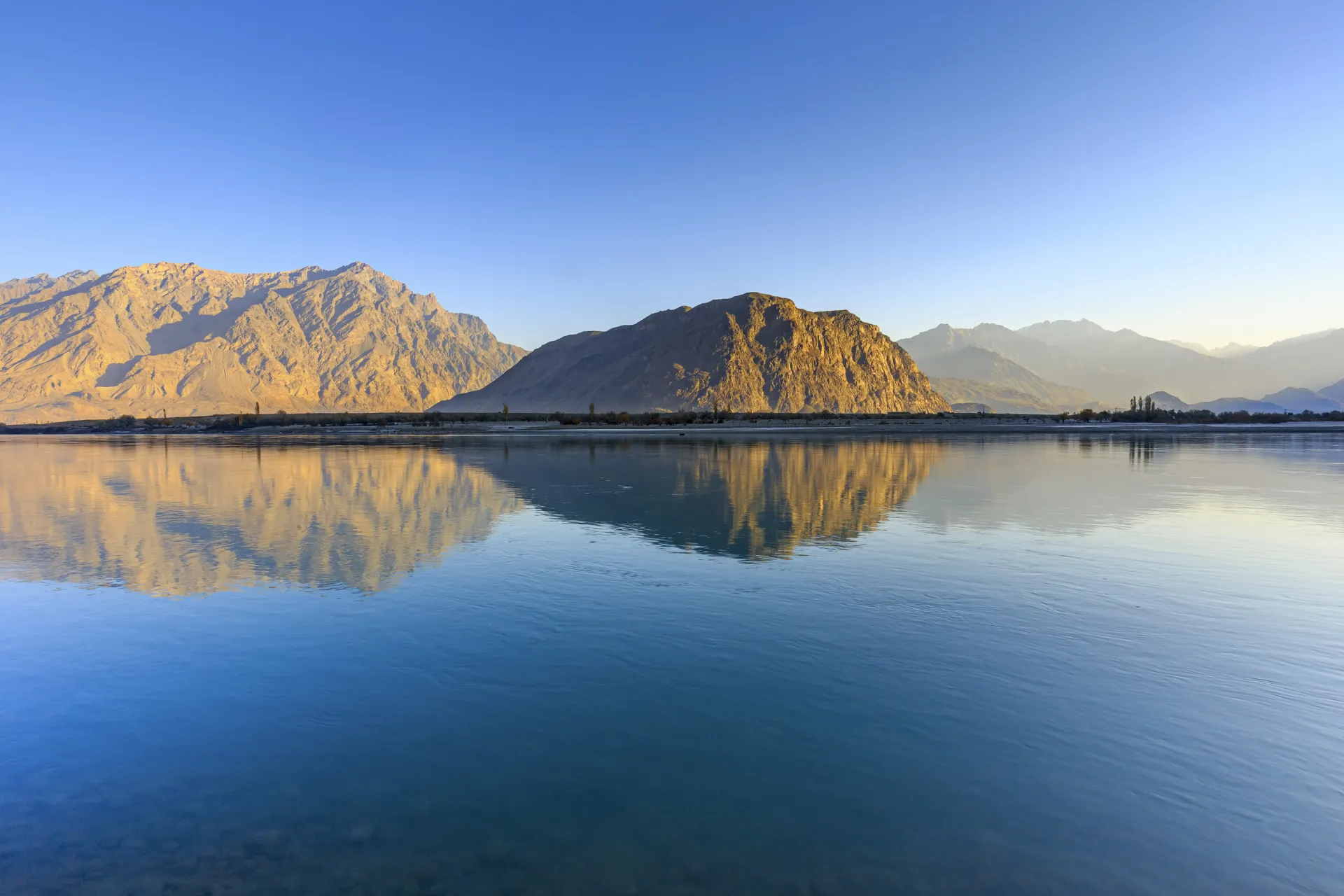
The Indus River at dawn near Skardu
Back to Tours
Cycling Skardu

Skardu & Deosai Cycling Circuit

Gravel and altitude across the world's second-highest plateau
The Indus River at dawn near Skardu, mirroring the surrounding mountains
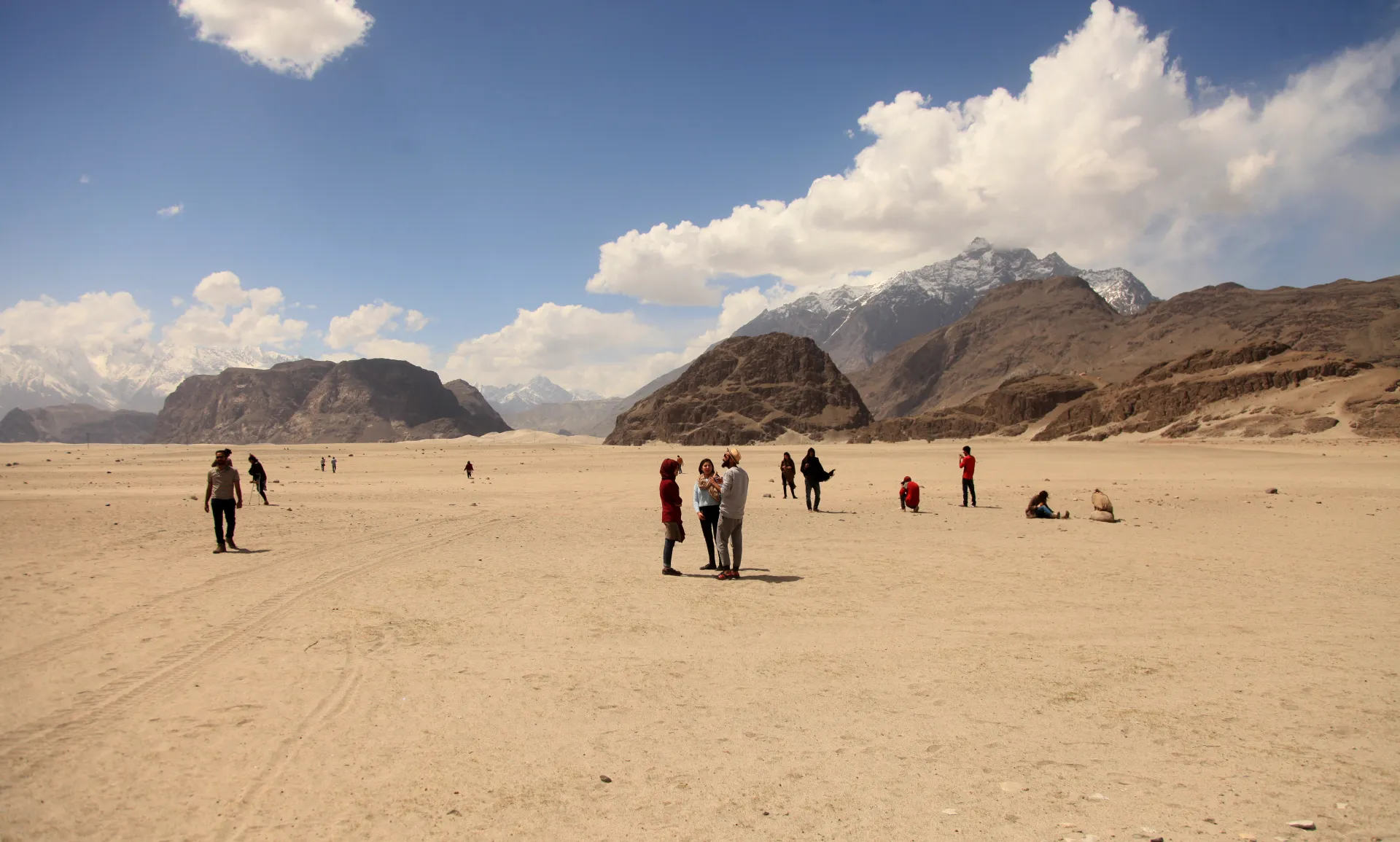
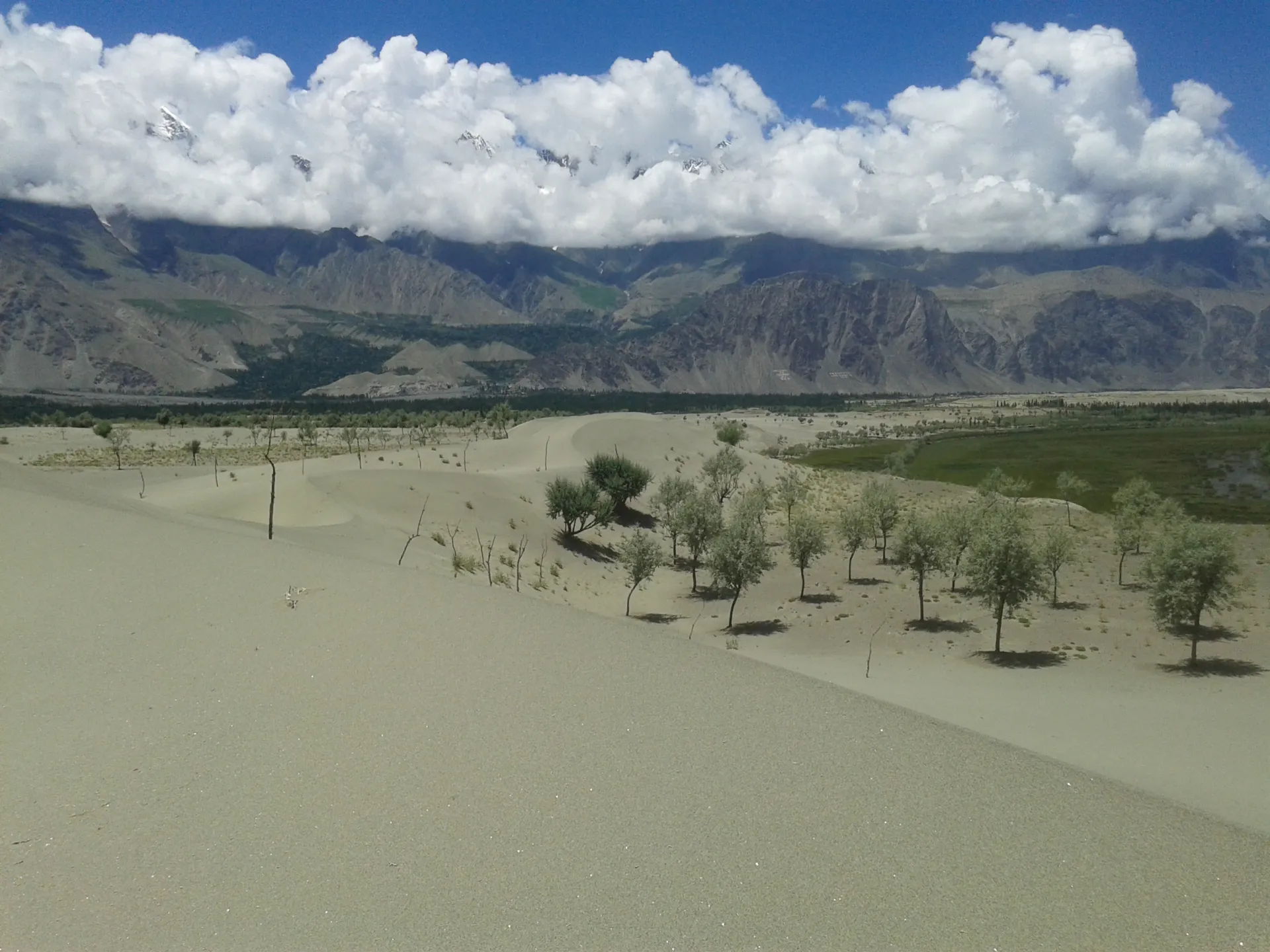
The Katpana Cold Desert near Skardu with dunes below snow-capped peaks
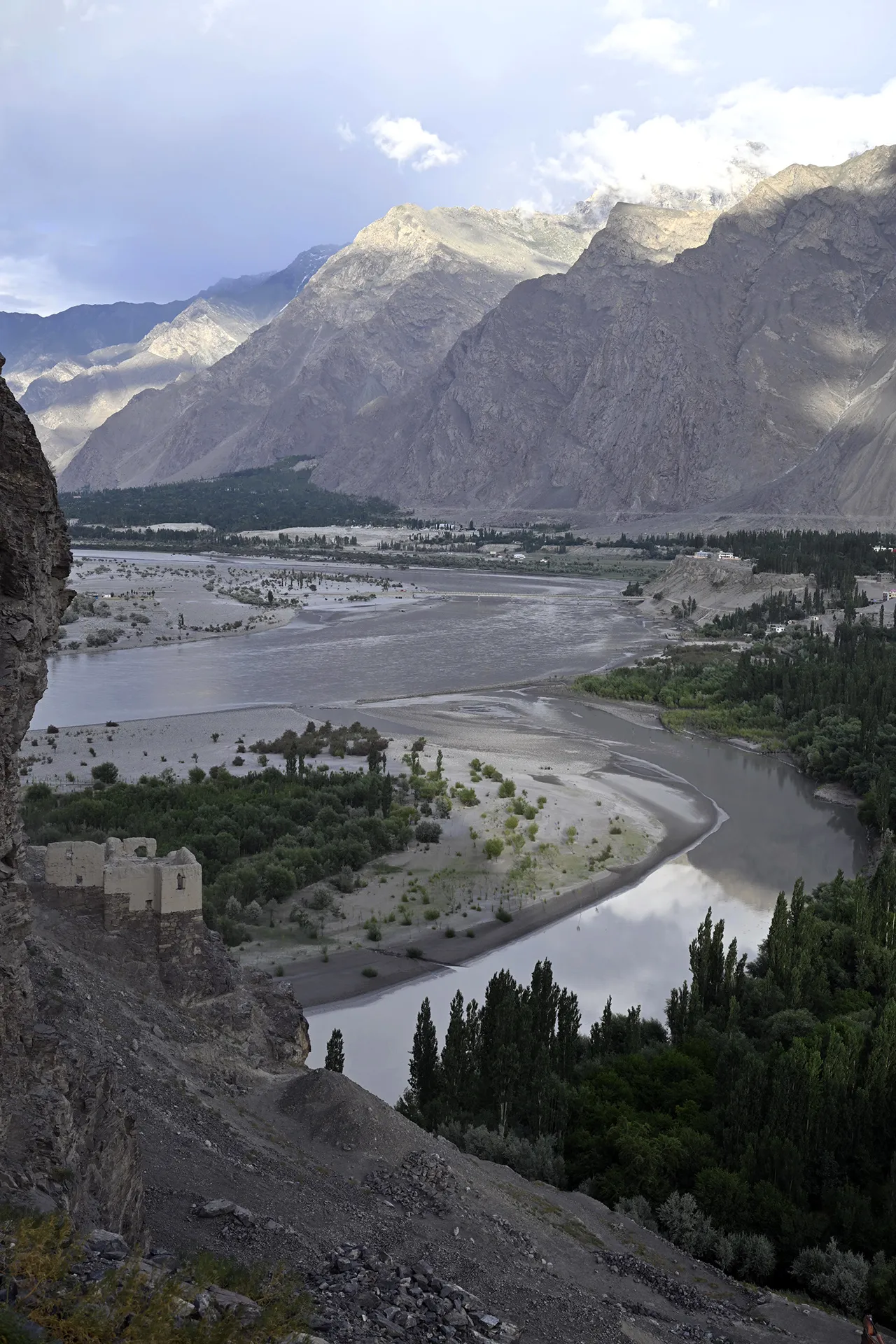
The braided Indus River flowing past the arid mountains of Skardu
Aerial view of the Indus winding through the Skardu valley
The high-altitude cold desert sands near Skardu
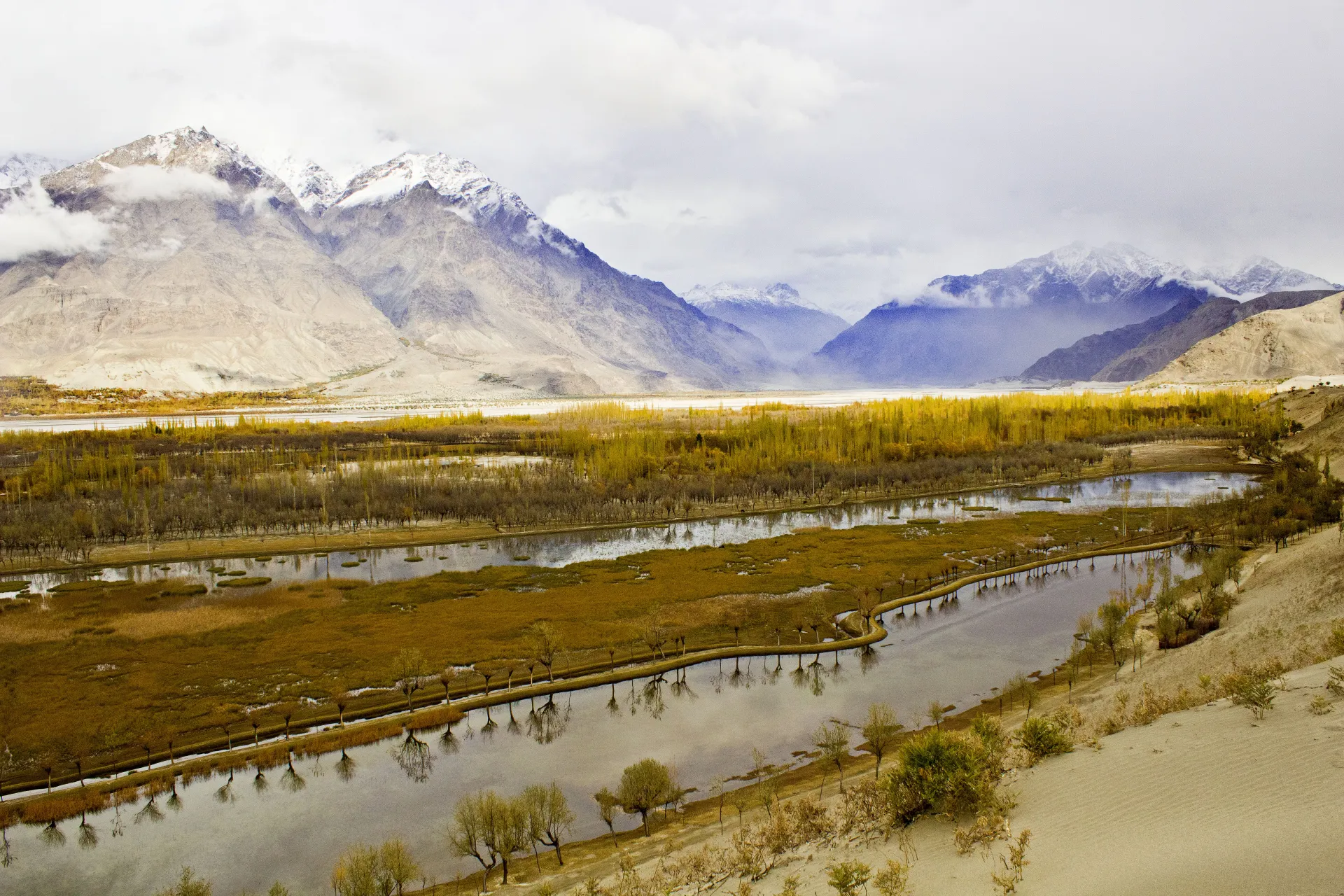
A stream winding through the green Skardu valley beneath snow-dusted peaks
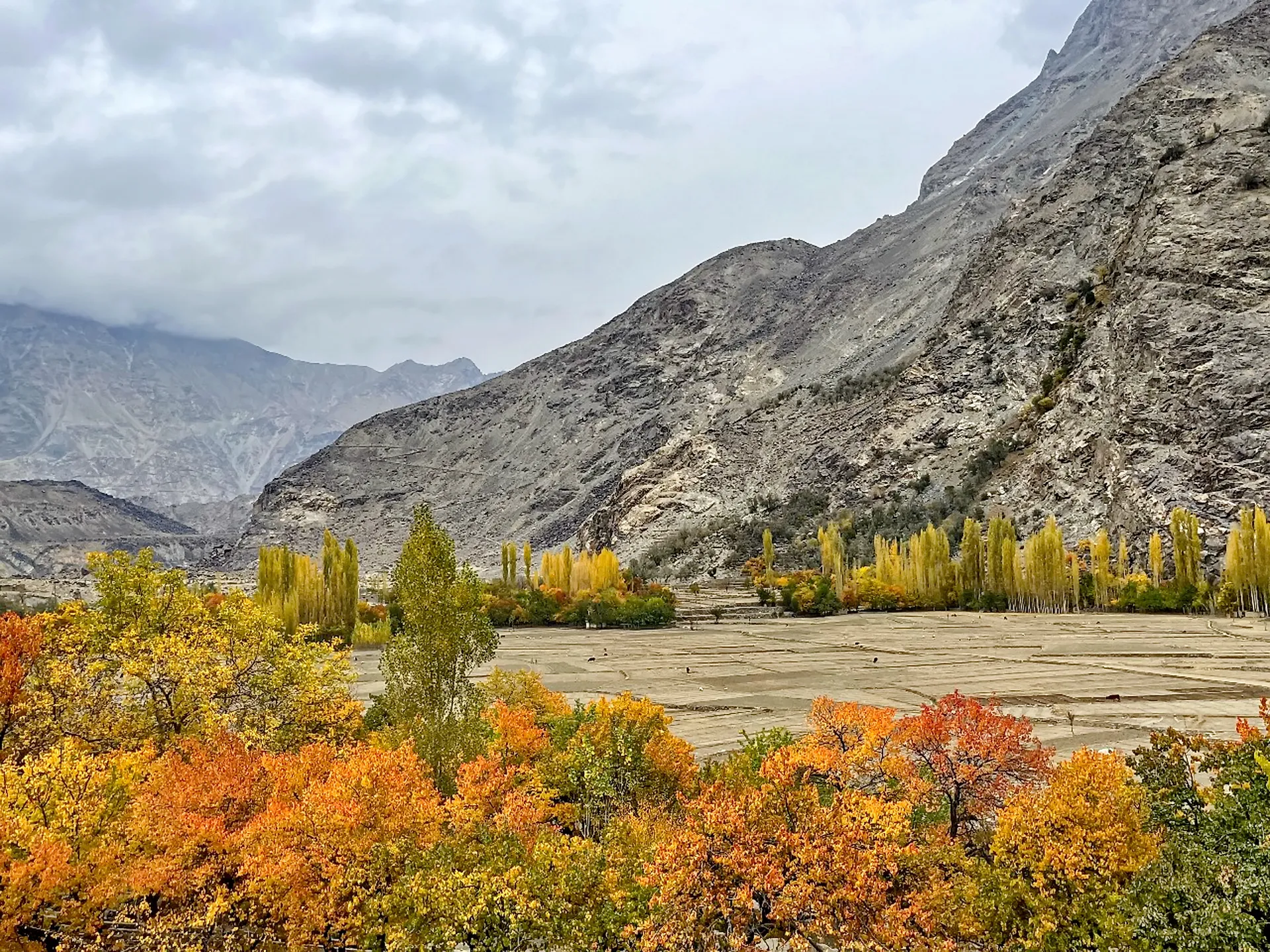
Golden autumn poplars in the Skardu valley
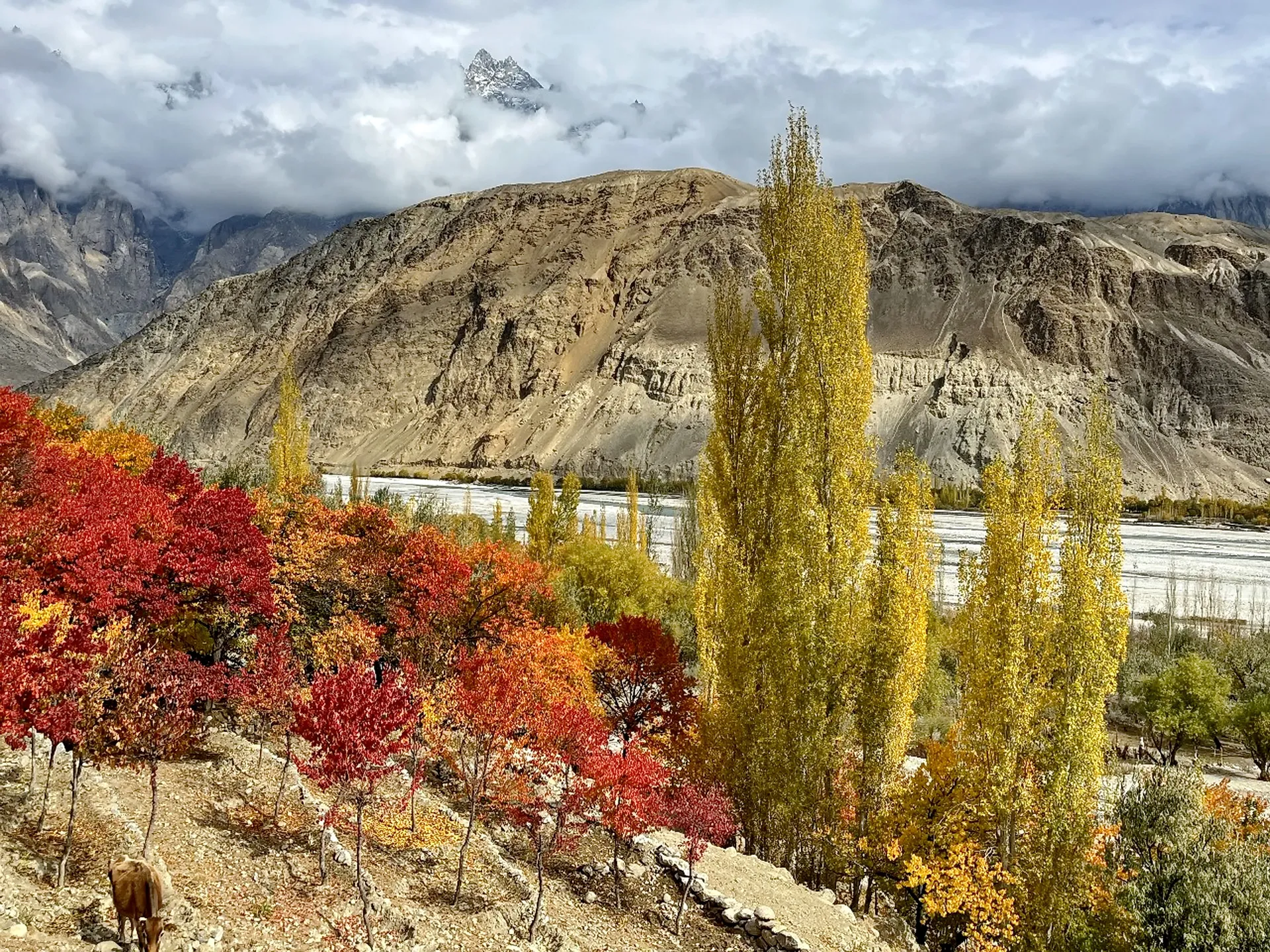
Red and gold autumn foliage along the Indus valley near Skardu
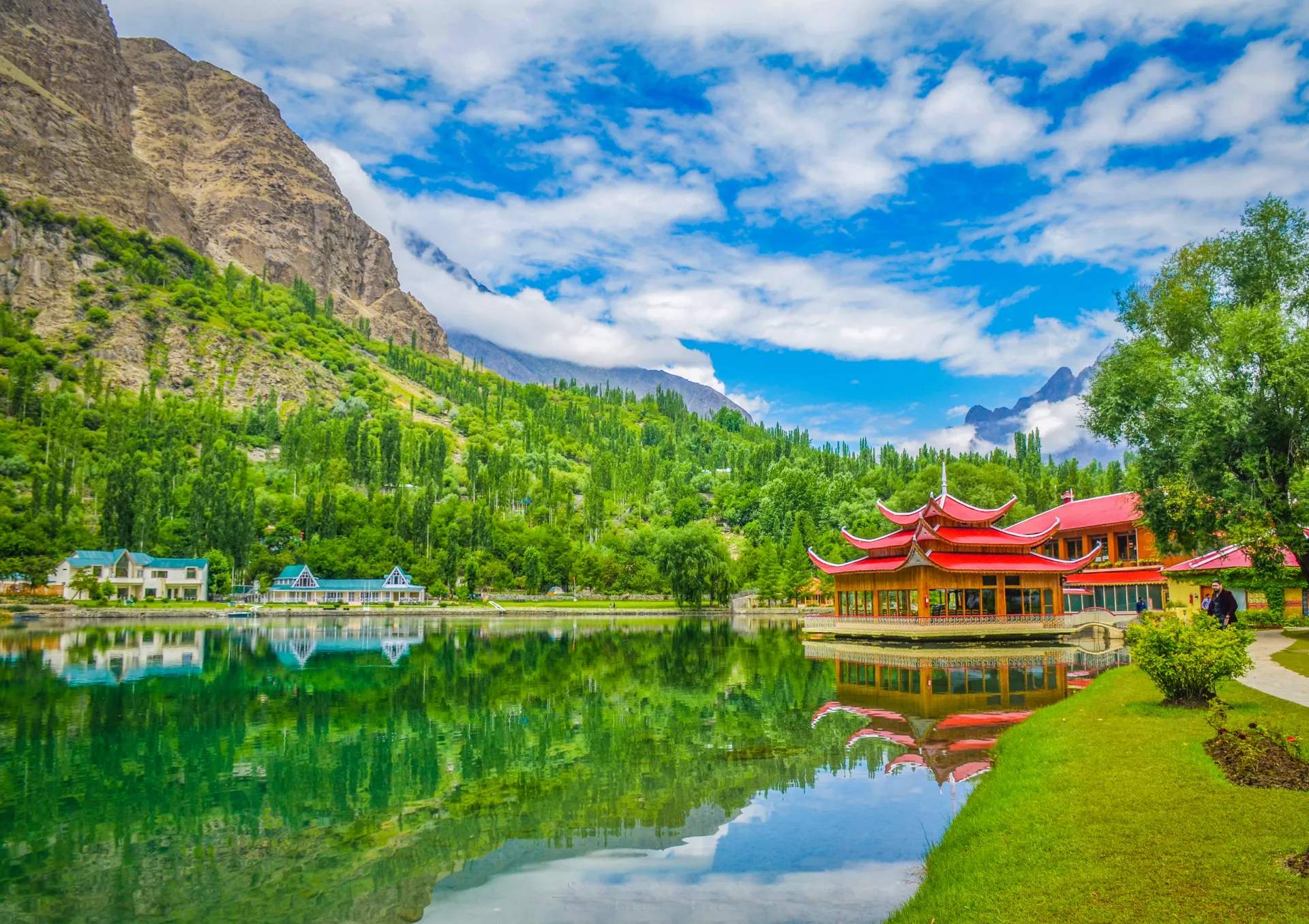
Shangrila Resort beside Lower Kachura Lake near Skardu
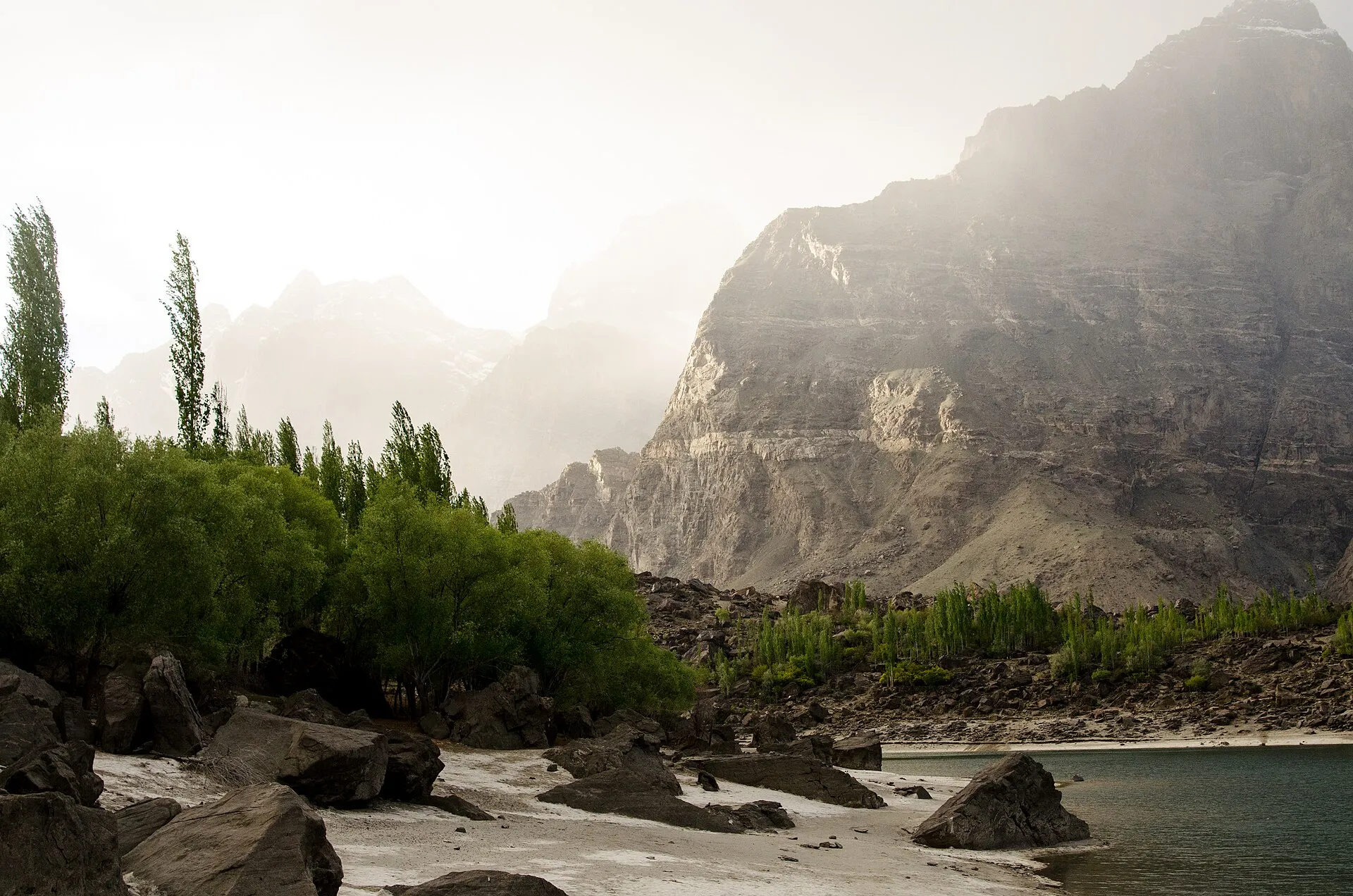
The calm waters of Kachura Lake near Skardu
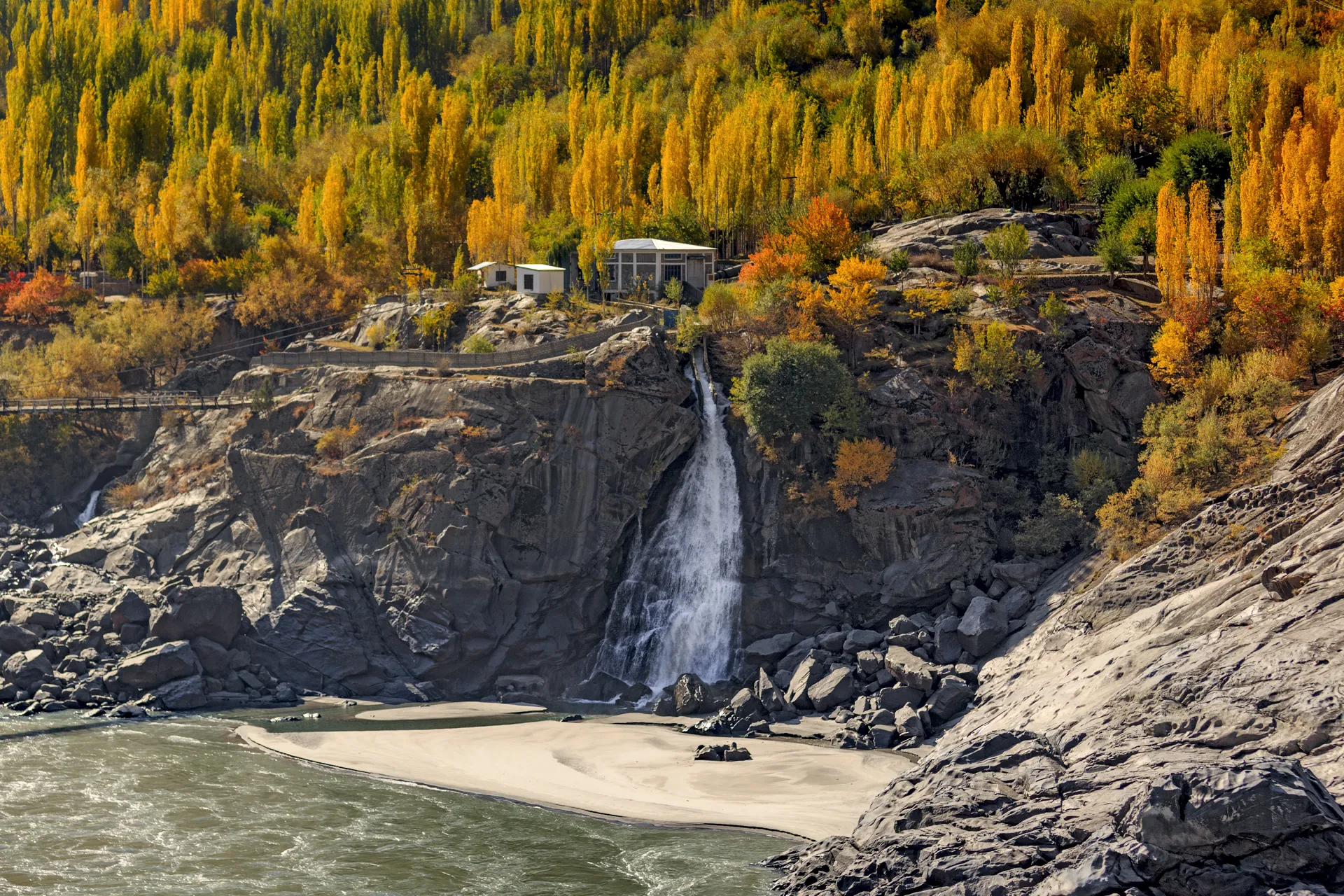
A roadside waterfall on the Gilgit-Skardu road in autumn
Sand dunes of the Katpana Cold Desert against the Skardu mountains

Last updated: · Reviewed by Javeed Iqbal, Founder

Duration

8-12 Days

Difficulty

Challenging

Group Size

2-8 cyclists

Best Season

Jul-Sep

About This Tour

This is our hardest cycling trip and the only true off-road one. After warm-up rides around Skardu (2,228 m), you climb onto the Deosai plateau, the world's second-highest at about 4,114 m, and cross it on gravel and dirt 4x4 track to Sheosar Lake before descending the Astore side. There is no sugar-coating it: you ride and camp above 4,000 m for a sustained stretch, the surface is loose washboard with unbridged stream fords, and the season is short. This trip is for fit, altitude-experienced riders.

The Skardu valley itself is worth the ride before the plateau. The town sits where the Indus and Shyok rivers meet, hemmed by desert cliffs on one side and green delta on the other, and it is the base camp town for K2, Broad Peak and the Gasherbrums, so the bazaar fills with porters and expedition members in season. Warm-up days take in Satpara Lake at 3,465 m, the Kachura lakes with the famous Shangrila resort, and the dunes of the Katpana cold desert before you turn uphill toward Deosai.

On the plateau the riding is slow and high. The track climbs hard out of the Sadpara side in dirt switchbacks onto rolling tundra, crosses small snowmelt streams without bridges, and grinds toward Sheosar Lake at roughly 4,250 m, where distances that look short on a map take hours because of the rough surface and thin air. This is brown-bear and snow-leopard habitat, so we keep camp clean. Then a long gravel descent off the Chilim side drops you toward Astore, losing 1,500 to 2,000 m.

Our Skardu and Deosai cycling circuit is $1,800 and runs July to mid-September only, the brief window when the plateau is clear of snow. It is fully supported by 4x4 jeep rather than a road van, because Deosai has no hotels and no fuel; we camp, carry first aid and oxygen, and sag riders often given the altitude. We market this trip honestly to people who have ridden high and rough before, not as a gentle valley spin.

How Hard Is the Deosai Crossing, Really?

Genuinely high-altitude, genuinely off-road. You sleep and ride above 4,000 m for a sustained period, which is real AMS terrain, so we acclimatize in Skardu for several days of warm-up riding before anyone climbs onto the plateau. The Deosai surface is gravel and dirt 4x4 track, washboard and loose, with stream fords that have no bridges and run deeper in the afternoon as the snow melts. Pace collapses up there; a 50 km plateau day can feel like a century at sea level.

A road bike will not do this trip. You need a gravel bike or a hardtail mountain bike with wide tyres, and you need to be comfortable handling loose surfaces and cold camps. We sag riders frequently on the high sections, but you should arrive fit and altitude-tested. Weather can turn fast even in July to September, nights are cold, and there are no services on the plateau, so self-sufficiency through the support jeep is the whole logistics model.

Day-by-Day Itinerary

1

Fly to Skardu, Build Bikes

Fly Islamabad to Skardu (2,228 m), weather permitting. Rest, assemble and fit bikes, and an easy evening walk to settle in before the acclimatization rides begin.
2

Skardu Acclimatization Ride (about 30 km)

A gentle 30 km circuit through Skardu town and out to the Kachura road and Lower Kachura Lake at Shangrila. Mostly flat and paved, the point is altitude adaptation, not distance.
3

Skardu to Satpara Lake (about 20 km)

A short but steep ride up to Satpara Lake at 3,465 m on mixed paved and dirt road. Afternoon by the lake, then back to Skardu to sleep low and keep acclimatizing.
4

Toward the Deosai Entry (about 40 km)

Ride from the Sadpara side toward the Deosai park entry near 3,800 m, the asphalt giving way to gravel switchbacks. First views over the plateau; camp at the entry or drop back to Skardu depending on how the group is acclimatizing.
5

Onto the Plateau toward Sheosar (about 50 km)

Cross onto Deosai on rough 4x4 track above 4,000 m, fording small unbridged snowmelt streams, riding toward Sheosar Lake at roughly 4,250 m. Brown-bear country, so the jeep stays close and camp is kept clean.
6

Deosai Plateau and Sheosar Lake

A full day high on the plateau around Sheosar, distances deceptively slow on washboard gravel at altitude. Wildflowers in the tundra, marmots, and the chance of distant bear sightings; tented camp under a cold clear sky.
7

Descend the Astore Side (Chilim to Astore)

The long reward: a gravel descent off the Chilim side of the plateau toward the Astore valley, losing 1,500 to 2,000 m. Hands and brakes get a workout; overnight in Astore.
8

Buffer and Skardu Bazaar

A flexible day for weather buffer or a return ride, then time in Skardu bazaar for dried apricots and local honey, and a full bike service after the gravel.
9

Extension or Fly Out

Optional link toward Nanga Parbat viewpoints or back to the KKH for those with extra days, or fly Skardu to Islamabad. Departure.

Bikes, the 4x4 Jeep and Camping

Support is by 4x4 jeep, not a regular van, because the Deosai track demands it. The jeep carries camping gear, fuel, first aid and oxygen, and sags riders often given the altitude, and Deosai has no hotels so the plateau nights are tented and basic. We provide mountain bikes and safety gear, but a quality off-road bike is hard to source reliably up north, so if you want a specific gravel or MTB setup that fits you, bring your own or arrange it with us well ahead of the trip.

Be clear on what the local fleet is: rentals here are 125 to 150 cc motorbikes, not tour-grade mountain bikes, so do not assume a dialed-in gravel rig is waiting in Skardu. Diesel is more available than petrol in the north, which we plan the jeep around. On the plateau there is no fuel and no resupply, so everything you need rides with the jeep.

Best Time to Cycle Deosai

July to mid-September, and that is the whole window. Deosai is snowbound the rest of the year and the access tracks and high lakes only clear in deep summer. Even inside the season the weather can turn fast and the nights are cold at 4,000 m, so we carry layers and keep the daily plan flexible. We will not run a departure outside this window, because the plateau simply is not rideable.

Who This Tour Is For

Fit, altitude-experienced riders comfortable on loose gravel and in cold camps. If you have ridden high passes off-road before and you want the hardest, highest cycling we run, this is it. If you want paved roads, low altitude and guesthouse beds, our Hunza cycling tour on the upper KKH is the gentler choice, and our KKH expedition to Khunjerab is the paved high-altitude option. We would rather point you to the right trip than have you struggle on Deosai.

Why Book With Us

We are a Gilgit-Baltistan operator running Skardu and Deosai since 2015, and we treat this trip with the respect a 4,000 m gravel crossing deserves. We acclimatize you properly in Skardu, support the plateau with a 4x4 jeep carrying oxygen and camp, and tell you straight that this is our hardest ride so the right people book it. Local jeep crews, clean bear-aware camps and a tight honest season are what you get.

What's Included

Islamabad-Skardu flights (both directions)
Touring bicycle hire & safety gear
4WD support vehicle for full circuit
7-12 nights Skardu hotel accommodation
All meals throughout
Deosai National Park entry fees

Not Included

International flights
Travel insurance
Personal expenses and tips

Frequently Asked Questions

Is it safe to cycle in Pakistan?

Yes, but this is our most demanding trip and the risks are altitude and remoteness rather than security. You ride and camp above 4,000 m on Deosai with a 4x4 jeep carrying oxygen and first aid, acclimatising in Skardu first. We keep bear-aware camps, ford streams in the cooler morning, and sag riders the altitude beats, so the route is safe for fit, altitude-experienced cyclists. Skardu itself is a calm town and the base for K2 expeditions, busy with porters and climbers in season. The first three days are warm-up rides around Skardu, the Kachura lakes and Satpara Lake, sleeping low before anyone climbs onto the plateau. Deosai has no hotels, fuel or services, so everything rides with the jeep and its local crew. We run this trip only from July to mid-September. Travel insurance is not included; make sure yours covers cycling at altitude.

Is Deosai cycling hard?

Yes, it is the hardest of our cycling trips. You ride loose gravel 4x4 track and camp above 4,000 m for a sustained stretch, pace collapses in the thin air, and there are unbridged stream fords. A road bike will not do; you need a gravel bike or hardtail MTB and prior high-altitude riding experience. The daily distances look modest on paper, from about 20 to 50 kilometres, but a 50-kilometre plateau day can feel like a century at sea level. The surface is washboard and loose, and the climb out of the Sadpara side comes in dirt switchbacks. The reward is a long gravel descent off the Chilim side toward Astore, losing 1,500 to 2,000 metres, which is hard on hands and brakes. If you want paved roads and guesthouse beds, our Hunza cycling tour on the upper KKH is the gentler choice.

What bike do I need for Deosai?

A gravel bike or a hardtail mountain bike with wide tyres, because the plateau is washboard gravel and dirt with stream crossings. We provide MTBs and safety gear, but a quality off-road bike is hard to source reliably up north, so if fit matters, bring your own or arrange it with us well ahead. The local rental fleet is 125 to 150 cc motorbikes, not tour-grade bicycles. If you bring your own, day one in Skardu is set aside to assemble and fit bikes, and day eight includes a full service after the gravel. Choose tyres that grip on loose surfaces and brakes you trust on the long descent off the Chilim side toward Astore. You do not need full suspension. The 4x4 jeep carries the camping gear, fuel, first aid and oxygen, and it sags riders often on the high sections.

How high does the Deosai cycling route go?

You cross the Deosai plateau at about 4,114 m and ride to Sheosar Lake at roughly 4,250 m, sleeping and riding above 4,000 m for a sustained period. That is genuine high-altitude exertion, which is why we acclimatise in Skardu first and carry oxygen in the support jeep. The climb is gradual on purpose. You start in Skardu at 2,228 metres, ride up to Satpara Lake at 3,465 metres on day three and sleep low again, then head for the Deosai park entry near 3,800 metres on day four. Only on day five do you cross onto the plateau proper. The descent off the Chilim side drops 1,500 to 2,000 metres toward Astore, so you lose height quickly at the end. This is real AMS terrain, and anyone who is struggling rides in the jeep rather than pushing on.

When is the best time to cycle Deosai?

July to mid-September only. Deosai is snowbound the rest of the year and the high tracks and lakes clear just for deep summer. Even in season the weather can turn fast and nights are cold at 4,000 m, so we keep the plan flexible and will not run outside this window. In season the tundra carries wildflowers and marmots, and there is a chance of distant brown bear sightings. The streams run deeper in the afternoon as the snow melts, so we ford them early in the day. Day eight is a buffer for weather, which matters on a plateau with no shelter or services. Pack warm layers for the camps whichever week you choose. If you are planning ahead, tell us your preferred dates early, because the window is short and each group is capped at eight cyclists.

Where do we sleep on the plateau?

In tents. Deosai has no hotels and no services, so the plateau nights are tented and basic, supported by the 4x4 jeep that carries camping gear, fuel, first aid and oxygen. Skardu and Astore nights are in proper accommodation; the high camps are the trade-off for crossing the plateau. The first nights are in Skardu while you acclimatise. On day four you may camp at the park entry near 3,800 metres or drop back to Skardu, depending on how the group is adjusting. Days five and six are tented camps on the plateau around Sheosar Lake, at roughly 4,250 metres, under cold, clear skies. This is brown-bear country, so we keep camp clean and the jeep stays close. Bring a warm sleeping bag and layers, because nights at this height are cold even in midsummer. After the descent you sleep in Astore.

Are the river crossings dangerous?

They are real but manageable. The Deosai streams are unbridged and fordable, running shallower in the cool morning and deeper in the afternoon as snow melts, so we time crossings early. The support jeep handles gear and assists at the fords; you should be comfortable getting your feet wet and your bike across. These are small snowmelt streams on the plateau rather than big rivers, and you meet them as you ride from the park entry toward Sheosar Lake. In practice you walk the bike through, or carry it where the bed is rocky. Bring sandals or accept wet shoes, and keep dry socks for the evening. The water is very cold, which is another reason we cross before the melt picks up. The jeep stays close on these sections, so help is always a few metres away.

What is included for $1,800?

The $1,800 covers Skardu flights both ways, mountain bike and safety gear hire, the 4x4 support jeep for the full circuit, accommodation and camping with all meals, and the Deosai National Park entry fees. Personal gear and travel insurance are not included; bring your own bike if a specific gravel or MTB fit matters to you. International flights, personal expenses and tips are also extra. The flights are Islamabad to Skardu and back, weather permitting, and the jeep carries camping gear, fuel, first aid and oxygen for the plateau stages. Meals run from the first night in Skardu through the tented camps on Deosai to Astore. The price is from $1,800 per person, and the final figure depends on group size and how many days you take, since the tour runs 8 to 12 days with an optional extension toward Nanga Parbat viewpoints.

From

$1,800

per person

* Prices may vary. Contact us for accurate, customized pricing.

Duration8-12 Days
DifficultyChallenging
Group Size2-8 cyclists
Best SeasonJul-Sep
Max Altitude4,114 m
Book This Tour Ask a Question

Free cancellation up to 30 days before departure

Ready for Your Next Adventure?

Join our community of explorers and discover the journey of a lifetime. Our expert team is ready to help you plan your perfect expedition.