Shandur Pass Motorcycle Adventure
Eight days of gravel from Gilgit to Chitral over Shandur at 3,734 m
Last updated: · Reviewed by Javeed Iqbal, Founder
Duration
6-8 Days
Difficulty
Moderate
Group Size
2-6 riders
Best Season
Jun-Sep
About This Tour
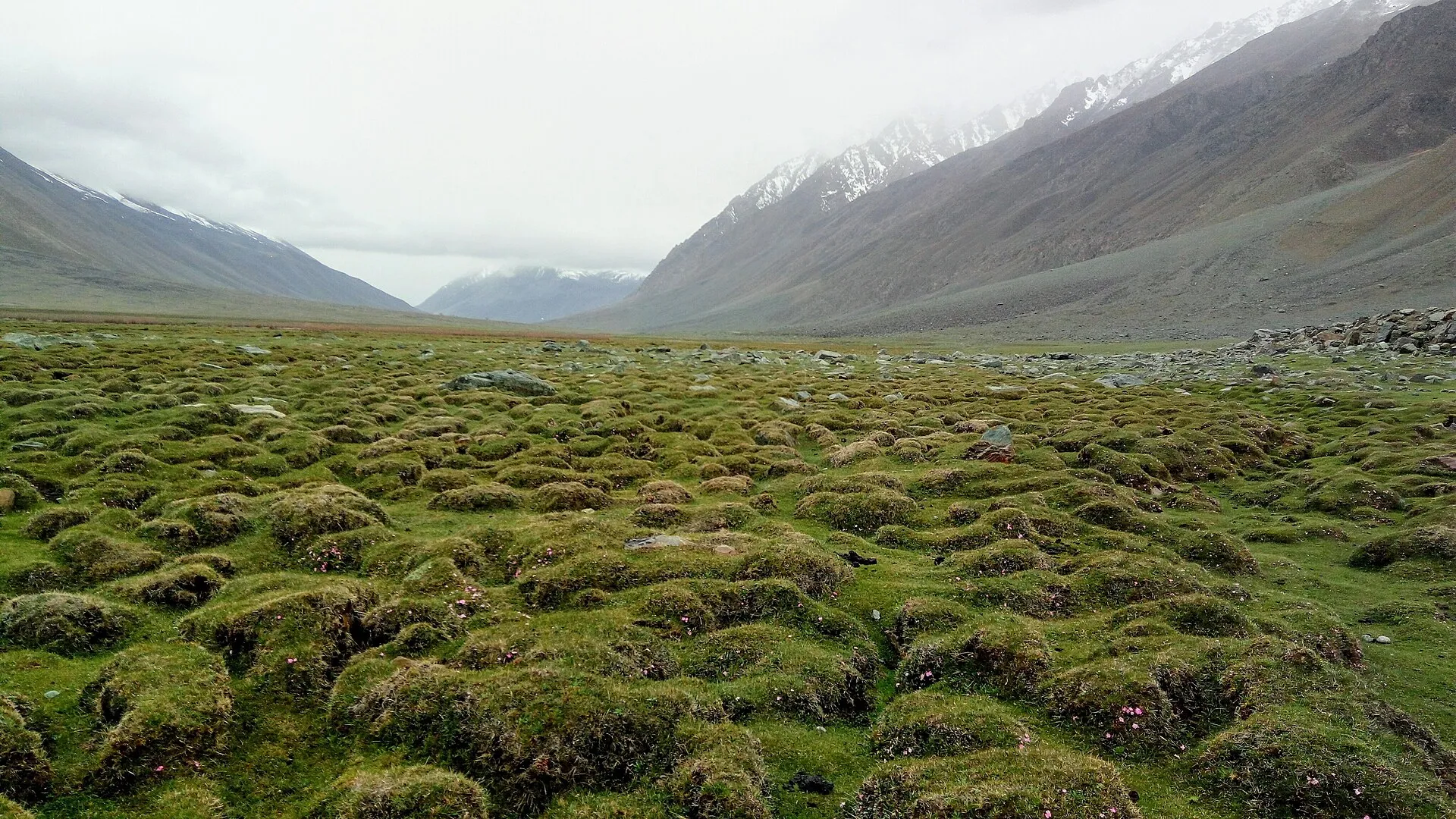
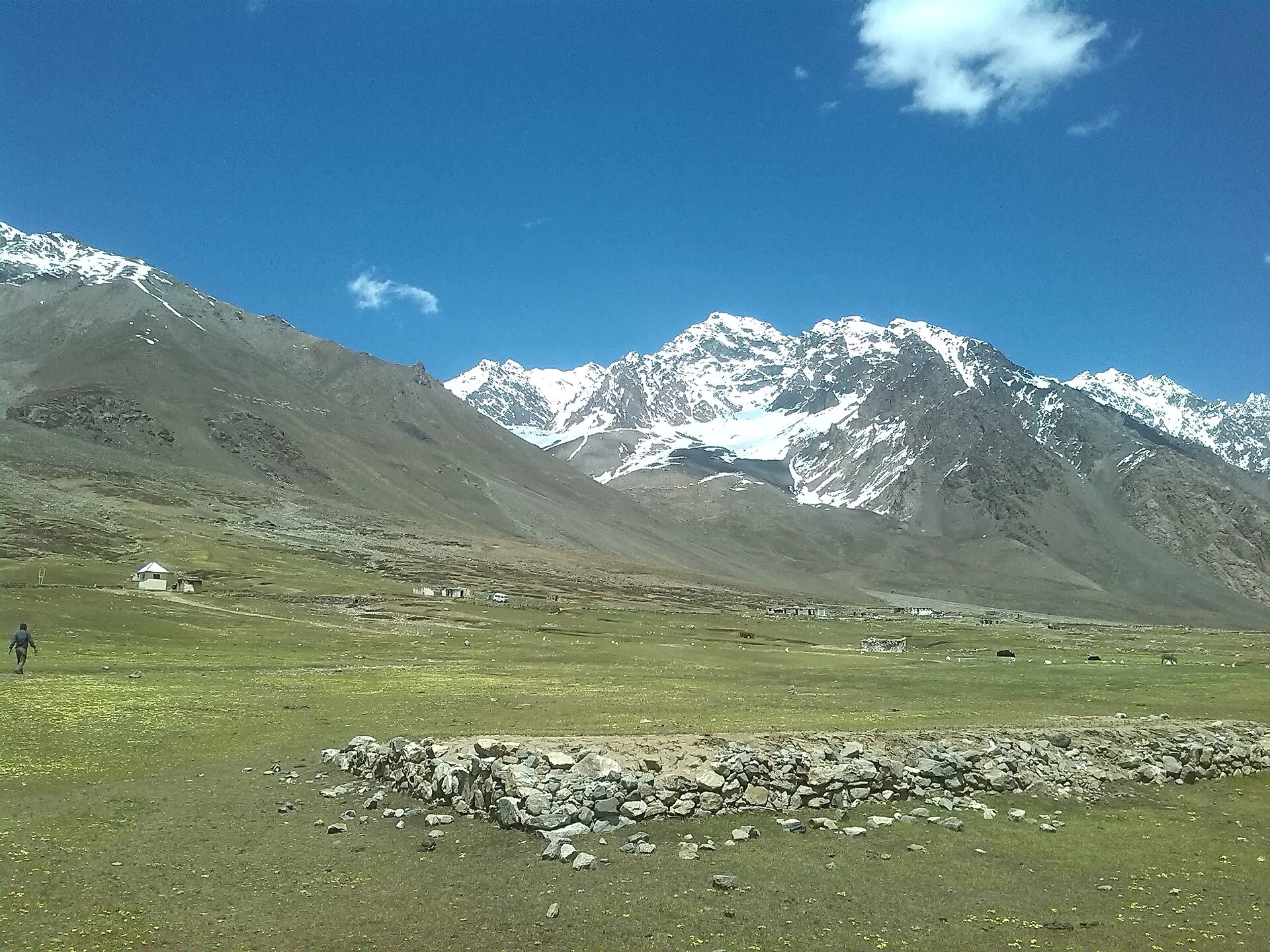
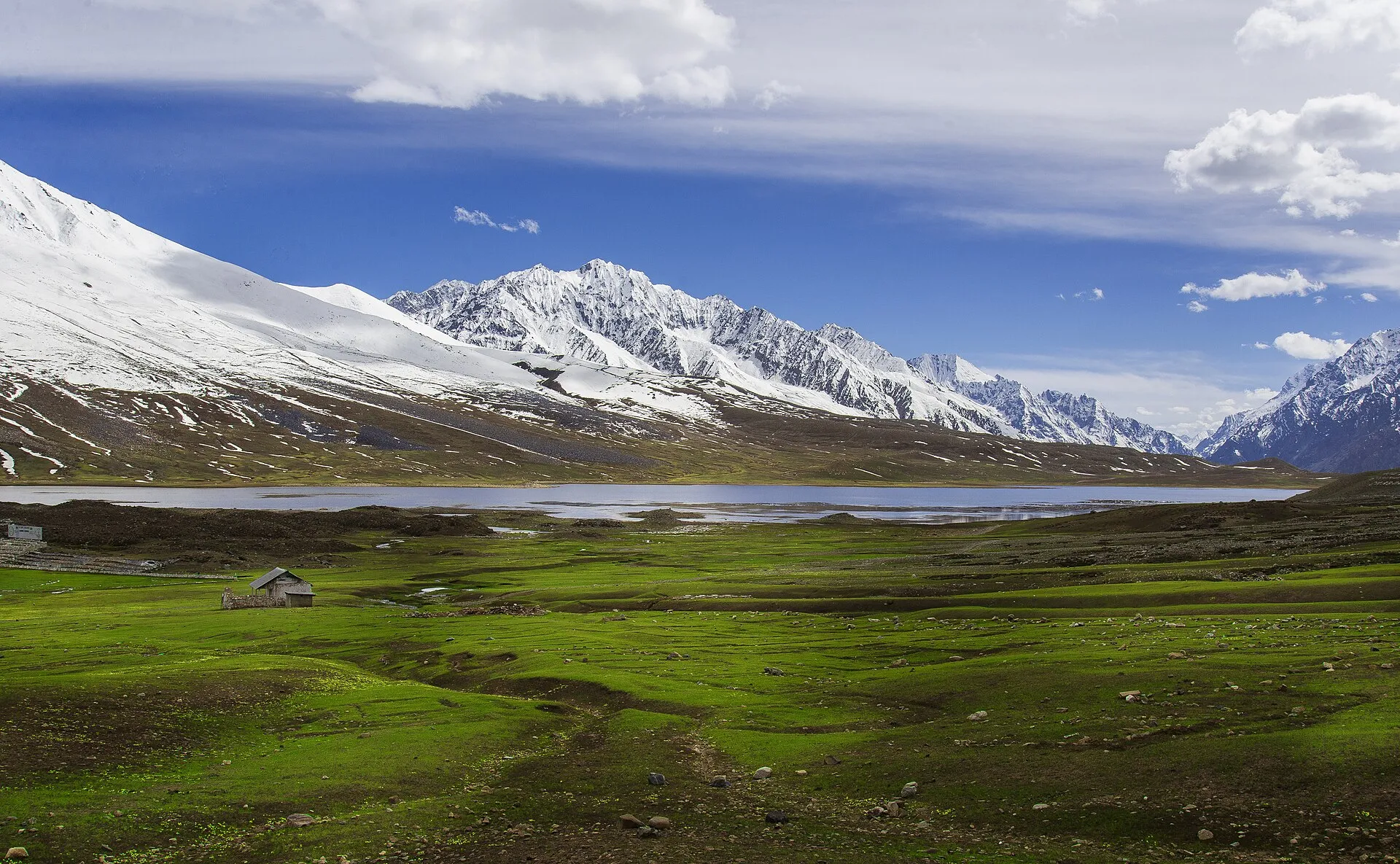
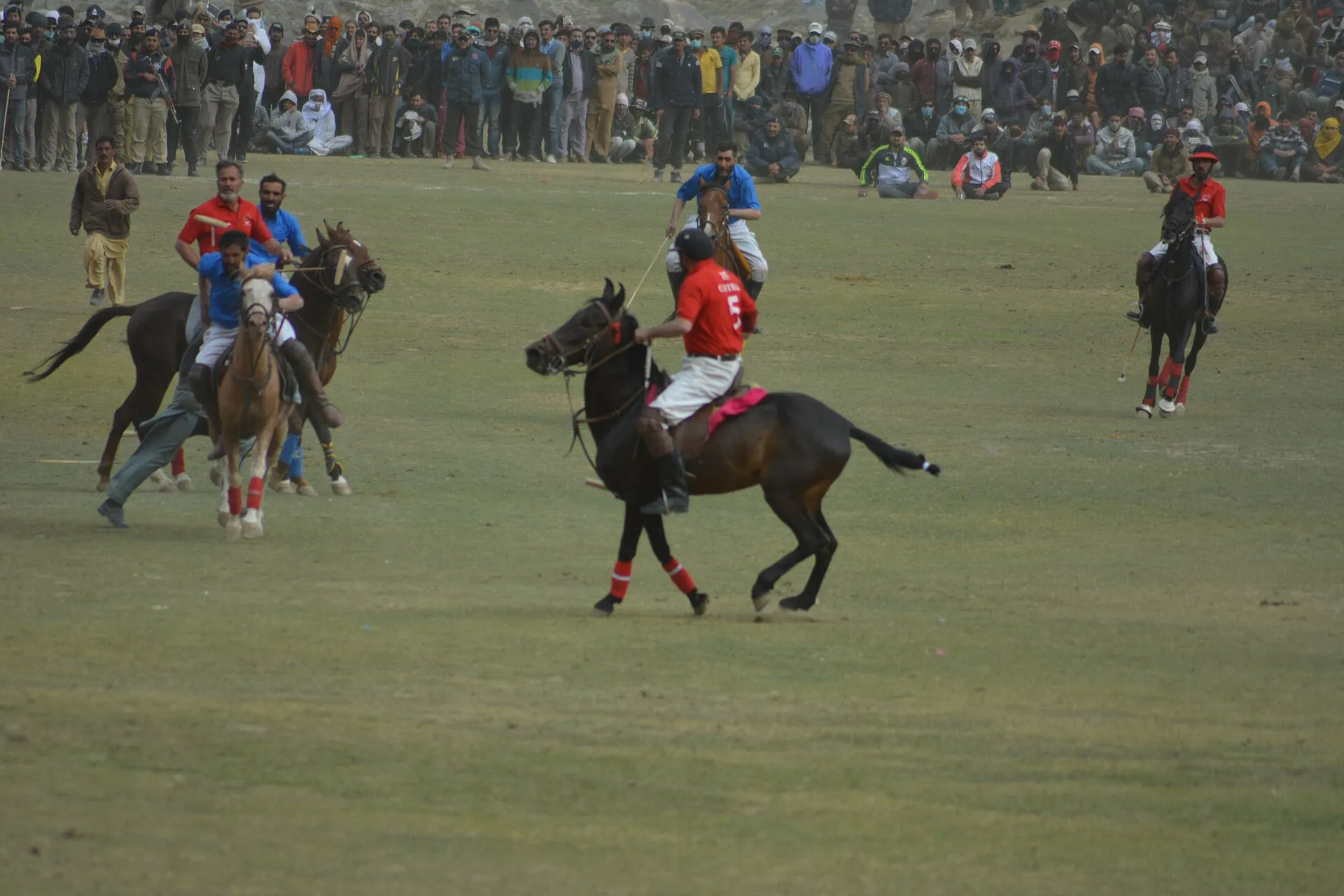
This is the adventure-riding ride of our motorcycle trio: Gilgit to Chitral over the Shandur Pass at 3,734 m, the world's highest polo ground. It runs west through the Ghizer Valley past Gupis and Phander, where the tarmac gives out and the road turns to rough gravel for the climb to the top. The far side drops down the Chitral River through Mastuj and Booni. This is the most expedition-feeling of the three, and the least paved.
The defining feature is remoteness. Between Gupis and Chitral there are no towns of any size, few mechanics, and patchy phone coverage. The road on and near the pass includes unbridged stream crossings fed by snowmelt, which run deeper in the afternoon than in the morning, and the Chitral descent is narrow and prone to rockfall and erosion. Distances look short on paper but the surface slows everything to four-to-six-hour riding days.
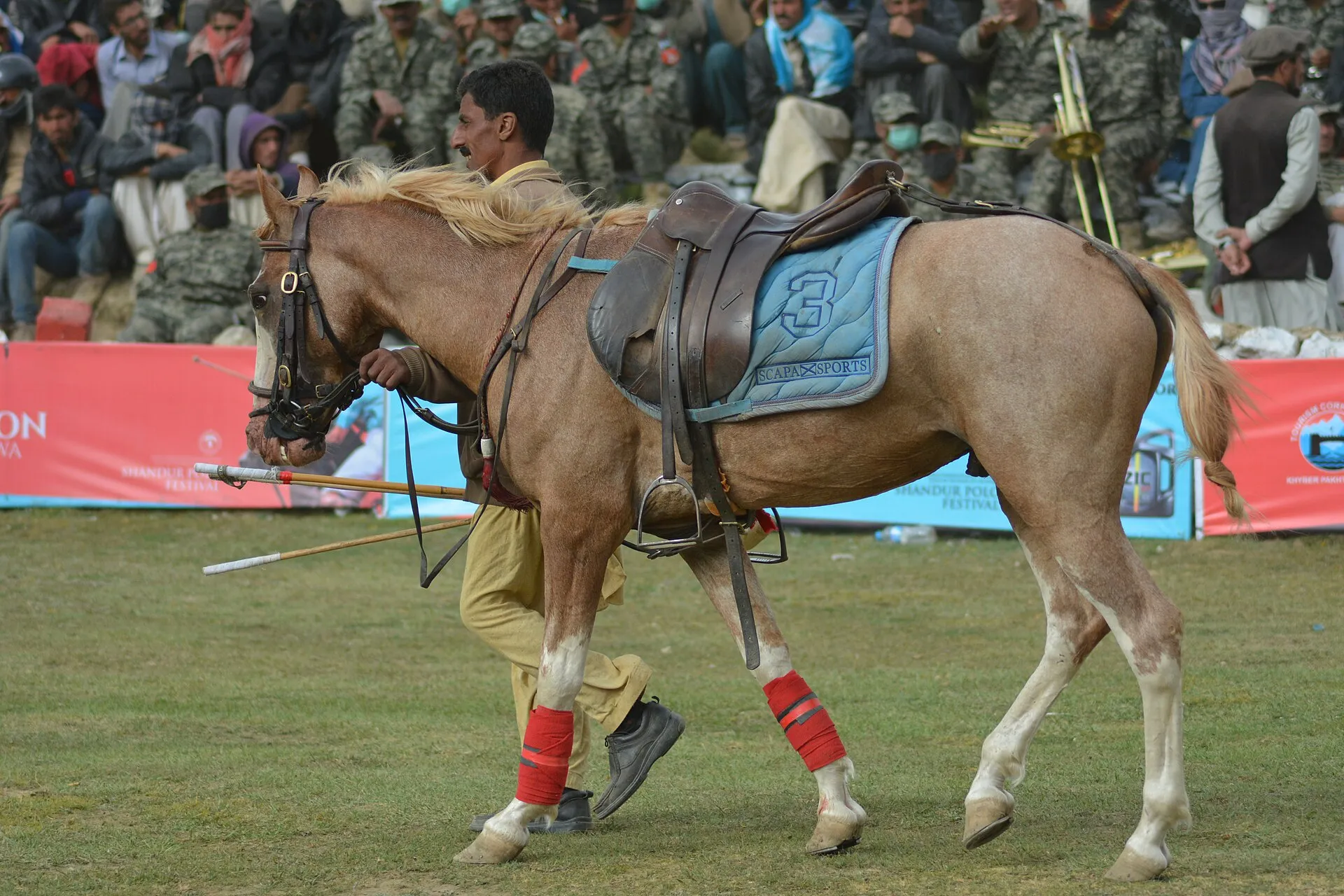
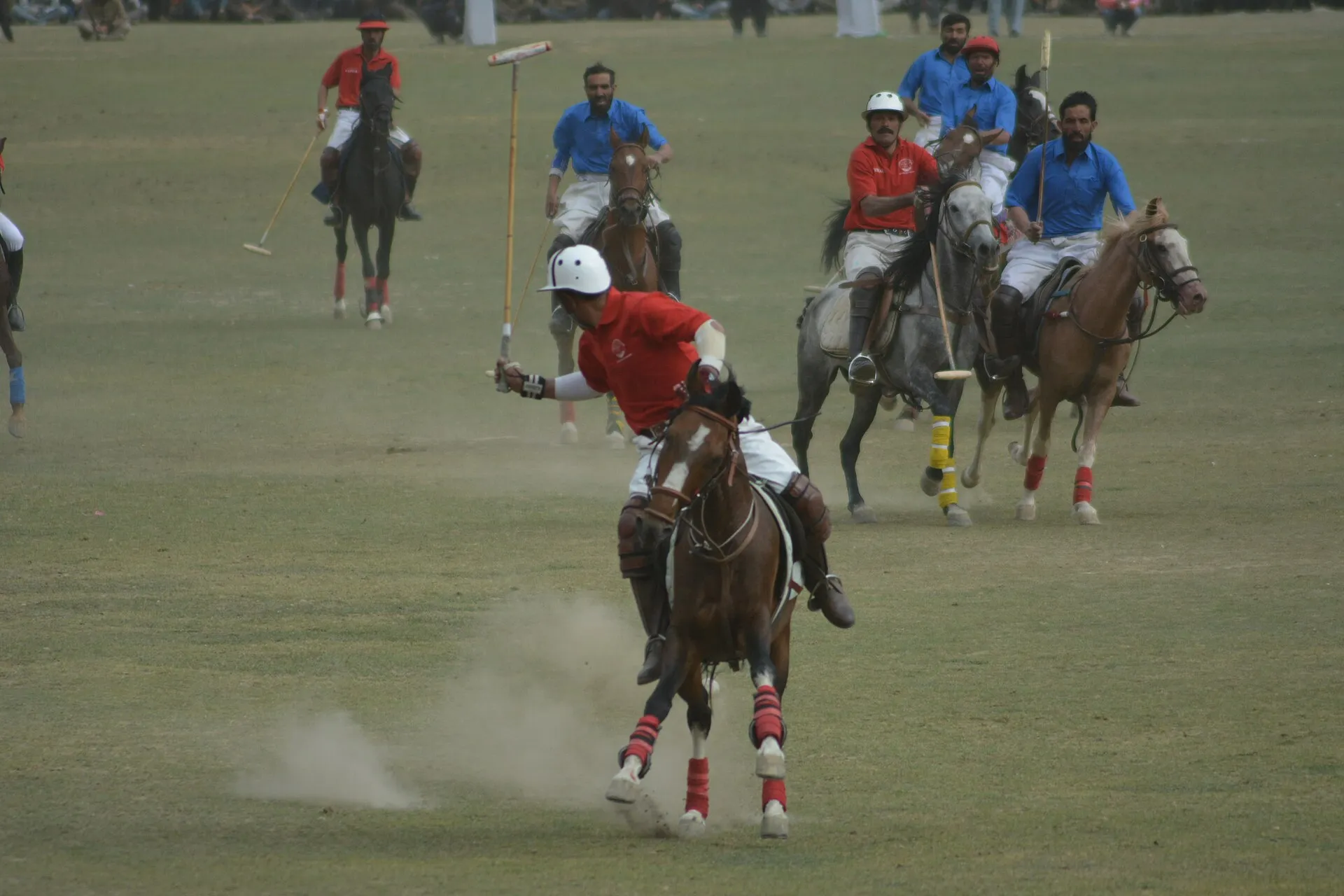
Shandur opens roughly late April or May and closes for winter by early November. The Shandur Polo Festival, held in June in recent years (11 to 13 June in 2026), fills the pass with crowds and traffic, which is worth riding around unless you specifically want it. The Ghizer Valley gives you Khalti and Phander lakes roadside, trout from the river at the guesthouses, and stretches of road you will likely have entirely to yourself.
We run it Gilgit to Chitral with a support 4x4 carrying luggage and fuel reserves. You ride the gravel; we carry the spare petrol for the gaps, handle the foreigner checkpost registrations, and put you in small family guesthouses in Phander and Laspur. It is a tour for riders who want surface variety and isolation, not a smooth scenic cruise.
Road Surface and the Stream Crossings
Expect mostly unpaved gravel and dirt, especially from Phander up to Shandur and on the Chitral descent. There are steep loose-gravel climbs, washboard, and stream crossings without bridges that are fordable but real. Snowmelt feeds those crossings, so they run shallower in the cool of the morning and deeper through the afternoon, which shapes how we time the riding day.
This terrain favours a dual-sport or a lighter 150cc over a heavy tourer. A CG125 can do it but loaded gravel climbs are hard work on the smaller bike. The Chitral descent following the river is narrow and rockfall-prone, so it rewards a steady pace over speed.
Day-by-Day Itinerary
1Islamabad to Gilgit by Air
Islamabad to Gilgit by Air
2Gilgit to Gahkuch through the Ghizer Valley, about 100 km
Gilgit to Gahkuch through the Ghizer Valley, about 100 km
3Gahkuch to Phander, about 50 km
Gahkuch to Phander, about 50 km
4Phander to Shandur Pass, 3,734 m, about 70 km
Phander to Shandur Pass, 3,734 m, about 70 km
5Shandur to Laspur, about 40 km
Shandur to Laspur, about 40 km
6Laspur to Chitral via Mastuj, about 90 km
Laspur to Chitral via Mastuj, about 90 km
7Chitral Rest Day
Chitral Rest Day
8Chitral Departure
Chitral Departure
The Critical Fuel Gap
Fuel planning is the make-or-break logistic on this route. Fill up in Gilgit and again in Gupis, because there is nothing on the pass itself and the gap over Shandur is long. On the Chitral side, Booni has fuel. We carry reserve petrol in the support 4x4 for the stretch with no pumps, but you ride with a full tank and a reserve in mind regardless.
One quirk of the north is that pumps stock diesel more reliably than petrol, which bears on the support 4x4 rather than your bike. Either way the rule holds: take fuel wherever it is offered, since the following station may sit hours of gravel away.
What Bike to Ride, What Gear to Bring
Most riders collect a bike in Islamabad or Rawalpindi, though Gilgit works as a backup pickup point closer to the start of the gravel. The choices run from a Honda CG125 up through the Suzuki GS150 and GS150SE, the Honda CB150F, and the Yamaha YBR125, and a handful of premium outfits stock proper dual-sports. On a surface this loose we steer you firmly toward the 150cc or, better still, a dual-sport built for dirt. Budget around 10 to 21 US dollars a day by model, with a helmet, pads, gloves, and a phone mount normally part of the deal.
Three papers get you on a rental: a passport, a live Pakistani visa, and a driving licence from home or an international one. Skip worrying about a carnet, since a hired bike does not need one; that document only bites if the machine is your own, shipped in temporarily. On the kit side, a gravel pass at 3,734 m stays exposed and chilly through summer, so pack a full-face helmet, an armoured jacket, gloves, warm layers, and rain shells. Tall boots earn their place at the stream fords, and strong sunblock counts at this height.
Who This Tour Is For
This suits a rider who wants gravel, stream crossings, and isolation over comfort. Altitude is moderate at 3,734 m and you do not sleep at the pass, so mountain sickness is minor; the real demands are the loose surface, the fuel gaps, the unbridged crossings, and the remoteness with few services. Light off-road experience helps a lot here.
Newer to mountain riding and want to warm up first? Two gentler trips of ours make sense before tackling Shandur's gravel. The Babusar loop keeps you almost entirely on sealed road, and the Karakoram Highway expedition is a long blacktop run that finishes at the border with China. Find the Babusar ride at /tours/babusar-motorcycle/ and the KKH expedition at /tours/kkh-motorcycle/.
Why Book With Us
We are a Gilgit-Baltistan operator and have run this remote route since 2015. You get a support 4x4 carrying luggage and the reserve fuel that makes the Shandur gap manageable, a mechanic for the bikes everyone struggles to service out here, and guesthouse stays in Phander and Laspur that are the most authentic on the road. We handle the checkpost registrations and time the riding day around the afternoon rise in the stream crossings.
What's Included
Not Included
Frequently Asked Questions
Is the Shandur Pass road paved?
Is the Shandur Pass road paved?
Is the ride safe and worth it?
Is the ride safe and worth it?
How hard is the riding?
How hard is the riding?
Where do I get fuel on the Shandur route?
Where do I get fuel on the Shandur route?
What about the river crossings?
What about the river crossings?
When is the best time to ride Shandur?
When is the best time to ride Shandur?
What bike should I ride here?
What bike should I ride here?
Do I need a permit or carnet?
Do I need a permit or carnet?
Ready for Your Next Adventure?
Join our community of explorers and discover the journey of a lifetime. Our expert team is ready to help you plan your perfect expedition.