Shimshal Yak Safari: Shimshal Valley & Pamir | Go With Guide
Home
All Tours Cultural Tours Family Holidays Luxury Tours Camping Road Trips
K2 Treks Trending Treks High Passes Trekking Holidays All Treks
8000m Peaks 7000m Peaks 6000m Peaks High Passes
Cycle Touring Eco Tourism Motorcycle Touring Mountain Passes Festivals of Pakistan Ibex Hunting Snow Leopard International Travelers
About Us Vehicles Contact FAQs Blog
Plan Your Trip
A Wakhi yak caravan carrying loads on the trek to the Shimshal Pamir
Back to Tours
Trekking Gilgit-Baltistan

Shimshal Yak Safari

The Pamir with a Wakhi yak caravan carrying the loads
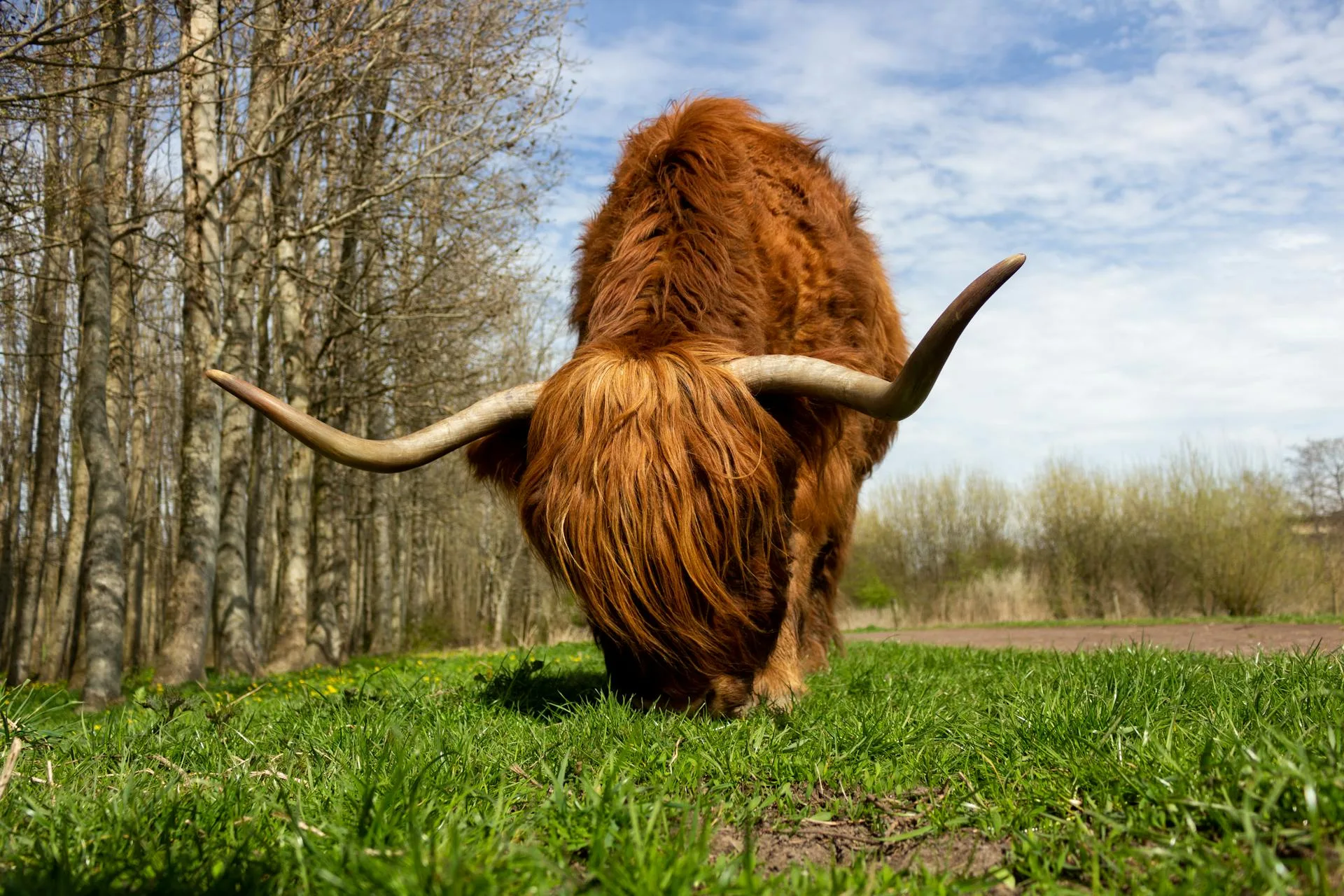
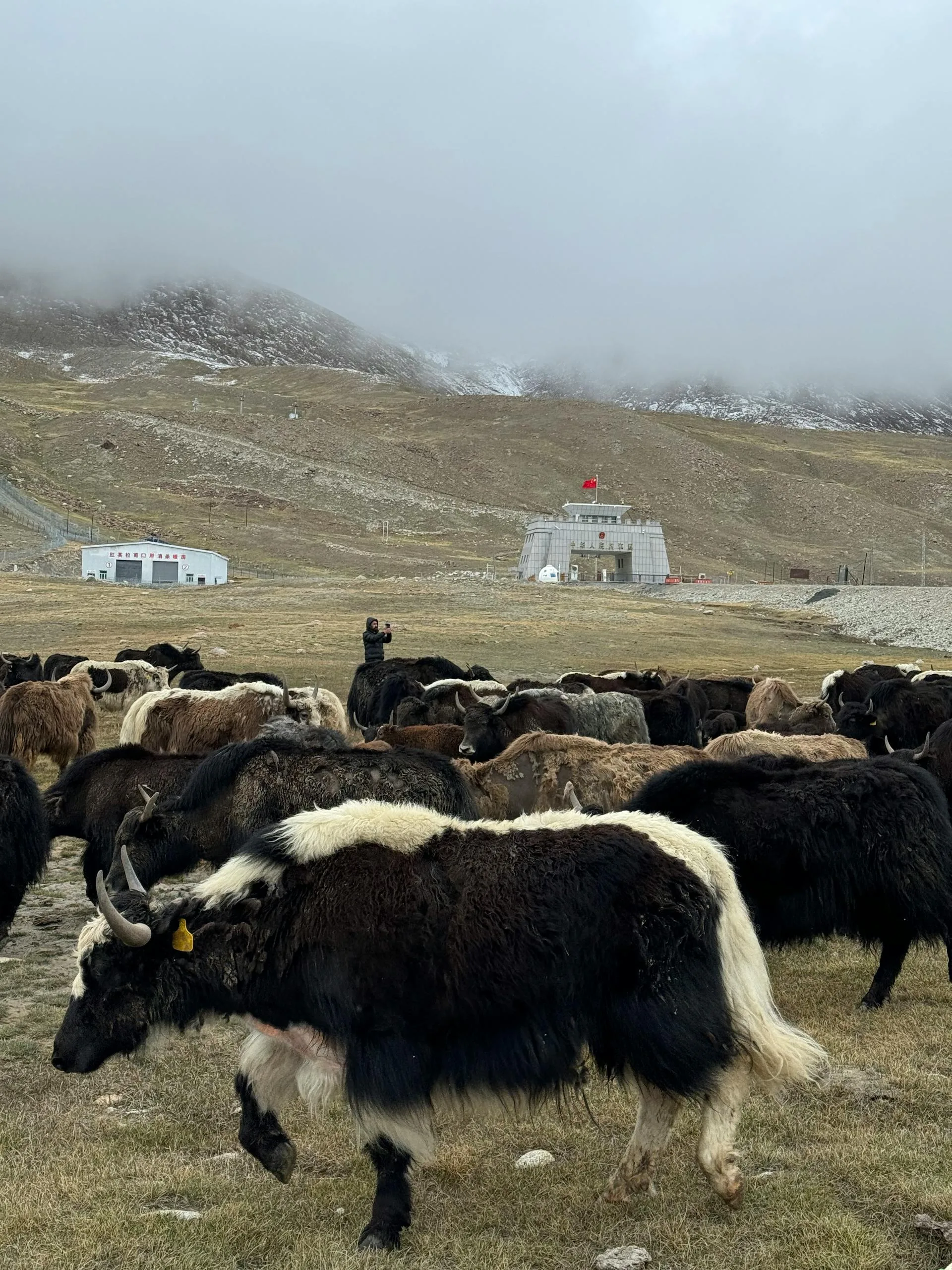
Brown yak grazing on the Shimshal Pamir plateau at 4,735 m
Yak on the high summer pasture above Shimshal village
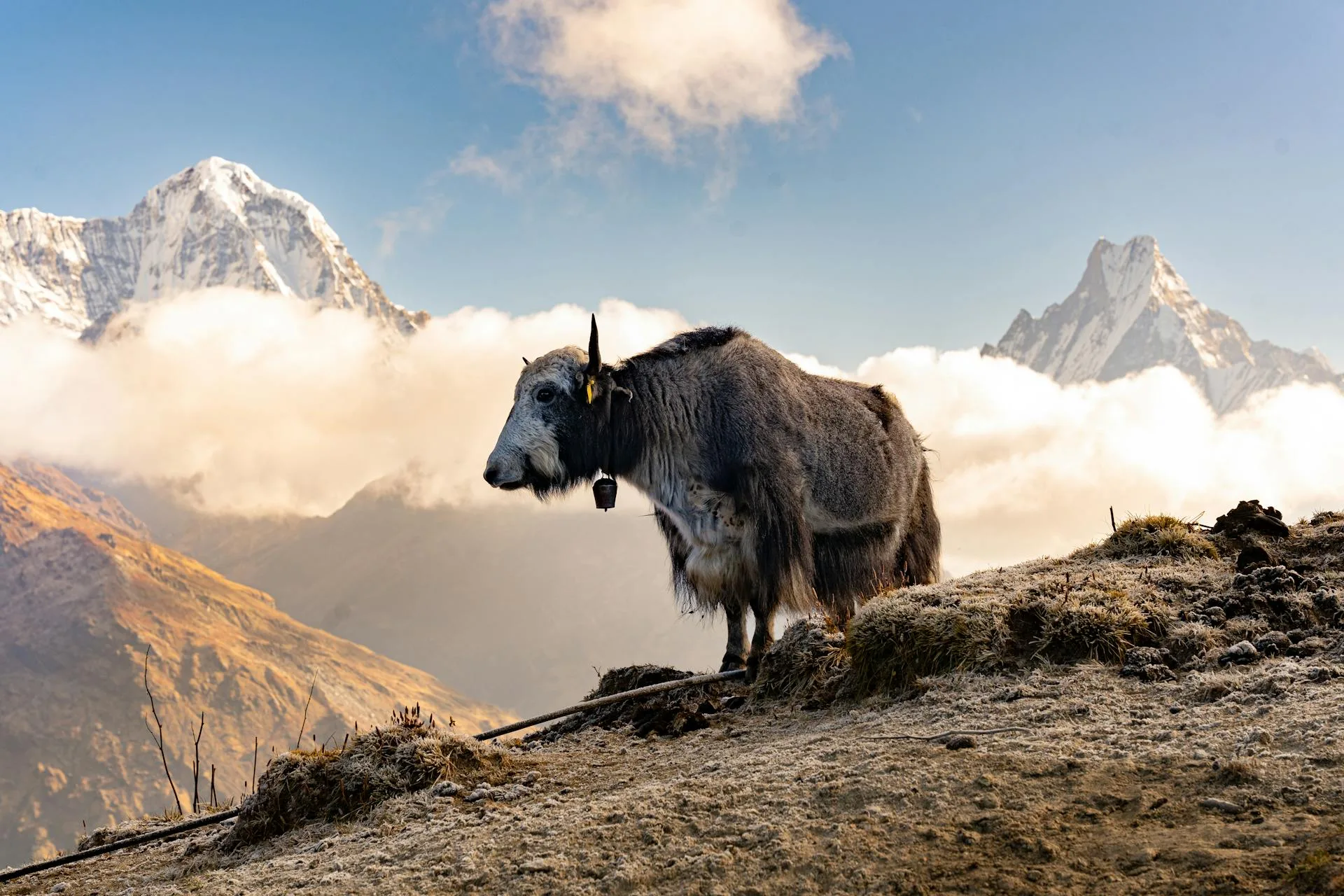
Domestic yak with Karakoram peaks behind on the Shimshal Pamir
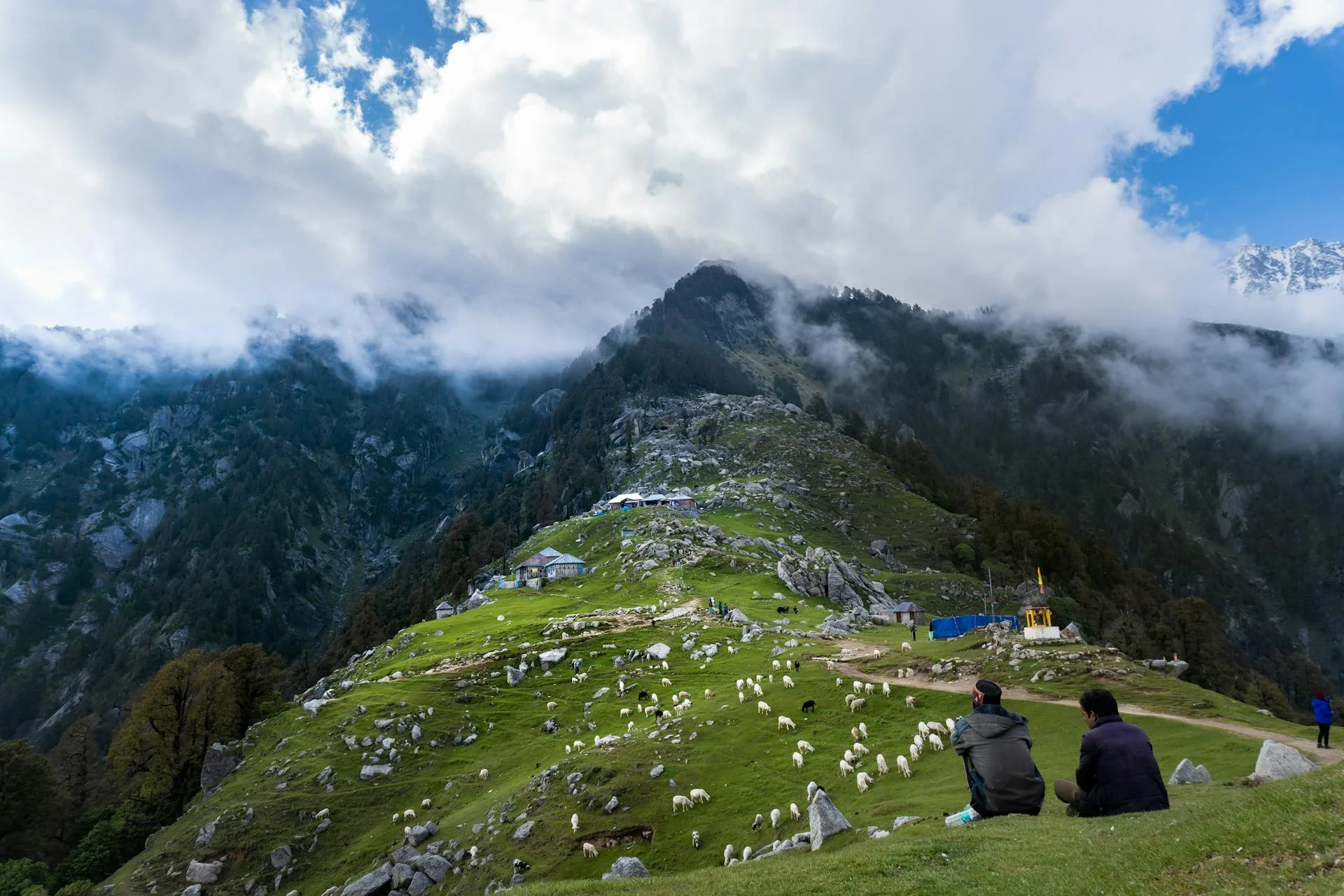
Pack yak resting on the misty Shimshal Pamir during the safari
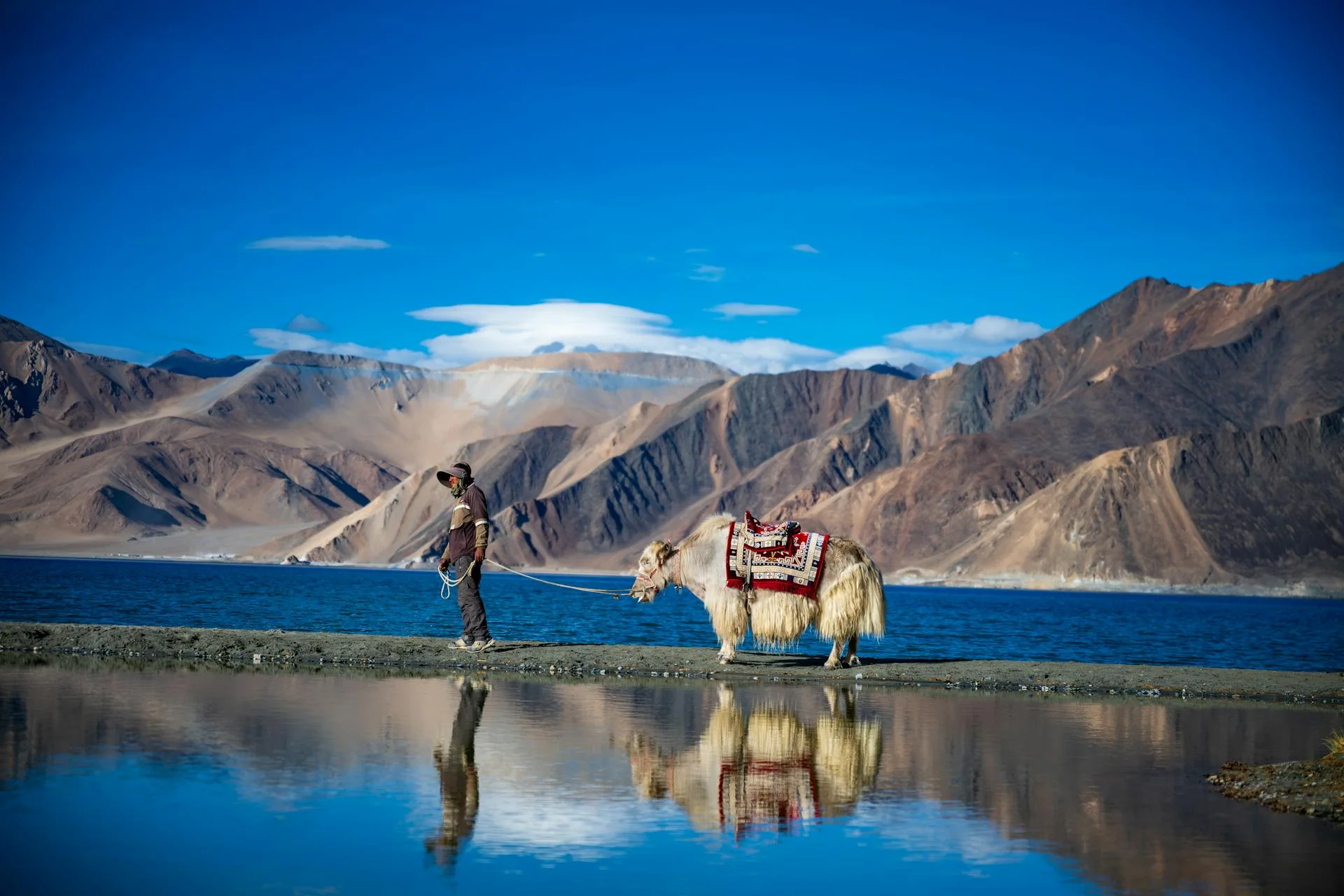
Wakhi herder with a yak at a Shimshal Pamir summer camp

Last updated: · Reviewed by Javeed Iqbal, Founder

Duration

8-10 Days

Difficulty

Strenuous

Group Size

4-10 Campers

Best Season

Jun-Sep

About This Tour

The Shimshal Yak Safari takes the herders' own road out of Shimshal, a village sitting near 3,100 m and the loftiest in Hunza, climbing to the Pamir plateau at 4,735 m, but it travels the old way: behind a yak caravan. The yaks carry the loads and ferry people and gear across the Pamir rivers, the same way Wakhi families have moved their stock for generations. It reaches the same plateau as our pass trek, ringed by Distighil Sar (7,885 m) and Kunyang Chhish (7,852 m), but the pace is slower and the focus is the herding life rather than the summit of effort.

What makes this trip special is the caravan itself and the timing. We aim to run it alongside the Shimshal Pamir migration, the Kuch, when the village drives its herds up to the summer pastures, so you are travelling with the herders rather than past them. The genuine draw is watching, and sometimes relying on, the yaks at the river crossings, where in high water the animals are roped and pulled across with the loads on their backs. This is the real, working tradition, not a staged show.

Let us be honest about the yak riding, because operators oversell it. Riding a yak is part of the experience, but it is intermittent and short, over rough ground, and it is offered as a cultural and assistance experience rather than a comfortable mount you sit on the whole way. You still walk most of this trek, on the same challenging terrain as the standard pass route: steep gorge and scree, big height gain and real altitude to 4,735 m. The yaks ease the load-carrying and the river crossings; they do not carry you to the Pamir.

Our safari runs 10 days from Islamabad and back, with a homestay in Shimshal at each end and several days walking with the caravan to the plateau and out. A licensed Shimshali guide leads, and the yaks and herders are arranged through the community. If you want the faster, more strenuous version without the caravan, where porters carry the loads and you move quicker, see our Shimshal Pass Trek.

Travelling with the Yak Caravan

The yaks do the heavy work. They carry the camp and gear up the gorge to the Pamir, and at the river crossings they ferry loads and, where needed, people across water that runs fast and cold off the glaciers. Those crossings are the riskiest and most memorable part of the trip, and the herders manage them with techniques handed down through the village.

You walk with the caravan rather than ahead of it, which sets a slower, more social pace than a porter-supported trek. There is time to sit with the herders at the summer camps, watch the yaks settle for the night, and learn how a Wakhi family runs a season on the high pastures. The trade-off is honest: this is a cultural journey on foot with animal support, not a ride to the plateau.

Day-by-Day Itinerary

1

Islamabad to Karimabad

Reach Gilgit by air, or take the Karakoram Highway by road, and carry on to Karimabad in Hunza for a hotel night.
2

Karimabad to Shimshal Village

Past Passu and onto the narrow Shimshal track that clings above the gorge, arriving at the village near 3,100 m. The afternoon is for meeting your hosts and walking down to where the families are loading and readying the yaks for the days ahead.
3

Shimshal to Zardgarben

Set off up the Shimshal gorge with the yak caravan, the animals carrying the loads. Follow the river and steep, exposed trail to camp around Zardgarben, about 3,810 m.
4

Zardgarben to Purien-e-ben

Continue through the gorge with the caravan to Purien-e-ben, around 3,322 m, crossing fast meltwater channels where the yaks ferry loads across. Glaciers and high peaks open up at the valley heads.
5

Purien-e-ben to Shujerab

Climb to the summer herding settlement of Shujerab, about 4,080 m, where shepherds live with their yaks through the grazing season. Afternoon acclimatisation walk to adjust to the altitude.
6

Shujerab to the Shimshal Pamir

Over the high ground and onto the plateau itself, 4,735 m, where the view opens out to Distighil Sar and Kunyang Chhish. We camp at Shuwert among the grazing herds and the Wakhi stone huts.
7

Rest Day on the Pamir

A full day with the herders on the plateau. Watch the yaks graze, sit in on the work of a summer camp, try a short stretch of yak riding over the rough ground, and take in the open landscape.
8

Return over the High Ground to Shujerab

Travel back off the Pamir with the caravan, descending the route to camp at Shujerab or lower in the gorge.
9

Descent to Shimshal Village

Walk the last of the gorge down alongside the caravan and its drivers into Shimshal village. The herders mark the return with the community, and you sleep a final night in the homestay.
10

Shimshal to Karimabad and Onward

Retrace the Shimshal track and rejoin the highway for Karimabad, with the chance to pause at Attabad Lake on the way. From there it is onward travel or a flight home out of Gilgit. The trek ends.

Best Time and the Kuch Migration

June to September is the season, and we try to line the trip up with the Shimshal Pamir migration, the Kuch, when the village moves its livestock up to the summer grazing. Going at that time means real caravans of yaks on the move and the herding camps in full swing, which is the spectacle this trek is built around. Earlier in summer the gorge rivers run high, which makes the crossings harder; later the plateau nights turn bitterly cold.

Permits, Fees and Yak Hire

Because the valley falls in the Open Zone, you skip the restricted-area paperwork and the CKNP charge entirely. What remains is a Nature Trust contribution and a licensed local guide, and we sort both before you arrive. The piece that sets this trip apart is the yak hire: that money is paid straight to the herding households whose animals walk with you, a real cost but a fair one. As for getting in, the only way is the narrow Shimshal jeep track that hangs above the river gorge off the main highway.

Fitness, Altitude and What to Pack

Come prepared to walk. Despite the caravan, this is the same challenging high-altitude terrain as the pass trek, so train for sustained effort on steep, uneven ground and a slow build to 4,735 m. Bring sturdy boots, trekking poles for the scree and crossings, a sleeping bag rated well below freezing, and warm layers for the plateau. We supply tents and group gear; the yaks carry it up the trail.

Where Is the Shimshal Valley?

The Shimshal Valley runs deep into the Karakoram in upper Hunza (Gojal), Gilgit-Baltistan, the highest and remotest inhabited valley in the region. Shimshal village, at about 3,100 metres, lies at the end of a single 50-kilometre jeep road that branches off the Karakoram Highway near Passu and was only completed in 2003; before that the valley was reached on foot along a cliff path. Above the village the land climbs to the Shimshal Pamir at around 4,735 metres, the high summer grazing plateau this safari is built around. Hemmed in by giants like Distaghil Sar (7,885 m) and drained by glacier-fed rivers, the valley is a self-contained mountain world where old ways of moving with the herds still shape the year.

Life in the Shimshal Valley: Mountaineers and Yak Herders

For its tiny population, Shimshal is famous out of all proportion. The valley has produced a remarkable number of Pakistan's best high-altitude climbers, including Rajab Shah, the first Pakistani to summit all five of the country's 8,000-metre peaks, and Samina Baig, the first Pakistani woman to climb Everest, so mountaineering runs deep in local families. The other half of Shimshal life is herding: each summer the community drives its yaks, sheep and goats up to the Pamir pastures, and this yak safari deliberately moves with that rhythm. Travelling with a Wakhi caravan, you share the trail with the animals, cross the rivers as the herders do and stay near the stone huts of the high plateau, seeing a living pastoral culture rather than an empty landscape.

Why Book With Us

We have operated in Gilgit-Baltistan since 2015, and the yaks, herders and guides on this trip come from Shimshal itself, so the caravan you travel with is a working part of the village, not a tourist prop. We time the safari to the herders' own migration where we can, keep groups small, and pay the yak hire straight to the families. Above all we are honest about what this is: a slower, cultural walk to the Pamir with animal support, where the river crossings, not a comfortable ride, are the heart of the experience.

What's Included

All camping equipment and expedition tents
Experienced Shimshali guide and porter team
All meals during the trek (local cuisine)
Homestay experience in Shimshal village
Transport: Islamabad-Hunza-Shimshal and return
Trekking permits and fees

Not Included

International flights
Travel insurance
Personal expenses and tips

Frequently Asked Questions

Do you actually ride the yaks the whole way?

No, and we will not pretend otherwise. Yak riding is intermittent and short, over rough ground, and it is offered as a cultural experience rather than a comfortable mount. You walk most of this trek yourself; the yaks mainly carry the loads and ferry gear and people across the rivers. Plenty of operators oversell this part, so we would rather set it straight before you book. The terrain is the same as the standard pass route, with steep gorge, scree and a climb to 4,735 metres, and a yak is not a smooth ride on that ground. The main chance to try it is the rest day on the Pamir, when you can ride a short stretch over the grazing land. Where the yaks do carry people is at the river crossings, when the water runs high. Come ready to walk, and treat any riding as a bonus.

How is the Yak Safari different from the Shimshal Pass trek?

Both reach the same Pamir plateau at 4,735 m, but the safari is slower and more cultural, travelling with a Wakhi yak caravan that carries the loads and crosses the rivers. The Shimshal Pass Trek is faster and more strenuous, porter-supported, with no caravan. On the safari you walk with the animals rather than ahead of them, which leaves time to sit with the herders at their summer camps and see how a Wakhi family runs a season on the high pastures. We also try to time it to the Kuch, the migration up to the summer grazing. The safari runs 10 days from Islamabad and is priced from $2,400 per person, while the pass trek runs 11 days from $2,200. Neither involves technical climbing, and on both you still walk most of the way. Both start and finish with a homestay in Shimshal village.

How hard is the Shimshal Yak Safari?

It is challenging, the same high-altitude terrain as the pass trek: steep gorge and scree, big height gain and altitude to 4,735 m. The yaks ease the load-carrying and the river crossings, but you still trek most of it on foot, so good fitness is essential. The caravan sets a slower pace than a porter-supported trek, which helps the body adjust, and the itinerary adds an acclimatisation walk at Shujerab, at about 4,080 metres, before the final day onto the Pamir. The toughest parts are the exposed gorge stages above the river and the fast meltwater channels. You do not need climbing experience, as there is no glacier travel or rope work. Train for sustained effort on steep, uneven ground, and bring sturdy boots and trekking poles. If you have done a multi-day trek at altitude before, you will know roughly what to expect.

What is the Kuch and why does it matter?

The Kuch is the Shimshal Pamir migration, when the village drives its herds up to the summer pastures. We try to time the safari to coincide with it, so you travel alongside real working caravans and the herding camps are in full swing, which is the heart of this trip. We plan departures in the June to September season around it. During the migration, yaks, sheep and goats move up the gorge to the plateau at 4,735 metres, where families stay through the warm months. Going then means you share the trail with the animals and their drivers rather than walking an empty route. At the top you see the stone huts at Shuwert in use and the summer camps at work. The exact timing follows the herders' own calendar, not ours, so we tell you honestly if a departure is likely to miss it.

Are the yak river crossings safe?

They are the riskiest part of the trek, which is exactly why the yaks matter. In high water the animals are roped and pulled across carrying loads and sometimes people, using techniques the herders have refined over generations. We cross with their judgement and at the safer times of day. The rivers run fast and cold off the glaciers, and early in summer they are at their highest, which is one reason we favour the heart of the season. The herders who manage the crossings come from Shimshal itself, and our licensed guide follows their lead on when and where to go. If the water is running too high, we wait for it to drop. Trekking poles help at the crossings, and anything that must stay dry belongs in waterproof bags. Travel insurance is not included, so arrange cover for high-altitude trekking.

What is the best time for the Shimshal Yak Safari?

June to September, ideally aligned with the Kuch migration for the full caravan and herding spectacle. Earlier in summer the gorge rivers run high and make crossings harder; later the plateau nights become very cold. We pick dates around the herding calendar. The heart of the season gives the best mix of steady weather and busy summer camps, with yaks, sheep and goats spread across the Pamir grassland. Days are mostly dry and bright, since the valley sits in a rain shadow, but nights on the plateau drop below freezing even in July and August. If your dates are fixed, tell us and we will be honest about what you are likely to see. A trip that misses the migration still reaches the Pamir and its herders, just with fewer animals on the move. Outside this season the camps are empty and we do not run it.

Do I need a permit, and what about the yak hire?

There is no restricted-zone permit to obtain here, since the valley sits in the Open Zone and falls outside the CKNP charge. Your costs are a Nature Trust contribution, a licensed guide, and the yak hire that goes directly to the herding households. We take care of every part of that for you. Trekking permits and fees are included in the price, from $2,400 per person, alongside the Shimshali guide and porter team, camping equipment, meals on the trek, the village homestay and transport from Islamabad to Shimshal and back. The yak hire is a real cost but a fair one, because the animals and their handlers come from families in the village and the money stays with them. You will need a valid Pakistan visa and your passport for the highway checkpoints. International flights, travel insurance, personal expenses and tips are not included.

How high does the Yak Safari go?

The high point is the Shimshal Pamir at 4,735 m, the same plateau as the pass trek. You start from Shimshal village at about 3,100 m, so the body has to adjust to over 1,600 m of gain, which is why the itinerary builds altitude gradually. The caravan camps around Zardgarben, at about 3,810 metres, on the first night out, then at Purien-e-ben, then at the summer settlement of Shujerab at about 4,080 metres, where we take an acclimatisation walk. Only then do we cross onto the plateau and camp at Shuwert, with a full rest day there before heading down. Around you, Distighil Sar reaches 7,885 metres and Kunyang Chhish 7,852 metres. Nights at this height fall below freezing even in midsummer, so pack a sleeping bag rated well below zero and plenty of warm layers.

Where is the Shimshal Valley?

The Shimshal Valley is in upper Hunza (Gojal), Gilgit-Baltistan, the highest and remotest inhabited valley in the region. Shimshal village sits at about 3,100 metres at the end of a 50-kilometre jeep road off the Karakoram Highway near Passu, and the Shimshal Pamir plateau lies above it at around 4,735 metres. The road was only completed in 2003; before that the valley was reached on foot along a cliff path. It runs deep into the Karakoram, drained by glacier-fed rivers and hemmed in by peaks such as Distaghil Sar at 7,885 metres. From Karimabad in central Hunza you drive past Passu, turn onto the Shimshal track and reach the village the same day. That isolation is why old herding ways still shape the year here, and it is a large part of why the safari feels so far from anywhere.

What is the Shimshal Valley known for?

Its mountaineers and its herding culture. Shimshal has produced many of Pakistan's top high-altitude climbers, including Rajab Shah and Samina Baig, the first Pakistani woman to climb Everest. Alongside that, the community still drives its yaks and flocks up to the Pamir pastures each summer, the migration this safari follows. Rajab Shah was the first Pakistani to summit all five of the country's 8,000-metre peaks, and climbing runs deep in local families, which is why so many Karakoram guides and porters come from here. The herding side is just as strong. Each summer yaks, sheep and goats go up to the plateau, and mostly the women of the village run the herds at Shuwert, making butter and qurut. On the safari you travel with a caravan from the village and camp near those stone huts, so you see both sides of Shimshal life at first hand.

How do you get to the Shimshal Valley?

You drive up the Karakoram Highway from Islamabad through Hunza to near Passu, then take the narrow 50-kilometre jeep road up the Shimshal gorge to the village, a spectacular and exposed drive of two to three hours. The safari then begins on foot from Shimshal. Our package includes the travel and the jeep road. On the first day you reach Gilgit by air or by road and continue to Karimabad for a hotel night. The second day covers Passu and the Shimshal track, and that afternoon you meet your hosts and watch the families loading the yaks. Flights into Gilgit only run in clear weather, so we hold the highway as a fallback. On the way out you retrace the track and rejoin the highway for Karimabad, with a chance to stop at Attabad Lake, before onward travel or a flight home from Gilgit.

What is the weather like in the Shimshal Valley?

Dry and bright in summer, with mild sunny days in the village and cold nights on the Pamir that drop below freezing at nearly 4,700 metres even in July and August. The valley sits in a rain shadow so it is generally clear, but weather turns fast at altitude, so warm layers and a good sleeping bag are essential. At the village, around 3,100 metres, the days are pleasant for walking and the homestay nights are cool. Higher up, the air chills quickly once the sun leaves the gorge. Early in the season the rivers run high with meltwater, which shapes the crossings more than the weather does. Bring a sleeping bag rated well below freezing, a warm jacket, hat and gloves, sturdy boots and good sun protection, because the glare on the plateau is strong. We supply the tents and group gear, and the yaks carry it.

From

$2,400

per person

* Prices may vary. Contact us for accurate, customized pricing.

Duration8-10 Days
DifficultyStrenuous
Group Size4-10 Campers
Best SeasonJun-Sep
Max Altitude~4,735m
Book This Tour Ask a Question

Free cancellation up to 30 days before departure

Ready for Your Next Adventure?

Join our community of explorers and discover the journey of a lifetime. Our expert team is ready to help you plan your perfect expedition.