Hunza Cultural Tour: Baltit & Altit Forts | Go With Guide
Home
All Tours Cultural Tours Family Holidays Luxury Tours Camping Road Trips
K2 Treks Trending Treks High Passes Trekking Holidays All Treks
8000m Peaks 7000m Peaks 6000m Peaks High Passes
Cycle Touring Eco Tourism Motorcycle Touring Mountain Passes Festivals of Pakistan Ibex Hunting Snow Leopard International Travelers
About Us Vehicles Contact FAQs Blog
Plan Your Trip
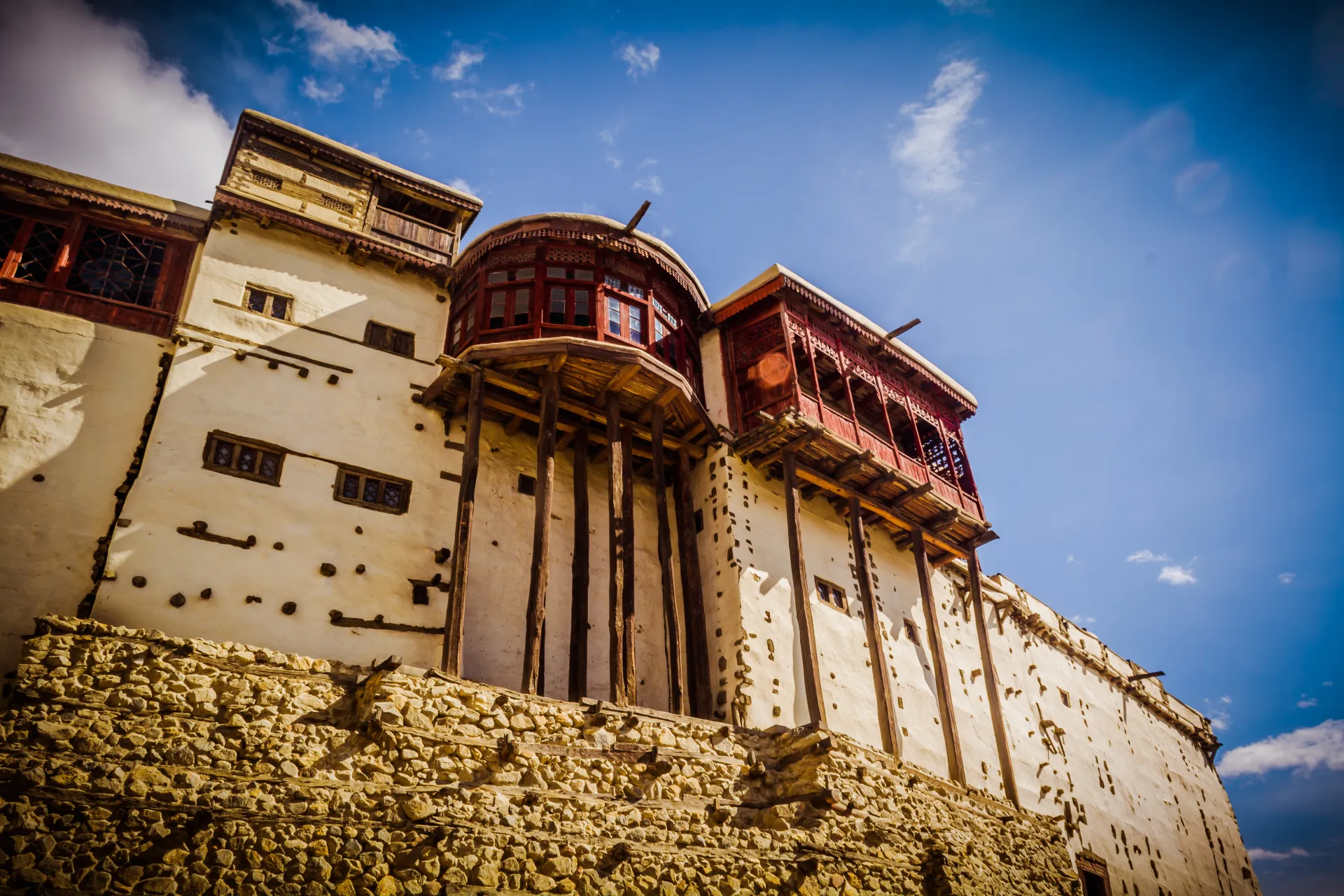
Baltit Fort rising above Karimabad in the Hunza Valley
Back to Tours
Cultural Hunza Valley

Hunza Cultural Heritage Tour

Baltit Fort, Apricot Orchards & Burusho Traditions
Baltit Fort rising above Karimabad in the Hunza Valley
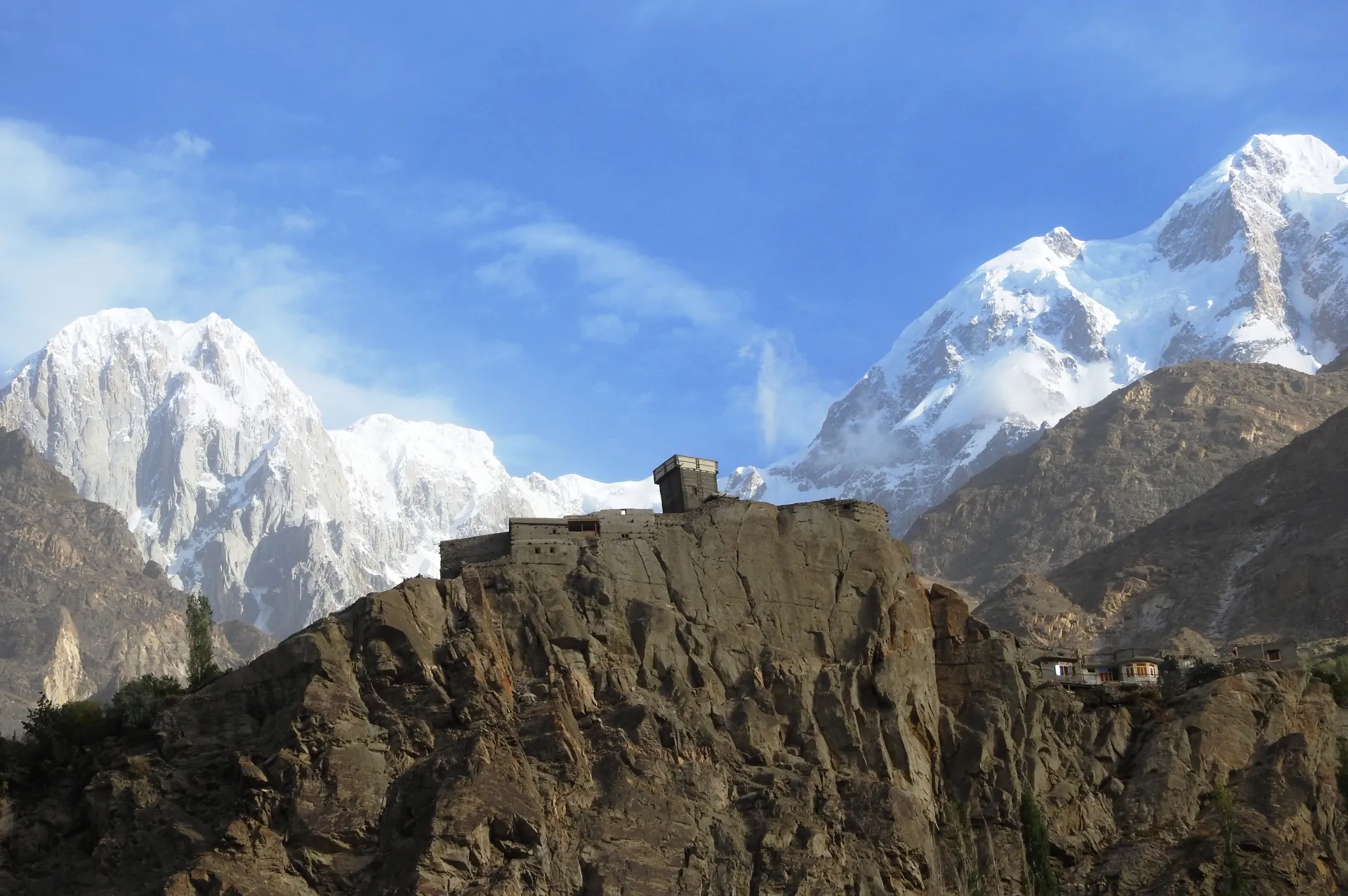
Altit Fort on its cliff above the Hunza River with snow peaks behind
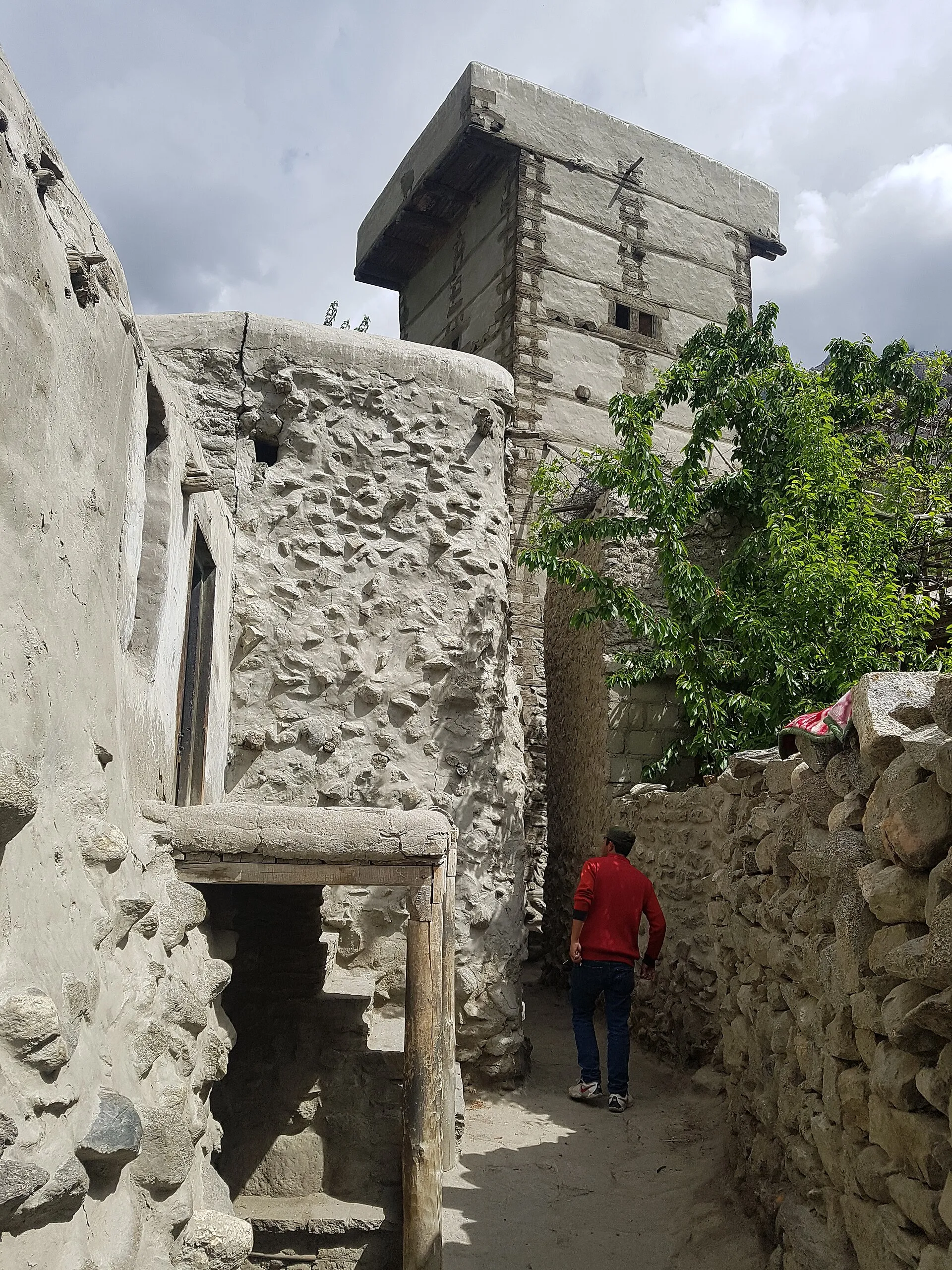
A narrow stone lane through an old village in the Hunza Valley
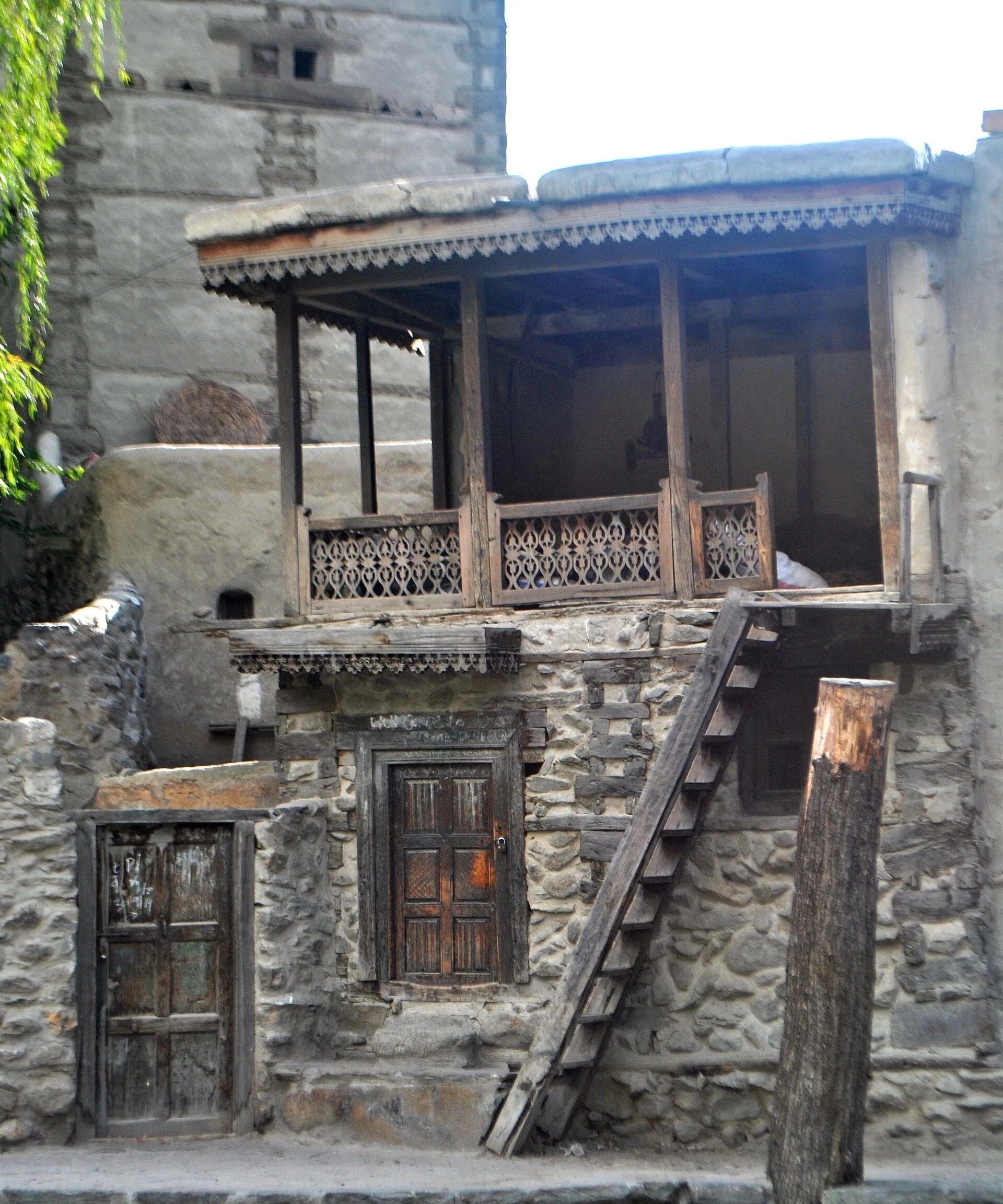
A traditional stone-and-timber house at Ganish, Hunza Valley
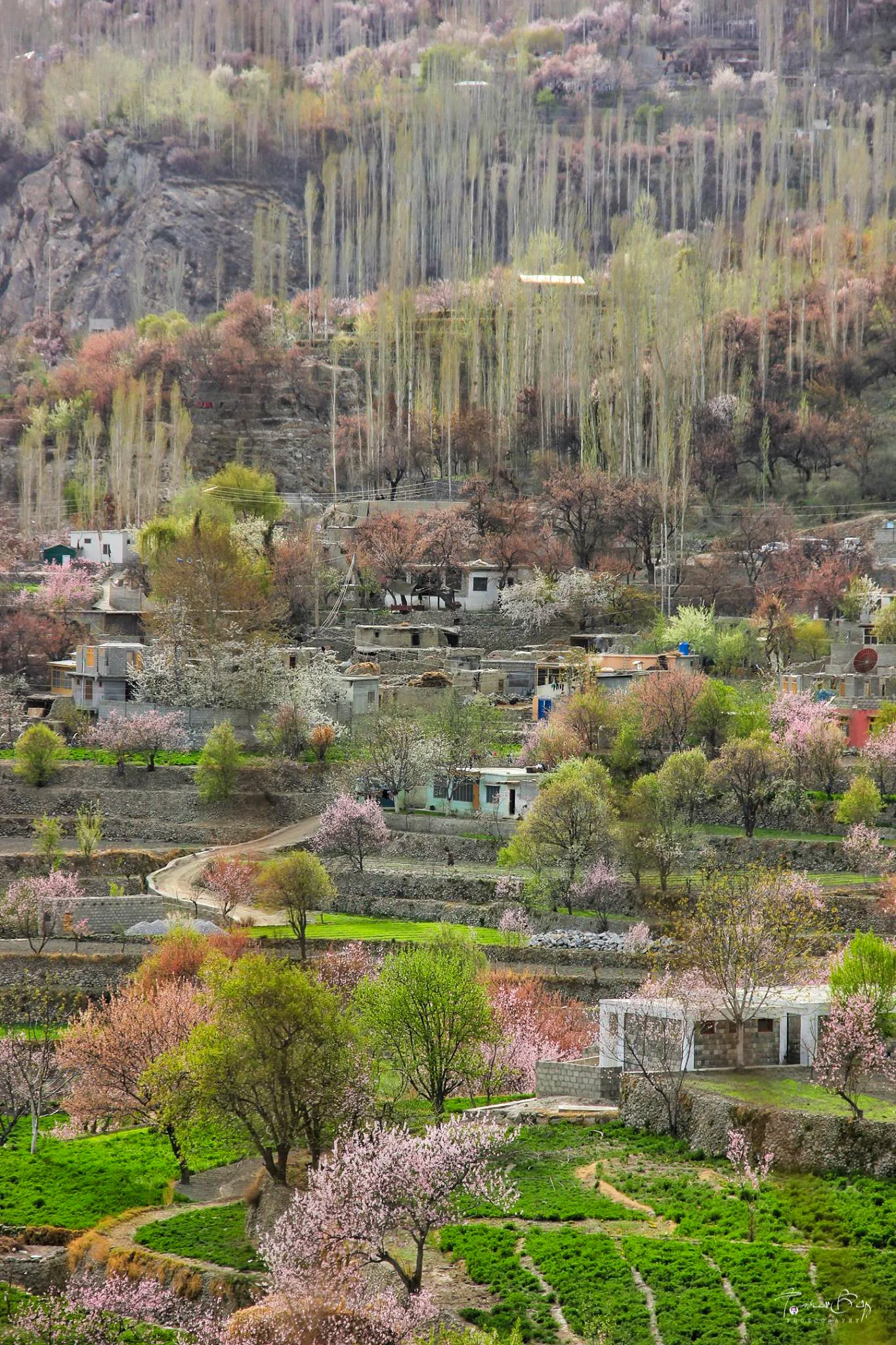
The historic terraced village of Ganish in the Hunza Valley
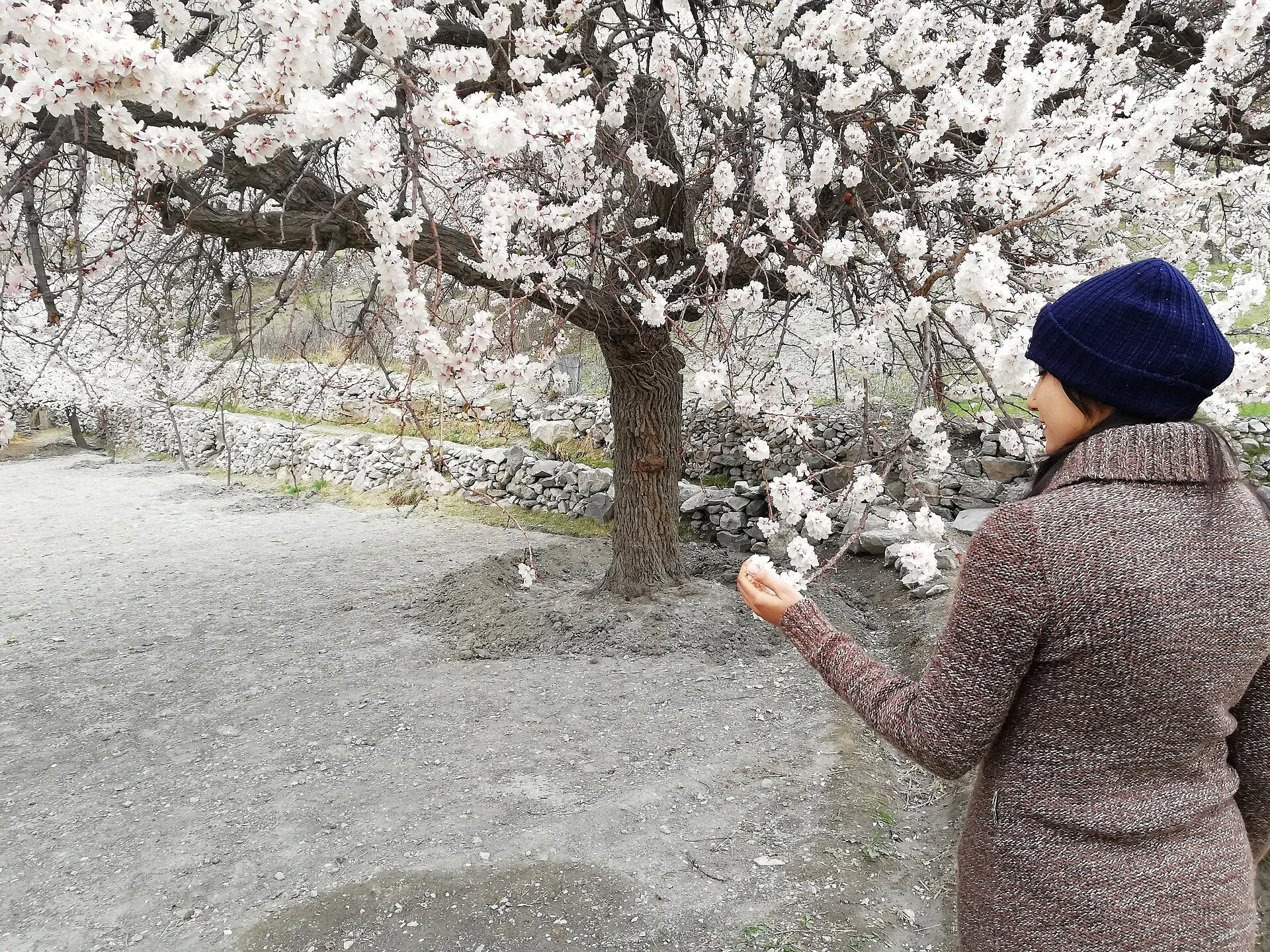
A woman beside an apricot tree in blossom in the Hunza Valley in spring
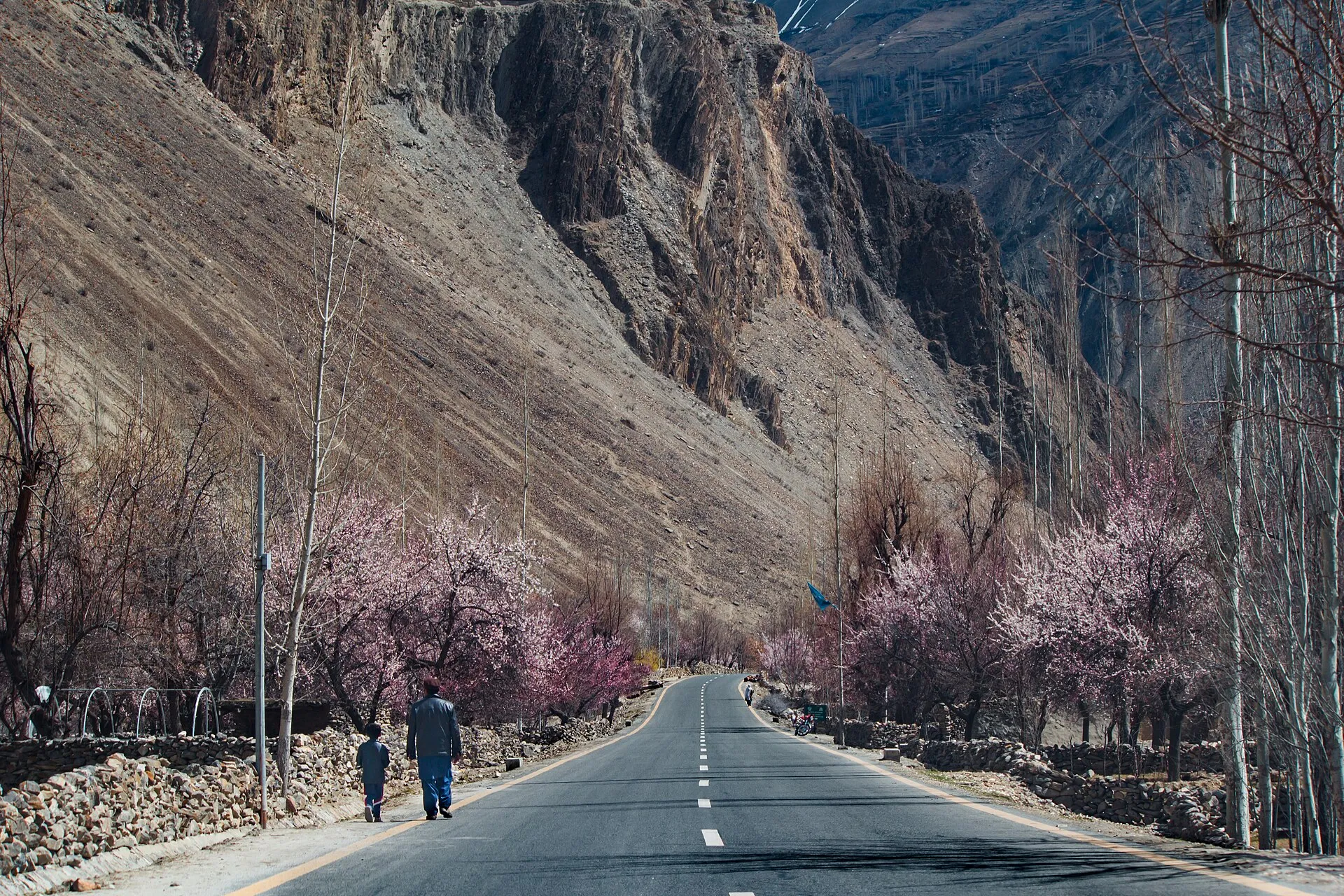
A village road lined with apricot blossom in the Hunza Valley in spring
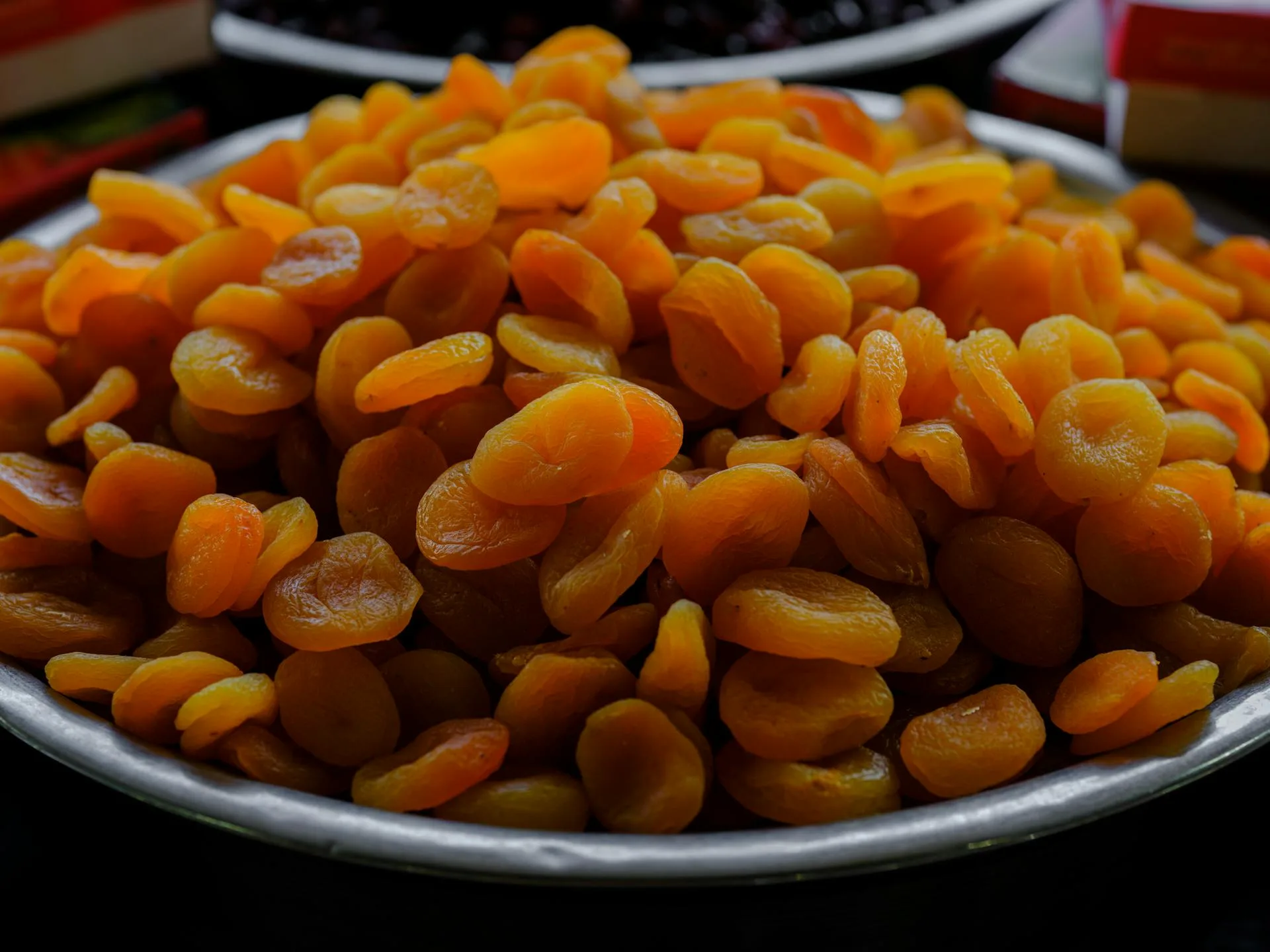
Sun-dried apricots, a staple of the Hunza Valley, at a local market
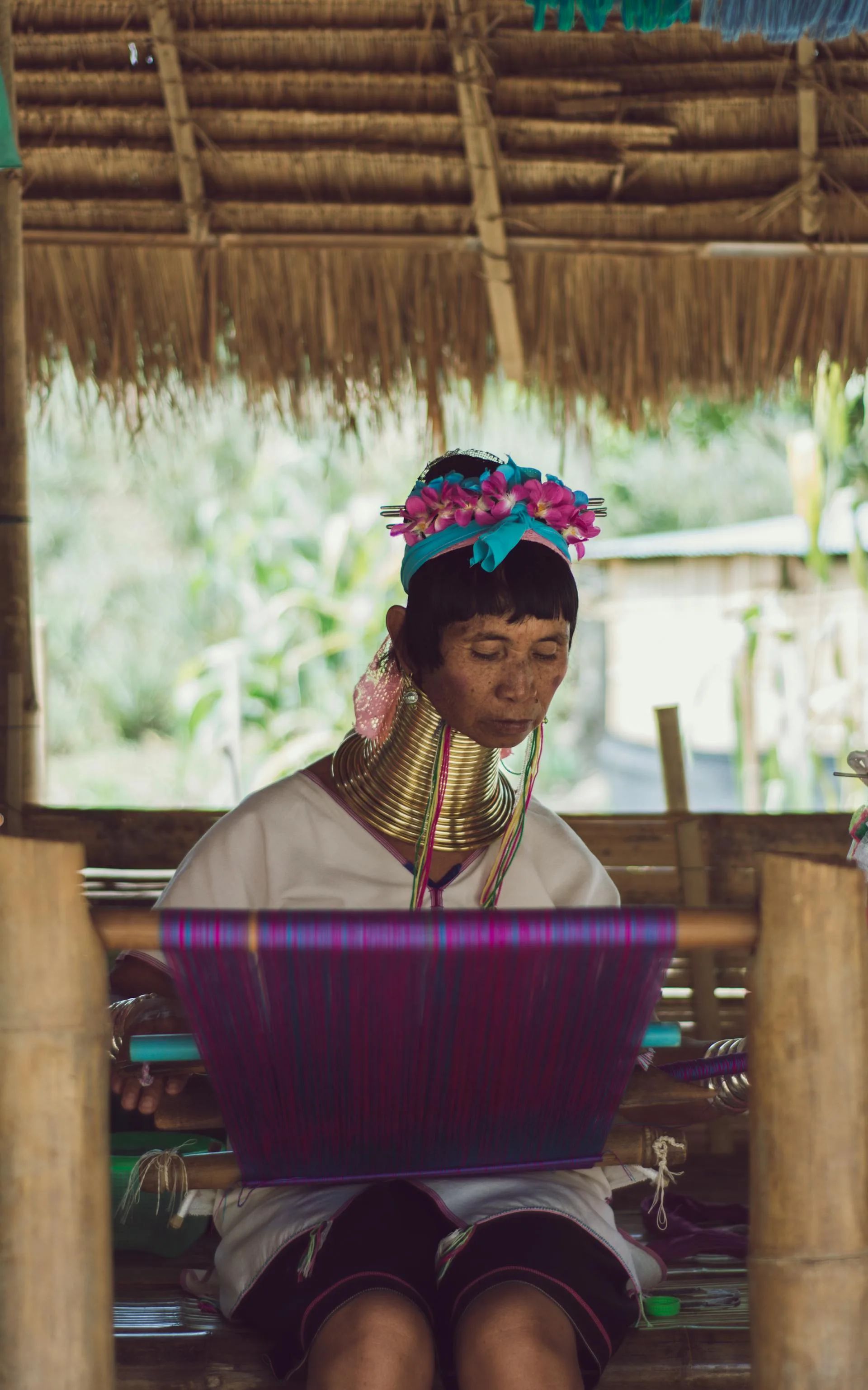
Traditional hand weaving in the Hunza Valley
Local children playing cricket in Karimabad, Hunza Valley
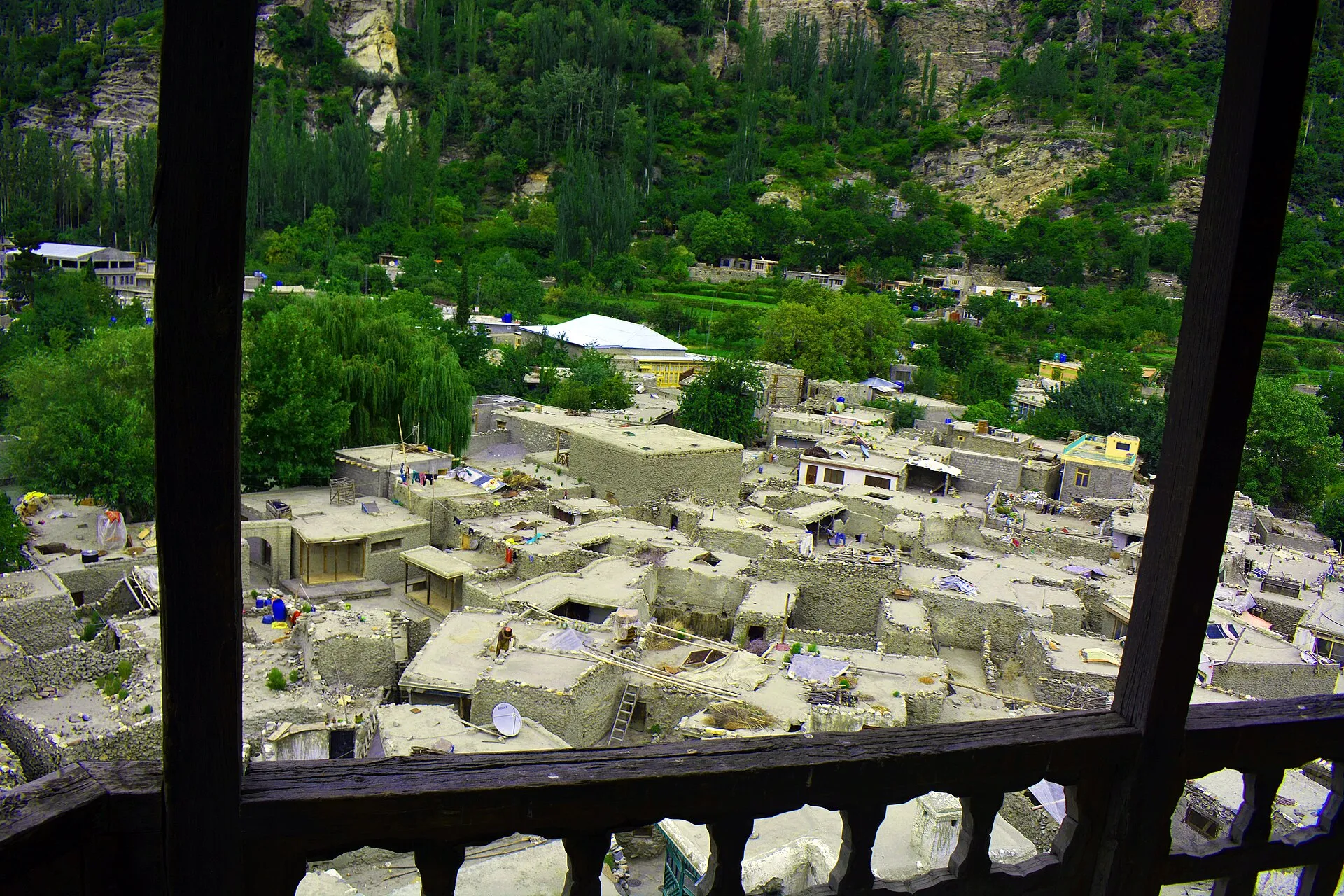
Old Hunza village houses seen from Altit Fort
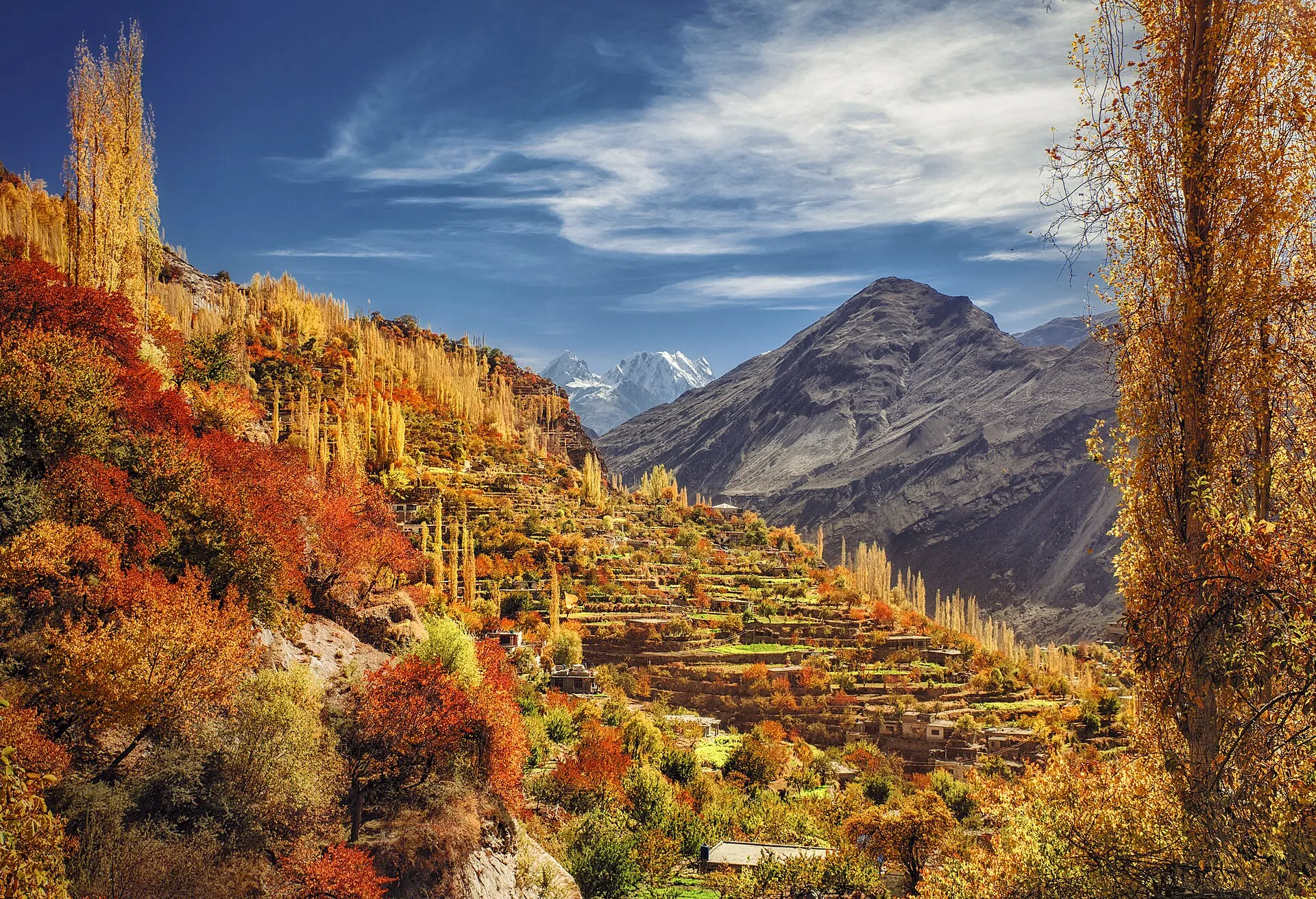
Autumn colour across the terraced fields of Altit, Hunza Valley

Last updated: · Reviewed by Javeed Iqbal, Founder

Duration

5 Days

Difficulty

Easy

Group Size

2-10 people

Best Season

Mar-Nov

About This Tour

Hunza was a princely state until 1974, ruled by a hereditary Mir from the forts above Karimabad. That long independence, tucked behind some of the highest mountains on earth, left the valley with a culture you will not find anywhere else in Pakistan. Its people, the Burusho, speak Burushaski, a language isolate with no proven relative in any other language family. The food, music, architecture and social customs all sit apart from both the Pakistani plains and Central Asia next door.

This five-day tour is built around that distinctiveness rather than a checklist of viewpoints. You spend your time in and around Karimabad, the old capital, with two great forts as anchors. Baltit Fort took its present shape in the 14th century, borrowing Tibetan building ideas, and housed the Mirs of Hunza for roughly 700 years before the family moved to a modern home in the 1940s. The Aga Khan Historic Cities Programme restored it in the 1990s, and it is now one of the finest heritage projects in the region. Altit Fort is older still, with parts dating to the 11th century, and sits on a rock spur with near-vertical drops on three sides above the Hunza River.

Around the forts you get the rest of Hunza life. Eagle's Nest, the famous viewpoint above Duikar, looks out over Rakaposhi, Diran and Ultar Sar. The orchards below produce dozens of apricot varieties that families still dry on flat rooftops through the summer. Up the valley in Gojal, the turquoise of Attabad Lake gives way to Gulmit, where the Wakhi community keeps its own language, music and crafts, different again from the Burusho of central Hunza. On the way out you stop at the Kargah Buddha, a 7th-century figure carved high on a cliff near Gilgit.

We keep the pace unhurried on purpose. There is time to sit down to meals with local families, watch weavers at a women's craft cooperative, and talk with elders about what has changed, and what has not, in modern Hunza. It is an easy tour, low on altitude and physical demand, and it suits families, older travellers and anyone more interested in people and history than in passes and peaks.

Day-by-Day Itinerary

1

Islamabad to Karimabad, Fly and Drive

Fly Islamabad to Gilgit (1,500 m), then drive 100 km up the Karakoram Highway to Karimabad (2,438 m). Settle into a heritage guesthouse.
2

Baltit Fort and Karimabad Old Town

Guided tour of Baltit Fort with a cultural historian: royal chambers and the Tibetan-style roof terrace under Rakaposhi (7,788 m). Afternoon in the old town lanes and a weaving demonstration at a women's craft cooperative.
3

Altit Fort and Eagle's Nest

Morning at Altit Fort (11th century) and the old village on its cliff above the Hunza River. Afternoon jeep to Eagle's Nest (3,100 m) for views of Rakaposhi, Diran and Ultar Sar, then the Duikar apricot orchards with tasting in season.
4

Attabad Lake and Gulmit

Drive into Gojal for a boat trip on the turquoise Attabad Lake, then time in Gulmit (2,500 m), where the Wakhi community keeps its own language, music and crafts, different from central Hunza.
5

Karimabad to Gilgit, Departure

Drive to Gilgit, stopping at the 7th-century Kargah Buddha carved high on a cliff, then fly to Islamabad.

Who This Tour Is For

This is a cultural tour, not a trek. The walking is light, the highest point you reach is a viewpoint at about 3,100 m, and you sleep at a comfortable 2,438 m every night. That makes it a good fit for families with children, for older travellers, and for anyone who wants to understand Hunza rather than just photograph it. If you have a particular interest in heritage architecture, languages or traditional crafts, the guided fort visits and the time with local cooperatives will be the highlight.

Best Time to Visit Hunza

The tour runs from March to November, and each part of the season has its own character. Late March into April is blossom time, when the cherry and apricot trees turn the valley pink and white against the snow peaks. Summer, from June to August, is warm and green and brings the apricot harvest, when rooftops across the valley fill with drying fruit. September and October bring autumn colour, clear mountain views and the grape and walnut harvest, and many travellers rate it the best month for photography. Winters are cold and some upper-valley roads can close, so we keep departures inside the March to November window.

Why Book With Us

We are a Gilgit-Baltistan operator, not a desk in another city, and we have run guided trips in these valleys since 2015. Your fort visits are led by guides who know the history rather than a memorised script, and our community visits go to cooperatives and families we work with directly, so the money stays in the valley. We include both Gilgit flights and hold a Karakoram Highway road option in reserve, because mountain flights are weather-dependent and we would rather have a plan than a stranded morning.

What's Included

Gilgit-Islamabad flights (both directions)
All ground transport including Eagle's Nest jeep
4 nights accommodation in a Karimabad heritage guesthouse
All meals with regional specialties
Baltit Fort & Altit Fort guided entry
Craft workshop fees and community visits

Not Included

International flights
Travel insurance
Personal expenses and tips

Frequently Asked Questions

How long is the Hunza Cultural Heritage Tour?

Five days and four nights, running from March to November. Spring brings the blossom, summer the apricot harvest, and autumn clear views and the grape and walnut harvest. Day one is the flight from Islamabad to Gilgit and the drive up to Karimabad. Days two to four are spent in the valley: Baltit Fort and the old town, then Altit Fort and the Eagle's Nest viewpoint, then a boat trip on Attabad Lake and time in Gulmit. On day five you drive back to Gilgit, stopping at the Kargah Buddha, and fly to Islamabad. All four nights are in the same heritage guesthouse in Karimabad, so you only unpack once. Late March into April is blossom season, June to August is warm and green, and September and October are rated by many travellers as the best time for photography. We keep departures out of winter, because it is cold and some upper-valley roads can close.

How do I get to Hunza?

You fly Islamabad to Gilgit (about 1,500 m), then drive 100 km up the Karakoram Highway to Karimabad (2,438 m). Both flights are included. Because Gilgit flights depend on the weather, we keep a road option in reserve. The flight is short, and the drive from Gilgit follows the highway north into the Hunza Valley, where you settle into a heritage guesthouse on the first afternoon. On day five the same road takes you back down, with a stop at the 7th-century Kargah Buddha carved high on a cliff near Gilgit, before the flight to Islamabad. If cloud grounds a flight, we switch to the Karakoram Highway rather than leave you stranded at the airport for a morning. All ground transport is included, from the transfers to the jeep up to Eagle's Nest. International flights to Pakistan are not included, so you will need to reach Islamabad yourself before the tour begins.

What is the highest altitude, and is the tour hard?

The high point is the Eagle's Nest viewpoint at about 3,100 m, and you sleep at Karimabad (2,438 m) every night. The difficulty is easy, so it suits families and older travellers. You reach Eagle's Nest by jeep on the afternoon of day three, spend time at the top looking across to Rakaposhi, Diran and Ultar Sar, and then come back down to the orchards. Gulmit, where you spend part of day four, sits at about 2,500 m, and Gilgit on the first and last days is lower still at around 1,500 m. This is a cultural tour, not a trek. The walking is light, mostly fort visits, the old town lanes of Karimabad and the apricot orchards around Duikar, and the pace is unhurried on purpose. If you have a heart or lung condition, or you are unsure how you handle altitude, tell us before booking and we will talk it through with you.

Why are Baltit and Altit Forts worth visiting?

Baltit was home to the Mirs of Hunza for some 700 years and was restored by the Aga Khan Historic Cities Programme. Altit is older, with 11th-century parts, on a dramatic cliff above the river. You visit both with a guide. Baltit took its present shape in the 14th century, borrowing Tibetan building ideas, and the ruling family lived there until they moved to a modern home in the 1940s. On day two a cultural historian takes you through its royal chambers and up to the Tibetan-style roof terrace, with Rakaposhi (7,788 m) across the valley. Altit comes on day three. It sits on a rock spur with near-vertical drops on three sides above the Hunza River, and the old village around it is part of the visit. Between them, the two forts tell the story of Hunza as a princely state, which it remained until 1974. Guided entry to both is included.

Who are the Burusho and what is Burushaski?

The Burusho are the people of central Hunza, and Burushaski is their language, a language isolate with no proven relative anywhere. The tour includes village time, women's craft cooperatives and meals with local families. Their distinct culture comes partly from history. Hunza was a princely state ruled by a hereditary Mir until 1974, tucked behind some of the highest mountains on earth, so its food, music, architecture and customs developed apart from both the Pakistani plains and Central Asia. You see it most clearly in Karimabad's old town and in the orchards, where families still dry apricots on flat rooftops through the summer. On day four you meet a different community: the Wakhi of Gulmit, up the valley in Gojal, who keep their own language, music and crafts. We visit cooperatives and families we work with directly, so the money stays in the valley, and there is time to talk with elders about how Hunza has changed.

Is the tour suitable for families and small groups?

Yes. The difficulty is easy, groups run from 2 to 10 people, and the pace is relaxed and built around forts, villages and orchards. Nobody has to walk far. The fort visits, the old town lanes and the orchard walks are all light, and the trip up to Eagle's Nest at about 3,100 m is by jeep. You sleep at Karimabad (2,438 m) every night in the same heritage guesthouse, which makes life simpler with children. There is plenty to hold younger attention too, from the Attabad Lake boat trip to apricot tasting in the Duikar orchards in season and the weaving demonstration at a women's craft cooperative. All meals are included, with regional specialities. Summer, from June to August, brings the apricot harvest. If you would like a trip built entirely around children, with shorter days and more slack, our Hunza family tour is designed for that, and we can help you choose.

From

$1,100

per person

* Prices may vary. Contact us for accurate, customized pricing.

Duration5 Days
DifficultyEasy
Group Size2-10 people
Best SeasonMar-Nov
Max Altitude~3,100m
Book This Tour Ask a Question

Free cancellation up to 30 days before departure

Ready for Your Next Adventure?

Join our community of explorers and discover the journey of a lifetime. Our expert team is ready to help you plan your perfect expedition.