Tour del patrimonio culturale di Hunza
Forte Baltit, frutteti di albicocche e tradizioni Burusho
Ultimo aggiornamento: · Revisionato da Javeed Iqbal, fondatore
Durata
5 giorni
Difficoltà
Facile
Dimensione gruppo
2-10 pers.
Stagione migliore
Mar-Nov
Informazioni sul tour
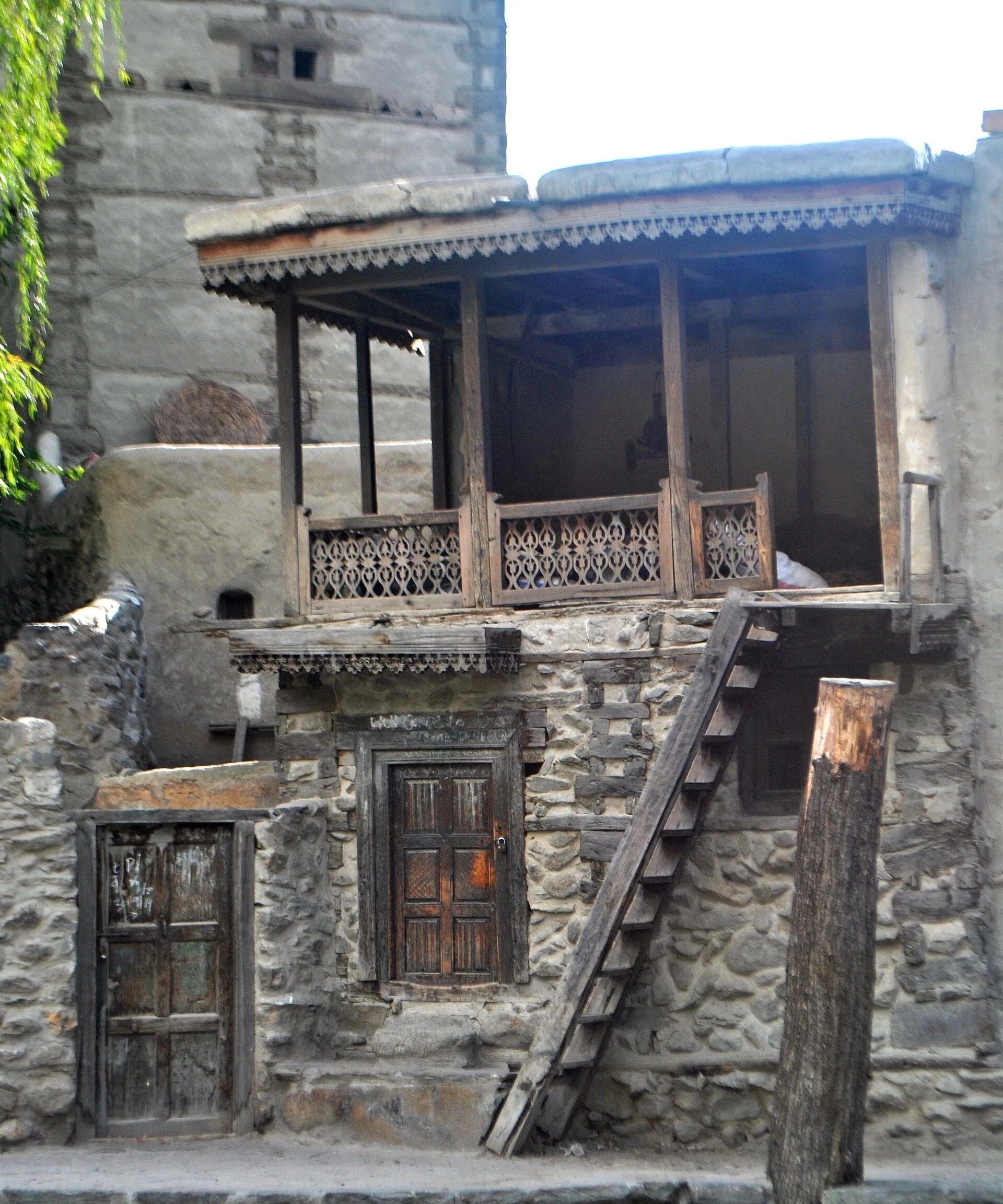
Fino al 1974 la Hunza fu uno Stato principesco, governato da un Mir ereditario dai forti sopra Karimabad. Quella lunga indipendenza, al riparo di alcune delle montagne più alte della Terra, ha lasciato alla valle una cultura che non si trova in nessun altro luogo del Pakistan. Il suo popolo, i Burusho, parla il burushaski, una lingua isolata senza parentela dimostrata con alcuna altra famiglia. Cucina, musica, architettura e costumi si distinguono sia dalle pianure pakistane sia dalla vicina Asia centrale.
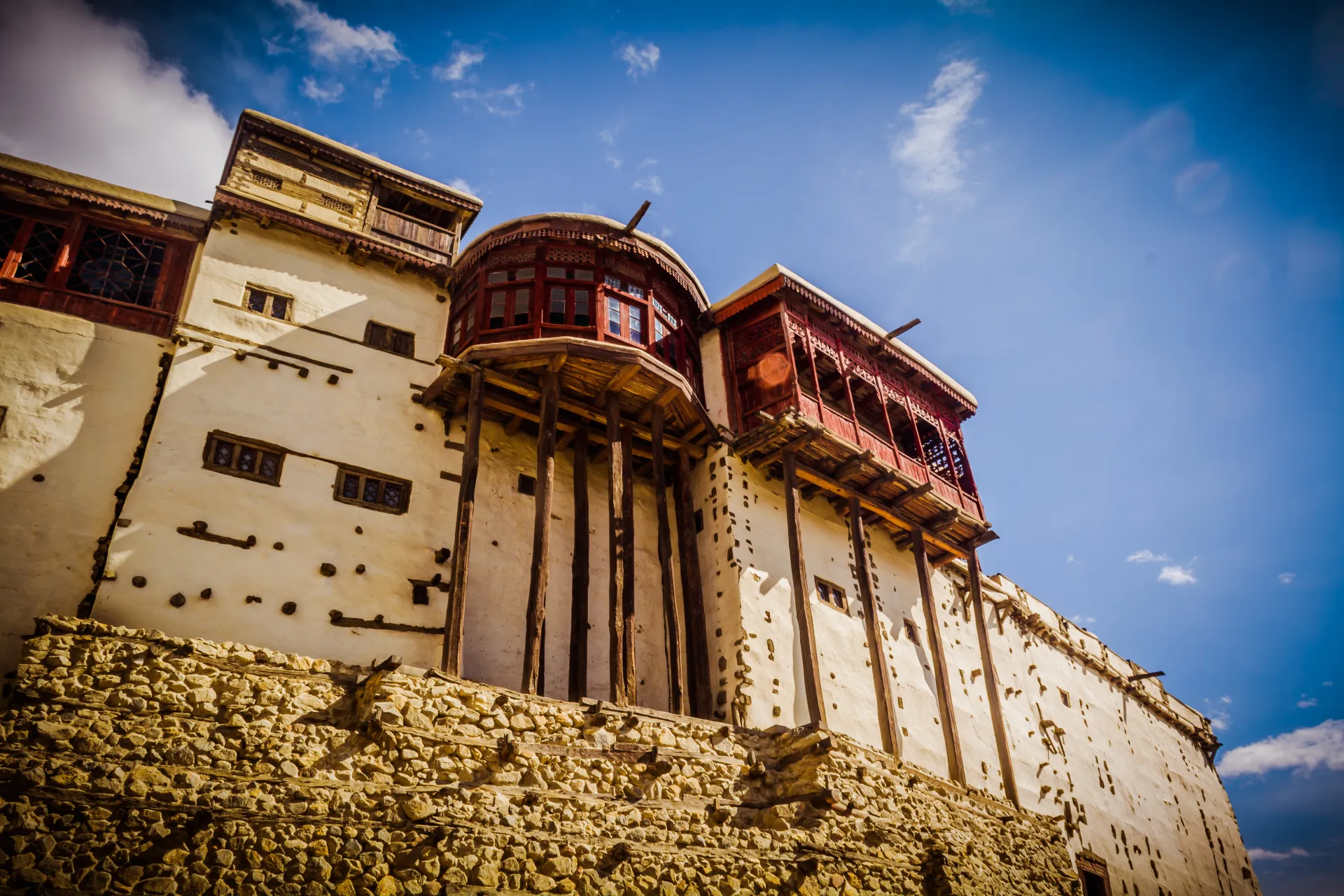
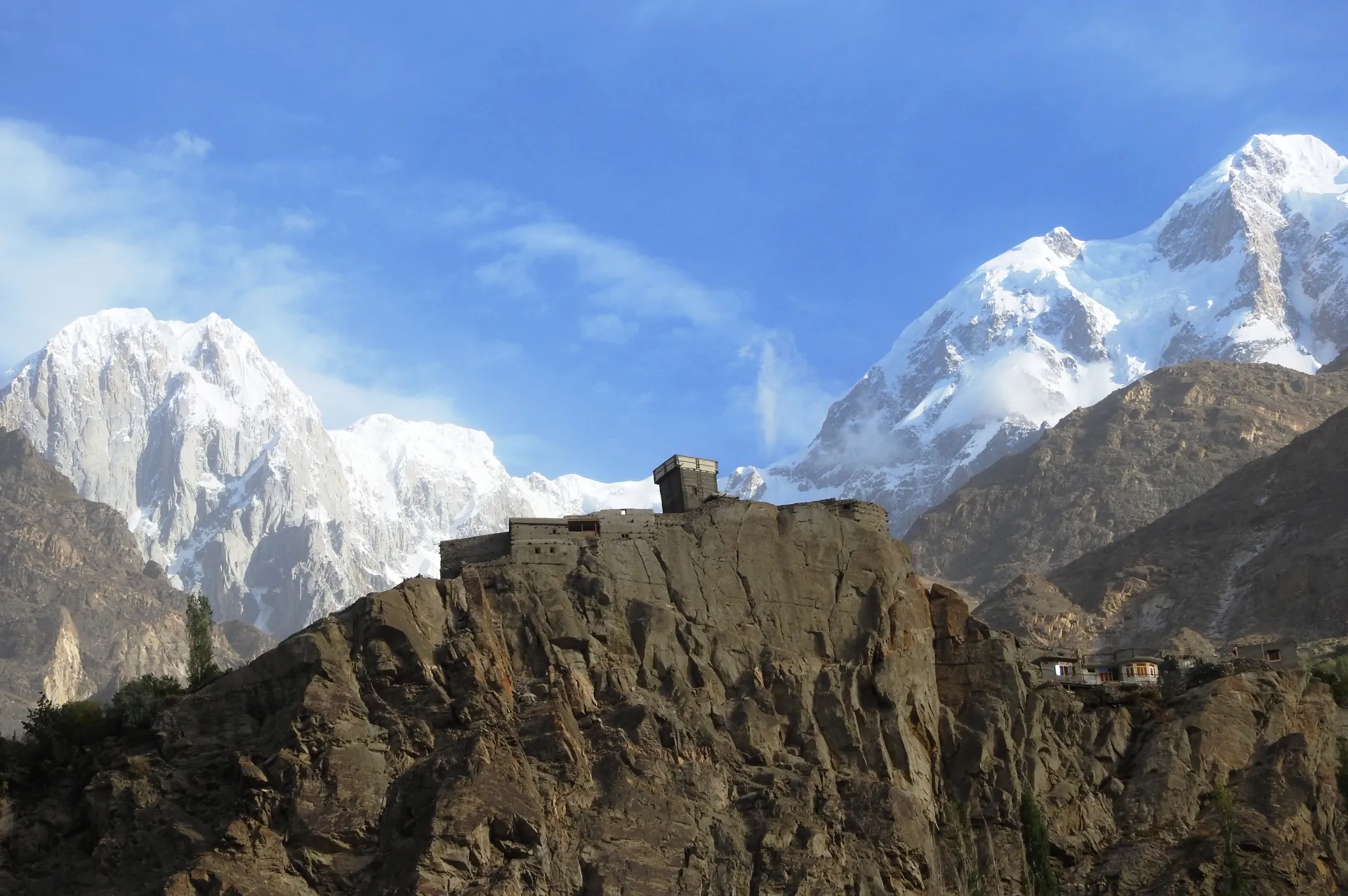
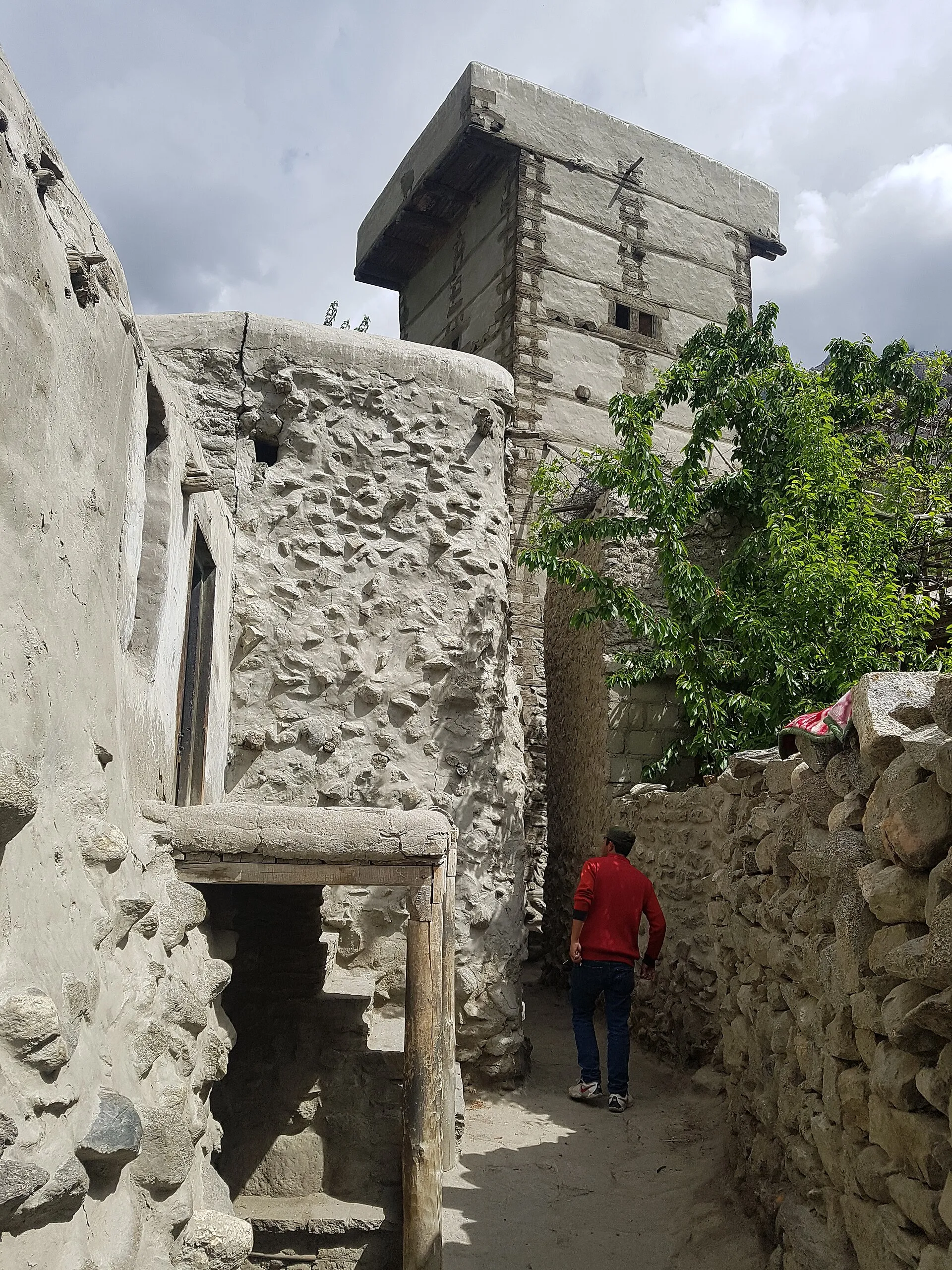
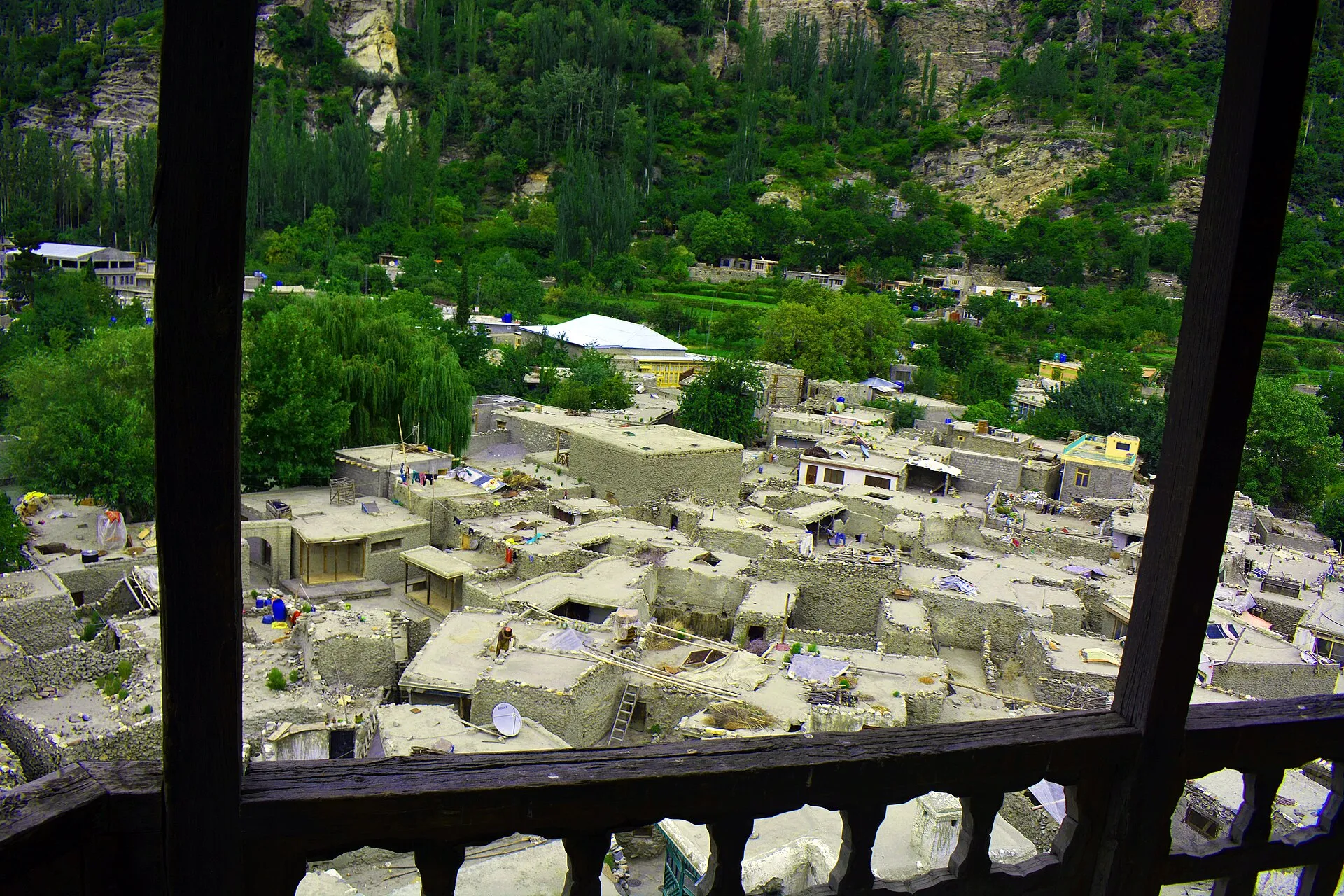
Questo tour di cinque giorni è costruito attorno a questa unicità, non a un elenco di punti panoramici. Trascorri il tempo a Karimabad, l'antica capitale, e dintorni, con due grandi forti come riferimenti. Il Forte di Baltit assunse la forma attuale nel XIV secolo, riprendendo tecniche costruttive tibetane, e ospitò i Mir della Hunza per circa 700 anni, finché negli anni '40 la famiglia non si trasferì in una residenza moderna. Il programma Aga Khan Historic Cities lo restaurò negli anni '90 ed è oggi uno dei migliori progetti di tutela del patrimonio della regione. Il Forte di Altit è ancora più antico, con parti dell'XI secolo, e sorge su uno sperone roccioso con pareti quasi verticali su tre lati sopra il fiume Hunza.
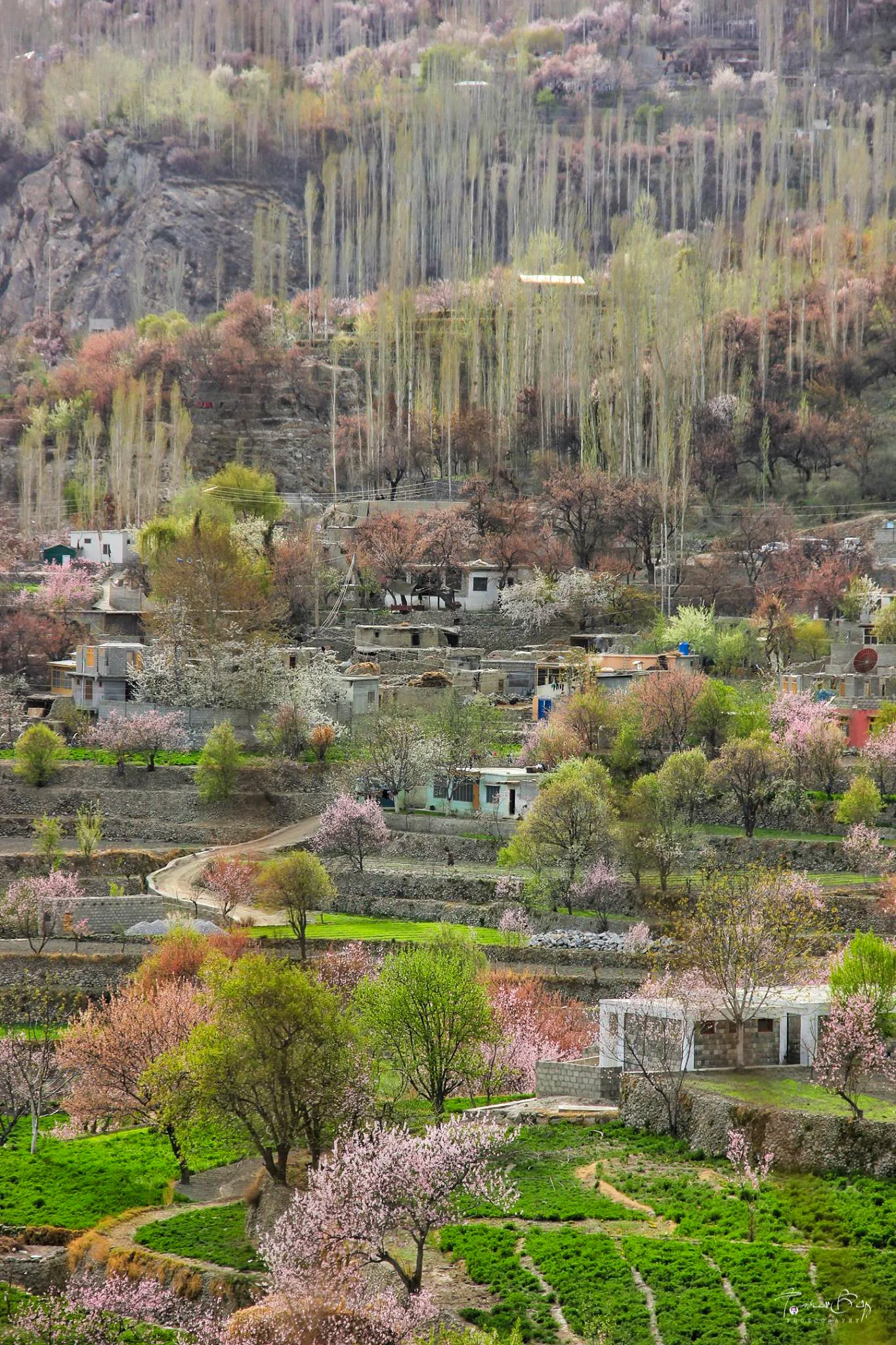
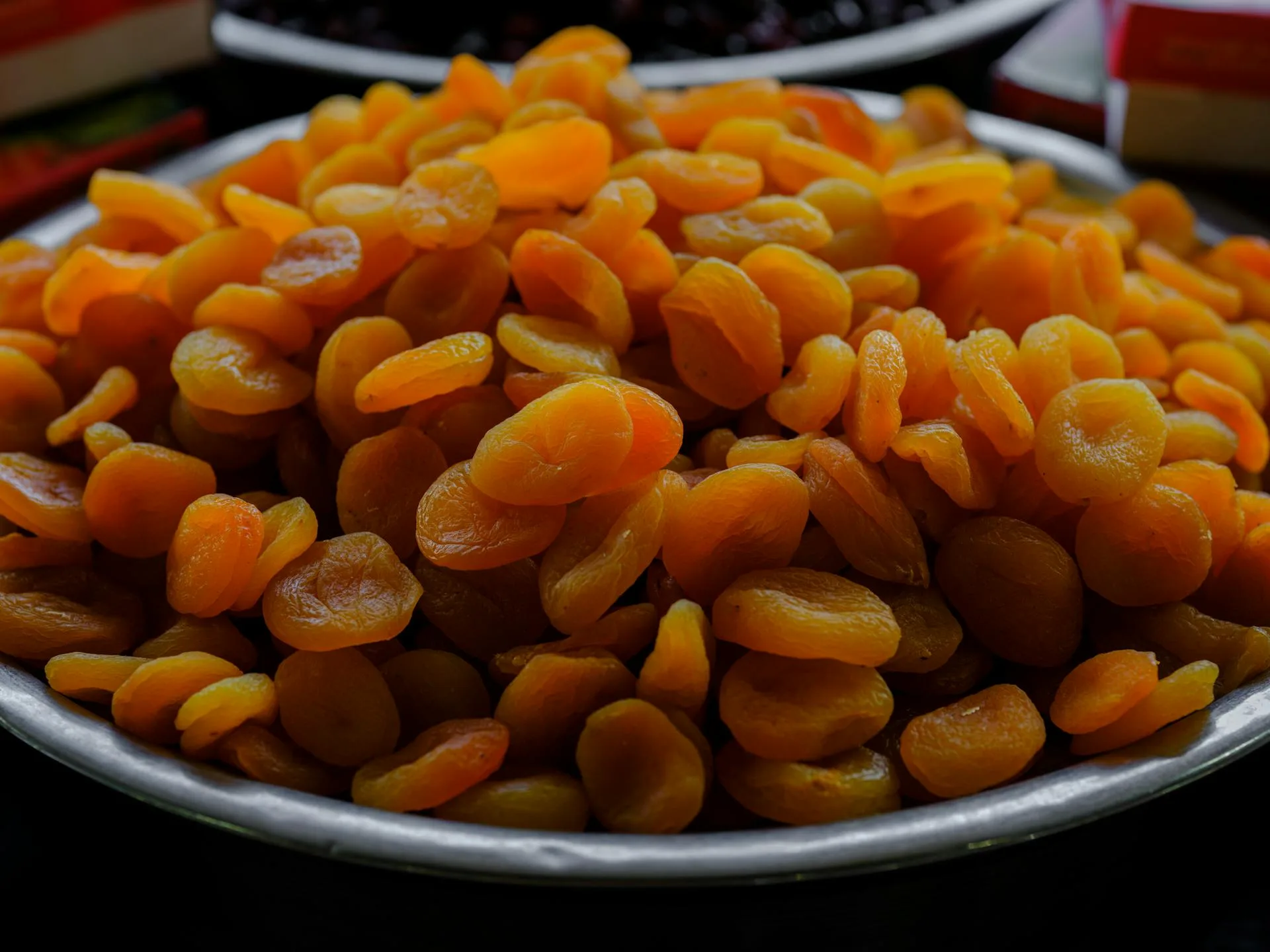
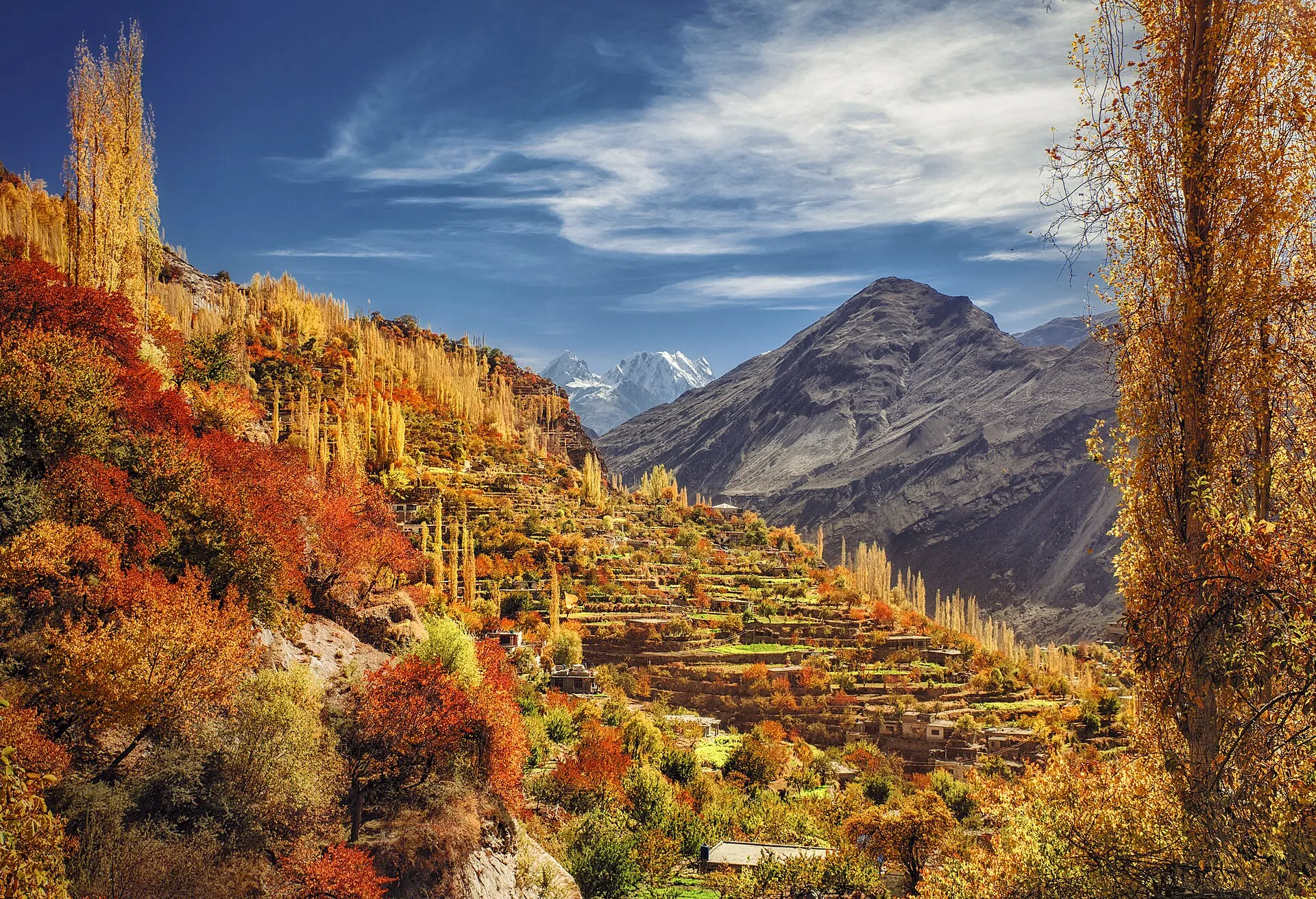
Attorno ai forti si dispiega il resto della vita della Hunza. L'Eagle's Nest, il celebre punto panoramico sopra Duikar, domina Rakaposhi, Diran e Ultar Sar. I frutteti più in basso danno decine di varietà di albicocche che le famiglie ancora essiccano sui tetti piatti per tutta l'estate. Risalendo la valle nel Gojal, il turchese del Lago Attabad lascia il posto a Gulmit, dove la comunità wakhi conserva la propria lingua, musica e artigianato, di nuovo diversi da quelli dei Burusho della Hunza centrale. Al ritorno si sosta al Buddha di Kargah, una figura del VII secolo scolpita in alto su una parete vicino a Gilgit.
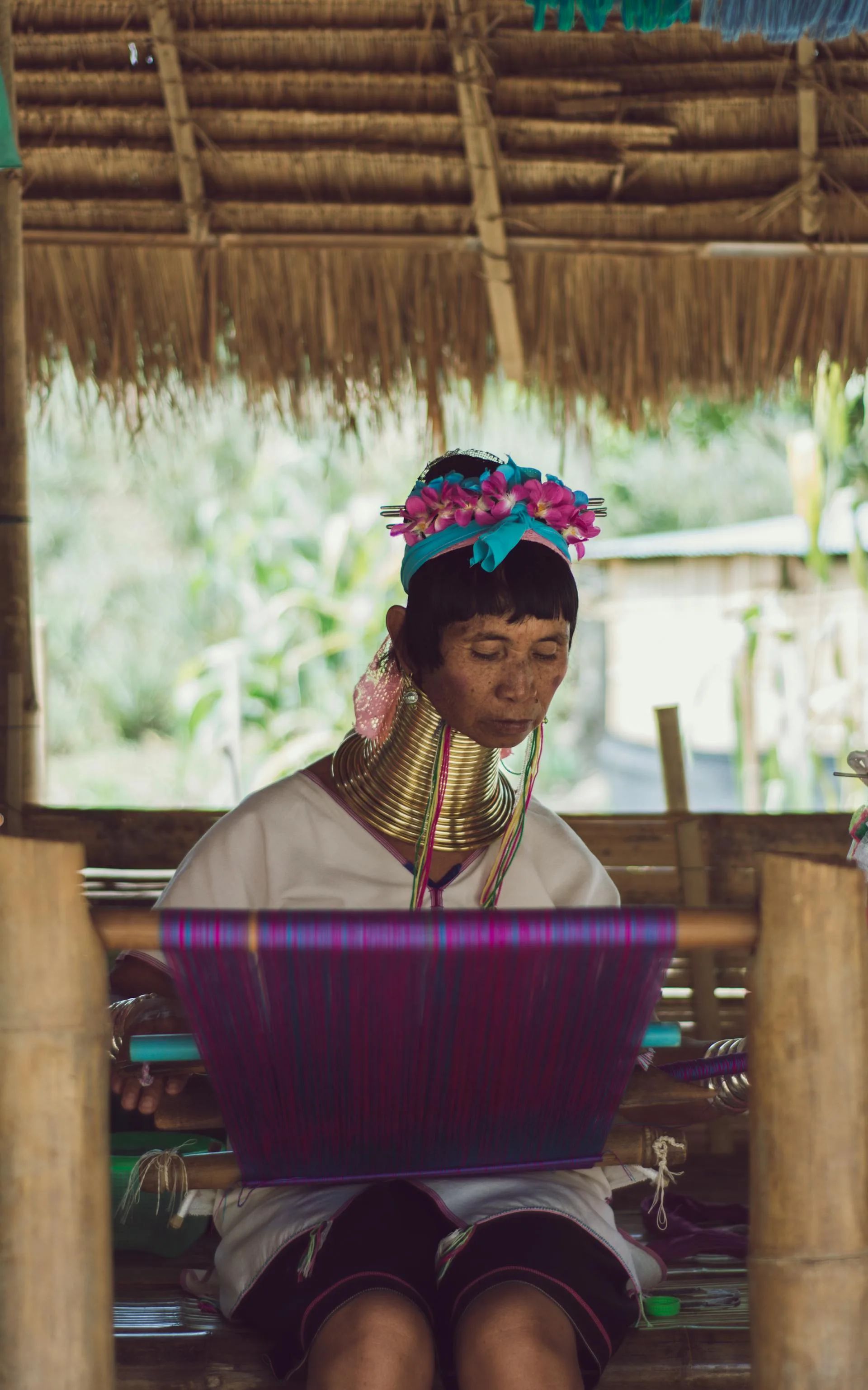
Manteniamo di proposito un ritmo tranquillo. C'è tempo per sedersi a tavola con le famiglie del posto, osservare le tessitrici di una cooperativa artigiana femminile e parlare con gli anziani di ciò che è cambiato, e di ciò che resta, nella Hunza di oggi. È un tour facile, di bassa quota e poco impegnativo, adatto a famiglie, viaggiatori più maturi e a chiunque sia interessato alle persone e alla storia più che ai passi e alle vette.
Itinerario giorno per giorno
1Da Islamabad a Karimabad, volo e strada
Da Islamabad a Karimabad, volo e strada
2Forte di Baltit e centro storico di Karimabad
Forte di Baltit e centro storico di Karimabad
3Forte di Altit ed Eagle's Nest
Forte di Altit ed Eagle's Nest
4Lago Attabad e Gulmit
Lago Attabad e Gulmit
5Da Karimabad a Gilgit, partenza
Da Karimabad a Gilgit, partenza
A chi è adatto questo tour
Questo è un tour culturale, non un trek. Si cammina poco, il punto più alto che si raggiunge è un belvedere a circa 3.100 m e si dorme ogni notte a un comodo 2.438 m. È quindi adatto a famiglie con bambini, viaggiatori più maturi e a chiunque voglia capire la Hunza anziché limitarsi a fotografarla. Se ti interessano in particolare l'architettura storica, le lingue o l'artigianato tradizionale, le visite guidate ai forti e il tempo nelle cooperative locali saranno il momento clou.
Quando visitare la Hunza
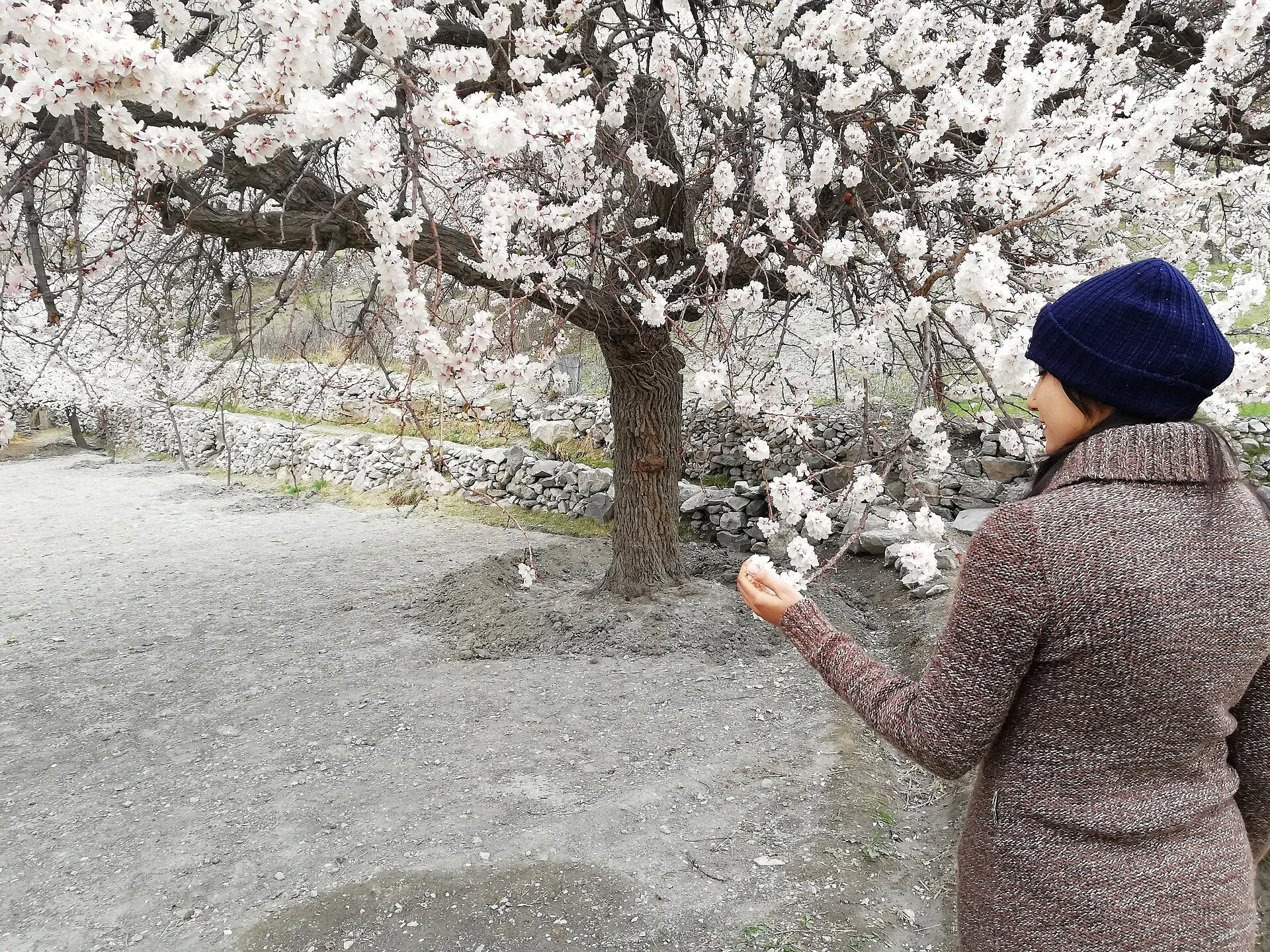
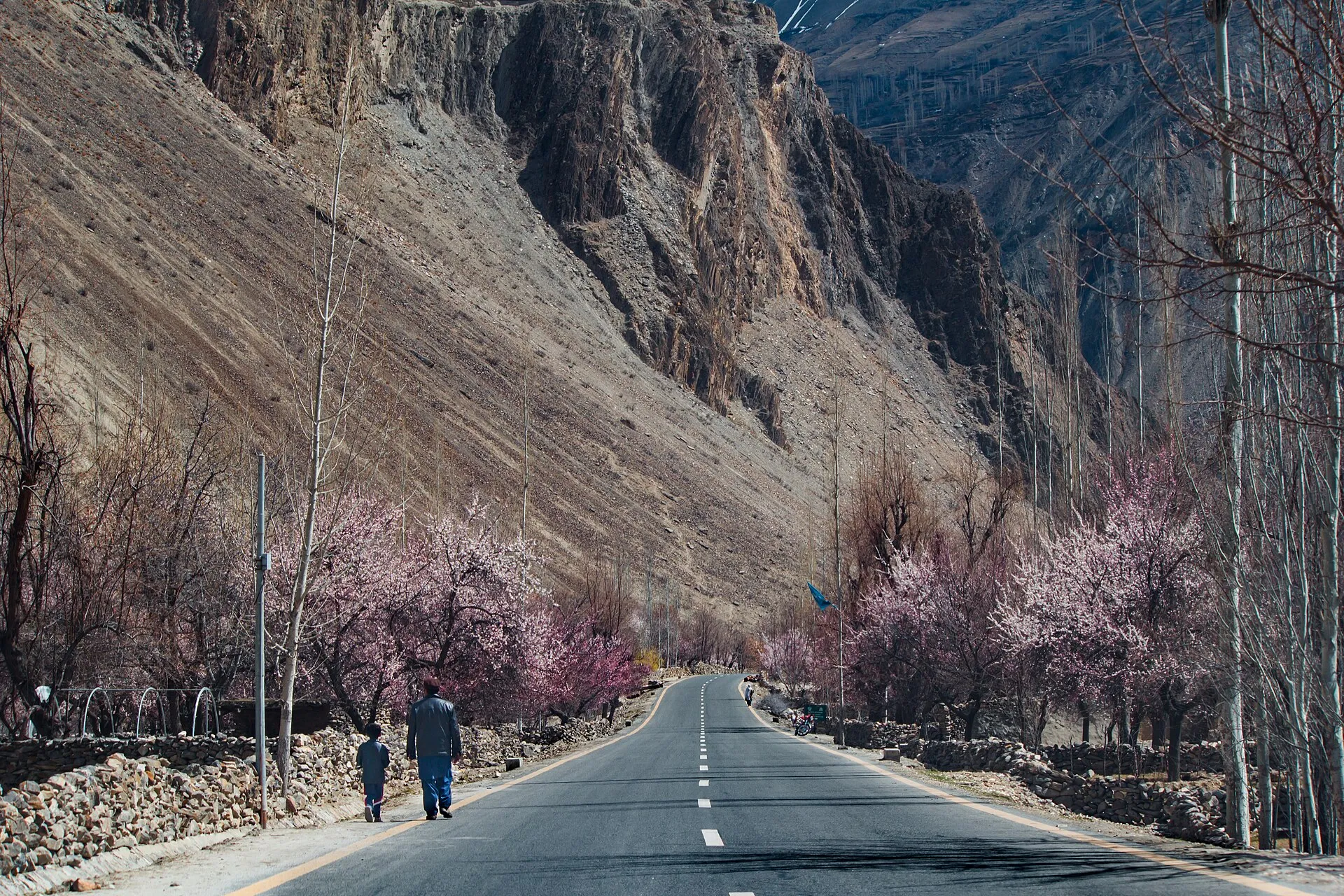
Il tour si svolge da marzo a novembre e ogni parte della stagione ha il suo carattere. Fine marzo e aprile sono il tempo della fioritura, quando ciliegi e albicocchi tingono la valle di rosa e bianco davanti alle cime innevate. L'estate, da giugno ad agosto, è calda e verde e porta il raccolto delle albicocche, quando i tetti di tutta la valle si riempiono di frutti ad essiccare. Settembre e ottobre regalano i colori d'autunno, viste limpide sulle montagne e la vendemmia e la raccolta delle noci, e molti viaggiatori li giudicano i mesi migliori per la fotografia. Gli inverni sono freddi e alcune strade dell'alta valle possono chiudere, perciò manteniamo le partenze nella finestra da marzo a novembre.
Perché prenotare con noi
Siamo un operatore del Gilgit-Baltistan, non un ufficio in un'altra città, e organizziamo viaggi guidati in queste valli dal 2015. Le visite ai forti sono condotte da guide che conoscono la storia, non un copione imparato a memoria, e le nostre visite alle comunità vanno a cooperative e famiglie con cui lavoriamo direttamente, così il denaro resta nella valle. Includiamo entrambi i voli per Gilgit e teniamo di riserva l'opzione su strada lungo la Karakoram Highway, perché i voli di montagna dipendono dal meteo e preferiamo avere un piano piuttosto che una mattinata bloccati.
Cosa è incluso
Non incluso
Domande frequenti
Quanto dura il tour culturale della Hunza?
Quanto dura il tour culturale della Hunza?
Come si arriva alla Hunza?
Come si arriva alla Hunza?
Qual è l'altitudine massima e il tour è impegnativo?
Qual è l'altitudine massima e il tour è impegnativo?
Perché vale la pena visitare i forti di Baltit e Altit?
Perché vale la pena visitare i forti di Baltit e Altit?
Chi sono i Burusho e cos'è il burushaski?
Chi sono i Burusho e cos'è il burushaski?
Il tour è adatto a famiglie e piccoli gruppi?
Il tour è adatto a famiglie e piccoli gruppi?
Approfondimenti
Pronti per la prossima avventura?
Unisciti alla nostra comunità di esploratori e scopri il viaggio della vita. Il nostro team di esperti è pronto ad aiutarti a pianificare la tua spedizione perfetta.