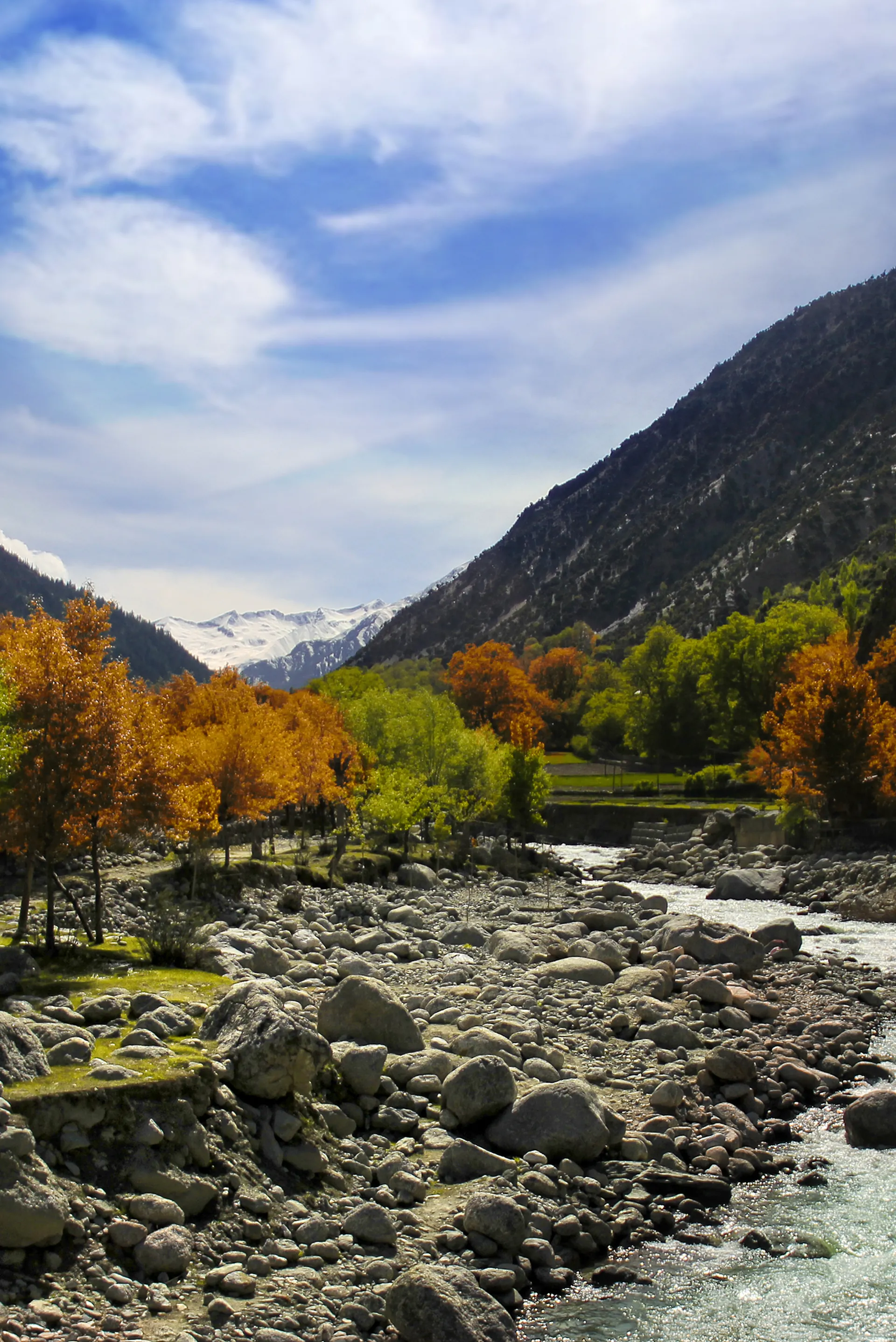
Kalash Valley
Vivere con gli ultimi politeisti dell'Asia meridionale
Ultimo aggiornamento: · Revisionato da Javeed Iqbal, fondatore
Durata
6-8 giorni
Difficoltà
Facile
Dimensione gruppo
2-8 pers.
Stagione migliore
Aprile-ottobre (non festival)
Informazioni sul tour
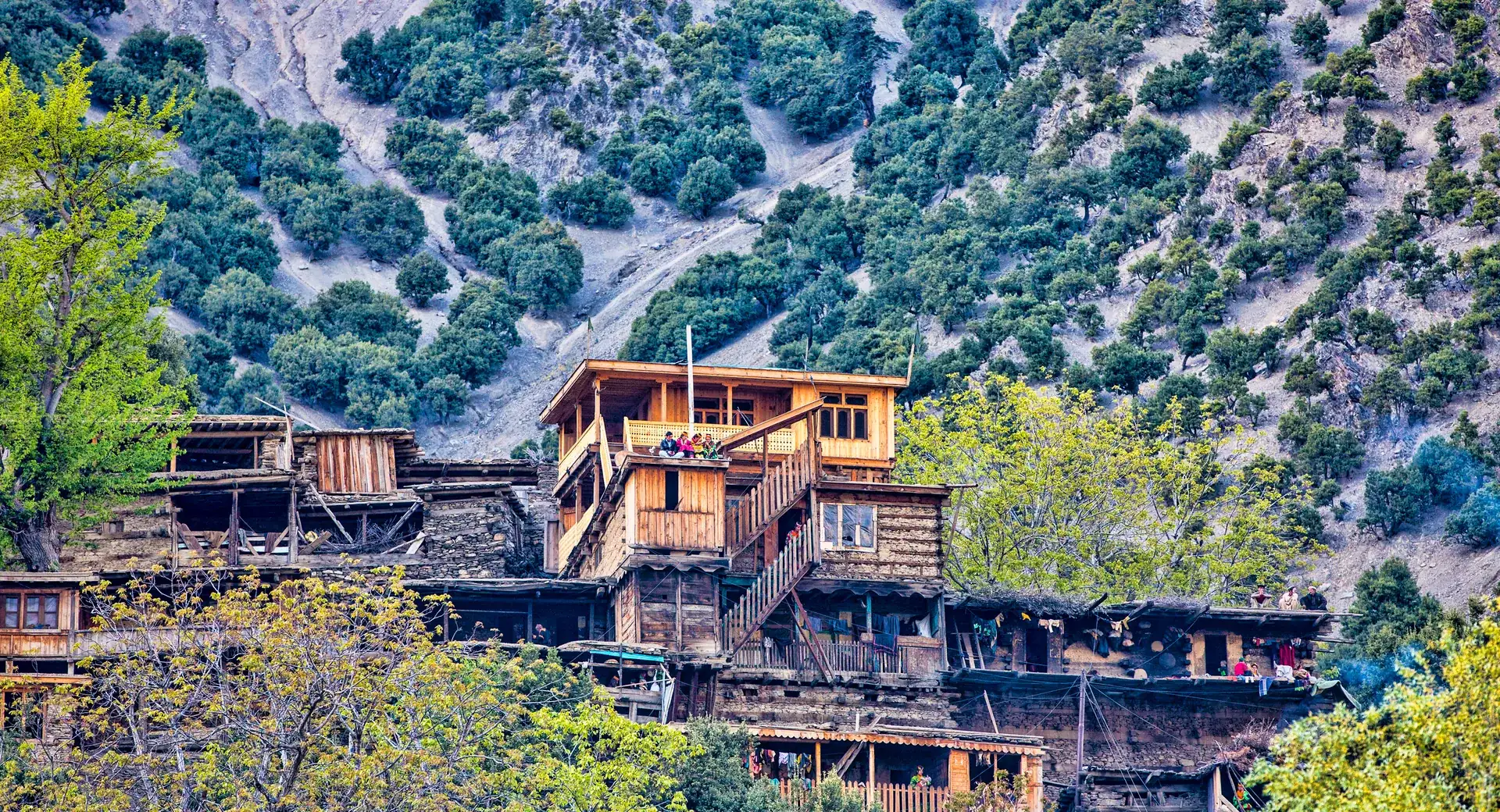
Tre valli laterali si aprono dal fiume Chitral a sud della città, racchiuse dalle pareti dell'Hindu Kush: Bumburet, Rumbur e Birir. I loro villaggi di case in legno sovrapposte sono la dimora dei Kalash, circa 4.000 persone che non si sono mai convertite all'Islam e praticano ancora l'antica religione dell'Hindu Kush, con i suoi dei della natura, i santuari dei clan e il vino fatto in casa. Tutti gli altri che un tempo condividevano queste credenze, su entrambi i versanti del confine afgano, si sono convertiti generazioni fa. I Kalash sono gli ultimi.
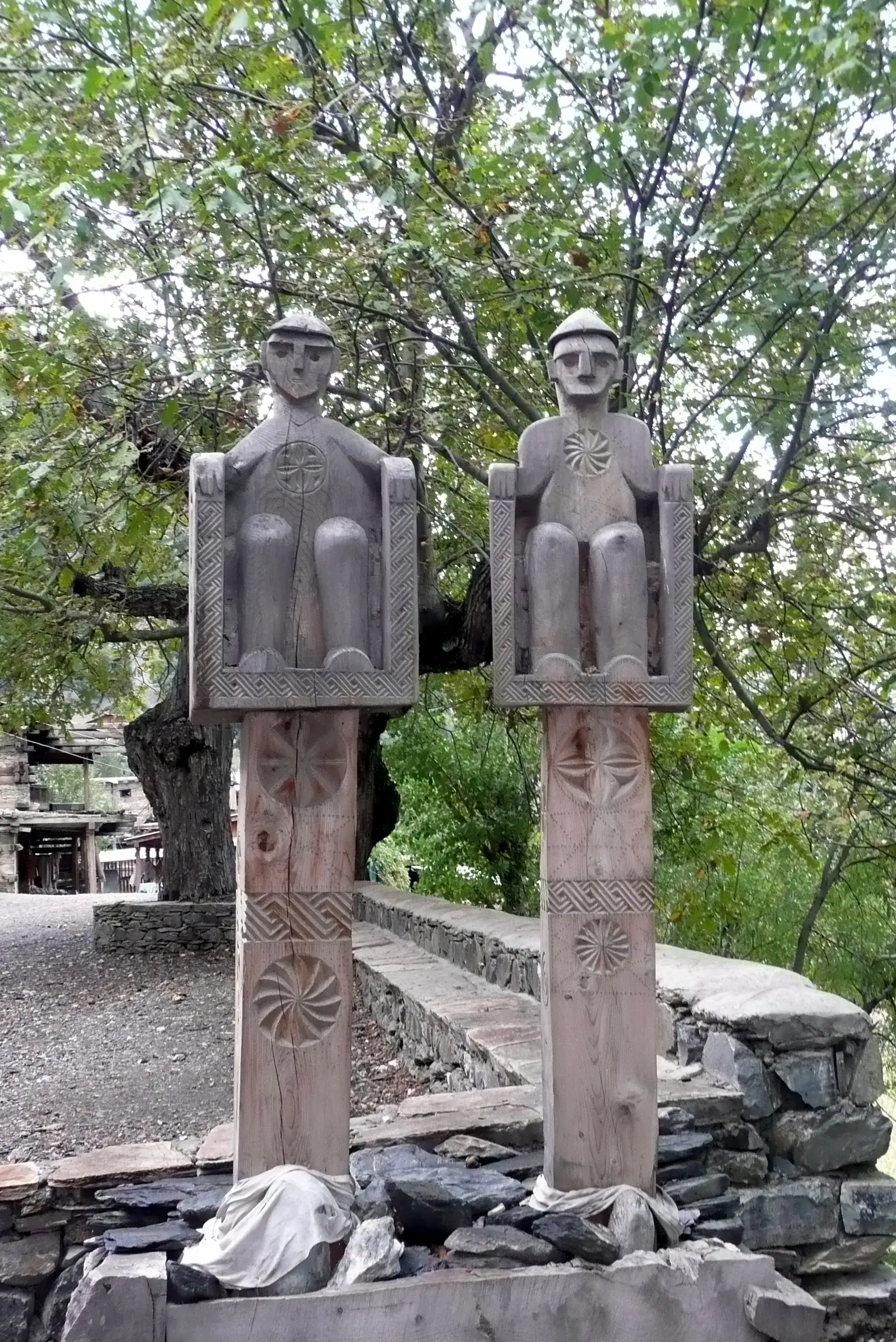
La maggior parte dei visitatori arriva per il festival di maggio, si ferma due notti e fotografa i copricapo. Questo tour è il viaggio opposto. Fuori dalla stagione dei festival le valli tornano alla loro vera vita: le donne raggiungono i noceti al mattino, i telai compaiono sulle verande, le mandrie si spostano tra i pascoli, e un ospite in una guesthouse di famiglia è un evento per la casa, non un volto tra la folla. Vedete i templi di clan Jestak Han con i loro pilastri intagliati, gli altari sulle alture e i cimiteri dove un tempo le figure intagliate gandau vegliavano sulle bare scoperte.
La lingua kalasha, un idioma dardico parlato da qualche migliaio di persone, sopravvive nell'uso quotidiano qui e quasi in nessun altro luogo. Così come il vino prodotto in casa in un Paese a maggioranza musulmana e un calendario solare, il Suri Jagek, letto dalle creste e iscritto dall'UNESCO tra i patrimoni che necessitano di salvaguardia urgente. Nulla di tutto questo è messo in scena per i visitatori. È semplicemente l'ordine quotidiano delle valli, e una settimana è all'incirca il minimo per coglierlo davvero.
Organizziamo questo tour come un'esperienza in homestay da 6 a 8 giorni con partenza da Islamabad, lenta per scelta: due o tre notti per valle, pasti con le famiglie ospitanti e una guida che traduce le conversazioni invece di recitare nozioni.
Le tre valli: Bumburet, Rumbur e Birir
Bumburet è la più ampia e movimentata, a 36 km dalla città di Chitral in jeep, con il maggior numero di guesthouse e l'introduzione più dolce. Rumbur, su per una gola più stretta a nord, ha la più alta percentuale di Kalash praticanti e la vita di villaggio più intensa; il suo insediamento principale, Grom, custodisce alcuni dei santuari più importanti. Birir, la più meridionale e piccola, è la più conservatrice delle tre e il luogo dove osservare arti artigiane scomparse altrove. Dormire in due o tre di esse, invece di visitarle in giornata da Chitral, è ciò che distingue un'immersione da una sosta fotografica.
Dove si trova la valle Kalash?
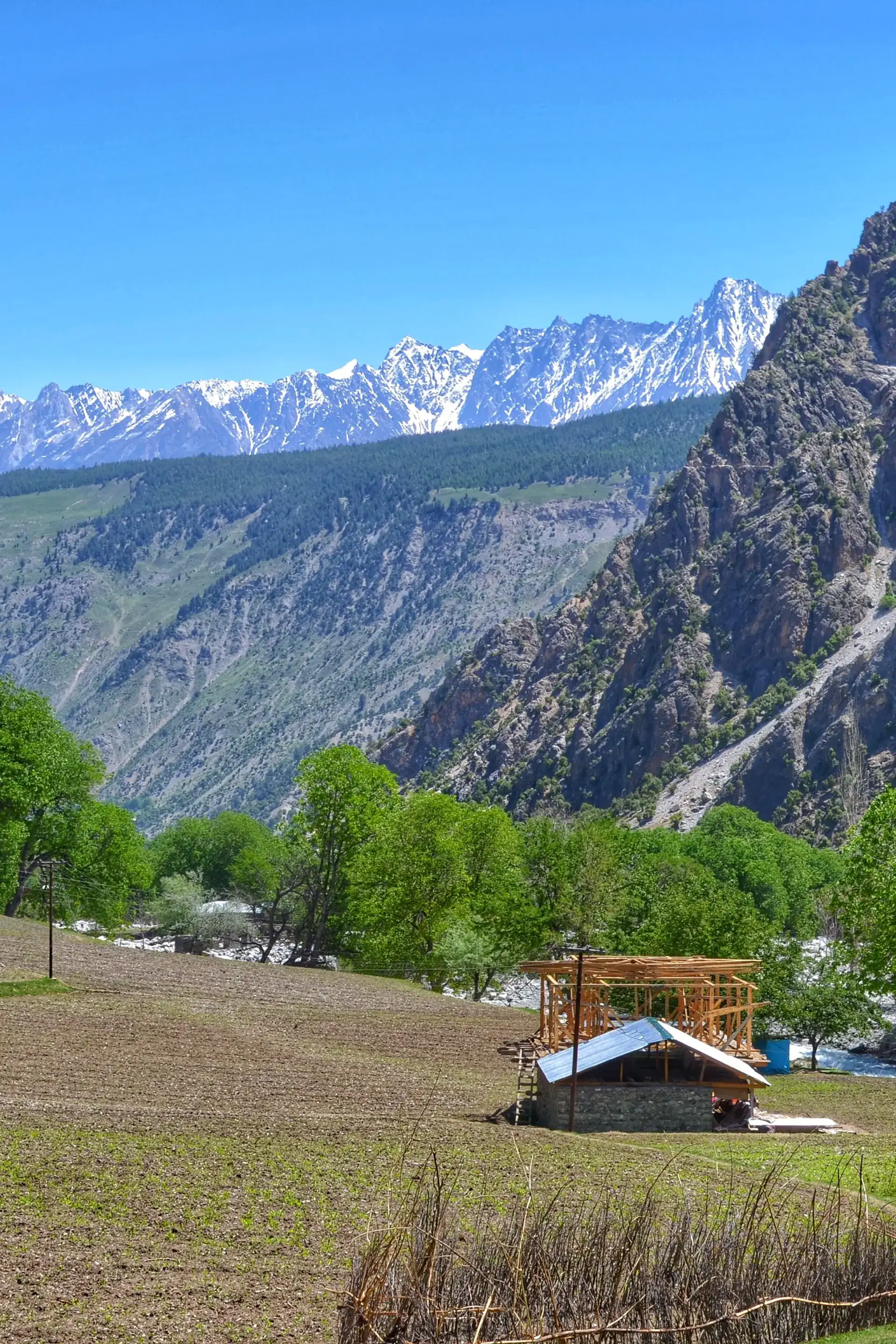
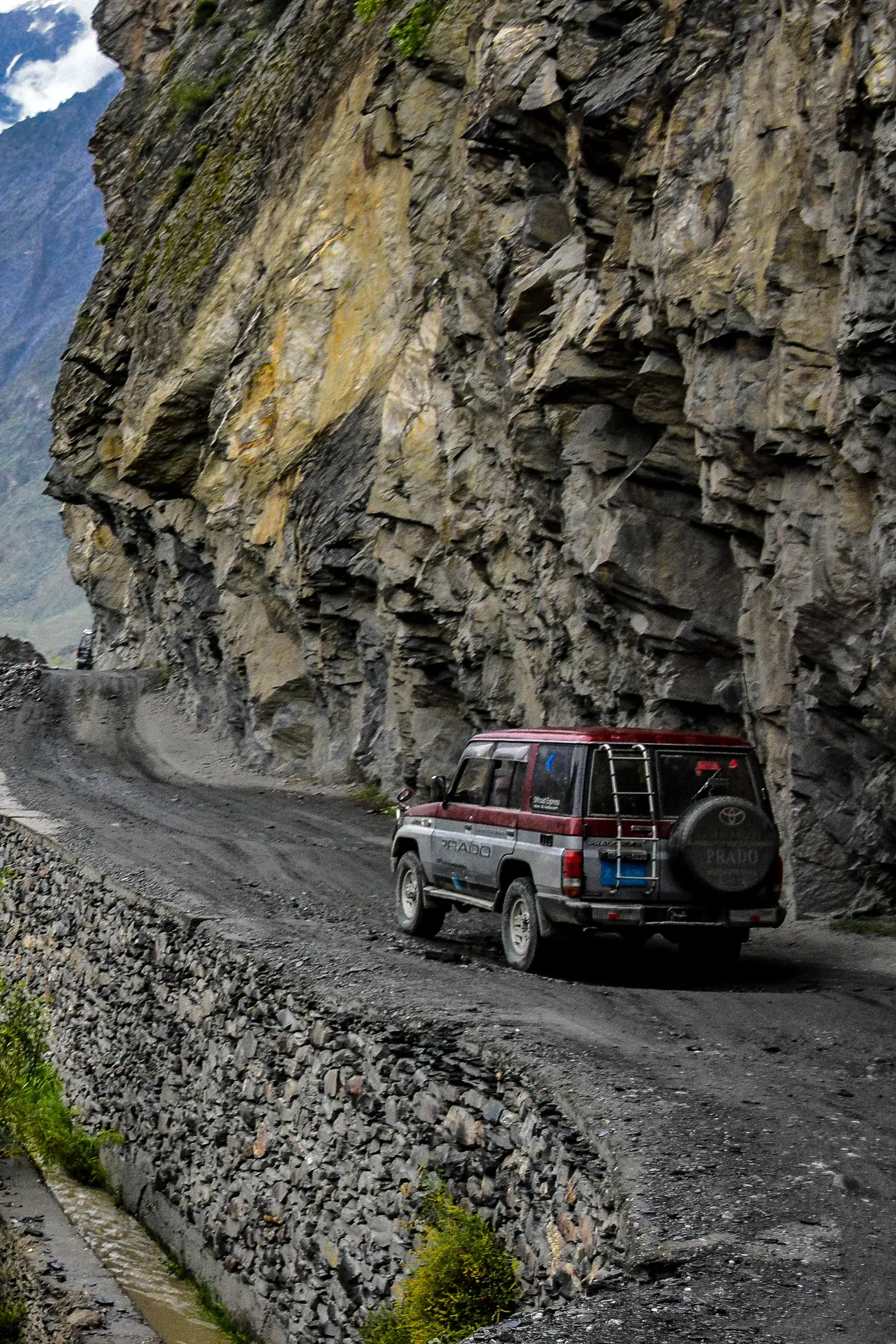
Le valli Kalash, Bumburet, Rumbur e Birir, si trovano nel distretto di Chitral, nel Khyber Pakhtunkhwa, nel cuore dell'Hindu Kush vicino al confine afghano, all'estremo nord-ovest del Pakistan. Sorgono da 1.900 a 2.200 metri, valli laterali che si diramano dalla valle principale di Chitral a circa 35 o 40 km a sud-ovest della città di Chitral, un impegnativo viaggio di due o tre ore su una strada di montagna. Chitral stessa si raggiunge con un breve volo da Islamabad, oppure via terra attraverso il Lowari Tunnel, un lungo tragitto di 14 o 16 ore. Le valli sono verdi e boscose, in netto contrasto con le spoglie alte terre più a est.
Clima delle valli Kalash e periodo migliore per visitarle
Le valli Kalash godono di un clima più mite dell'alto Karakoram, riparate e verdeggianti. Le estati (da maggio a settembre) sono calde e piacevoli di giorno, di solito tra i 20 e i 25 gradi circa, con un netto calo delle temperature di notte; è la stagione principale per le visite e quella in cui cadono i festival. La primavera porta le fioriture e il festival Chilam Joshi a maggio; l'autunno è limpido e frizzante, dopo il raccolto di Uchal; l'inverno è freddo e nevoso, con il festival Choimus intorno al solstizio di dicembre e strade che possono chiudersi. Per la maggior parte dei viaggiatori, dalla metà della primavera all'inizio dell'autunno è il momento ideale, e far coincidere la visita con un festival è il momento clou.
Il popolo Kalash e la sua religione
Le valli ospitano i Kalash, o Kalasha, una delle comunità più piccole e caratteristiche del Pakistan, composta da poche migliaia di persone. Seguono un'antica religione politeista con i propri dei, riti e calendario, del tutto diversa da qualsiasi altra nella regione, tanto che sono stati definiti gli ultimi della loro specie nell'Hindu Kush. Le donne Kalash sono immediatamente riconoscibili nelle loro vesti nere, con ricami sgargianti e copricapi di conchiglie cauri, e la loro cultura ruota attorno a tre grandi festival stagionali di musica, danza e vino. Visitarle è un raro privilegio: chiediamo ai nostri ospiti di muoversi con discrezione, di chiedere il permesso prima di fotografare le persone e di sostenere direttamente la comunità.
Itinerario giorno per giorno
1Da Islamabad a Chitral
Da Islamabad a Chitral
2Valle di Bumburet
Valle di Bumburet
3Bumburet, la vita del villaggio
Bumburet, la vita del villaggio
4Valle di Rumbur
Valle di Rumbur
5Valle di Birir
Valle di Birir
6Birir, vino e intaglio del legno
Birir, vino e intaglio del legno
7Chitral
Chitral
8Partenza
Partenza
Periodo migliore per visitare le valli Kalash
Il tour si svolge da aprile a ottobre. La primavera è verde e fragorosa di acque di disgelo, ma metà maggio appartiene alla folla del Chilam Joshi, perciò indirizziamo i viaggiatori in cerca di tranquillità a ridosso di quel periodo. Da giugno a settembre il clima è stabile e caldo, con i pascoli alti aperti per le escursioni in giornata: è la finestra più semplice. Ottobre tinge d'oro i noci e gli albicocchi e svuota le valli di visitatori quasi del tutto. Viaggiare in inverno è realistico solo intorno al festival Choimus di dicembre, che proponiamo come partenza a parte.
Se ciò che cercate è un festival, consultate il nostro tour dei festival Kalash o la pagina dedicata al Chilam Joshi; i due viaggi sono volutamente diversi da questo.
Come arrivare e permessi
Si raggiunge Chitral con il breve volo PIA da Islamabad, che opera in pochi giorni e cede facilmente al maltempo, oppure via strada: da 10 a 12 ore attraverso Swat, Dir e i 10,4 km del tunnel di Lowari. Da Chitral le jeep impiegano circa due ore su per la gola fino a Bumburet. Al momento i visitatori stranieri non hanno bisogno di alcun NOC per le valli Kalash, solo della registrazione del passaporto ai posti di controllo della polizia e di una piccola tassa d'ingresso alla porta della valle, destinata ai fondi della comunità. Teniamo d'occhio le regole, che in questa regione cambiano con poco preavviso, e ci occupiamo di ogni modulo durante il tour.
Soggiornare in un homestay Kalash
Le guesthouse delle valli sono complessi familiari con qualche stanza per gli ospiti, servizi essenziali e pasti cucinati al focolare. L'acqua calda arriva in un secchio più spesso che dal rubinetto. In cambio entrate nel ritmo della casa: il pane che cuoce prima dell'alba, i vicini che passano a salutare, i bambini che fanno i compiti alla luce di una lampada solare e domande sulla vostra vita curiose almeno quanto le vostre sulla loro. Le tasse comunitarie vanno direttamente ai fondi delle valli e il vostro vitto e alloggio finiscono dritti alla famiglia che vi ospita.
A chi è adatto questo tour
A chi preferisce comprendere un luogo piuttosto che collezionarlo. Le giornate sono facili per gli standard del trekking, il punto più alto è una passeggiata facoltativa fino a un pascolo a circa 2.800 m, e il ritmo si addice ai viaggiatori più maturi e alle famiglie con bambini abbastanza grandi da essere curiosi. Non è adatto a chi ha bisogno delle comodità di un hotel: le valli non ne offrono, e in fondo è proprio questo il punto.
Perché prenotare con noi
Collaboriamo con le stesse famiglie ospitanti a Bumburet, Rumbur e Birir da anni, abbastanza a lungo da essere ospiti più che clienti. La vostra guida parla le lingue che si incontrano tra Islamabad e le valli e sa quali domande sono gradite e quali no. I gruppi non superano le otto persone, le tasse arrivano direttamente alla comunità e ogni partenza prevede un'alternativa via strada al volo per Chitral.
Cosa è incluso
Non incluso
Domande frequenti
Vale la pena visitare la valle Kalash?
Vale la pena visitare la valle Kalash?
Come si arriva alle valli Kalash da Islamabad?
Come si arriva alle valli Kalash da Islamabad?
Serve un permesso per la valle Kalash?
Serve un permesso per la valle Kalash?
Qual è il periodo migliore per visitarla?
Qual è il periodo migliore per visitarla?
Quanti giorni servono?
Quanti giorni servono?
Si può soggiornare presso le famiglie Kalash?
Si può soggiornare presso le famiglie Kalash?
Quali sono le tre valli Kalash?
Quali sono le tre valli Kalash?
È sicuro?
È sicuro?
Dove si trova la valle Kalash?
Dove si trova la valle Kalash?
Chi sono i Kalash?
Chi sono i Kalash?
Com'è il clima nella valle Kalash?
Com'è il clima nella valle Kalash?
Quando si tengono i festival Kalash?
Quando si tengono i festival Kalash?
Pronti per la prossima avventura?
Unisciti alla nostra comunità di esploratori e scopri il viaggio della vita. Il nostro team di esperti è pronto ad aiutarti a pianificare la tua spedizione perfetta.