Eco-turismo in Pakistan
Fauna selvatica, conservazione e viaggi gestiti dalle comunità nell'alto nord
Ultimo aggiornamento:
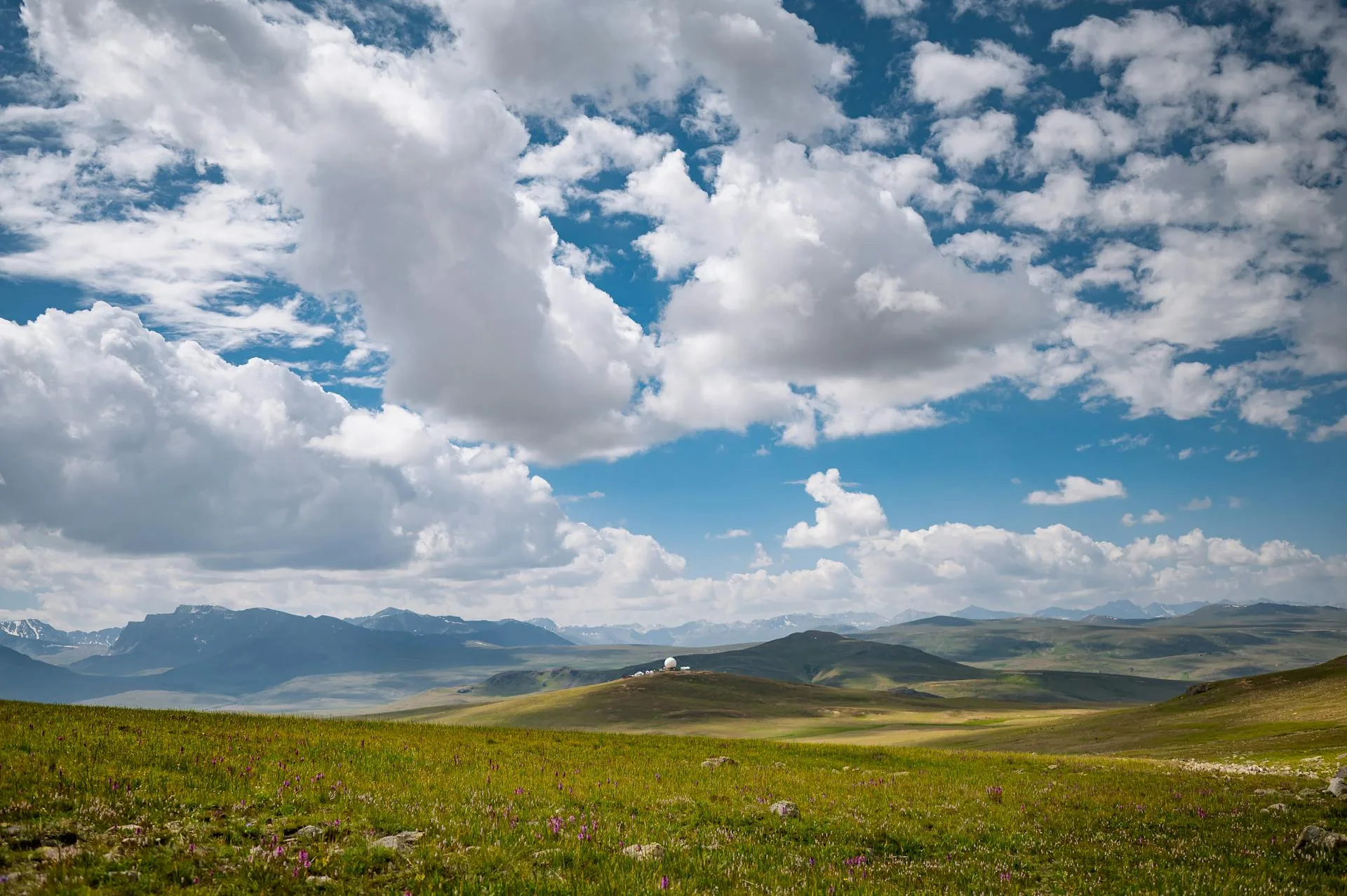
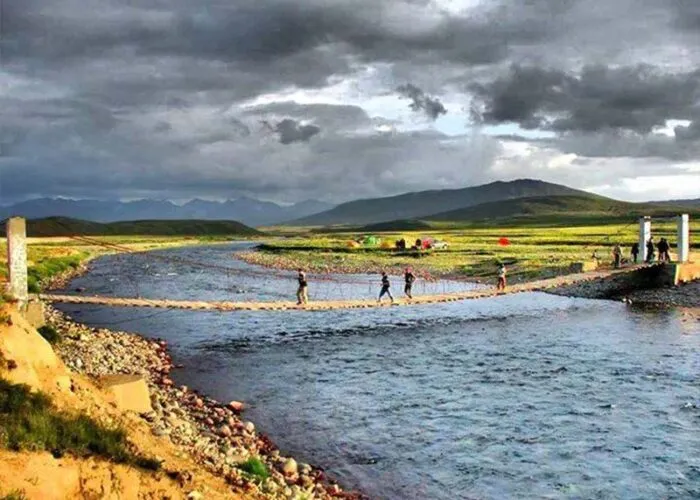
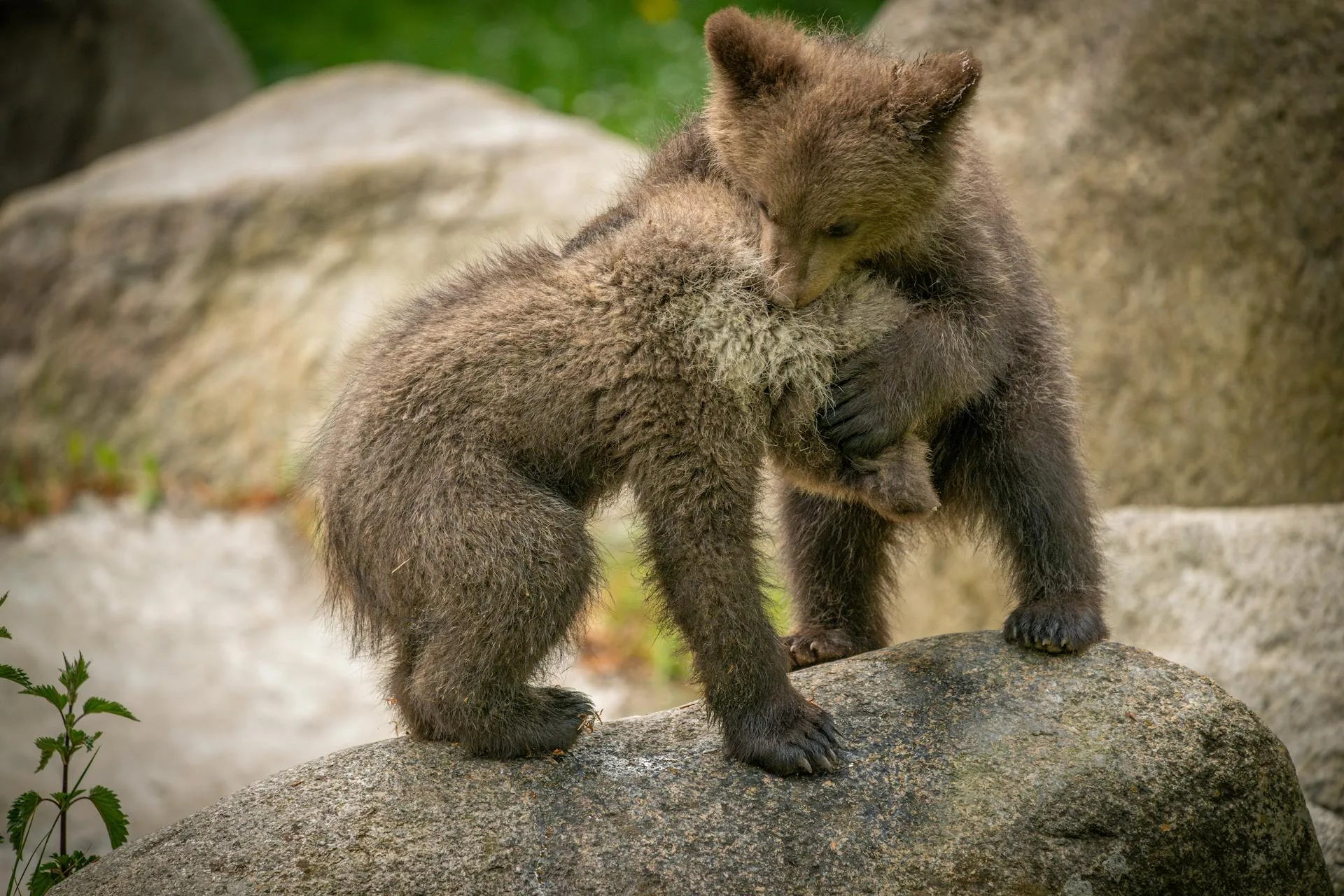
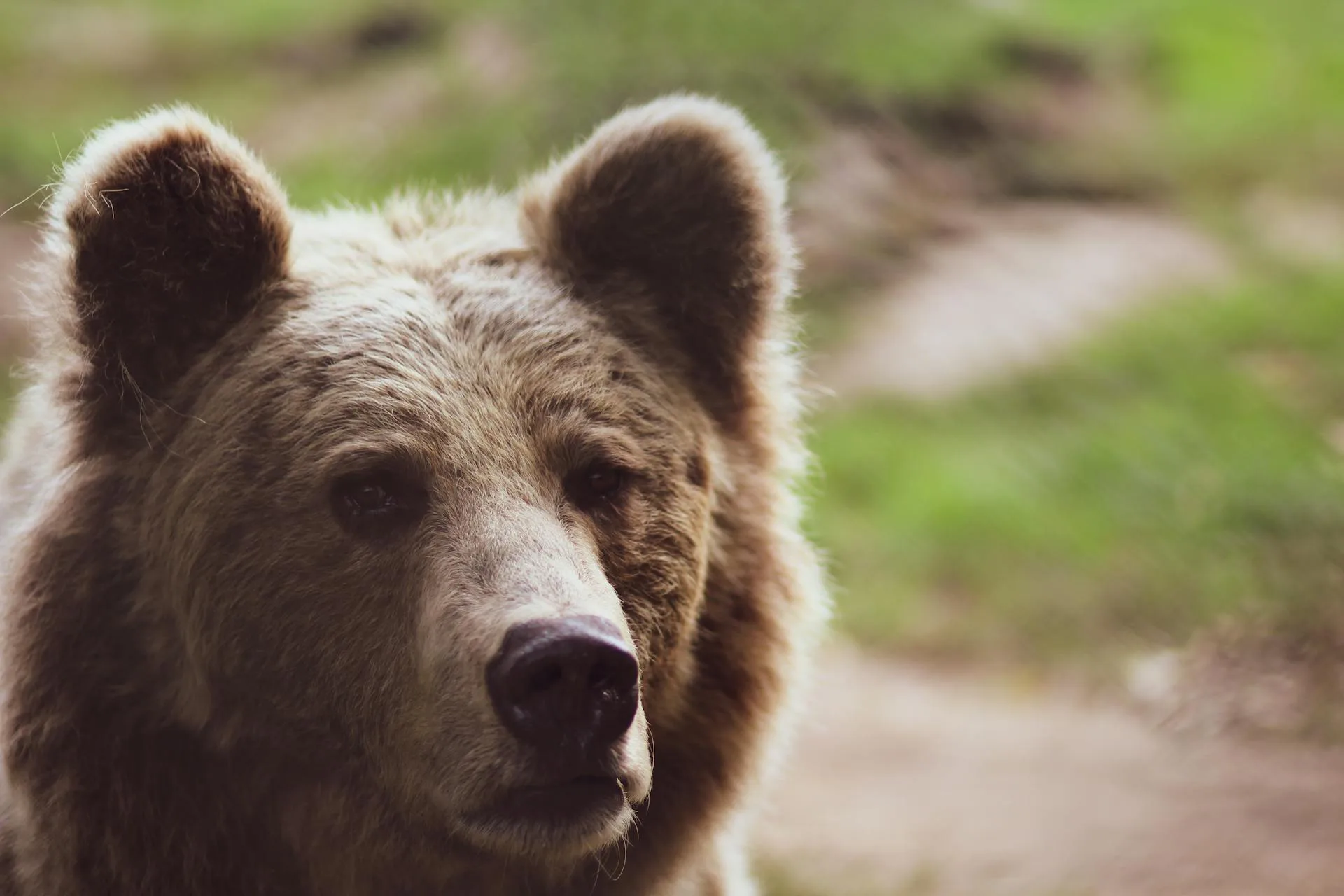
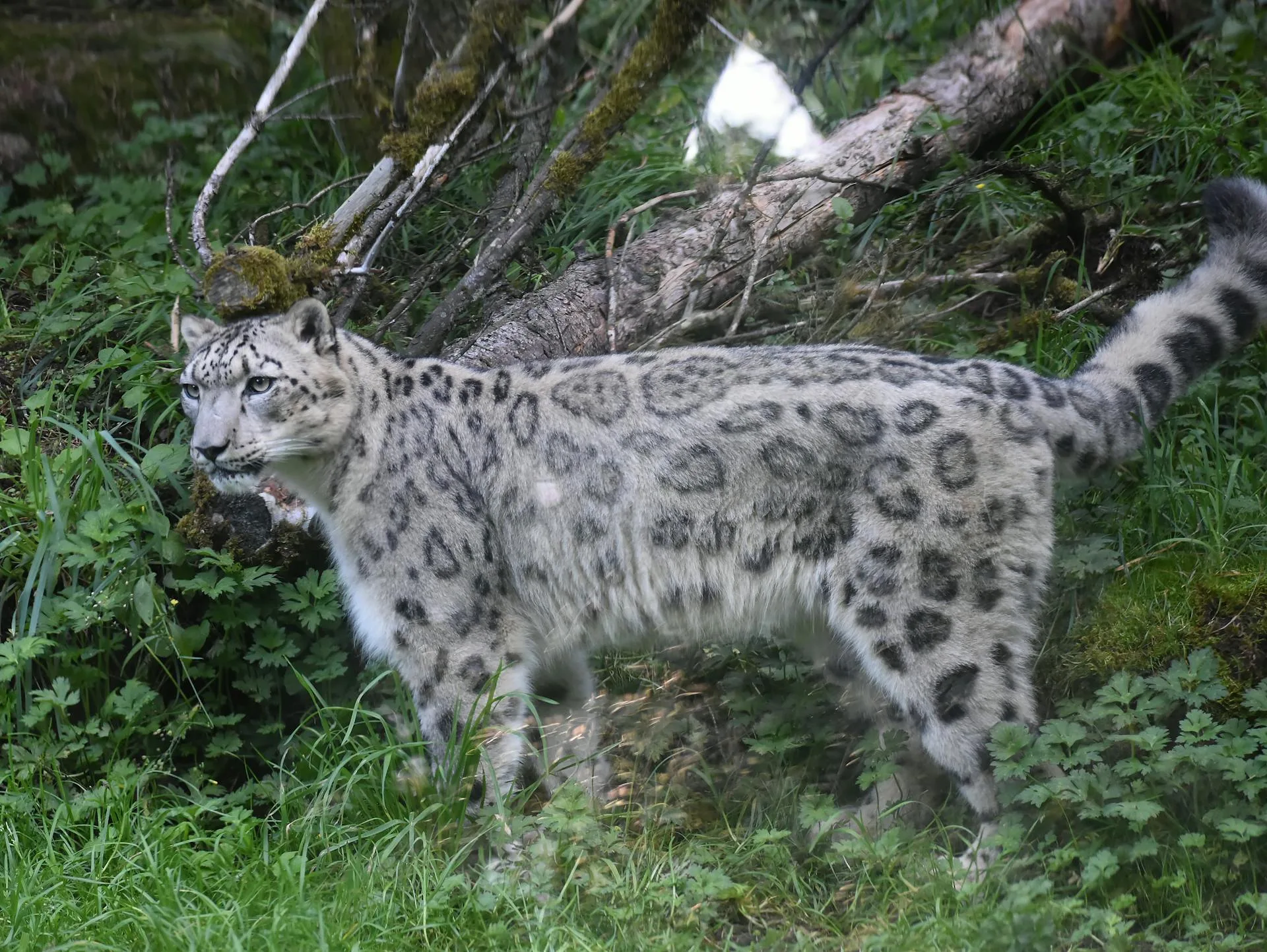
Il nord montuoso del Pakistan custodisce una fauna che sorprende quasi tutti i visitatori al primo viaggio. Il solo Gilgit-Baltistan protegge sei parchi nazionali, tra cui il Deosai, un altopiano oltre i 4.000 m che ospita una delle popolazioni più dense al mondo di orsi bruni himalayani. Grazie alla protezione guidata dalle comunità, gli orsi del Deosai si sono ripresi passando da meno di 20 esemplari nei primi anni '90 a circa 80 oggi. Il leopardo delle nevi, il fantasma di queste catene, è stato stimato in 155 a 167 individui nel primo censimento nazionale rigoroso, il che fa del Pakistan il terzo bastione al mondo per la specie.
Ciò che qui ha trasformato i bracconieri in protettori è stato il denaro, pagato nel modo giusto. Secondo il modello pakistano di conservazione comunitaria, i villaggi che gestiscono la propria fauna trattengono l'80 percento dei proventi di una quota annuale di caccia al trofeo rigidamente limitata, mentre il resto va al governo. Quel reddito, insieme al sostegno dell'Aga Khan Development Network, ha reso il markhor più prezioso vivo che morto: l'animale nazionale del Pakistan è stato declassato dalla IUCN da In pericolo a Quasi minacciato nel 2015, dopo decenni di ripresa.
Scegliere un eco-tour ti inserisce in quel sistema. Soggiorni in guesthouse gestite dalle comunità, ingaggi guide naturaliste locali e paghi tariffe che arrivano ai fondi di conservazione dei villaggi anziché agli intermediari. Non è un prodotto di lusso e non finge di esserlo. È un modo di viaggiare nel Karakoram che lascia la fauna, e le persone che oggi la custodiscono, in condizioni migliori grazie alla tua visita.
Eco-tour e tour naturalistici
 Moderato
Deosai Wildlife Safari (Safari naturalistico nel Deosai)
 Moderato
Deosai National Park (Parco Nazionale del Deosai)
 Moderato
Khunjerab Wildlife Trek (Trekking naturalistico nel Khunjerab)
 Facile
Community Homestay Experience (Esperienza di soggiorno presso le comunità locali)
 Moderato
Shimshal Yak Safari (Safari con gli yak a Shimshal)
 Moderato
Deosai Camping at Bara Pani (Campeggio nel Deosai a Bara Pani)
La fauna che potresti vedere
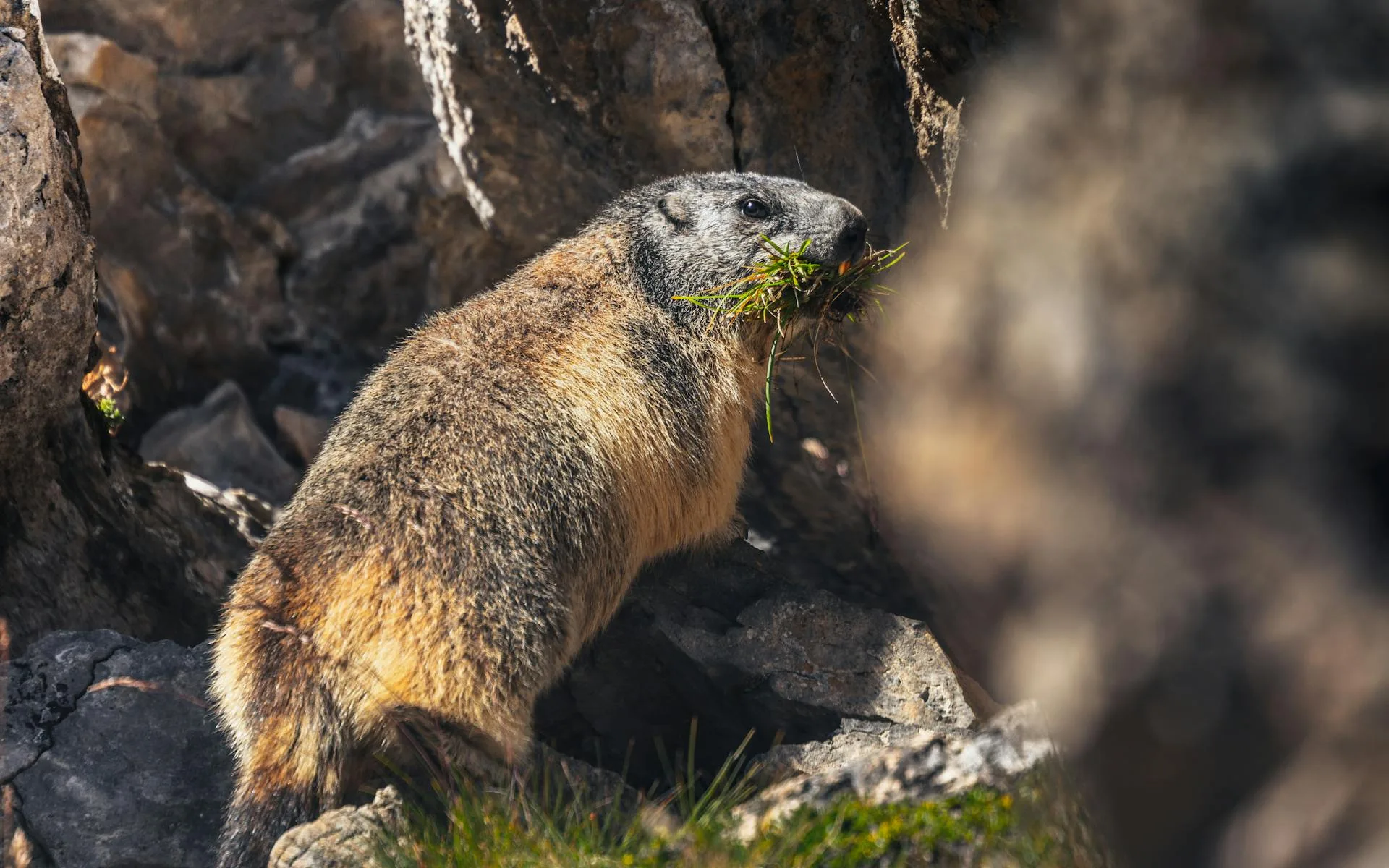
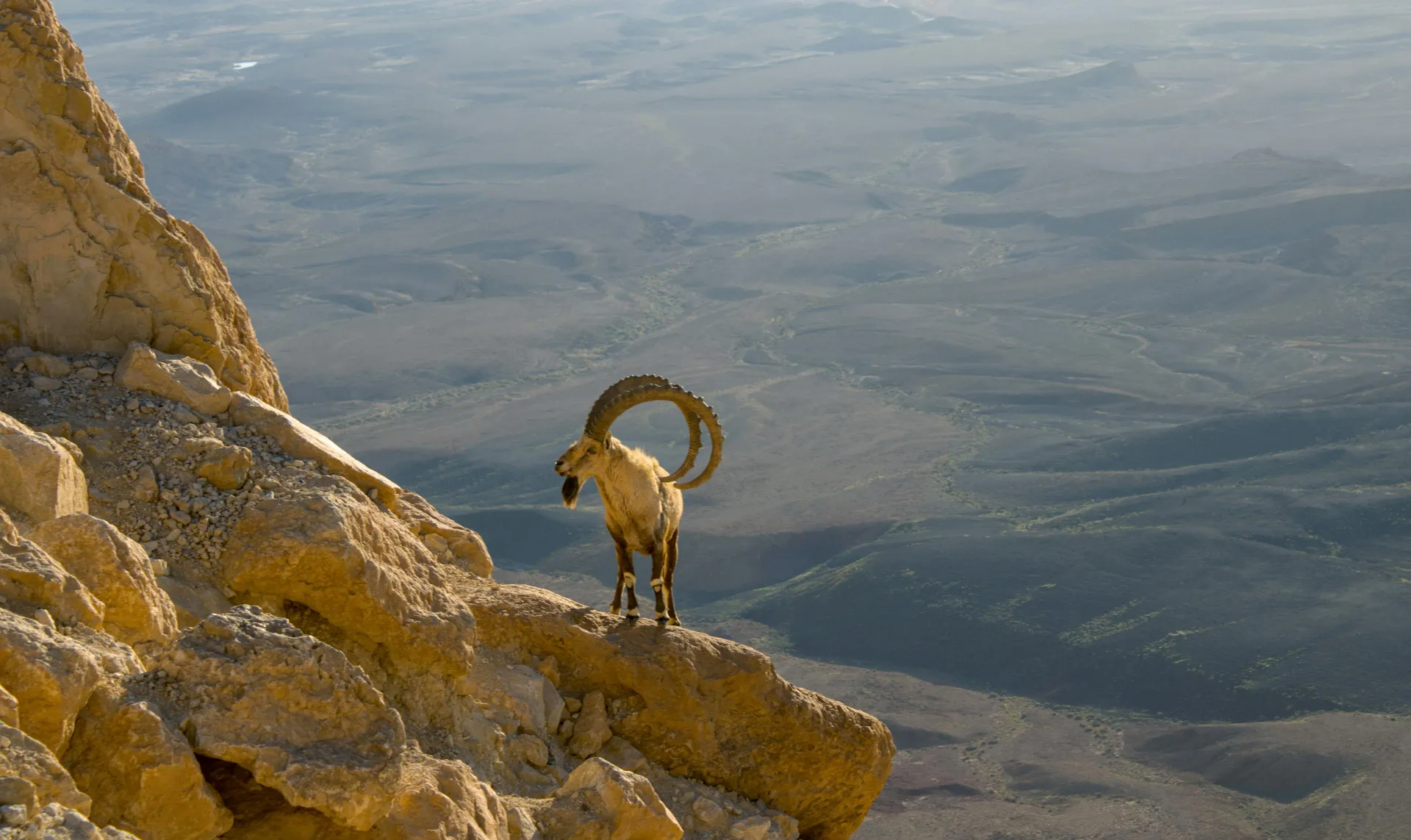
Il Deosai offre gli avvistamenti più sicuri del viaggio. L'orso bruno himalayano è la specie simbolo, da cercare al meglio nelle prime ore del mattino e a sera tardi sulle pianure; le marmotte dorate sono ovunque, e di passaggio si vedono lupi tibetani e volpi rosse. Nelle valli del Karakoram e dell'Hindu Kush, lo stambecco himalayano e la pecora azzurra sono gli avvistamenti abituali, con aquile reali e grifoni dell'Himalaya in volo sopra di te.
Il leopardo delle nevi è l'unico che nessuno può prometterti. È davvero raro, mimetizzato in modo eccellente e perlopiù notturno, e un avvistamento autentico è questione di fortuna oltre che di pazienza. Seguiamo le tracce, stabiliamo aspettative realistiche e trattiamo ogni scorcio come il dono che è. Se vedere il felino è il tuo unico obiettivo, le nostre spedizioni dedicate al leopardo delle nevi ti offrono le migliori probabilità nella stagione giusta.
Come funziona il modello di conservazione
In tutto il Gilgit-Baltistan esistono ormai decine di aree di conservazione gestite dalle comunità, ciascuna amministrata da un'organizzazione di villaggio che stabilisce le regole locali, impiega guardiani della fauna e decide come spendere i propri proventi di conservazione. La quota di caccia al trofeo che finanzia gran parte di tutto questo è ridotta e fissata dal governo: una manciata di vecchi maschi di stambecco, pecora azzurra e markhor ogni inverno, messi all'asta per cifre che vanno da circa 10.000 dollari per uno stambecco a ben oltre 200.000 per un markhor.
Non è necessario cacciare per sostenerlo, e la maggior parte dei nostri ospiti non lo farebbe mai. Gli stessi villaggi gestiscono i soggiorni in famiglia, i servizi di guida e le tariffe delle riserve in cui un comune eco-tour versa i propri contributi. Il senso del modello e semplice: quando un animale vivo frutta a una comunità più di uno morto, la comunità lo protegge. Per i curiosi, la nostra pagina sulla caccia al trofeo spiega per intero il sistema dei permessi.
Quando andare per la fauna
Il Deosai apre più o meno da metà giugno a metà settembre, una volta che la neve libera le strade di accesso; quella finestra è l'unico periodo pratico per gli orsi e le alte pianure. La fauna e l'avifauna delle valli del Karakoram sono affidabili da maggio a ottobre. Il tracciamento del leopardo delle nevi è un'attività invernale, da novembre a marzo, quando i felini seguono le loro prede verso quote raggiungibili da una squadra di tracciamento. Dicci quale animale conta di più e costruiremo la stagione attorno a esso.
Domande frequenti
Che cos'è l'eco-turismo in Pakistan?
Che cos'è l'eco-turismo in Pakistan?
La caccia al trofeo aiuta davvero la conservazione?
La caccia al trofeo aiuta davvero la conservazione?
Vedrò un leopardo delle nevi?
Vedrò un leopardo delle nevi?
Dove posso vedere gli orsi bruni himalayani?
Dove posso vedere gli orsi bruni himalayani?
Come arriva alle comunità locali il denaro del mio viaggio?
Come arriva alle comunità locali il denaro del mio viaggio?
L'eco-turismo è adatto alle famiglie?
L'eco-turismo è adatto alle famiglie?
Cosa devo mettere in valigia per un viaggio naturalistico?
Cosa devo mettere in valigia per un viaggio naturalistico?
Serve un permesso per i parchi nazionali?
Serve un permesso per i parchi nazionali?
Pronti per la prossima avventura?
Unisciti alla nostra comunità di esploratori e scopri il viaggio della vita. Il nostro team di esperti è pronto ad aiutarti a pianificare la tua spedizione perfetta.