Karakoram Highway completa: da Islamabad al Khunjerab
L'intera autostrada, da un capo all'altro, su strada
Ultimo aggiornamento: · Revisionato da Javeed Iqbal, fondatore
Durata
9-11 giorni
Difficoltà
Facile
Dimensione gruppo
2-12 viaggiatori
Stagione migliore
Apr-Nov
Informazioni sul tour
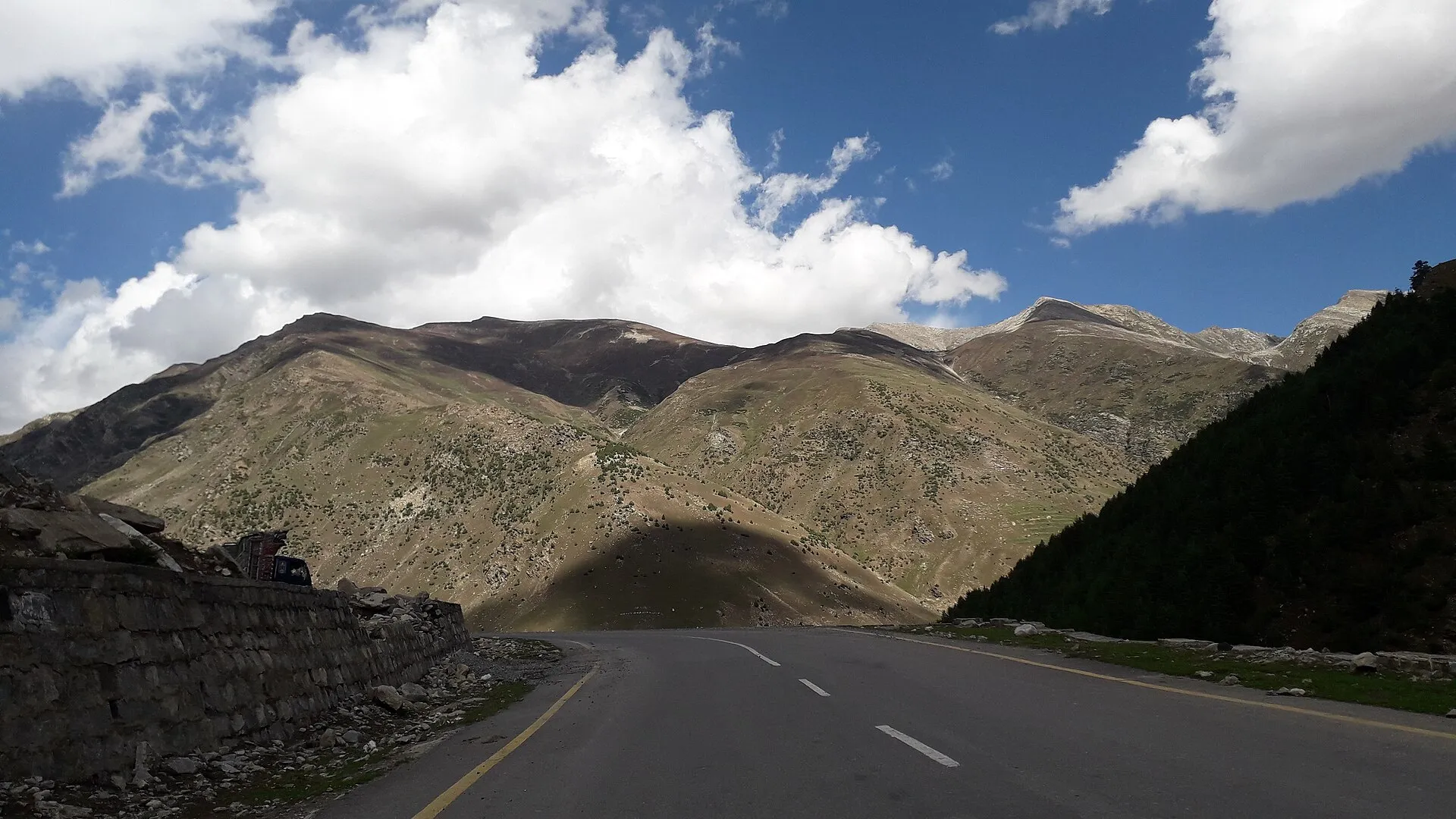
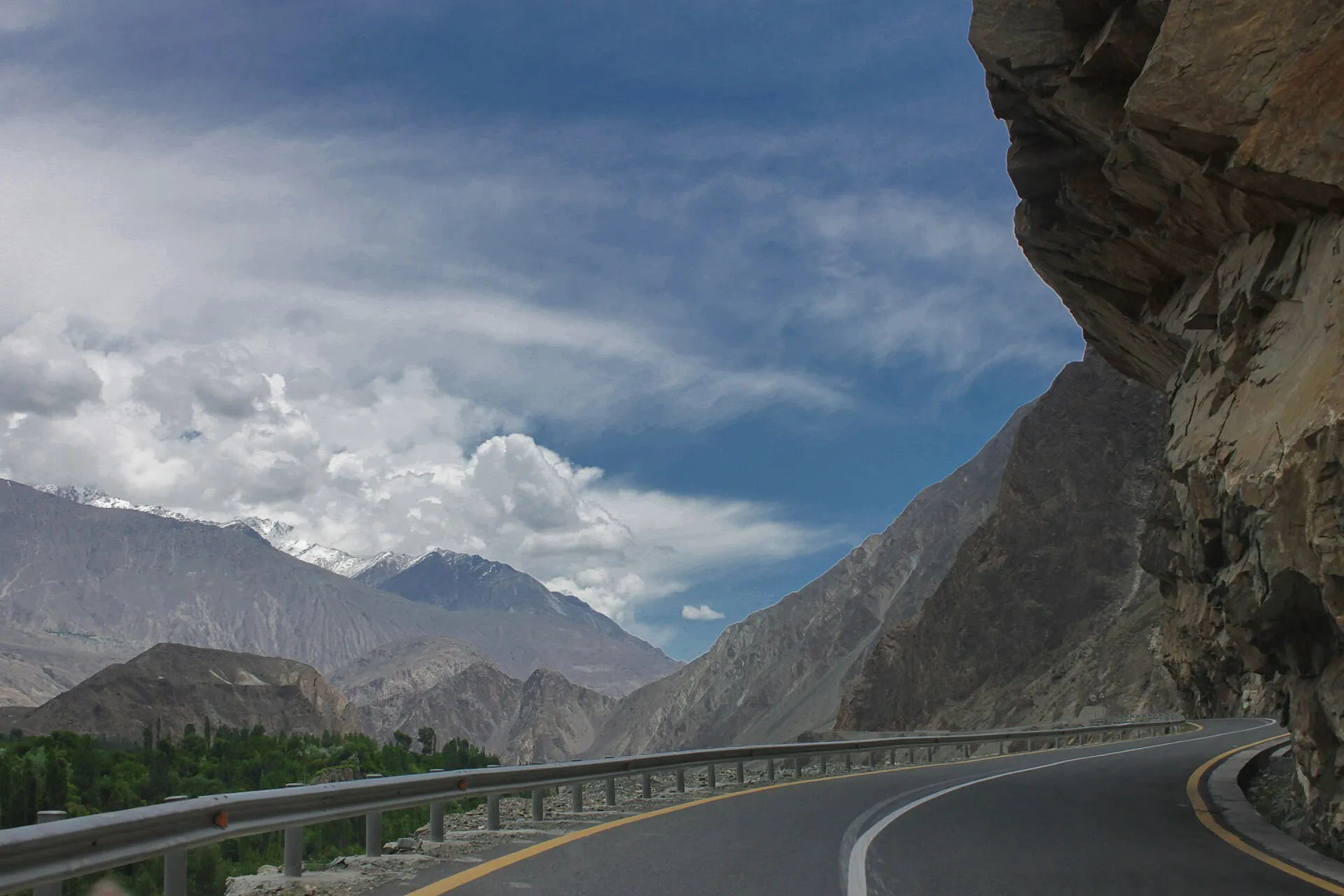
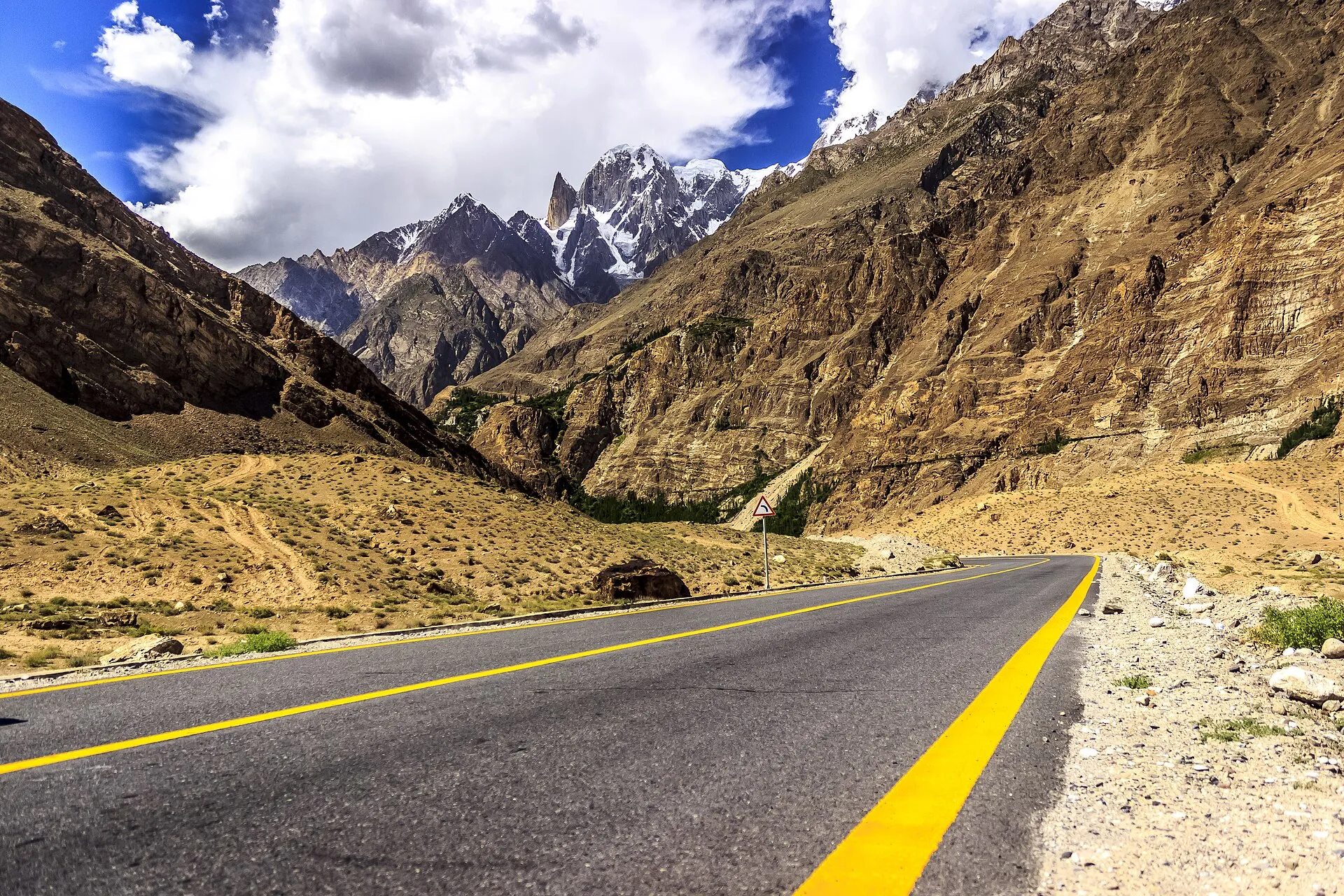
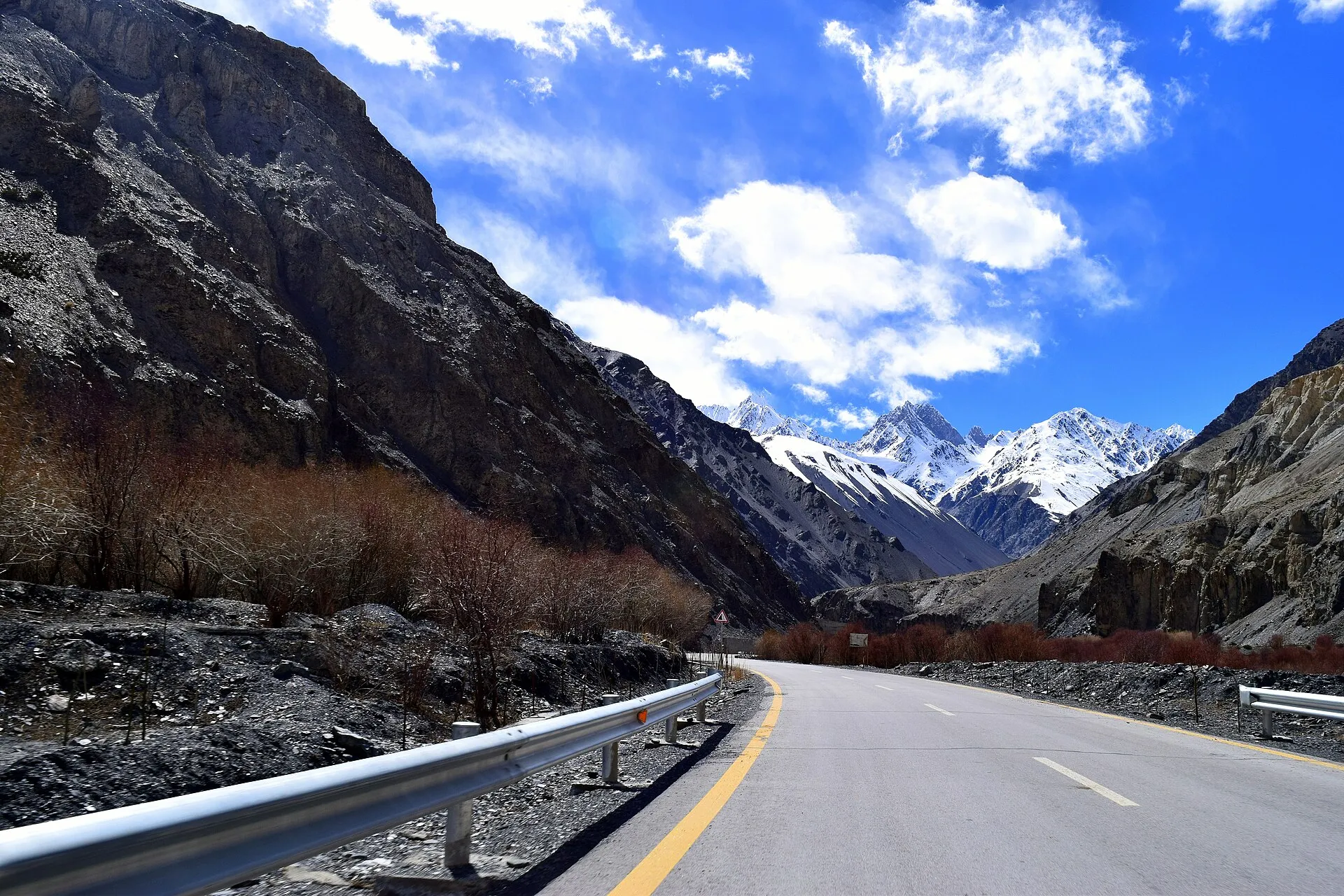
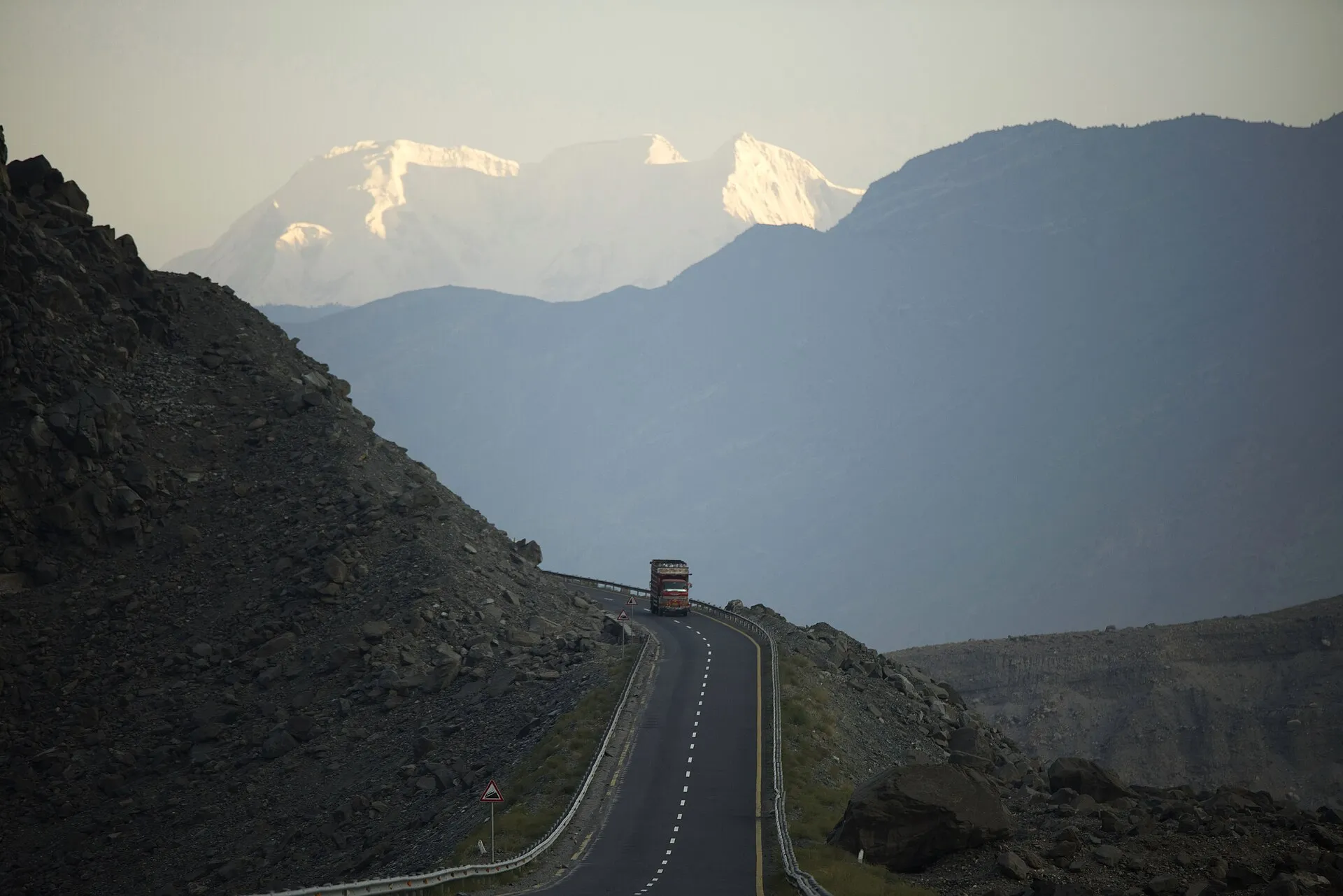
Questo tour percorre la Karakoram Highway da un capo all'altro, da Islamabad su fino al Khunjerab Pass a 4.693 metri sul confine Pakistan-Cina. La KKH è il valico stradale internazionale asfaltato più alto della Terra, e segue un antico ramo della Via della Seta verso nord, attraverso la gola dell'Indo, dentro il Gilgit-Baltistan. Non si vola in alcuna tratta di questo viaggio. La strada è la destinazione, ed è proprio questo il punto: nessun volo per Gilgit o Skardu da cancellare all'alba, solo una continua salita via terra dalla pianura all'alto confine.
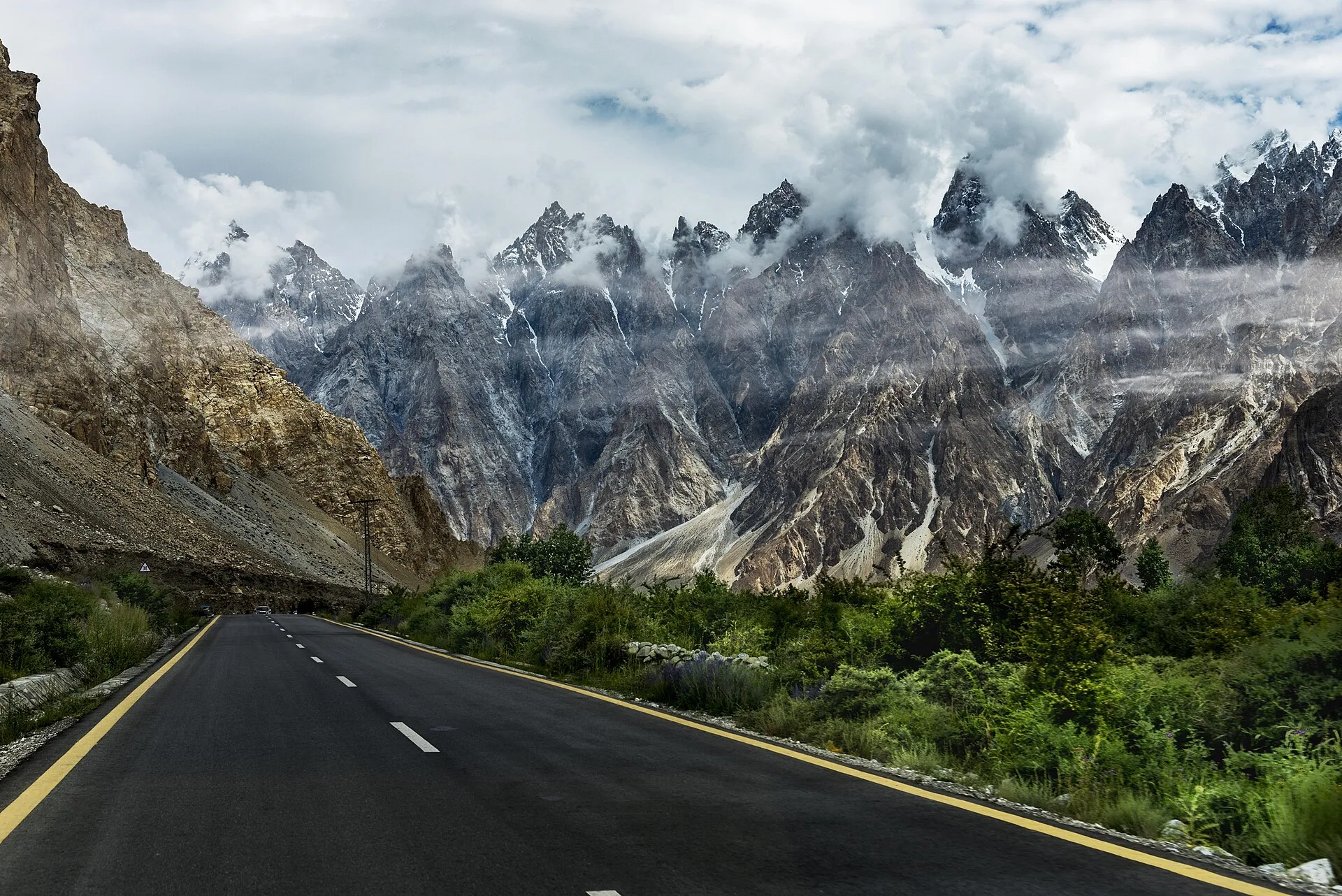
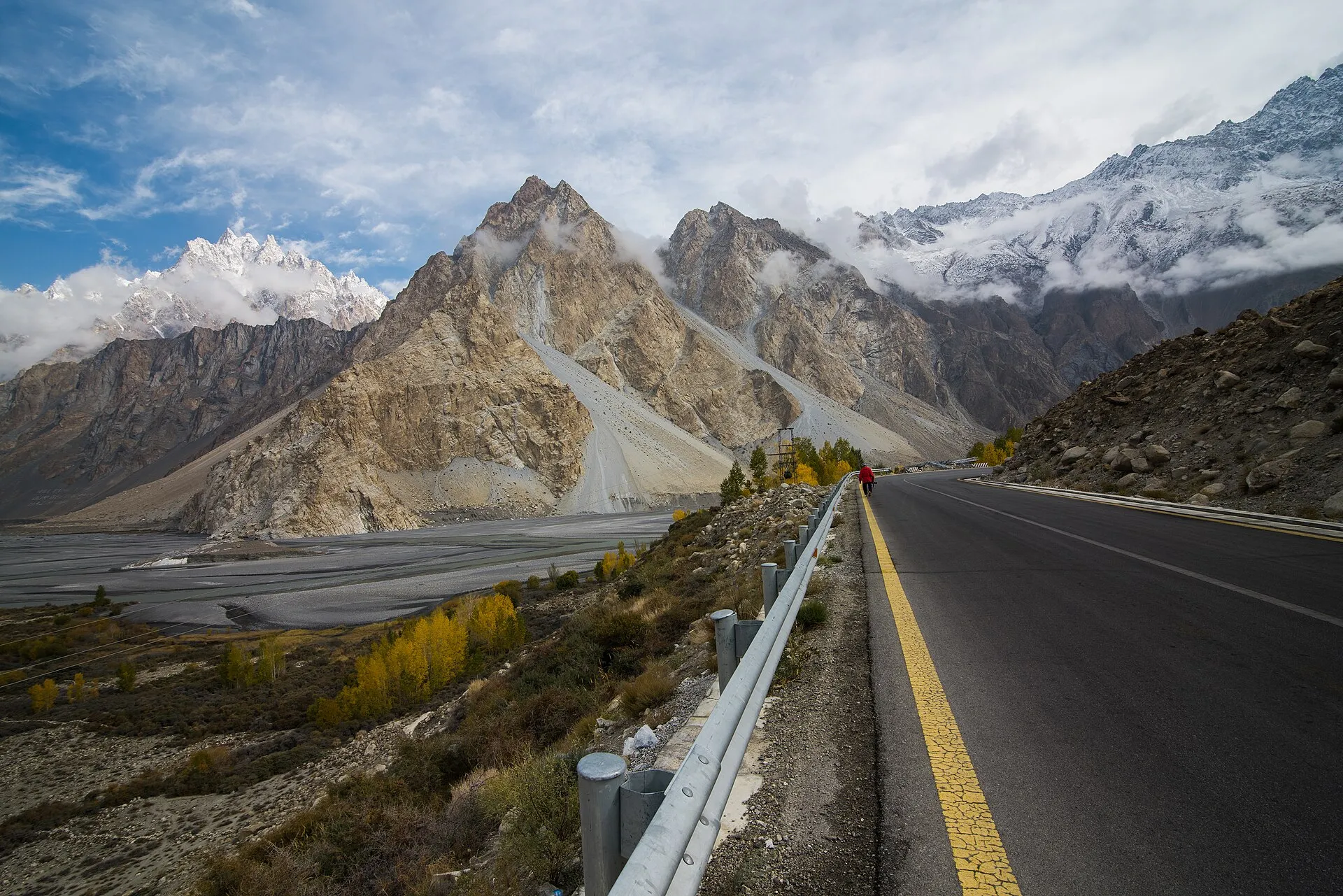
Lungo il cammino si attraversa il punto d'incontro di tre sistemi montuosi. Vicino a Jaglot, dove i fiumi Indo e Gilgit si uniscono, un belvedere segnalato indica dove l'Himalaya, il Karakoram e l'Hindu Kush si incontrano. Si sosta al belvedere del Nanga Parbat vicino al Raikot Bridge, guardando in alto la 'Montagna Assassina' di 8.126 metri, e di nuovo al caffè-belvedere del Rakaposhi a Ghulmet, dove la parete di 7.788 metri si innalza quasi dritta dalla strada. Poi la valle della Hunza: Karimabad, i forti di Baltit e Altit, il lago Attabad, i Passu Cones e infine Sost e la lunga salita verso il Khunjerab.
L'autostrada ha una storia dura, e la raccontiamo mentre guidiamo. Cina e Pakistan la costruirono insieme, con i lavori principali svolti dal 1966 al 1979 e la strada aperta al pubblico nel 1979. Si stima che 810 operai pakistani e 200 cinesi morirono per aprirla a colpi di esplosivo in questo terreno, e oltre 140 dei caduti cinesi sono sepolti nel Cimitero Cinese di Gilgit, che visitiamo. Qui la gente chiama la KKH l'Ottava Meraviglia del Mondo, e una volta visti i canyon attraverso cui è stata scavata, il nome smette di suonare come pubblicità.
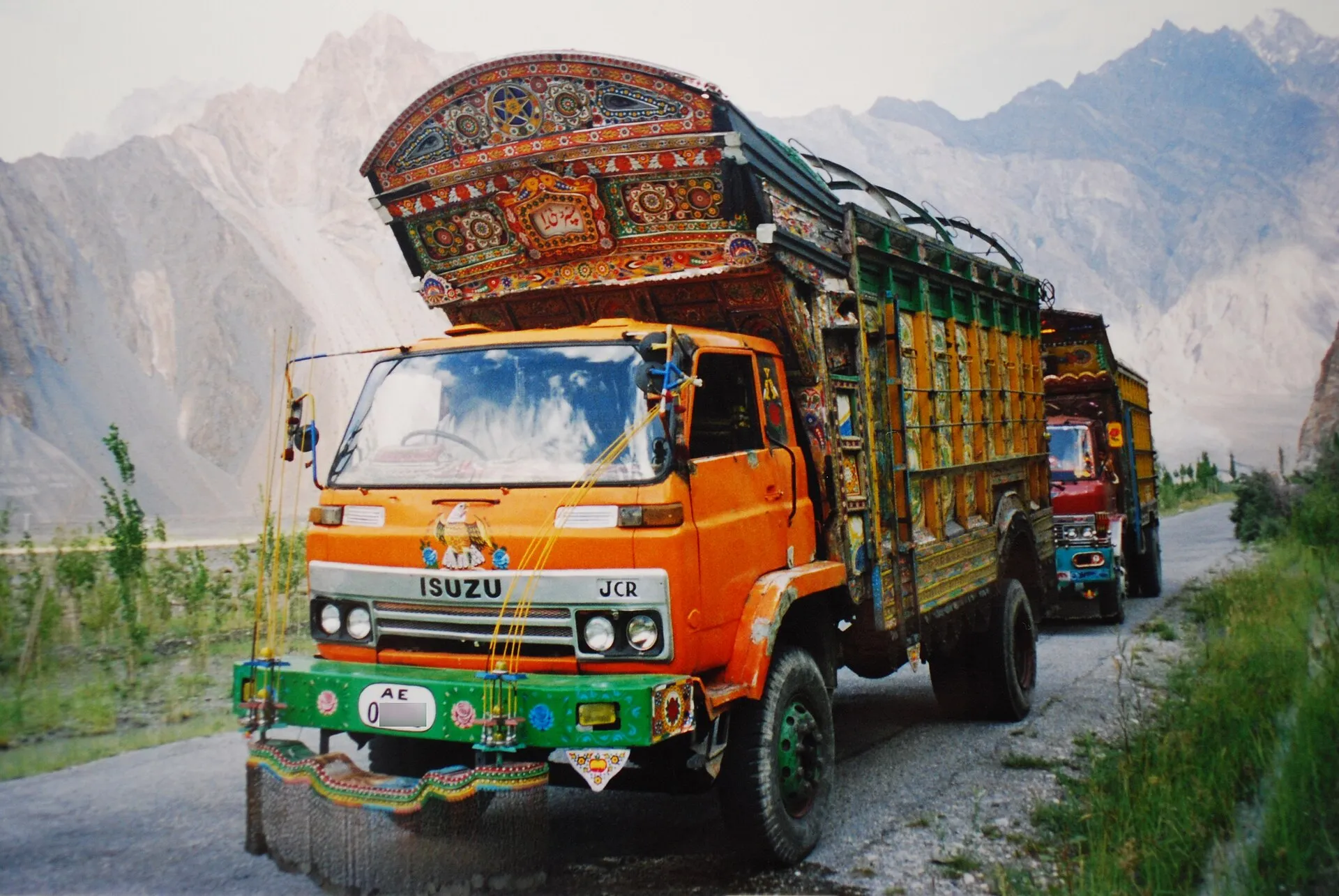
In 10-14 giorni percorriamo l'intero tracciato in un 4x4 privato con un autista di montagna, spezzando le lunghe giornate con pernottamenti a Besham o Chilas durante la salita e tempo in Hunza vicino alla cima. Vendiamo questo tour da maggio a ottobre, quando il passo è affidabilmente aperto e la bassa KKH è libera; la finestra apr-nov sul pannello di prenotazione è il limite estremo, non una promessa che il passo sia raggiungibile ad aprile. Aspettatevi lunghe ore nel veicolo, cibo di strada essenziale sui tratti bassi e panorami che ripagano ognuna di quelle ore.
Cosa si vede guidando l'intera Karakoram Highway
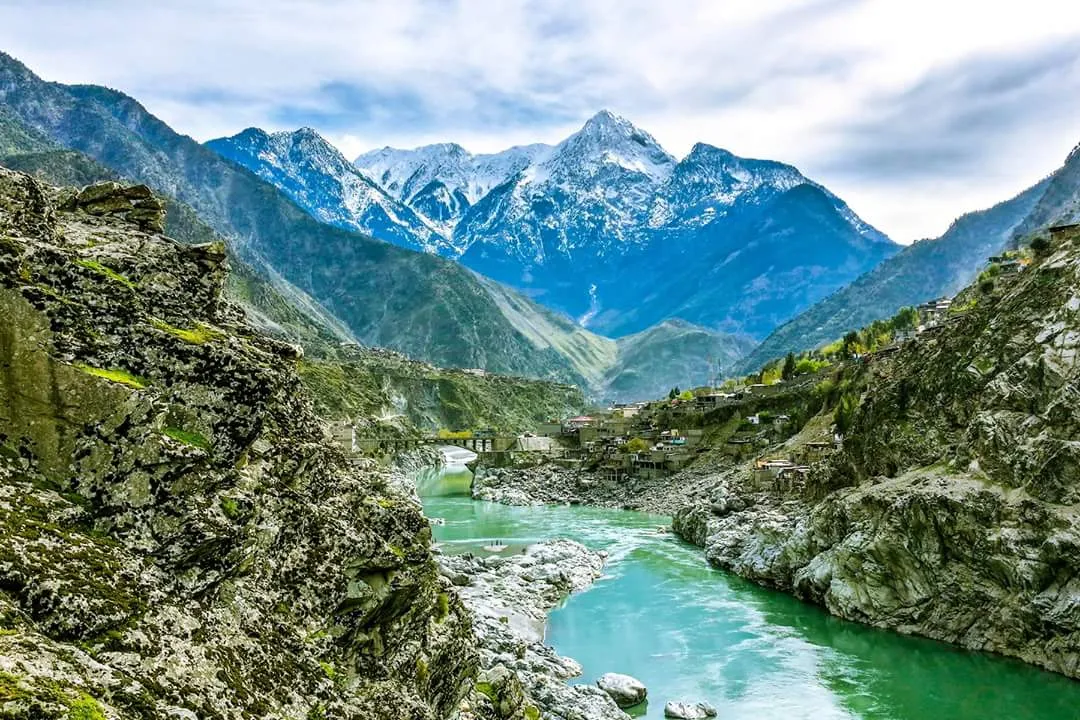
La bassa KKH in uscita da Islamabad attraversa Abbottabad e Besham lungo l'Indo, dapprima verde e subtropicale, poi stringendosi in nuda gola man mano che si sale verso Chilas. Questo è il tratto percorribile tutto l'anno: quando il Babusar Pass è chiuso, cosa che di solito accade dall'inizio dell'inverno fino a circa giugno, la strada va Besham-Dasu-Chilas, ed è il percorso che teniamo.
Superata Chilas i momenti clou arrivano in rapida successione. Il belvedere del Nanga Parbat vicino al Raikot Bridge vi regala la prima parete di 8.000 metri. Il belvedere della giunzione delle tre catene vicino a Jaglot si trova alla confluenza Indo-Gilgit, a circa 40-45 chilometri a sud-est di Gilgit. A Gilgit stessa sostiamo al Cimitero Cinese, poi proseguiamo oltre il belvedere del Rakaposhi a Ghulmet dentro la Hunza.
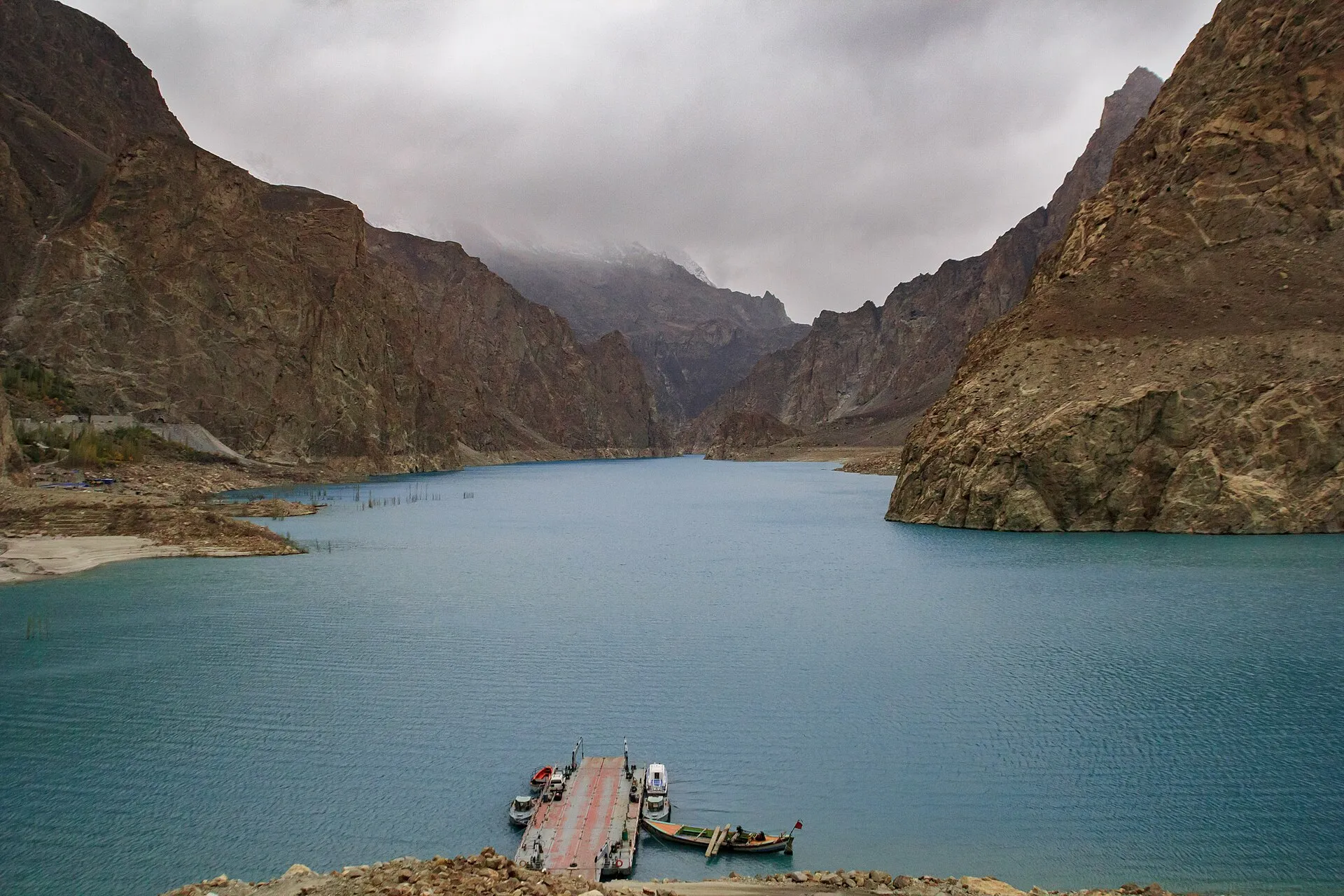
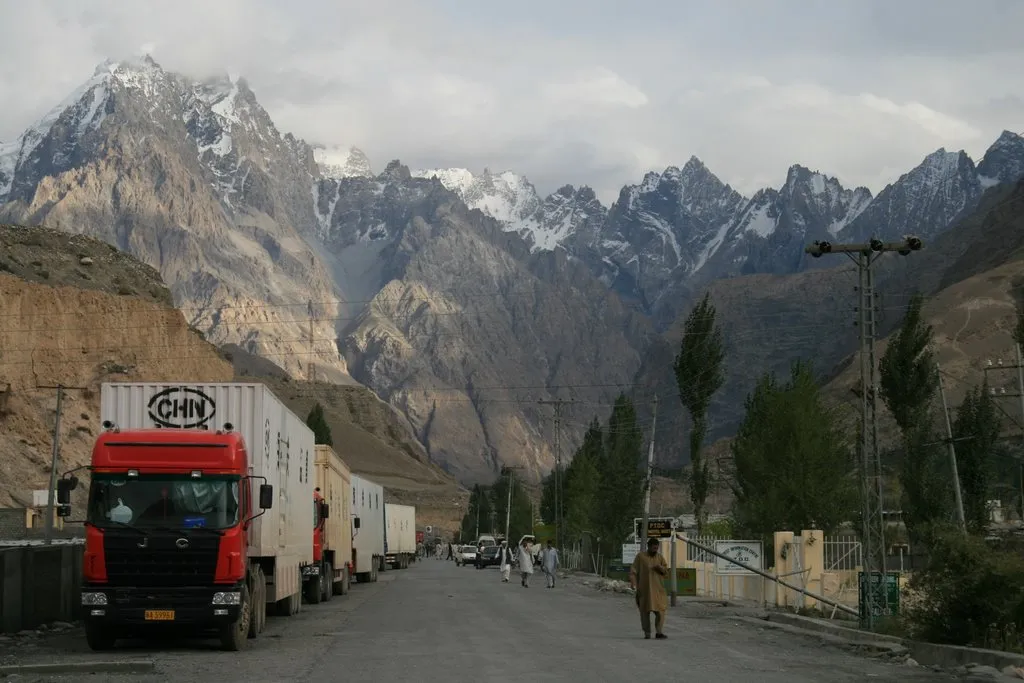
In Hunza la strada rallenta in un tour a sé. Karimabad sorge attorno ai 2.438 metri sotto il Baltit Fort; il lago Attabad, il lago turchese formato dalla frana del 2010, si trova circa 14 chilometri a monte; e il belvedere dei Passu Cones, a circa 2.565 metri, guarda in alto la cresta del Tupopdan di 6.106 metri. L'ultima giornata sale da Sost, l'ultima cittadina pakistana e posto di dogana, le circa due ore fino al cancello del Khunjerab.
Itinerario giorno per giorno
1Da Islamabad a Chilas
Da Islamabad a Chilas
2Da Chilas a Gilgit via la giunzione delle tre catene
Da Chilas a Gilgit via la giunzione delle tre catene
3Da Gilgit a Karimabad
Da Gilgit a Karimabad
4Giornata del patrimonio a Karimabad
Giornata del patrimonio a Karimabad
5Lago Attabad e Passu
Lago Attabad e Passu
6Da Passu al Khunjerab Pass e ritorno
Da Passu al Khunjerab Pass e ritorno
7Lago Borith e viste sul ghiacciaio
Lago Borith e viste sul ghiacciaio
8Ritorno a Karimabad
Ritorno a Karimabad
9Da Karimabad a Islamabad
Da Karimabad a Islamabad
Periodo migliore per guidare la Karakoram Highway
Da maggio a ottobre è la finestra. Servono due cose aperte contemporaneamente: il Khunjerab Pass, che dipende dalla neve ed è affidabilmente raggiungibile per i turisti all'incirca da maggio a ottobre, e la bassa KKH o la scorciatoia del Babusar in condizioni decenti. Il Babusar, a 4.173 metri, in genere resta chiuso dall'inizio dell'inverno fino a circa giugno, perciò nelle partenze di inizio stagione percorriamo invece la linea Besham-Dasu-Chilas, aperta tutto l'anno.
L'estate porta il clima più caldo e il raccolto di albicocche e ciliegie in Hunza. L'autunno, fino a ottobre, tinge d'oro i frutteti della valle e regala l'aria di montagna più limpida dell'anno. Non effettuiamo questo viaggio in pieno inverno: il passo è chiuso a tutti i veicoli da fine dicembre all'inizio di aprile, e non promettiamo un cancello che non si può raggiungere.
È sicuro guidare la Karakoram Highway?
La KKH è un'autostrada nazionale in attività percorsa ogni giorno da autobus, mezzi pesanti e traffico locale, e il Gilgit-Baltistan è una delle parti più tranquille del paese per i viaggiatori. I veri pericoli sono i pericoli stradali: frane e caduta di sassi sui tratti bassi dopo la pioggia, lunghi tratti a una sola corsia e l'altitudine nella giornata del Khunjerab. La guidiamo con autisti di montagna locali che sanno quali tratti franano e quando.
Gli svantaggi onesti sono la distanza e l'asperità. Alcune giornate sono di sei-otto ore nel veicolo, il cibo di strada sulla bassa KKH è essenziale, e la salita dalla Hunza, a circa 2.400 metri, fino a 4.693 metri in un giorno è una salita rapida. Cadenziamo lentamente la cima, vi teniamo idratati e limitiamo il tempo al passo, e non consigliamo la giornata del Khunjerab a ospiti con gravi problemi cardiaci o polmonari.
A chi è adatto questo tour
Questo è per viaggiatori che vogliono l'intera strada e preferirebbero non rischiare con un volo di montagna. Se vi piacciono i lunghi viaggi via terra, i paesaggi che cambiano e la storia raccontata sul posto, l'intera KKH offre ciò che un tour in volo non può. La guida è classificata facile in quanto a sforzo perché siete passeggeri, ma è lunga, perciò venite preparati a trascorrere ore reali sulla strada.
Si addice a fotografi, viaggiatori da viaggio su strada e chiunque voglia il Nanga Parbat, la giunzione delle tre catene, il Rakaposhi, la Hunza e il cancello del Khunjerab su un'unica linea continua. È meno adatto a ospiti con un programma serrato che vogliono solo i momenti salienti, o a chiunque non riesca a gestire una singola giornata d'alta quota al passo.
Cos'è la Karakoram Highway?
La Karakoram Highway, o KKH, è la strada di montagna asfaltata che collega Pakistan e China attraverso il Karakoram, salendo a 4.693 metri al Khunjerab Pass, il più alto valico di frontiera internazionale asfaltato al mondo. In totale si estende per circa 1.300 chilometri, da Hasan Abdal vicino a Islamabad su per il Gilgit-Baltistan fino al confine e oltre, fino a Kashgar nello Xinjiang cinese; il lato pakistano è di circa 880 chilometri e porta il numero di strada N-35. Ufficialmente chiamata China-Pakistan Friendship Highway, è spesso definita l'Ottava Meraviglia del Mondo per l'enormità di aver costruito una strada moderna attraverso questo territorio. Per i viaggiatori non è solo un modo per raggiungere il nord; la strada stessa, che si snoda tra vette di 7.000 e 8.000 metri, profonde gole fluviali e antiche valli della Silk Road, è l'attrazione.
Il percorso e come è stata costruita
Costruita congiuntamente da Pakistan e China tra il 1966 e il 1979 e aperta al pubblico nel 1986, la KKH costò la vita a circa mille operai, un tributo che si avverte mentre la si percorre. Dirigendosi a nord da Islamabad, la strada segue l'Indus attraverso Besham e Chilas, passa il punto panoramico sul Nanga Parbat vicino al Raikot Bridge e raggiunge il bivio nei pressi di Jaglot dove si incontrano le catene dell'Himalaya, del Karakoram e dell'Hindu Kush. Da Gilgit sale nel Nagar e nella Hunza superando il punto panoramico sul Rakaposhi a Ghulmet, il turchese Attabad Lake e le Passu Cones, poi prosegue attraverso Sost e il Khunjerab National Park fino al passo. È una strada nazionale in piena attività, usata ogni giorno da mezzi pesanti e autobus locali, ma frane e smottamenti dopo la pioggia sono un pericolo reale, ed è per questo che contano autisti del posto e un programma flessibile.
Perché prenotare con noi
Percorriamo la Karakoram Highway da un capo all'altro da anni, in entrambe le direzioni, in stagioni buone e cattive. Teniamo un piano via strada in riserva per ogni tratta: quando il Babusar è chiuso prendiamo Besham-Dasu-Chilas, e quando il meteo chiude un tratto conosciamo le opzioni di pernottamento da entrambi i lati. I nostri autisti sono del Gilgit-Baltistan, le nostre guide raccontano la storia vera dell'autostrada anziché una versione da brochure, e cadenziamo la giornata del Khunjerab per l'altitudine anziché affrettarla. Nessun volo significa nessuna cancellazione all'alba, e quell'affidabilità è l'intera ragione per cui questo tour esiste.
Cosa è incluso
Non incluso
Domande frequenti
È sicuro guidare la Karakoram Highway?
È sicuro guidare la Karakoram Highway?
Quanti giorni servono per guidare la KKH da Islamabad al Khunjerab?
Quanti giorni servono per guidare la KKH da Islamabad al Khunjerab?
Quanto è alto il Khunjerab Pass?
Quanto è alto il Khunjerab Pass?
Qual è il periodo migliore per guidare la Karakoram Highway?
Qual è il periodo migliore per guidare la Karakoram Highway?
Dove si incontrano le tre catene montuose sulla KKH?
Dove si incontrano le tre catene montuose sulla KKH?
Si possono vedere il Nanga Parbat e il Rakaposhi dall'autostrada?
Si possono vedere il Nanga Parbat e il Rakaposhi dall'autostrada?
Servono permessi per questo tour?
Servono permessi per questo tour?
Perché guidare la KKH anziché volare a Gilgit?
Perché guidare la KKH anziché volare a Gilgit?
Quanto è lunga la Karakoram Highway?
Quanto è lunga la Karakoram Highway?
Perché la Karakoram Highway è chiamata l'Ottava Meraviglia del Mondo?
Perché la Karakoram Highway è chiamata l'Ottava Meraviglia del Mondo?
Chi ha costruito la Karakoram Highway e quando?
Chi ha costruito la Karakoram Highway e quando?
La Karakoram Highway arriva in China?
La Karakoram Highway arriva in China?
Pronti per la prossima avventura?
Unisciti alla nostra comunità di esploratori e scopri il viaggio della vita. Il nostro team di esperti è pronto ad aiutarti a pianificare la tua spedizione perfetta.