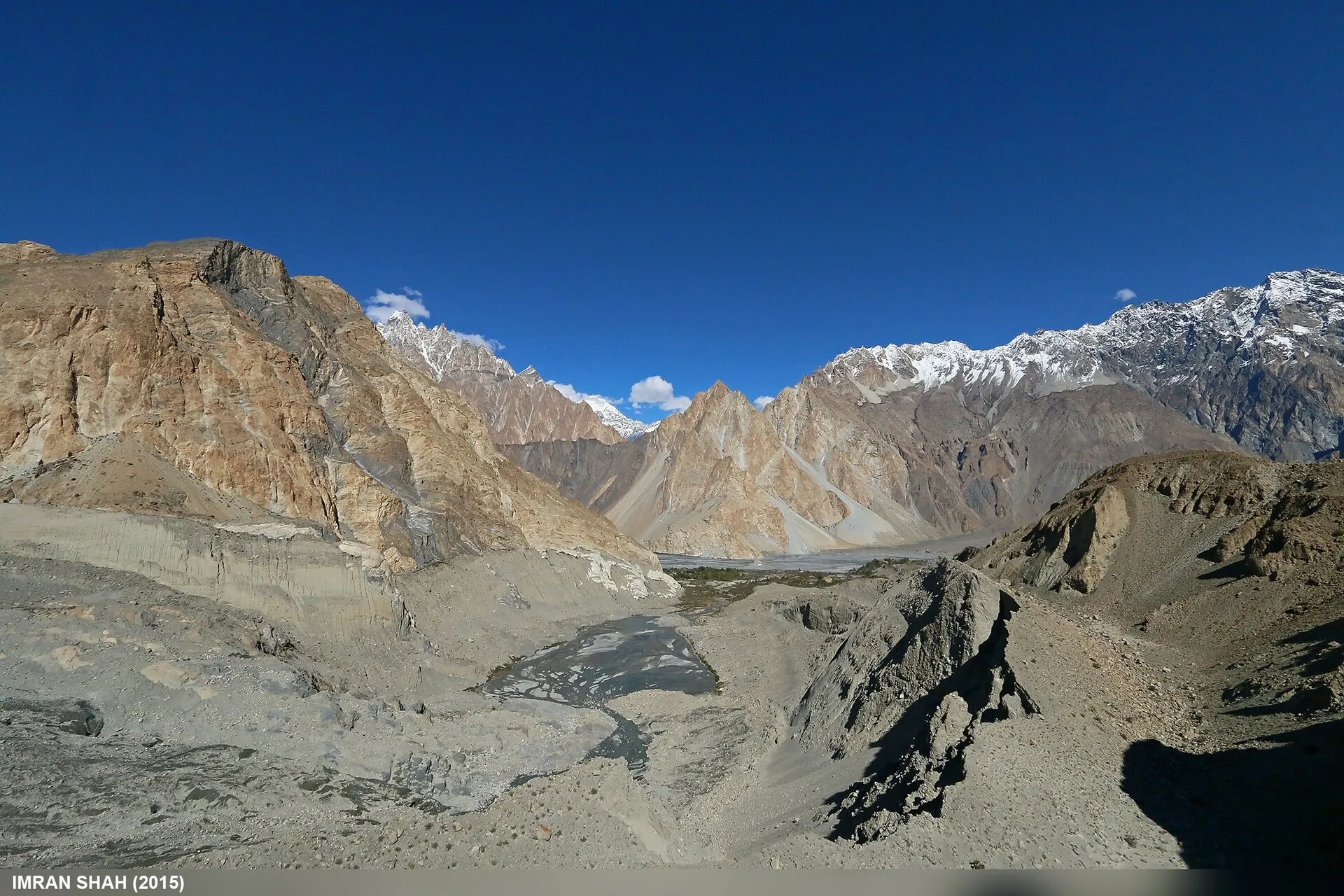
Trekking del Batura Glacier
Cammino tra i pascoli accanto al 7° ghiacciaio non polare più lungo al mondo
Ultimo aggiornamento: · Revisionato da Javeed Iqbal, fondatore
Durata
8-10 giorni
Difficoltà
Moderata
Dimensione gruppo
4-12 escursionisti
Stagione migliore
Giu-Ott
Informazioni sul tour
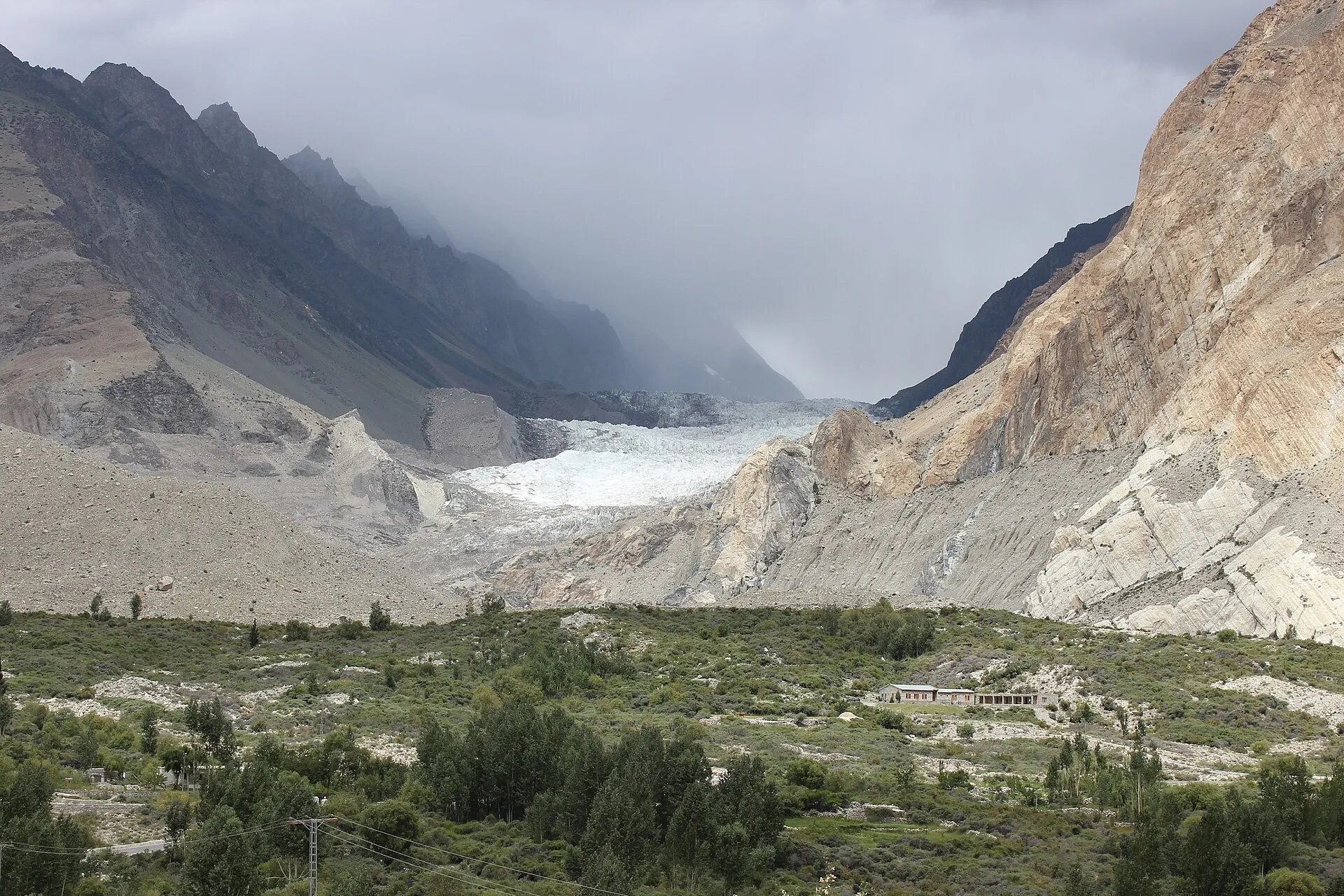
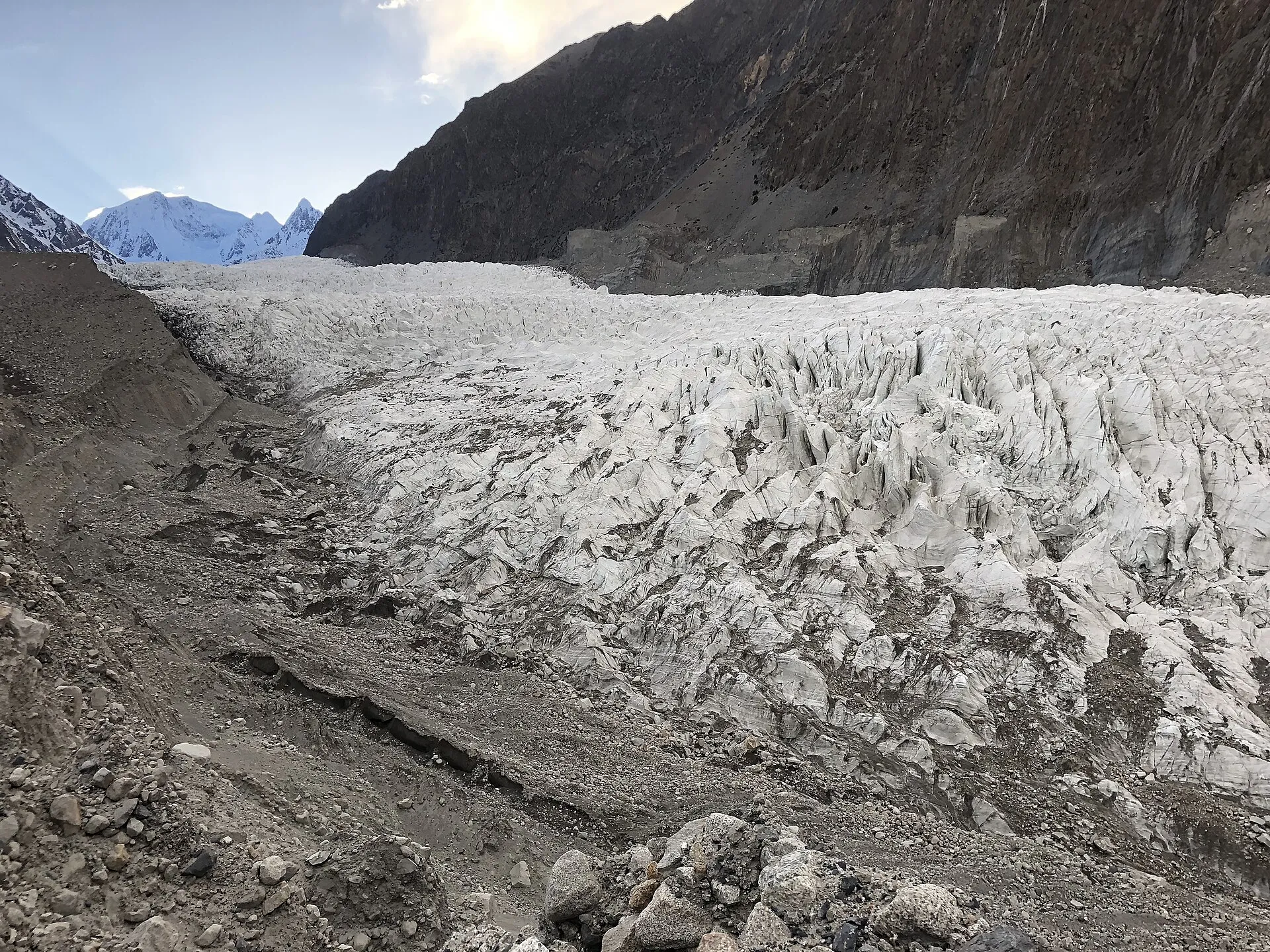
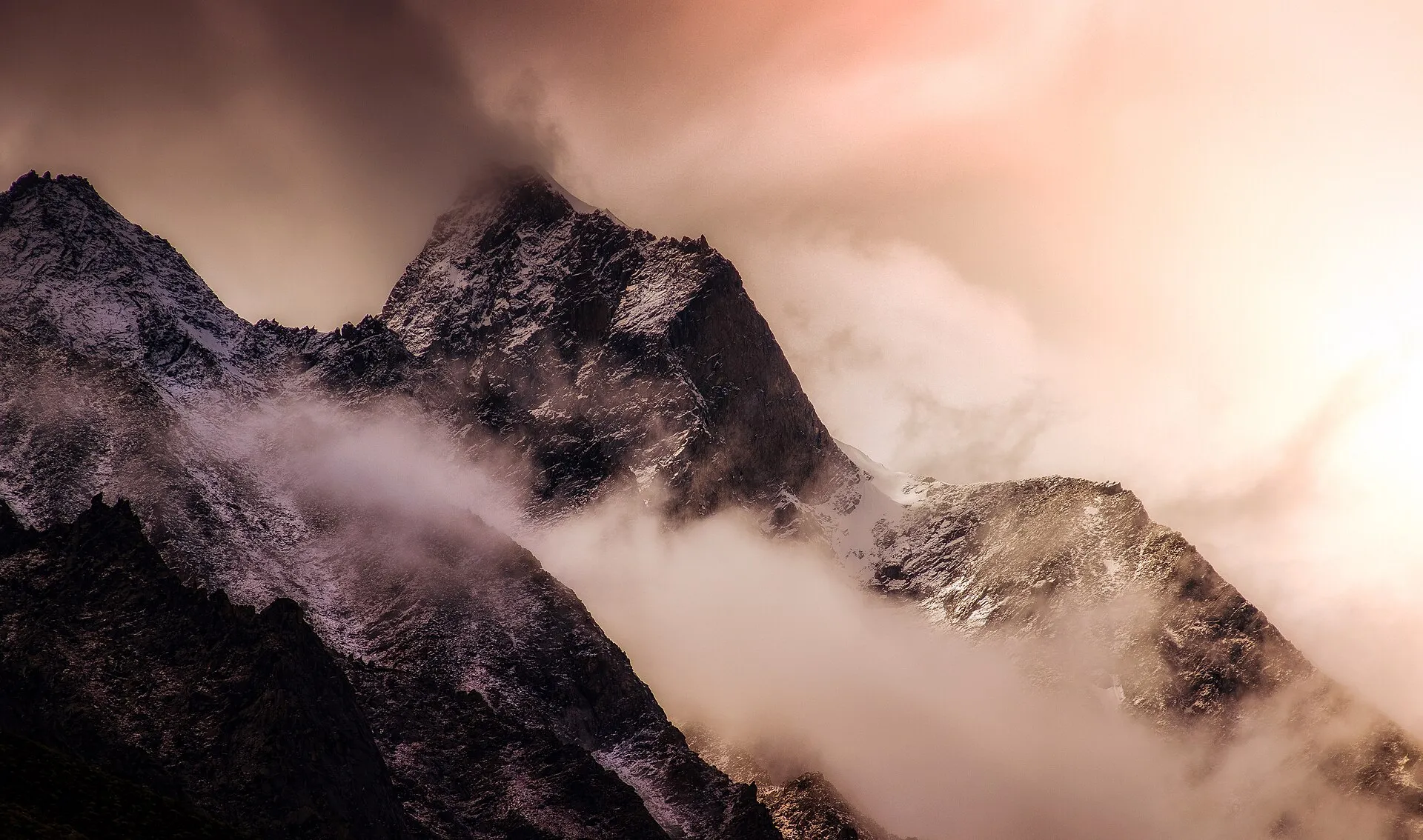
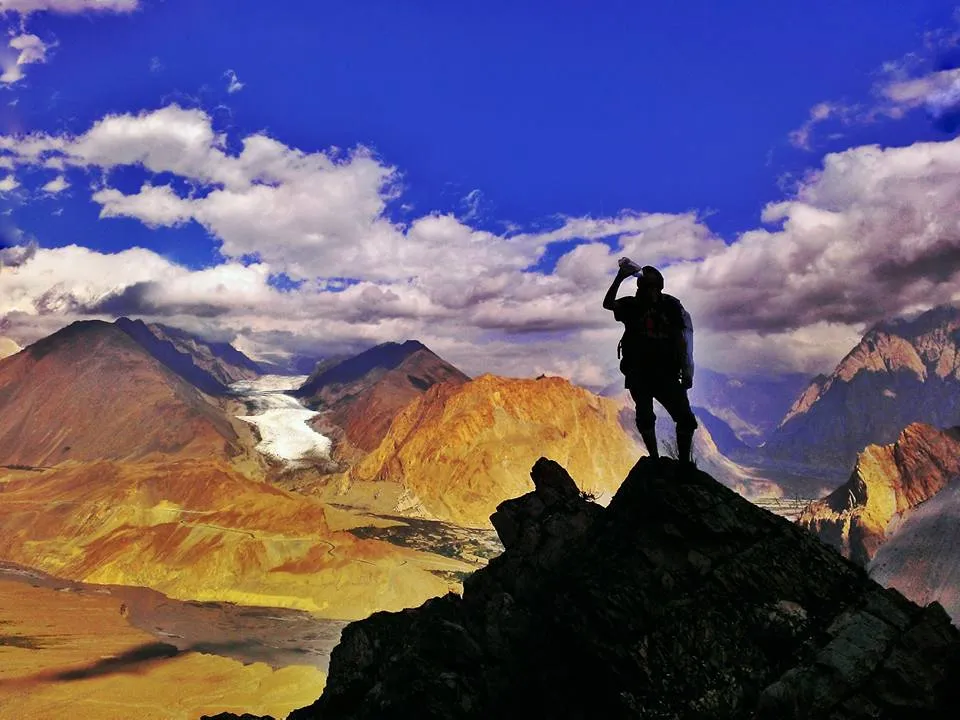
Il Batura Glacier scende per 57 chilometri lungo il Batura Muztagh, nell'alto Hunza, il che ne fa il settimo ghiacciaio più lungo al di fuori delle regioni polari. Scorre dalle alte nevi del Batura Sar (7.795 m) e dello Shispare (7.611 m) verso la Karakoram Highway a Passu. Non attraversiamo il ghiaccio in sé. Questo trekking segue i pascoli erbosi laterali lungo il suo fianco settentrionale, la terra estiva che i pastori Wakhi di Passu usano da generazioni.
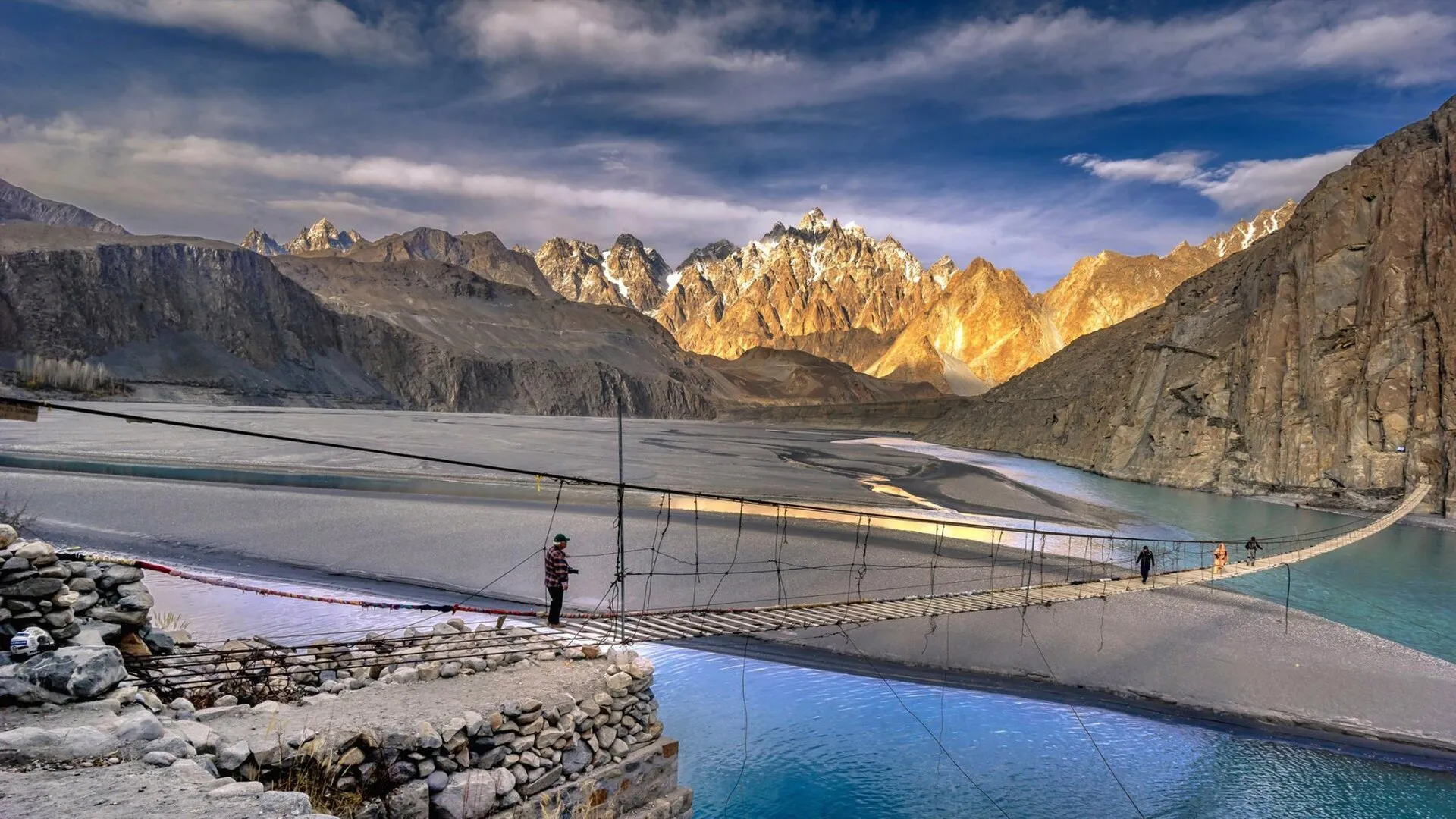
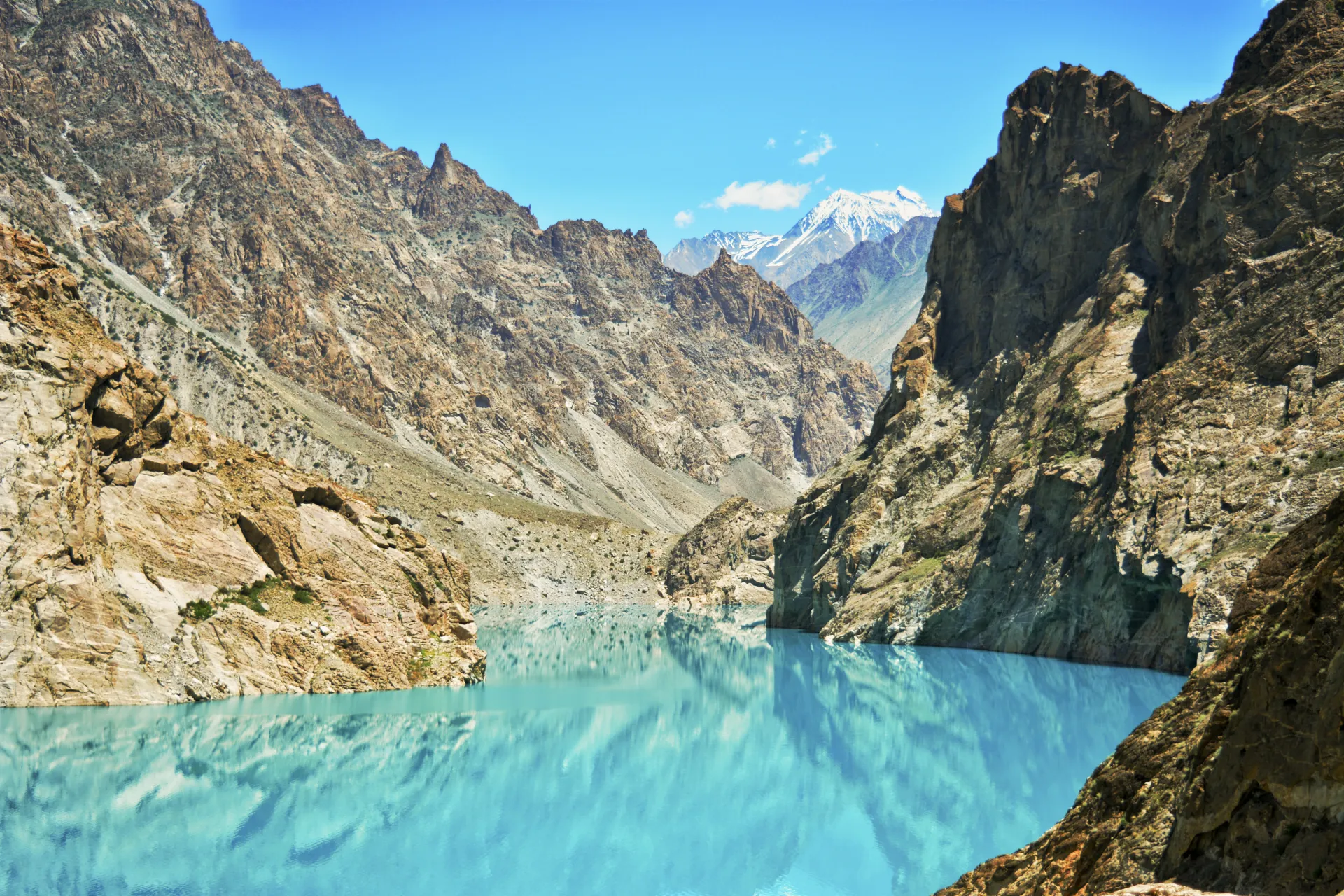
Ciò che lo rende speciale è la scala contrapposta alla semplicità del cammino. Si passano le giornate su sentieri di pastori tra pascoli e morena, con un fiume di ghiaccio lungo 57 km che macina al vostro fianco e cime di 7.000 metri a chiudere la testata di ogni valle laterale. Gli insediamenti sono stagionali: poche capanne di pietra a Yashpirt dove i pastori portano yak e capre, fiori di campo nelle conche di acqua di fusione, albicocche e gelsi ad aspettarvi giù a Passu al ritorno.
Sinceramente, questo è un trekking di livello medio, ed è proprio questo il punto. Non c'è alcun passo d'alta quota, nessuna traversata del ghiacciaio in cordata, nessun terreno tecnico. I veri pericoli sono la morena instabile vicino al bordo del ghiaccio, qualche guado che si gonfia nei pomeriggi caldi e il consueto meteo di montagna. La quota resta modesta per gli standard del Karakoram, perciò il rischio di mal di montagna è qui più basso che sul Baltoro o al Snow Lake. È un buon primo trekking del Karakoram e una tranquilla alternativa selvaggia all'affollato sentiero del K2.
Il nostro trekking dura 8-10 giorni da Islamabad e ritorno, con circa quattro giorni di cammino sui pascoli da Passu fino agli alti prati e ritorno. Una guida abilitata di Passu e una squadra di portatori si occupano del campo e dei carichi. Voi portate uno zaino leggero, dormite in tenda sui pascoli e mangiate cibo cucinato sul fornello. Manteniamo l'itinerario flessibile: i prati e i punti panoramici più lontani dipendono dal livello dei torrenti e dal meteo, e preferiamo ribaltare una giornata piuttosto che forzare un guado pericoloso.
Il percorso: pascoli sopra il ghiaccio
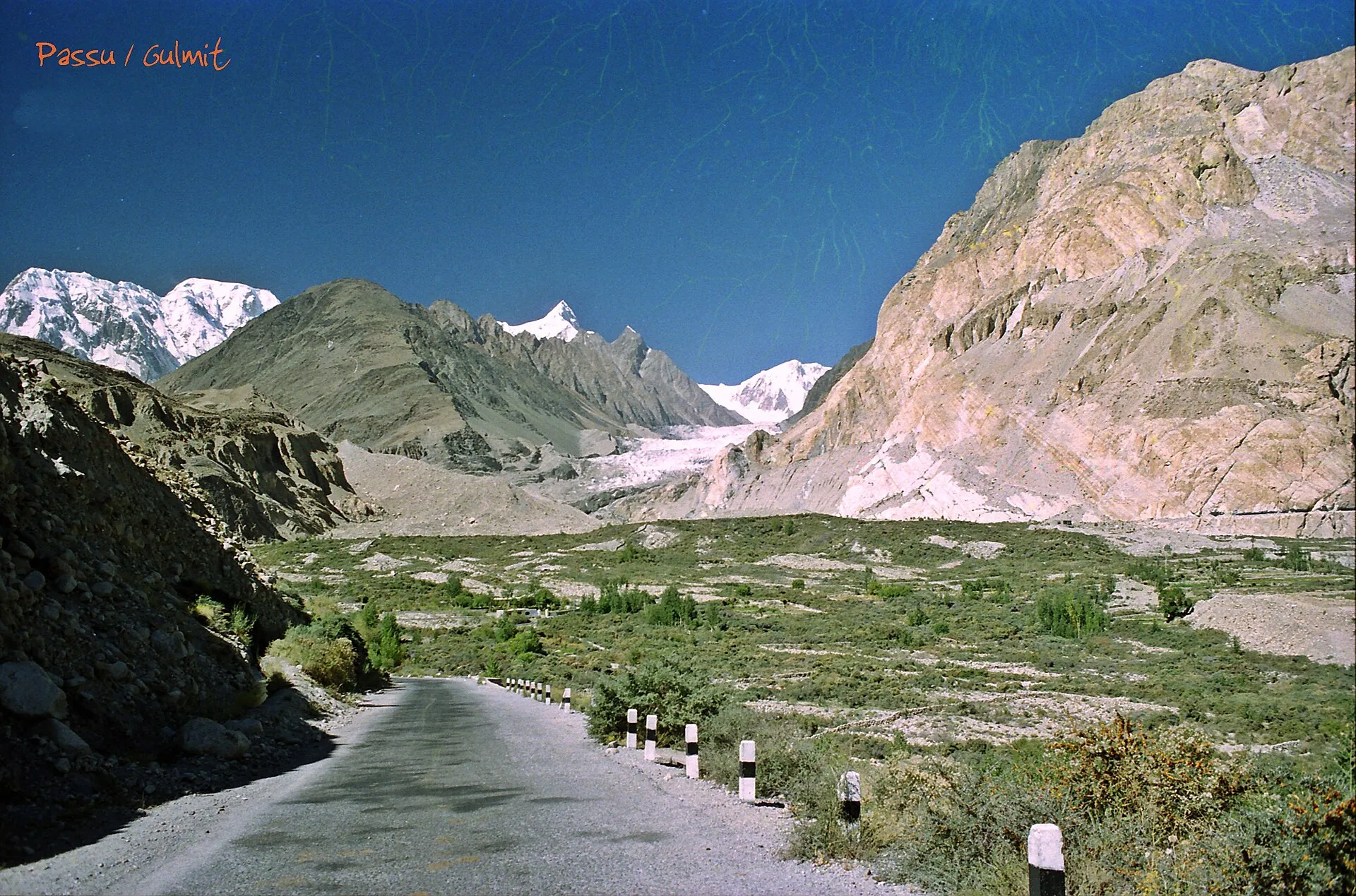
Il trekking parte dal margine del villaggio di Passu sulla KKH, intorno ai 2.500 m. Il primo giorno si sale dalla strada fino a Yunzben, un verde pascolo ai piedi del ghiacciaio dove allestiamo il primo campo. Da lì il sentiero si snoda attraverso Ujhoupirt fino ai pascoli per yak di Yashpirt, circa 3.400 m, il classico terreno estivo da pascolo con capanne di pietra, animali al pascolo e fiori di campo in stagione.
Più in alto, il percorso raggiunge i prati attorno a Guchism, un alto pascolo circondato da pareti di ghiaccio sospese che funge da consueto punto di inversione e belvedere del trekking. Qui osserviamo un giorno di acclimatamento o riposo prima di tornare giù lungo gli stessi pascoli fino alla testa della strada di Passu. Non c'è anello né passo; la ricompensa è il ghiacciaio stesso e la terra dei pastori lungo la sua sponda.
Itinerario giorno per giorno
1Da Islamabad a Karimabad
Da Islamabad a Karimabad
2Da Karimabad a Passu
Da Karimabad a Passu
3Da Passu a Yunzben
Da Passu a Yunzben
4Da Yunzben a Yashpirt
Da Yunzben a Yashpirt
5Da Yashpirt a Guchism
Da Yashpirt a Guchism
6Giorno di riposo e belvedere
Giorno di riposo e belvedere
7Da Guchism a Yashpirt
Da Guchism a Yashpirt
8Ritorno a Passu
Ritorno a Passu
9Da Passu a Karimabad o Gilgit
Da Passu a Karimabad o Gilgit
10Ritorno a Islamabad
Ritorno a Islamabad
Periodo migliore per il trekking del Batura Glacier
La stagione va da giugno a ottobre. Il pieno dell'estate offre le notti più calde sui pascoli e i pastori sono su a Yashpirt con i loro animali, così gli insediamenti sembrano vivi anziché vuoti. Settembre porta aria più limpida e camminate più fresche, una volta che la stagione del pascolo si avvia alla fine. I torrenti dal ghiacciaio si gonfiano al massimo nei caldi pomeriggi di luglio e agosto, ed è per questo che li guadiamo al mattino quando possiamo.
Permessi, tasse e come arrivare
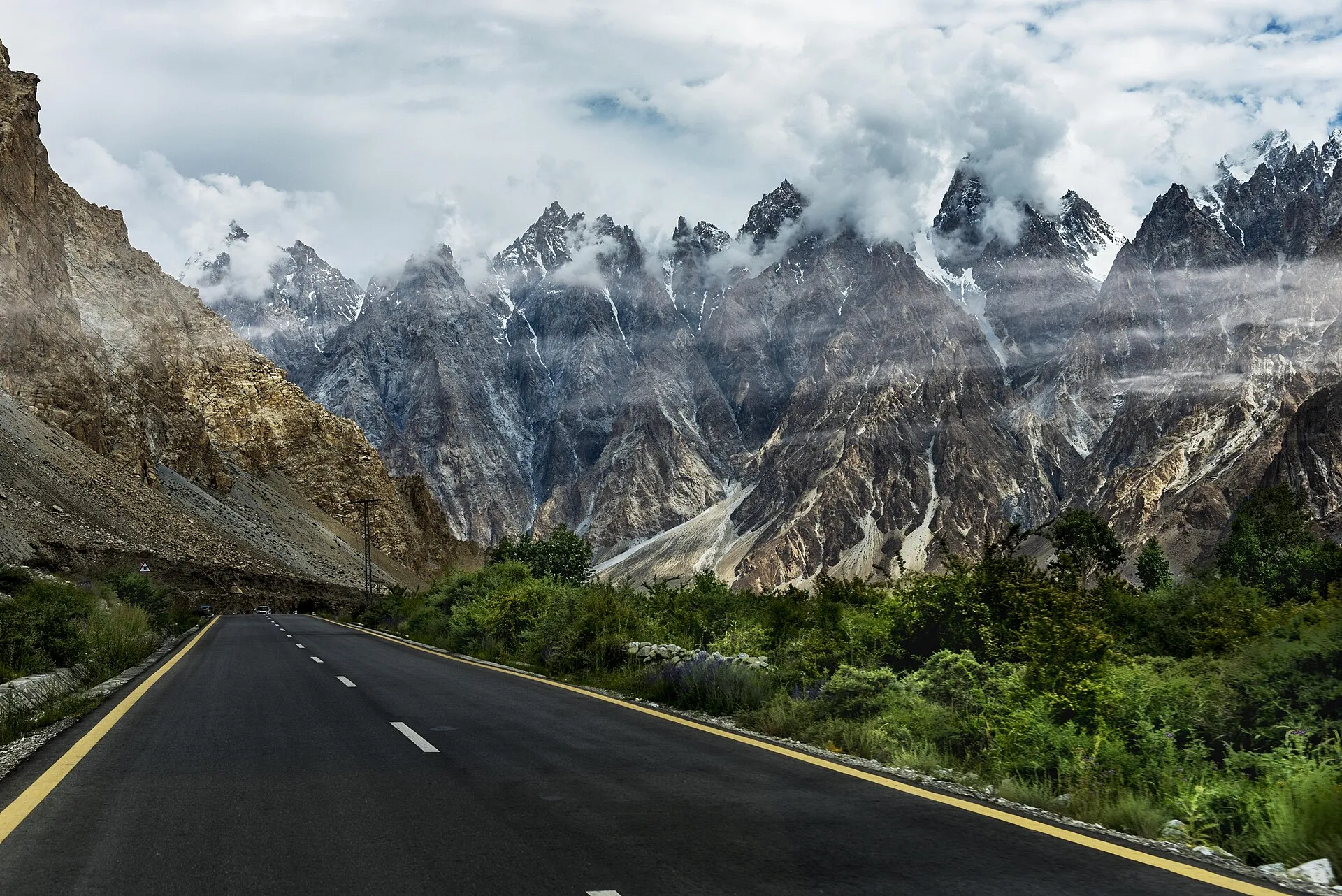
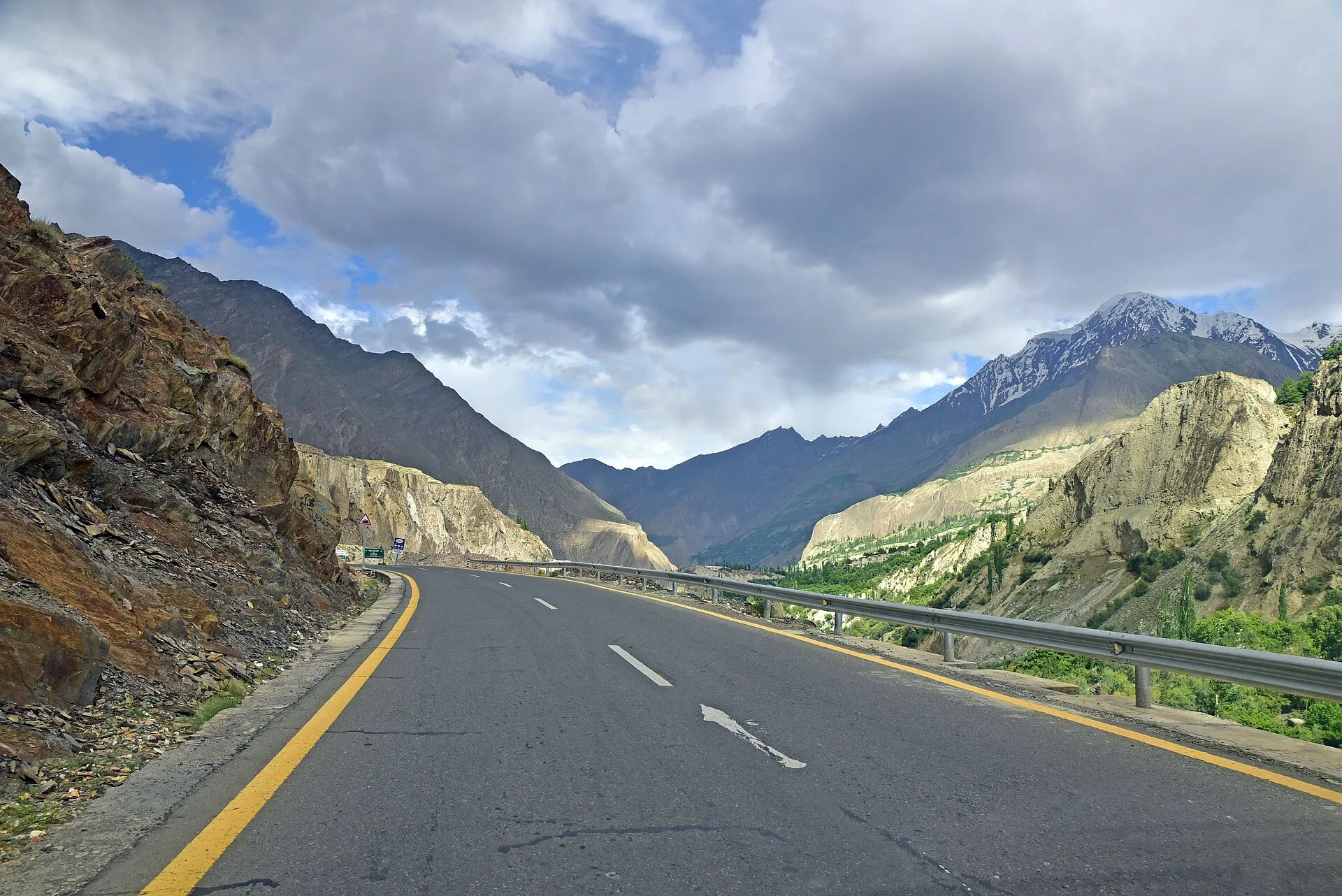
Il Batura si trova nella Open Zone dell'alto Hunza (Gojal), perciò non serve alcun permesso formale di trekking per zona riservata né tassa CKNP. Si pagano tasse comunitarie locali e di nature trust, e una guida abilitata è prassi standard; noi includiamo entrambe. L'accesso è semplice per gli standard della Karakoram Highway: da Islamabad a Hunza, poi a Passu, dove il trekking comincia al margine del villaggio senza un lungo avvicinamento in jeep.
Forma fisica e cosa mettere in valigia
Questo è un trekking di forma fisica, non di tecnica. Se riuscite a camminare cinque o sei ore al giorno su terreno irregolare per più giorni di fila, potete farlo. Portate scarponi adeguati con sostegno alla caviglia per la morena, bastoncini da trekking per i guadi e il terreno cedevole, e strati per le fredde notti sui pascoli anche d'estate. Forniamo noi tende, cucina e attrezzatura di gruppo; voi portate un sacco a pelo adatto a notti sottozero, protezione solare e un kit di pronto soccorso personale.
Dove si trova il Batura Glacier e quanto è lungo?
Il Batura Glacier si trova nell'alta Hunza (Gojal), Gilgit-Baltistan, e scende dal Batura Muztagh appena a ovest della Karakoram Highway vicino a Passu. Con i suoi circa 57 km è uno dei ghiacciai più lunghi al di fuori delle regioni polari, di solito considerato intorno al settimo fiume di ghiaccio non polare più lungo della Terra. Il trekking non cammina tanto sul ghiacciaio stesso quanto segue la valle di ablazione e gli alti pascoli estivi lungo il suo fianco settentrionale, partendo dal villaggio di Passu proprio sulla KKH, così l'avvicinamento è breve e non c'è una lunga giornata in jeep. Da lì si sale gradualmente oltre gli insediamenti dei pastori Wakhi fino ai campi di pascolo con il ghiaccio da un lato e le vette di 7.000 m sopra, raggiungendo circa 3.900 m ai campi più alti.
Lungo il ghiaccio: Passu Cones, campi dei pastori e Batura Sar
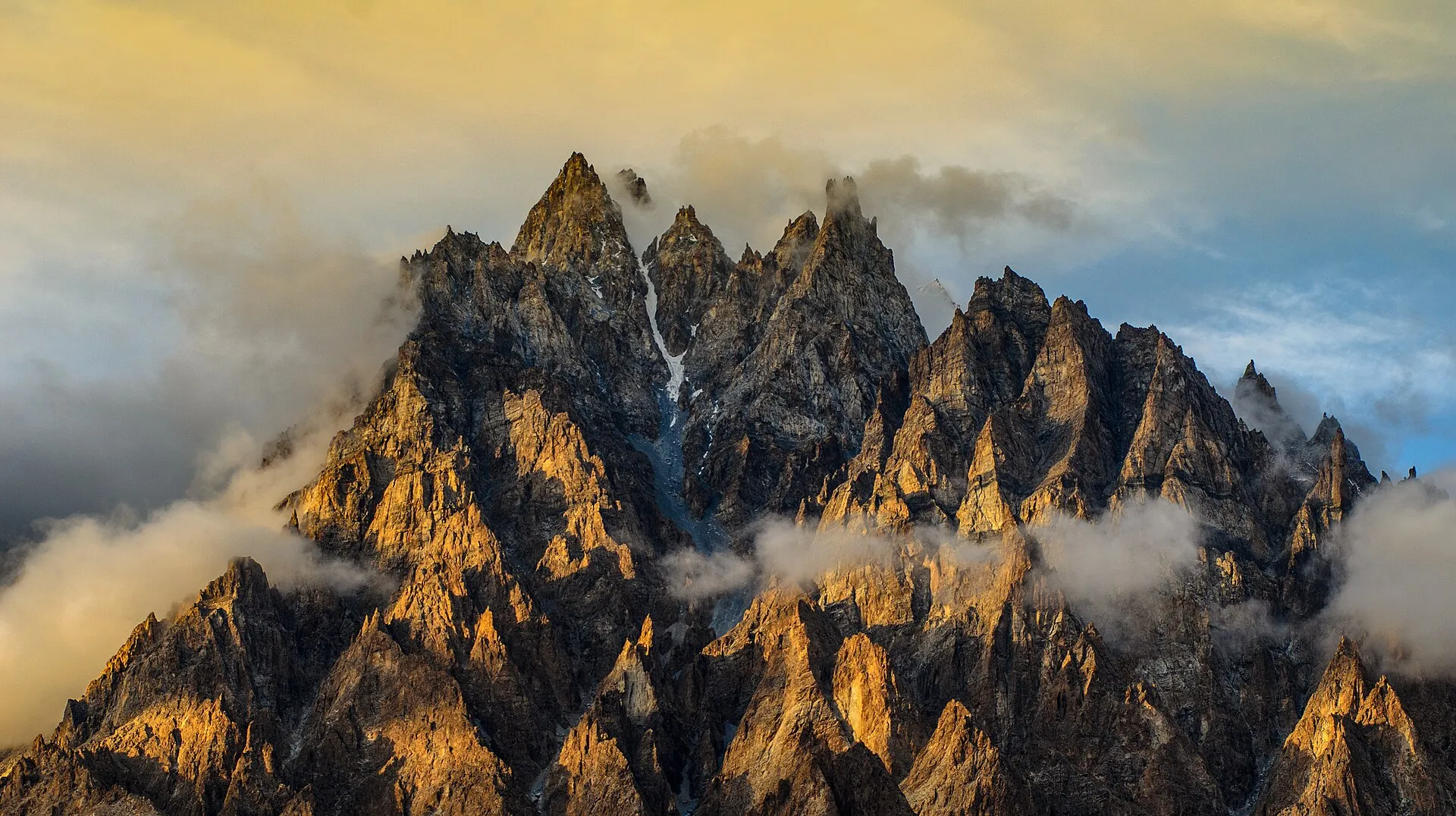
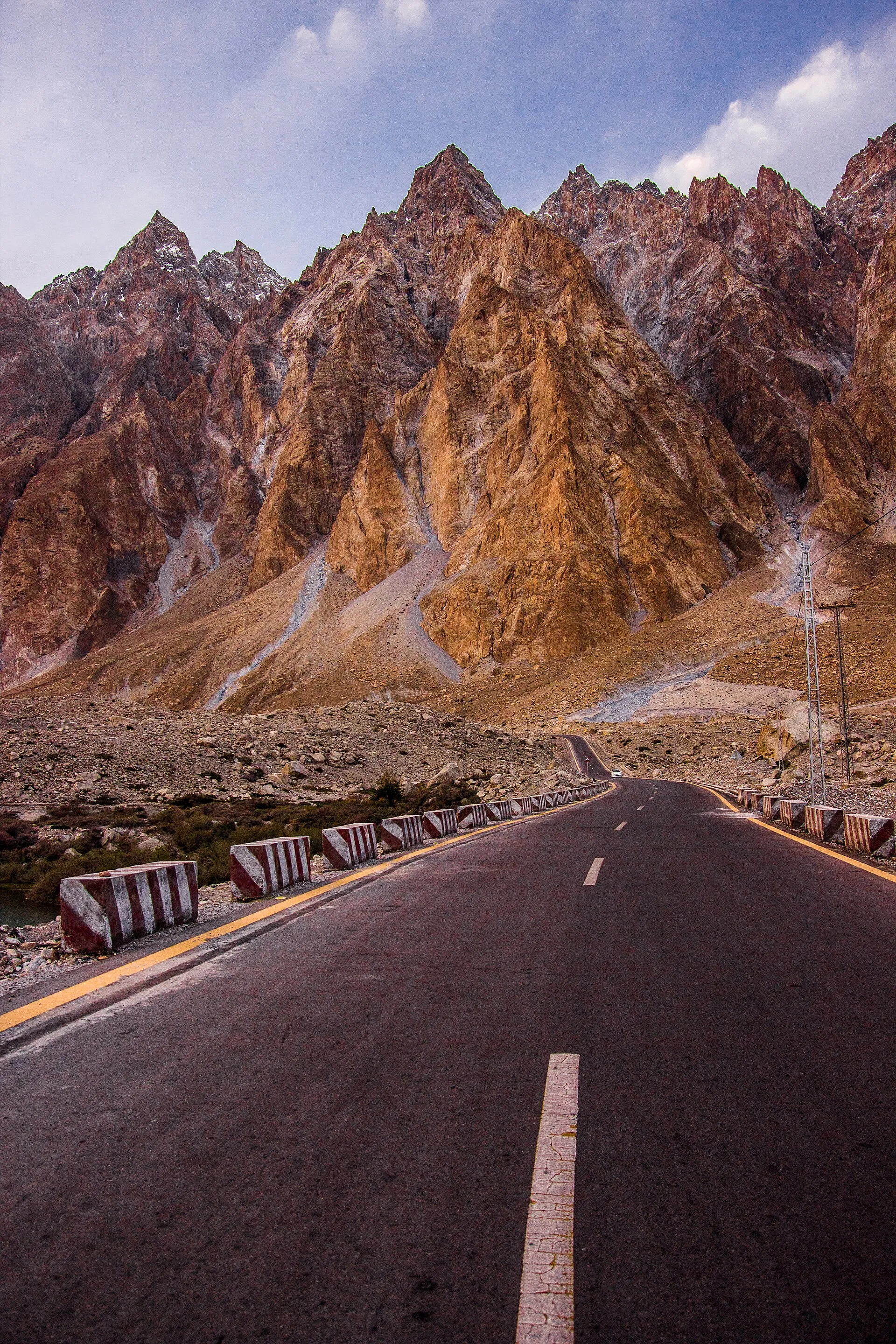
Questo è un trekking dedicato al paesaggio vivente più che a una singola vista di vetta. Le seghettate Passu Cones si ergono dritte sopra il punto di partenza e, man mano che si guadagna quota, la parete del Batura si apre, coronata dal Batura Sar (7.795 m), una delle montagne più alte al mondo al di fuori degli ottomila, con Passu Sar e Shispar accanto. Il percorso si snoda tra i campi estivi dei pastori Wakhi, dove le famiglie fanno pascolare yak, pecore e capre sugli alti prati durante i mesi caldi, così si incontrano capanne di pietra, animali al pascolo e canali di irrigazione anziché una natura vuota. Il contrasto tra pascolo verde, ghiaccio del ghiacciaio e vette enormi in un unico scorcio è ciò che rende il trekking del Batura silenziosamente uno dei migliori dell'Hunza.
Perché prenotare con noi
Siamo un operatore del Gilgit-Baltistan che organizza viaggi dal 2015, e le nostre guide e i nostri portatori del Batura vengono da Passu stessa: questi sono i pascoli su cui le loro stesse famiglie portano il bestiame. Quella mano locale conta quando un torrente è in piena o il meteo chiude l'alto prato. Manteniamo i gruppi piccoli, non forziamo un guado pericoloso per spuntare un punto panoramico e siamo onesti sul fatto che si tratta di un trekking di livello medio tra i pascoli piuttosto che di un'epica d'alta quota.
Cosa è incluso
Non incluso
Domande frequenti
Quanto è impegnativo il trekking del Batura Glacier?
Quanto è impegnativo il trekking del Batura Glacier?
Il trekking del Batura Glacier è pericoloso?
Il trekking del Batura Glacier è pericoloso?
Quanto è lungo il Batura Glacier?
Quanto è lungo il Batura Glacier?
Fino a che quota arriva il trekking del Batura?
Fino a che quota arriva il trekking del Batura?
Qual è il periodo migliore per il trekking del Batura Glacier?
Qual è il periodo migliore per il trekking del Batura Glacier?
Mi serve un permesso per il trekking del Batura Glacier?
Mi serve un permesso per il trekking del Batura Glacier?
Dove inizia il trekking del Batura?
Dove inizia il trekking del Batura?
Quanto devo essere in forma per il trekking del Batura?
Quanto devo essere in forma per il trekking del Batura?
Dove si trova il Batura Glacier?
Dove si trova il Batura Glacier?
Cosa vedrò durante il trekking del Batura Glacier?
Cosa vedrò durante il trekking del Batura Glacier?
Come si arriva al punto di partenza del trekking del Batura?
Come si arriva al punto di partenza del trekking del Batura?
Com'è il clima durante il trekking del Batura Glacier?
Com'è il clima durante il trekking del Batura Glacier?
Pronti per la prossima avventura?
Unisciti alla nostra comunità di esploratori e scopri il viaggio della vita. Il nostro team di esperti è pronto ad aiutarti a pianificare la tua spedizione perfetta.