Grand Tour del Gilgit-Baltistan: Hunza, Khunjerab, Skardu e Deosai
L'intero nord in un anello estivo
Ultimo aggiornamento: · Revisionato da Javeed Iqbal, fondatore
Durata
12-14 giorni
Difficoltà
Facile
Dimensione gruppo
2-8 viaggiatori
Stagione migliore
Lug-Ago
Informazioni sul tour
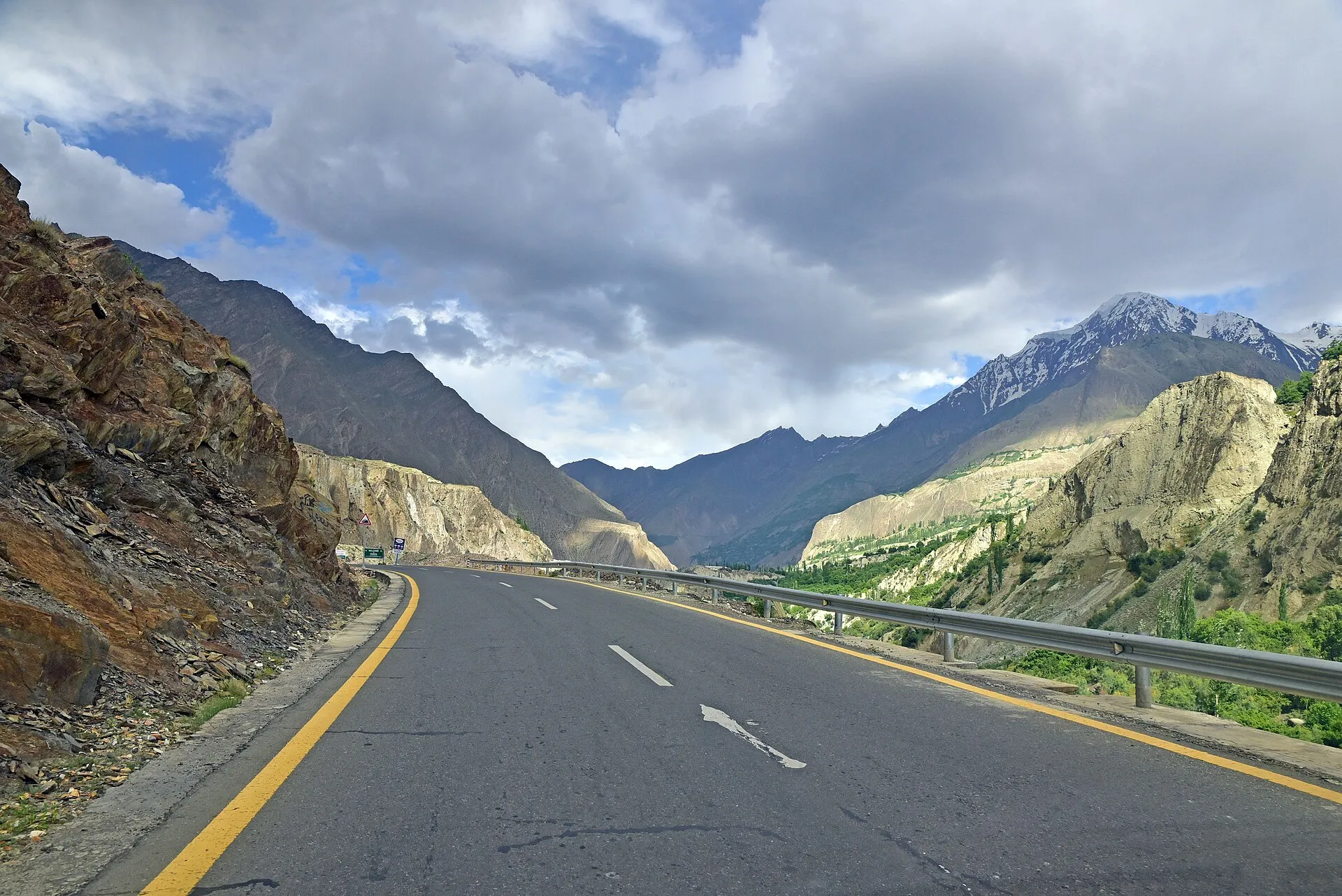
Il Grand Tour è l'unico viaggio che racchiude l'intero Gilgit-Baltistan in un solo anello. In 12 giorni mette insieme le quattro cose per cui di solito si viene al nord in visite separate: la Hunza Valley, il Khunjerab Pass a 4.693 metri sul confine cinese, i laghi e i forti di Skardu e l'altopiano del Deosai, il secondo altopiano più alto della Terra. Se avete un solo lungo viaggio da dedicare al nord del Pakistan e volete vederlo tutto fatto come si deve, questo è l'itinerario.
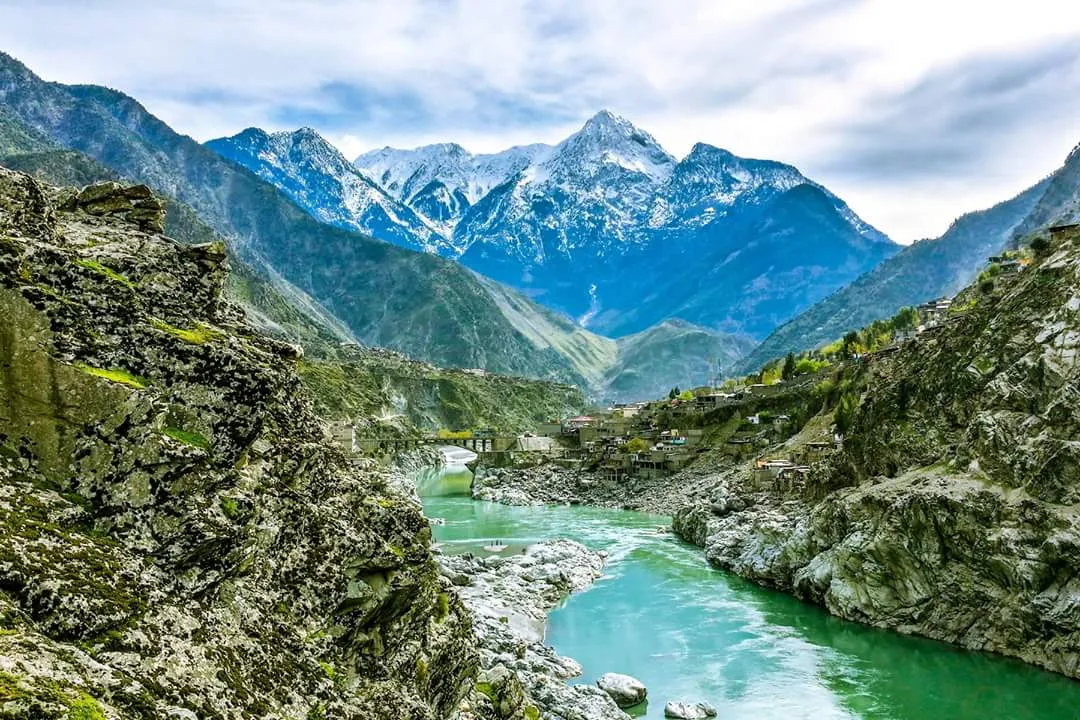
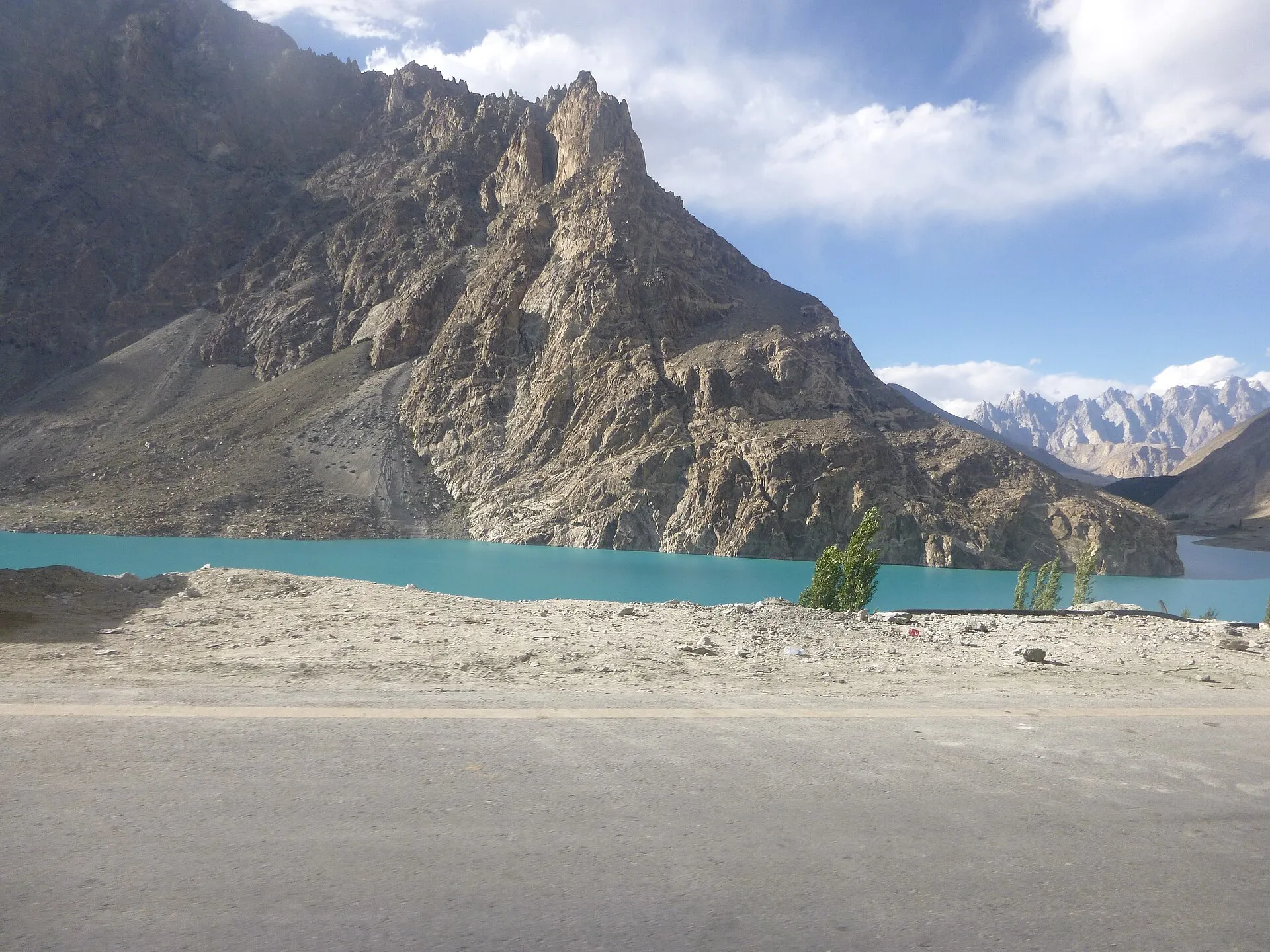
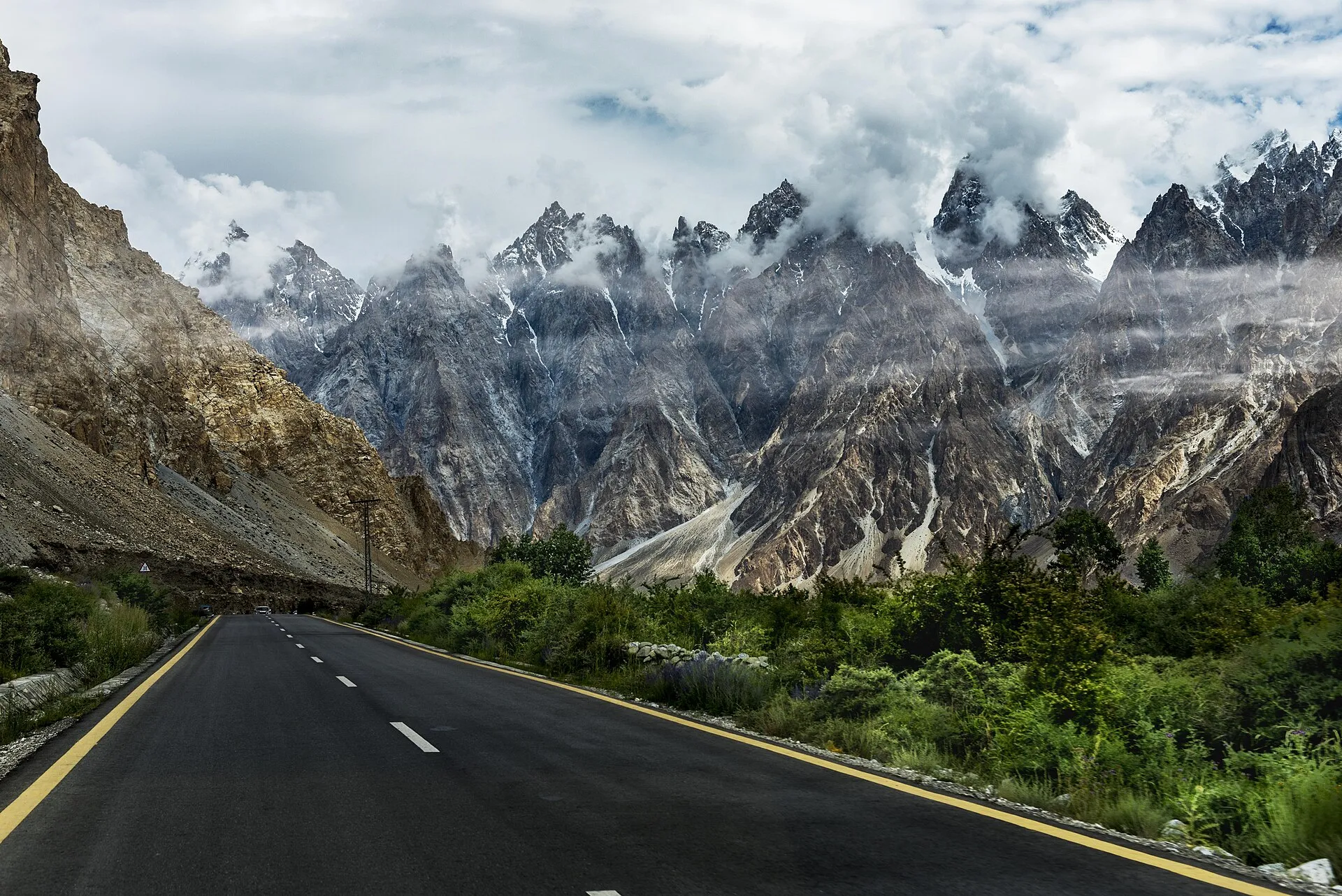
Attraversa tre sistemi montuosi e un'enorme varietà di territorio. In Hunza avete Karimabad a circa 2.438 metri, i forti Baltit e Altit, l'Attabad Lake e le Passu Cones, poi la salita di un giorno intero alla porta del Khunjerab. In Baltistan avete Skardu a circa 2.228 metri, i laghi di Kachura e Shigar Fort. E in mezzo, il pezzo centrale: il Deosai, a una media di 4.114 metri, un alto altopiano privo di alberi di prati di fiori di campo e lo Sheosar Lake a 4.250 metri, posto sotto protezione nel 1993 per tutelare l'orso bruno dell'Himalaya.
Il Deosai è la ragione per cui questo è un prodotto esclusivamente estivo. L'altopiano è sotto la neve per gran parte dell'anno ed è aperto solo all'incirca da metà giugno a metà settembre, perciò l'intero tour di 12 giorni è vincolato a quella finestra. Luglio e agosto sono il momento ideale: Deosai aperto e in fiore, il Khunjerab Pass libero e il clima più caldo e stabile di tutta la regione. Fuori da quella finestra l'anello semplicemente non può svolgersi come progettato.
Nell'arco di 12 giorni lo svolgiamo con un 4x4 privato e una guida dedicata, ordinando i due punti d'alta quota, Khunjerab e Deosai, in modo che la quota cresca con criterio anziché colpirvi a freddo. È classificato come facile come sforzo perché si viaggia anziché fare trekking, ma è un viaggio impegnativo con lunghe giornate di guida e due giorni sopra i 4.000 metri, e lo pianifichiamo come un unico anello continuo anziché come una lista da spuntare di corsa.
Cosa copre il Grand Tour
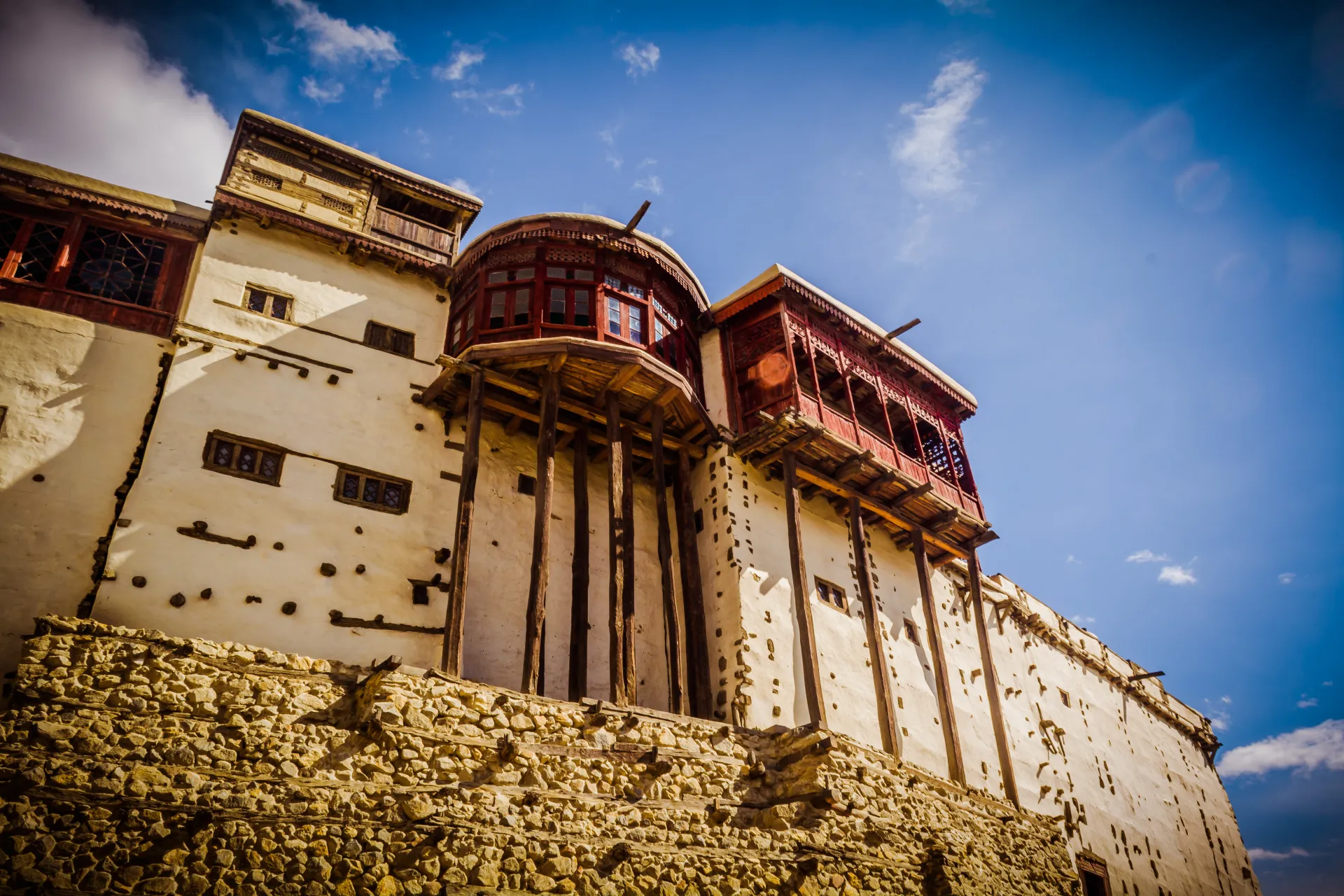
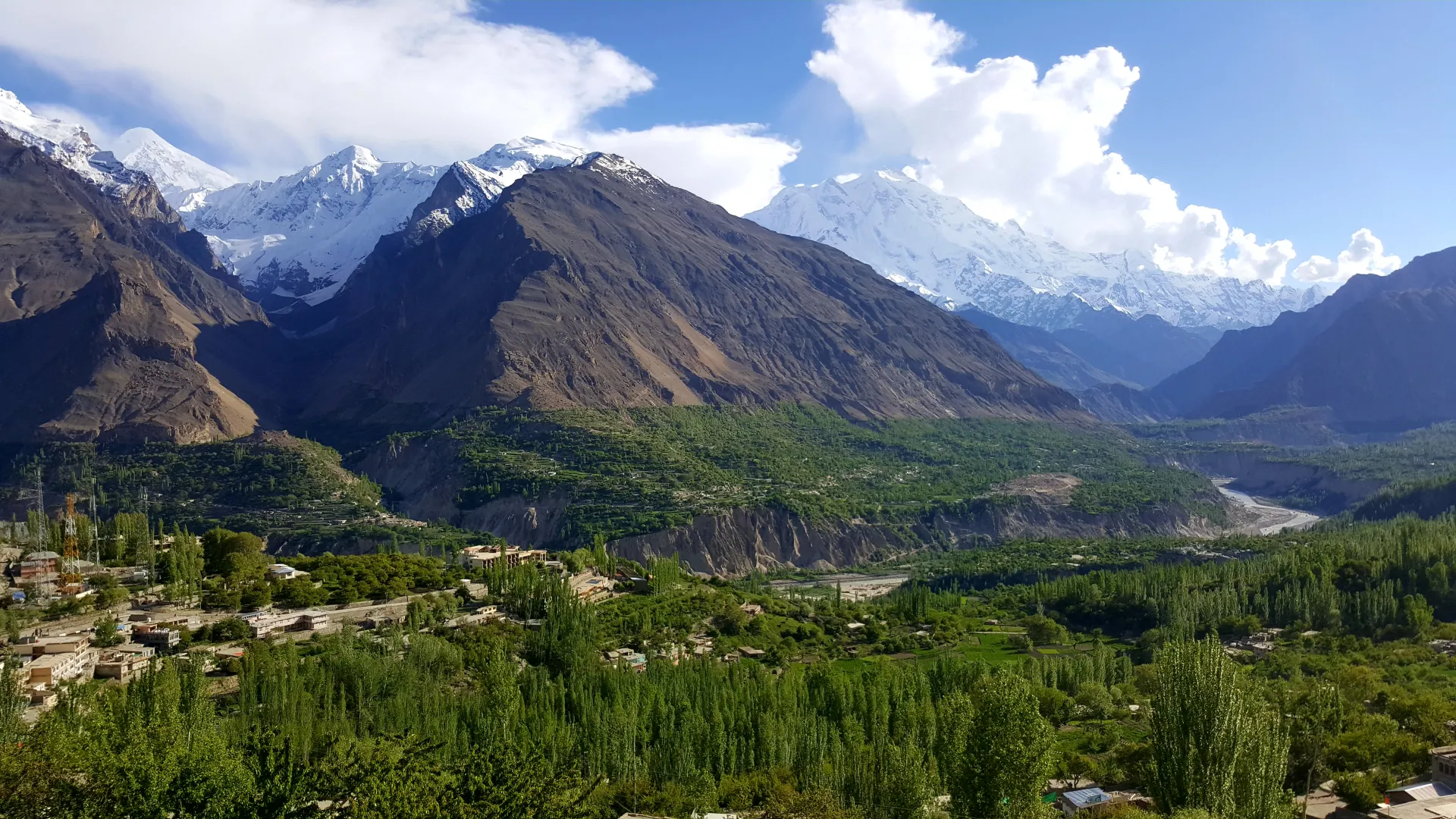
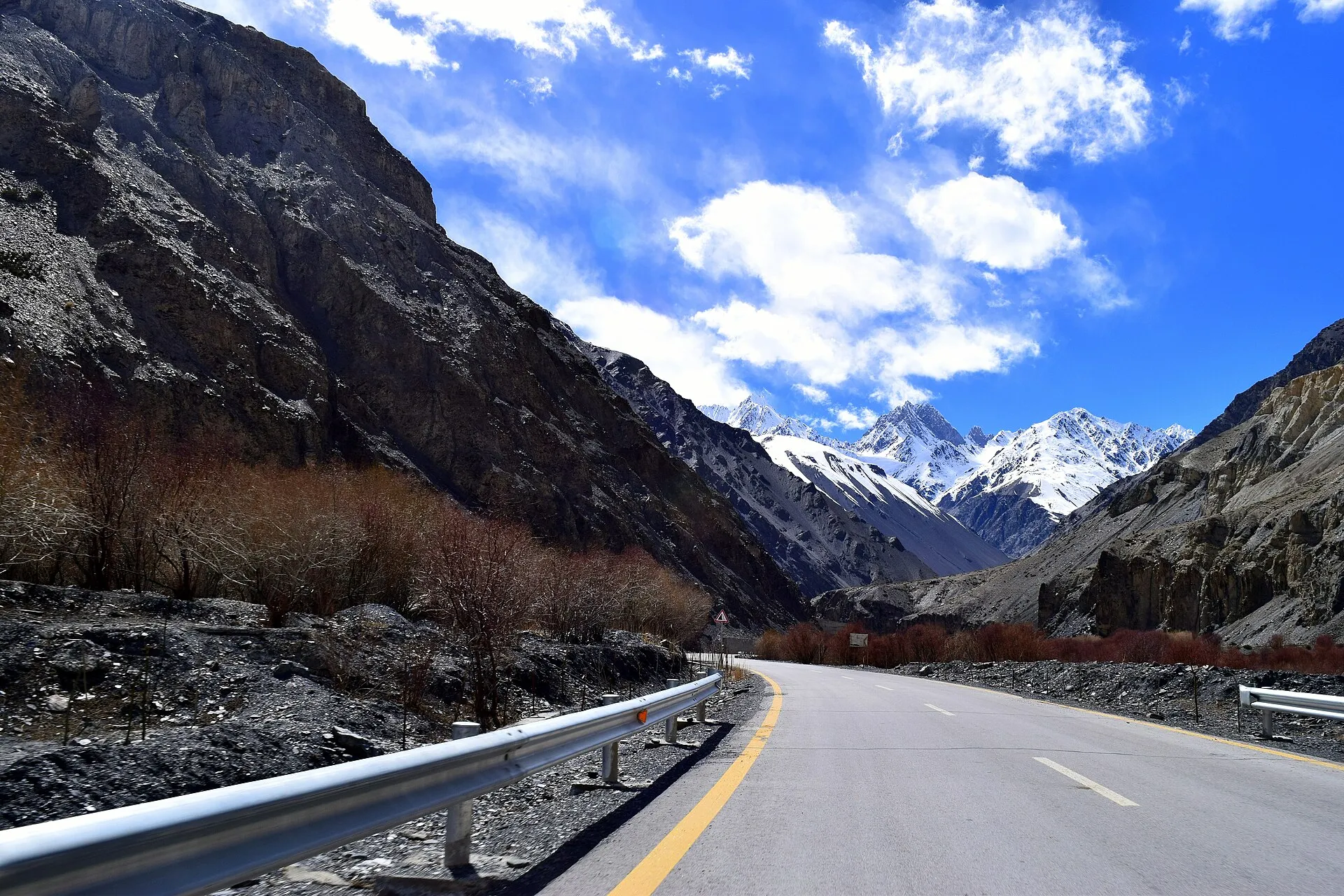
L'Hunza viene per prima. Karimabad a circa 2.438 metri sotto Baltit Fort, il più antico Altit Fort sotto di esso, l'Attabad Lake formato dalla frana del 2010 e il punto panoramico delle Passu Cones sotto la cresta del Tupopdan di 6.106 metri. Dall'alto Hunza il tour compie il tragitto di un giorno intero fino al Khunjerab Pass a 4.693 metri, il più alto valico di frontiera asfaltato del mondo, attraverso il Khunjerab National Park dove vivono marmotte, stambecchi e, raramente, il leopardo delle nevi.
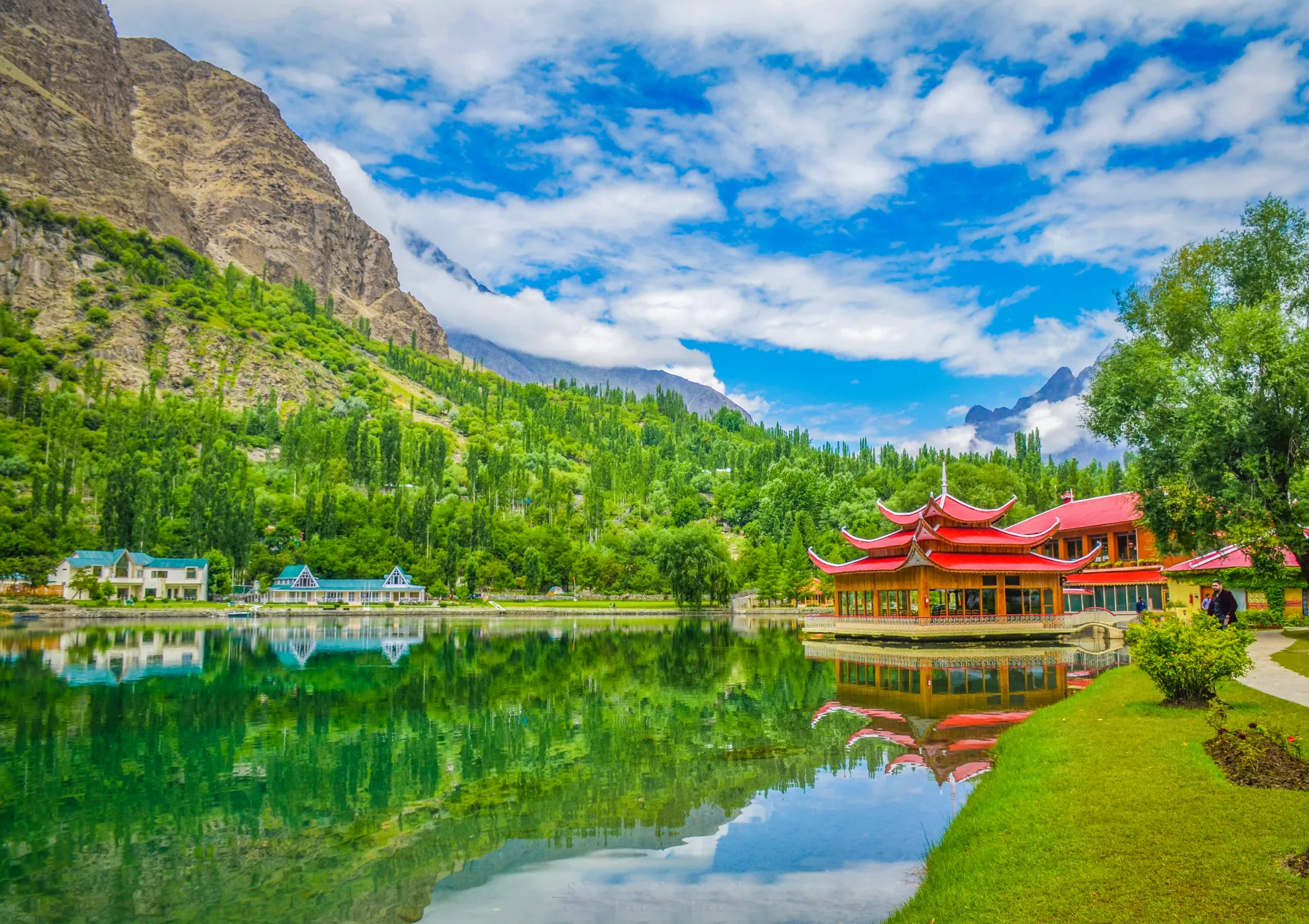
Poi il Baltistan. La guida verso sud attraversa fino a Skardu a circa 2.228 metri per i laghi di Kachura, Shangrila sul Lower Kachura e Shigar Fort, il restaurato palazzo Amacha del XVII secolo a un'ora dalla città. Skardu è il punto di partenza per l'altopiano.
Il Deosai è il culmine. A una media di 4.114 metri, è il secondo altopiano più alto della Terra dopo il Changtang del Tibet, una vasta distesa priva di alberi di fiori di campo estivi, marmotte e l'orso bruno dell'Himalaya che il parco fu creato per proteggere nel 1993. Sul suo lato più lontano si trova lo Sheosar Lake a 4.250 metri, uno dei laghi più alti delle sue dimensioni nella regione.
Itinerario giorno per giorno
1Arrivo nella Hunza Valley
Arrivo nella Hunza Valley
3Giornata del patrimonio di Karimabad
Giornata del patrimonio di Karimabad
4Attabad Lake e Passu
Attabad Lake e Passu
5Khunjerab Pass
Khunjerab Pass
6Da Hunza a Gilgit
Da Hunza a Gilgit
7Da Gilgit a Skardu
Da Gilgit a Skardu
8Shangrila e i laghi di Kachura
Shangrila e i laghi di Kachura
9Altopiano del Deosai
Altopiano del Deosai
10Forti di Skardu e deserto freddo
Forti di Skardu e deserto freddo
11Shigar Valley e relax
Shigar Valley e relax
13Da Skardu a Gilgit
Da Skardu a Gilgit
14Ritorno a Islamabad
Ritorno a Islamabad
Periodo migliore per il Grand Tour e il Deosai
Luglio e agosto sono i mesi ottimali e il viaggio è esclusivamente estivo. Il vincolo rigido è il Deosai, che è sotto la neve per gran parte dell'anno ed è accessibile solo all'incirca da metà giugno a metà settembre. Il Khunjerab Pass deve essere libero nella stessa finestra, cosa che è in modo affidabile da circa maggio a ottobre, perciò il pieno dell'estate è dove i due si sovrappongono meglio.
Non svolgiamo questo anello fuori dalla finestra del Deosai, perché l'altopiano è il pezzo centrale e un Grand Tour senza di esso sono solo due viaggi separati. Prenotare per luglio o agosto vi dà anche il clima più caldo, la fioritura dei fiori di campo sul Deosai e le migliori probabilità su eventuali tratte aeree.
Quanto è impegnativo, e la quota
Come sforzo è facile: siete passeggeri in un 4x4, non trekker, e non c'è alcuna scalata. La sfida è la distanza e la quota. Questo è un grande anello con diverse lunghe giornate di guida, e include due giorni sopra i 4.000 metri, il Khunjerab Pass a 4.693 metri e la traversata del Deosai a oltre 4.100 metri.
Ordiniamo il viaggio in modo che la quota cresca anziché impennarsi, mettendo tempo in Hunza e Skardu a 2.200-2.500 metri prima delle giornate d'alta quota, e teniamo breve il tempo al punto più alto. Anche così, il doppio di Khunjerab e Deosai è impegnativo per chiunque abbia problemi cardiaci o polmonari, e chiediamo agli ospiti di essere onesti sulla propria salute prima di prenotare.
Preferite una sola regione?
Il Grand Tour combina quattro dei nostri viaggi in un anello estivo, e ognuno di essi può essere prenotato da solo se avete meno tempo o volete approfondire un solo luogo. Se l'attrazione è l'Hunza, il tour della Hunza Valley vi dà i forti, l'Attabad e le Passu Cones a ritmo più lento. Per il Baltistan da solo c'è la via panoramica di Skardu con i laghi, il deserto freddo e i forti, e per il solo altopiano c'è il tour dedicato del Deosai. E se è l'alto confine ciò per cui siete venuti, il tour del Khunjerab Pass lo propone come protagonista. Il Grand Tour è per i viaggiatori che vogliono tutto questo in un solo viaggio.
Dove si trova il Gilgit-Baltistan?
Il Gilgit-Baltistan è la regione più settentrionale del Pakistan, un vasto territorio montano dove si incontrano le catene del Karakoram, dell'Himalaya e dell'Hindu Kush, confinante con la China a nord, con il corridoio del Wakhan dell'Afghanistan a ovest e con il Kashmir amministrato dall'India a sud-est. I suoi principali centri sono Gilgit e Skardu, e le sue valli più note, Hunza, Nagar, Shigar e l'altopiano del Deosai, sono la spina dorsale di questo grand tour. È il cuore d'alta quota del Paese: ospita il K2 e altre quattro delle quattordici montagne di 8.000 metri del mondo, centinaia di ghiacciai e alcuni dei valichi stradali più alti della Terra. La maggior parte dei viaggiatori vi arriva con il breve volo da Islamabad a Gilgit o Skardu, oppure via terra risalendo il Karakoram Highway, lo stesso percorso che il nostro tour segue attraverso le montagne.
Cosa rende speciale il Gilgit-Baltistan
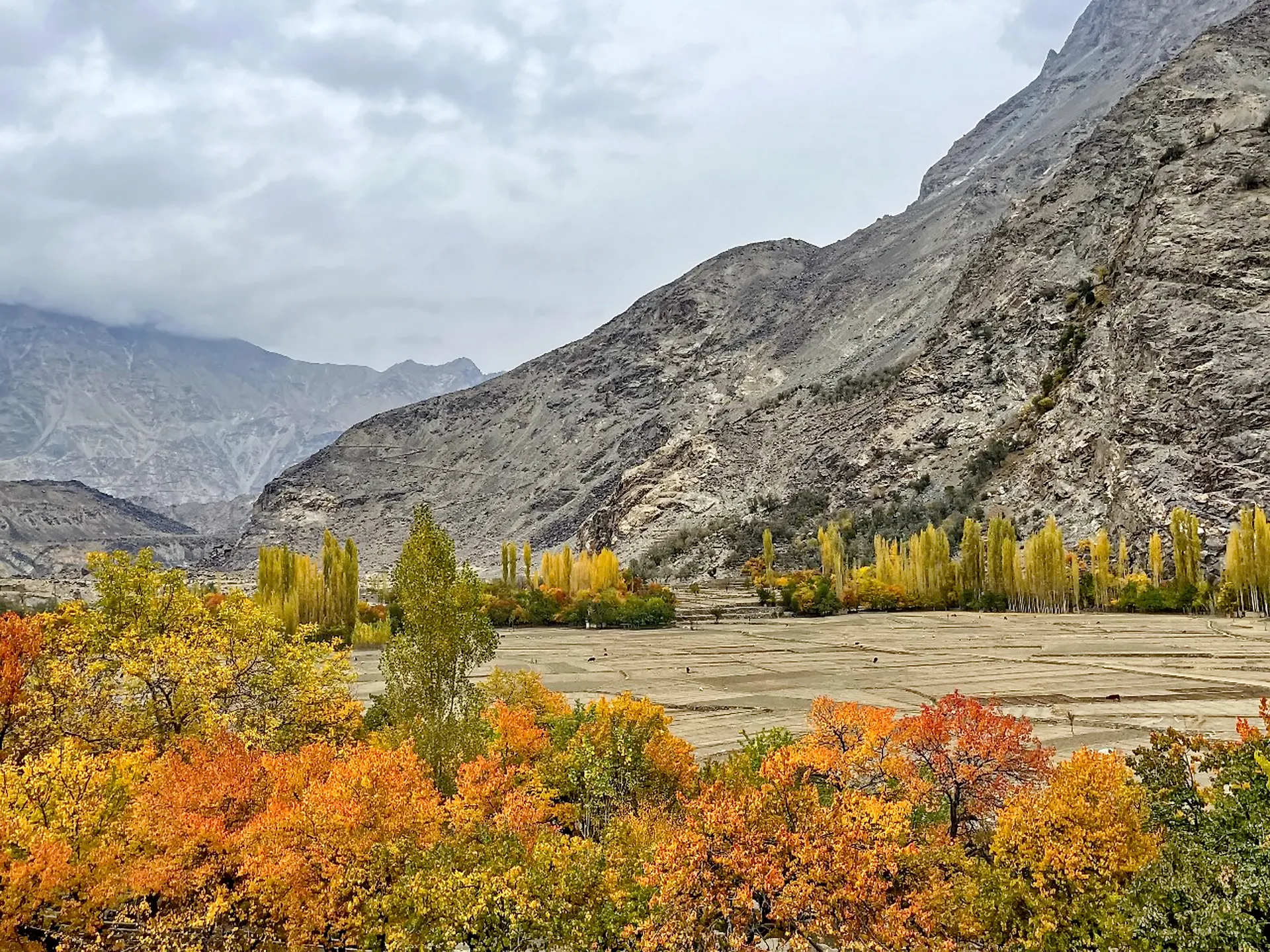
Pochi luoghi racchiudono così tanto in un'unica regione. Il Gilgit-Baltistan ha la maggiore concentrazione di alte vette di qualsiasi luogo al di fuori della regione dell'Everest, tra cui il K2, il Nanga Parbat, il Rakaposhi e i giganti del Baltoro, insieme al secondo altopiano più alto del mondo al Deosai, al turchese Attabad Lake e al campo da polo di Shandur. Fu un crocevia dell'antica Silk Road, e quella storia si vede nelle incisioni rupestri buddiste lungo l'Indus, nei forti secolari di Hunza e in un mosaico di lingue, dal Burushaski e Shina al Balti e Wakhi, che cambia di valle in valle. Il risultato è una rara combinazione di paesaggi montani di livello mondiale e cultura viva, ed è esattamente il motivo per cui il grand tour mette in fila Hunza, Khunjerab, Skardu e Deosai anziché visitarne solo una.
Perché prenotare con noi
Svolgiamo ogni componente di questo anello come viaggio a sé, perciò il Grand Tour non è un esperimento cucito insieme: sono quattro viaggi che conosciamo a fondo, ordinati in uno. Basiamo il tutto in estate per un motivo, perché il Deosai apre solo all'incirca da metà giugno a metà settembre e non venderemo un Grand Tour che non possa raggiungere il suo pezzo centrale. Le nostre guide sono del posto, del Gilgit-Baltistan, ordiniamo la quota in modo che le giornate del Khunjerab e del Deosai crescano con criterio e teniamo alternative su strada per ogni tratta aerea. Dodici giorni sono molto territorio, e abbiamo percorso questo stesso terreno abbastanza spesso da dosarlo anziché correrlo.
Cosa è incluso
Non incluso
Domande frequenti
Cosa include il Grand Tour del Gilgit-Baltistan?
Cosa include il Grand Tour del Gilgit-Baltistan?
Qual è il periodo migliore per il Grand Tour?
Qual è il periodo migliore per il Grand Tour?
Perché non posso fare questo tour in primavera o autunno?
Perché non posso fare questo tour in primavera o autunno?
Quanto è impegnativo il Grand Tour?
Quanto è impegnativo il Grand Tour?
Avrò problemi di quota durante questo tour?
Avrò problemi di quota durante questo tour?
Vale la pena visitare il Deosai?
Vale la pena visitare il Deosai?
Posso prenotare solo l'Hunza o solo Skardu?
Posso prenotare solo l'Hunza o solo Skardu?
Come arrivo e riparto dal tour?
Come arrivo e riparto dal tour?
Dove si trova il Gilgit-Baltistan?
Dove si trova il Gilgit-Baltistan?
Per cosa è conosciuto il Gilgit-Baltistan?
Per cosa è conosciuto il Gilgit-Baltistan?
Come si arriva al Gilgit-Baltistan?
Come si arriva al Gilgit-Baltistan?
Il Gilgit-Baltistan è sicuro per i turisti?
Il Gilgit-Baltistan è sicuro per i turisti?
Pronti per la prossima avventura?
Unisciti alla nostra comunità di esploratori e scopri il viaggio della vita. Il nostro team di esperti è pronto ad aiutarti a pianificare la tua spedizione perfetta.