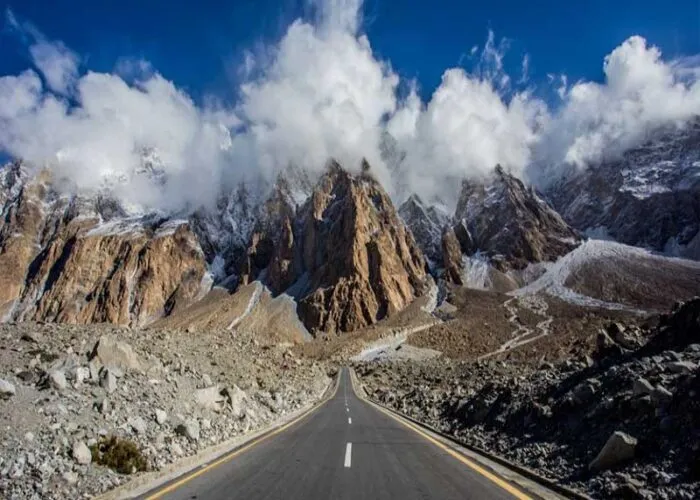
Il Pakistan per i Viaggiatori Internazionali
Visti, sicurezza, stagioni e tutto ciò che serve per organizzare il viaggio
Ultimo aggiornamento:
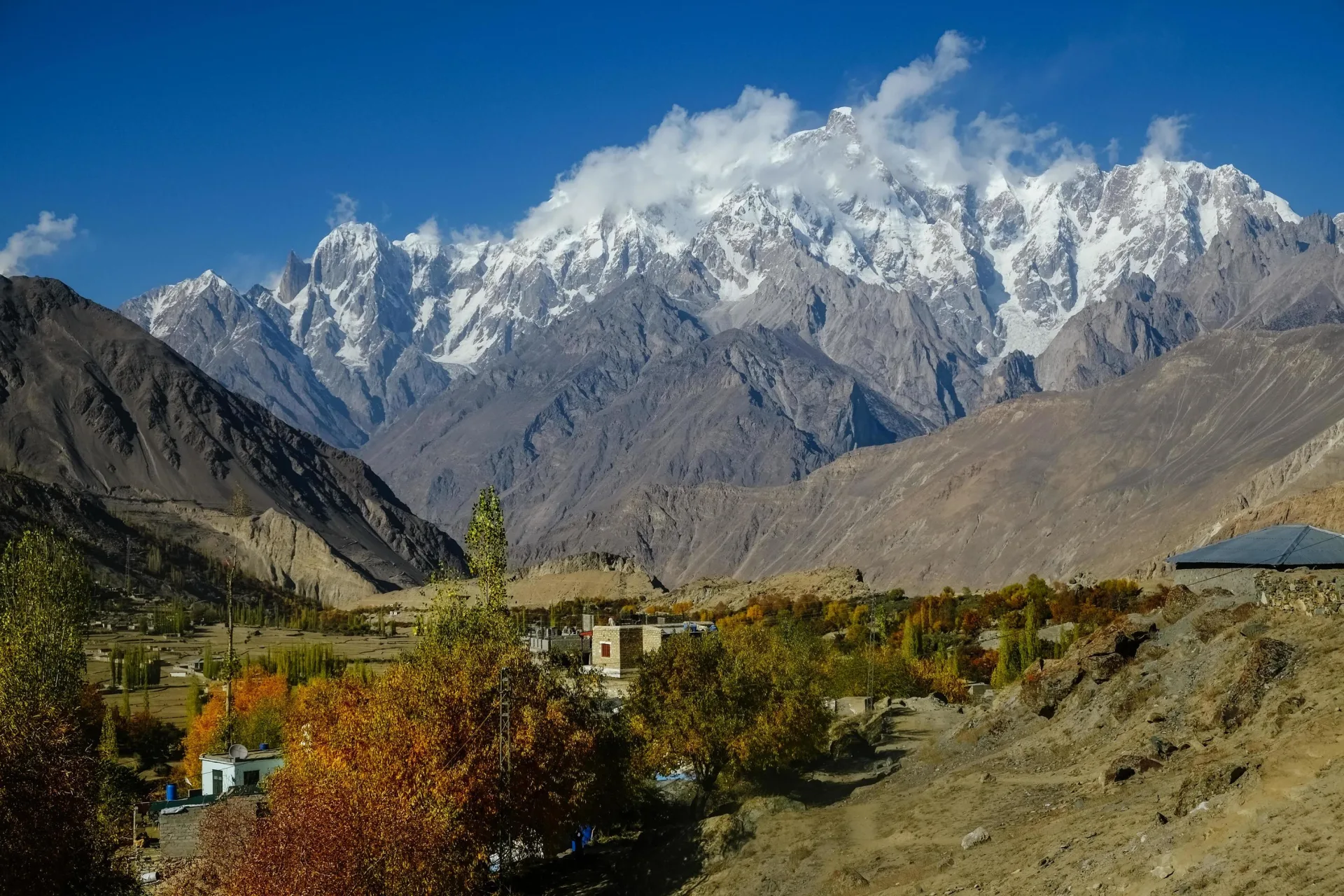
Organizzare un Viaggio in Pakistan
Il Pakistan si è aperto ai viaggiatori nel 2019, e da allora il nord montuoso è diventato la grande sorpresa silenziosa del turismo asiatico. Il visto è passato online, il vecchio regime di permessi per il Gilgit-Baltistan è stato abolito, e valli che un tempo richiedevano pratiche burocratiche e una scorta armata accolgono oggi i visitatori indipendenti. Resta la pianificazione: il visto, le tempistiche, l'altitudine e un quadro di sicurezza ben migliore di quanto i titoli dei giornali lascino intendere, ma che vale comunque la pena conoscere.
Questa pagina è il dossier pratico che diamo ai nostri stessi ospiti. In quanto tour operator pakistano autorizzato, possiamo emettere la lettera di invito necessaria alla domanda di visto, che per diverse nazionalità fa la differenza tra un'approvazione e un rifiuto. Il resto, ossia le stagioni, le zone sicure, la realtà del contante e della connettività al nord, lo abbiamo illustrato chiaramente qui sotto.
Guida al visto per il Pakistan
Invia la domanda di visto online su visa.nadra.gov.pk
Carica la copia del passaporto, la foto e la lettera di invito
Paga la tassa di elaborazione online
Ricevi l'e-visa via email (da 7 a 10 giorni lavorativi)
Ora tutte le nazionalità fanno domanda online in anticipo tramite il portale visa.nadra.gov.pk: dal 1° gennaio 2026 sono stati sospesi il visto all'arrivo e il programma di visto gratuito prima dell'arrivo per 126 nazionalità. Il visto turistico standard è a ingresso singolo e valido per tre mesi, con tempi di elaborazione indicati ufficialmente in sette-dieci giorni lavorativi. La domanda richiede una lettera di invito, uno sponsor o una prenotazione alberghiera; un invito da parte di un operatore autorizzato come noi è la via più affidabile, e per i viaggiatori provenienti dagli Stati Uniti, dal Golfo e dall'Asia centrale è di fatto indispensabile. Comunicaci la tua nazionalità e ti confermeremo cosa serve per la tua domanda, emettendo la lettera.
Assicurazione di viaggio
Raccomandiamo vivamente un'assicurazione di viaggio completa che copra il trekking in alta quota e l'evacuazione d'emergenza
Itinerari consigliati
Giorni 1-2: Arrivo a Islamabad, giro della città, moschea Faisal
Giorni 3-4: Trasferimento a Hunza lungo la Karakoram Highway
Giorni 5-7: Karimabad, forte di Baltit, punto panoramico Eagle's Nest
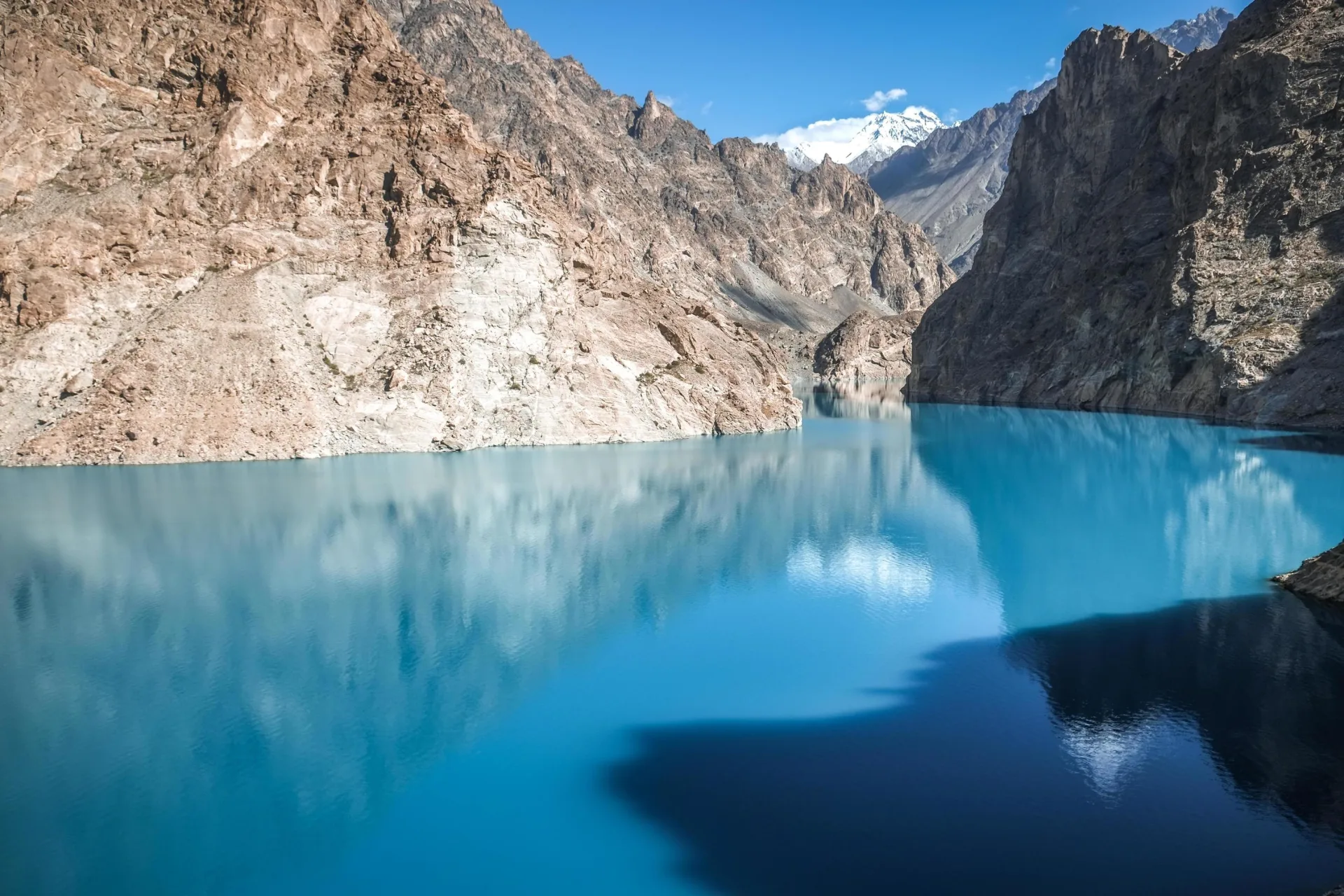
Giorni 8-9: Passu Cones, giro in barca sul lago Attabad
Giorni 10-11: Skardu, Shangrila Resort, lago Upper Kachura
Giorni 12-13: Altopiano del Deosai, lago Satpara
Giorno 14: Rientro a Islamabad, partenza
Settimana 1: Islamabad → valle di Hunza → Passu → passo Khunjerab (confine cinese)
Settimana 2: Skardu → Deosai → Fairy Meadows → campo base del Nanga Parbat
Settimana 3: Chitral → valle di Kalash → passo Shandur → Lahore → partenza
Settimana 1: Islamabad → Taxila → Hunza → Passu → Khunjerab
Settimana 2: Valle di Shimshal → Skardu → Deosai
Settimana 3: Trek al campo base del K2 (16 giorni) o trek di Snow Lake
Settimana 4: Chitral → Kalash → valle di Swat → Lahore → partenza
Tour più venduti
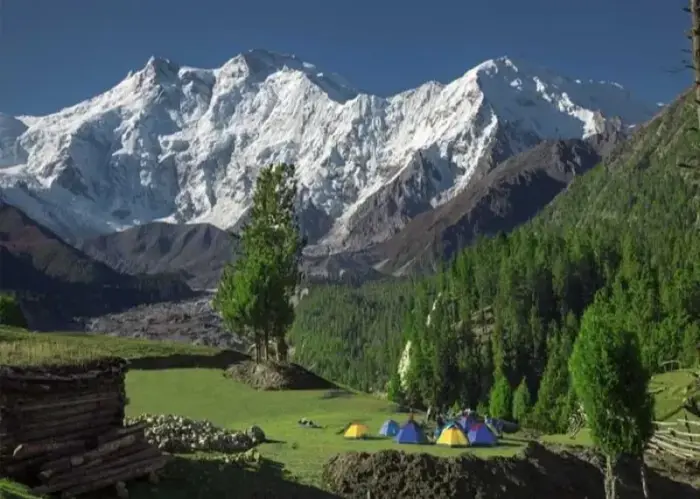 Facile
Hunza Valley Explorer (Esplorazione della valle di Hunza)
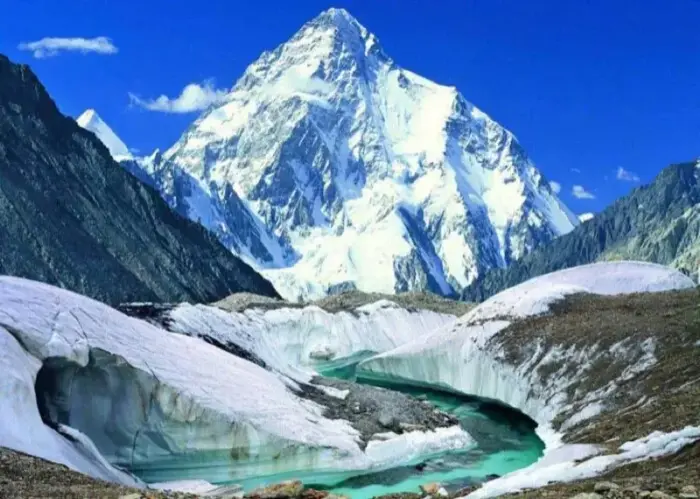 Estremo
K2 Base Camp Trek (Trek al campo base del K2)
 Moderato
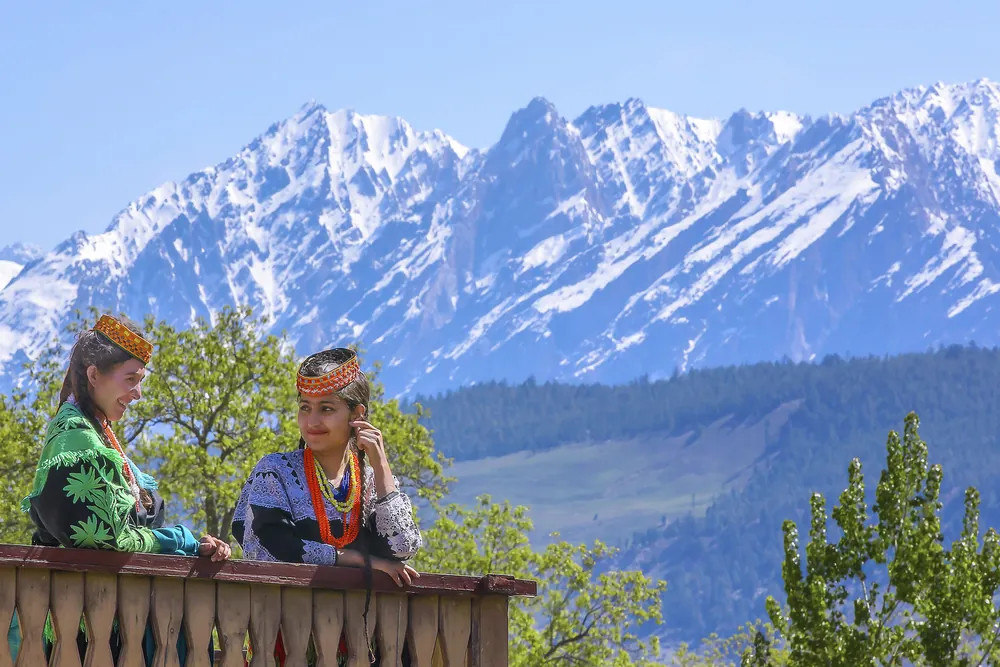
Kalash Festival Experience (Festival Kalash)
 Estremo
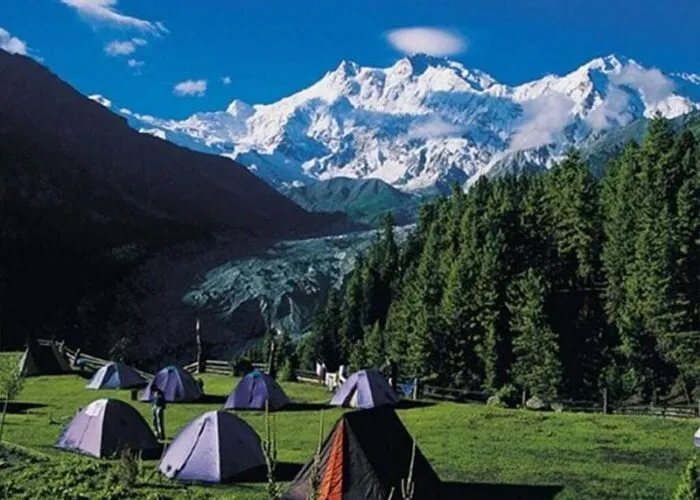
Nanga Parbat Trek (Trek del Nanga Parbat)
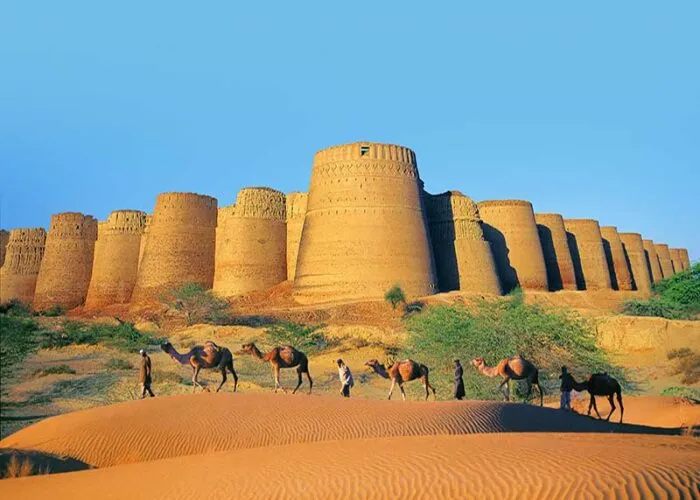
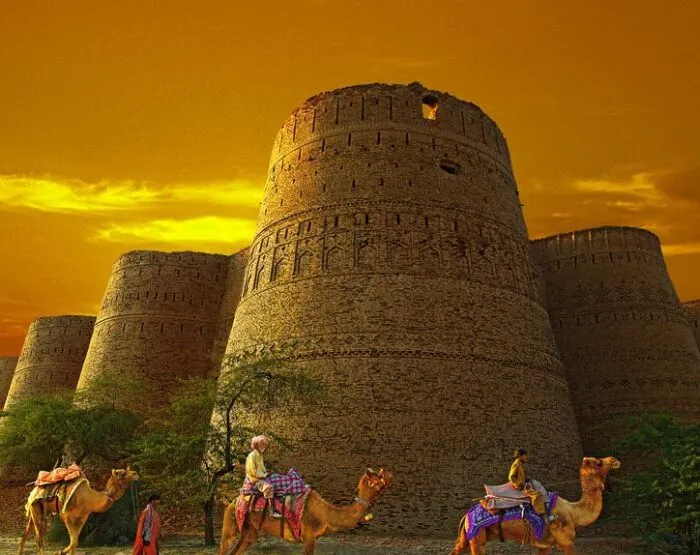
Il Pakistan è Sicuro da Visitare?
Per il nord montuoso, sì, e il divario tra reputazione e realtà è ampio. Hunza, Skardu, Gilgit e le valli Kalash accolgono ogni anno migliaia di visitatori stranieri senza registrare praticamente alcun incidente di sicurezza che coinvolga i turisti; sono tra i luoghi più sicuri in cui viaggiare in Asia meridionale, con un'accoglienza notoriamente calorosa. Le zone che richiedono davvero cautela, ossia il Balochistan, gran parte del confine afghano e la Linea di Controllo in Kashmir, sono ben lontane dalle rotte turistiche.
Un'avvertenza sincera condiziona il modo in cui pianifichiamo gli itinerari: diversi governi sconsigliano i viaggi su strada lungo il tratto della Karakoram Highway tra Mansehra e Chilas, che è la principale via di accesso terrestre al Gilgit-Baltistan. Lo aggiriamo nei nostri piani, volando da Islamabad a Gilgit o Skardu quando il meteo lo consente, oppure usando in estate la deviazione del Babusar Pass, così da evitare del tutto il tratto segnalato.
Periodo Migliore per Visitare
La stagione principale per le montagne del nord va da maggio a ottobre. Da giugno ad agosto fa più caldo e si gode del pieno accesso alle valli e ai laghi d'alta quota, al prezzo della folla di turisti locali nelle mete più gettonate. La fine di settembre e il mese di ottobre sono la scelta dei conoscitori: cieli limpidi, frutteti dorati e meno affollamento. L'inverno è dedicato allo sci a Malam Jabba e al tracciamento del leopardo delle nevi, mentre la maggior parte degli alti valichi e delle valli superiori restano chiusi sotto la neve. Chi viaggia per i festival dovrebbe puntare ai riti primaverili Kalash di maggio o al polo dello Shandur, che negli ultimi anni si è tenuto a giugno.
Denaro, Schede SIM e Spostamenti
Al nord porta con te del contante. L'accettazione delle carte è scarsa e i bancomat nel Gilgit-Baltistan sono inaffidabili, quindi preleva le rupie che ti serviranno a Islamabad prima di salire. Per una SIM locale servono il passaporto, il visto e una rapida registrazione biometrica; SCOM, venduta solo nel GB, e Jazz offrono il segnale migliore in montagna, anche se qualsiasi segnale svanisce durante i trekking più alti. L'aeroporto di accesso è Islamabad, e i voli interni per Gilgit e Skardu sono spettacolari ma dipendono dal meteo e vengono spesso cancellati, ed è per questo che ogni nostro itinerario tiene in serbo un piano via strada.
Salute, Altitudine e Assicurazione
Le vaccinazioni contro l'epatite A e il tifo sono comunemente consigliate, quella contro l'epatite B spesso aggiunta, e poiché il Pakistan rimane endemico per la poliomielite, all'uscita potrebbe esserti richiesta la prova della vaccinazione antipolio. L'altitudine è il vero fattore di salute quotidiano nei viaggi in montagna: prevediamo un acclimatamento graduale, manteniamo ritmi di salita ragionevoli e teniamo d'occhio i sintomi, ma è bene arrivare riposati e idratati. L'unico aspetto non negoziabile è un'assicurazione di viaggio che copra esplicitamente il trekking d'alta quota e l'evacuazione in elicottero. Le polizze standard escludono entrambi, e in queste montagne l'elicottero è a volte l'unico modo per scendere.
Cultura ed Etichetta
Il Pakistan è un paese conservatore e ospitale, e un po' di rispetto fa molta strada. Vesti in modo sobrio, soprattutto lontano dalle zone più liberali di Hunza e Kalash; un foulard è utile per le donne nelle moschee e nei bazar. Chiedi il permesso prima di fotografare le persone e non fotografare mai le donne senza un esplicito consenso. L'alcol è soggetto a restrizioni ed è meglio evitarlo al di fuori delle valli Kalash, dove fa parte degli usi locali. Durante il Ramadan, mangia e bevi con discrezione durante le ore diurne. Nulla di tutto ciò è gravoso, e il calore che si riceve in cambio del rispetto di queste regole è ciò che la maggior parte dei visitatori ricorda.
Domande Frequenti
Mi serve un visto per visitare il Pakistan?
Mi serve un visto per visitare il Pakistan?
Potete aiutarmi con la lettera di invito per il visto?
Potete aiutarmi con la lettera di invito per il visto?
Il Pakistan è sicuro per i turisti?
Il Pakistan è sicuro per i turisti?
Mi serve un permesso (NOC) per il Gilgit-Baltistan?
Mi serve un permesso (NOC) per il Gilgit-Baltistan?
È sicuro per le viaggiatrici sole?
È sicuro per le viaggiatrici sole?
Qual è il periodo migliore per visitare il Pakistan?
Qual è il periodo migliore per visitare il Pakistan?
Mi serve un'assicurazione di viaggio?
Mi serve un'assicurazione di viaggio?
Come arrivo alle zone settentrionali?
Come arrivo alle zone settentrionali?
Approfondimenti
Pronti per la prossima avventura?
Unisciti alla nostra comunità di esploratori e scopri il viaggio della vita. Il nostro team di esperti è pronto ad aiutarti a pianificare la tua spedizione perfetta.