Swat Valley
The Switzerland of the East
Last updated: · Reviewed by Javeed Iqbal, Founder
Duration
5-7 Days
Difficulty
Easy
Group Size
2-15 Travelers
Best Season
Mar-Nov
About This Tour
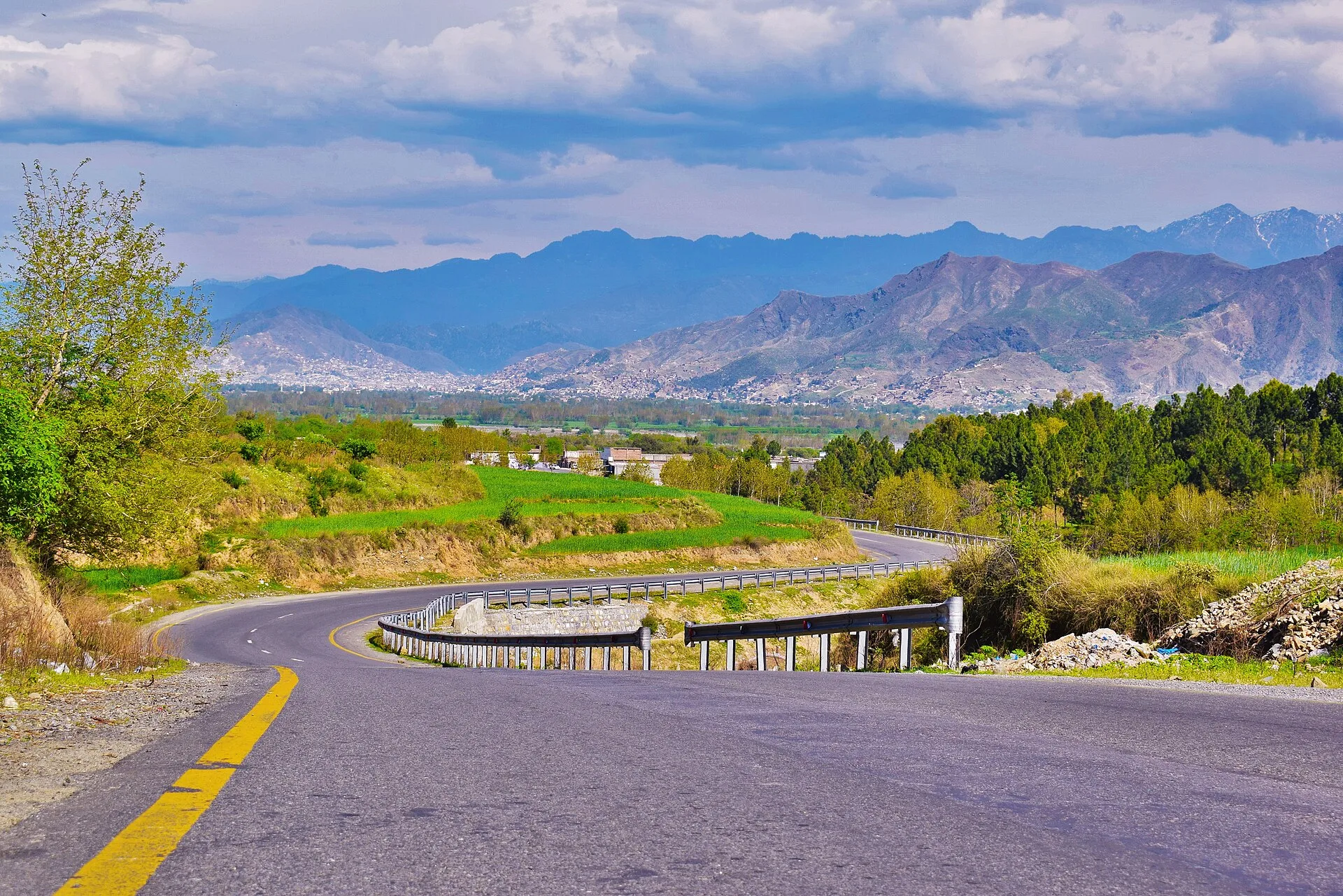
When Queen Elizabeth II visited the princely state of Swat in 1961, she is popularly said to have called it the Switzerland of the East, and from the White Palace where she stayed you can see why she might have. The Swat River runs emerald through terraced fields and deodar forest, with the Hindu Kush rising white behind. The valley climbs from Mingora at about 1,000 m to Kalam at 2,000 m and on to alpine lakes near 3,000 m, so one tour moves from orchards to pine forest to snowline in a few hours' driving.
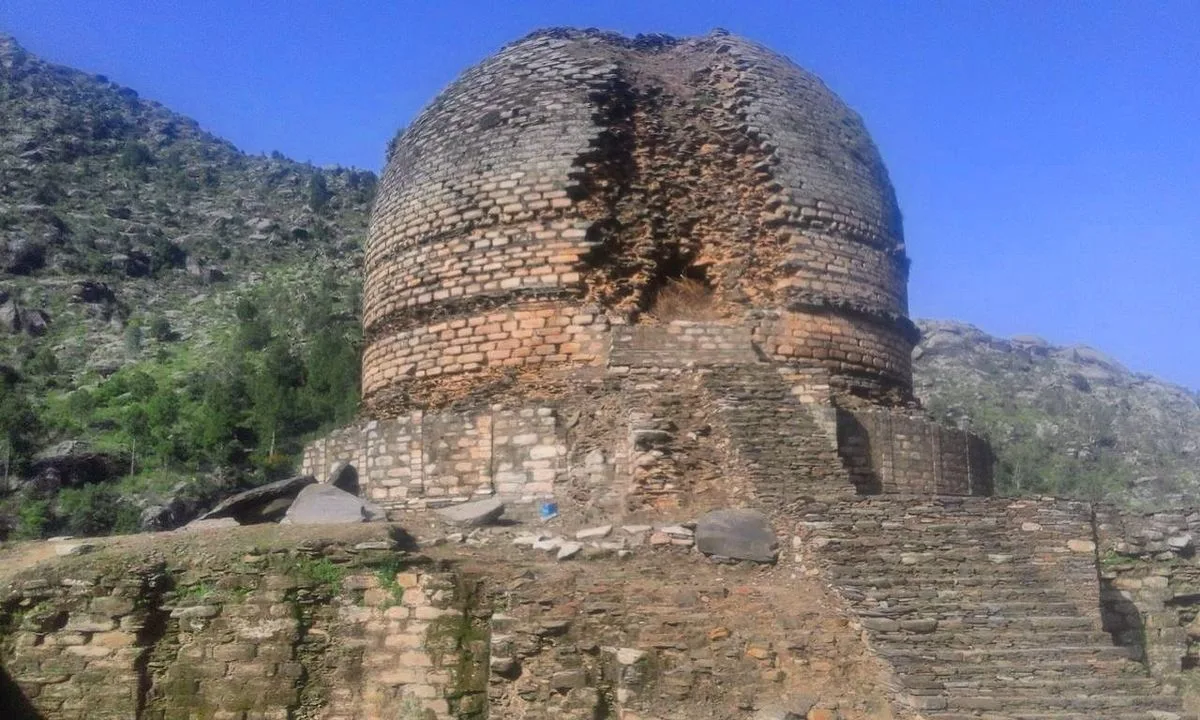
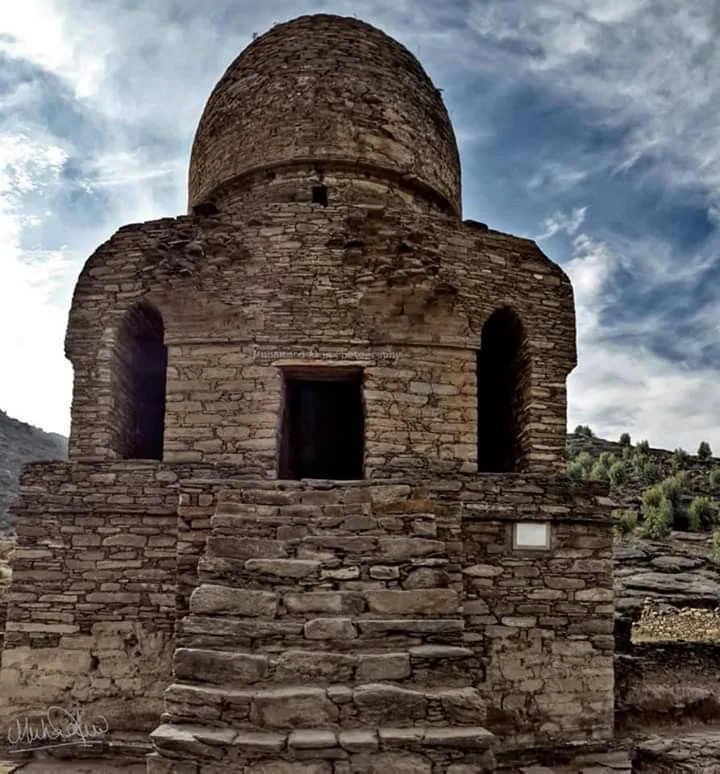
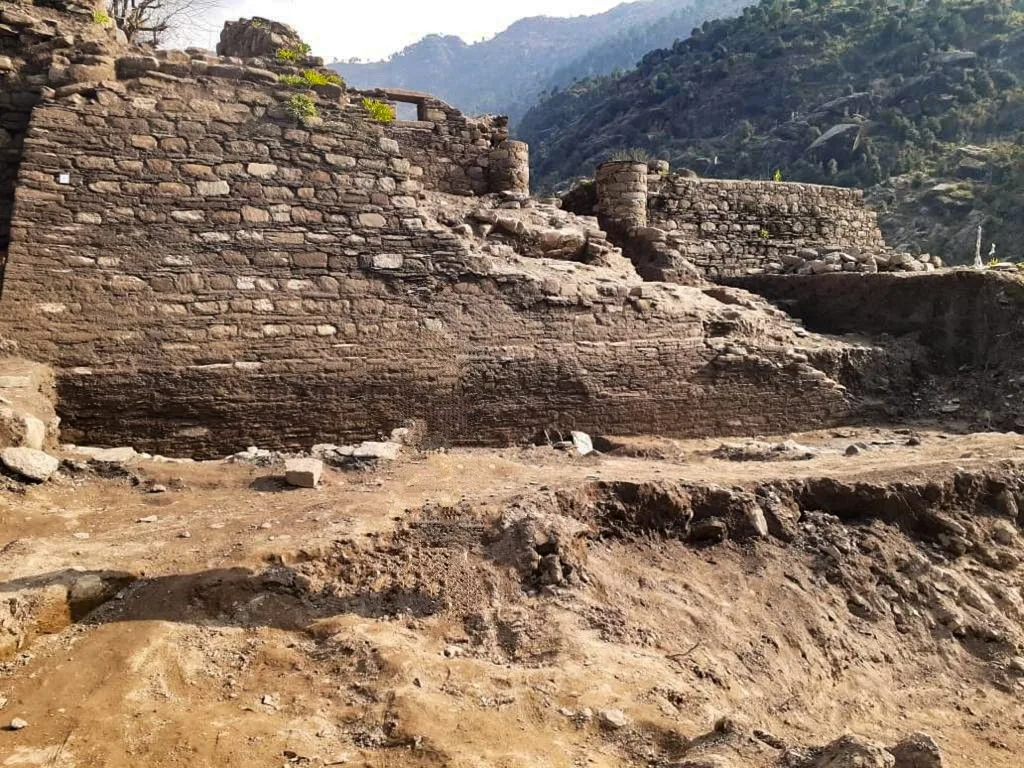
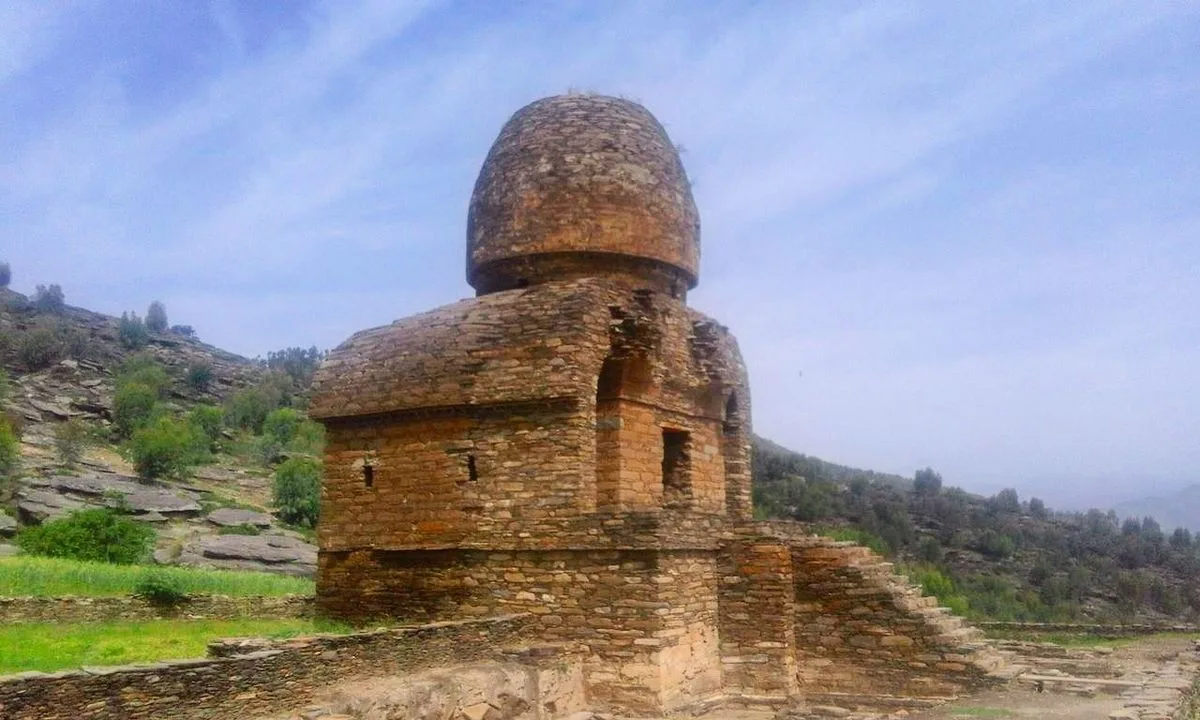
Swat was holy ground long before it was a hill station. As ancient Uddiyana, it is woven into Buddhist tradition as a homeland of the Vajrayana school, and its valley floor is studded with stupas and rock carvings: Butkara's great stupa near Saidu Sharif, enlarged five times since around the 2nd century BC, and the seated Jehanabad Buddha, dynamited in 2007 and painstakingly restored by the Italian archaeological mission that has worked in Swat since 1955. The rebuilt Swat Museum holds more than 3,000 Gandhara pieces.
Modern Swat has lived through more history than most valleys: a princely state under its own Walis until 1969, the Taliban years of 2007 to 2009, and a recovery since that has made it one of Pakistan's most visited destinations, with the motorway bringing Mingora within about four hours of Islamabad. Malam Jabba's rebuilt ski resort, the riverside bazaars of Madyan and Bahrain and the jeep track to Mahodand Lake fill the upper valley with travellers every summer.
Our 5 to 7 day discovery tour strings the valley's best together at a family-friendly pace: ruins and museum, the chairlift at Malam Jabba, trout lunches on the river, and a 4x4 day to Mahodand Lake under the Hindu Kush.
Things You'll See and Do
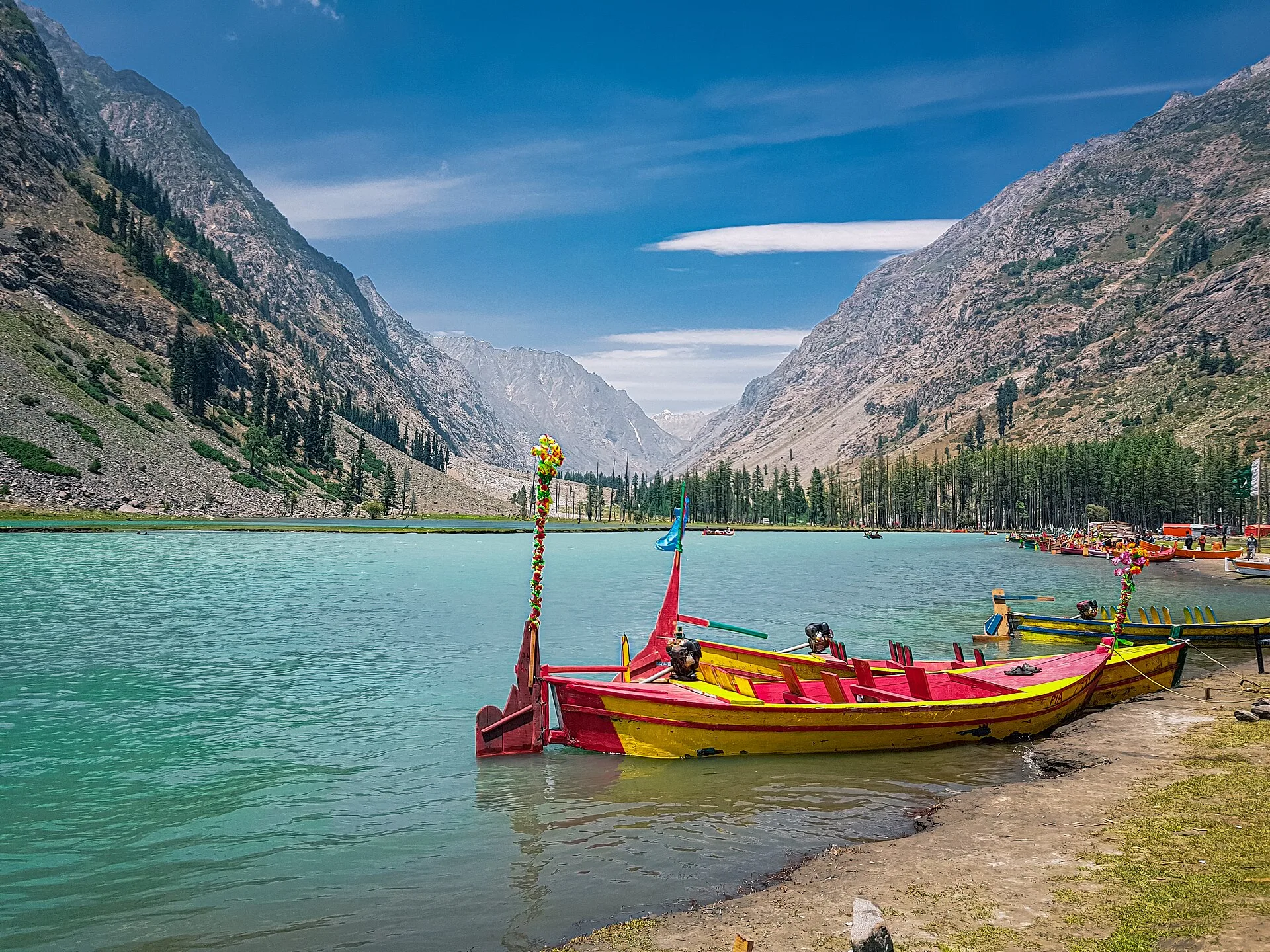
Butkara Stupa and the Swat Museum put the Buddhist centuries in your hand before you head upvalley. The White Palace at Marghazar serves tea on the lawns where royalty slept. Malam Jabba at 2,804 m runs its chairlift year-round, with skiing from December to February and Pakistan's longest zipline in summer. Madyan and Bahrain are for walking bazaars and buying shawls and carved walnut wood. Kalam opens the high valley: Ushu's pine forest, trout farms, and the jeep stage to Mahodand Lake at about 2,900 m, where you can take a boat out or just sit. Mingora's bazaar trades the emeralds the valley has mined for two thousand years.
Where is Swat Valley?
Swat Valley lies in the north of Khyber Pakhtunkhwa in Pakistan, threaded by the Swat River as it runs down from the Hindu Kush. Its main city is Mingora, with Saidu Sharif alongside, while the upper valley climbs through Bahrain and Kalam into high side-valleys such as Ushu, Utror and Gabral. Often called the Switzerland of Pakistan for its green hills and pine forests, it is about 250 km from Islamabad, roughly a four hour drive now that the Swat Motorway has cut the journey. The valley also holds deep Gandhara and Buddhist history, with ancient stupas and rock carvings scattered around Mingora.
Swat Valley Weather and Best Time to Visit
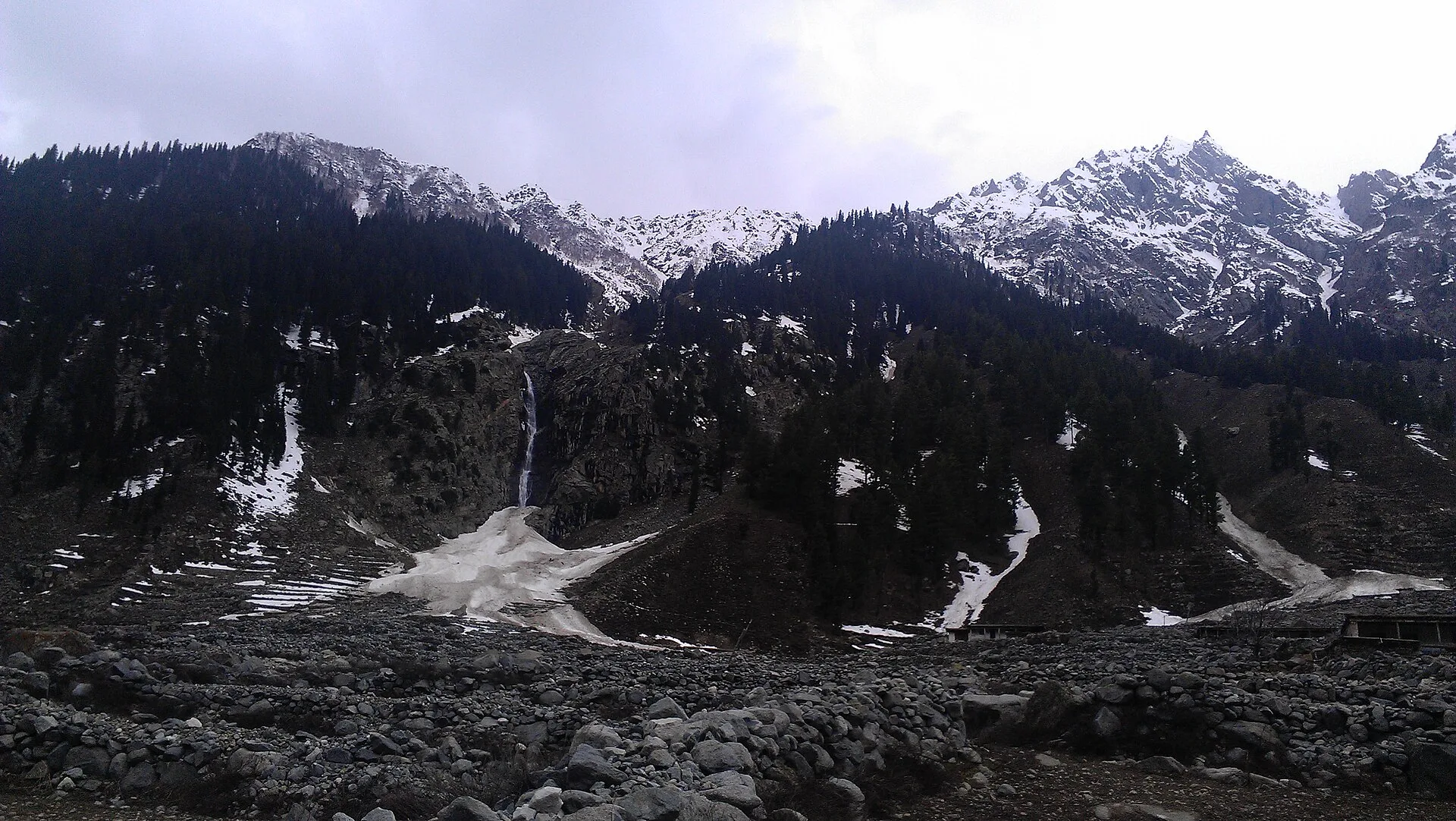
Swat has a milder, greener climate than the high deserts of Gilgit-Baltistan. The lower valley around Mingora is warm in summer, often 25 to 33°C from June to August, while upper Swat around Kalam and Malam Jabba stays cool and fresh, usually in the teens and low 20s. Spring and early summer (April to June) are lush and green; July and August are peak season and busiest; autumn is clear and calm. Winter brings snow to the upper valley, and Malam Jabba becomes Pakistan's main ski resort. For most visitors, May to September is the sweet spot.
Where to Stay in Swat Valley
Where you stay depends on how high you want to go. Mingora, the main city, has the widest range of hotels and is a practical base for the lower valley and the Buddhist heritage sites. For mountain scenery most travellers head up to Bahrain and Kalam, which have a growing choice of riverside hotels and guesthouses, or to Malam Jabba for its resort and ski slopes. Standards run from simple guesthouses to a few comfortable hotels; the best rooms fill up fast in July and August and around the winter ski season, so book ahead. On our tours we use places we know and trust.
Day-by-Day Itinerary
1Islamabad to Mingora
Islamabad to Mingora
2Marghazar & the Jehanabad Buddha
Marghazar & the Jehanabad Buddha
3Malam Jabba
Malam Jabba
4Upper Swat: Madyan & Bahrain
Upper Swat: Madyan & Bahrain
5Kalam & Mahodand Lake
Kalam & Mahodand Lake
6Return to Islamabad
Return to Islamabad
Is Swat Valley Safe?
Yes, and the question deserves a straight answer rather than a brochure dodge. Swat went through Taliban control in 2007 to 2009 and a decisive military operation that ended it; the valley has been calm ever since and now hosts on the order of a million visitors a year, overwhelmingly Pakistani families. Police checkpoints are routine, roads are busy with domestic tourists, and foreign travellers are received with the particular warmth of a place glad to be visited again. Standard mountain-travel caution applies; political caution, in practice, no longer does.
Best Time to Visit Swat
The valley works in every season, which is rare in northern Pakistan. Spring brings blossom to the lower orchards. June to August is peak domestic season, green and lively but crowded in Kalam and on the Mahodand track. September and October are the choice months for foreign visitors: clear, golden, full road access, thinner crowds. Winter belongs to Malam Jabba's ski season from December to February, while upper Kalam snows in. For the full itinerary including Mahodand, come between June and October.
Getting There
The Swat Motorway changed everything: Islamabad to Mingora is now about 250 km and four hours, paved the whole way. Above Mingora the road is good to Bahrain and rougher beyond, where the 2022 floods rewrote sections of the Kalam road; 4x4s handle the Mahodand stage. There are occasional flights to Saidu Sharif, but the road is so straightforward that nearly everyone drives.
Why Book With Us
We have run family groups through Swat since the valley reopened, and the tour is built for mixed ages: short driving days, hotels with hot water, a guide who can hold the attention of a teenager at a stupa, and drivers who treat the Kalam road with respect. Museum and site tickets, chairlift passes and the Mahodand jeep are all inside the price.
What's Included
Not Included
Frequently Asked Questions
Is Swat valley safe for tourists?
Is Swat valley safe for tourists?
Is Swat valley worth visiting?
Is Swat valley worth visiting?
How many days do you need for Swat?
How many days do you need for Swat?
What is the best time to visit Swat?
What is the best time to visit Swat?
How far is Swat from Islamabad?
How far is Swat from Islamabad?
Can you ski in Swat?
Can you ski in Swat?
What is there for children?
What is there for children?
Is Mahodand Lake always accessible?
Is Mahodand Lake always accessible?
Where is Swat Valley located?
Where is Swat Valley located?
What is the weather like in Swat Valley?
What is the weather like in Swat Valley?
What are the main places to visit in Swat Valley?
What are the main places to visit in Swat Valley?
How far is Swat Valley from Islamabad?
How far is Swat Valley from Islamabad?
Ready for Your Next Adventure?
Join our community of explorers and discover the journey of a lifetime. Our expert team is ready to help you plan your perfect expedition.