Rakaposhi Base Camp Trek (3,500m) | Go With Guide
Home
All Tours Cultural Tours Family Holidays Luxury Tours Camping Road Trips
K2 Treks Trending Treks High Passes Trekking Holidays All Treks
8000m Peaks 7000m Peaks 6000m Peaks High Passes
Cycle Touring Eco Tourism Motorcycle Touring Mountain Passes Festivals of Pakistan Ibex Hunting Snow Leopard International Travelers
About Us Vehicles Contact FAQs Blog
Plan Your Trip
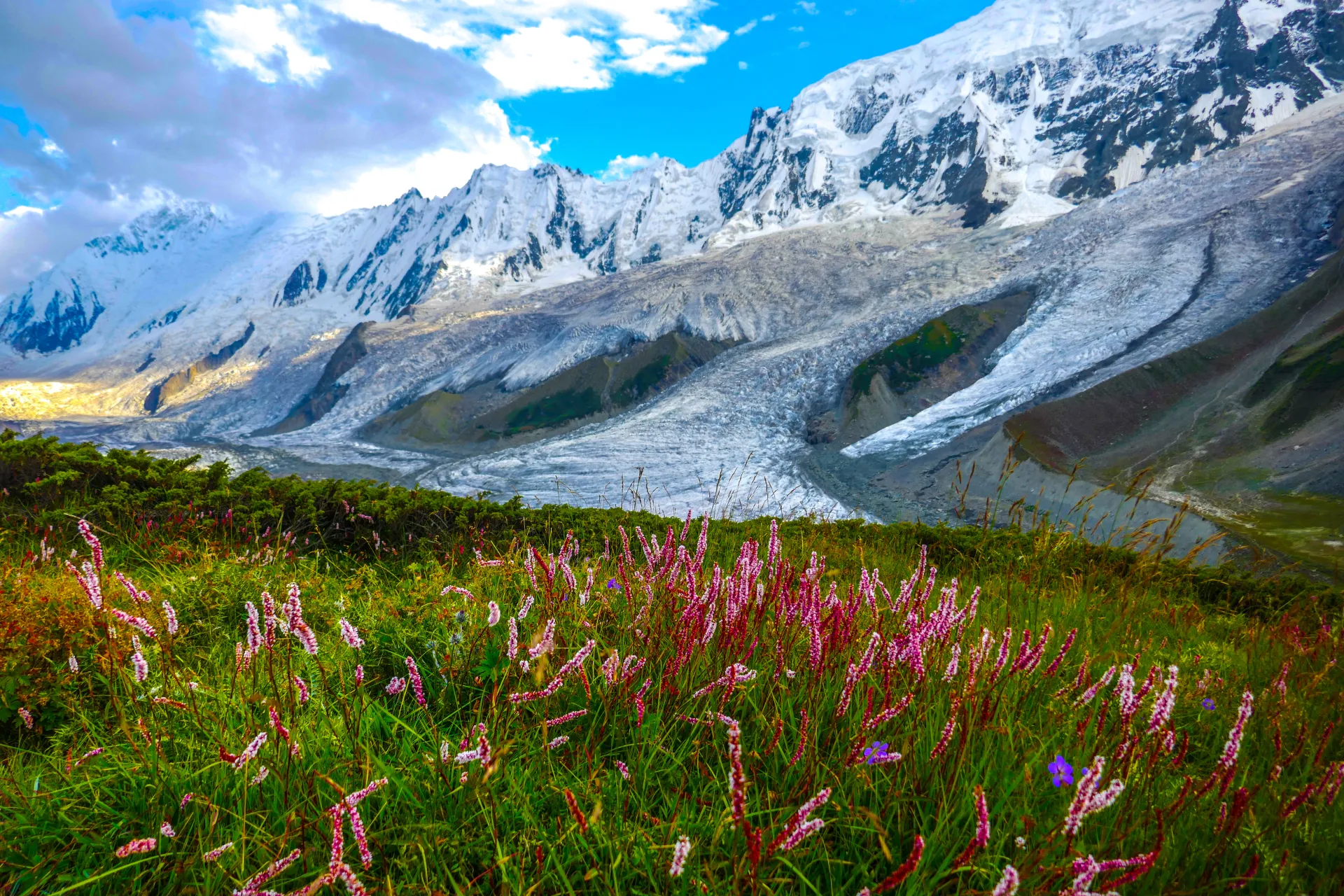
Wildflower meadow at Rakaposhi Base Camp with the glacier and the 7,788 m peak beyond
Back to Tours
Trekking Gilgit-Baltistan

Rakaposhi Base Camp Trek

A 3-day trek to the foot of the 7,788 m Rakaposhi
Wildflowers on the Rakaposhi Base Camp meadow at Tagaphari with the glacier below
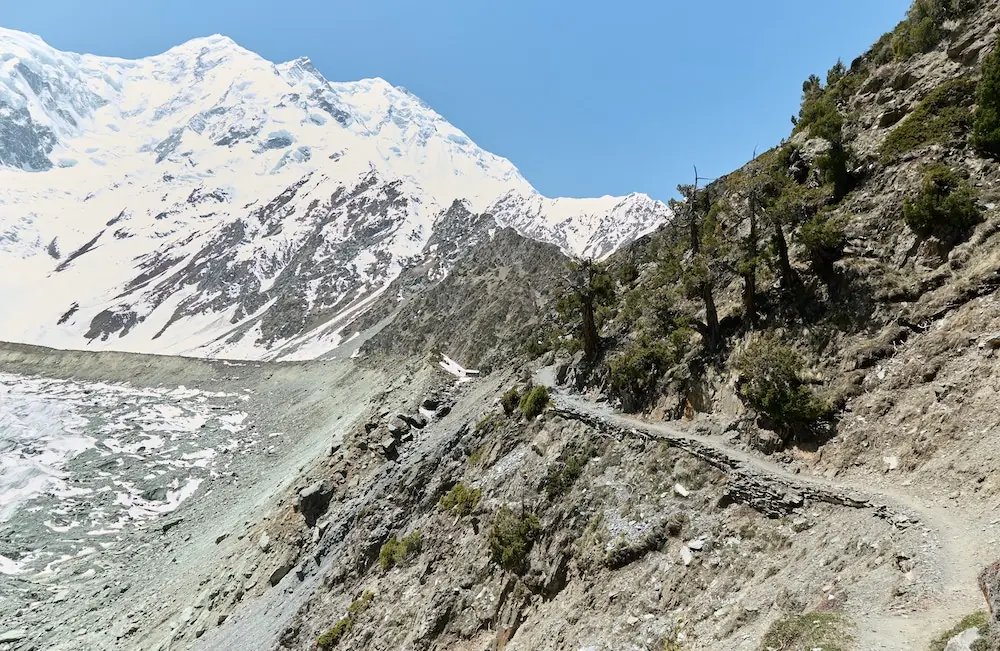
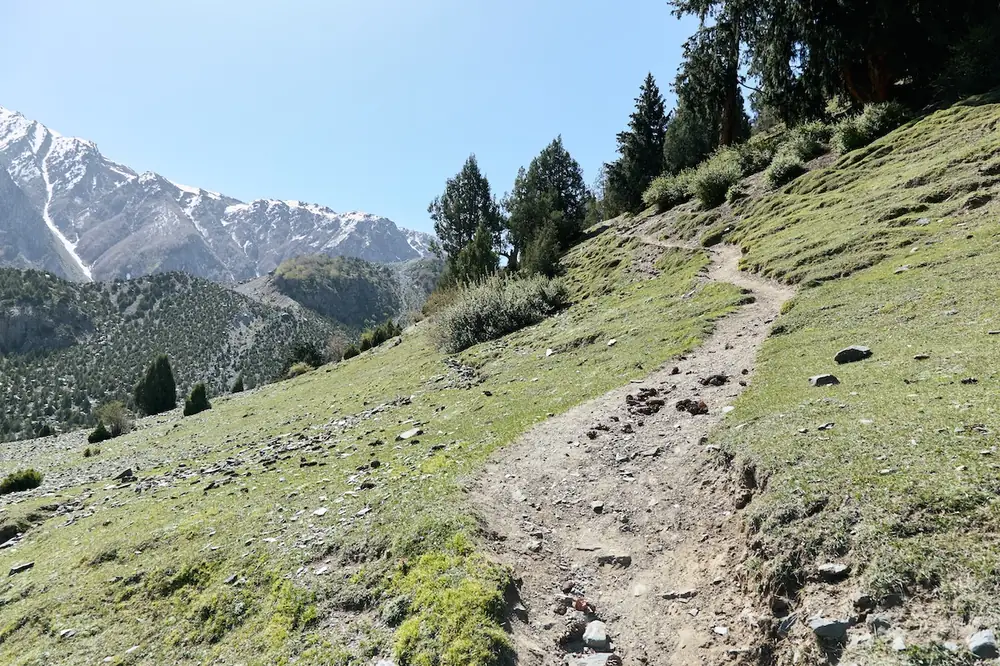
The Minapin trail climbing towards Rakaposhi Base Camp in Hunza-Nagar, Pakistan
The base camp trail beneath the snow wall of Rakaposhi, Hunza-Nagar
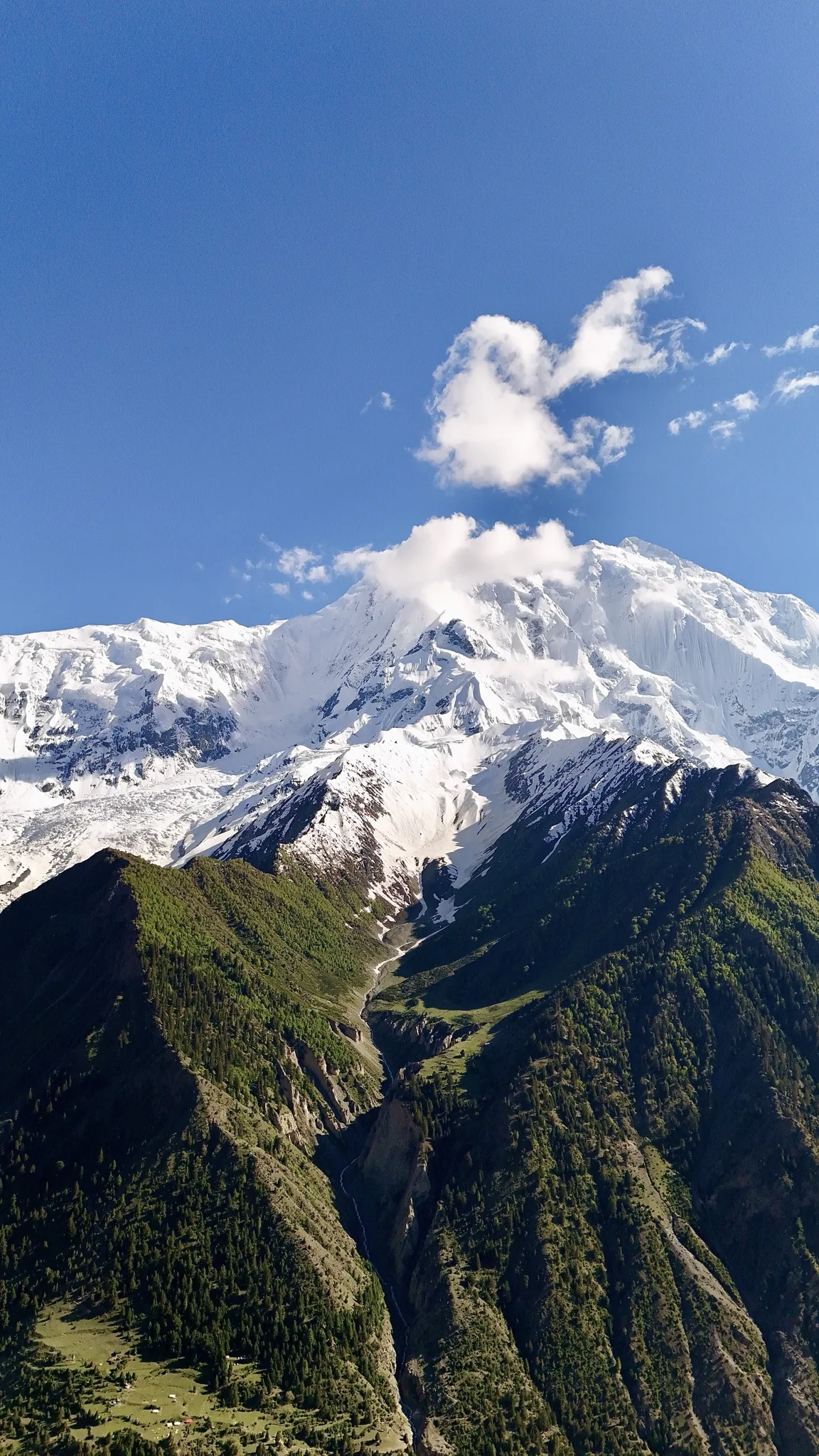
Snow-capped Rakaposhi (7,788m) towering over the green forested Nagar Valley, Hunza, Pakistan
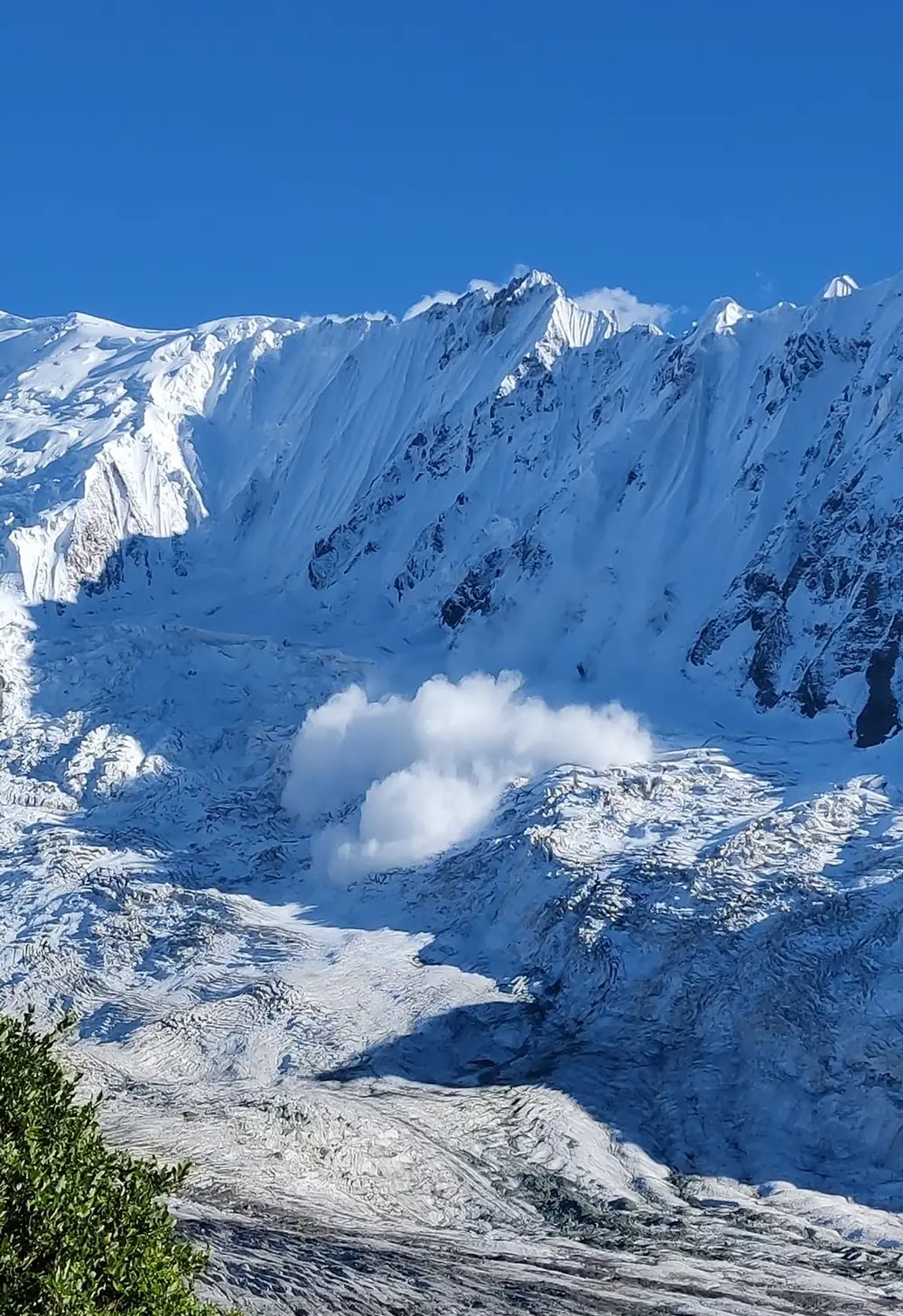
Powder avalanche breaking down the snow face above the Minapin Glacier, Nagar Valley
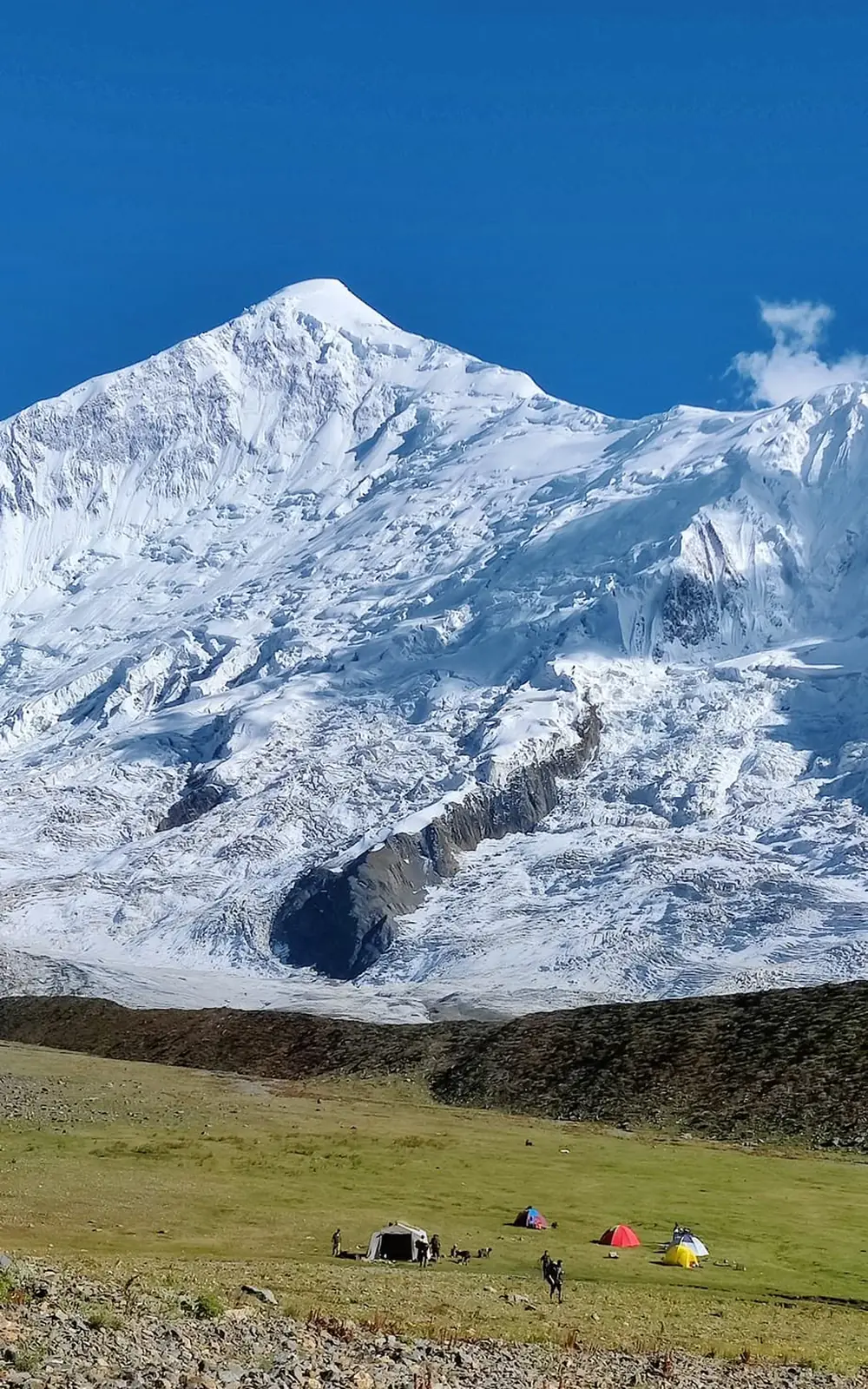
Tents on the base camp meadow at Tagaphari below the snow face, Minapin valley, Nagar
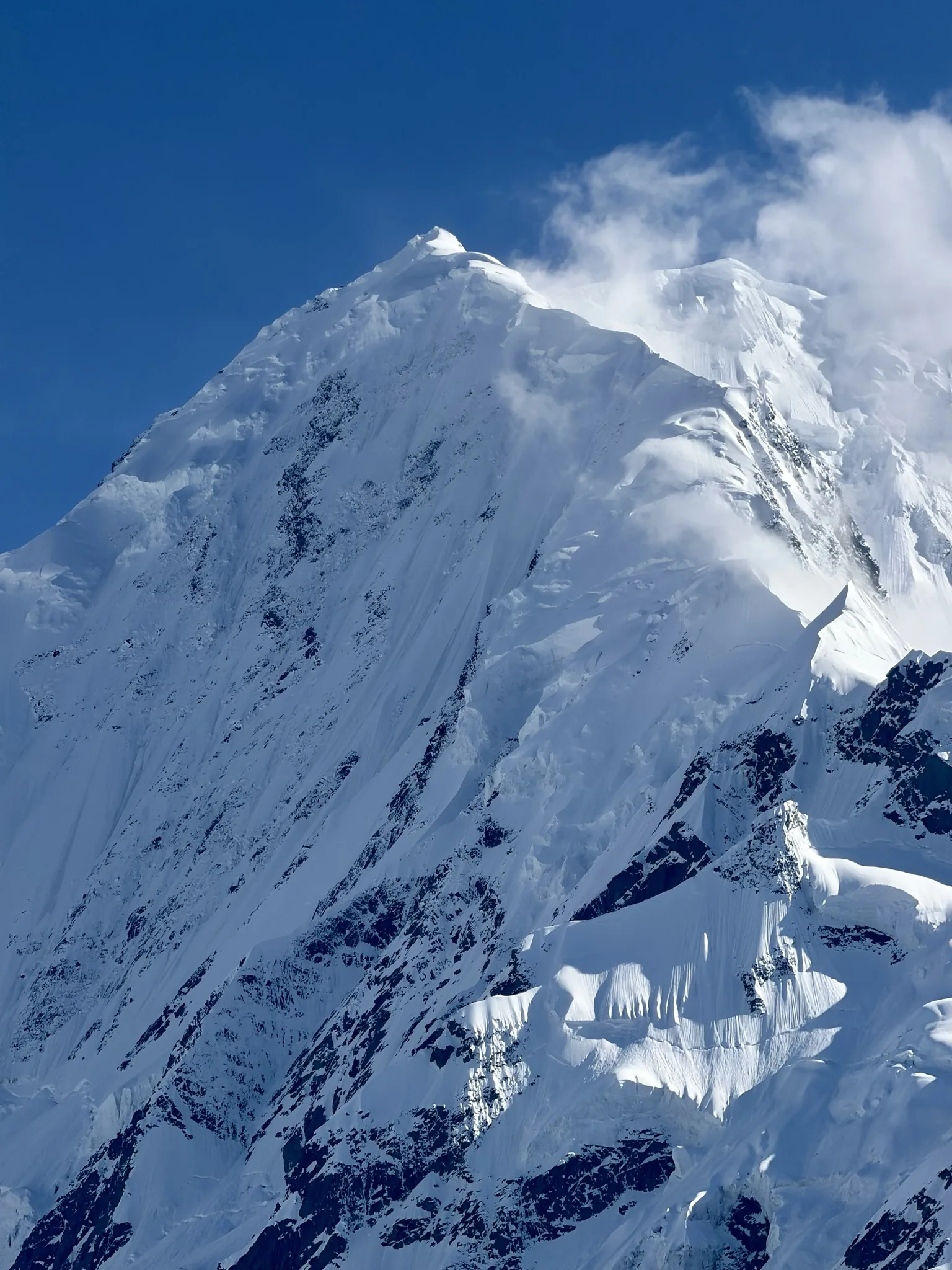
Close-up of Rakaposhi's snow-plastered summit ridge and hanging glaciers under a blue sky
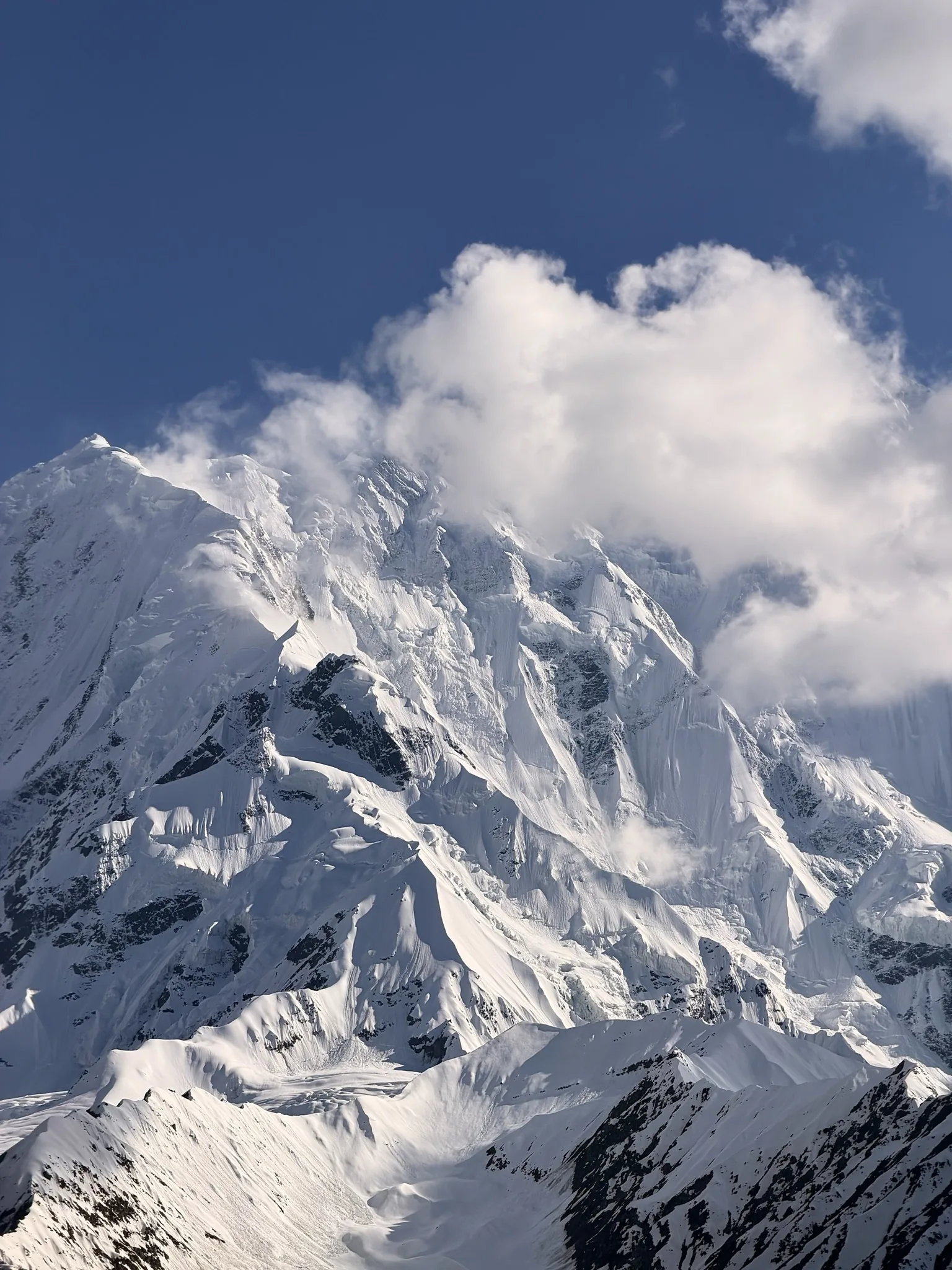
Snow-draped north face of Rakaposhi (7,788m) with clouds streaming off the summit
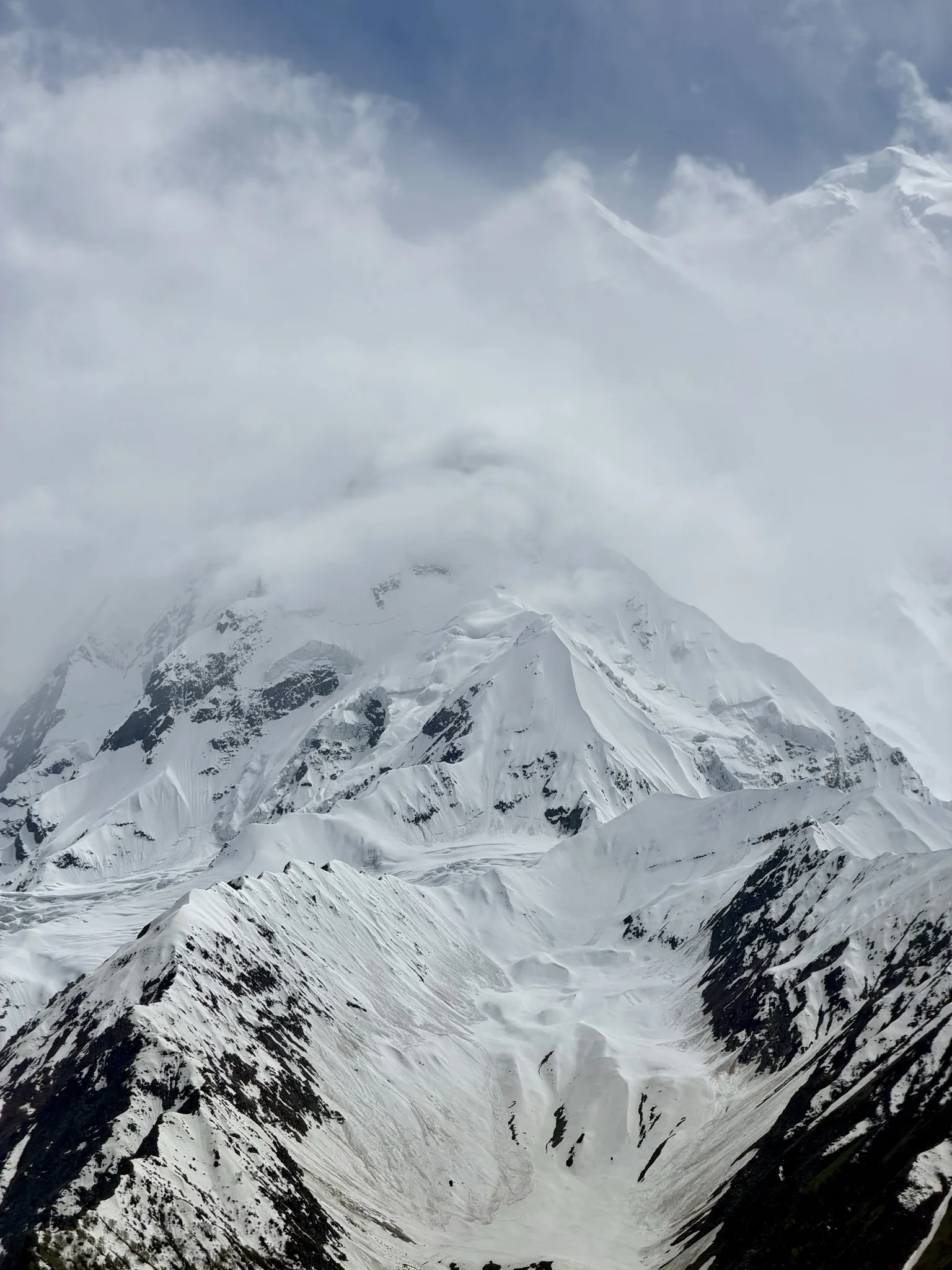
Rakaposhi's summit wreathed in cloud above steep snow slopes, Nagar Valley, Pakistan

Last updated: · Reviewed by Javeed Iqbal, Founder

Duration

3 Days

Difficulty

Moderate

Group Size

4-12 Trekkers

Best Season

Jun-Sep

About This Tour

The Rakaposhi Base Camp trek is the most rewarding short trek in the Hunza-Nagar region, a three-day walk that carries you from the apricot orchards of the Karakoram Highway up to a high meadow directly beneath the 7,788 m wall of Rakaposhi. The trail starts at Minapin village in the Nagar Valley, climbs through pine and birch forest past the herders' rest at Hapakun, and reaches the open pasture the local shepherds call Tagaphari, the spot everyone means when they say Rakaposhi Base Camp. From the meadow the mountain rises in a single sweep of ice and rock, with Diran Peak (7,266 m) standing close by across the glacier.

What makes this trek special is how much mountain you earn for how little technical effort. There is no glacier crossing, no rope work and no pass to force; the route is a steady forest and pasture walk on a well-trodden shepherds' trail. Yet on the very first day you climb from the road to a camp at around 3,300 to 3,500 m, with two seven-thousanders filling the skyline and the Minapin Glacier grinding away below your tents. Few treks in Pakistan put you this close to a giant peak this quickly.

Be honest with yourself about the effort, though. This is a moderate trek, not a stroll. The climb from Minapin to Tagaphari is a long, sustained ascent through forest with real height gain, and the thinner air above 3,000 m makes it feel harder than the distance suggests. If you walk regularly at home and take the first climb at a steady pace, you do not need any mountaineering experience to reach the base camp and stand under Rakaposhi.

Our trek runs three days from Minapin: up to Rakaposhi Base Camp on the first day, a full day exploring the glacier, and back down on the third. Licensed local guides and porters from Minapin and Nagar handle the camp, the cooking and the loads, so you carry only a daypack. For travellers who want the high Karakoram pasture without a long expedition, this is the trek we recommend first. For the bigger seven-thousander above it, see our Rakaposhi Expedition.

The Route: Minapin to Tagaphari

From Minapin village at about 2,000 m, the trail leaves the last houses and climbs steeply into mixed forest on the flank of the Minapin Glacier. The path gains height quickly, switchbacking up through pine and juniper with the glacier out of sight below, until the trees thin at the summer settlement of Hapakun around 2,800 m, a cluster of stone shepherd huts and the usual rest stop with the first clear view of Rakaposhi's summit. From here it is a steady push on to the base camp meadow.

Above Hapakun the gradient eases as the trail crosses open pasture and moraine to Tagaphari, the meadow at around 3,300 to 3,500 m that serves as Rakaposhi Base Camp and your home for two nights. Here the south face of Rakaposhi rises straight ahead and Diran Peak fills the head of the valley to the right, with the Minapin Glacier sweeping between them. The next day you walk out onto the glacier and its lateral moraine toward the Diran side for an even broader panorama before returning to camp.

Day-by-Day Itinerary

1

Minapin to Rakaposhi Base Camp (3,500m)

The trek starts at Minapin village, about 2,000 m, and climbs steadily through pine and birch forest above the Minapin Glacier, passing the shepherds' huts at Hapakun around 2,800 m for a rest and the first big view of Rakaposhi. A final push over open pasture reaches Tagaphari, the base camp meadow at around 3,300 to 3,500 m. Set up camp beneath the south face with Diran Peak across the glacier. Overnight at base camp.
2

Glacier Day at Base Camp

A full day exploring from base camp. Walk out onto the Minapin Glacier and along its lateral moraine toward the Diran side for closer views of both seven-thousanders, watch ice break from Rakaposhi's flanks, and take in one of the finest mountain amphitheatres in the Karakoram. Return to Tagaphari for a second night under the peaks.
3

Base Camp back to Minapin

Break camp and retrace the trail down through Hapakun and the forest to Minapin, mostly downhill and far quicker than the climb. The trek ends in the village, where road transport continues your onward journey.

Best Time to Trek to Rakaposhi Base Camp

The season runs from mid-May to early October, with June to September the most reliable window. In late spring and early summer the meadows at Hapakun and Tagaphari fill with wildflowers, while September brings crisp, clear air and the sharpest mountain views before the first snows. July and August are warmest and busiest, and also the monsoon fringe months when the odd cloudy spell can hide the summit, though Hunza-Nagar sits in a rain shadow and stays far drier than the south. We avoid the shoulder weeks when snow can still block the upper pasture.

Permits, Fees and Getting to Minapin

Rakaposhi Base Camp sits in the Open Zone, so there is no restricted-zone trekking permit and no peak royalty to pay; the trek is open to all nationalities without special paperwork. You pay only a small local community and campsite fee, which we arrange, and trek with a licensed guide. Getting to the trailhead is easy by Karakoram standards: Minapin lies just off the KKH about 75 to 80 km from Gilgit and under an hour from Karimabad, reached on a short side road, so there is no long or dangerous approach drive before the walk begins.

Fitness, Altitude and What to Pack

This is a moderate trek that rewards general hill fitness rather than any technical skill. The crux is the long, steep forest climb from Minapin up to the base camp on day one; once you are at Tagaphari the glacier day is gentler. Arrive used to walking uphill for several hours at a stretch. Bring sturdy boots, trekking poles for the descent, warm layers and a sleeping bag rated for sub-zero nights, since temperatures at 3,500 m drop sharply after dark even in summer. We provide tents, cooking and all group equipment; you carry only a light daypack while porters move the main loads.

Where Is Rakaposhi Base Camp and How High Is It?

Rakaposhi Base Camp is the high meadow locally known as Tagaphari, at around 3,300 to 3,500 metres in the Nagar Valley of Hunza-Nagar, Gilgit-Baltistan. It sits directly beneath Rakaposhi (7,788 m), the twenty-seventh-highest mountain in the world and one of the few that rises almost six vertical kilometres straight from the valley floor. The trek starts at Minapin village, just off the Karakoram Highway about 75 to 80 kilometres from Gilgit and under an hour from Karimabad, so there is no long or exposed jeep approach. From Minapin at roughly 2,000 metres you climb through forest past the shepherd huts at Hapakun to the base camp, a gain of about 1,300 to 1,500 metres, reaching the meadow in a single long day.

The View from Tagaphari: Rakaposhi and Diran

The reward for the climb is one of the finest short-trek views in the Karakoram. From the meadow, Rakaposhi fills the sky straight ahead, its hanging glaciers and ice cliffs close enough to hear them crack and calve through the day, while Diran Peak (7,266 m) stands across the Minapin Glacier at the head of the valley. A short walk up the moraine on the base camp day brings you level with the glacier and closer to Diran for a wider panorama of both giants. Sunrise and sunset light the Rakaposhi face pink and gold, which is why many trekkers rate the two nights at Tagaphari the highlight of a Hunza trip.

Why Book With Us

We have run treks across Gilgit-Baltistan since 2015, and on Rakaposhi we work with guides and porters from Minapin and the Nagar Valley who grew up on this mountain. They know the forest trail, the glacier and the safest camp spots, and they read the weather on Rakaposhi better than any forecast. We keep groups small, set a steady pace on the long first-day climb rather than rushing you to altitude, and tell you straight that day one is the hard part so you arrive ready. It is the short Karakoram trek we are proudest to guide.

What's Included

All camping equipment and tents
Experienced local guide and porters from Minapin
All meals during the trek
Road transport to and from the Minapin trailhead
Local community and campsite fees
Two nights camping at Rakaposhi Base Camp

Not Included

International flights
Travel insurance
Personal expenses and tips

Frequently Asked Questions

How long is the Rakaposhi Base Camp trek?

It is a three-day trek from Minapin: a long first day climbing to Rakaposhi Base Camp at Tagaphari, a full second day exploring the Minapin Glacier, and a third day walking back down to Minapin. You camp two nights at the base camp meadow. Strong, well-acclimatised trekkers sometimes do it faster, but three days lets you enjoy the glacier rather than rush it. Day one is the hard one, climbing from about 2,000 m at the village through pine and birch forest, past the shepherd huts at Hapakun, to the meadow at around 3,300 to 3,500 m. The middle day takes you out along the lateral moraine toward the Diran side. The walk down on day three is far quicker than the climb, and road transport meets you in Minapin. Because the trailhead is under an hour from Karimabad, the trek slots easily into a wider Hunza trip.

How high is Rakaposhi Base Camp?

Rakaposhi Base Camp, the meadow locally called Tagaphari, sits at around 3,300 to 3,500 m. The trek starts from Minapin village at about 2,000 m and passes the shepherd huts at Hapakun around 2,800 m on the way up, so you gain roughly 1,300 to 1,500 m from road to base camp. Rakaposhi itself rises to 7,788 m directly above. It is the twenty-seventh-highest mountain in the world and one of the few that rises almost six vertical kilometres straight from the valley floor. All of that height gain happens on the first day, which is why the thinner air above 3,000 m makes the climb feel harder than the distance suggests. We set a steady pace rather than rushing you up, and spending the second night at the same camp gives your body time to adjust before the descent.

How difficult is the Rakaposhi Base Camp trek?

It is a moderate, non-technical trek. There is no glacier crossing, ice climbing or pass to cross; the difficulty is the long, steep forest climb on day one from Minapin up to the base camp, plus the altitude at 3,500 m. If you are reasonably fit and walk regularly, you can reach base camp without any mountaineering experience. The path is a well-trodden shepherds' trail that switchbacks up through pine and juniper before easing above Hapakun onto open pasture and moraine. Expect several hours of sustained uphill walking on that first day. Once you are at Tagaphari the glacier day is gentler, and the walk down on day three is mostly downhill, so trekking poles help with the knees. Porters from Minapin carry the main loads, leaving you with a light daypack, and our guides keep the pace even so you arrive with energy left for the view.

Do I need a permit for the Rakaposhi Base Camp trek?

No. Rakaposhi Base Camp is in the Open Zone, so there is no restricted-zone trekking permit and no peak fee, and the trek is open to all nationalities. You pay only a small local community and campsite charge, which we arrange, and trek with a licensed guide. Those community and campsite fees are included in our price, along with road transport to and from the Minapin trailhead, tents and camping equipment, meals on the trek and the guide and porters. There is no special paperwork to prepare before you arrive. Things change if you want to climb the mountain itself: peaks above 6,500 m need a separate royalty permit, and an attempt on Rakaposhi at 7,788 m is a full expedition, which we run as our Rakaposhi Expedition. For the base camp walk, the lack of permits is one reason it works so well as a short trek added to a Hunza trip.

What is the best time to do the trek?

Mid-May to early October, with June to September the most reliable. Early summer brings wildflowers on the meadows; September gives the clearest air and sharpest views of Rakaposhi and Diran before the first snows. Hunza-Nagar sits in a rain shadow, so even the monsoon months stay relatively dry. July and August are the warmest and busiest months, and the odd cloudy spell on the monsoon fringe can hide the summit for a while, so a spare morning at Tagaphari helps. We avoid the shoulder weeks at either end of the season, when snow can still block the upper pasture. If flowers at Hapakun and Tagaphari are what you want, aim for late spring or early summer. If photographs of the mountain matter most, September is our pick. Whichever month you choose, nights at base camp are cold, so bring a sleeping bag rated below zero.

Where does the Rakaposhi Base Camp trek start?

It starts at Minapin village in the Nagar Valley, just off the Karakoram Highway about 75 to 80 km from Gilgit and under an hour from Karimabad in Hunza. Unlike many Karakoram treks, there is no long or exposed jeep approach: you drive almost to the trailhead and start walking from the village. Minapin sits at about 2,000 m among apricot orchards, and the trail leaves the last houses to climb steeply into forest on the flank of the Minapin Glacier. Our price includes road transport to and from the trailhead. The guides and porters we work with are from Minapin and the Nagar Valley, so they are starting from home and know the trail well. That easy access is a big part of why this is such a good short trek: you can be walking the same morning you leave Karimabad, and back in Hunza on the evening of day three.

Can you see Diran Peak from Rakaposhi Base Camp?

Yes. From the base camp meadow at Tagaphari, Rakaposhi (7,788 m) rises straight ahead and Diran Peak (7,266 m) stands across the Minapin Glacier at the head of the valley. A short walk up the moraine on the base camp day brings you closer to Diran for an even wider panorama of both giants. From the meadow, Diran fills the head of the valley to the right while Rakaposhi's south face rises in front, with the glacier sweeping between them. On day two we walk out along the lateral moraine toward the Diran side, which is where most people take their best photographs of the two peaks together. Sunrise and sunset turn both faces pink and gold. Summits can hide behind cloud for a spell in July and August, and September usually gives the clearest views, but two nights at camp gives you more than one chance.

Is the Rakaposhi Base Camp trek suitable for beginners?

Yes, for fit beginners. It is one of the best first treks in the Karakoram because it is short, non-technical and reaches a spectacular base camp in just three days. The one caution is the long first-day climb and the altitude, so come used to walking uphill and let your guide set a steady pace. You do not need any mountaineering experience, rope skills or technical equipment. What helps most is regular hill walking of several hours at a stretch in the weeks before you come, plus sturdy boots and poles for the way down. Porters carry the main loads, the camp and cooking are handled for you, and you only carry a light daypack. If you enjoy it and want something higher next, Rush Lake in the same Nagar Valley is a natural step up, reaching about 4,694 m over a longer trip.

What will I see at Rakaposhi Base Camp?

Rakaposhi (7,788 m) rises straight above the meadow, with its hanging glaciers close enough to hear, and Diran Peak (7,266 m) stands across the Minapin Glacier. You also look down the glacier and back over the Nagar Valley. The base camp day includes a short walk up the moraine for a wider view of both peaks. Through the day you hear the ice cliffs on Rakaposhi's flanks crack and calve, and on the glacier day you can watch ice break away from the face. The meadow itself is open pasture, green in summer and full of wildflowers early in the season. On the way up, the shepherd huts at Hapakun give you the first clear view of Rakaposhi's summit. Many trekkers say the two nights at Tagaphari are the highlight of their whole Hunza trip, and the evening light on the mountain is usually why.

How cold does it get at Rakaposhi Base Camp?

Summer days at 3,500 m are mild and often sunny, but nights drop sharply, close to or below freezing even in July and August. Bring a sleeping bag rated for sub-zero nights and warm layers. Hunza-Nagar sits in a rain shadow, so it stays relatively dry, but afternoon cloud can roll up the valley and cool things fast. The contrast catches people out, because Minapin, at about 2,000 m among the apricot orchards, can feel warm when you set off. A down jacket, hat and gloves for evenings at camp are worth their weight, and a waterproof shell covers the odd shower. September brings crisp, clear air, and the shoulder weeks at either end of the season can still have snow on the upper pasture. We provide the tents and all group equipment, so your own packing can focus on personal warmth and good boots.

Can I trek to Rakaposhi Base Camp in a day?

Very fit, acclimatised trekkers do reach Tagaphari from Minapin in one long day, but we run it as a three-day trip with two nights at base camp. That gives you time to explore the Minapin Glacier, catch sunrise and sunset on Rakaposhi, and acclimatise, rather than turning a spectacular meadow into a rushed up-and-down. Going up and back in a day would mean gaining roughly 1,300 to 1,500 m and then descending the same steep forest trail on tired legs, which is hard on the knees and leaves almost no time at the top. Cloud can also hide the summit for a few hours, and on a quick visit you may miss the view entirely. If your schedule is tight, tell us and we will talk through what is realistic, but the full three days is what we recommend and what our price is built around.

Is Rakaposhi Base Camp the same as Diran Base Camp?

They are close but not identical. The Tagaphari meadow is the standard Rakaposhi Base Camp, and Diran's base camp lies a little further up the same Minapin Glacier system. From Tagaphari you can walk toward Diran on the base camp day, which is why the two are often grouped together as the Minapin trek. Tagaphari, at around 3,300 to 3,500 m, is where you camp for both nights on our trip. Diran Peak (7,266 m) stands across the glacier at the head of the valley, and our second-day walk follows the lateral moraine toward it for closer views. Climbing Diran itself is a separate expedition rather than part of this trek. For this three-day itinerary, Tagaphari is as far as you need to go to see both mountains well, and the moraine walk adds the closer look at Diran without moving camp.

From

$1,100

per person

* Prices may vary. Contact us for accurate, customized pricing.

Duration3 Days
DifficultyModerate
Group Size4-12 Trekkers
Best SeasonJun-Sep
Max Altitude3,500m
Book This Tour Ask a Question

Free cancellation up to 30 days before departure

Ready for Your Next Adventure?

Join our community of explorers and discover the journey of a lifetime. Our expert team is ready to help you plan your perfect expedition.