Snow Leopard Sighting
Witness the Ghost of the Mountains
Where can you see a snow leopard in Pakistan? In Khunjerab National Park above Hunza, Central Karakoram National Park and Chitral Gol National Park, strongholds of Pakistan's estimated 155 to 167 snow leopards. November to February gives the best chance, when the cats descend to lower altitudes. Our snow leopard tracking tours run 7, 12 or 18 days, from $3,200 per person; a sighting is never guaranteed.
The Legend
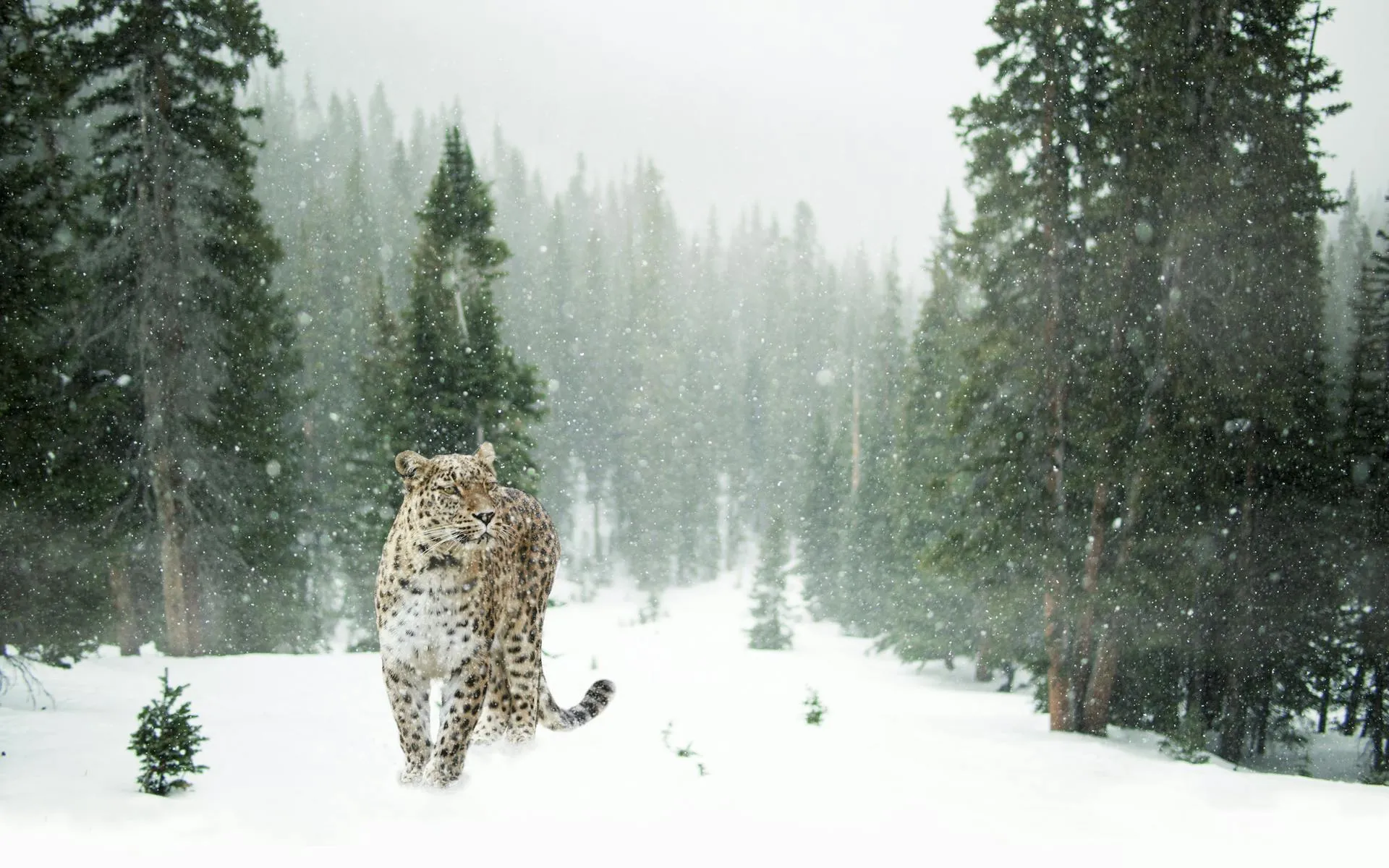
The snow leopard (Panthera uncia) roams the high-altitude terrain of Pakistan's northern ranges, one of the rarest and most elusive big cats on Earth. With an estimated 155 to 167 snow leopards left in Pakistan, a verified sighting is a once-in-a-lifetime privilege. Our expert naturalists and community trackers have spent years mapping movement corridors to maximise every guest's chance of an encounter.
What to Expect
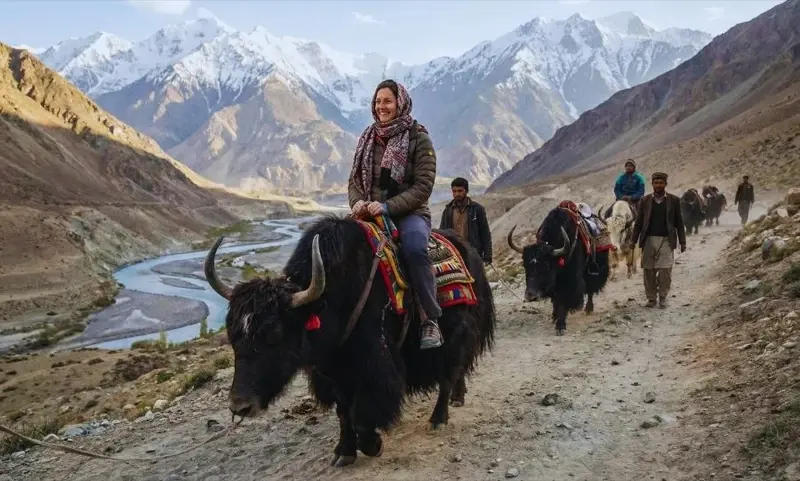
Sighting is never guaranteed: that is the nature of wild encounters. However, the landscape, culture, bird life, and wilderness experience are extraordinary regardless. Most expeditions also see bharal (blue sheep) and golden eagles, and many see Himalayan wolves or Marco Polo sheep.
Responsible Wildlife Tourism
No baiting. No disturbance to dens. 15% of trip revenue funds snow leopard conservation. Community guides trained and employed locally.
Trip Packages
2 pax minimum. Solo supplement: +30%.
* Prices may vary. Contact us for accurate, customized pricing.
Best Season Timeline
Winter (Nov to Feb)
Leopards descend to lower altitudes: peak sighting probability
Spring (Mar to Apr)
Cubs possible, moderate terrain conditions
Autumn (Sep to Oct)
Bharal herds attract leopards to grazing corridors
Pakistan's Snow Leopard Population
Pakistan is home to an estimated 155 to 167 snow leopards (Panthera uncia). Approximately 80% of Pakistan's snow leopard population resides in Gilgit-Baltistan, with the Karakoram-Pamir region serving as the primary stronghold, followed by the Hindu Kush and Himalayan ranges.
The first nationwide scientific census was completed in 2024/2025 using advanced camera trapping and spatial capture-recapture methods across all known snow leopard habitats. Pakistan is one of 12 range countries for this endangered species, and the data from this census is now informing conservation strategy across the entire snow leopard range.
155-167
Estimated Snow Leopards in Pakistan
80%
Population in Gilgit-Baltistan
4th
Largest Snow Leopard Country Globally
12
Snow Leopard Range Countries Worldwide
Where to See Snow Leopards in Pakistan
Pakistan offers some of the most accessible snow leopard tracking in all of Central and South Asia. Here are the top locations for snow leopard sighting in Pakistan.
Khunjerab National Park
The best-studied snow leopard population in Pakistan. Camera traps here have famously captured 3 snow leopards in a single frame, an extraordinarily rare event anywhere in the world. The park spans altitudes of 3,200 to 5,800m along the Karakoram Highway near the China border.
Central Karakoram National Park
One of Asia's largest protected areas, the Central Karakoram National Park encompasses vast glaciers, rocky slopes, and remote valleys that provide pristine snow leopard habitat. The park's remoteness means fewer visitors and undisturbed wildlife corridors, ideal for serious snow leopard photography tours in Pakistan.
Chitral Gol National Park
A landmark location for snow leopard conservation in Pakistan. The first GPS satellite collar was fitted on a Pakistani snow leopard here in 2006, enabling researchers to track movement patterns across the Hindu Kush. Chitral Gol is also home to the endangered markhor (Pakistan's national animal) and the elusive Himalayan lynx.
Lot Koh Valley, Chitral
Recent rare sightings in Lot Koh Valley have confirmed that snow leopards are returning to their historical habitat near village settlements. This is an encouraging sign for conservation and offers a unique snow leopard tracking experience in Pakistan where wildlife and traditional mountain communities coexist.
Boibar & Shahkatar Valleys
These valleys in Chitral District offer guided snow leopard tracking tours from May to October, led by experienced local researchers and community wildlife guardians. The terrain combines alpine meadows with steep rocky escarpments, classic snow leopard country where pugmarks and scrape marks are regularly found.
Best Time for Snow Leopard Tracking in Pakistan
Peak Season: November to February
Winter is the prime time for snow leopard sighting in Pakistan. As heavy snowfall blankets higher elevations, snow leopards descend to lower altitudes (2,800 to 3,500m) following their prey: bharal (blue sheep) and Himalayan ibex. Fresh snow also makes tracking pugmarks and movement corridors significantly easier. This is when the highest concentration of verified sightings occurs across Khunjerab, Chitral, and the Karambar Lake region.
Cubs Season: January to March
Snow leopard cubs born the previous summer are still accompanying their mothers during these months. Sightings of females with cubs are rare but not impossible, particularly around den sites that have been identified through long-term camera trap monitoring.
Shoulder Season: Spring & Autumn
Spring (March to April) and autumn (September to October) offer moderate weather conditions with good sighting chances along grazing corridors where prey concentrates. These months suit travellers who prefer milder temperatures while still having realistic snow leopard tracking opportunities.
Trip Duration & Timing Tips
Stay a minimum of 7 days for a reasonable chance of a snow leopard sighting; 10+ days is recommended for the highest probability. Pre-dawn and dusk are the prime viewing hours when snow leopards are most active. Patience is essential: this is a wild animal encounter, not a zoo visit.
What You'll See Besides Snow Leopards
Even without a leopard sighting, the wildlife and landscapes of Pakistan's northern ranges are extraordinary.
Mammals
Bharal (blue sheep), Himalayan ibex, Marco Polo sheep, Himalayan wolves, red foxes, golden marmots
Birds
Golden eagles, lammergeier (bearded vulture), snow partridge, Himalayan griffon, chukar partridge, exceptional subjects for bird photographers
Landscapes
World-class mountain scenery: Karakoram glaciers, Hindu Kush ridgelines, high-altitude alpine meadows, frozen rivers, and some of the most dramatic valleys on Earth
Conservation & Community Impact
Your snow leopard expedition directly supports the communities and conservation programs protecting Panthera uncia in Pakistan.
Community Wildlife Guardians
Local villagers across Gilgit-Baltistan and Chitral are recruited and trained as community wildlife guardians. These guardians monitor snow leopard movements, maintain camera trap networks, and serve as expert tracking guides for visiting expeditions. Tourism provides their primary income, creating a direct economic incentive for conservation.
Predator-Proof Corrals & Livestock Compensation
Predator-proof livestock corrals have been built across Gilgit-Baltistan to reduce human-wildlife conflict. SKIDO's permit fee allocation channels funds directly into livestock compensation programs, ensuring that herders who lose animals to snow leopards are fairly compensated, removing the incentive for retaliatory killing.
Research & Monitoring
The Snow Leopard Foundation Pakistan leads long-term research programs including camera trap monitoring networks, GPS satellite collaring, and spatial capture-recapture population studies. Tourism revenue directly supports these scientific efforts that are critical to understanding and protecting Pakistan's snow leopard population.
Our Commitment
No baiting. No den disturbance. Responsible wildlife tourism only. Every expedition follows strict ethical guidelines developed in partnership with conservation organisations. 15% of trip revenue is allocated directly to snow leopard conservation programmes in Pakistan.
Snow Leopard Pakistan: Frequently Asked Questions
How many snow leopards are in Pakistan?
Pakistan is home to an estimated 155 to 167 snow leopards (Panthera uncia), according to the first nationwide scientific census, completed in 2024/2025. Researchers used camera trapping and spatial capture-recapture methods across all known snow leopard habitats to reach this figure. Approximately 80% of these cats live in Gilgit-Baltistan, where the Karakoram-Pamir region is the primary stronghold, followed by the Hindu Kush and Himalayan ranges. Pakistan is one of 12 range countries for this endangered species, and the census data now informs conservation strategy across the whole range. With numbers this low, every verified sighting is a rare privilege. The Snow Leopard Foundation Pakistan continues long-term monitoring with camera trap networks and GPS satellite collaring, and community wildlife guardians help maintain those camera traps. On our tours, 15% of trip revenue goes to snow leopard conservation programmes in Pakistan, so each expedition supports the population you hope to see.
What is the best time to see snow leopards in Pakistan?
The best time to see snow leopards in Pakistan is winter, from November to February, when sighting probability peaks. Heavy snowfall at higher elevations pushes the cats down to lower altitudes of 2,800 to 3,500m as they follow their prey, bharal (blue sheep) and Himalayan ibex. Fresh snow also makes pugmarks and movement corridors much easier to track. January to March is cub season, when cubs born the previous summer still travel with their mothers; sightings of females with cubs are rare but possible. Spring (March to April) and autumn (September to October) offer milder weather and realistic chances along grazing corridors where bharal herds gather. In the Boibar and Shahkatar valleys of Chitral, guided tracking runs from May to October. Whatever the month, pre-dawn and dusk are the prime viewing hours, when snow leopards are most active, so expect early starts and long, patient waits in the cold.
How long should a snow leopard tracking trip be?
A snow leopard tracking trip should last at least 7 days for a reasonable chance of a sighting, and 10 or more days is recommended for the highest probability. Longer trips give you time to cover several tracking zones and to wait for the right conditions. Our three packages reflect this. The Explorer covers 1 zone in 7 days for $3,200 per person. The Tracker covers 2 zones in 12 days for $5,800 per person. The Naturalist covers 3 zones in 18 days for $9,500 per person and suits serious wildlife enthusiasts who want to maximise their chances. All packages require a minimum of 2 guests, and solo travellers pay a 30% supplement. A sighting is never guaranteed, but most expeditions also see bharal (blue sheep), golden eagles, Himalayan wolves and Marco Polo sheep, plus world-class mountain scenery in the Karakoram and Hindu Kush.
Where is the best place to see snow leopards in Pakistan?
The best places to see snow leopards in Pakistan are Khunjerab National Park and the Karambar Lake region, which have the highest sighting frequency. Khunjerab, reached from Karimabad in the Hunza Valley, holds the best-studied population, and its camera traps once captured 3 snow leopards in a single frame. The park spans 3,200 to 5,800m along the Karakoram Highway near the China border, and December to March are its best months. Karambar Lake offers remote, pristine habitat at 4,200 to 5,500m. Central Karakoram National Park, accessed from Skardu or Askole, protects vast glaciers and undisturbed wildlife corridors. In the Hindu Kush, Chitral Gol National Park is excellent from November to February and also shelters markhor and Himalayan lynx. Near Chitral, Lot Koh Valley has recorded rare sightings close to villages, while the Boibar and Shahkatar valleys offer guided tracking with local researchers.
Is snow leopard tracking safe?
Yes, snow leopard tracking in Pakistan is safe when you travel with experienced guides. Snow leopards are extremely shy and actively avoid humans, and there are no recorded attacks on people. Our expeditions are led by trained naturalists and community wildlife guardians, local villagers from Gilgit-Baltistan and Chitral who monitor snow leopard movements, maintain camera trap networks and know the terrain intimately. The real challenges are weather and altitude. Winter, the peak season, brings harsh conditions, temperatures regularly drop below -15°C, and some habitat lies above 4,000m, so proper cold-weather gear is essential. We also follow strict ethical rules that protect the animals: no baiting and no disturbance to dens. Keeping a respectful distance makes tracking safe for both visitors and leopards. Patience matters too, because this is a wild animal encounter, not a zoo visit, and the best viewing hours are pre-dawn and dusk.
What camera equipment should I bring for a snow leopard photography tour?
Bring a 600mm or longer telephoto lens for a snow leopard photography tour, because sightings in Pakistan usually happen at considerable distance. A sturdy tripod is essential for stability during long observation sessions in cold, windy conditions. All equipment must be weatherproof or protected with rain covers, since temperatures regularly drop below -15°C. Pack plenty of extra batteries, as the cold drains them rapidly. A good spotting scope helps you locate leopards before committing to a camera position. Pre-dawn and dusk are the prime viewing hours, so be ready for low light. Your kit will be busy beyond the big cat: golden eagles, lammergeier (bearded vulture), Himalayan griffon and snow partridge are exceptional subjects for bird photographers, while Karakoram glaciers and Hindu Kush ridgelines offer world-class landscapes. The undisturbed corridors of Central Karakoram National Park are ideal for serious snow leopard photography tours.
Start Your Journey
Tell us about your trip
No commitment: we'll send back a free itinerary.
Related Reading
Route guides, seasons and practical advice from our team in Gilgit-Baltistan.
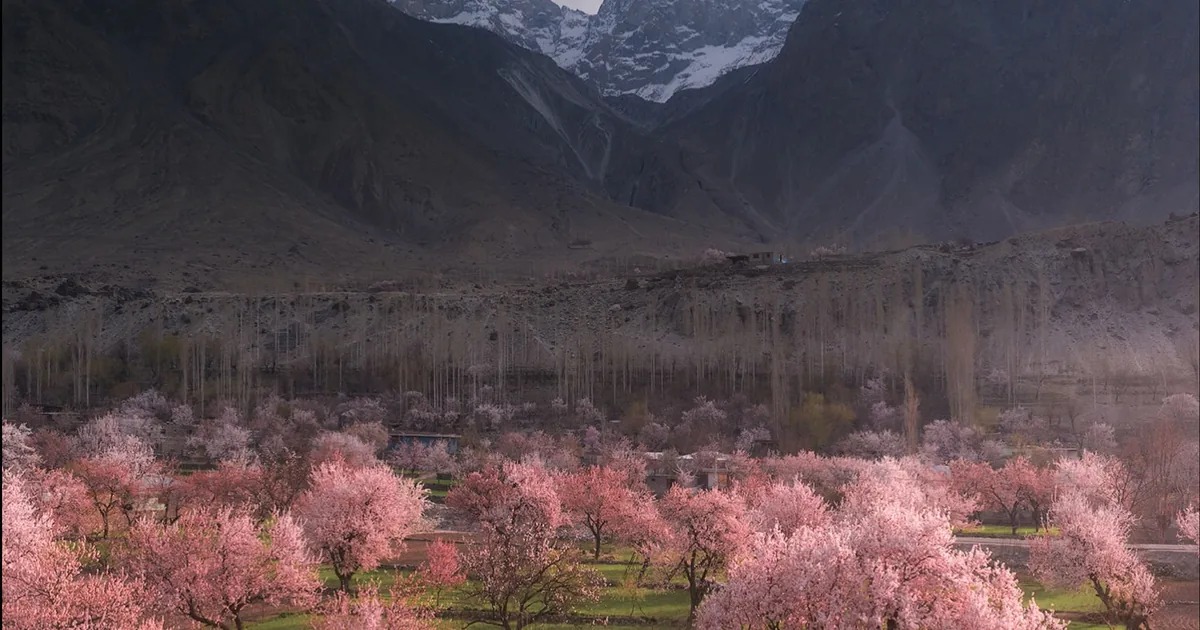
Hunza Valley Tour Packages: Costs & Itineraries (2026)
What a Hunza package includes, real 2026 costs in rupees and dollars, sample 5 and 7-day itineraries, the best time to go, and how to book.
Read the full guide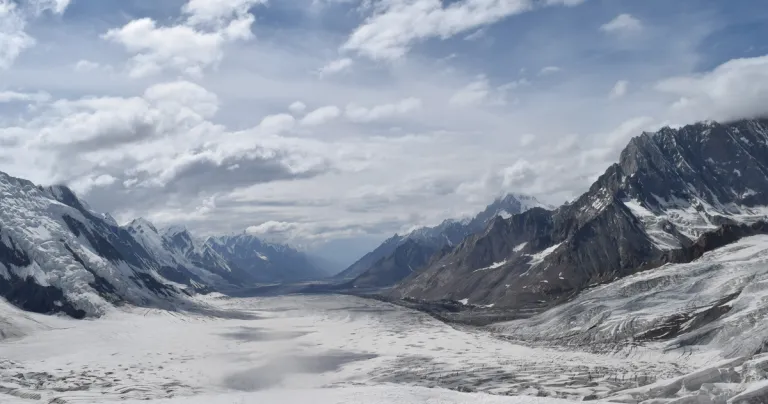
Biafo Hispar Trek: Snow Lake and Hispar La
Askole to Hispar village over Snow Lake and the Hispar La: about 100 km of glacier, the 13 stages with altitudes, the permit position, the July-August window and the cost.
Read the full guide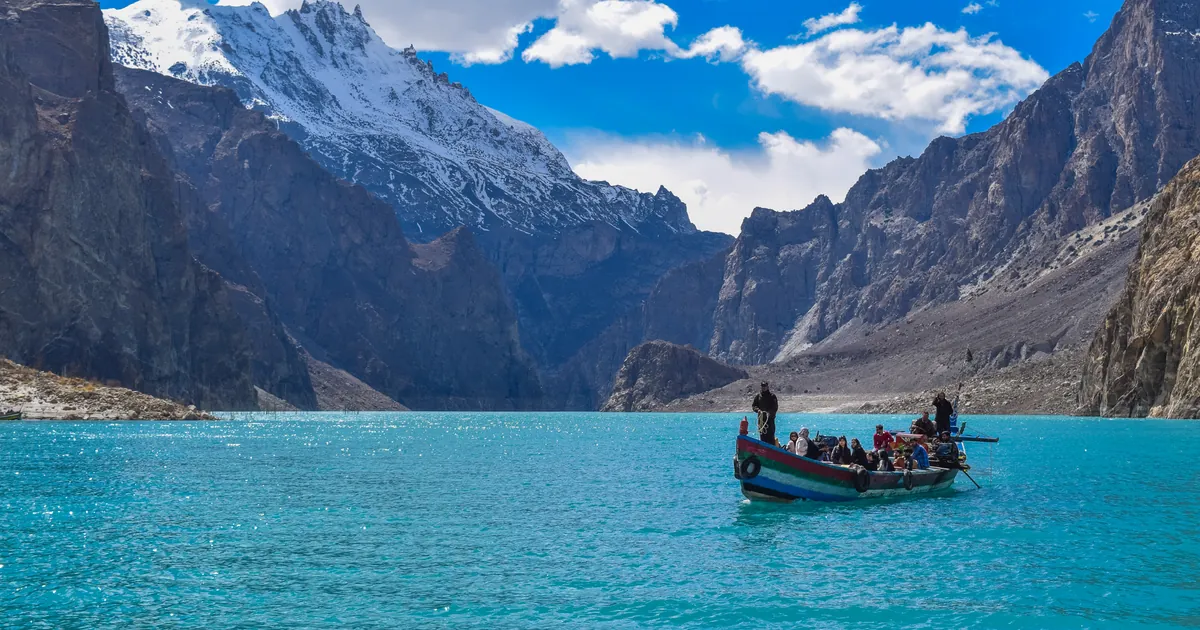
10 Famous Lakes in Gilgit Baltistan
Attabad, the Kachura lakes, Satpara, Sheosar, Rush, Karambar and more: altitude, access, best months and how to combine them.
Read the full guide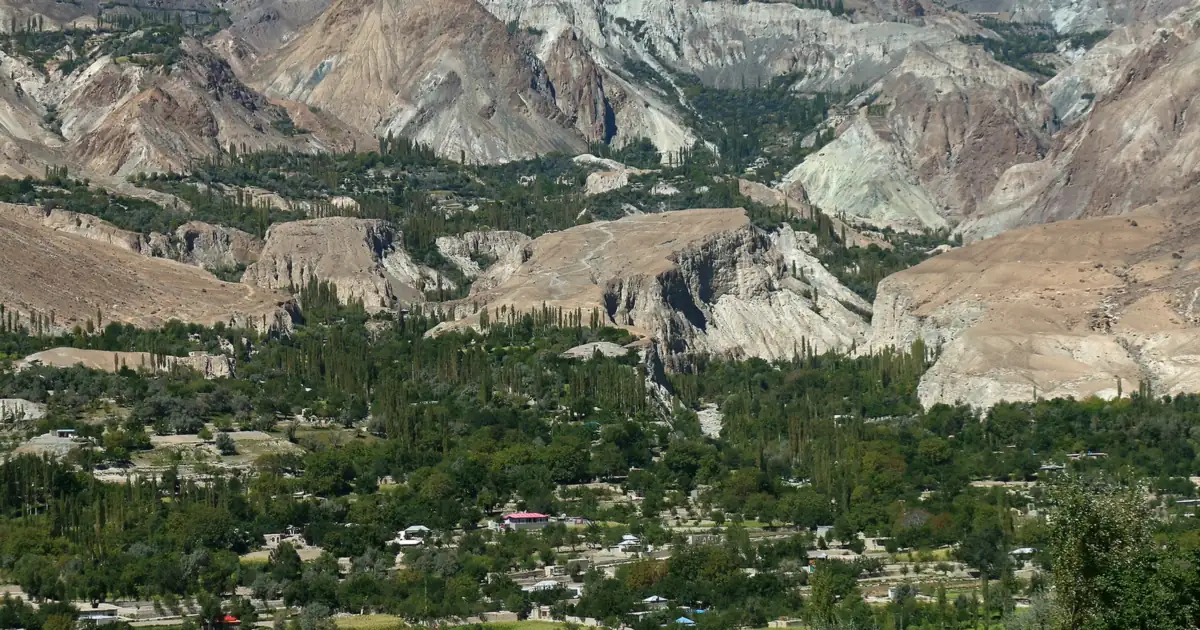
Ishkoman Valley Guide: Chatorkhand to Imit
Chatorkhand, Imit's hot spring, Karambar Lake and the passes to Yasin and Naltar: how to get there from Gilgit, when to go and permits.
Read the full guide