Обновлено:
Легенда
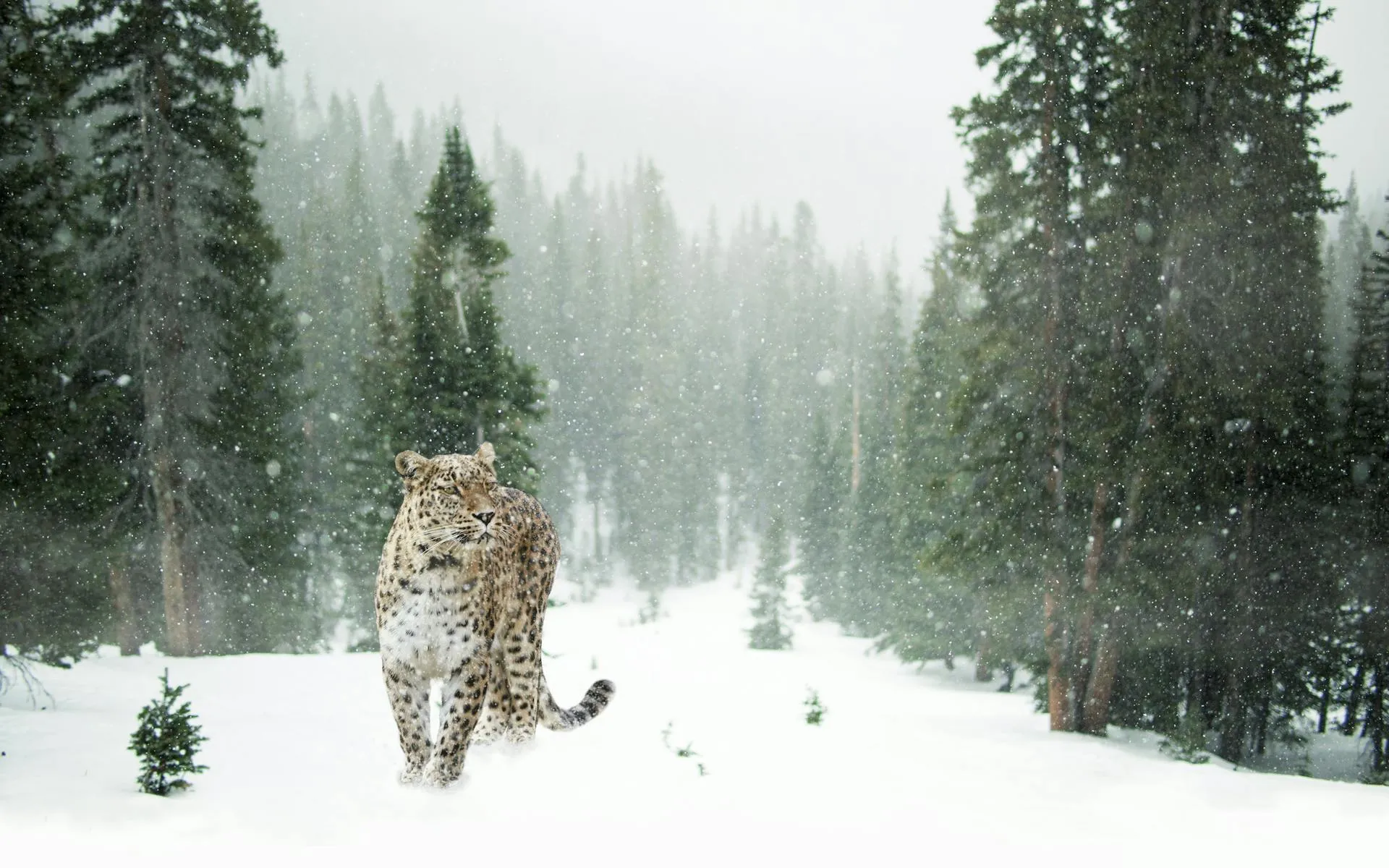
Снежный барс (Panthera uncia) обитает в высокогорных районах северных хребтов Пакистана — одна из редчайших и самых неуловимых больших кошек на Земле. По оценкам, в Пакистане менее 500 особей, и подтверждённая встреча — привилегия, выпадающая раз в жизни. Наши натуралисты-эксперты и общинные следопыты годами картировали коридоры перемещения, чтобы максимизировать шансы каждого гостя на встречу.
Чего ожидать
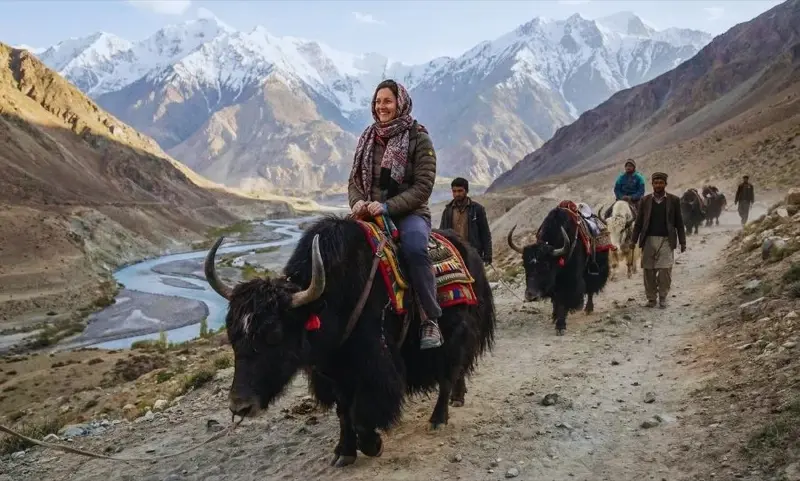
Наблюдение никогда не гарантировано — такова природа диких встреч. Однако ландшафт, культура, птицы и дикая природа впечатляют вне зависимости от результата. Каждая экспедиция гарантирует встречу с бхаралами (голубыми баранами), беркутами, гималайскими волками и баранами Марко Поло.
Пакеты поездок
Минимум 2 участника. Доплата за одиночную поездку: +30%.
Цены могут измениться. Свяжитесь с нами для точного индивидуального расчёта.
Лучшее время для поездки
Winter (Nov to Feb)
Барсы спускаются ниже — пиковая вероятность наблюдения
Spring (Mar to Apr)
Возможны детёныши, умеренные условия местности
Autumn (Sep to Oct)
Стада бхаралов привлекают барсов к пастбищным коридорам
Ответственный экотуризм
Без приманок. Без вмешательства в логова. 15% дохода от поездок идёт на охрану снежного барса. Местные гиды обучены и трудоустроены на месте.
Популяция снежного барса в Pakistan
В Pakistan обитает, по оценкам, 155–167 снежных барсов (Panthera uncia), что делает её 4-й по величине страной снежного барса в мире после Китая, Монголии и Индии. Около 80% популяции снежного барса Pakistan обитает в Gilgit-Baltistan, при этом регион Karakoram–Pamir служит основным оплотом, за ним следуют хребты Hindu Kush и Himalaya.
Первая общенациональная научная перепись была завершена в 2024/2025 годах с использованием передовых методов фотоловушек и пространственного повторного отлова и пометки во всех известных местах обитания снежного барса. Pakistan — одна из 12 стран ареала этого вымирающего вида, и данные этой переписи теперь определяют природоохранную стратегию по всему ареалу снежного барса.
155-167
Предполагаемое число снежных барсов в Pakistan
80%
Популяция в Gilgit-Baltistan
4th
Крупнейшая страна снежного барса в мире
12
Стран ареала снежного барса в мире
Где увидеть снежных барсов в Pakistan
Pakistan предлагает одно из самых доступных мест для отслеживания снежного барса во всей Центральной и Южной Азии. Вот лучшие места для наблюдения снежного барса в Pakistan.
Khunjerab National Park
Наиболее изученная популяция снежного барса в Pakistan. Фотоловушки здесь, как известно, запечатлели 3 снежных барсов в одном кадре — чрезвычайно редкое событие где бы то ни было в мире. Парк охватывает высоты 3,200–5,800 м вдоль Karakoram Highway у границы с Китаем.
Central Karakoram National Park
Одна из крупнейших охраняемых территорий Азии, Central Karakoram National Park включает обширные ледники, скалистые склоны и удалённые долины, которые обеспечивают нетронутую среду обитания снежного барса. Удалённость парка означает меньше посетителей и непотревоженные коридоры дикой природы — идеально для серьёзных фототуров на снежного барса в Pakistan.
Chitral Gol National Park
Знаковое место для охраны снежного барса в Pakistan. Первый GPS-спутниковый ошейник был надет на пакистанского снежного барса именно здесь в 2006 году, что позволило исследователям отслеживать характер перемещений по Hindu Kush. Chitral Gol также является домом для вымирающего markhor (национального животного Pakistan) и неуловимой гималайской рыси.
Долина Lot Koh, Chitral
Недавние редкие наблюдения в долине Lot Koh подтвердили, что снежные барсы возвращаются в свою историческую среду обитания вблизи деревенских поселений. Это обнадёживающий знак для охраны природы и предлагает уникальный опыт отслеживания снежного барса в Pakistan, где дикая природа и традиционные горные сообщества сосуществуют.
Долины Boibar и Shahkatar
Эти долины в районе Chitral предлагают сопровождаемые туры по отслеживанию снежного барса с мая по октябрь под руководством опытных местных исследователей и общинных хранителей дикой природы. Местность сочетает альпийские луга с крутыми скалистыми уступами — классическая страна снежного барса, где регулярно находят следы и царапины.
Лучшее время для отслеживания снежного барса в Pakistan
Пиковый сезон: ноябрь–февраль
Зима — лучшее время для наблюдения снежного барса в Pakistan. Когда обильный снегопад покрывает большие высоты, снежные барсы спускаются на более низкие высоты (2,800–3,500 м) вслед за своей добычей — bharal (blue sheep) и гималайским ibex. Свежий снег также значительно облегчает отслеживание следов и коридоров перемещения. Именно в это время фиксируется наибольшая концентрация подтверждённых наблюдений в районах Khunjerab, Chitral и озера Karambar.
Сезон детёнышей: январь–март
Детёныши снежного барса, рождённые предыдущим летом, в эти месяцы всё ещё сопровождают своих матерей. Наблюдения самок с детёнышами редки, но не невозможны, особенно вблизи мест логовищ, которые были выявлены благодаря длительному мониторингу с помощью фотоловушек.
Межсезонье: весна и осень
Весна (март–апрель) и осень (сентябрь–октябрь) предлагают умеренные погодные условия с хорошими шансами на наблюдение вдоль пастбищных коридоров, где концентрируется добыча. Эти месяцы подходят путешественникам, предпочитающим более мягкие температуры, но при этом сохраняющим реальные возможности для отслеживания снежного барса.
Продолжительность поездки и советы по планированию времени
Оставайтесь минимум на 7 дней для разумного шанса увидеть снежного барса; рекомендуется 10+ дней для наивысшей вероятности. Время перед рассветом и в сумерках — лучшие часы для наблюдения, когда снежные барсы наиболее активны. Терпение необходимо — это встреча с диким животным, а не посещение зоопарка.
Что вы увидите помимо снежных барсов
Даже без наблюдения барса дикая природа и ландшафты северных хребтов Pakistan необыкновенны.
Млекопитающие
Bharal (blue sheep), гималайский ibex, Marco Polo sheep, гималайские волки, рыжие лисы, золотистые сурки
Птицы
Беркуты, бородач (ягнятник), снежная куропатка, гималайский гриф, кеклик — исключительные объекты для фотографов птиц
Ландшафты
Мировые горные пейзажи: ледники Karakoram, гребни Hindu Kush, высокогорные альпийские луга, замёрзшие реки и одни из самых впечатляющих долин на Земле
Охрана природы и влияние на сообщества
Ваша экспедиция к снежному барсу напрямую поддерживает сообщества и природоохранные программы, защищающие Panthera uncia в Pakistan.
Общинные хранители дикой природы
Местные жители по всему Gilgit-Baltistan и Chitral набираются и обучаются в качестве общинных хранителей дикой природы. Эти хранители отслеживают перемещения снежного барса, поддерживают сети фотоловушек и служат опытными гидами-следопытами для приезжающих экспедиций. Туризм обеспечивает их основной доход, создавая прямой экономический стимул для охраны природы.
Защищённые от хищников загоны и компенсация за скот
По всему Gilgit-Baltistan построены защищённые от хищников загоны для скота, чтобы снизить конфликт между человеком и дикой природой. Распределение средств от платы за разрешения SKIDO направляет финансирование напрямую в программы компенсации за скот, обеспечивая справедливое возмещение пастухам, потерявшим животных из-за снежных барсов, — устраняя стимул для ответных убийств.
Исследования и мониторинг
Snow Leopard Foundation Pakistan ведёт долгосрочные исследовательские программы, включая сети мониторинга с фотоловушками, GPS-спутниковое мечение ошейниками и популяционные исследования методом пространственного повторного отлова и пометки. Доходы от туризма напрямую поддерживают эти научные усилия, которые критически важны для понимания и защиты популяции снежного барса в Pakistan.
Наше обязательство
Никакой приманки. Никакого беспокойства логовищ. Только ответственный туризм с дикой природой. Каждая экспедиция следует строгим этическим принципам, разработанным в партнёрстве с природоохранными организациями. 15% доходов от поездки направляется напрямую в программы охраны снежного барса в Pakistan.
Снежный барс в Pakistan — часто задаваемые вопросы
Сколько снежных барсов в Pakistan?
В Pakistan обитает, по оценкам, 155–167 снежных барсов (Panthera uncia), что делает её 4-й по величине популяцией снежного барса в мире. Около 80% снежных барсов Pakistan обитают в Gilgit-Baltistan, а коридор Karakoram–Pamir является основным оплотом. Эта цифра была установлена в ходе первой общенациональной научной переписи, завершённой в 2024/2025 годах с использованием фотоловушек и методов пространственного повторного отлова и пометки.
Когда лучшее время для наблюдения снежных барсов в Pakistan?
Лучшее время для наблюдения снежного барса в Pakistan — зима, с ноября по февраль. В эти месяцы обильный снегопад на больших высотах вынуждает снежных барсов спускаться на более низкие высоты (2,800–3,500 м) вслед за своей добычей — bharal (blue sheep) и гималайским ibex. Свежий снег также значительно облегчает отслеживание следов и коридоров перемещения. Время перед рассветом и в сумерках — лучшие часы для наблюдения.
Какой должна быть продолжительность поездки по отслеживанию снежного барса?
Для разумного шанса увидеть снежного барса в дикой природе рекомендуется минимум 7 дней. Для наивысшей вероятности мы рекомендуем 10 или более дней, что даёт время охватить несколько зон отслеживания и дождаться оптимальных условий. Наши пакеты Tracker (12 дней) и Naturalist (18 дней) разработаны специально для серьёзных любителей дикой природы, желающих максимально повысить свои шансы.
Где лучшее место для наблюдения снежных барсов в Pakistan?
Khunjerab National Park и район озера Karambar имеют наибольшую частоту наблюдений снежного барса в Pakistan. Khunjerab — наиболее изученная популяция с действующей сетью фотоловушек, тогда как озеро Karambar предлагает удалённую, нетронутую среду обитания на высоте 4,200–5,500 м. Chitral Gol National Park в Hindu Kush — ещё одно превосходное место, особенно для тех, кто совмещает отслеживание снежного барса с наблюдением markhor.
Безопасно ли отслеживание снежного барса?
Да, отслеживание снежного барса в Pakistan безопасно при проведении с опытными гидами. Снежные барсы крайне пугливы и активно избегают людей — зафиксированных нападений на человека нет. Наши экспедиции возглавляют обученные натуралисты и местные общинные хранители дикой природы, которые досконально знают местность. Главные факторы, которые следует учитывать, — погода и высота: зимние условия могут быть суровыми, и надлежащее снаряжение для холодной погоды необходимо.
Какое фотооборудование взять с собой в фототур на снежного барса?
Для съёмки снежного барса в Pakistan настоятельно рекомендуется телеобъектив 600 мм или длиннее — наблюдения обычно происходят на значительном расстоянии. Устойчивый штатив необходим для стабильности во время длительных сеансов наблюдения в холодных, ветреных условиях. Всё оборудование должно быть защищённым от непогоды или прикрытым дождевыми чехлами, так как температура регулярно опускается ниже -15°C. Запасные батареи критически важны (холод быстро их разряжает), а хорошая зрительная труба помогает обнаружить барсов перед выбором позиции для камеры.
Запрос на экспедицию по наблюдению за снежным барсом
Готовы к следующему приключению?
Присоединяйтесь к нашему сообществу путешественников и откройте путешествие всей жизни. Наша команда экспертов поможет спланировать идеальную экспедицию.