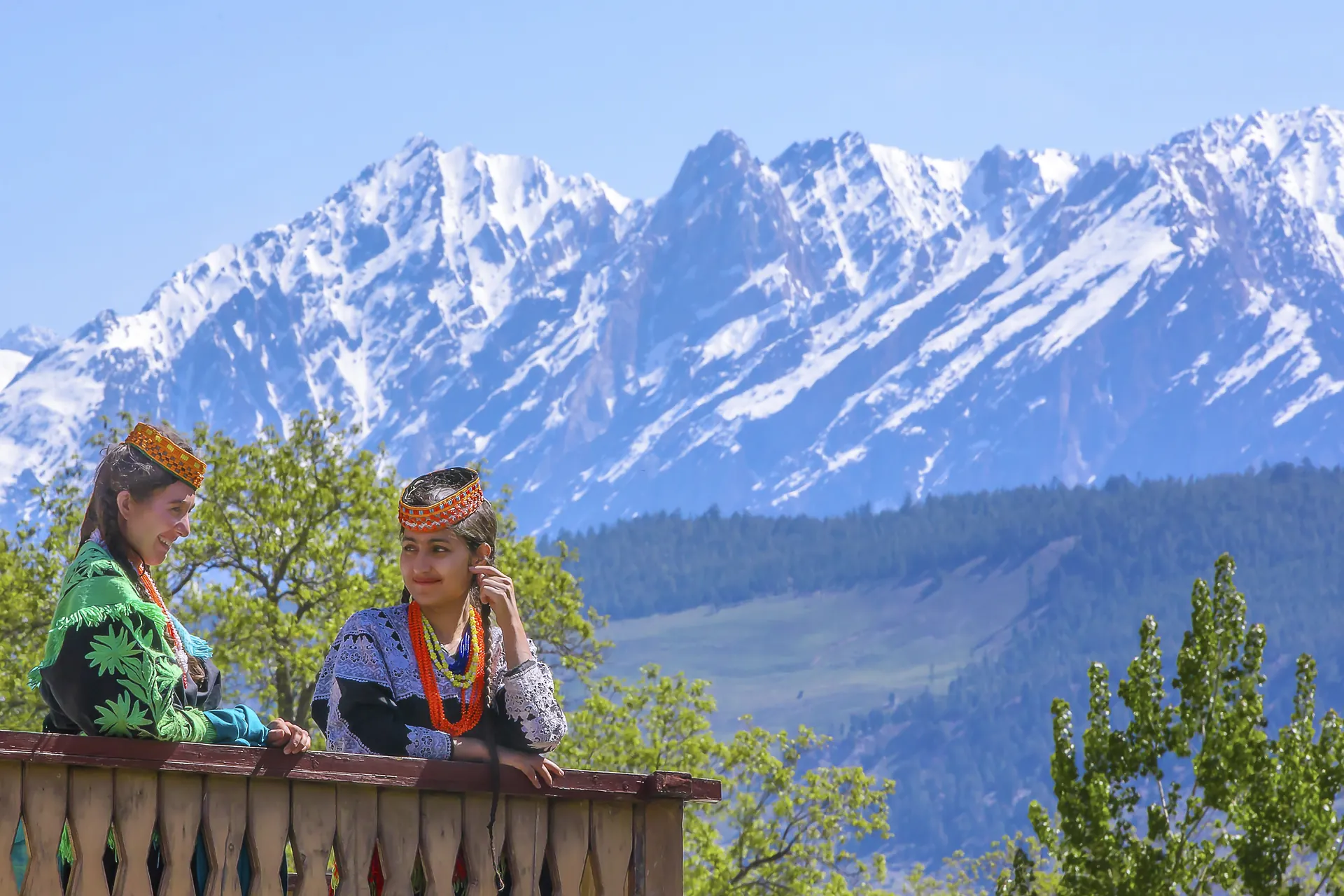
Фестивали Kalash в Chitral
Три фестиваля · май, август, декабрь · Chitral
Обновлено: · Проверено Javeed Iqbal, основатель
Длительность
7-10 дней
Сложность
Лёгкая-Средняя
Размер группы
2-12 путешественников
Лучший сезон
Май / Авг / Дек
О туре
Трижды в год долины Kalash в Chitral оставляют обычную работу и отдаются фестивалю. В мае весенний обряд Chilam Joshi благословляет стада, прежде чем они поднимутся на высокогорные пастбища. В августе Uchal приносит благодарность за пшеницу и ячмень, собранные с террасных полей. А в морозные недели вокруг декабрьского солнцестояния Choimus - самый священный из всех - встречает бога Balimain в его ежегодный визит и закрывает книги старого года. Каждый из них - действующая религиозная церемония, а не зрелище, поставленное для гостей.
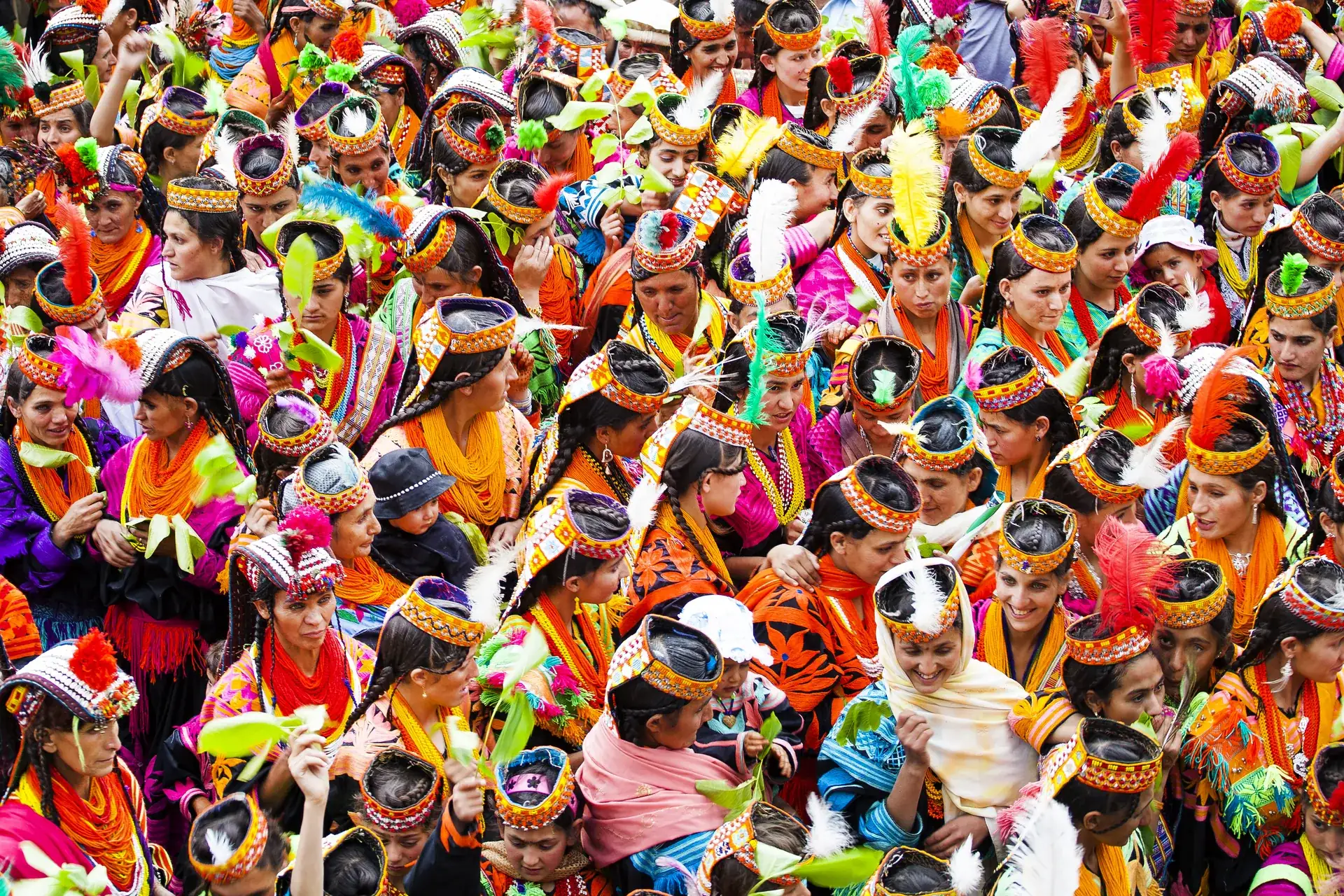
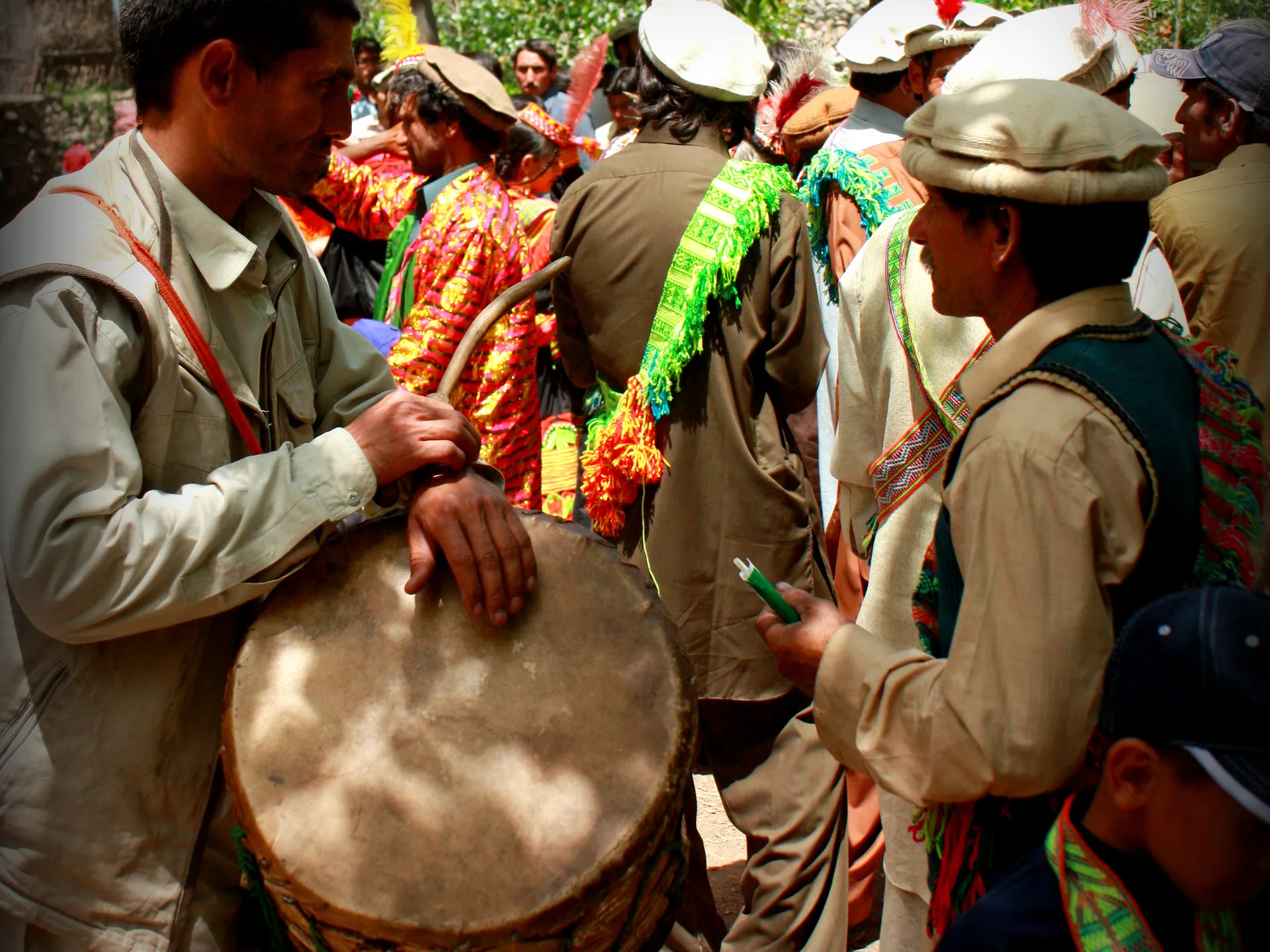
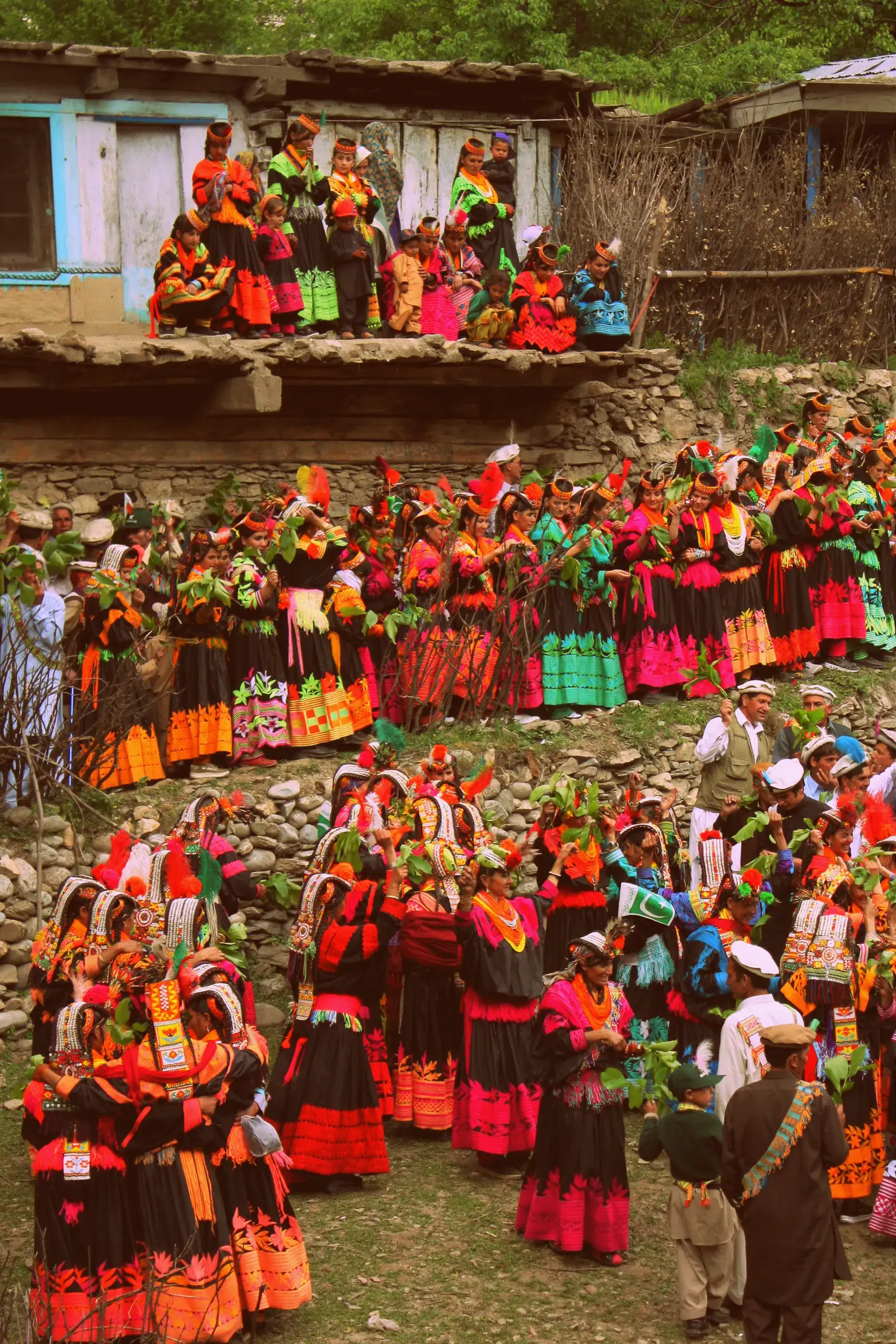
Хозяева - это калаши, община примерно из 4 000 человек в долинах Bumburet, Rumbur и Birir, хранящая последнюю живую политеистическую религию Южной Азии. Их год идёт по солнечному календарю, который старейшины деревень читают по гребням хребтов, - эта практика называется Suri Jagek и в 2018 году была внесена ЮНЕСКО в список наследия, находящегося под срочной угрозой. Фестивали - это когда тот календарь становится видимым: барабаны, хороводы со сцепленными руками, женщины в чёрных одеяниях piran и головных уборах kupas из раковин каури, вино, разливаемое из семейных бочек, и обряды, на которые посторонних иногда рады пригласить, а иногда просят не вмешиваться.
Мы организуем выезды с гидом на все три фестиваля, и у каждого один и тот же костяк: перелёт или переезд из Islamabad в Chitral, затем вверх по джиповой колее в долины, с ночёвками в гостевых домах под управлением калашей и гидом, который годами просиживал эти церемонии. Разделы ниже расскажут, что представляет собой каждый фестиваль, на какие даты он приходится в 2027 году и какой из них подойдёт для поездки, которую вы хотите.
Три фестиваля Kalash и их даты в 2027 году
В ритуальном году калашей есть три неизменные точки. Даты ниже приведены для 2027 года; узор повторяется каждый год со сдвигом в день-два по усмотрению старейшин.
Chilam Joshi, весенний фестиваль (12-17 мая)
Самый шумный и посещаемый из трёх. Шесть дней украшения цветами, молочных возлияний и массовых танцев, чтобы встретить весну, с открытой традицией ухаживания, которая завершается объявленными парами. Он собирает самые большие толпы за год, особенно в Bumburet. Для него у нас есть отдельный выезд; полная последовательность обрядов, даты и маршрут - на странице нашего тура на фестиваль Chilam Joshi.
Uchal, праздник урожая (20-22 августа)
Благодарение за пшеницу, ячмень, а также за летнее молоко и сыр, которое проводят, когда урожай собран. Обрядовые хлеба с грецкими орехами и козьим сыром, шествия на высокогорные пастбища и ночные танцы при куда меньшем числе чужих глаз, чем в мае. Если вам нужен фестивальный обряд без фестивальной толпы, Uchal - тихий выбор, а августовская погода в долинах в это время лучшая.
Choimus, фестиваль зимнего солнцестояния (7-22 декабря)
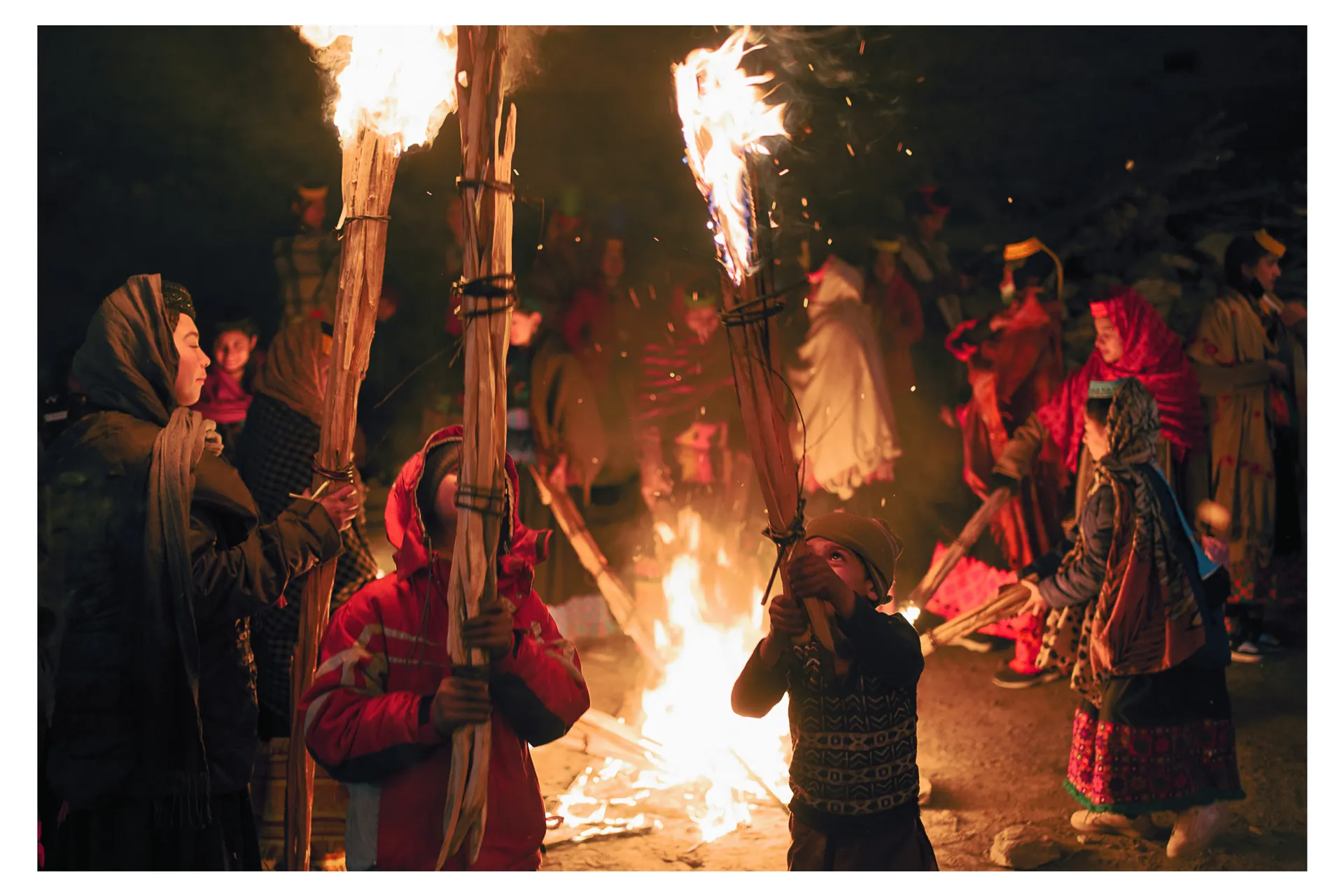
Самое священное событие года калашей, длиной в две недели, посвящённое Balimain, который, по поверью, на время праздника навещает долины из мифической прародины Tsyam. Первая неделя - только для общины: очищения, посвящения и провозглашение нового года. Посторонние могут присутствовать на второй, открытой неделе с её факельными шествиями, жертвоприношениями коз и танцами на снегу. Ночи опускаются далеко ниже нуля, а перевалы могут закрыться - именно поэтому в декабре долины кажутся другим столетием.
Какой фестиваль выбрать?
В первый раз и ради полного зрелища - Chilam Joshi, с оговоркой, что та же мысль пришла ещё нескольким тысячам человек. Фотографам, которые предпочтут делить танцевальную площадку с хозяевами, а не с толпой, - Uchal. Для самых смелых, готовых к настоящему холоду и более медленному темпу, - Choimus, тот самый, который сами калаши считают важнейшим. На каждом выезде размер группы не превышает двенадцати человек, и все три тура стартуют из Chitral с одинаковой долинной логистикой.
Маршрут по дням
1Islamabad - Chitral
Islamabad - Chitral
2Chitral - долина Bumburet
Chitral - долина Bumburet
3Открытие фестиваля
Открытие фестиваля
4Фестивальные ритуалы и пиршество
Фестивальные ритуалы и пиршество
5Долина Rumbur
Долина Rumbur
6Долина Birir
Долина Birir
7Знакомство с Chitral
Знакомство с Chitral
8Возвращение в Islamabad
Возвращение в Islamabad
Как добраться
Chitral лежит за перевалом Lowari, и дорога туда - половина истории. Рейс PIA из Islamabad занимает около 50 минут, когда погода над Hindu Kush благоволит; когда нет - выручает дорога: долгий, но асфальтированный день через Swat, Dir и тоннель Lowari длиной 10,4 км. Для декабрьского фестиваля мы с самого начала планируем дорогу, поскольку зимние рейсы - самые ненадёжные из всех. Из города Chitral джип преодолевает 36 км до Bumburet примерно за два часа. Иностранцам сейчас не нужен NOC - только регистрация паспорта на блокпостах и небольшой сбор за въезд у ворот долины, а мы следим за правилами, чтобы бумаги никогда не становились вашей заботой.
Ответственное посещение
Фестивальная аудитория в тысячи человек сваливается на общину в четыре тысячи, и калаши это чувствуют. Наши правила коротки. Фотографируйте людей только с их разрешения и спокойно принимайте отказ. Не вмешивайтесь в обряды, которые ваш гид называет закрытыми, включая всю первую неделю Choimus, принадлежащую только общине. Спите и ешьте в домах, принадлежащих калашам, чтобы фестивальная экономика платила хозяевам. И покупайте долинное вино, а не привозите своё; оно всё равно лучше.
Почему стоит ехать с нами
Мы возим небольшие группы на каждый фестивальный сезон Kalash с 2015 года. Наши гиды подтверждают время церемоний с самими деревнями, наши партнёры по гостевым домам в Bumburet и Rumbur держат для нас комнаты в фестивальную неделю, когда койка - самое дефицитное в Chitral, а наши водители знают долинные колеи и в снег, и в пыль. Лицензированный оператор, группы до двенадцати человек, запасной автомобильный вариант на каждом выезде.
Что включено
Не включено
Часто задаваемые вопросы
Что это за три фестиваля народа Kalash?
Что это за три фестиваля народа Kalash?
На какие даты приходятся фестивали Kalash в 2027 году?
На какие даты приходятся фестивали Kalash в 2027 году?
Какой фестиваль Kalash самый крупный?
Какой фестиваль Kalash самый крупный?
Могут ли туристы попасть на зимний фестиваль Choimus?
Могут ли туристы попасть на зимний фестиваль Choimus?
Нужно ли разрешение для участия?
Нужно ли разрешение для участия?
Как добраться до долин Kalash?
Как добраться до долин Kalash?
Что взять с собой на декабрьский фестиваль?
Что взять с собой на декабрьский фестиваль?
Это тот же тур, что и тур на Chilam Joshi?
Это тот же тур, что и тур на Chilam Joshi?
Готовы к следующему приключению?
Присоединяйтесь к нашему сообществу путешественников и откройте путешествие всей жизни. Наша команда экспертов поможет спланировать идеальную экспедицию.