Deosai Wildlife Safari: Brown Bears | Go With Guide
Home
All Tours Cultural Tours Family Holidays Luxury Tours Camping Road Trips
K2 Treks Trending Treks High Passes Trekking Holidays All Treks
8000m Peaks 7000m Peaks 6000m Peaks High Passes
Cycle Touring Eco Tourism Motorcycle Touring Mountain Passes Festivals of Pakistan Ibex Hunting Snow Leopard International Travelers
About Us Vehicles Contact FAQs Blog
Plan Your Trip
The green Deosai plateau with a glacial stream and snow-streaked peak
Back to Tours
Wildlife Skardu

Deosai Wildlife Safari

Dawn and dusk game drives for brown bears and marmots, on a 4,114-metre plateau
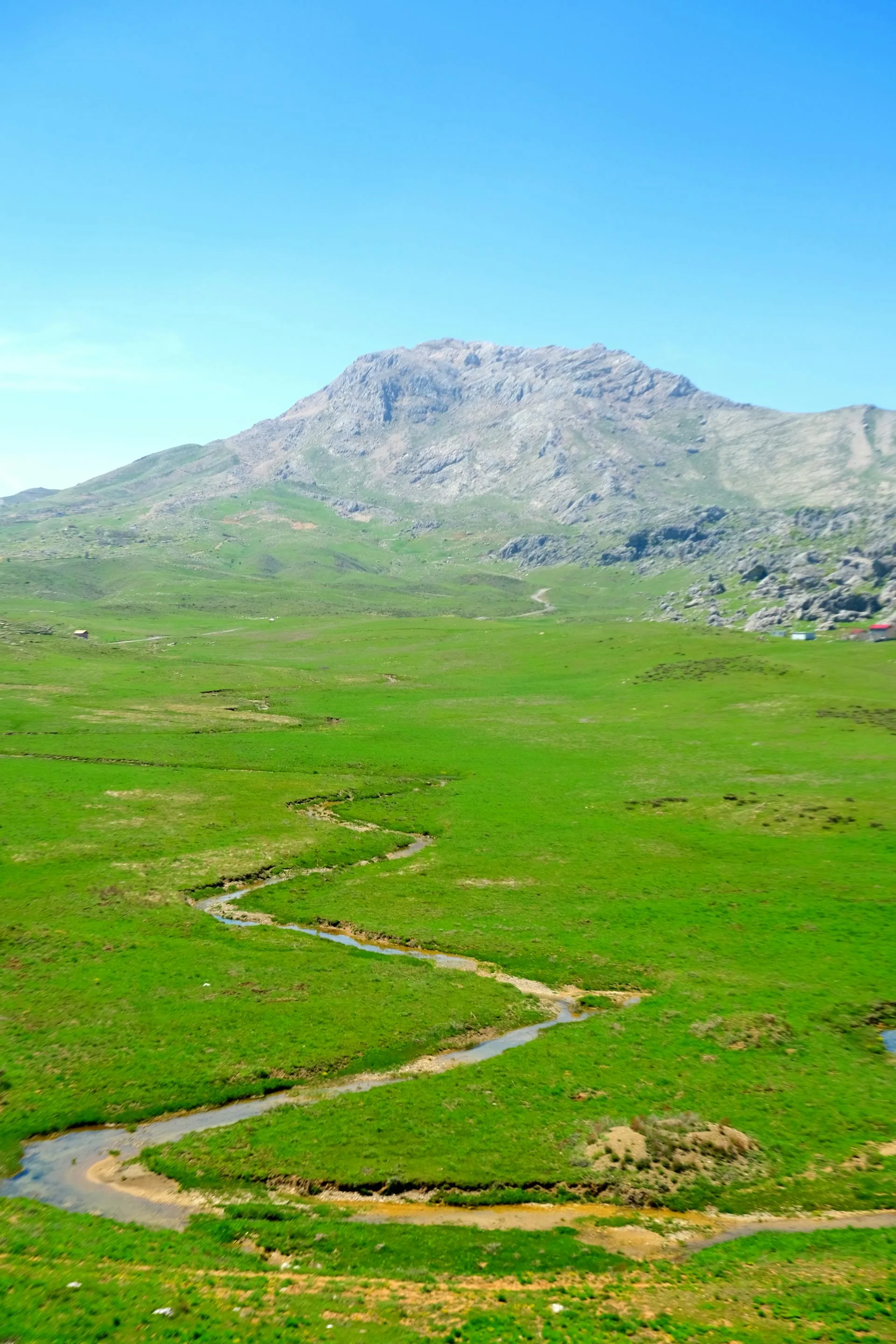
The green Deosai plateau with a glacial stream and snow-streaked peak
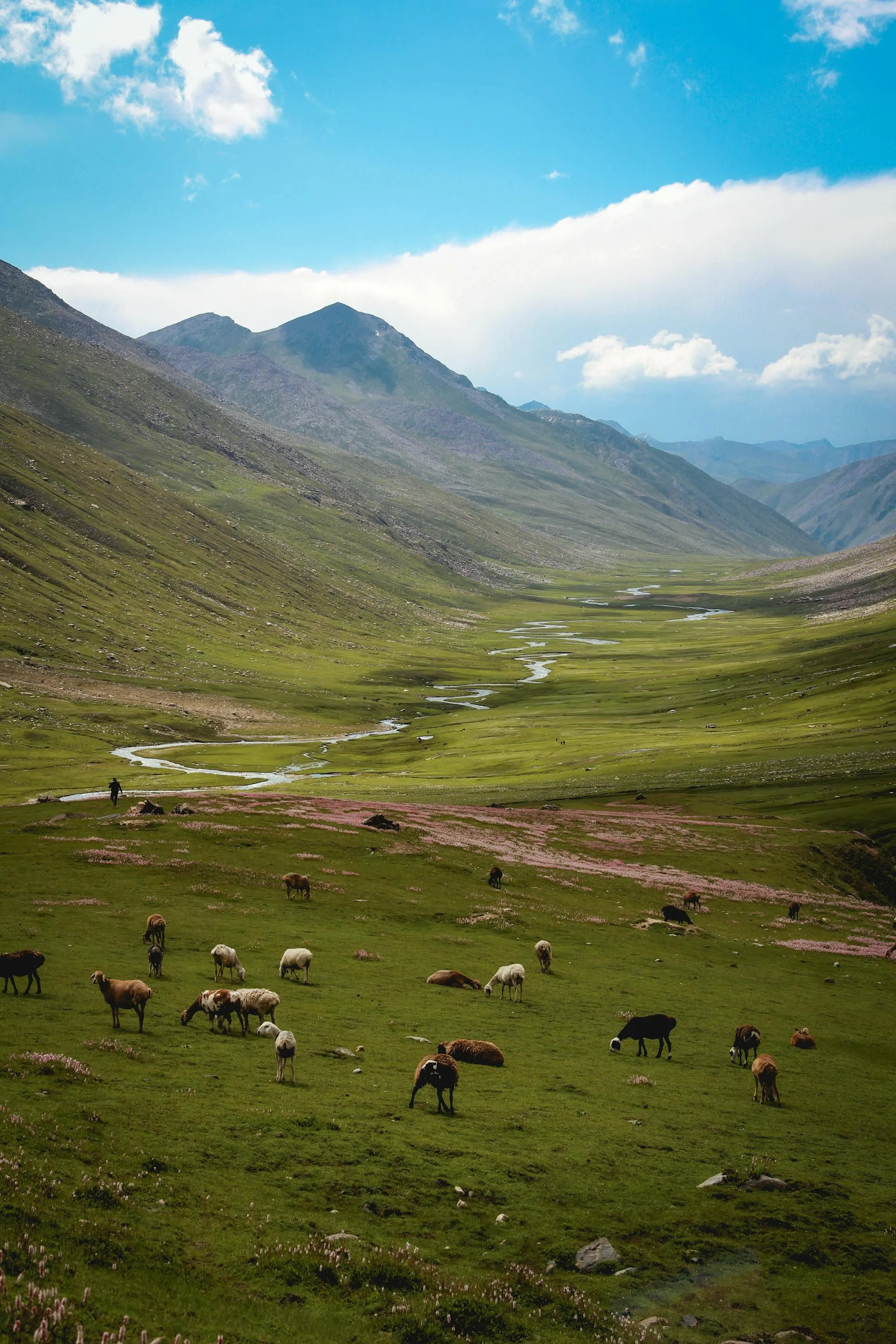
A stream winding across the green Deosai Plains beneath a rocky summit
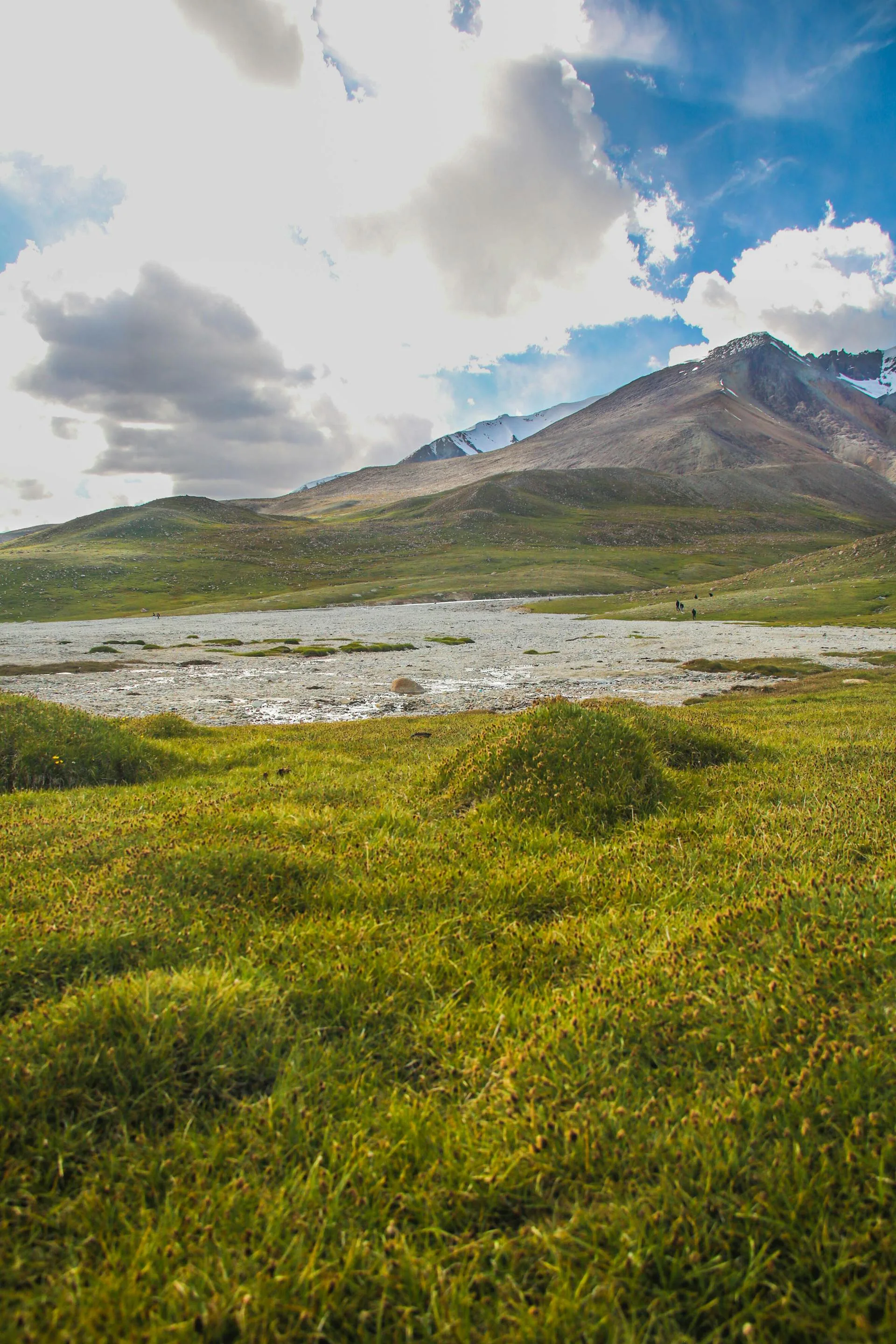
Braided streams and wildflowers across a Deosai valley
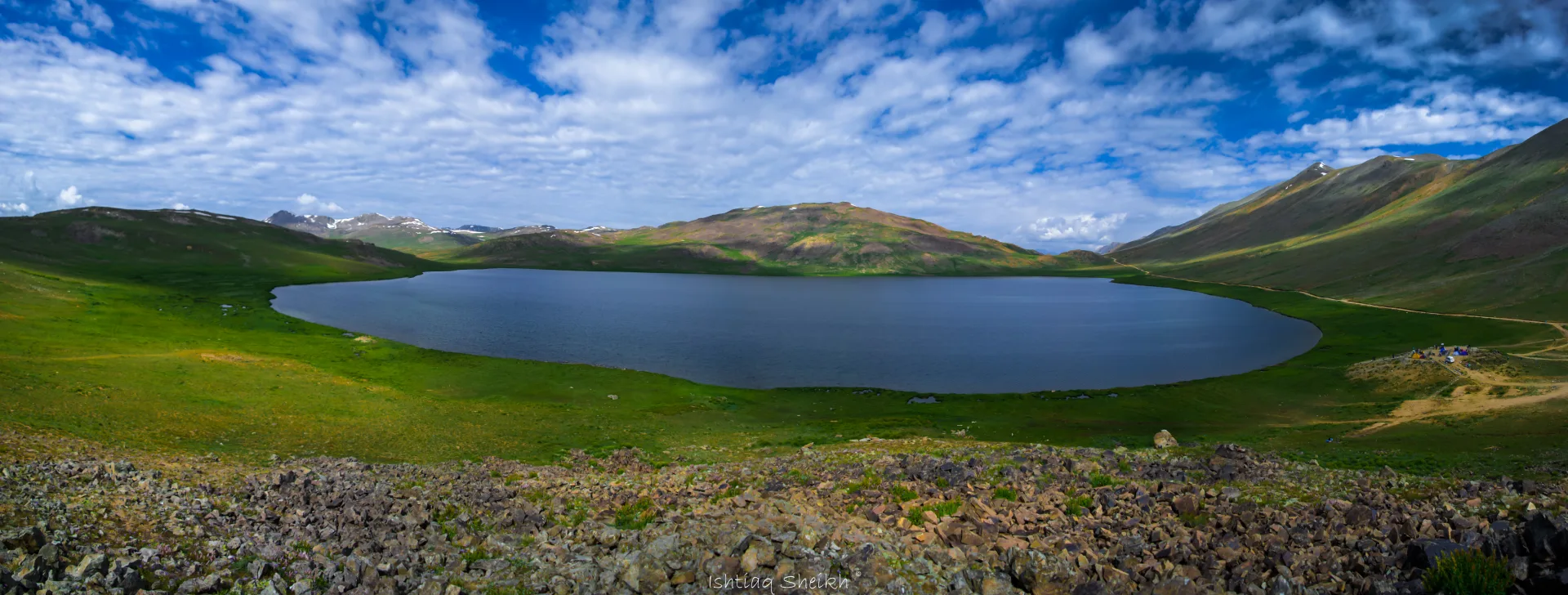
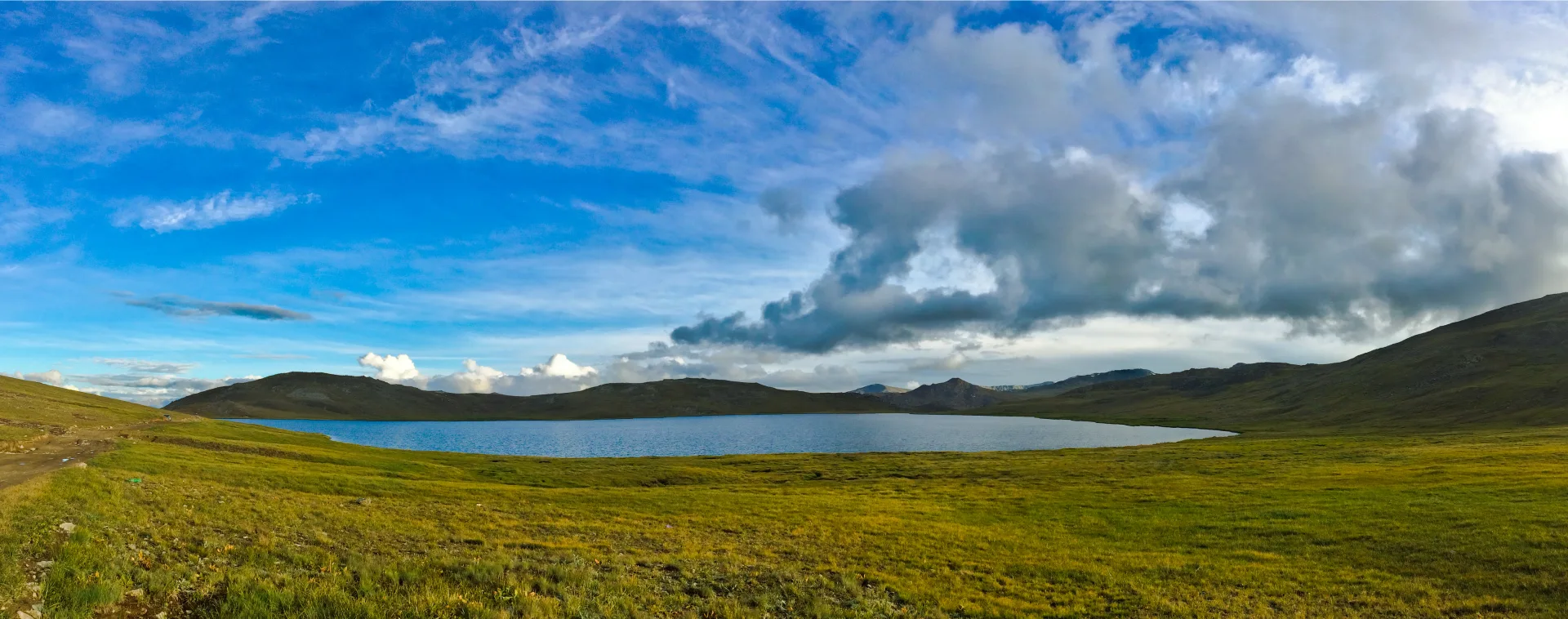
Panorama of Sheosar Lake at the western edge of Deosai National Park
Sheosar Lake among the green Deosai Plains
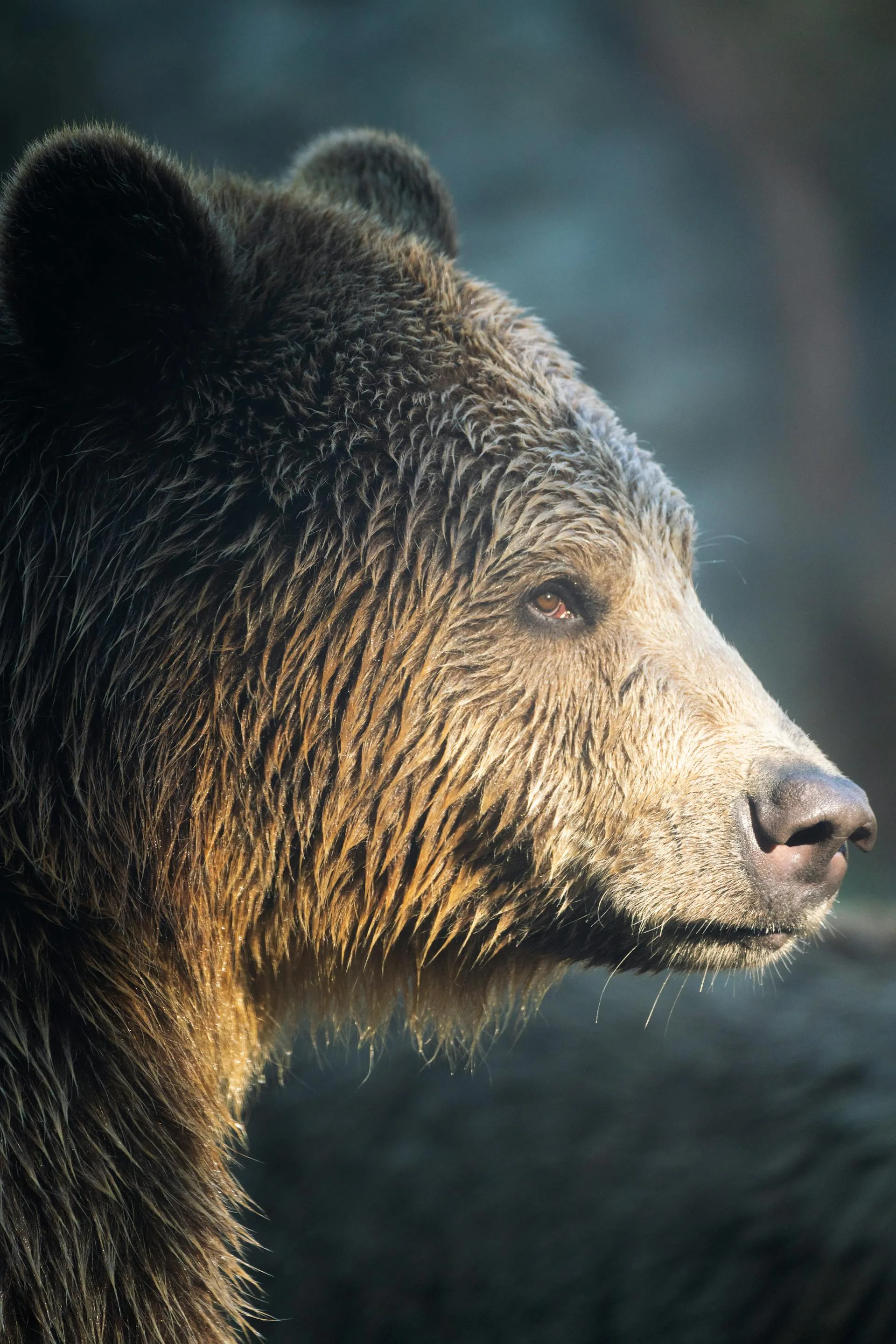
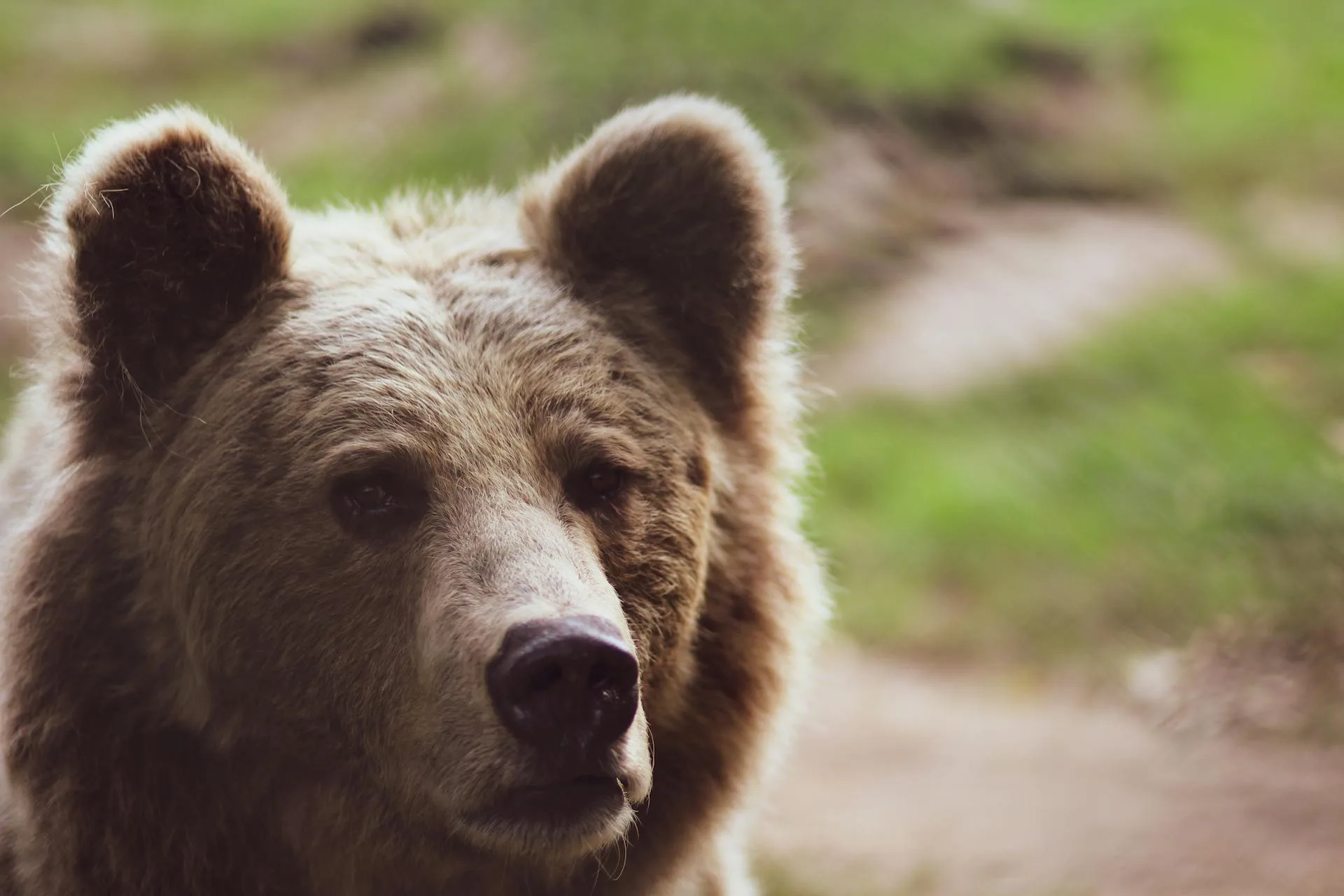
A Himalayan brown bear, the flagship species of Deosai National Park
Close portrait of a Himalayan brown bear in Deosai
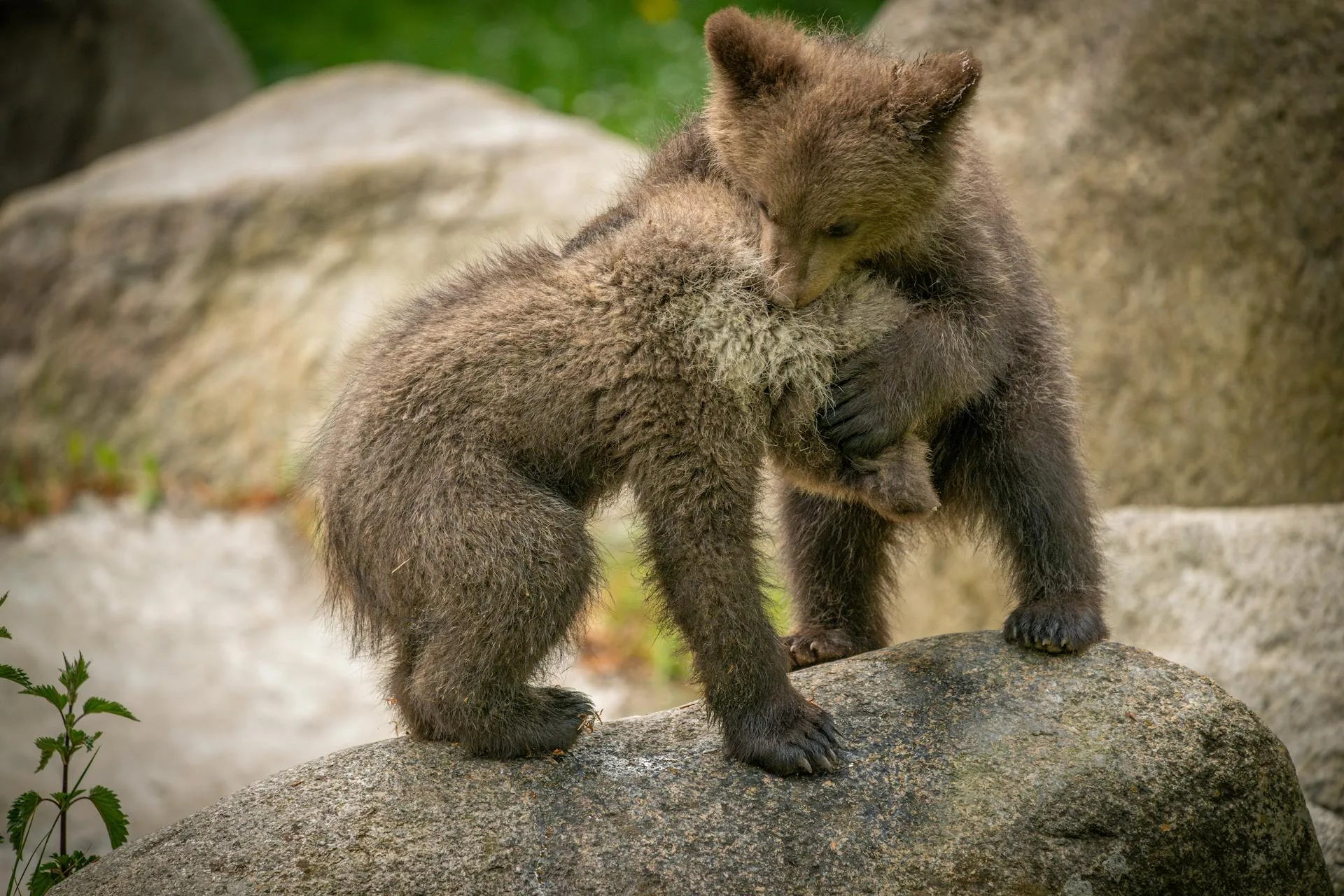
Himalayan brown bear cubs playing on the Deosai plateau
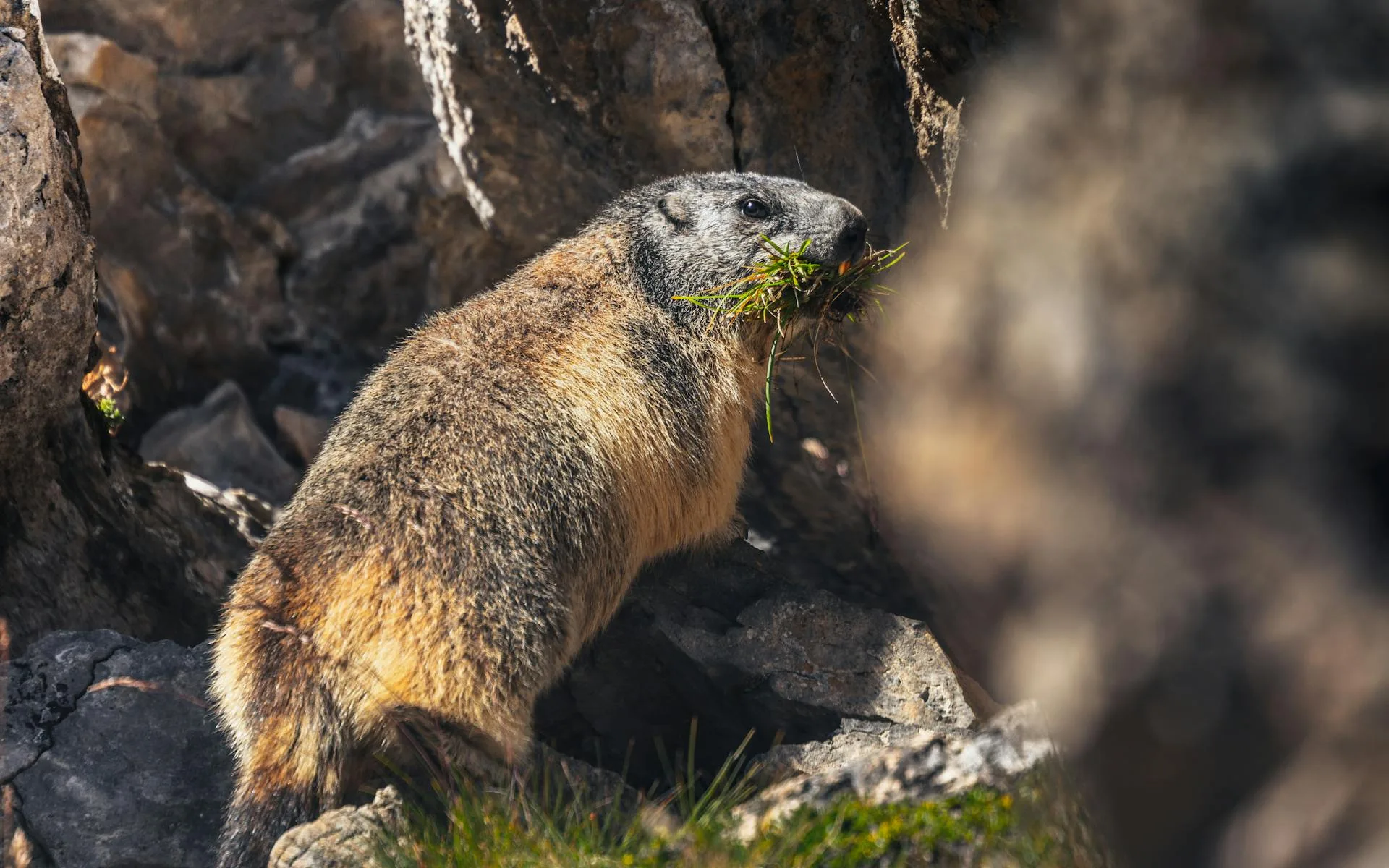
A golden marmot feeding on alpine grass in Deosai
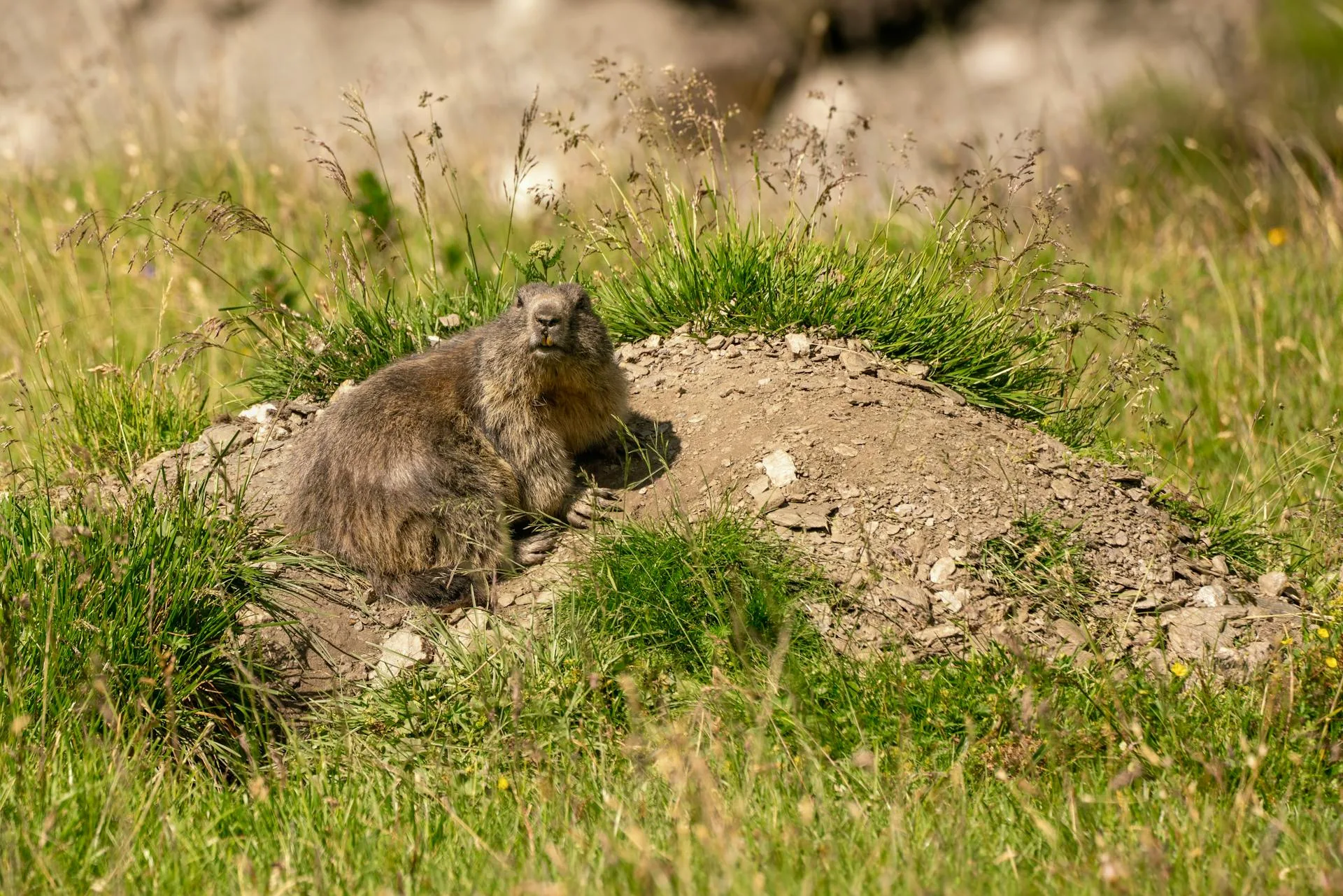
A Himalayan golden marmot on the rocky Deosai terrain
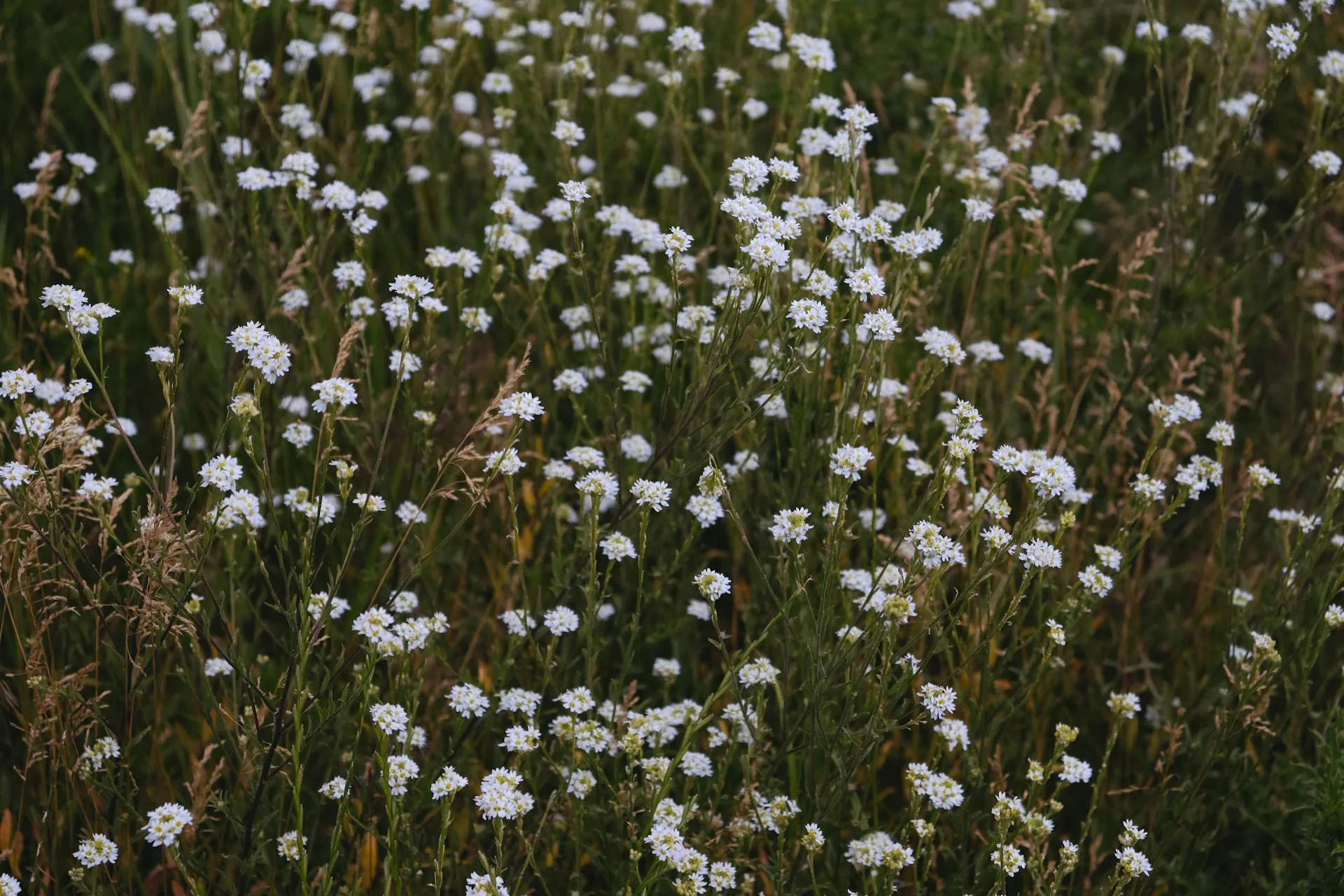
Summer wildflowers blooming across the Deosai meadows
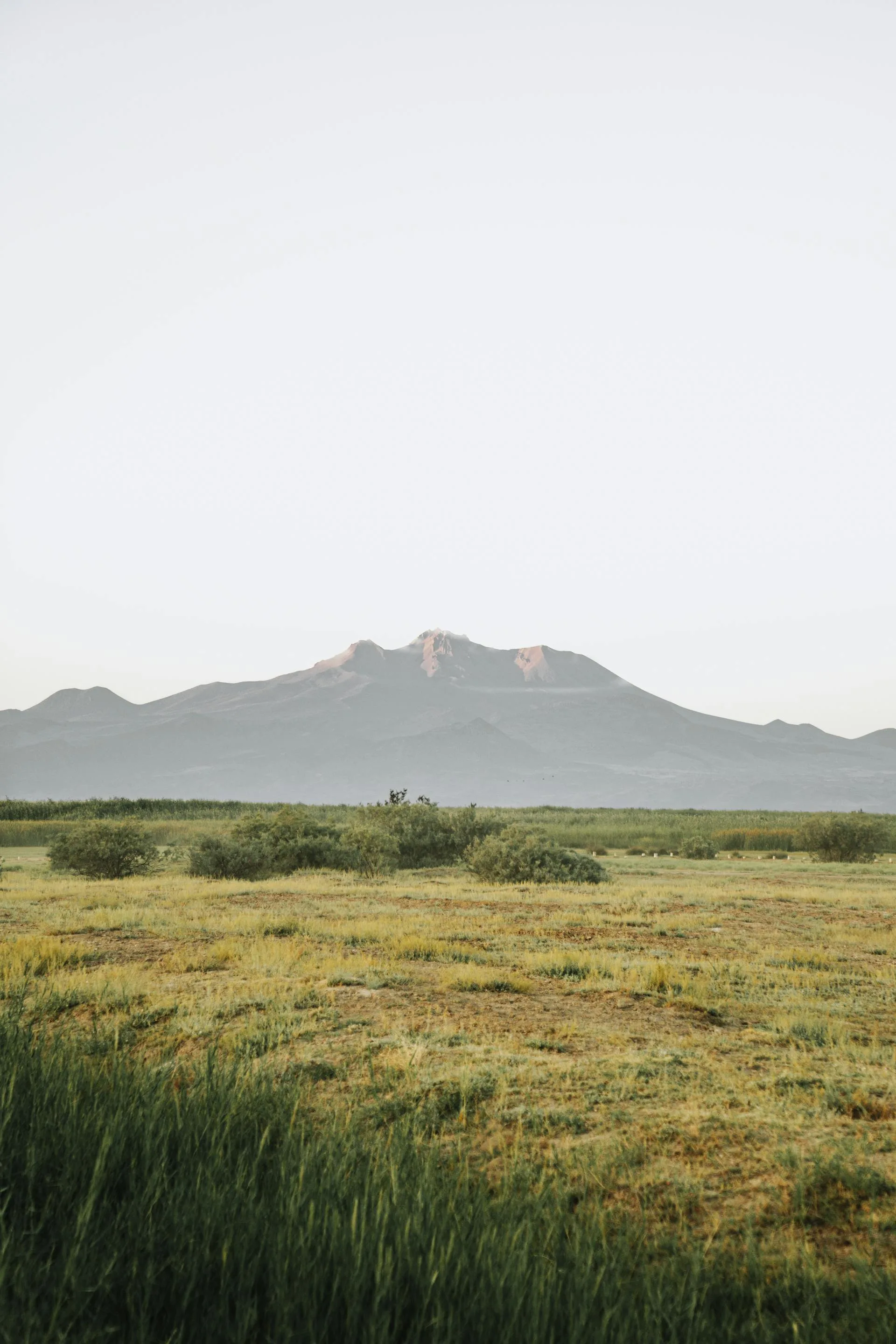
Sunset light over the Deosai grassland

Last updated: · Reviewed by Javeed Iqbal, Founder

Duration

5-7 Days

Difficulty

Moderate

Group Size

2-8 people

Best Season

Jun-Sep

About This Tour

This is the wildlife product in our Deosai range, timed and routed around animals rather than scenery. The plateau, averaging 4,114 metres, is the last viable refuge of the Himalayan brown bear in Pakistan, and the open, treeless ground means that when a bear is out, you can watch it from a long way off without disturbing it. We work the edges of the day, dawn and dusk, when the animals move and the light is good, and we spend more time camped on the plateau than our touring trip allows.

The bears are the headline, and their story is worth knowing before you come. The population on Deosai had fallen to roughly 19 animals by 1993, the year the national park was created. Protection has brought it back to about 80 today, which is a genuine recovery but still leaves the subspecies endangered, with every animal counting. That history sets the tone for how we watch: from a distance, briefly, on the bear's terms. We will say plainly that bear sightings are never guaranteed; some trips connect, some do not, and patience is the price of admission.

Marmots are the safari's reliable pleasure. The golden marmot, Marmota caudata, lives in social colonies across the plateau, and their sharp alarm whistles carry over the flat as they stand sentinel at their burrows. Alongside them you may find Himalayan ibex on the slopes, red fox, the Tibetan wolf and the golden eagle overhead. Sheosar Lake, at 4,142 metres, anchors many of our drives: glacier-fed, still in the early morning, and a draw for birdlife in summer.

The safari runs 5 to 7 days from Skardu, priced from $1,100, with a wildlife guide throughout and game drives by 4x4 across the rough plateau tracks. We build the days around early starts and late finishes, the times that give you the best chance. If your interest is the landscape rather than the animals, or you would rather camp for the night sky, our two sibling Deosai trips will suit you better, and we cross-link them below.

How We Watch Wildlife on Deosai

A brown bear that learns to associate people with food, or that is crowded and stressed by vehicles, is a bear in trouble. So we keep firm rules. We watch from a distance, we keep engines and voices low, we never bait or chase, and we never position the vehicle to cut off an animal's line of movement. If a bear shows signs of being disturbed, we back off. These are not formalities; on an endangered population of about 80 animals, every interaction matters.

We also manage expectations honestly. The plateau covers around 3,000 square kilometres and the bears range widely, so a sighting takes patience, the right hours and a degree of luck. Our guides know which sectors the bears have been favouring and where the marmot colonies sit, and they will tell you straight when conditions make a bear unlikely rather than have you chase one across the flat.

Day-by-Day Itinerary

1

Islamabad to Skardu

Fly Islamabad to Skardu, weather permitting, and rest on arrival. Evening briefing on Deosai's ecology, brown-bear behaviour and the viewing rules we follow. Overnight in a Skardu hotel.
2

Skardu Orientation and Acclimatising

An easy day in Skardu to adjust to the altitude, with a visit to the Kachura lakes and an acclimatisation walk. Afternoon wildlife talk to prepare for the drives ahead.
3

Onto the Plateau via Sadpara

Early departure and roughly an hour and a half by 4x4 up the Sadpara side onto Deosai. First wildlife stops on the plains, then on to Sheosar Lake (4,142 m) and afternoon bear-watching in known meadow zones.
4

Dawn Game Drive

Pre-dawn start to reach the plateau at first light, prime time for bears on the open grass and for active marmot colonies. Track ibex on the slopes and work the best sectors for sightings before the midday lull.
5

The Astore Side and New Ground

Range toward the Astore (Chilim) side of the plateau, where the meadows are wetter and the wildflowers thicker, returning by a different track for fresh wildlife opportunities.
6

Skardu and the Kachura Lakes

An easier day around Skardu after the early starts: the Kachura lakes, the bazaar, and time overlooking the Indus Valley. Final chance to review the trip's sightings with your guide.
7

Skardu to Islamabad

Fly Skardu to Islamabad. The safari ends on departure.

Best Time for the Deosai Safari

The plateau is reachable only from roughly mid-June to mid-September; the rest of the year the roads are snowbound and shut. Within that window, July and August are the strongest for wildlife: the meadows are in flower, the marmots are active, and the bears come down onto the open grass to graze, which is exactly when they are easiest to spot from a distance.

We schedule drives for first light and the last hour before dark, because that is when the animals are on the move. The middle of the day is quieter for wildlife, so we use it for the lake, rest and the longer transits. If a bear is your single goal, come in the peak weeks and come with patience.

Getting There and Where You Stay

The safari is based out of Skardu. Most guests fly in from Islamabad, about an hour when the weather cooperates, or drive up the Karakoram Highway. From Skardu we enter the plateau via the Sadpara side, around 44 kilometres and roughly an hour and a half, with some departures using the smoother Astore (Chilim) side depending on conditions and where the animals are.

Because this trip prioritises dawn and dusk on the plateau, it includes more time camped high than our touring tour, with comfortable nights in Skardu either side. A wildlife guide and, where required, a park ranger accompany the drives, both for sightings and for the park's own rules on access.

Safari, Touring or Camping?

This trip is for travellers who come for the animals. If you want the plateau and Sheosar Lake as a landscape, with hotel nights in Skardu, our Deosai National Park tour is the simpler introduction. If the draw is sleeping high under a dark sky, our Deosai camping tour bases you at Bara Pani for the stars and the dawn. All three cross the same plateau; the safari is the one shaped around brown bears and marmots.

Why Book With Us

We have guided wildlife trips in Gilgit-Baltistan since 2015, and our safari runs with a dedicated wildlife guide and ranger accompaniment, not a general driver. We work the right hours, hold firm to ethical viewing distances on an endangered bear population, and we tell you the truth about your odds rather than overselling a sighting. Because the season is short and the weather moves the roads, we plan flexibly, switching entry sides and sectors to follow where the animals actually are.

What's Included

Islamabad-Skardu flights (both directions)
All 4WD safari transport on Deosai plateau
5 nights accommodation in Skardu hotel
All meals throughout
Deosai National Park wildlife guide and ranger accompaniment
National Park entry fees

Not Included

International flights
Travel insurance
Personal expenses and tips

Frequently Asked Questions

Will I definitely see a brown bear on Deosai?

No, and we will not pretend otherwise. About 80 bears range across a 3,000-square-kilometre plateau, so sightings take patience, the right hours and luck. We work dawn and dusk and the sectors bears favour to improve the odds, but some trips connect and some do not. Your best chance comes in July and August, when the meadows are in flower and the bears come down onto the open grass to graze. The treeless ground helps: when a bear is out, you can often see it from a long way off. Our guides keep track of which sectors the bears have been using, and they will tell you plainly when conditions make a sighting unlikely rather than chase one across the flat. Golden marmots are close to guaranteed, so the drives are rarely empty. If a bear is your single goal, come in the peak weeks and bring patience.

How many brown bears are left on Deosai?

About 80 today. The population had crashed to roughly 19 by 1993, when the national park was created, and protection has brought it back to current levels. It is a real recovery, but the subspecies is still endangered, which is why we watch from a distance. Deosai is the last viable refuge of the Himalayan brown bear in Pakistan, so what happens on this plateau largely decides whether the animal survives in the country. With numbers this small, a single bear that learns to link people with food, or is stressed by vehicles, is a real loss. That is why our rules are firm: no baiting, no chasing, low engines and voices, and never cutting across an animal's line of movement. Your guide covers the bears' history and behaviour at the evening briefing in Skardu on the first day.

Is the Deosai safari safe?

Yes. The bears are watched from a long distance and our guides manage every encounter; the genuine hazards are altitude, cold and weather, not the wildlife. We brief you fully and adapt the plan when conditions change. The plateau averages 4,114 metres, so we build in an easy acclimatisation day in Skardu, with a walk and a visit to the Kachura lakes, before the first drive. Starts at first light on the plateau are cold, and warm layers matter for the dawn drives. The tracks are rough, which is why all game drives run in 4x4 vehicles. The roads are snowbound and closed outside roughly mid-June to mid-September, and weather can move them within that window too, so we switch between the Sadpara and Astore entry sides when we need to. A park ranger joins the drives wherever the park requires one.

What wildlife will I see besides bears?

Golden marmots are near-certain, their alarm whistles a constant on the plateau. You may also find Himalayan ibex on the slopes, red fox, the Tibetan wolf and the golden eagle, plus summer birdlife around Sheosar Lake. The marmots are Marmota caudata, living in social colonies and standing sentinel at their burrows, so they are easy to watch and photograph. Ibex are tracked on the slopes during the dawn drive, when animals are most active. Sheosar Lake, at 4,142 metres, is glacier-fed and still in the early morning, and it draws birds through the summer. On the Astore (Chilim) side of the plateau the meadows are wetter and the wildflowers thicker, which adds variety to the drives. Your guide knows where the marmot colonies sit and will point out tracks and signs as well as the animals themselves.

When is the best time for the Deosai safari?

July and August, within the mid-June to mid-September open window. Those weeks bring the bears down onto the open meadows to graze and the marmots to peak activity, which is when sightings are most likely. The rest of the year the roads onto the plateau are snowbound and shut, so there is no winter option. In the peak weeks the meadows are also in flower, which makes the Astore side especially rewarding. Whatever week you come, we schedule the drives for first light and the last hour before dark, when animals are on the move. The middle of the day is quieter for wildlife, so we use it for Sheosar Lake, rest and the longer transits. Flights between Islamabad and Skardu depend on the weather, so we keep the plan flexible at the start and end of the trip.

How are the game drives run and do you have rules?

By 4x4 across the rough plateau tracks, timed for dawn and dusk. We keep firm ethical rules: viewing from a distance, low noise, no baiting or chasing, and backing off if an animal is disturbed. On an endangered population every encounter matters. We also never position the vehicle to cut off an animal's line of movement. A typical drive day starts before dawn so we reach the plateau at first light, works the sectors the bears have been favouring, and eases off in the midday lull. From Skardu we usually enter by the Sadpara side, about 44 kilometres and roughly an hour and a half, and some departures use the smoother Astore (Chilim) side depending on conditions and where the animals are. A dedicated wildlife guide leads the drives rather than a general driver, and a park ranger joins where the park requires it.

Do I need a permit or guide for Deosai wildlife watching?

Yes. The park charges an entry fee at the checkpost, and we include a wildlife guide with ranger accompaniment where the park requires it. Our price covers the standard park entry; we confirm current fees before you travel. Deosai is a national park, and the ranger presence is partly about the park's own rules on access, not only about spotting animals. You do not need to organise anything yourself: the entry fees, the guide and the ranger accompaniment are all in the package, along with the 4WD safari transport on the plateau. Our wildlife guide knows which sectors the bears have been using and where the marmot colonies are, and runs through the viewing rules at the Skardu briefing before the first drive. If park rules or fees change during the season, we tell you before departure rather than at the checkpost.

How do I reach the Deosai safari and where do I stay?

It is based in Skardu, reached by air from Islamabad in about an hour or by road up the Karakoram Highway. Nights are split between a comfortable Skardu hotel and time high on the plateau for the dawn and dusk drives. Most guests fly, and return flights between Islamabad and Skardu are included, though they operate only when the weather cooperates. From Skardu we reach the plateau by 4x4 via the Sadpara side in roughly an hour and a half. Your first two days are in Skardu, with an evening briefing on bear behaviour and an easy acclimatisation day that takes in the Kachura lakes. The last full day is back in Skardu too, with time for the bazaar and views over the Indus Valley. All meals are included throughout, and the safari ends with the flight home on the final day.

From

$1,100

per person

* Prices may vary. Contact us for accurate, customized pricing.

Duration5-7 Days
DifficultyModerate
Group Size2-8 people
Best SeasonJun-Sep
Max Altitude4,114 m
Book This Tour Ask a Question

Free cancellation up to 30 days before departure

Ready for Your Next Adventure?

Join our community of explorers and discover the journey of a lifetime. Our expert team is ready to help you plan your perfect expedition.