7000m Peaks Pakistan: Rakaposhi & Spantik | Go With Guide
Home
All Tours Cultural Tours Family Holidays Luxury Tours Camping Road Trips
K2 Treks Trending Treks High Passes Trekking Holidays All Treks
8000m Peaks 7000m Peaks 6000m Peaks High Passes
Cycle Touring Eco Tourism Motorcycle Touring Mountain Passes Festivals of Pakistan Ibex Hunting Snow Leopard International Travelers
About Us Vehicles Contact FAQs Blog
Plan Your TripExplore Tours
🇺🇸 English
🇷🇺 Русский
🇫🇷 Français
🇨🇳 中文
🇯🇵 日本語
🇹🇭 ไทย
🇮🇹 Italiano
🇻🇳 Tiếng Việt
🇲🇾 Bahasa Melayu
Rakaposhi and the seven-thousanders of Pakistan

7000-Metre Peaks

Technical ascents for experienced mountaineers

Last updated: · Reviewed by Javeed Iqbal, Founder

The 7000m peaks of Pakistan are the seven-thousanders of the Karakoram and western Himalaya, and for many climbers they are the natural stepping stone between trekking peaks and the great 8000ers. The best known is Rakaposhi (7,788m), rising in one unbroken sweep above the Karakoram Highway near Hunza. Alongside it stand Spantik, or Golden Peak (7,027m), famous for its glowing granite summit pyramid, and Diran (7,266m), a shapely ice peak above Rakaposhi Base Camp. Muztagh Ata (7,546m) is another classic seven-thousander of the range, though it is climbed from the China side of the border rather than from Pakistan.

These peaks are often chosen as a first Himalayan or Karakoram high-altitude objective. They are serious, glaciated mountains that demand real skill on snow and ice, but they are far less crowded than the 8000ers and give a genuine taste of expedition life without the extreme risks of the death zone. A Rakaposhi or Spantik expedition typically runs four to six weeks, including the approach trek, acclimatisation rotations, a summit bid and descent. With experienced local guides, strong logistics and reliable weather forecasting, a well-prepared mountaineer can build the altitude experience here that opens the way to bigger goals.

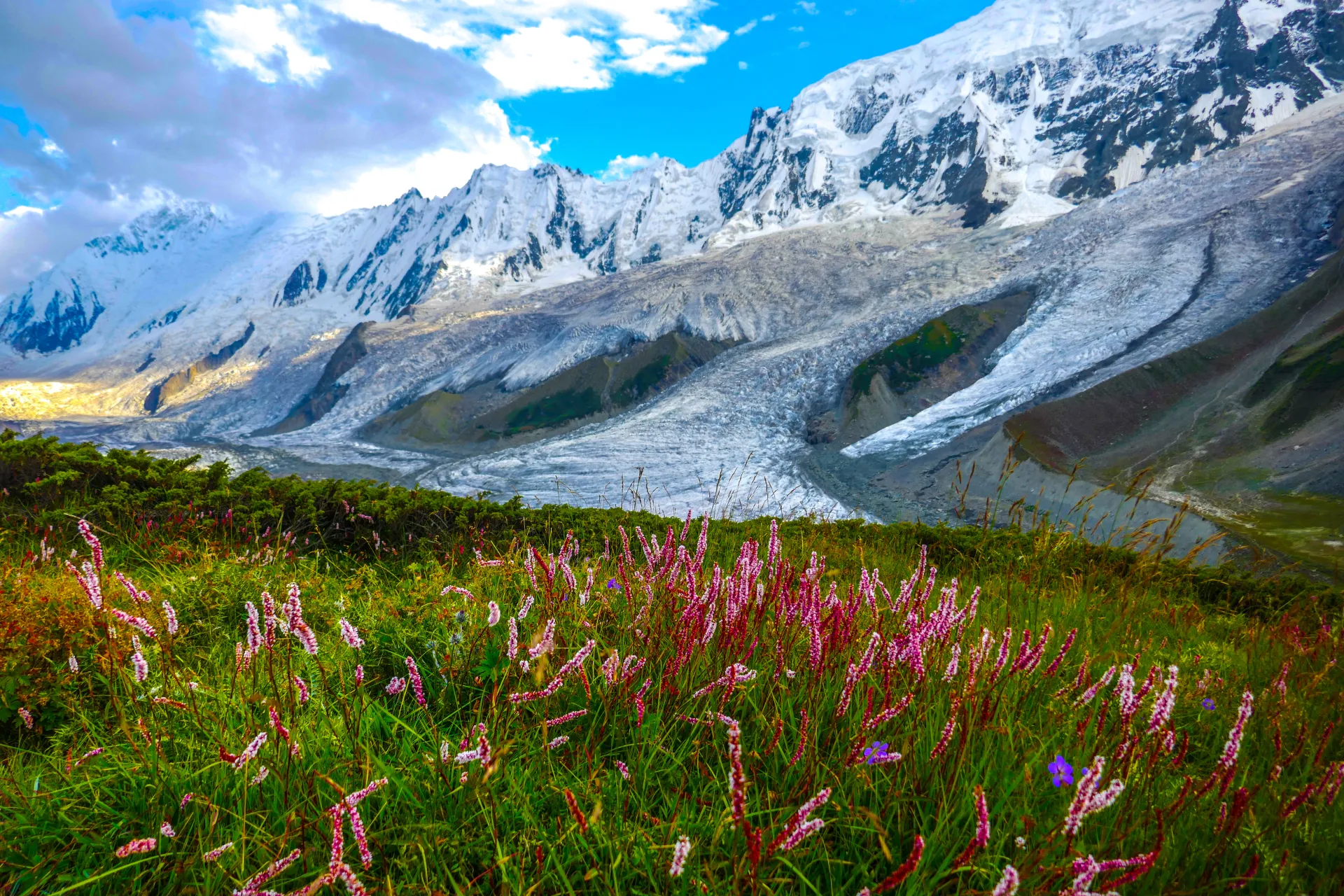
Rakaposhi (7,788m) rising above wildflower meadows and glacier near Hunza, Pakistan

7000-Metre Peaks of Pakistan

Rakaposhi: 7,788mExtreme

Rakaposhi (7,788m)

The jewel of the Karakoram Highway, a stunning ice pyramid visible from Gilgit, offering one of the greatest vertical rises on Earth.

Spantik: 7,027mExtreme

Spantik (7,027m)

The Golden Pillar, a classic high-altitude objective with a demanding southeast ridge route popular among experienced climbers.

Muztagh Ata: 7,546mExtreme

Muztagh Ata (7,546m)

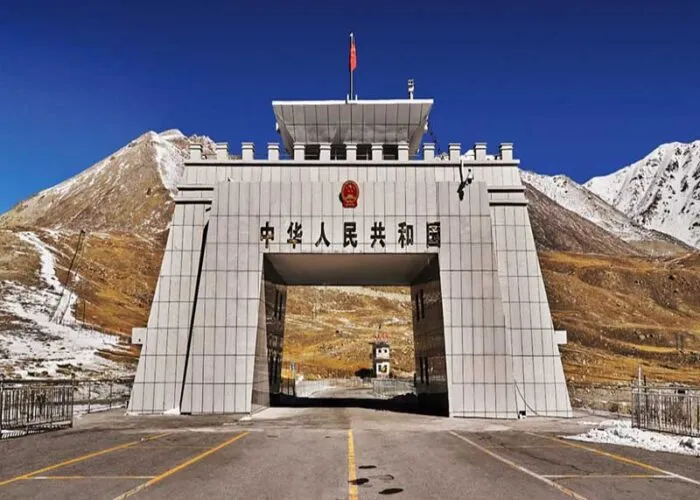
The Father of Ice Mountains, a massive dome peak on the China-Pakistan border, considered one of the most accessible 7000ers.

Diran Peak: 7,266mExtreme

Diran Peak (7,266m)

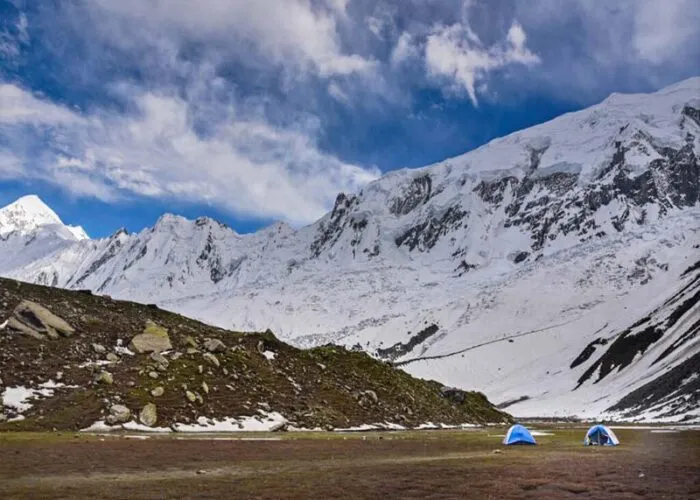
A stunning ice pyramid towering above Rakaposhi Base Camp, Diran offers a serious but rewarding climb through glaciated terrain.

Ready to Summit?

Let our experienced team plan your 7000m expedition from permits to porters

Book Now

Frequently Asked Questions

What 7000m peaks can I climb in Pakistan?

The main seven-thousanders climbed from Pakistan are Rakaposhi (7,788m), Diran (7,266m) and Spantik, also called Golden Peak (7,027m), all in the Karakoram near Hunza and Nagar. Muztagh Ata (7,546m) is another famous 7000m peak of the range, but it is climbed from the China side. Rakaposhi and Spantik are the most popular choices for a guided expedition.

Are 7000ers a good first high-altitude expedition?

For a fit climber with solid snow and ice skills, yes. A 7000m peak such as Spantik is a common first Himalayan or Karakoram high-altitude objective, and it is far less crowded and less dangerous than the 8000ers. You still need previous experience at altitude, ideally on a 5000m or 6000m peak, before attempting a seven-thousander.

How technical are Pakistan's 7000m peaks?

They vary. Spantik's southeast ridge is a moderate but demanding route often used as an introduction to 7000m climbing, while Rakaposhi and Diran are more serious, with steeper snow and ice and greater objective danger. All require confidence on glaciated terrain, use of fixed ropes and jumars, crevasse rescue skills and the ability to camp high for several weeks. Guided expeditions fix ropes on the harder sections.

When is the best season to climb 7000m peaks in Pakistan?

The main climbing season is the summer, roughly June to August, when the Karakoram sees its most settled weather. July and early August usually offer the most stable summit windows. Even so, Karakoram weather is changeable and storms can close a summit window for several days, so expeditions build in extra time and rely on regular forecasts.

Do I need a permit to climb a 7000m peak in Pakistan?

Yes. Peaks above 6,500m require a climbing permit and are handled through a licensed operator, along with a liaison officer for the expedition and, in some border areas, additional clearance. Fees and paperwork change from year to year, so we arrange the permit, briefings and logistics as part of the expedition once your dates and peak are confirmed.

Ready for Your Next Adventure?

Join our community of explorers and discover the journey of a lifetime. Our expert team is ready to help you plan your perfect expedition.