Fairy Meadows Camping Under Nanga Parbat | Go With Guide
Home
All Tours Cultural Tours Family Holidays Luxury Tours Camping Road Trips
K2 Treks Trending Treks High Passes Trekking Holidays All Treks
8000m Peaks 7000m Peaks 6000m Peaks High Passes
Cycle Touring Eco Tourism Motorcycle Touring Mountain Passes Festivals of Pakistan Ibex Hunting Snow Leopard International Travelers
About Us Vehicles Contact FAQs Blog
Plan Your Trip
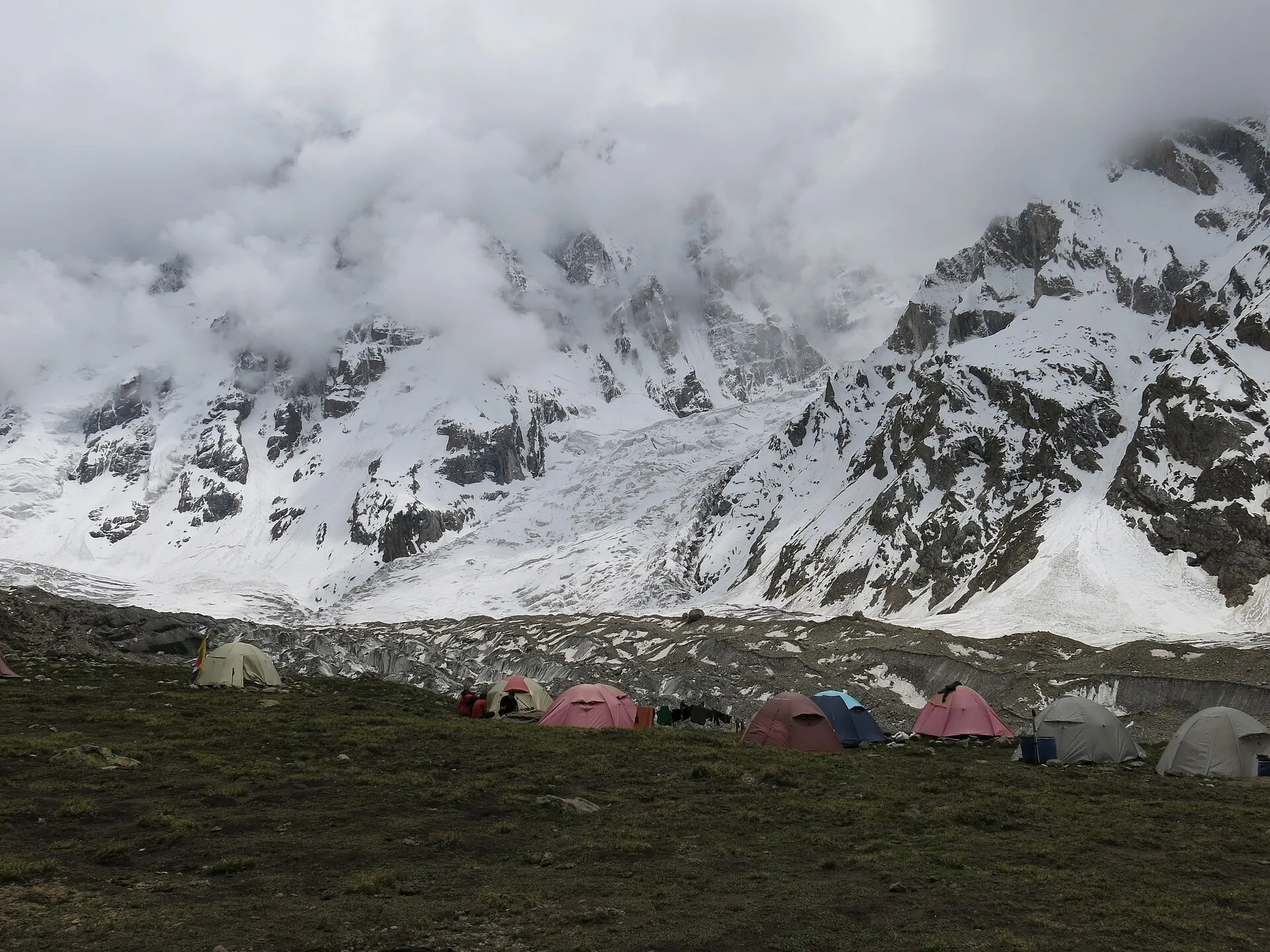
Camping tents pitched below Nanga Parbat near Fairy Meadows
Back to Tours
Camping Gilgit-Baltistan

Fairy Meadows Camping

Sleep under canvas with Nanga Parbat over your tent
Camping tents pitched below Nanga Parbat near Fairy Meadows
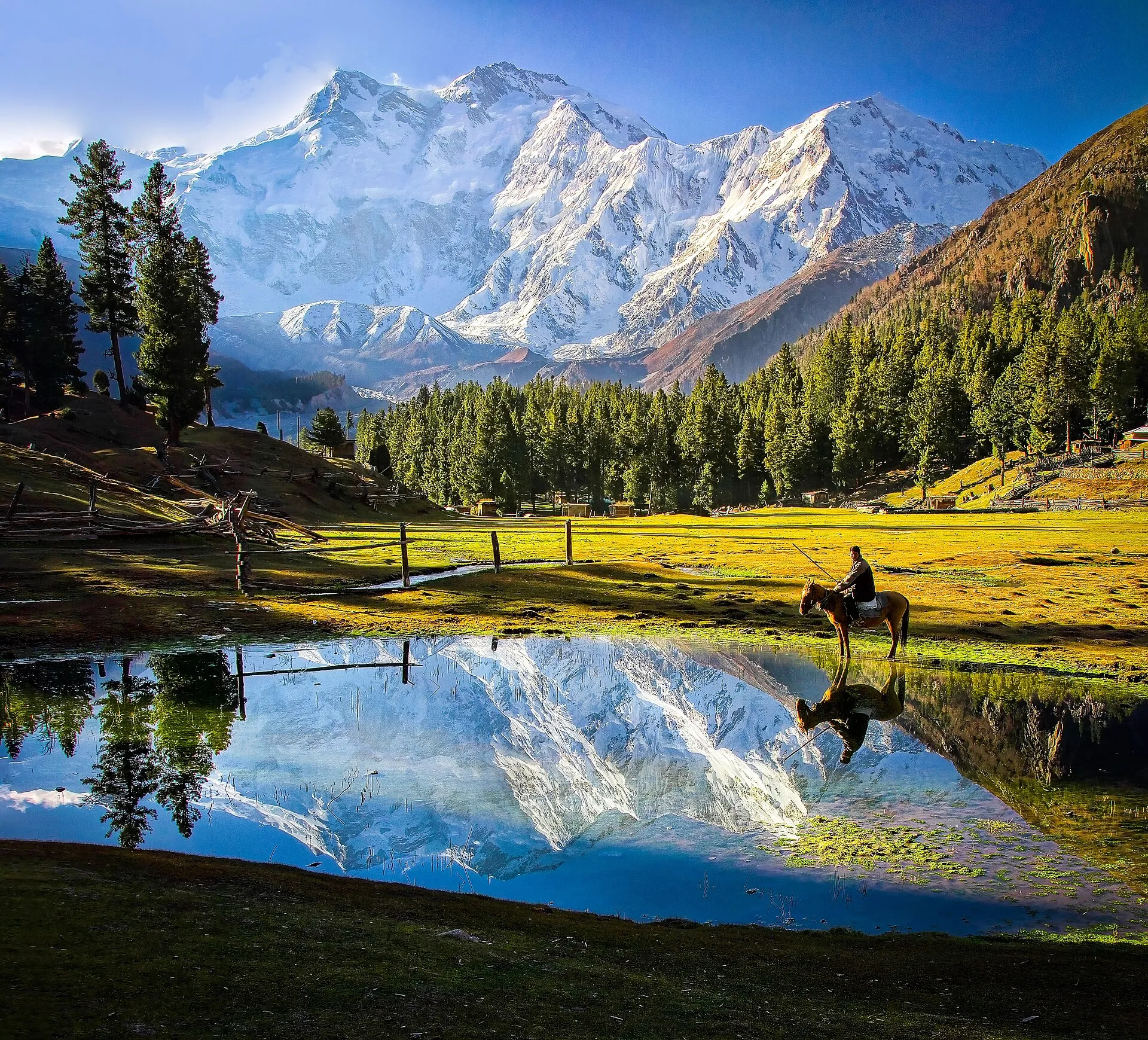
Nanga Parbat reflected in a still pond at Fairy Meadows in autumn
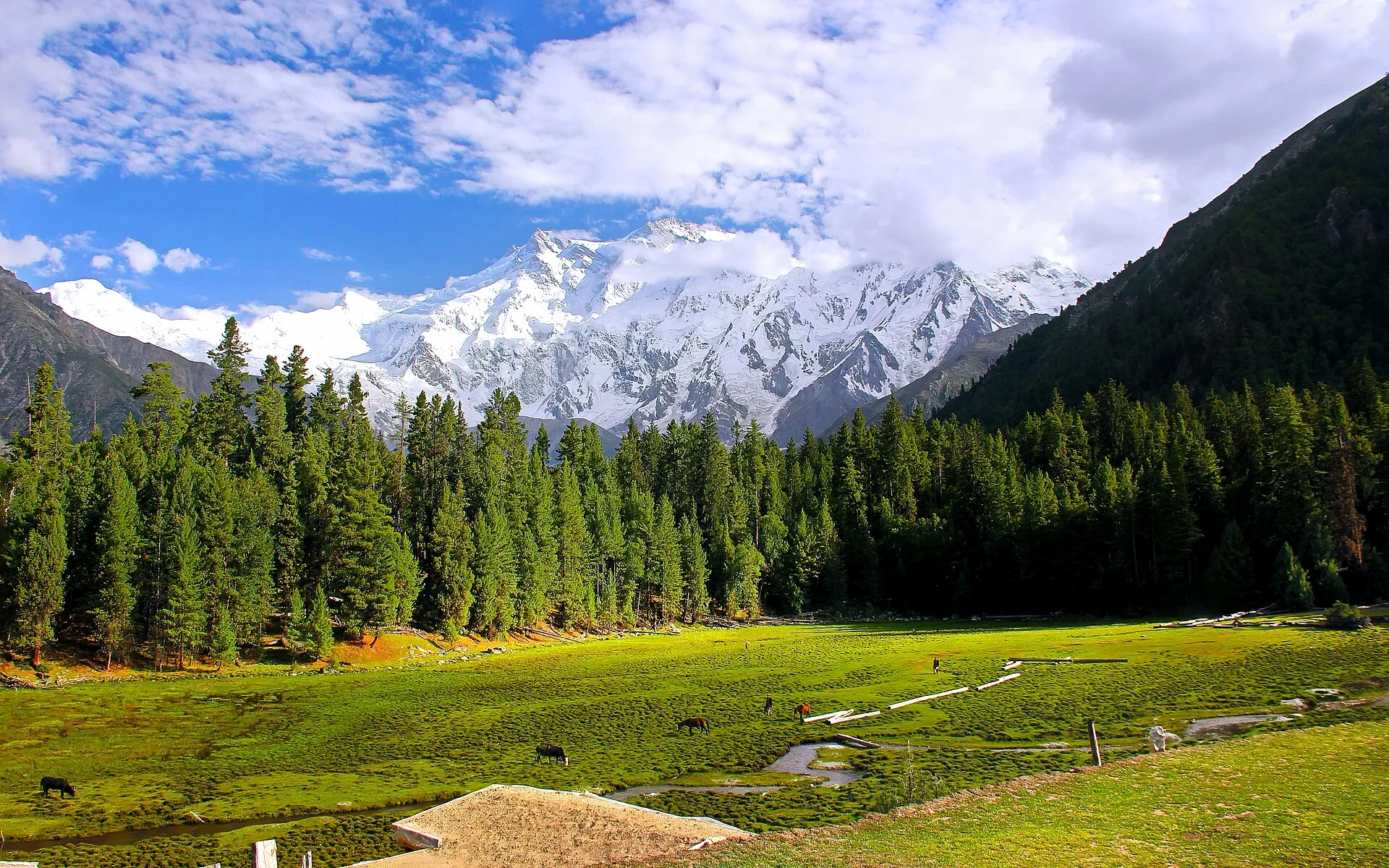
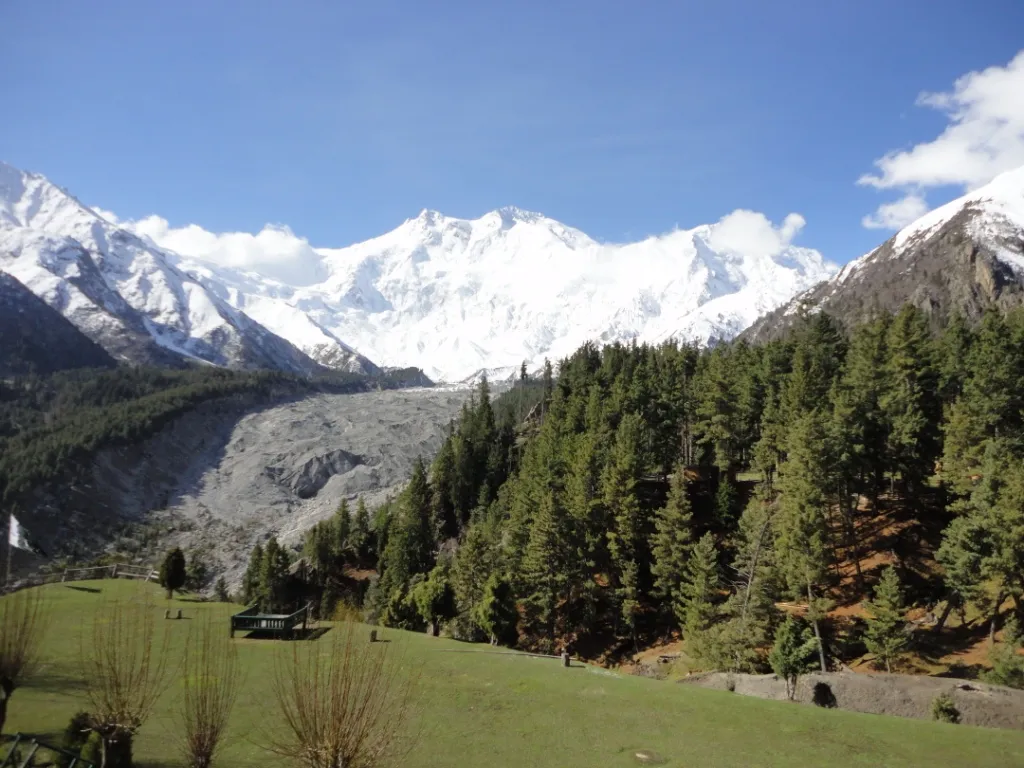
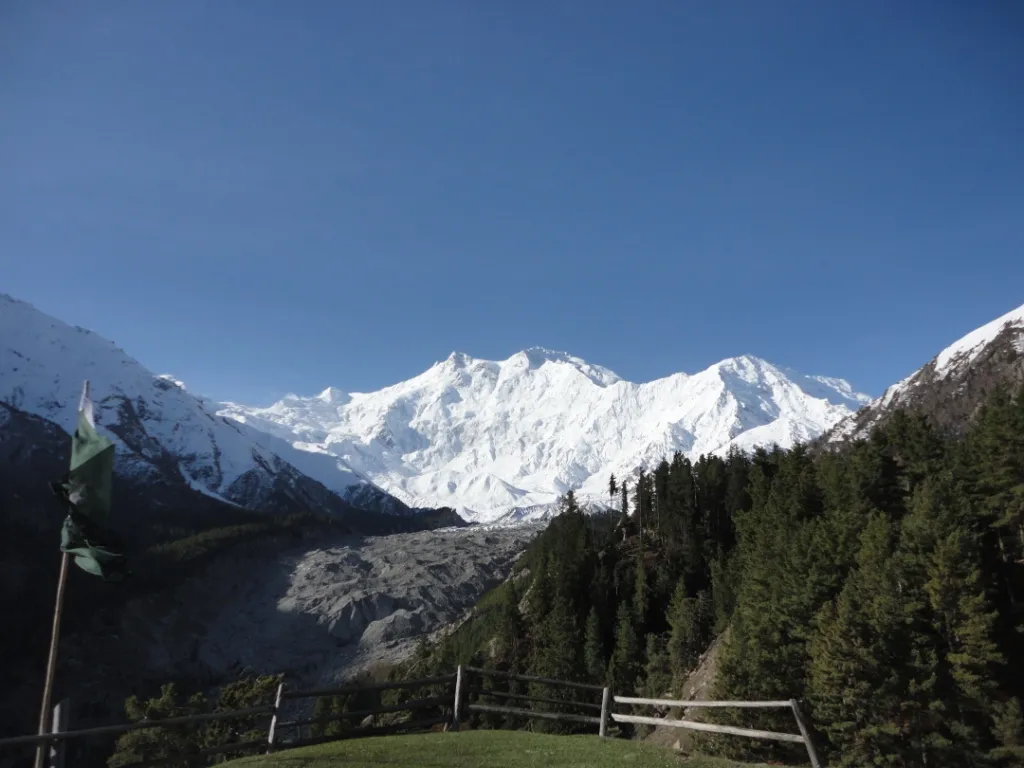
The green Fairy Meadows meadow and pine forest below Nanga Parbat
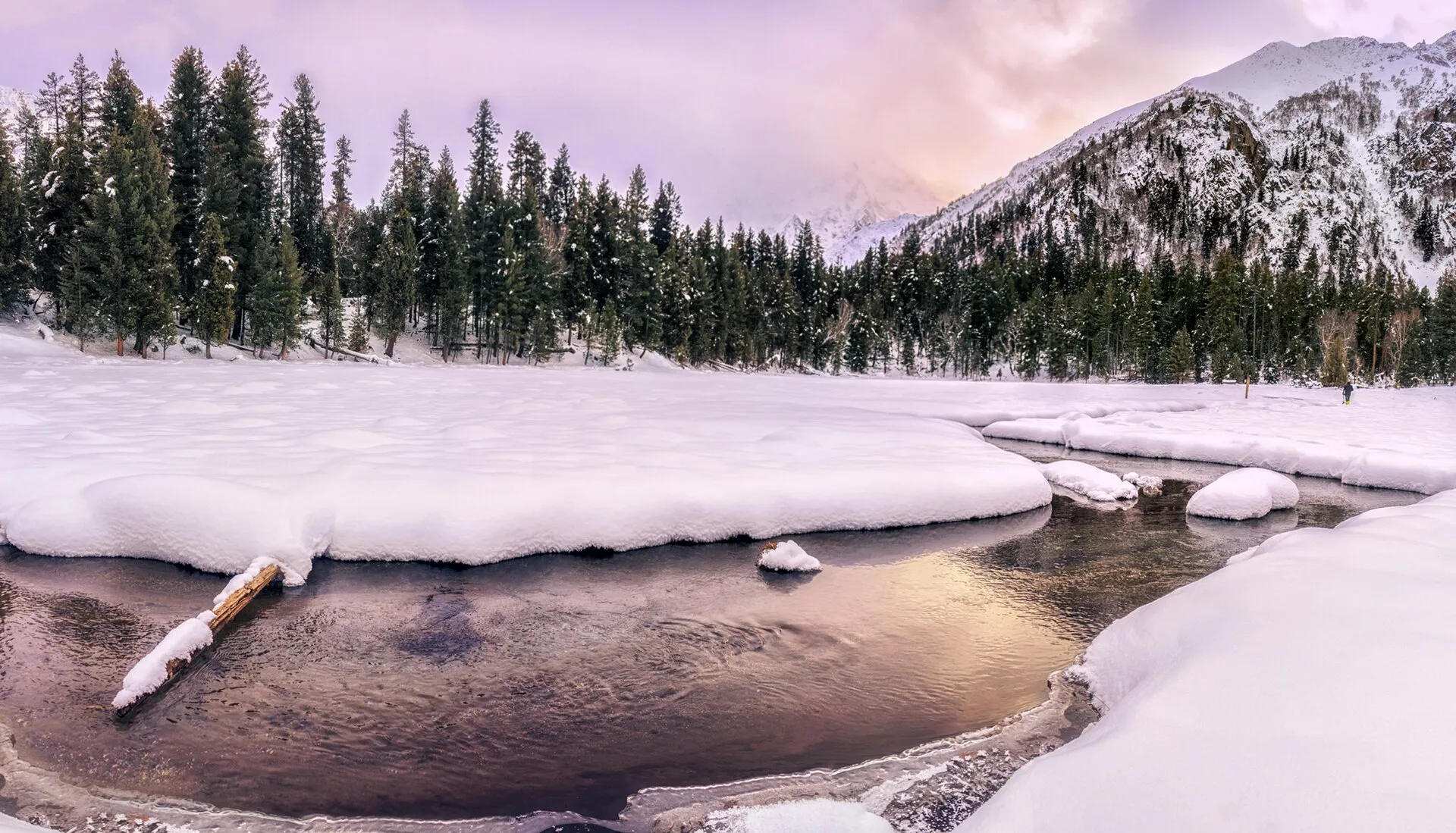
Pink sunset over a frozen pond and pine forest at Fairy Meadows
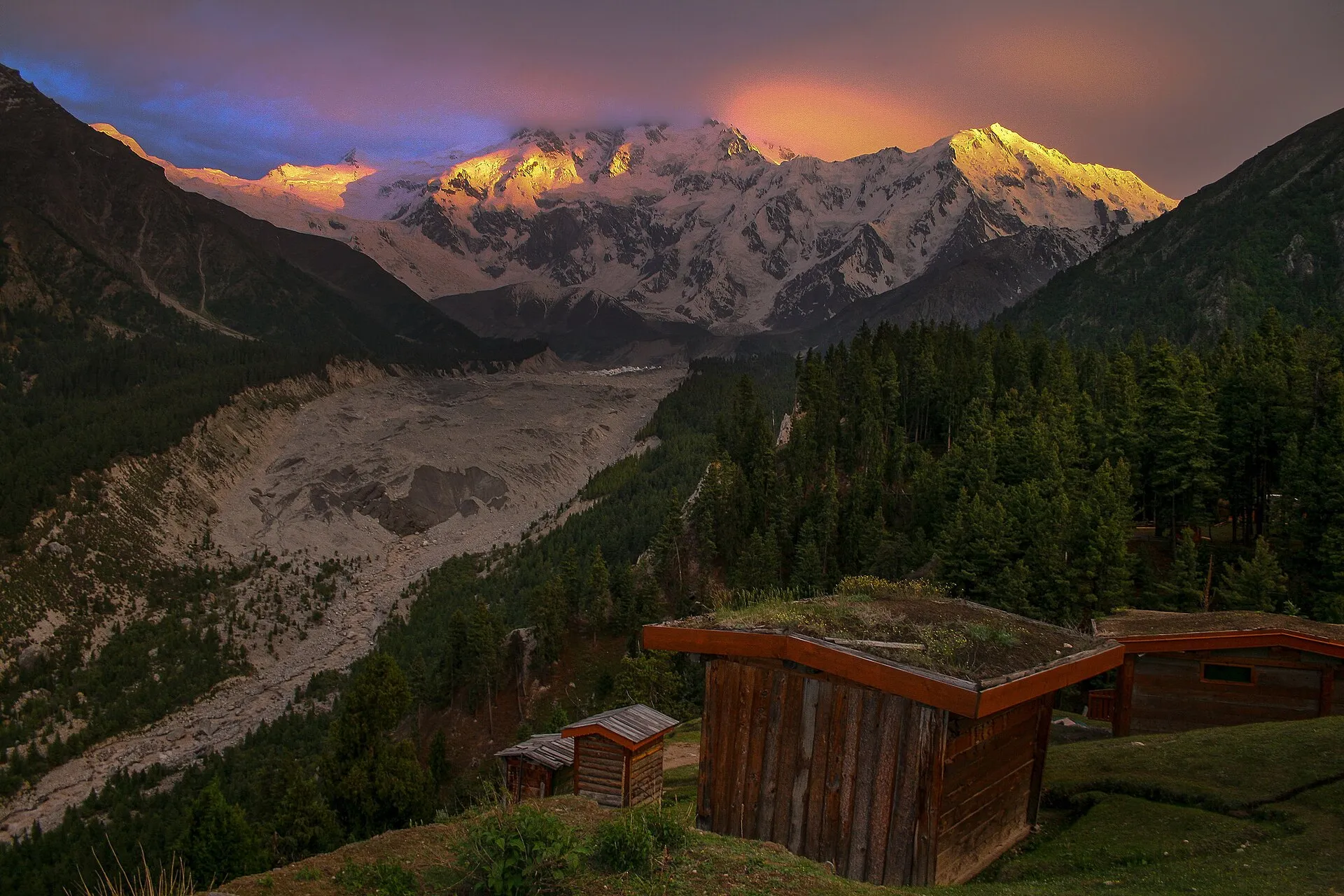
Golden sunset light on Nanga Parbat above a wooden cabin at Fairy Meadows
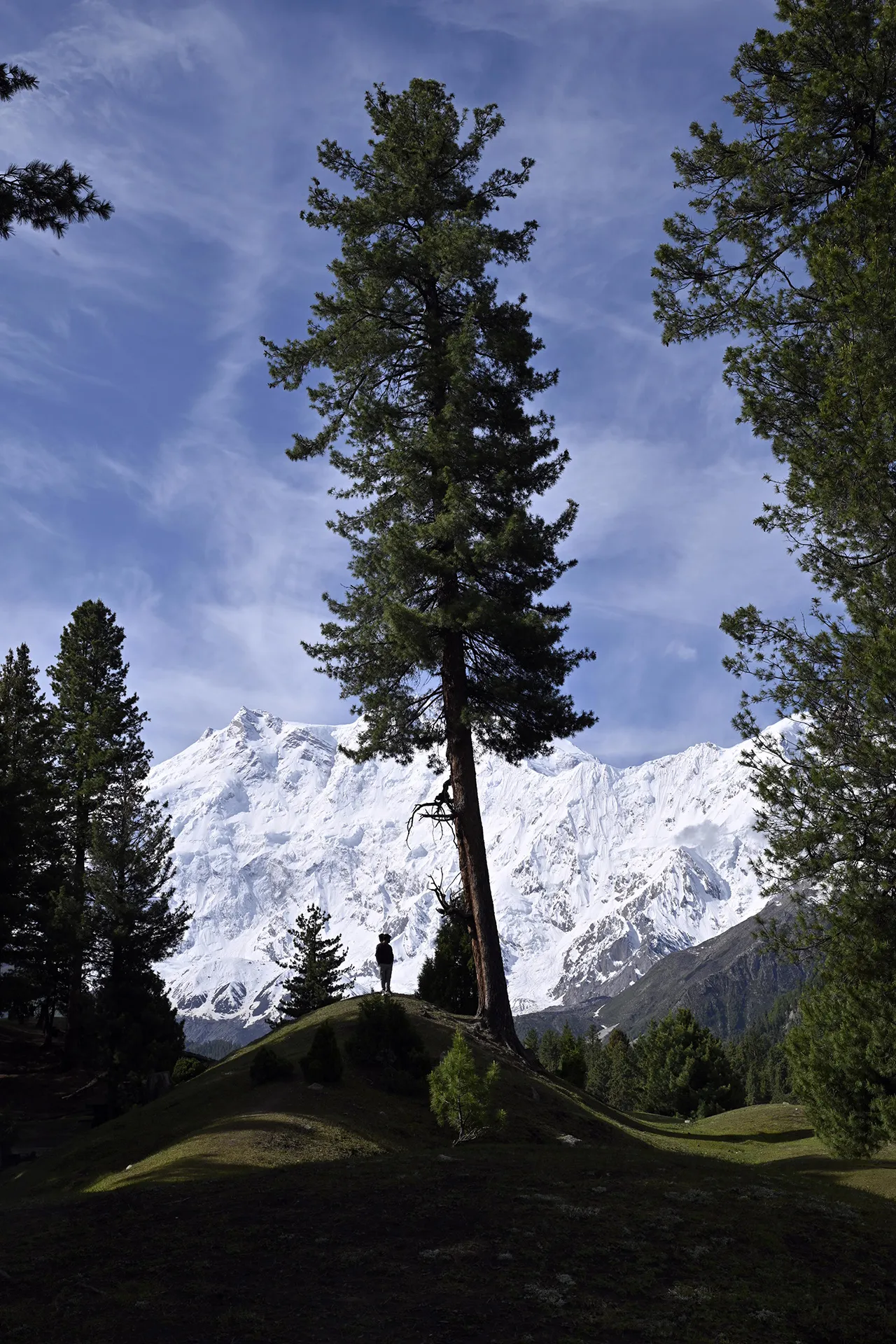
A tall pine on a knoll at Fairy Meadows with Nanga Parbat behind
Green meadow and pine forest below Nanga Parbat and the Rakhiot glacier
Nanga Parbat framed by pine forest and an alpine meadow at Fairy Meadows
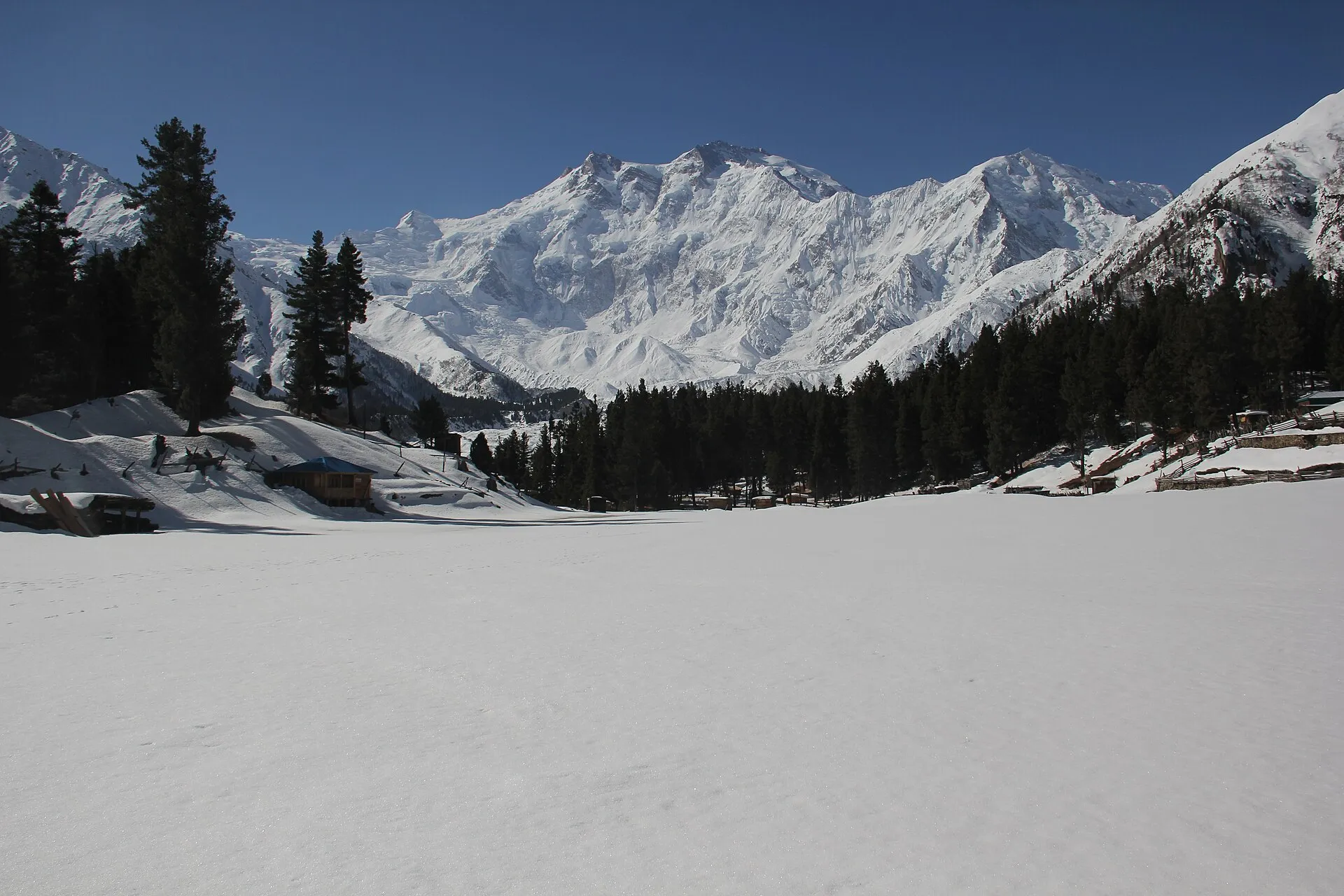
Nanga Parbat above a snowfield near Beyal camp
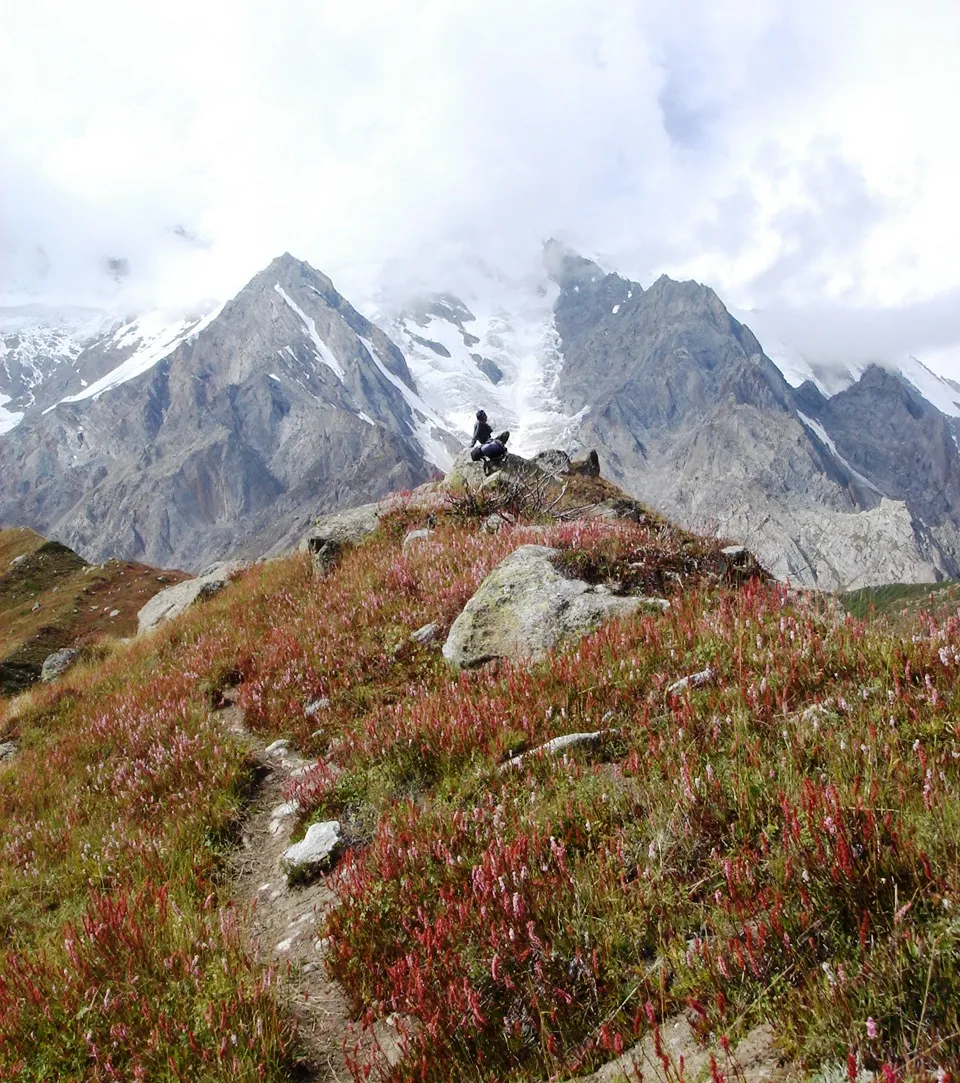
A hiker on the autumn trail toward Nanga Parbat base camp above Fairy Meadows
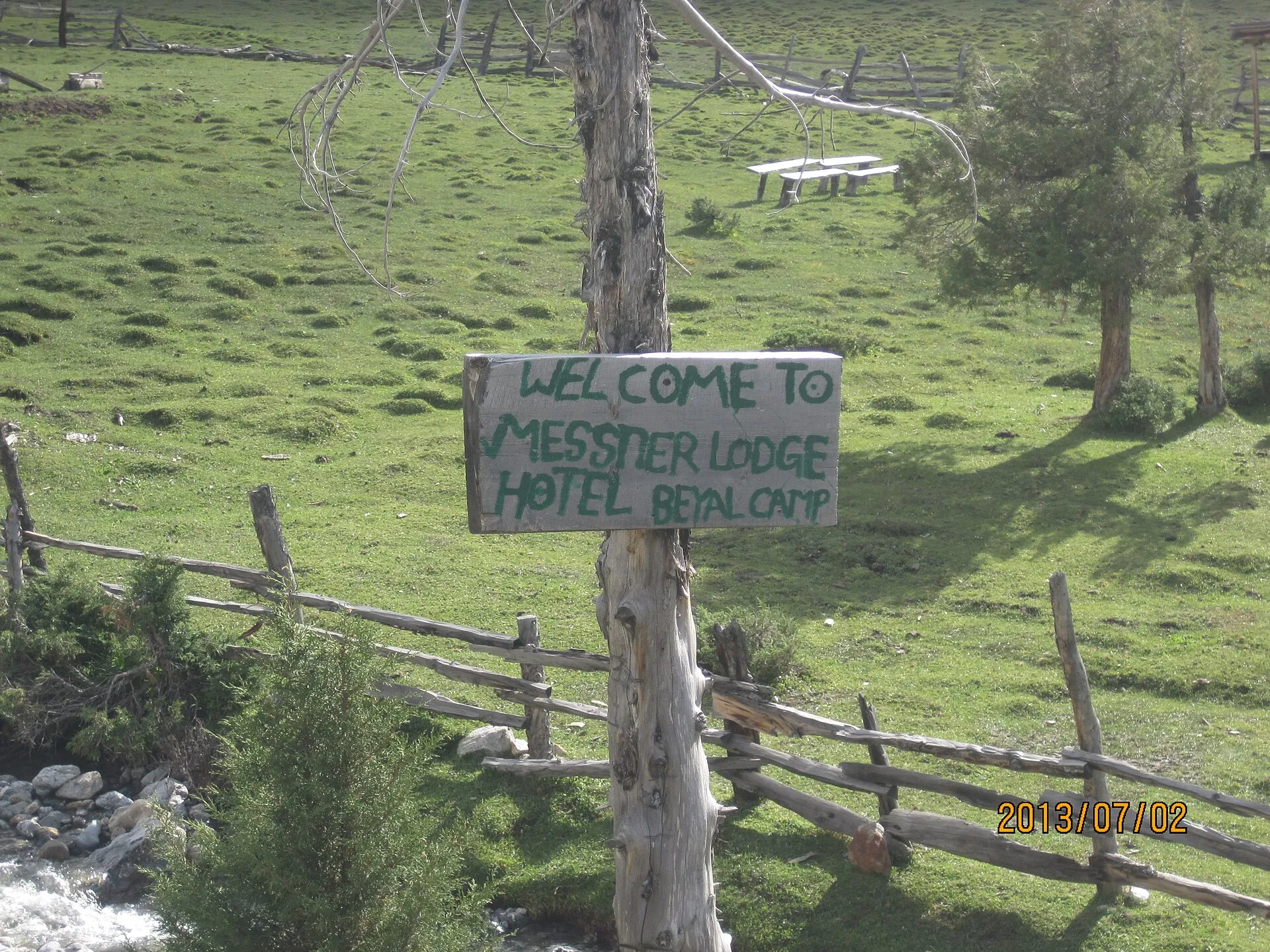
The green meadow and lodge sign at Beyal camp near Fairy Meadows

Last updated: · Reviewed by Javeed Iqbal, Founder

Duration

5-7 Days

Difficulty

Easy-Moderate

Group Size

2-20 Campers

Best Season

May-Oct

About This Tour

This is the under-canvas version of Fairy Meadows: instead of a cottage, you sleep in a tent pitched on the grass at about 3,300 metres, with Nanga Parbat standing 8,126 metres over the far end of the meadow. The site sits in the Diamer District of Gilgit-Baltistan inside the national park, and pitching a tent here puts you about as close to an 8,000-metre summit as any campsite you can reach without ropes. The Raikot face is the last thing you see at night and the first thing the sun touches in the morning.

Camp life runs on a simple rhythm. Mornings start cold and still, with frost sometimes on the flysheet even in July; the cook fire goes on, tea comes round, and the mountain turns from grey to gold. Days are loose: short walks to Beyal Camp at about 3,500 metres, an hour over easy ground, or a longer outing toward the Raikot Glacier and the base-camp viewpoint at roughly 3,967 metres for those who want it. Afternoons are for lying in the grass and doing nothing in particular.

Then there are the nights, which are the real reason to camp rather than take a cottage. There is no town for a hundred kilometres and no light but the fire, so the Milky Way comes out in a band you can read by. We build a proper bonfire each evening and dinner is cooked over flame, eaten with the silhouette of the Killer Mountain on the skyline. People who would normally turn in early end up sitting out for hours.

Our six-day camping tour carries the road north, the jeep up the Tato track and the hike in, then settles you under canvas at the meadow with everything for camp life provided. We supply the tents, the sleeping kit and the camp staff; you bring warm clothes and a head for cold mornings. Effort is easy to moderate and the season runs May or June through September or October, closed in winter.

What Camping at Fairy Meadows Is Actually Like

Your tent goes up on the open grass with a clear line to Nanga Parbat, spaced apart from the others so the camp feels quiet rather than crowded. We run a separate mess tent for meals and a kitchen point where the cook works over fire and gas, and a designated toilet tent set away from the sleeping area. There is no electricity at the meadow, so evenings are lamp and firelight and a chance to charge nothing and look up instead.

Be honest with yourself about the cold. Even in midsummer the temperature drops hard after sunset and mornings can be near freezing, which is the one thing campers underestimate here. A warm sleeping bag, a hat and a proper jacket turn a cold night into a comfortable one. Once you are warm, the dark and the silence are the whole point, and the bonfire is where the group ends up every evening.

Day-by-Day Itinerary

1

Islamabad to Chilas

A full day on the road, climbing out of the plains and tracking the Indus deeper into the mountains, roughly 10 to 12 hours behind the wheel. We stop the night at a guesthouse in Chilas so the camp gear and the group both arrive at the meadow fresh rather than wrung out.
2

Chilas to the Meadow and First Camp

Short drive to Raikot Bridge, then the jeep up the roughly 15-kilometre Tato track, around two and a half to three hours. Hike 5 to 5.5 kilometres through pine forest to the meadow at about 3,300 metres, where we pitch camp in time for the first sunset on Nanga Parbat.
3

Beyal Camp Walk and Bonfire Night

Easy hour-long walk up to Beyal Camp at about 3,500 metres, closer to the glacier and quieter than the main meadow. Back to camp for the bonfire, a fire-cooked dinner and the first proper night under the stars.
4

Base Camp Viewpoint and Stargazing

Longer day toward the Raikot Glacier and the base-camp viewpoint at roughly 3,967 metres, three to four hours one way under the Raikot face, or a slow day in camp instead. After dark, a Milky Way photography session by the fire.
5

Strike Camp and Descend to Raikot Bridge

Take the tents down, load the horses, and drop back through the pines to the road head above Tato, where the jeeps run you down the track to Raikot Bridge. From there we turn south on the highway and pull up for the night near Chilas or somewhere along the road toward the plains.
6

Return to Islamabad

The last leg back down to Islamabad, reaching the city by evening with the meadow well behind you. The trip closes here.

What We Provide and What to Bring

We carry the camp. That means tents pitched and struck for you, sleeping bags and insulated mats, a mess tent and a toilet tent, all cooking and the firewood for the bonfire, plus the porters or horses to move the heavy kit up from the road head. Meals are cooked fresh in camp through the trip, and the jeep, permits and guide are all in the price.

What you bring is your warmth and your feet. Pack a warm insulating layer and a windproof jacket, a hat and gloves, broken-in walking shoes, a head torch, sunglasses and high-factor sunscreen for the strong altitude sun, and a refillable water bottle. If you sleep cold, a thin liner inside the supplied bag makes a real difference. Keep it to one soft duffel so it rides easily on a horse.

Stargazing and Bonfire Nights

The meadow is one of the darkest accessible skies in the country, far from any town glow, so on a clear night the stars reach the horizon and the Milky Way stands out plainly over Nanga Parbat. We time dinner so the fire is lit as the light goes, and there is usually an hour after the meal when people stay out with the embers and the sky. Bring a camera that can hold a long exposure if night photography is your thing.

Weather can close the show without warning; cloud builds over the face on some evenings and that is the mountains, not bad luck. We keep the fire going regardless, and a clouded night often clears to a sharp dawn. The trade-off of camping is that you are out in whatever the sky does, which is exactly why the good nights feel earned.

Best Time to Camp at Fairy Meadows

The camping window matches the meadow's open season, roughly May or June to September or October, with the warmest and most settled nights falling in July and August. The track and the meadow shut under snow through winter, so there is no off-season camping here. Aim for the heart of summer if cold nights are a concern.

Early and late season reward campers who are prepared: fewer tents on the grass, sharper air and a real chance of frost on the flysheet at either end of the season. Midsummer is busier but warmer and gives the longest run of clear, dark nights, which is what most campers come for.

Camp, Cottage or Family Trip?

This is the under-canvas version, with tents on the meadow and nights under the stars. If you would prefer a solid roof, our classic Fairy Meadows trek stays in a cottage. Travelling with kids or grandparents? The family version uses horses and an easier pace. All three reach the same viewpoint below Nanga Parbat; they differ in where you sleep and how much you walk.

Why Book With Us

Camping at altitude only works when the kit is right and the staff know the ground, and we have run tented trips at Fairy Meadows since 2015. We bring expedition-grade tents and warm sleeping kit, pitch a proper camp with mess and toilet tents rather than leaving you to rough it, and our cook turns out hot meals over fire every day. Guides who live in these mountains read the evening weather and keep the fire and the group sorted. We say plainly that the nights are cold and the sky does not perform on demand, because a camper who knows what is coming has a better trip.

What's Included

All camping equipment: tents, sleeping bags, mats, and mess tent
Private transport Islamabad-Raikot Bridge and return
4x4 jeep to/from Tato Village
All meals during trek (cooked by camp chef)
English-speaking mountain guide
Campfire wood, park permits, and entry fees

Not Included

International flights
Travel insurance
Personal expenses and tips

Frequently Asked Questions

Do you provide the tents and sleeping gear?

Yes. We supply the tents, sleeping bags, insulated mats, a mess tent and a toilet tent, plus all cooking and the firewood. You bring your own warm clothing, walking shoes, head torch and personal items. A sleeping-bag liner is worth packing if you tend to sleep cold. Our staff pitch and strike the tents for you, and porters or horses carry the heavy kit up from the road head above Tato, so you walk in with a light pack. The cook works over fire and gas and serves fresh meals throughout the trip. On your side of the list, pack a warm insulating layer, a windproof jacket, a hat and gloves, sunglasses, high-factor sunscreen and a refillable water bottle. Walking shoes should be broken in before you arrive. Keep everything to one soft duffel so it rides easily on a horse.

How cold does it get camping at Fairy Meadows?

Cold, even in midsummer. Nights drop sharply after sunset and mornings can sit near freezing, with frost on the tent at either end of the season. The warm sleeping kit we provide handles it, but you must bring a proper insulating layer, hat and gloves. The camp sits at about 3,300 metres, and the cold is the one thing campers most often underestimate here. Frost can appear on the flysheet even in July. July and August give the warmest nights, so aim for the middle of summer if you feel the cold. Early and late in the season the air is sharper and a frosty dawn is likely. The bonfire each evening helps, as does a hot dinner cooked over flame. A thin liner inside the supplied bag adds warmth if you tend to sleep cold, and a windproof jacket makes the mornings far more pleasant.

Is camping at Fairy Meadows safe?

Yes, it is a long-established campsite inside a national park with staff and other campers around. The altitude of about 3,300 metres is moderate and rarely causes trouble, and our guides watch for anyone struggling. The only real hazard is the cold, which is why warm gear matters. Getting there involves the Tato jeep track from Raikot Bridge, roughly 15 kilometres of narrow, unpaved road that local drivers run every day of the season. We pitch a proper camp with a mess tent and a separate toilet tent, and space the tents apart so the site stays quiet. Our guides live in these mountains and read the evening weather, and we have run tented trips here since 2015. If you join the optional longer day toward the base-camp viewpoint at roughly 3,967 metres, a guide goes with you.

Can I see the Milky Way and stars clearly?

On a clear night, yes, this is one of the darkest accessible skies in Pakistan with no town light for miles. The Milky Way stands out plainly over Nanga Parbat and we light the bonfire as the light fades for night viewing. Cloud can close it on some evenings, so a few nights in camp improves your odds. There is no electricity at the meadow, so the only light is the fire, and on good nights the stars reach right down to the horizon. Day four includes a Milky Way photography session by the fire, and a camera that can hold a long exposure is worth bringing. There is usually an hour after dinner when people stay out with the embers and the sky. When cloud does build over the Raikot face, we keep the fire going, and a clouded night often clears to a sharp dawn.

How do I reach the campsite?

It takes the better part of two days from Islamabad. The highway carries you north to Raikot Bridge, where jeeps take over for the roughly 15-kilometre Tato track, about two and a half to three hours of climbing. A final walk of 5 to 5.5 kilometres brings you up to the meadow while horses or porters haul the tents and kit. Day one is the long road from Islamabad to Chilas, roughly 10 to 12 hours following the Indus, with a night in a guesthouse so the group arrives fresh. The next morning is a short drive to Raikot Bridge. The walk in climbs through pine forest to about 3,300 metres, and we pitch camp in time for the first sunset on Nanga Parbat. Private transport and the 4x4 jeep to and from Tato are included, so there is nothing to arrange locally.

When is the best time to camp here?

May or June through September or October, with July and August giving the warmest, most settled nights. The meadow closes under snow in winter, so there is no off-season camping. For the mildest nights, aim for the middle of summer. Midsummer is busier, but it gives the longest run of clear, dark nights, which is what most campers come for. Early and late season suit campers who come prepared: fewer tents on the grass, sharper air, and a real chance of frost on the flysheet. The Tato track shuts along with the meadow through winter, so there is no way up at all in those months. Whatever month you choose, bring warm layers, because nights at 3,300 metres are cold even in July. Tell us your dates and we will say honestly what to expect from the weather and the crowds.

Are toilets and washing facilities available?

We set up a dedicated toilet tent away from the sleeping area and provide water for washing, but conditions are basic camp standard with no plumbing or hot showers at the meadow. There is no electricity either, so bring a power bank if you need to charge anything. This is real mountain camping rather than a glamping setup. The toilet tent is part of a proper camp layout, alongside the mess tent where meals are served, and the sleeping tents are spaced so the site stays quiet. Evenings run on lamp and firelight. Pack a head torch for night trips to the toilet tent, and sunscreen for the days, since the altitude sun is strong. If basic facilities would spoil the trip for you, our cottage-based Fairy Meadows trek gives you a roof and a bed instead, with the same view of Nanga Parbat.

Is camping better than the cottages?

It depends what you want from the nights. Camping puts you out under the open sky for the bonfire and stars but means cold mornings and basic facilities, while the cottages are warmer and more comfortable. If you would rather have a solid roof and a bed, our standard cottage tour suits you better. Campers get a tent on the open grass with a clear line to Nanga Parbat, dinner cooked over flame and the hour after dinner out by the embers. The price is frost on the flysheet some mornings and a toilet tent rather than a bathroom. Travelling with children or grandparents? Our family version uses horses for the climb and an easier pace. All three trips reach the same viewpoint below Nanga Parbat; they differ in where you sleep and how much you walk.

From

$850

per person

* Prices may vary. Contact us for accurate, customized pricing.

Duration5-7 Days
DifficultyEasy-Moderate
Group Size2-20 Campers
Best SeasonMay-Oct
Max Altitude~3,300m
Book This Tour Ask a Question

Free cancellation up to 30 days before departure

Ready for Your Next Adventure?

Join our community of explorers and discover the journey of a lifetime. Our expert team is ready to help you plan your perfect expedition.