Taxila, Pakistan: Museum, Ruins & Gandhara | Go With Guide
Home
All Tours Cultural Tours Family Holidays Luxury Tours Camping Road Trips
K2 Treks Trending Treks High Passes Trekking Holidays All Treks
8000m Peaks 7000m Peaks 6000m Peaks High Passes
Cycle Touring Eco Tourism Motorcycle Touring Mountain Passes Festivals of Pakistan Ibex Hunting Snow Leopard International Travelers
About Us Vehicles Contact FAQs Blog
Plan Your Trip
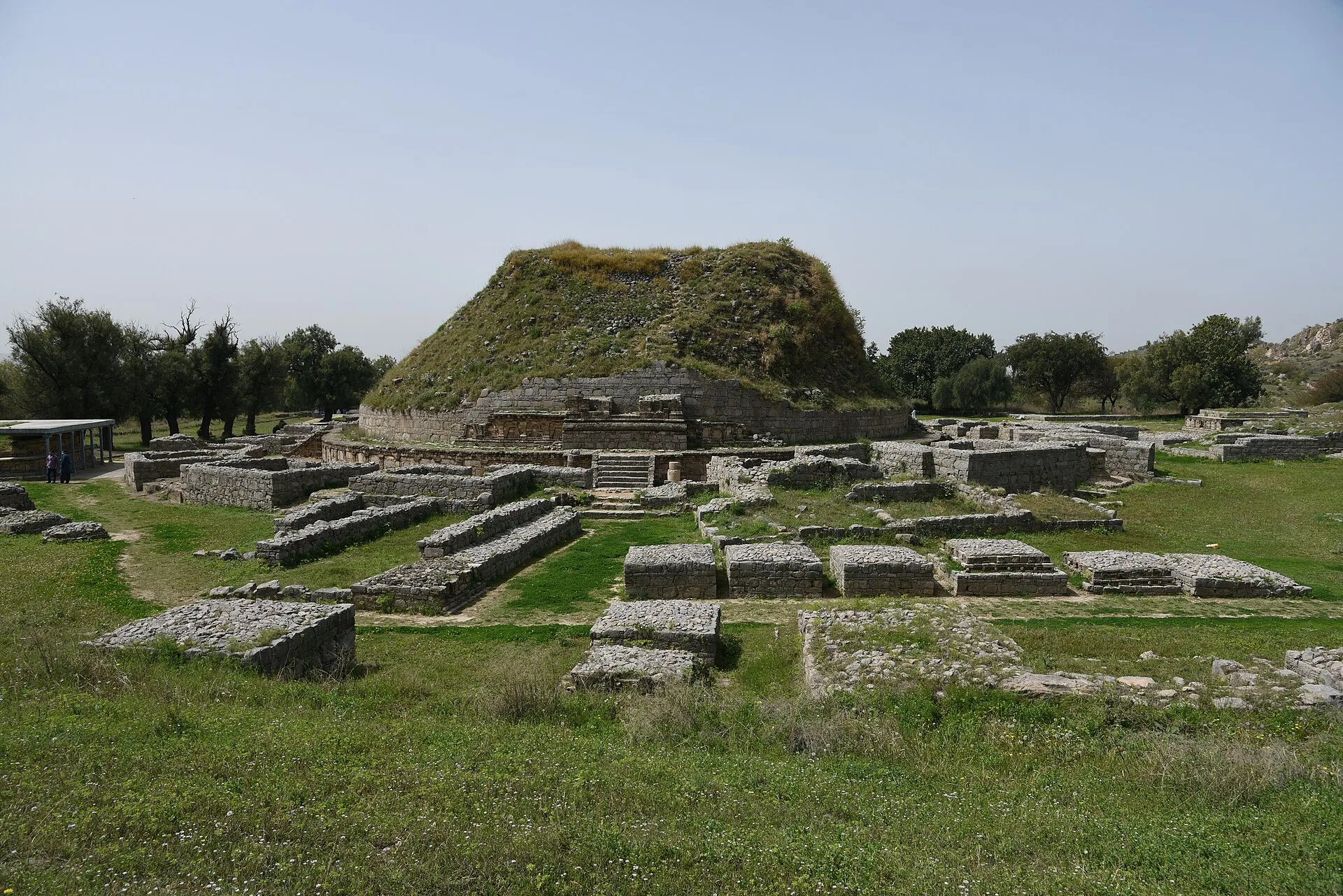
The Dharmarajika Stupa at Taxila, a Gandhara World Heritage Site
Back to Tours
Cultural Punjab

Taxila

2,500 Years of Buddhist Civilization
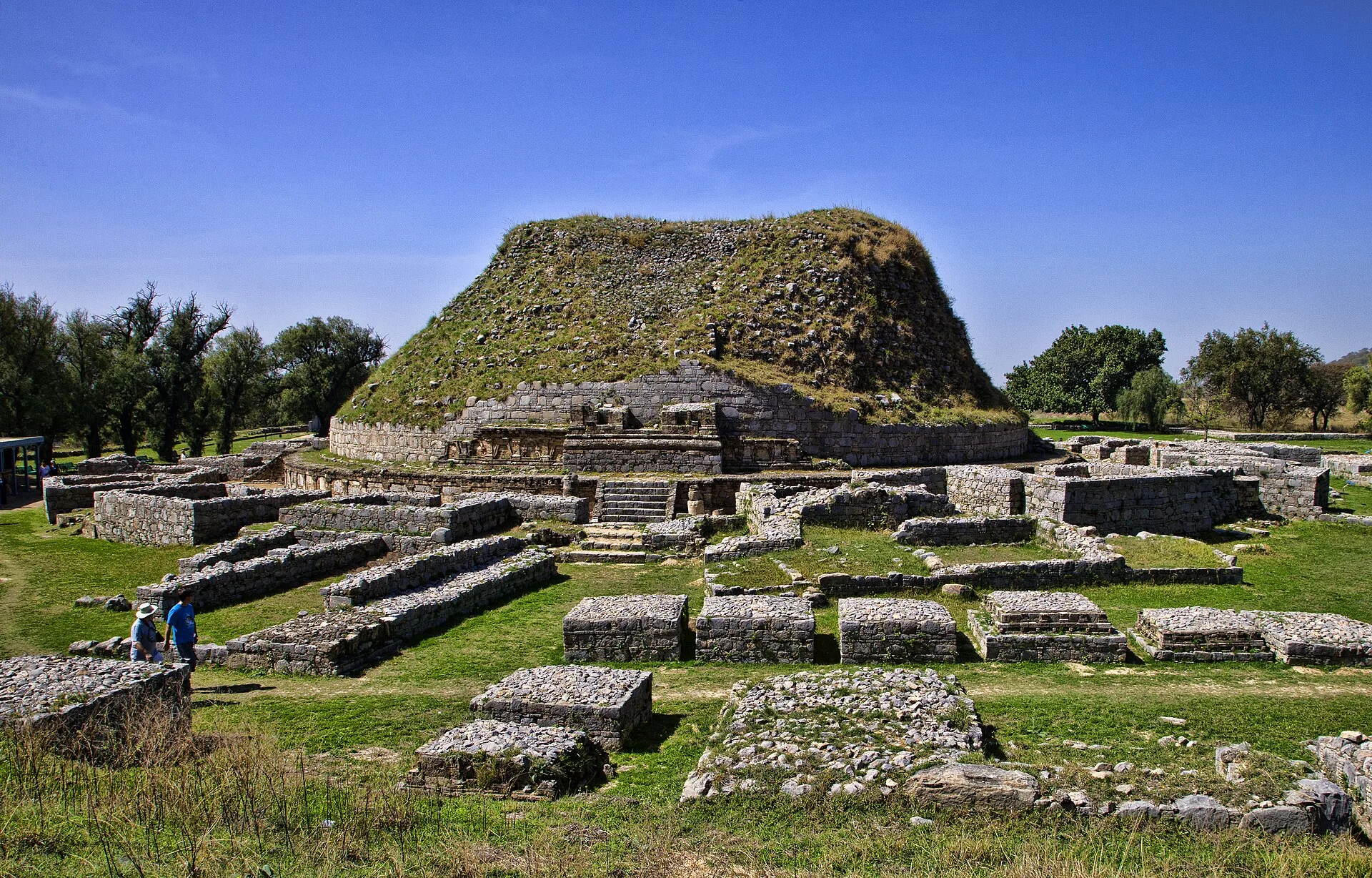
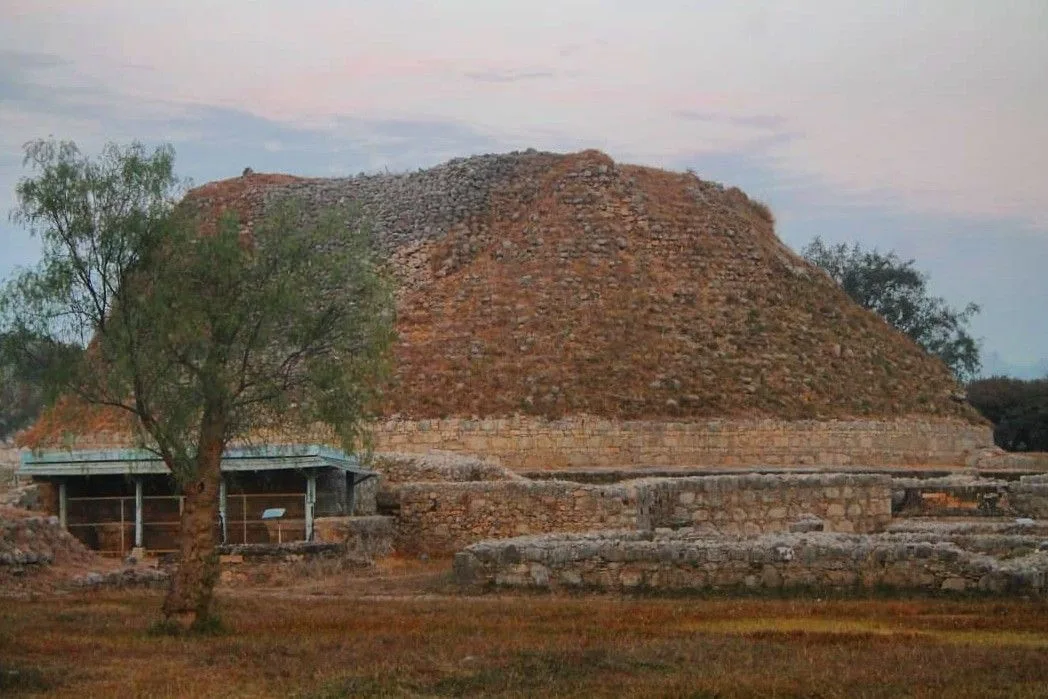
The Dharmarajika Stupa and monastery ruins at Taxila, a Gandhara World Heritage Site
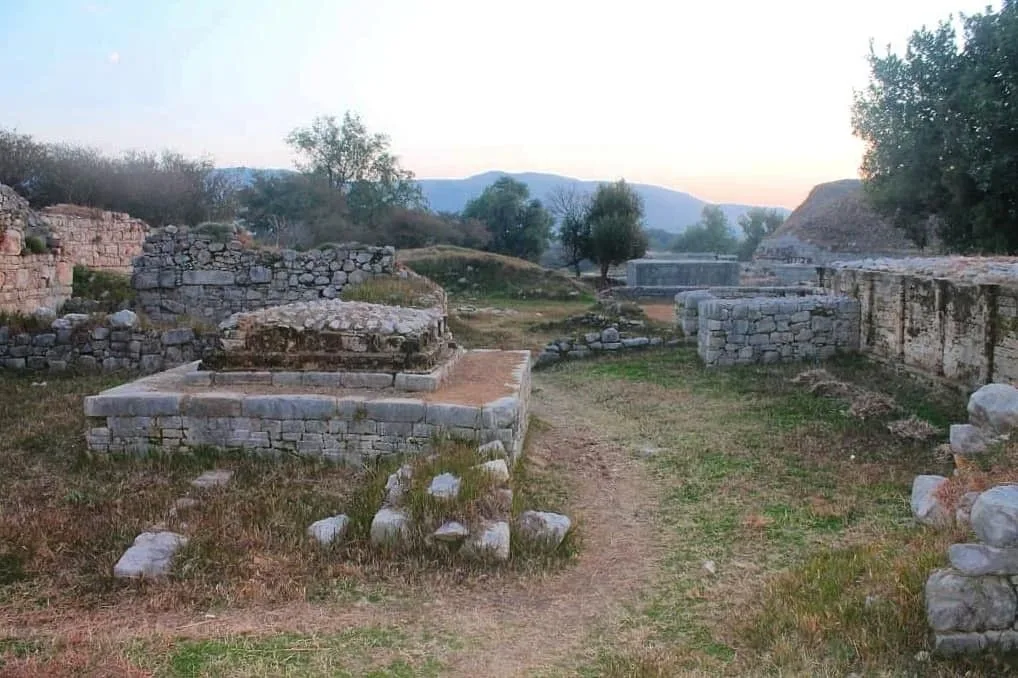
The ruins of a Buddhist monastery at Taxila
Ancient stone ruins at the Taxila archaeological site
A Gandhara-era Buddhist stupa at Taxila
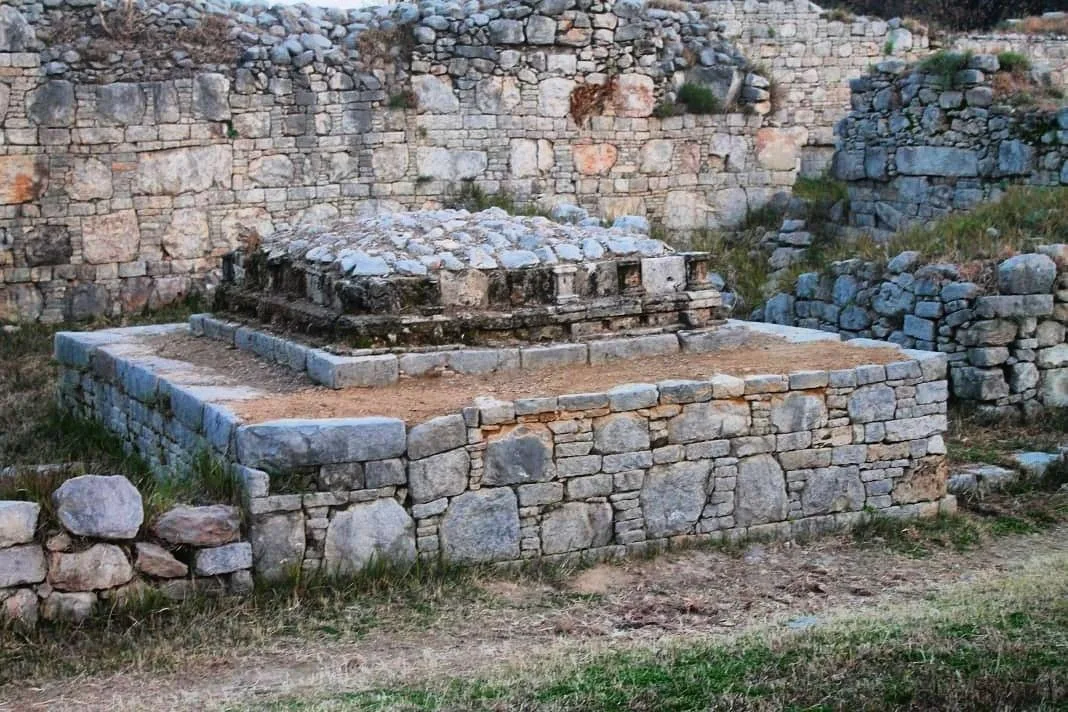
Stone monastery walls at the Taxila World Heritage Site
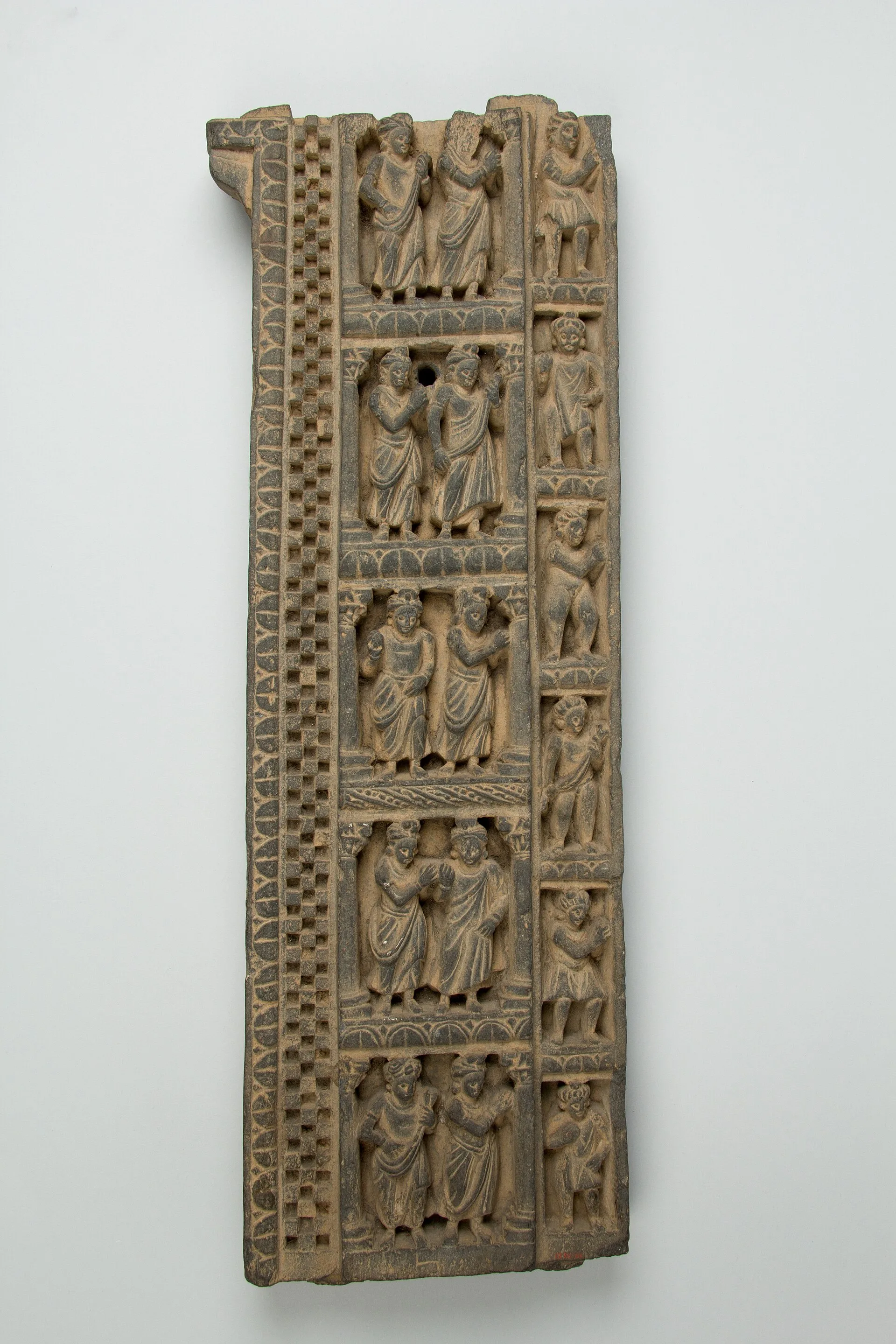
A carved Gandhara stone relief from Taxila

Last updated: · Reviewed by Javeed Iqbal, Founder

Duration

3-5 Days

Difficulty

Easy

Group Size

2-12 people

Best Season

Year-round

About This Tour

An hour's drive northwest of Islamabad, scattered across a quiet valley of wheat fields and acacia, lies one of the ancient world's great cities. Taxila, Takshashila in Sanskrit, was inscribed by UNESCO in 1980 as a serial site: a Mesolithic cave, four settlement mounds and eighteen monuments spanning more than a thousand years of urban life. Persia governed here, Alexander was hosted here in 326 BC, Ashoka built here, and five centuries of Buddhist scholarship made the name famous from China to the Mediterranean.

Three buried cities sit within a few kilometres of each other, and walking between them is walking through chapters. Bhir Mound is the oldest, an unplanned Achaemenid-era town of crooked lanes. Sirkap, founded by the Indo-Greeks around 180 BC, is the opposite: a Hellenistic grid with a long straight main street, where the Double-Headed Eagle Stupa mixes Greek columns, Indian arches and a Mesopotamian eagle on one small monument. Sirsukh, the Kushan city, came last. No other place in South Asia lets you read the layers this plainly.

Gandhara is the reason most travellers come. Between roughly the 1st and 5th centuries AD, sculptors here fused Greek technique with Buddhist subject matter and produced some of the first human images of the Buddha, wavy-haired and toga-draped like an Apollo in meditation. The Taxila Museum, purpose-built in 1928, holds thousands of pieces: schist panels of the Buddha's life, serene stucco bodhisattvas, and coins and jewellery from the excavations of Sir John Marshall.

We run this as a private guided day trip from Islamabad or a 3 to 5 day Gandhara circuit, led by guides who studied the archaeology rather than memorised a script.

The Sites You Visit

Taxila Museum

Start here, because the museum gives the ruins their faces. Around 4,000 objects are displayed: the narrative friezes, the stucco heads, Marshall's excavation finds, and coin hoards that track every ruler from the Greeks to the Huns.

Dharmarajika Stupa

The largest stupa at Taxila, raised in the 3rd century BC, by tradition over relics of the Buddha distributed by Ashoka. A ring of votive stupas and a sprawling monastery grew around it over the following centuries; the remains of monks killed in the Hun sack of the 5th century were found among the cells.

Sirkap

The Indo-Greek city, laid out on a Hippodamian grid around 180 BC. Walk the long main street past the Double-Headed Eagle Stupa and the apsidal temple, rebuilt after the earthquake of about 30 AD.

Jaulian Monastery

A hilltop monastery of the 2nd to 5th centuries with monk cells on two storeys and the famous Healing Buddha, a votive stupa with a hole at the navel where pilgrims still place a finger and ask for cures.

Where is Taxila?

Taxila lies in the Punjab province of Pakistan, about 35 km northwest of Islamabad and Rawalpindi, an easy hour's drive from the capital. It sits in a broad valley at the foot of the hills where the ancient routes between Central Asia, Persia and the Indian subcontinent once met. Today it is among the most important archaeological zones in South Asia and a UNESCO World Heritage Site, spread across several separate ruin complexes and a museum within a few kilometres of the modern town. Its accessibility makes it the easiest window into the ancient Gandhara civilisation you can reach from Islamabad.

The Taxila Museum and Ruins

Taxila is not a single monument but a scatter of sites across the valley, best begun at the Taxila Museum, which holds one of the world's finest collections of Gandhara art, its grey-schist Buddhas and Greco-Buddhist sculpture drawn from the surrounding digs. From there the main ruins spread out: the early city mound of Bhir, the grid-planned Greek city of Sirkap, the great Dharmarajika stupa, and the hillside monasteries of Jaulian and Mohra Muradu, among the best-preserved Buddhist monastic sites anywhere. Together they trace more than a thousand years of history, from the 6th century BCE through the Mauryan, Indo-Greek and Kushan eras.

Day-by-Day Itinerary

1

Taxila Museum & Sirkap

An hour's drive from Islamabad. Morning in the museum with the Gandhara galleries, afternoon walking Sirkap's main street and the Double-Headed Eagle Stupa. Day-trip guests return to Islamabad this evening.
2

Dharmarajika Stupa & Jaulian Monastery

The great stupa and its monastery in the morning, then up the hill to Jaulian for the monk cells and the Healing Buddha. The two sites bracket seven centuries of Buddhist Taxila.
3

Mohra Muradu & Mankiala Stupa

Mohra Muradu's stupa sits in a side valley between Sirkap and Jaulian, with the finest preserved votive stupa at Taxila. In the afternoon, the Kushan-era Mankiala Stupa on the GT Road south of Rawalpindi, built where legend says the Buddha gave his body to feed starving tiger cubs.
4

Khanpur & Hund (Optional)

A slower day: Khanpur Dam on the Haro River for lunch by the water, or the longer run to Hund on the Indus, the old Gandharan river crossing and last capital of the Hindu Shahis, with its small museum.
5

Departure or Extension

Back to Islamabad, or extend toward the Gandhara sites of Peshawar and Takht-i-Bahi.

A Buddhist Pilgrimage to Gandhara

For Buddhist travellers this is not sightseeing; it is a pilgrimage to one of the faith's great wellsprings. Gandhara carried Buddhism over the passes into China, and the Chinese pilgrims Faxian and Xuanzang both walked this ground and wrote down what they found. Korean, Japanese, Thai and Sri Lankan groups increasingly travel the same circuit, and we arrange chanting time at Dharmarajika, early-morning site access where possible, and vegetarian meals as a matter of course.

Getting There & Practicalities

Taxila is about 35 km from Islamabad, an hour's drive on the motorway or GT Road, which makes the day trip easy. October to March is the comfortable season; summer afternoons run well over 40 degrees, so summer visits start early and shelter in the museum at midday. Sites are open daily through daylight hours, and foreigner tickets are modest (a few dollars per site; we handle them). Bring sun cover and water in any season: the ruins have little shade.

Who This Tour Is For

History readers, photographers of ruins and museum collections, Buddhist pilgrims, and Islamabad residents or business visitors with one spare day that they would rather spend in the first millennium. The walking is gentle but the ground is uneven; sturdy shoes beat sandals.

Why Book With Us

Our Taxila guides are trained in the archaeology, not the anecdotes, and will tell you honestly which claims are tradition rather than fact, including the 'world's oldest university' line you will hear elsewhere; Taxila was a renowned seat of learning where masters taught students in homes and monasteries, which is remarkable enough without inflation. Private vehicle, flexible pacing, museum-first routing that makes the ruins legible.

What's Included

All ground transport from Islamabad
2-4 nights accommodation (Taxila guesthouse or Islamabad hotel)
All meals during tour
Expert archaeologist or heritage guide
All site entry fees including Taxila Museum
Illustrated heritage guidebook

Not Included

International flights
Travel insurance
Personal expenses and tips

Frequently Asked Questions

How far is Taxila from Islamabad?

Taxila is about 35 km northwest of Islamabad, roughly an hour's drive by motorway or GT Road, which makes it the easiest UNESCO World Heritage day trip in Pakistan. You can leave the capital in the morning, spend the first hours in the Taxila Museum, walk Sirkap's main street in the afternoon and be back in Islamabad by evening. That is exactly how day one of our itinerary runs for day-trip guests. The ruins are spread across several separate complexes within a few kilometres of the modern town, so having a vehicle between sites saves a lot of walking in the sun. We include all ground transport from Islamabad in a private vehicle, and the pace is set by you. If an hour each way feels like too much for one day, the longer versions put you in a Taxila guesthouse or an Islamabad hotel and split the sites across two or more days.

Is Taxila worth visiting?

Yes. Taxila is a UNESCO World Heritage Site, inscribed in 1980, where three buried cities and a first-class museum cover a millennium of history, from the Persians and Alexander to the Kushans. You can see it properly in a day. Bhir Mound is the oldest city, an unplanned Achaemenid-era town of crooked lanes. Sirkap, founded by the Indo-Greeks around 180 BC, is laid out on a straight Hellenistic grid, and its Double-Headed Eagle Stupa mixes Greek columns, Indian arches and a Mesopotamian eagle on one small monument. Sirsukh, the Kushan city, came last. Alexander was hosted here in 326 BC and Ashoka built here. Few places in South Asia let you read those layers so plainly, and the Taxila Museum, with around 4,000 objects on display, gives the ruins their faces. For history readers, photographers and Buddhist pilgrims it repays the hour's drive from Islamabad many times over.

What is Gandhara art?

Gandhara art is the Greco-Buddhist sculpture of this region, made roughly from the 1st to the 5th centuries AD. Sculptors here fused Greek technique with Buddhist subjects and produced some of the first human images of the Buddha, often wavy-haired and draped in a toga-like robe, a little like an Apollo in meditation. Before that the Buddha had usually been shown through symbols. The typical materials are grey schist, carved into narrative panels of the Buddha's life, and stucco, used for serene bodhisattvas and heads. The Taxila Museum holds one of the best collections anywhere. It was purpose-built in 1928 and displays thousands of pieces, many from the excavations of Sir John Marshall, alongside coins and jewellery from the same digs. We always start the tour in the museum for this reason. Once you have seen the sculpture up close, the empty stupas and monastery courtyards outside make far more sense.

What does entry cost?

Foreigner tickets are around Rs 500 per site, and the museum charges about the same. A full day covering the museum and the main ruins comes to a few dollars in total, so entry is a small part of the cost of a visit. Fees change periodically, which is why we do not quote a fixed figure for every site. On our tours you do not need to think about any of this: all site entry fees, including the Taxila Museum, are included in our tour price, and your guide buys the tickets at each gate. The sites are open daily through daylight hours. If you are visiting independently, carry small notes in rupees, because each complex sells its own ticket and they are several kilometres apart. Whatever you spend at the gate, budget for water and sun cover too, as the ruins have very little shade in any season.

How many days do you need?

One full day covers the museum, Sirkap and Dharmarajika. Two days add Jaulian and Mohra Muradu at a humane pace. The 3 to 5 day version folds in Mankiala, Khanpur or Hund and suits Gandhara-focused travellers. On our itinerary, day one is the museum and Sirkap, and day-trip guests return to Islamabad that evening. Day two takes in the great stupa at Dharmarajika and its monastery, then climbs to Jaulian for the monk cells and the Healing Buddha. Day three adds Mohra Muradu, with the finest preserved votive stupa at Taxila, and the Kushan-era Mankiala Stupa south of Rawalpindi. Day four is optional and slower: lunch by Khanpur Dam or the longer run to Hund on the Indus. The final day returns you to Islamabad or extends toward Peshawar and Takht-i-Bahi. The walking is gentle throughout, though the ground is uneven, so sturdy shoes matter more than fitness.

Why do Buddhist pilgrims visit Taxila?

Gandhara is where Buddhism took the artistic and scholarly forms that travelled the Silk Road to China, Korea and Japan, so for many Buddhist travellers Taxila is a pilgrimage to one of the faith's great wellsprings rather than a sightseeing stop. Dharmarajika, the largest stupa at Taxila, is held by tradition to enshrine relics of the Buddha distributed by Ashoka in the 3rd century BC. The Chinese pilgrims Faxian and Xuanzang both recorded visits and wrote down what they found. At Jaulian, pilgrims still place a finger in the navel of the Healing Buddha and ask for cures, and the Mankiala Stupa marks the spot where legend says the Buddha gave his body to feed starving tiger cubs. Korean, Japanese, Thai and Sri Lankan groups increasingly travel this circuit. For them we arrange chanting time at Dharmarajika, early-morning site access where possible, and vegetarian meals as a matter of course.

When is the best time to visit?

October to March is the best time, with cool, clear weather for walking the ruins. Spring and autumn are comfortable too. Summer is very hot, with afternoons running well over 40 degrees, and is best handled with an early start and the museum at midday. Because the sites are an hour from Islamabad and open daily through daylight hours, Taxila can be visited in any month, which is why our tour runs year-round. The season only changes how we plan the day. In winter we can walk Sirkap and Dharmarajika at a relaxed pace and take our time up the hill to Jaulian. In the hot months we reach the first ruins as early as possible, move indoors to the museum when the sun is highest, and save shorter walks for late afternoon. The ruins have little shade at any time of year, so bring sun cover and water whenever you come.

Was Taxila really the world's first university?

No, not in the modern sense. Taxila was a famous ancient seat of learning, associated by tradition with figures like Panini and Chanakya, but it had no campus or colleges in the way later universities did. Masters taught students in homes and monasteries. You will hear the 'world's oldest university' line repeated widely, and our guides will tell you honestly which parts of the story are tradition and which are fact. The real history is remarkable enough without inflation. Five centuries of Buddhist scholarship made the name of Taxila known from China to the Mediterranean, and you can still stand in the places where that teaching happened. At Jaulian the monastery has monk cells on two storeys around its courtyard, and at Dharmarajika a sprawling monastery grew up around the great stupa. Seeing those rooms makes the point better than any slogan about universities. We tell the story straight.

Where is Taxila and how do I get there?

Taxila is in the Punjab province of Pakistan, about 35 km northwest of Islamabad and Rawalpindi, roughly an hour's drive, and it makes an easy day trip from the capital by car. It sits in a broad valley at the foot of the hills, at the point where ancient routes between Central Asia, Persia and the Indian subcontinent once met, which explains why so many empires left something behind here. The modern town has the museum and several separate ruin complexes within a few kilometres of it, so you need transport between the sites as well as to reach them. On our tours a private vehicle collects you in Islamabad and stays with you throughout. From Taxila the same roads lead on to the Mankiala Stupa south of Rawalpindi, Khanpur Dam, Hund on the Indus, and the Gandhara sites of Peshawar and Takht-i-Bahi if you want a longer circuit.

What is there to see at Taxila?

Start with the Taxila Museum, famous for its Gandhara sculpture, then the ruins of Sirkap, the Dharmarajika stupa, and the Buddhist monasteries of Jaulian and Mohra Muradu. It is a UNESCO World Heritage Site tracing over a thousand years of history. The museum displays around 4,000 objects, from narrative friezes and stucco heads to coin hoards that track every ruler from the Greeks to the Huns. Sirkap is the Indo-Greek city, with its long main street, the Double-Headed Eagle Stupa and an apsidal temple. Dharmarajika is the largest stupa at Taxila, ringed by votive stupas and a monastery where the remains of monks killed in the Hun sack of the 5th century were found. Jaulian has two storeys of monk cells and the Healing Buddha, while Mohra Muradu holds the finest preserved votive stupa on the site. Bhir Mound, the oldest city, is here as well.

From

$700

per person

* Prices may vary. Contact us for accurate, customized pricing.

Duration3-5 Days
DifficultyEasy
Group Size2-12 people
Best SeasonYear-round
Book This Tour Ask a Question

Free cancellation up to 30 days before departure

Ready for Your Next Adventure?

Join our community of explorers and discover the journey of a lifetime. Our expert team is ready to help you plan your perfect expedition.