Skardu Tours
Tour packages to the gateway of the Karakoram, K2 and the Deosai Plateau
Last updated:
Skardu Tour Packages
Skardu is the capital of Baltistan and the launch point for almost everything worth seeing in the eastern Karakoram. Set at about 2,230 metres on a wide bend of the Indus, the town is ringed by turquoise lakes, a cold sand desert, centuries-old forts and the road that carries every K2 expedition toward Askole. If you only have time for one region of northern Pakistan, Skardu packs the most variety into the fewest miles.
This page brings our Skardu trips together in one place so you can compare them by length, price and style instead of hunting across the site. Whether you want a short lakes-and-forts loop, a week based at a lakeside resort, a summer crossing of the Deosai Plateau, or a full Gilgit-Baltistan grand tour that pairs Skardu with Hunza, every itinerary below is privately guided and fully customisable. As a licensed local operator based in Gilgit-Baltistan, we arrange the flights or transport, hotels, permits and guide, and shape the days around your pace.
Below you will find our featured Skardu packages, the reasons the valley is worth the trip, how to get there by air or by road, how to choose between a 3-, 5- or 8-day plan, the best time to visit, and answers to the questions travellers ask us most.
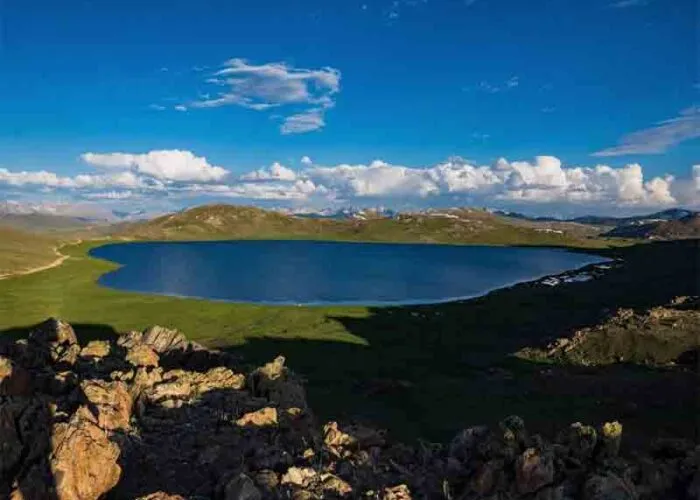
Featured Skardu Tour Packages
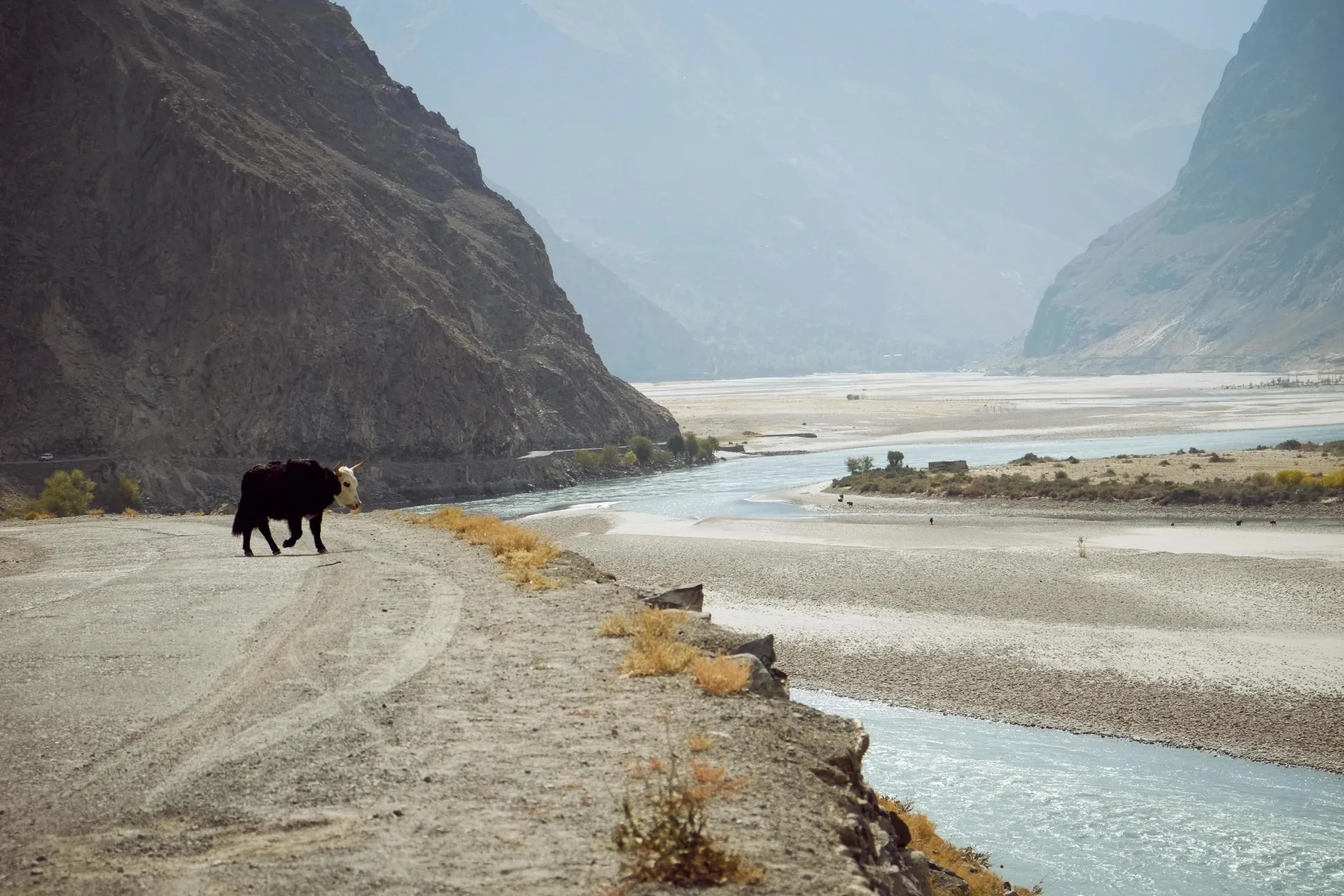
Skardu Scenic Route
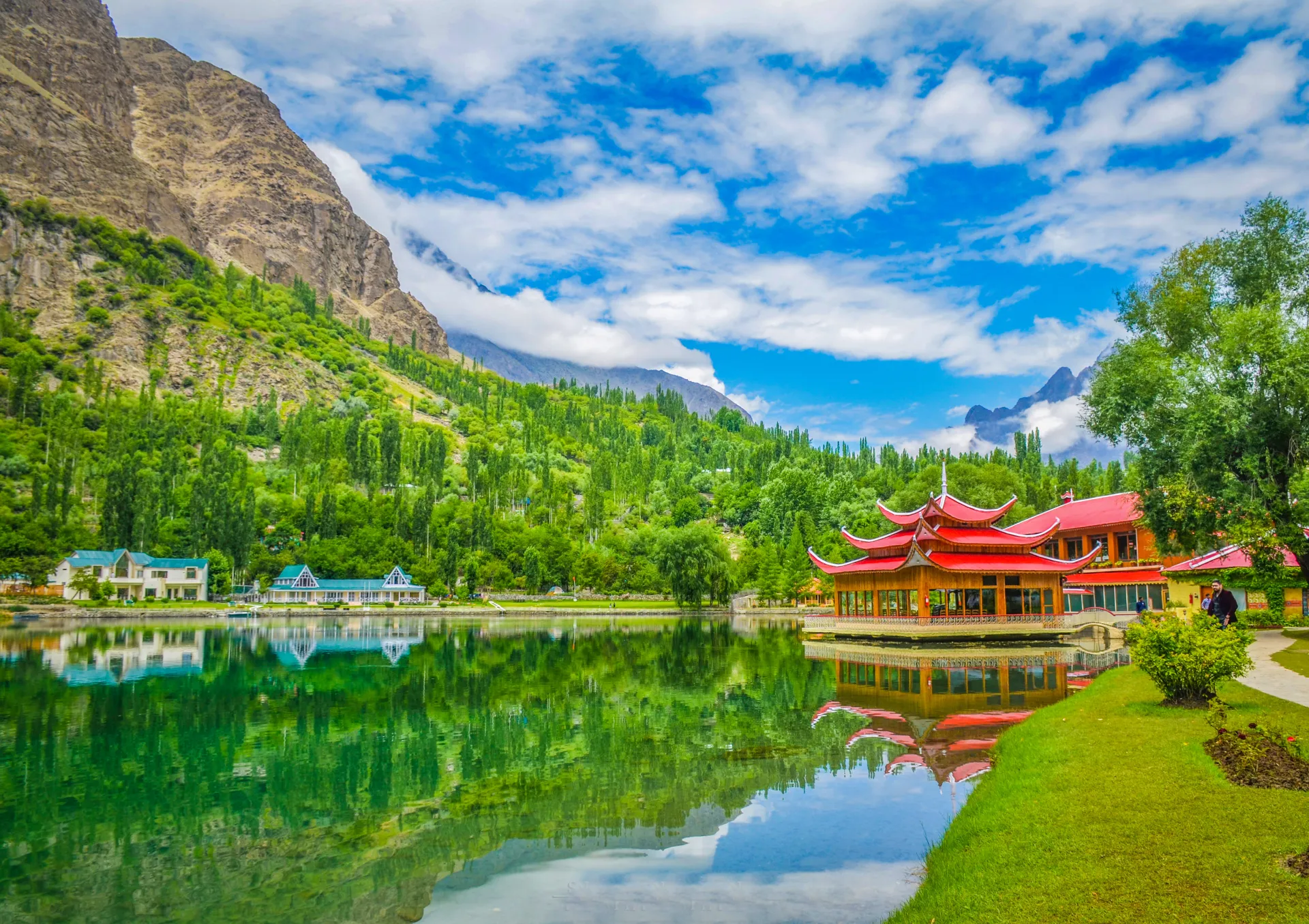
Shangri-La Premium
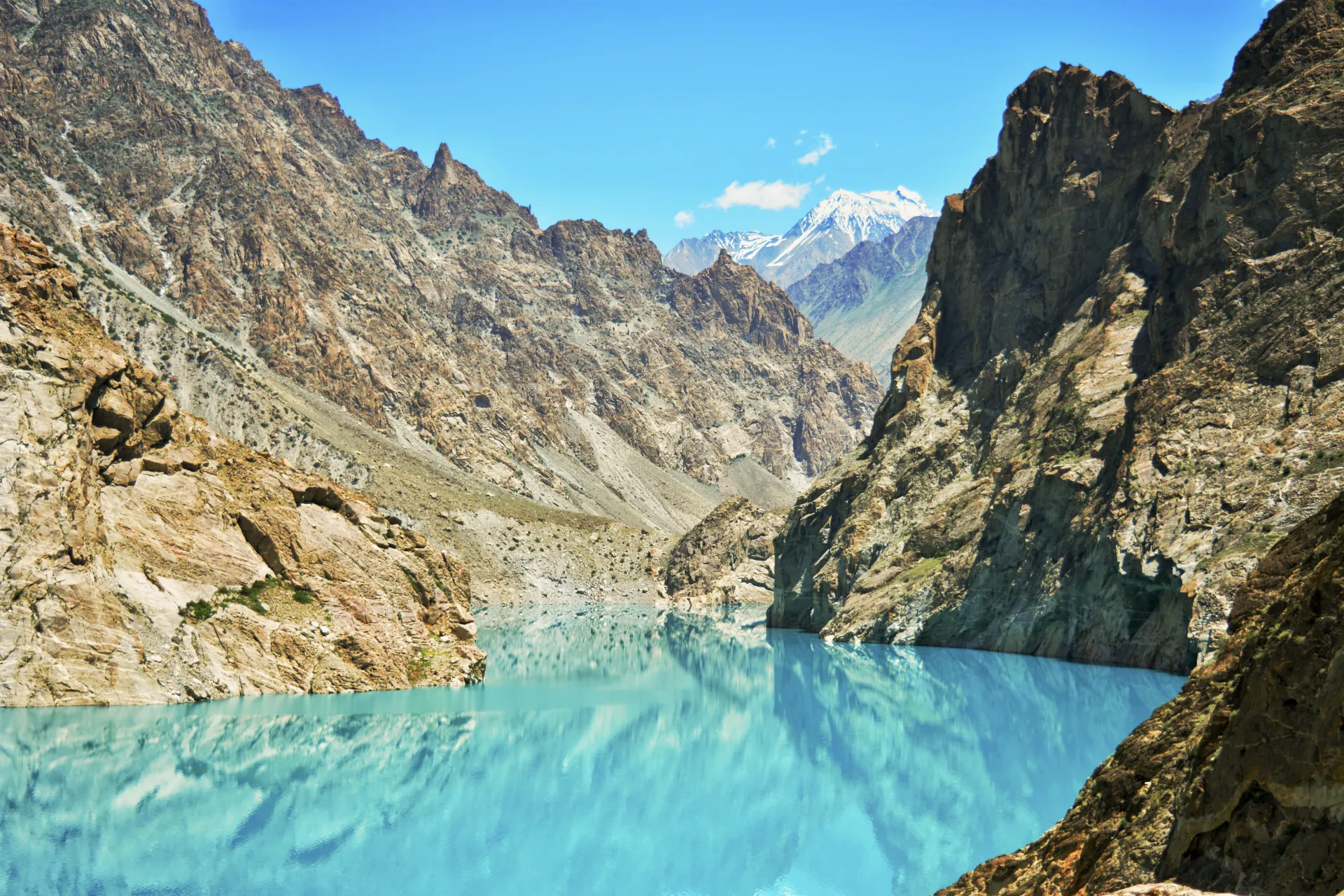
Luxury Hunza & Skardu
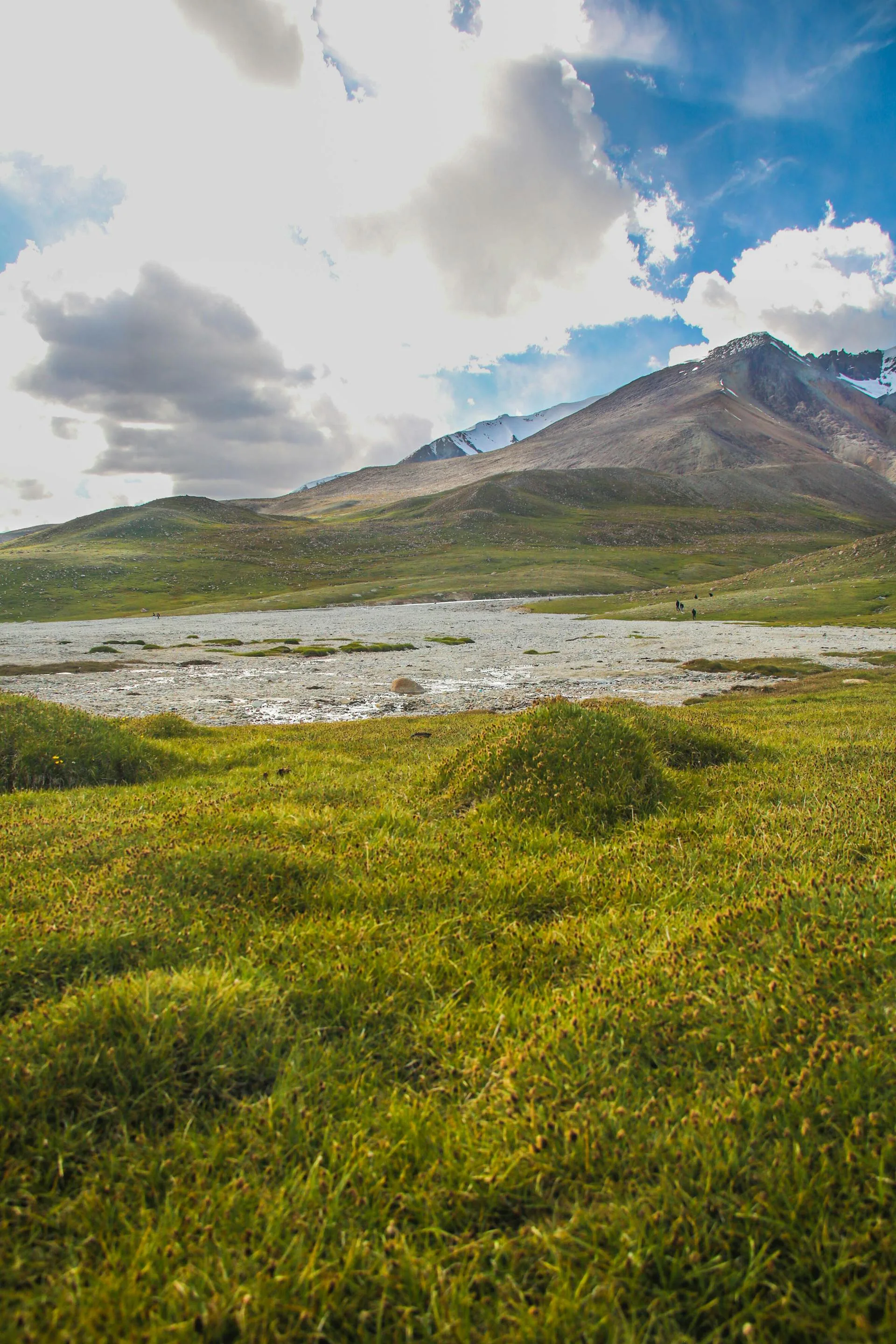
Deosai National Park
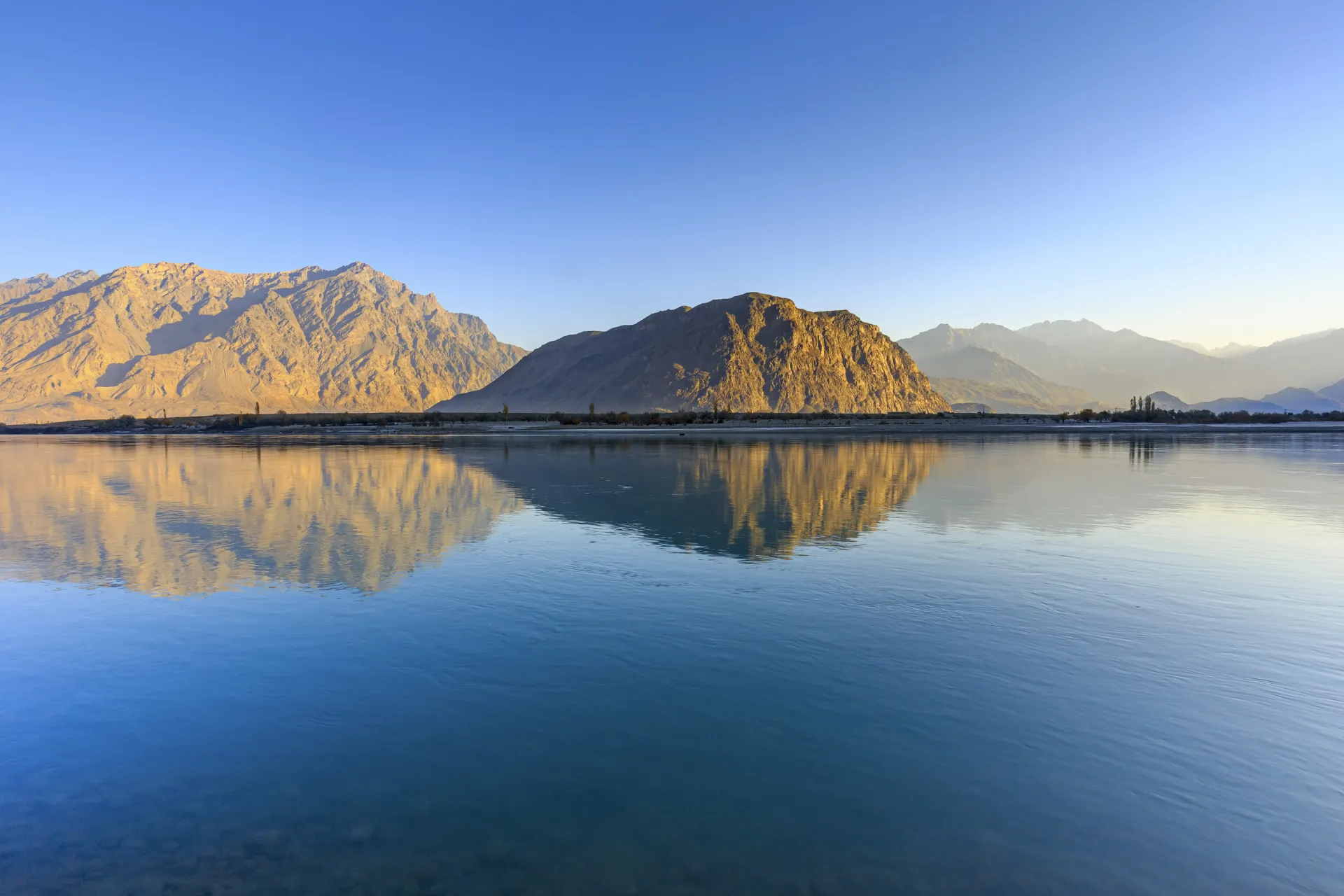
Skardu & Deosai Cycling
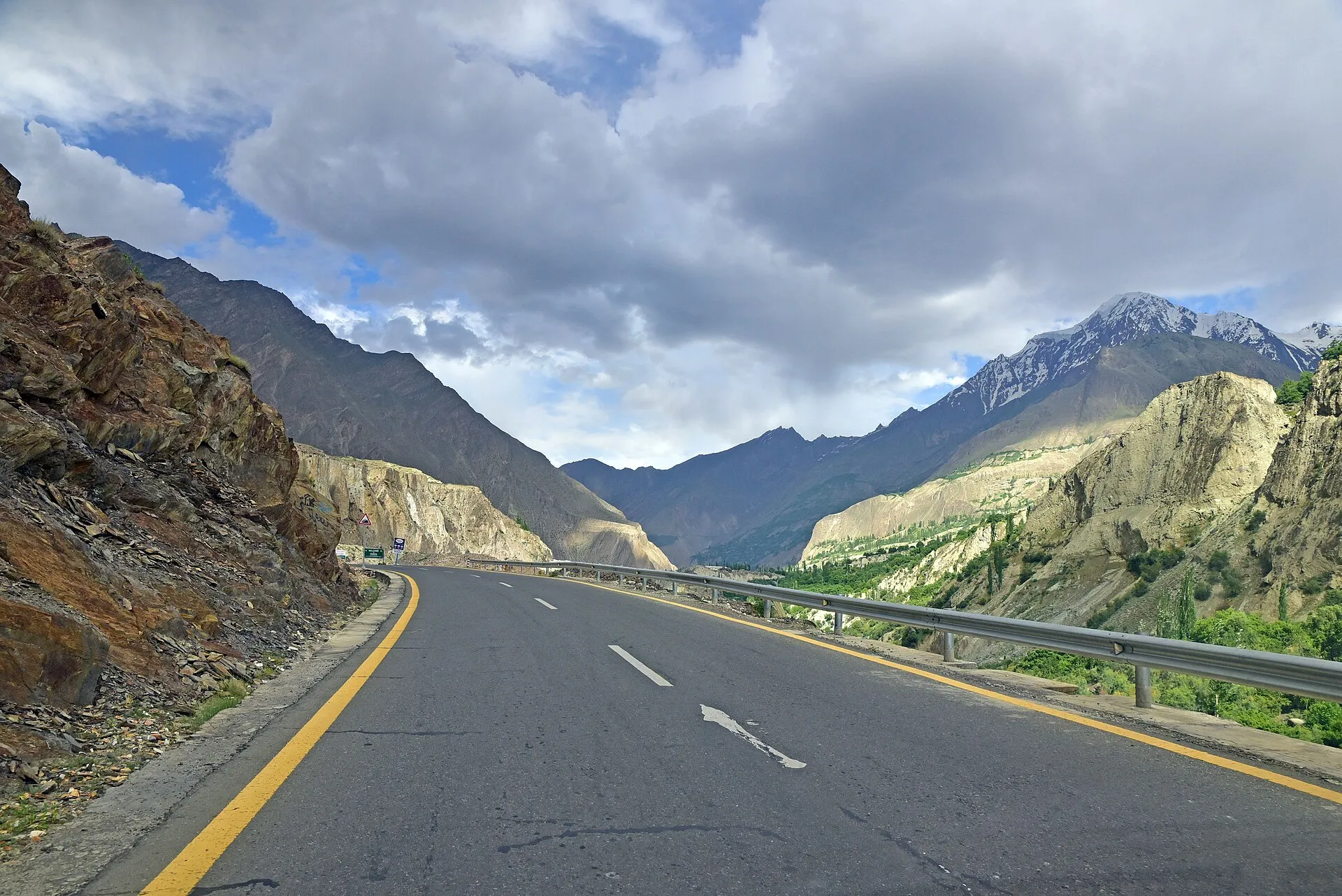
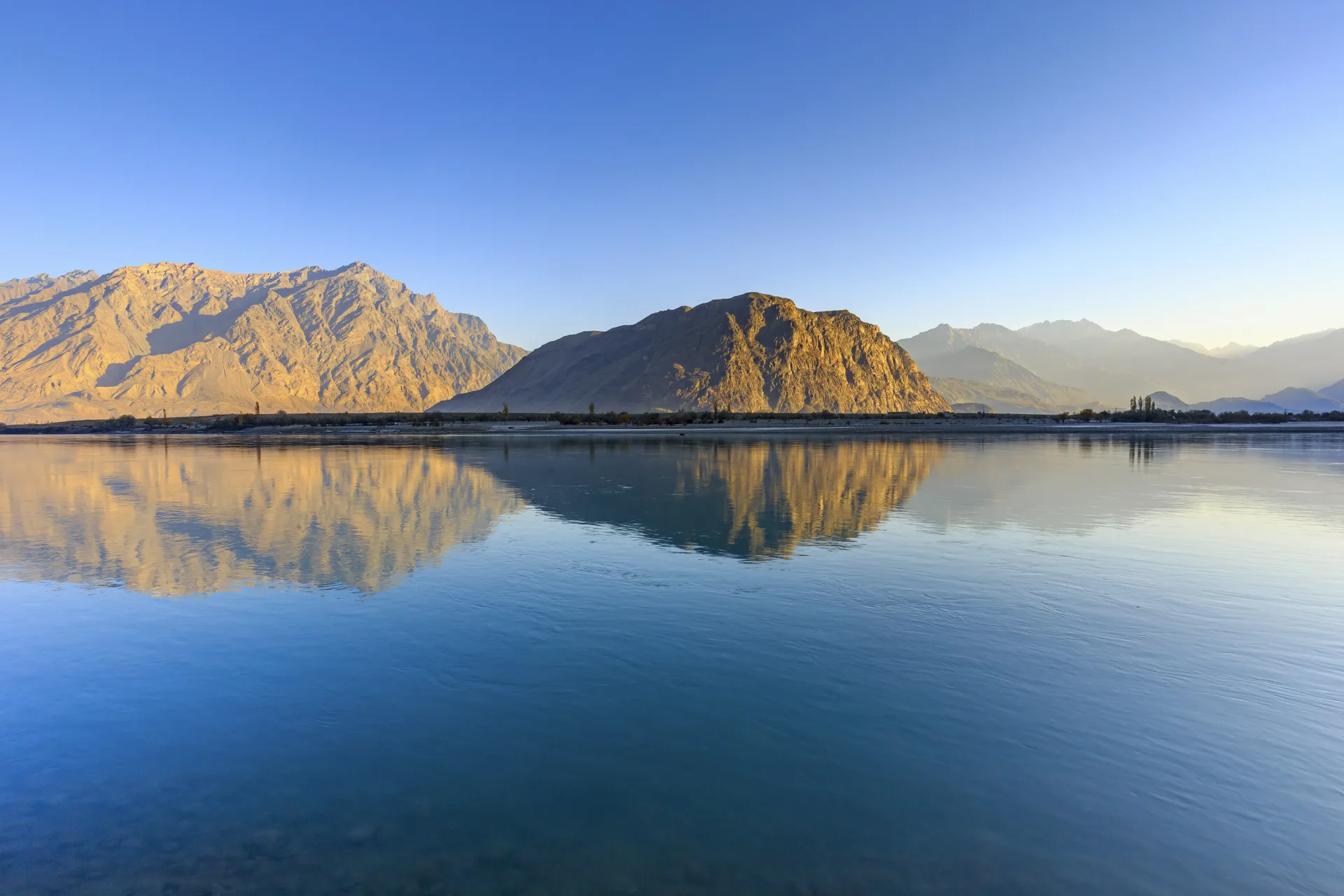
Gilgit-Baltistan Grand Tour
Why Visit Skardu
Gateway to K2
Skardu is the road-head for the Baltoro Glacier and K2. Every expedition to the world's second-highest peak stages here before the drive to Askole.
Lakes & the Indus
The Upper and Lower Kachura lakes, Sadpara Lake and the broad Indus give the valley some of the calmest, most photogenic water in the Karakoram.
The Deosai Plateau
In summer a jeep track climbs onto Deosai, the Land of Giants, a 4,000-metre plateau of wildflowers, marmots and the Himalayan brown bear.
The Cold Desert
The Katpana and Sarfaranga cold deserts are among the highest sand dunes on earth, strange and beautiful against the snow peaks.
Forts & Palaces
The restored Shigar Fort and Khaplu Palace, both centuries old, are now heritage hotels and among the finest historic buildings in the north.
Easy to Reach
A one-hour flight from Islamabad, weather permitting, puts you in the heart of the Karakoram without the two-day drive, making Skardu a rare short-notice mountain escape.
How to Get to Skardu
By Air
Pakistan International Airlines flies Islamabad to Skardu in about an hour, landing at Skardu International Airport. It is one of the most scenic short flights anywhere, passing Nanga Parbat on a clear morning. Mountain weather means flights are occasionally delayed or cancelled, so we always build a road contingency into fly-in itineraries.
By Road
By road, Skardu is roughly a two-day drive from Islamabad on the Karakoram Highway, turning off along the Indus at Jaglot. Most travellers break the journey at Chilas or Naran. It is a long haul, but the scenery, from the Babusar Pass to the Nanga Parbat viewpoint, is a large part of the experience, and the road stays open far longer in the year than the flights are reliable.

Choosing Your Skardu Itinerary: 3, 5 or 8 Days
A 3-day Skardu tour fits a fly-in, fly-out weekend: the Kachura lakes, the Katpana cold desert, Shigar Fort and the viewpoints around town, ideal if your flights hold and you are short on time. A 5-day tour adds a full day on the Deosai Plateau in summer, plus Khaplu Palace and the Shigar valley, and is the most popular length for first-time visitors. An 8-day tour or longer lets you travel one way by road and one way by air, take in Sadpara and Basho valley, and add the Manthokha waterfall or a night at a heritage fort without rushing.
Because every trip is private, these are starting points rather than fixed departures. Tell us how you want to arrive, how much altitude and driving you are comfortable with, and whether Deosai is a priority, and we will match the length and route to you. Skardu also combines naturally with Hunza, so many guests fold it into a longer Gilgit-Baltistan grand tour.
Best Time to Visit Skardu
Skardu is a rewarding trip from April to October. Spring, in April and May, brings apricot and cherry blossom to the valley and the first clear, mild days, though the higher ground still holds snow. Summer, from June to August, is warm and settled, and it is the only window when the Deosai Plateau is open and free of snow, so any trip built around Deosai has to fall in these months. Autumn, from mid-September into October, is many photographers' favourite: golden poplars, crisp air and the sharpest mountain views of the year before the cold returns.
Winter, from November to March, is cold and quiet, with snow on the passes and the Deosai road firmly shut, but the lakes and desert under snow are spectacular for travellers who do not mind the chill and the higher chance of flight delays. For most visitors we recommend June to September for the fullest access, or late September to mid-October for the colour and the clear skies.
Skardu Tours: Frequently Asked Questions
How many days do you need for a Skardu tour?
Three days is enough for a quick fly-in loop of the Kachura lakes, the cold desert and Shigar Fort. Five days is the most popular length and adds a day on the Deosai Plateau in summer plus Khaplu. Eight days or more lets you travel one way by road, reach Sadpara and Basho valley, and add heritage forts without rushing.
How do you get to Skardu, by air or by road?
Both. PIA flies Islamabad to Skardu in about an hour, but mountain weather can delay or cancel flights, so we build a road backup into fly-in trips. By road it is roughly a two-day drive on the Karakoram Highway, usually broken at Chilas or Naran. Many guests fly one way and drive the other to get the best of both.
What is the best time to visit Skardu?
April to October is the season. June to September is best for full access because it is the only time the Deosai Plateau is open and snow-free. Late September to mid-October brings golden autumn colour and the clearest views. Winter is beautiful under snow but cold, with the Deosai road shut and a higher chance of flight delays.
What are the main things to see in Skardu?
The highlights are the Upper and Lower Kachura lakes, Sadpara Lake, the Katpana and Sarfaranga cold deserts, the restored Shigar Fort and Khaplu Palace, the Manthokha waterfall in Kharmang, and, in summer, the Deosai Plateau with its brown bears and Sheosar Lake. Skardu is also the staging point for the K2 Base Camp trek.
Is Skardu safe for tourists?
Yes. Skardu and Gilgit-Baltistan are among the most welcoming and settled parts of Pakistan for visitors, and tourism is central to the local economy. The practical risks are mountain ones, altitude, weather and long drives, rather than security. Travelling with a licensed local operator means the logistics, permits and pacing are handled for you.
How much does a Skardu tour cost?
Our Skardu packages start at around $950 per person for a short Deosai trip and $1,300 for the scenic route, rising to $3,800 for a premium week at the Shangri-La Resort and $4,500 for a private luxury Hunza and Skardu circuit. The final price depends on length, season, hotel class and group size, and every quote is tailored to your plan.