Best Time to Visit Skardu (2026): Season-by-Season Guide
When is the best time to visit Skardu? A season-by-season and month-by-month guide to Skardu's weather, the Deosai opening, April cherry blossom, the summer trekking window, and when the roads and flights actually run.

Skardu is the gateway to Baltistan and the launch point for K2, the Deosai Plateau and a string of turquoise lakes, so the question people ask us most is simple: when should I actually go? The honest answer is that Skardu has a short, generous season and a long, cold off-season, and your choice of month decides everything from whether Deosai is open to whether your flight actually lands. This guide breaks Skardu down season by season and month by month, with the real dates we plan our own trips around.
The short answer: The best time to visit Skardu is late April to October. If you want one window, aim for June to September for full access, or late September to October for clear skies, golden poplars and thinner crowds. Cherry blossom peaks in April, the Deosai Plateau only opens roughly mid-June to mid-September, and winter (December to February) is cold and quiet, with flights the reliable way in.
Skardu at a glance: why the season matters so much
Skardu town sits at about 2,230 metres (7,300 ft) in a wide valley of the Indus, ringed by the Karakoram. That altitude sets its whole calendar. The valley floor is a high cold desert, warm and dry in summer and locked in frost through winter, while the passes, plateaus and trekking routes above it stay under snow far longer. So the comfortable, fully accessible season runs from roughly late spring to autumn. Skardu also sits in a rain shadow, which keeps it much drier than the monsoon-soaked plains, one reason summer here is more reliable than you might expect.

Best time to visit Skardu, season by season
Spring (April to May): blossom and the reopening
Spring is when Skardu shakes off the winter. In April the apricot and cherry orchards flower across the valley and the lower villages turn pink and white, a quieter, less crowded cousin of the famous Hunza blossom. Days are mild, nights still cold, and valley touring is at its most photogenic: the forts, the lakes and the cold-desert dunes with fresh snow still on the peaks. The high routes and Deosai are snowbound this early, so spring suits sightseeing and photography more than serious trekking. By May the snow is clearing from the main roads and the season opens up properly.
Summer (June to September): peak season and the trekking window
Summer is Skardu at full tilt. The days are warm, the valley is green, and everything opens: the Deosai Plateau, the high lakes, and the long trekking routes toward Baltoro and K2. This is the main season for mountaineering and for the K2 base camp trek, when the glaciers and high camps are viable. It is also the busiest and priciest stretch, as domestic tourism peaks from about July, so book ahead. Skardu's rain shadow keeps it drier than the rest of the country during the July and August monsoon, though the access roads lower down can still take a hit.
Autumn (late September to October): the sweet spot
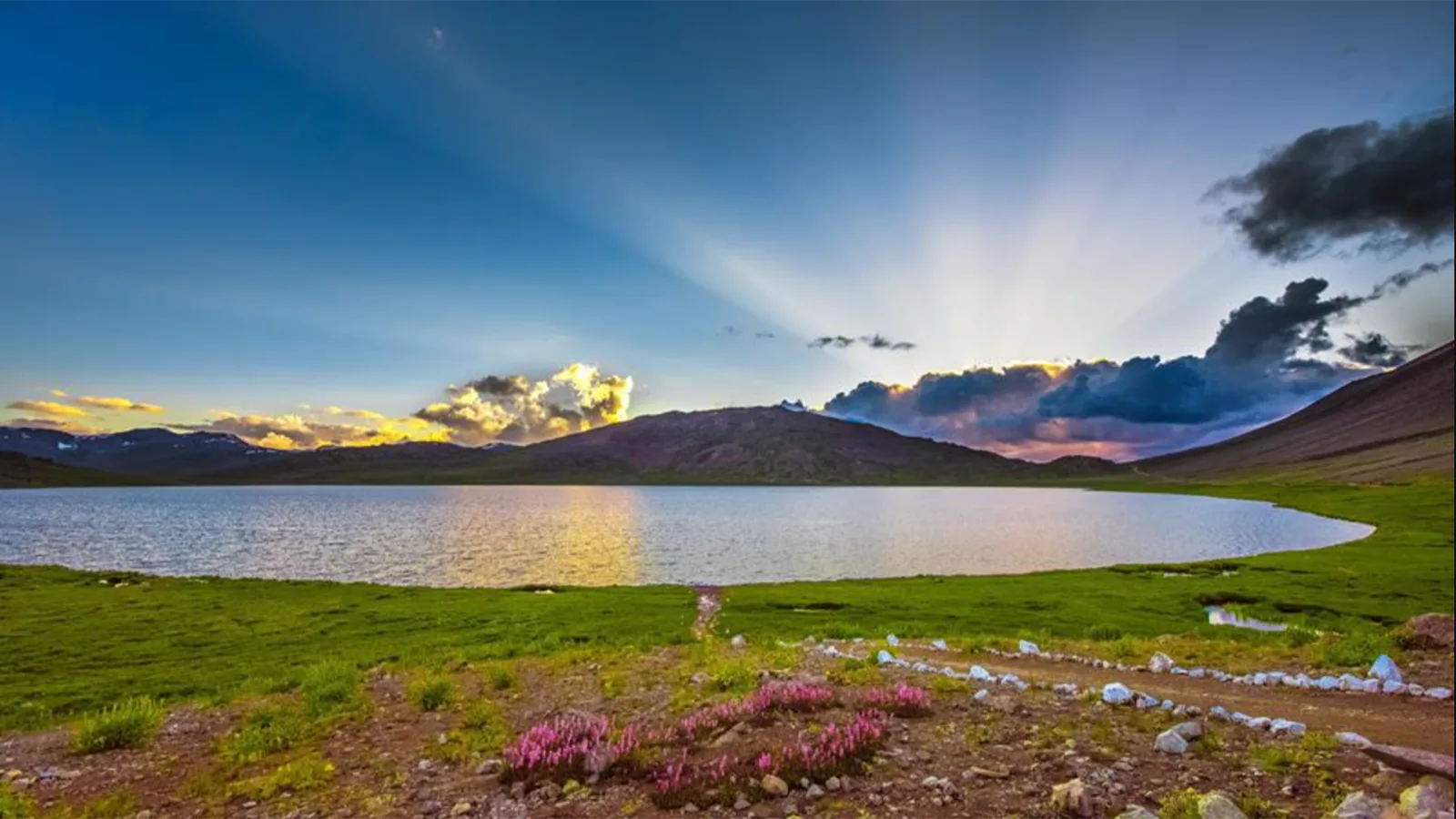
If we had to pick one time, it would be autumn. From late September the skies clear, the summer crowds thin out, and through October the poplars and orchards turn deep gold against the grey peaks. The light is superb, the roads are still open, and prices ease off. Deosai begins to close as the first snows return, but for valley touring, the lakes and photography, this is the finest month of the year in Skardu.

Winter (December to February): cold, quiet, and flights only
Winter empties Skardu out. From November the high passes shut, Deosai is long gone, and the valley settles into hard frost with regular snow, with January nights dropping well below freezing. The lakes can freeze over and a snow-covered Skardu is genuinely beautiful for the hardy few. Access is the catch: the road stays technically open but turns slow and hazardous, and the short Islamabad flight becomes the sensible way in, weather permitting. If you go in winter, go for the snow, the silence and the fewest tourists you will ever see here.
Skardu weather month by month
Here is the quick month-by-month view. These are approximate valley-floor averages for Skardu town, so treat them as a planning guide. The higher you climb the colder it gets, and the northern dates shift a little each year with the snow.
| Month | Avg high / low | Conditions | Best for |
|---|---|---|---|
| January | 3°C / -8°C | Cold, snow, frozen lakes | Snow scenery, solitude |
| February | 6°C / -4°C | Cold, still snowy | Snow, a quiet valley |
| March | 12°C / 2°C | Thawing, roads reopening | Early spring, culture |
| April | 19°C / 7°C | Mild days, blossom in the villages | Cherry blossom, photography |
| May | 23°C / 10°C | Warm, green, passes opening | Valley touring, lakes |
| June | 29°C / 13°C | Warm and dry, season opens | Deosai roads start opening, trekking starts |
| July | 32°C / 16°C | Hot days, peak season | Deosai, K2 and Baltoro treks |
| August | 31°C / 16°C | Warm, busiest month | High treks, lakes, festivals |
| September | 27°C / 11°C | Clearing skies, quieter | Best all-round trekking |
| October | 20°C / 4°C | Crisp and dry, golden colours | Autumn photography, the sweet spot |
| November | 13°C / -2°C | Cooling, first snows, passes closing | Early-month valley, then the south |
| December | 7°C / -6°C | Cold, snow returns | Snowy Skardu, flights only |
Best time for the big Skardu experiences
What you want to do narrows the window further. Here are the headline experiences and when to time them:

- Deosai National Park: roughly mid-June to mid-September, once the snow clears from the world's second-highest plateau. It is snowbound and effectively closed the rest of the year. See our Deosai trips and the park background on Wikipedia.
- Cherry and apricot blossom: early to mid April in the Skardu valley villages, a little after Hunza.
- K2 and Baltoro trekking: June to September, with July and August the prime window for the high routes. Read our full K2 base camp trek guide.
- The lakes (Shangrila, Upper Kachura, Shigar): May to October, at their most colourful in summer and early autumn.
- Cold-desert dunes and star photography: the clear, dry nights of summer and autumn, June to October.
- Snow and frozen lakes: December to February, for confident cold-weather travellers.
Getting to Skardu: how the season changes access
There are two ways into Skardu, and the season decides which makes sense. Flights from Islamabad take about an hour and are spectacular, but they are weather-dependent and cancellations are common, especially in winter and during unsettled spells, so always build in a buffer day. The overland route up the Karakoram Highway and the Skardu road runs year-round and is an adventure in itself, though it is a long two-day drive that turns slow and risky in winter snow and during monsoon landslides. In the open season, May to October, both options are comfortable. In winter, plan around the flight and keep your schedule flexible.
Is Skardu safe, and when is it cheapest?
Skardu and the wider Gilgit-Baltistan region are among the safest parts of Pakistan for travellers, and the northern tourist areas see visitors all season. Season affects access and road conditions far more than security: the summer monsoon can trigger landslides lower down, and winter snow closes the high routes. For the best value and the quietest valleys, skip the June to August domestic peak and aim for the shoulder months, May and, best of all, late September to October. You get open roads, good weather and lower prices without the summer rush.
Plan your Skardu trip
Once you have your season, we can build the rest around it, with local Balti guides who know exactly when each lake, plateau and trail is at its best. Browse our Skardu tours, pair Skardu with the orchards and forts of the Hunza Valley, or see how Skardu fits the wider calendar in our best time to visit Pakistan guide, then message us to lock in the right dates.
Frequently asked questions
What is the best month to visit Skardu?
For clear skies, autumn colours and fewer people, October is hard to beat, with the roads still open, the poplars turning gold and prices easing off. For full access to Deosai and the high treks, aim for July to September. April is the month for cherry and apricot blossom in the valley villages, though the high routes are still snowbound then. If you want one safe all-rounder, September gives you settled weather, open access and thinning crowds, with valley highs of around 27°C and lows near 11°C. The busiest and priciest stretch is the domestic peak from June to August, so book ahead if you travel then. For the best value, look at May and late September to October. Tell us what you most want to see and we will match the month to it, then plan around the Skardu flight with a buffer day.
When does Deosai National Park open?
The Deosai Plateau is only accessible in summer, roughly mid-June to mid-September, once the snow clears from the plateau. It is snowbound and effectively closed the rest of the year, which is the main reason to time a Skardu trip for high summer if Deosai is on your list. In spring the high routes and Deosai are still under snow, and from late September Deosai begins to close as the first snows return, even though the valley itself stays open into October. Summer is also the domestic peak, busiest from about July, so book ahead. Skardu's rain shadow keeps it drier than the rest of the country during the July and August monsoon, although the access roads lower down can still be hit by landslides. We run our Deosai trips inside that short summer window, going up by jeep from Skardu.
When is cherry blossom season in Skardu?
Blossom in the Skardu valley villages usually peaks in early to mid April, a little later than Hunza. The exact timing shifts each year with the weather, so aim for the first half of April to catch the orchards in flower. Both apricot and cherry trees blossom, and the lower villages turn pink and white, a quieter and less crowded version of the famous Hunza blossom. Days in April are mild, with valley highs around 19°C, but nights are still cold at about 7°C. The high routes and Deosai are snowbound this early, so a spring trip suits sightseeing and photography rather than serious trekking: the forts, the lakes and the cold-desert dunes, with fresh snow still on the peaks. Keep a day of slack in your plan, because a cancelled Islamabad flight can eat into a short blossom trip.
Can you visit Skardu in winter, and is it open in December?
Yes, you can visit Skardu in winter, and it is open in December, but expect cold, snow and limited access. December to February brings hard frost and sub-zero nights, with January averaging around 3°C by day and -8°C at night. The high passes and Deosai are closed, and the lakes can freeze over. The road stays technically open but turns slow and hazardous in snow, so the Islamabad flight of about an hour is the sensible way in, weather permitting. Cancellations are common in winter, so build in a buffer day and keep your schedule flexible. Winter suits travellers who want snow and solitude rather than trekking, and a snow-covered Skardu is genuinely beautiful, with the fewest tourists you will ever see here. If you go, pack for real cold and plan valley sightseeing rather than anything high.
What is the weather and temperature like in Skardu?
Skardu has warm, dry summers and cold, snowy winters. The town sits at about 2,230 m in a wide valley of the Indus, a high cold desert ringed by the Karakoram, and that altitude sets its calendar. Summer highs from June to August sit around 29 to 32°C, with cool nights in the mid-teens. Autumn is crisp and clear, with October around 20°C by day and 4°C at night. Winter days hover near freezing, and January nights fall to about -8°C. Spring warms quickly, from 12°C in March to 23°C in May. Skardu sits in a rain shadow, so it stays drier than most of Pakistan through the year, even during the July and August monsoon. These are valley-floor averages for the town itself; the higher you climb, the colder it gets, and the snow dates shift a little each year.
Is Skardu safe for tourists?
Yes. Skardu and Gilgit-Baltistan are considered among the safest regions in Pakistan for visitors, and the northern tourist areas see travellers all season. Season affects road conditions more than safety, so the main things to plan around are monsoon landslides on the lower access roads in mid-summer and winter snow, which closes the high routes and makes the road slow and hazardous. The flight from Islamabad is weather-dependent and cancellations are common, especially in winter, so a buffer day is part of sensible planning rather than a security measure. Travelling with a local guide keeps the logistics smooth, and our trips use local Balti guides who know when each lake, plateau and trail is at its best. As anywhere, check your own government's current travel advice before you book, and carry your passport and visa copies on the road.
Can you see K2 from Skardu?
No, not from Skardu town itself. K2 sits deep in the Karakoram behind other peaks, so you cannot see it from the valley. To see it close up you trek in toward Concordia and K2 base camp, a multi-day journey from Skardu best done between June and September, with July and August the prime window for the high routes. That is a serious commitment of around two weeks, much of it on the glacier. If you want a view of K2 on a shorter trip, two treks on the Skardu side give you one. Barah Broq is about four days of walking to a plateau of alpine lakes, with a dawn climb of Moses Peak for the view. Machulo La, above Khaplu, is three days up to a pass at about 5,071 m with K2 on the skyline 40 km away.
How do you get to Skardu from Islamabad?
There are two ways. The flight from Islamabad takes about an hour and is spectacular, but it is weather-dependent and cancellations are common, especially in winter and during unsettled spells. The overland route runs up the Karakoram Highway and then the Skardu road, a long two-day drive of around 20 hours. The road runs year-round and is an adventure in itself, though it turns slow and risky in winter snow and during monsoon landslides. In the open season, May to October, both options work well. In winter the flight is the safer bet, so plan around it and keep your schedule flexible. Whichever way you come, build a buffer day into the trip, because a cancelled flight can mean switching to the drive at short notice, and that adds two days on the road.
Is October a good time to visit Skardu?
Yes, and for many travellers it is the best month of the year. October days in Skardu are clear and dry at around 20°C, nights fall to about 4°C, and the poplars and apricot trees along the Indus and in Shigar turn gold through the month. The summer crowds have gone, so hotels are easier to book and the lakes are quiet. The settled autumn weather also means fewer cancelled Islamabad flights than in winter or spring. The trade-off is the Deosai Plateau, which usually closes during September, so come in July or August if Deosai matters to you. The Babusar Pass normally stays open into October, which keeps a drive-in, fly-out trip possible. Pack a down jacket, because once the sun drops behind the mountains the temperature falls fast, and the first snow can dust the peaks by the end of the month.
Does it snow in Skardu?
Yes, Skardu gets snow most winters, usually between December and February, but less than many people expect. The valley is a high desert with only around 170 mm of rain and snow a year, so falls in town tend to be light to moderate and the cover comes and goes between storms. The heavy snow lies on the surrounding mountains, on the Deosai Plateau and on the Babusar Pass, which is why Deosai is shut from about mid-September to mid-June and Babusar from about November. January is the coldest month, at around 3°C by day and -8°C at night, and the lakes at Kachura and Satpara can freeze over. The first snow usually reaches the peaks in November and the last valley falls come in March. For the best chance of a white Skardu, go in January or early February, and keep a spare day in case snow grounds the Islamabad flight.
Start Your Journey
Tell us about your trip
No commitment: we'll send back a free itinerary.

Related Reading
Route guides, seasons and practical advice from our team in Gilgit-Baltistan.
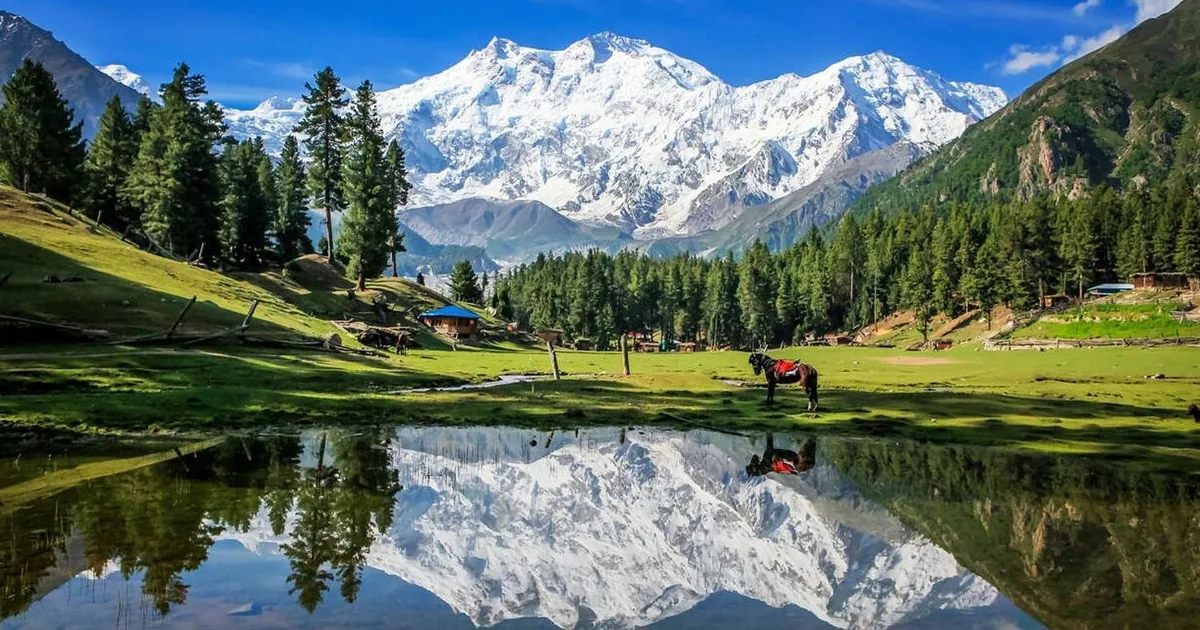
How to Visit Pakistan in 2026: Visa, Best Time & Where to Go
The 2026 e-Visa rules, the best months to travel, and where to go, from Hunza to Lahore.
Read the full guide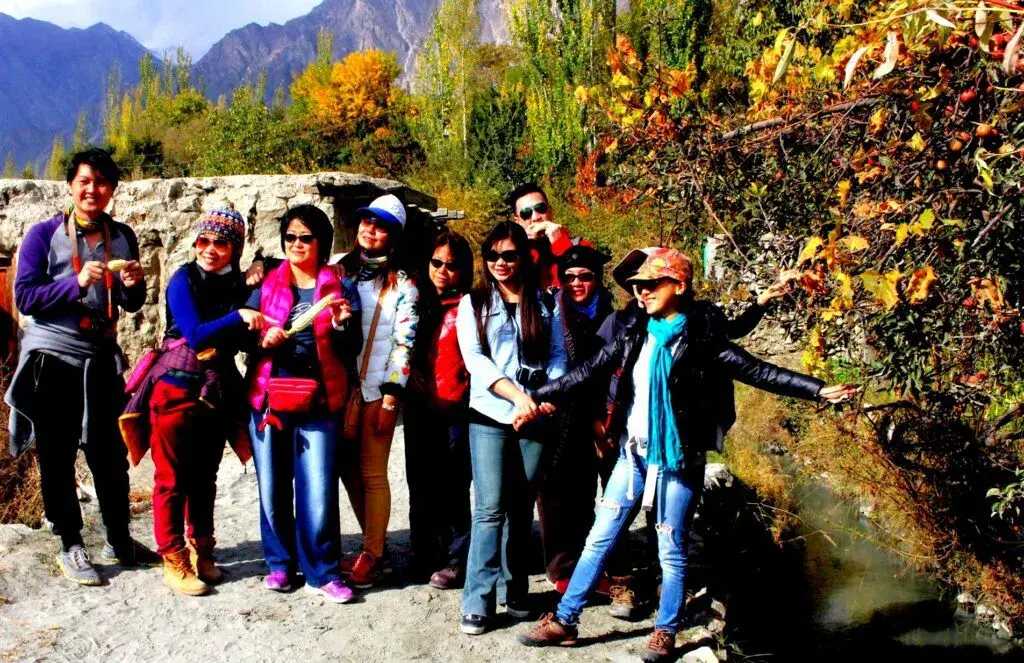
Best Time to Visit Pakistan: A Month-by-Month Guide (2026/2027)
When is the best time to visit Pakistan? A month-by-month and season-by-season guide to weather, the northern trekking window, Hunza cherry blossom, autumn colours and the monsoon to plan around.
Read the full guide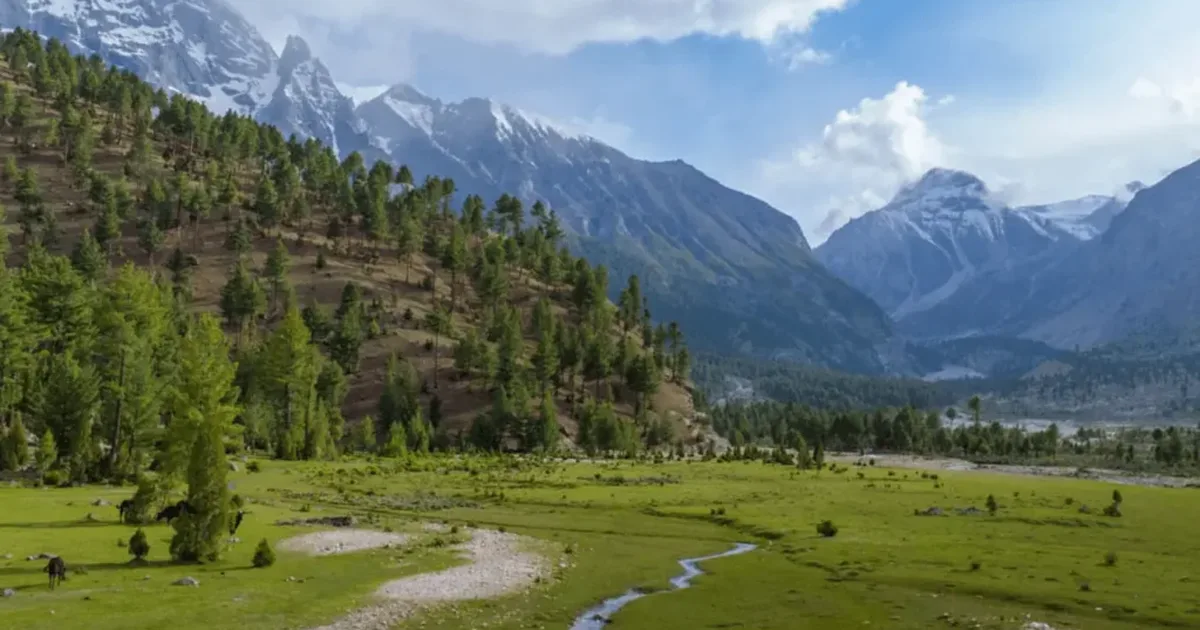
Basho Valley Skardu: Complete Travel Guide
Pine forest and grazing meadow 40 km from Skardu, at 3,000 to 3,600 m, reached on a 10 km jeep track and needing no permit.
Read the full guide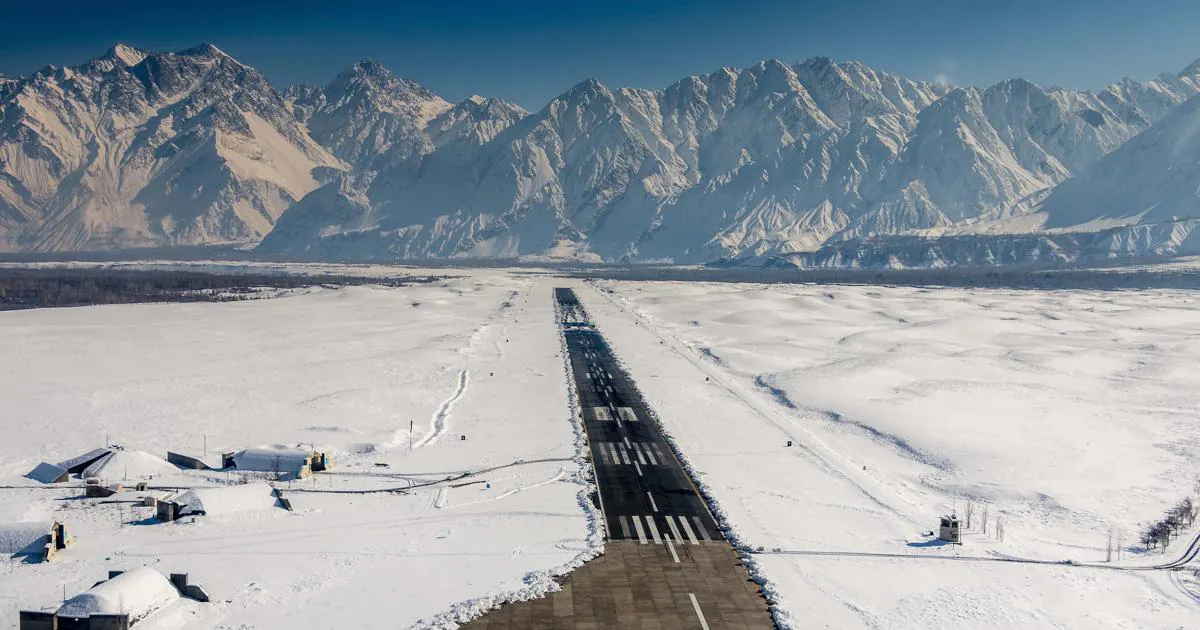
Islamabad to Skardu: Flights, Road & Bus
Flights, the KKH and Babusar road routes and overnight buses from Islamabad to Skardu, with distances, times and 2026 fares.
Read the full guide