20 Best Places to Visit in Hunza Valley (Attabad Lake to Passu Cones)
From the turquoise water of Attabad Lake to the cathedral spires of Passu, here are the 20 best places to visit in Hunza Valley, with how to reach each one, the best time to go, and how many days you need.
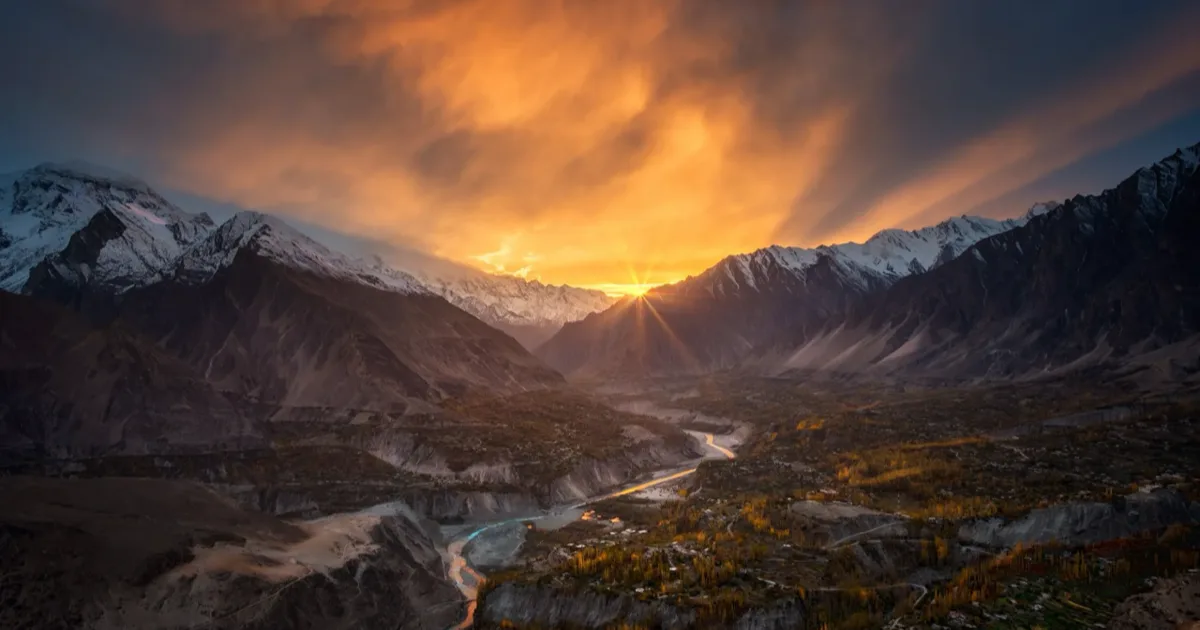
Short answer: The best places to visit in Hunza Valley run from Attabad Lake and the 700-year-old Baltit Fort in central Hunza up to the Passu Cones and the Khunjerab Pass on the China border. The turquoise lake most people ask about, the one that "emerged" in Hunza, is Attabad Lake, formed on 4 January 2010 when a landslide dammed the Hunza River. Give the valley 4 to 7 days to see it properly.
Hunza gets called the most beautiful valley in Pakistan so often that the phrase has almost lost its meaning. Then you drive up the Karakoram Highway, round the bend at Ghulmet, and Rakaposhi is just there: a 7,788-metre wall of ice hanging over a roadside tea stall. That is usually the moment people stop arguing about it.
This is a working list, not a postcard gallery. We run trips through this valley every season, so for each of the 20 places below you get what it actually is, why it is worth your time, and how to reach it. They are grouped by area so you can plan a route rather than a wish list: central Hunza around Karimabad, the Nagar side across the river, and upper Hunza (Gojal) from Attabad up to the border.
Central Hunza: Karimabad and the ancient forts
1. Karimabad
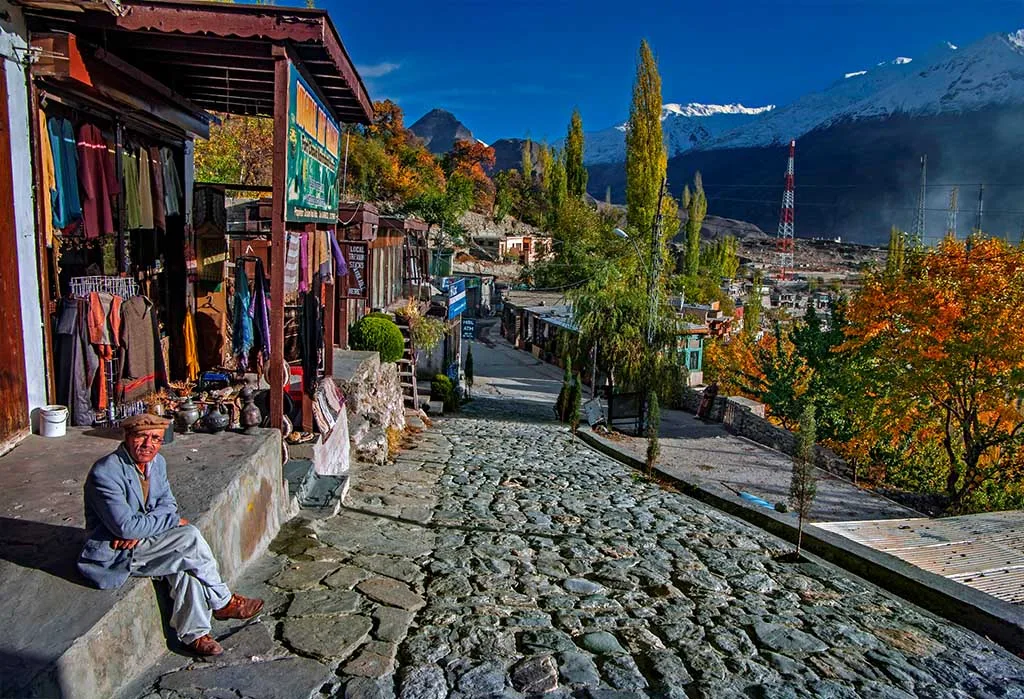
The old capital and the natural base for any Hunza trip. Karimabad climbs the hillside in terraces of apricot and cherry orchards, with a small bazaar selling dried fruit, gemstones and Hunza handicrafts. It takes its name from Prince Karim Aga Khan. Stay here at least two nights, because the two great forts, the best sunset point and the valley's best food are all within walking distance or a short drive.
2. Baltit Fort
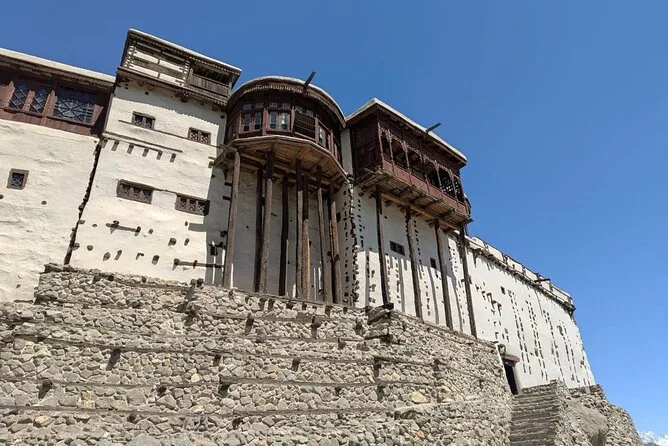
The landmark that sits above Karimabad like a crown. Baltit Fort is about 700 years old in its present form, with foundations going back further, and it was the seat of the Mirs (rulers) of Hunza for centuries. Its Tibetan-influenced timber-and-stone architecture was close to collapse by the 1990s, until the Aga Khan Trust for Culture restored it between 1990 and 1996. It is now a museum, and the view from its wooden balconies down the whole valley is worth the ticket on its own.
3. Altit Fort
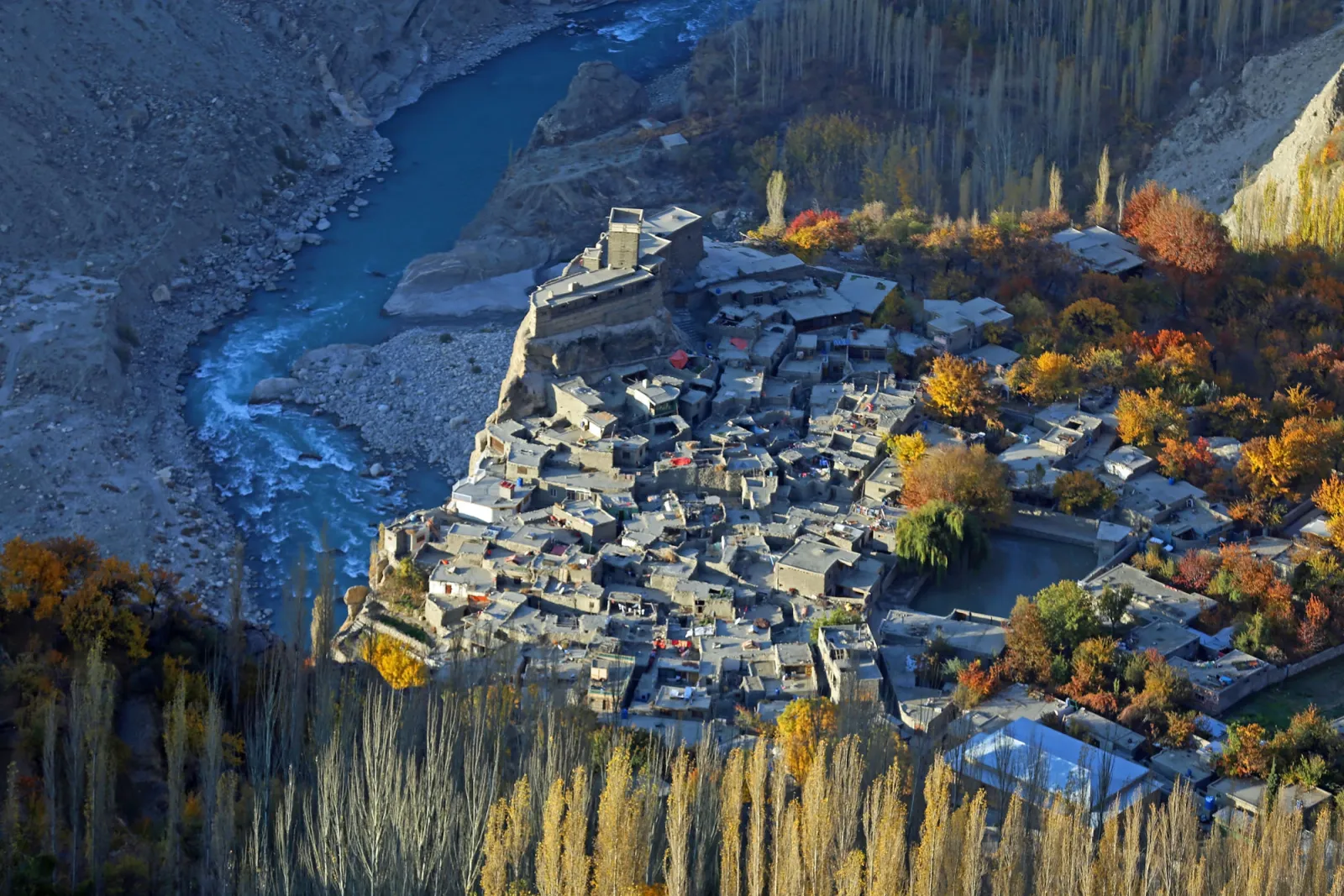
Older and, to many visitors, more atmospheric than Baltit. The Shikari Tower at Altit is around 1,100 years old, which makes Altit the oldest monument in Gilgit-Baltistan. This was the Mirs' original seat before the court moved to Baltit. Its restoration, also by the Aga Khan Trust for Culture, earned a UNESCO Asia-Pacific Award of Distinction in 2011. Do not skip the royal garden or the walk down through the old village.
4. Ganish Village
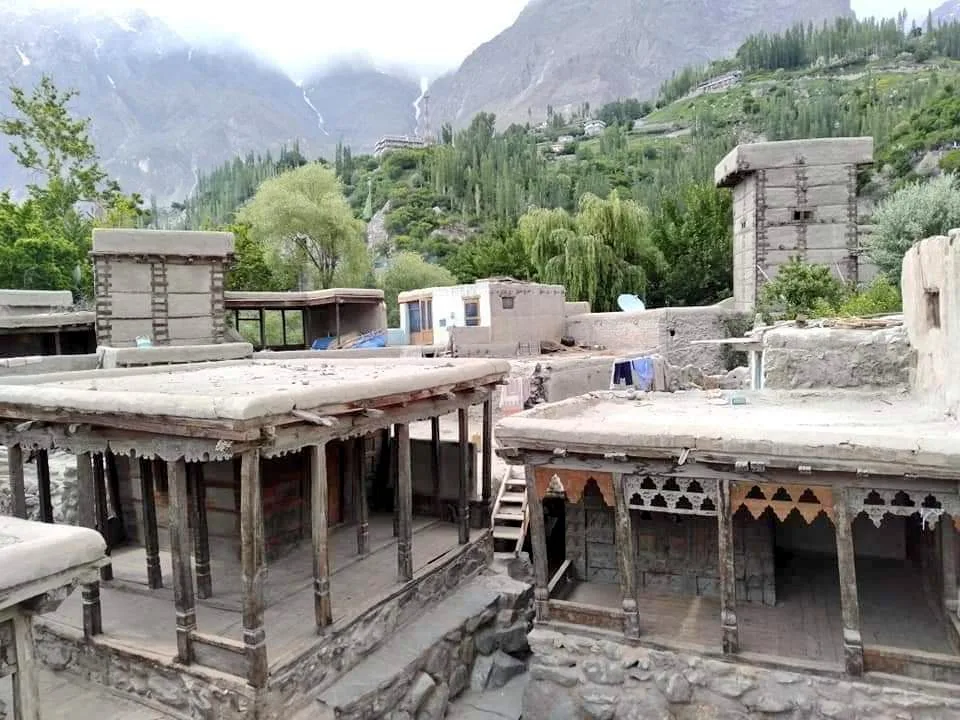
The oldest settlement in Hunza, over 1,000 years old, Ganish is a walled Silk Road village of carved wooden mosques, watchtowers and a sacred pond. Its community-led conservation has won several UNESCO Asia-Pacific heritage awards. It sits right on the highway below Karimabad and takes under an hour to wander.
5. Sacred Rocks of Hunza (Haldeikish)
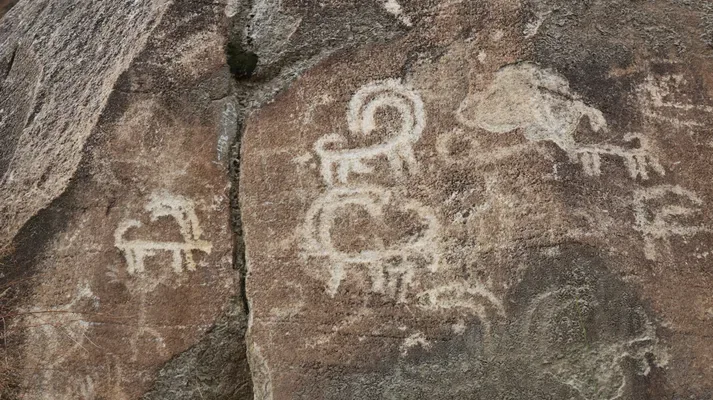
Just above Ganish, the "Sacred Rocks" are boulders covered in thousands of petroglyphs and inscriptions left by Silk Road travellers, pilgrims and armies over more than 2,000 years: ibex, hunters, and messages in Kharosthi and other scripts. It is an open-air record of everyone who passed through Hunza before you did.
6. Duikar and Eagle's Nest
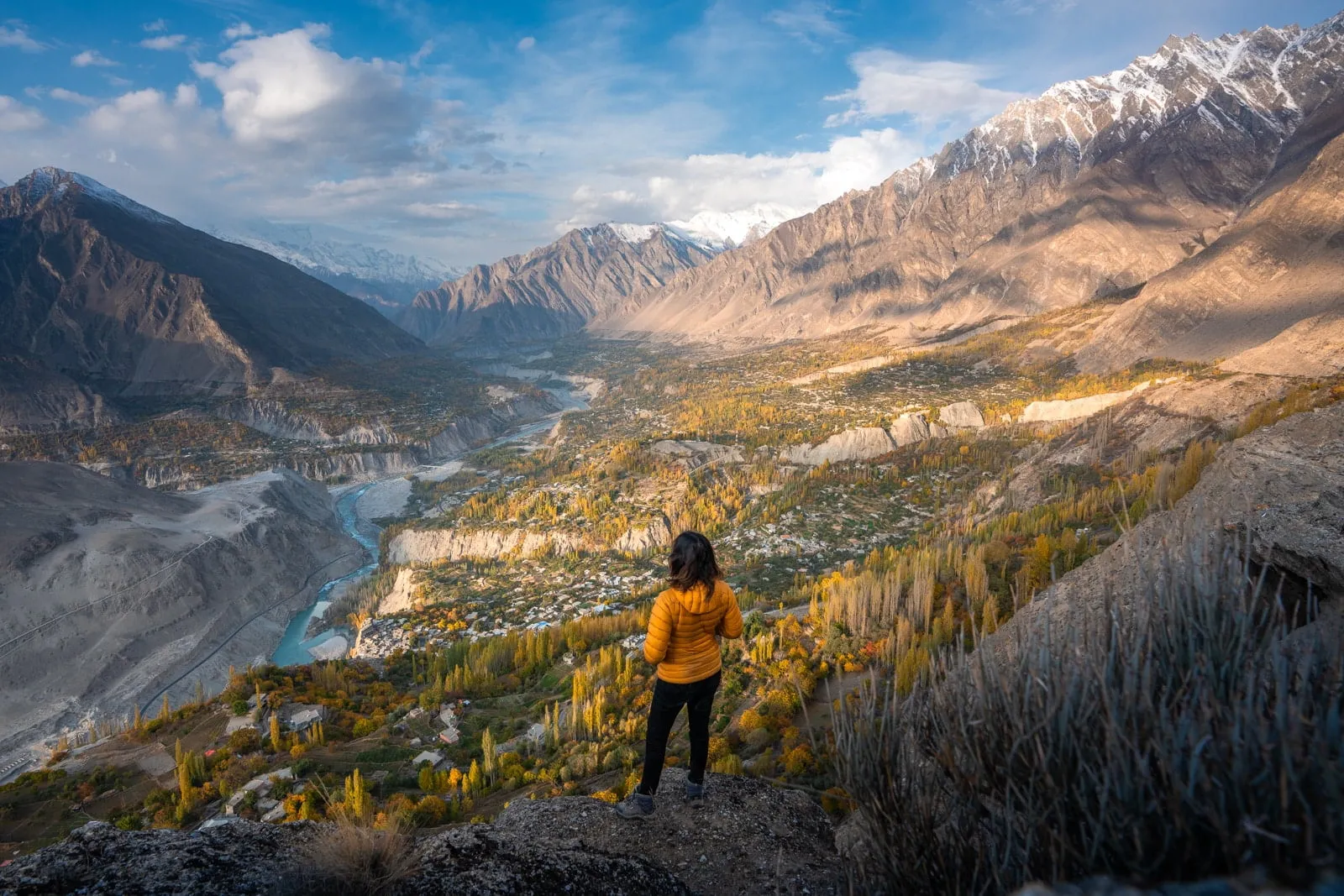
The highest viewpoint above Karimabad, at the village of Duikar. Drivers come up for the sunrise and sunset over Rakaposhi, Diran (the Golden Peak) and the pointed Ladyfinger (Bublimating) peak, when the light turns the snow gold and then pink. Because it sits so high, Duikar keeps the sun longest in the valley. Come for sunrise if you can face the early start; it is quieter and the peaks are clearest.
Nagar Valley: across the Hunza River
7. Rakaposhi View Point (Ghulmet)
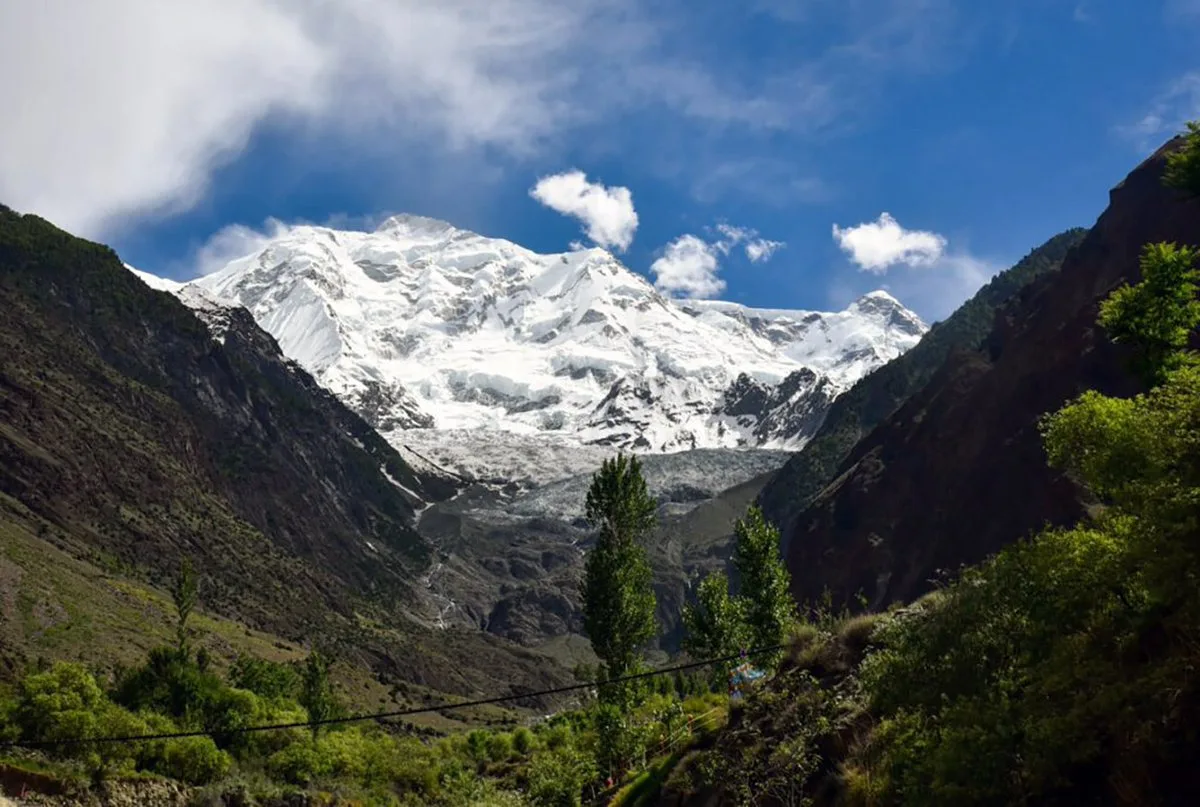
A cluster of roadside cafés at Ghulmet where you sip tea with Rakaposhi (7,788 m) rising straight in front of you. There are very few places on earth where you can look up at a 7,000-metre peak from a chair at the roadside. This is one of them, and it sits right on the KKH on the way into Hunza.
8. Hopar (Hoper) Valley and Glacier
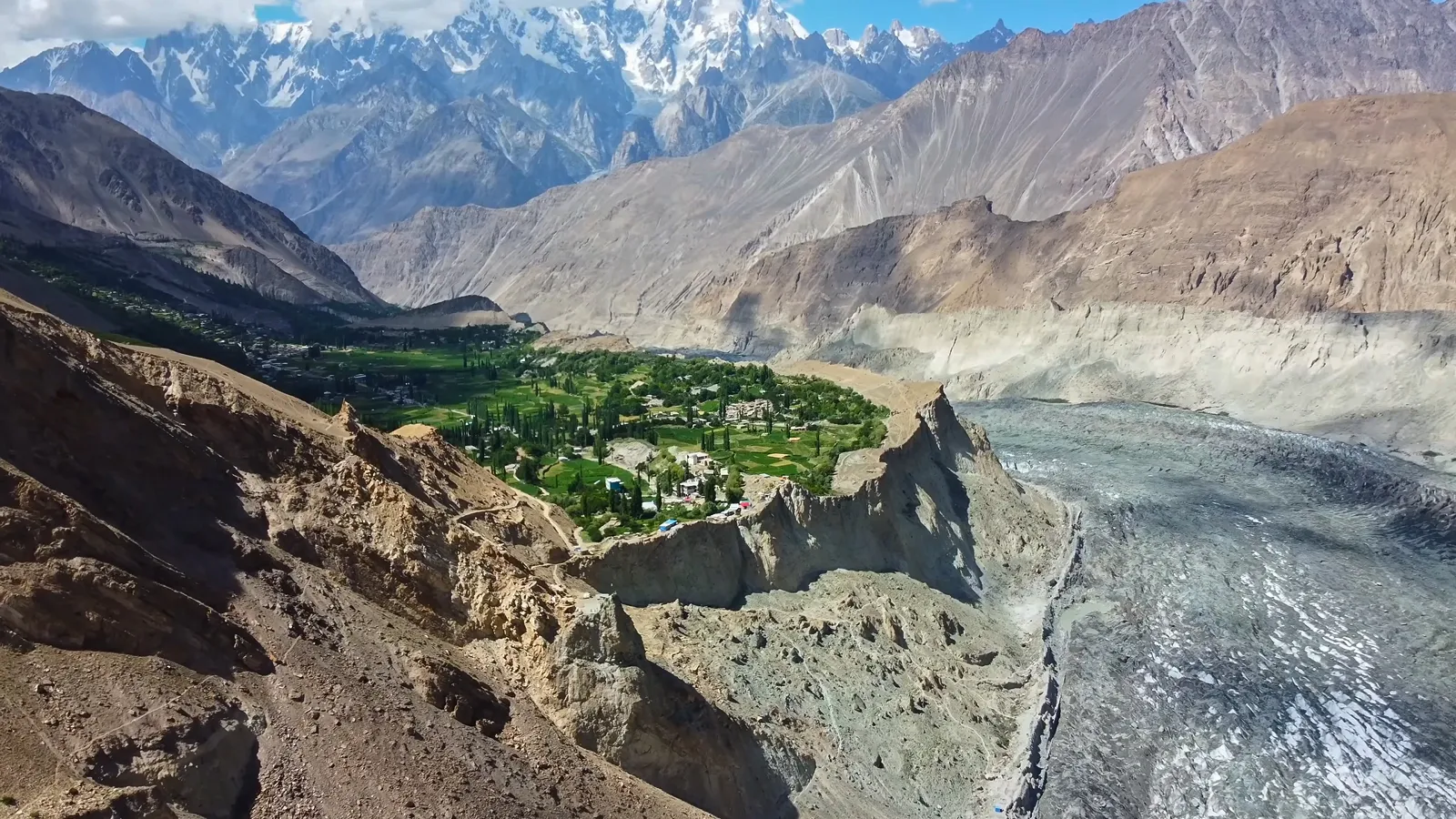
A short detour into Nagar brings you to Hopar, a green bowl of terraced villages ringed by peaks, with the ice of the Hopar (Bualtar) Glacier curling below. It makes an easy half-day trip from Karimabad and doubles as the trailhead for the Rush Lake trek.
9. Rush Lake
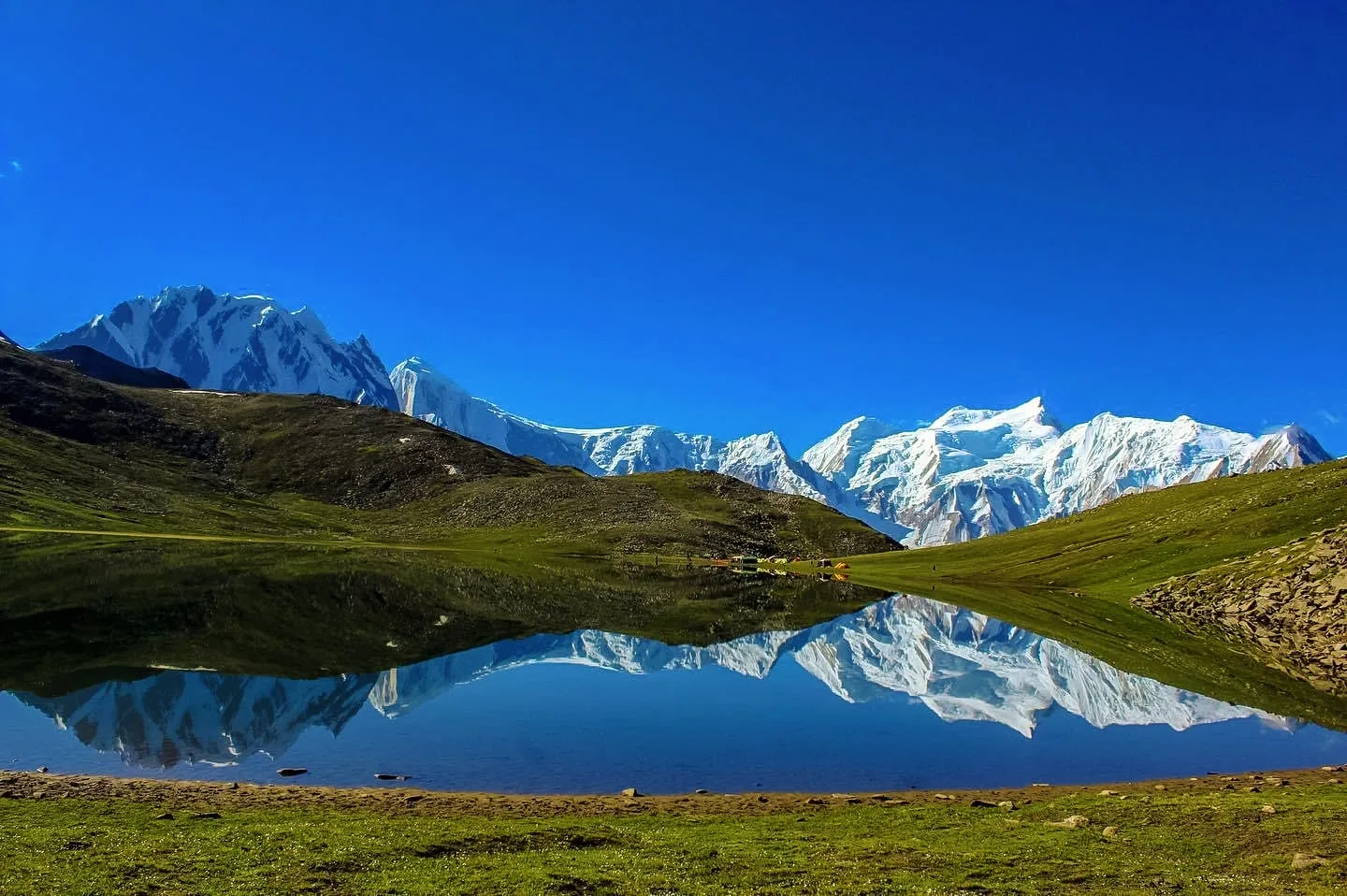
For those who want to walk, Rush Lake is one of the highest alpine lakes in the world at about 4,694 m, a two-to-three-day trek from Hopar beneath Spantik (the Golden Peak). This is a proper high-altitude hike rather than a stroll, so go with a guide and acclimatise. The reward is a mirror lake under 7,000-metre giants.
Upper Hunza (Gojal): from Attabad Lake to the Chinese border
10. Attabad Lake
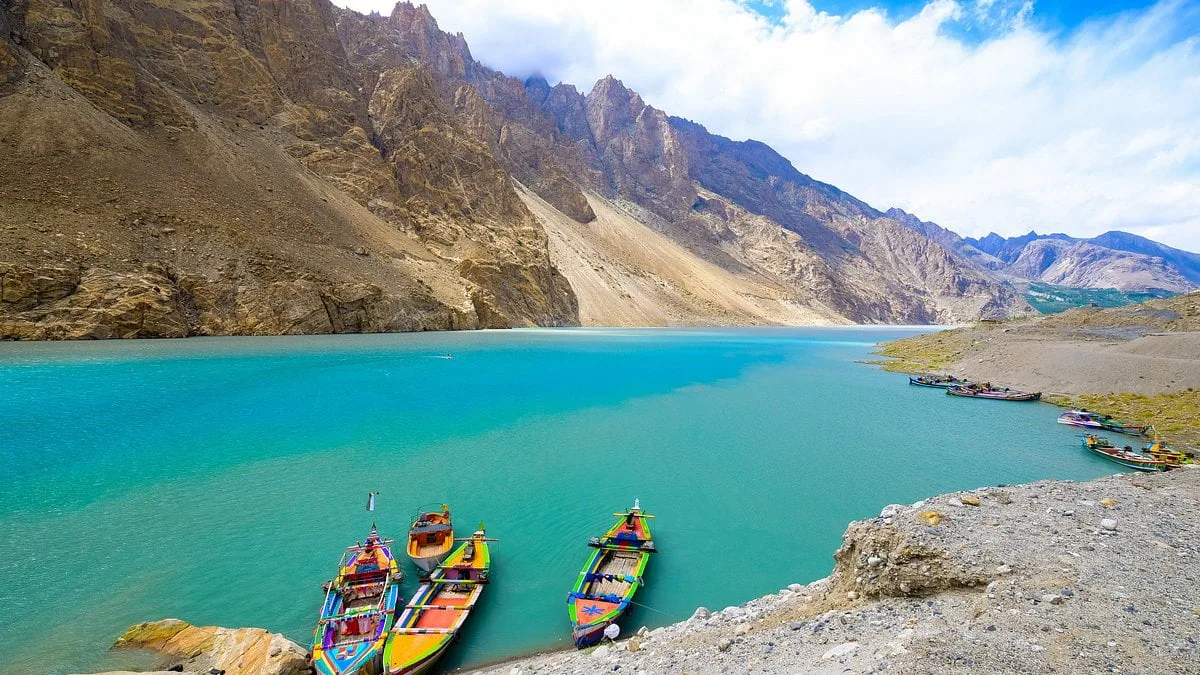
The valley's most famous sight, and a strange one, because this brilliant turquoise lake did not exist before 2010. On 4 January 2010 a massive landslide buried the village of Attabad and dammed the Hunza River, killing 20 people and displacing thousands. Over the following months the water rose into a lake roughly 21 km long and more than 100 m deep, drowning a stretch of the old Karakoram Highway. Today it is the centre of tourism in upper Hunza, with boat rides, jet-skis and a row of lakeside hotels, and the water really is that colour.
Want to see these places without the logistics? Explore our guided Hunza Valley tour.
11. Hussaini Suspension Bridge
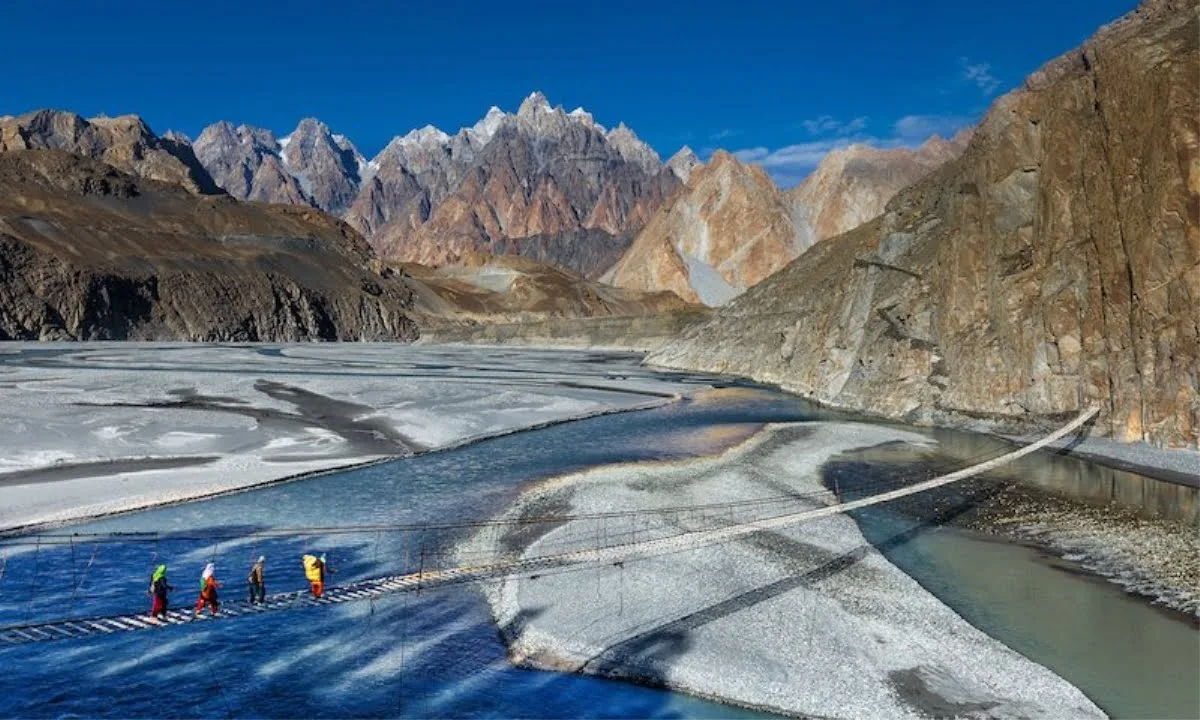
Near Passu, this slatted plank-and-cable footbridge sways over the Hunza River and regularly turns up on lists of the world's most thrilling bridges. Crossing it is a rite of passage. Even walking halfway out for a photo gets the heart going.
12. Gulmit
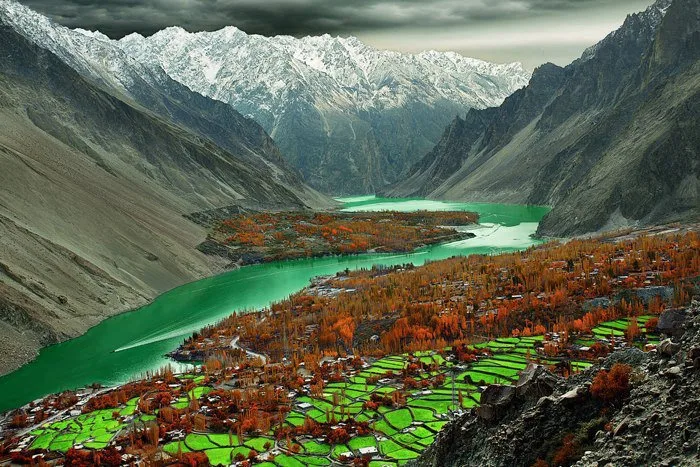
The old capital of Gojal, Gulmit is a green, terraced Wakhi village with a small heritage museum, old carved houses and traditional carpet weaving. It makes a quieter alternative base to Karimabad for exploring the upper valley.
13. Borith Lake
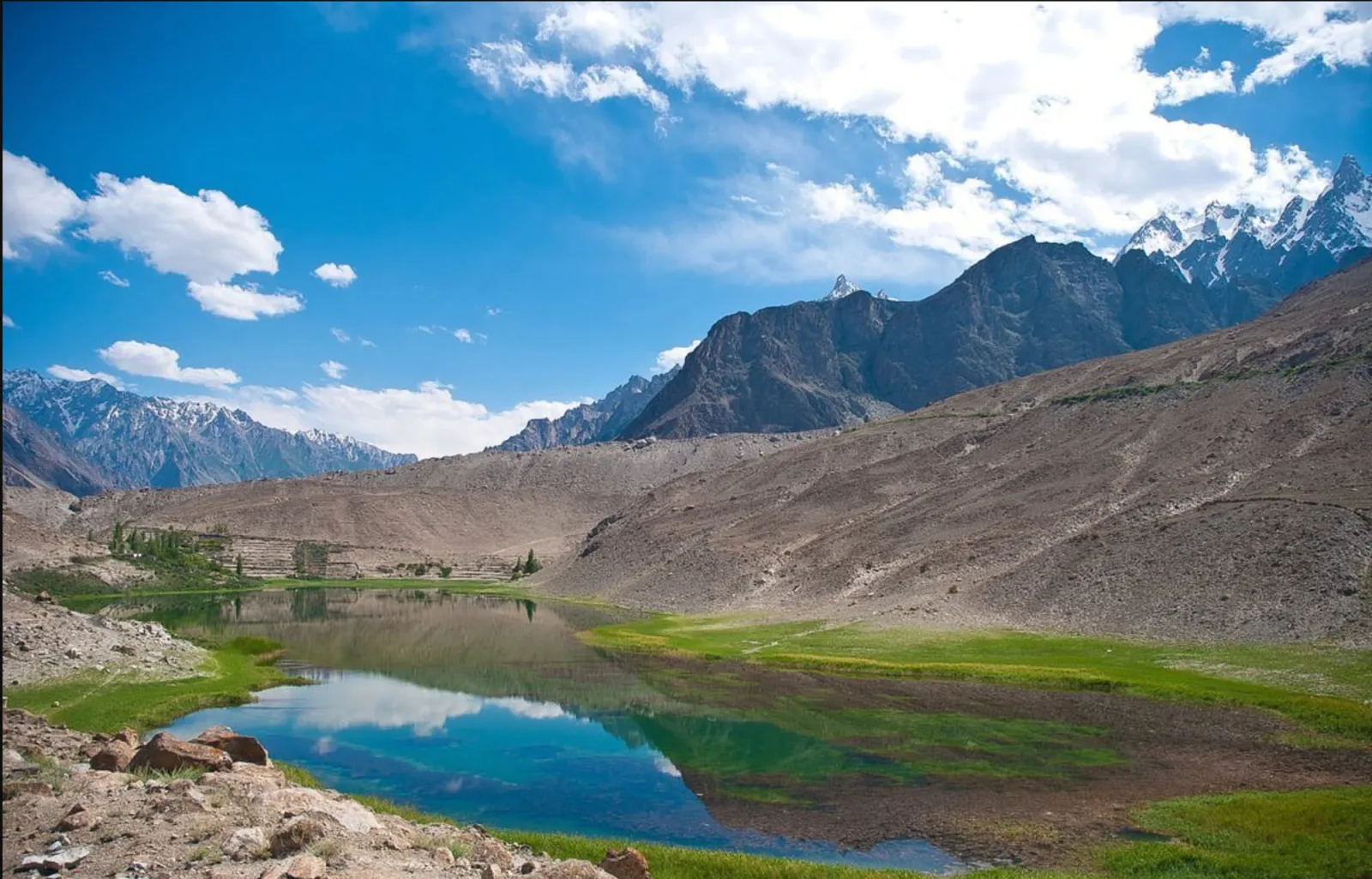
A high, slightly salty lake sitting above Gulmit at around 2,600 m. Borith draws migratory birds in spring and autumn and offers a peaceful overnight away from the highway. From here it is a short walk toward the snout of the Passu Glacier.
14. Passu Glacier
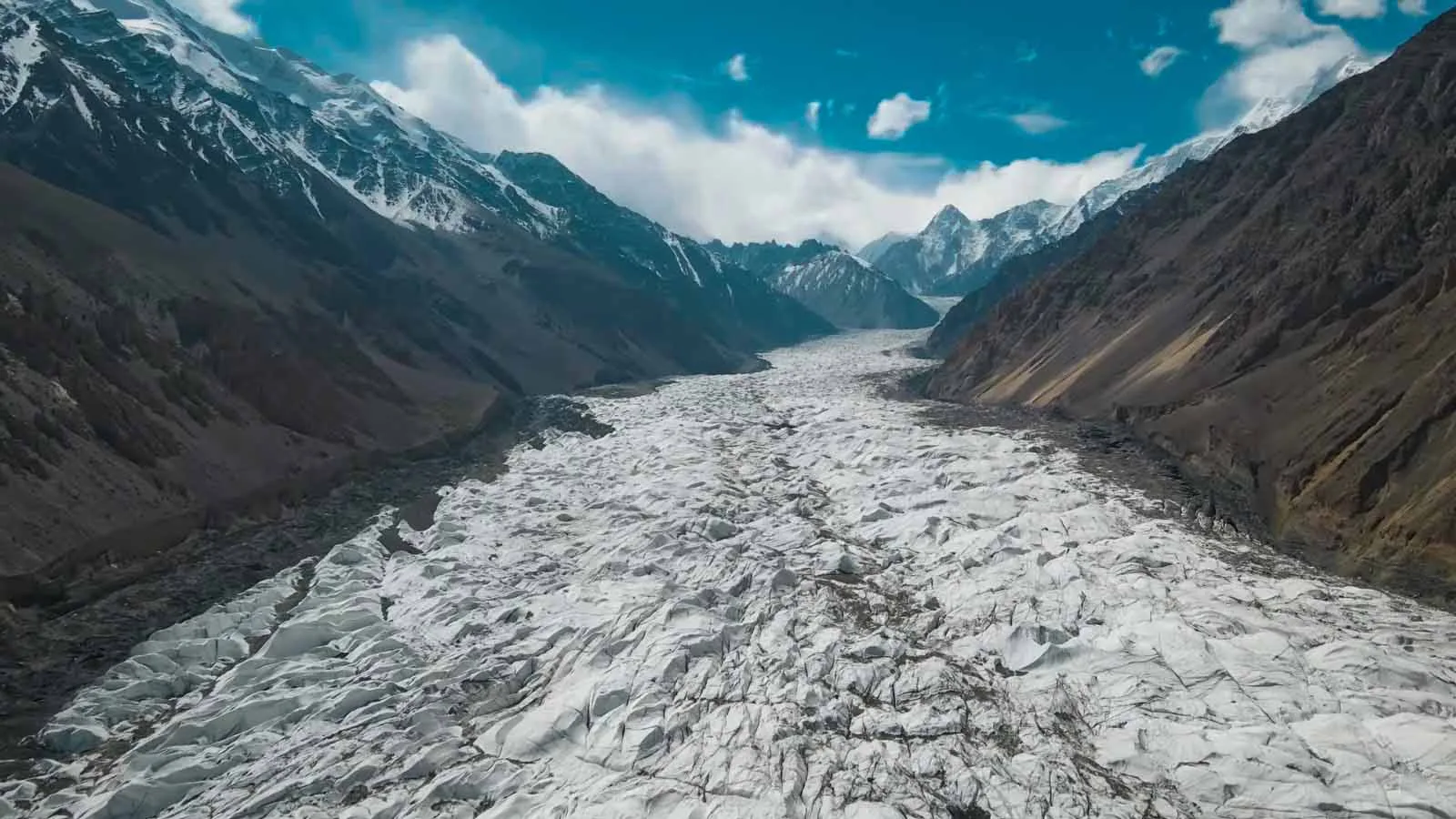
One of the most accessible glaciers in Pakistan. A short hike from the KKH or from Borith brings you to a viewpoint over its cracked white tongue. It is the easy, no-trek way to stand close to Karakoram ice.
15. Passu Cones (Tupopdan)
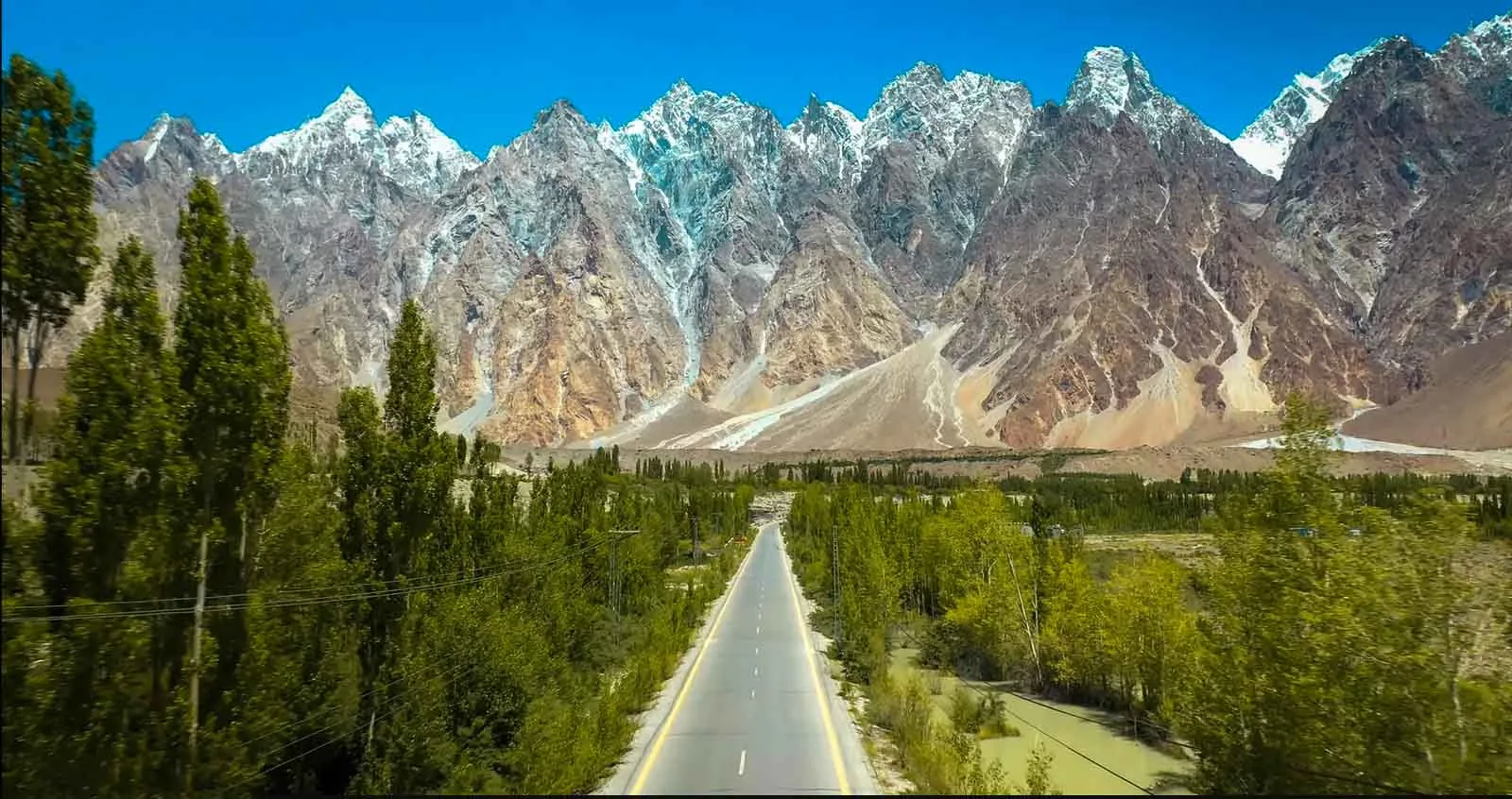
The saw-toothed skyline you have already seen on a hundred Pakistan travel posters. Officially this is Tupopdan, 6,106 m (20,033 ft), nicknamed the Passu Cathedral. The spires rise straight above Passu village and are the most photographed peaks in the country. They are the northern bookend of this list, and reason enough on their own to drive this far up the valley.
16. Batura Glacier
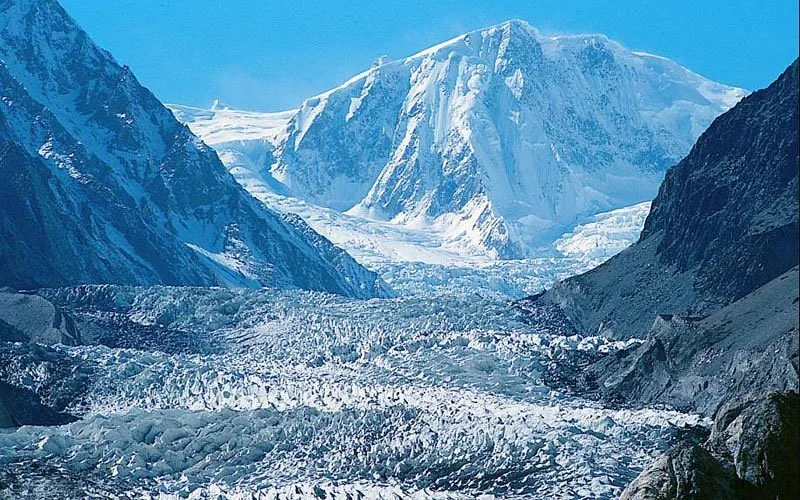
Near Passu flows the Batura, one of the longest non-polar glaciers on earth at roughly 56 km, its terminus reaching almost to the highway. You can view it on a day hike or take it on as a multi-day trek along the Batura wall.
17. Ondra Poyga (Ondra Fort viewpoint)
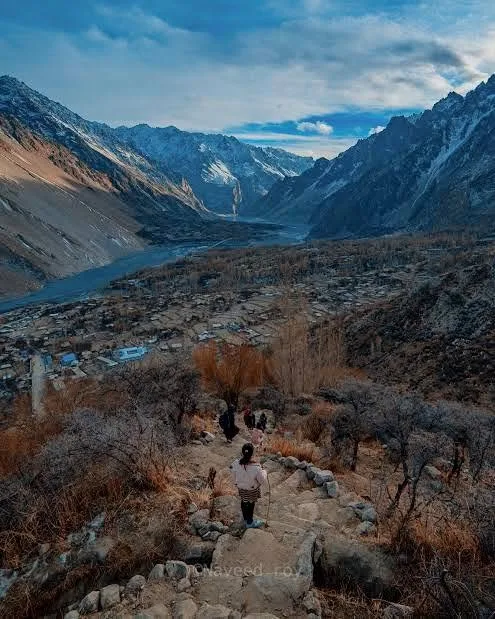
A steep, calf-burning climb above Gulmit and Ghulkin to a ridgetop old watch-post. It rewards you with the finest single panorama in Gojal: Passu Cones, Attabad Lake and the glaciers all in one frame. If your legs are willing, it is the best-value viewpoint in upper Hunza.
18. Sost
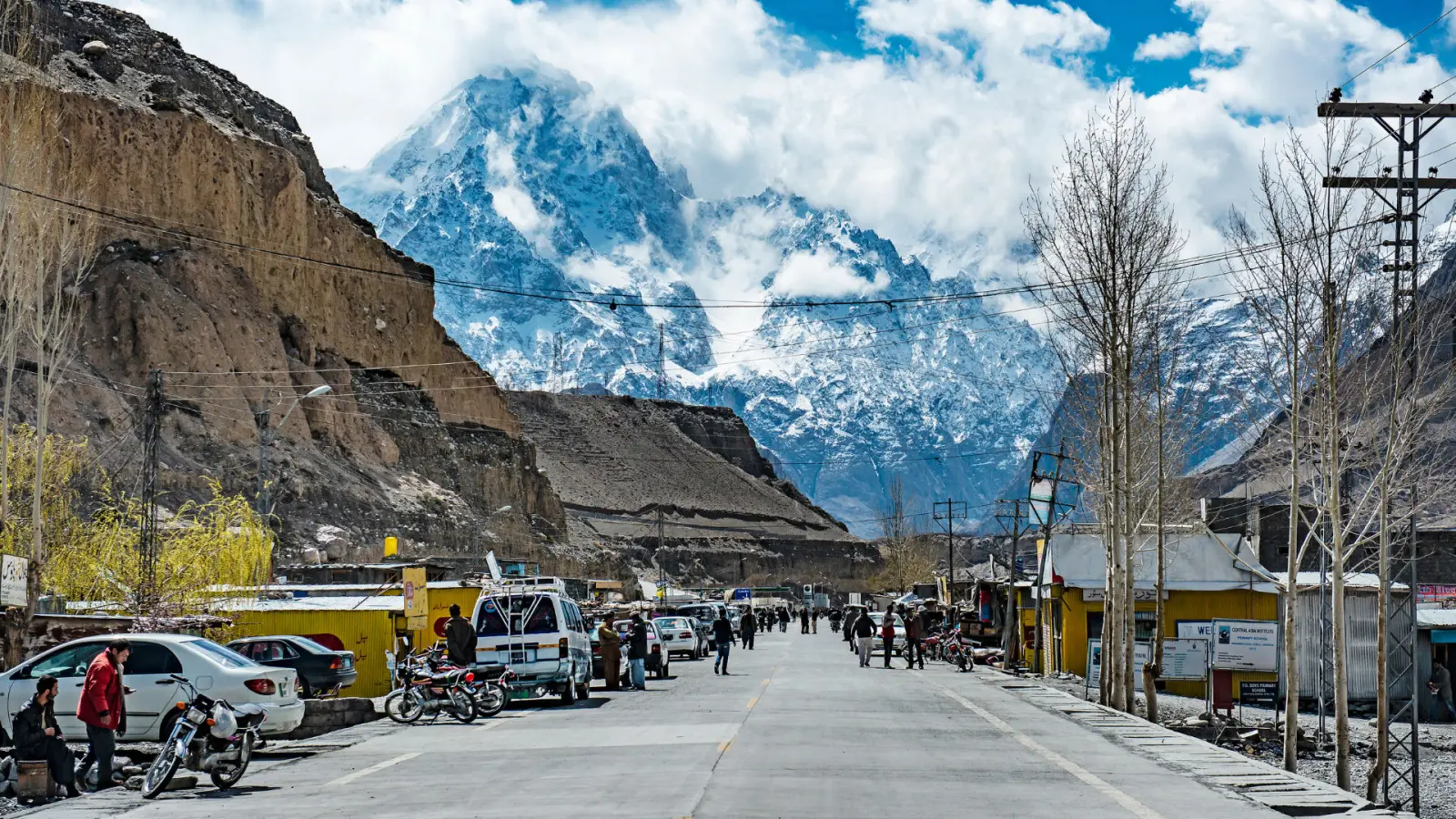
The last town before China, and the dry port and immigration post for the Khunjerab crossing. It is practical rather than pretty, but it is where you overnight or clear paperwork before the run up to the pass.
19. Khunjerab Pass
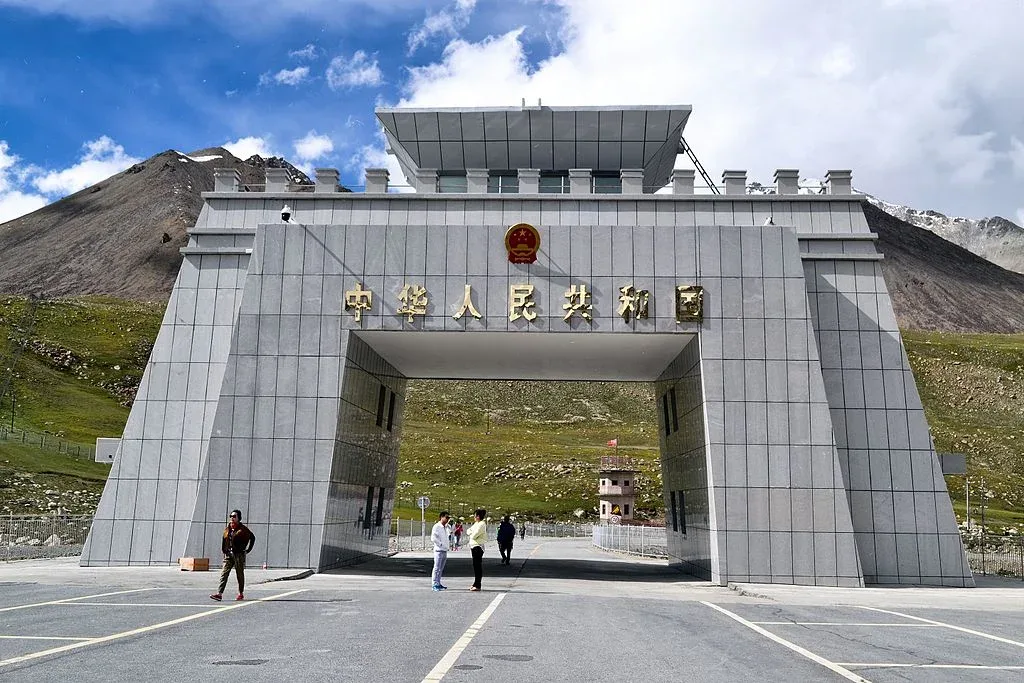
The top of the Karakoram Highway and the top of most Hunza itineraries. At 4,693 m (15,397 ft), Khunjerab is the highest paved international border crossing in the world, marking the Pakistan-China frontier, complete with the world's highest ATM. The air is thin, the border gate is dramatic, and the drive up is the whole point. Note that it closes through winter under snow.
20. Khunjerab National Park
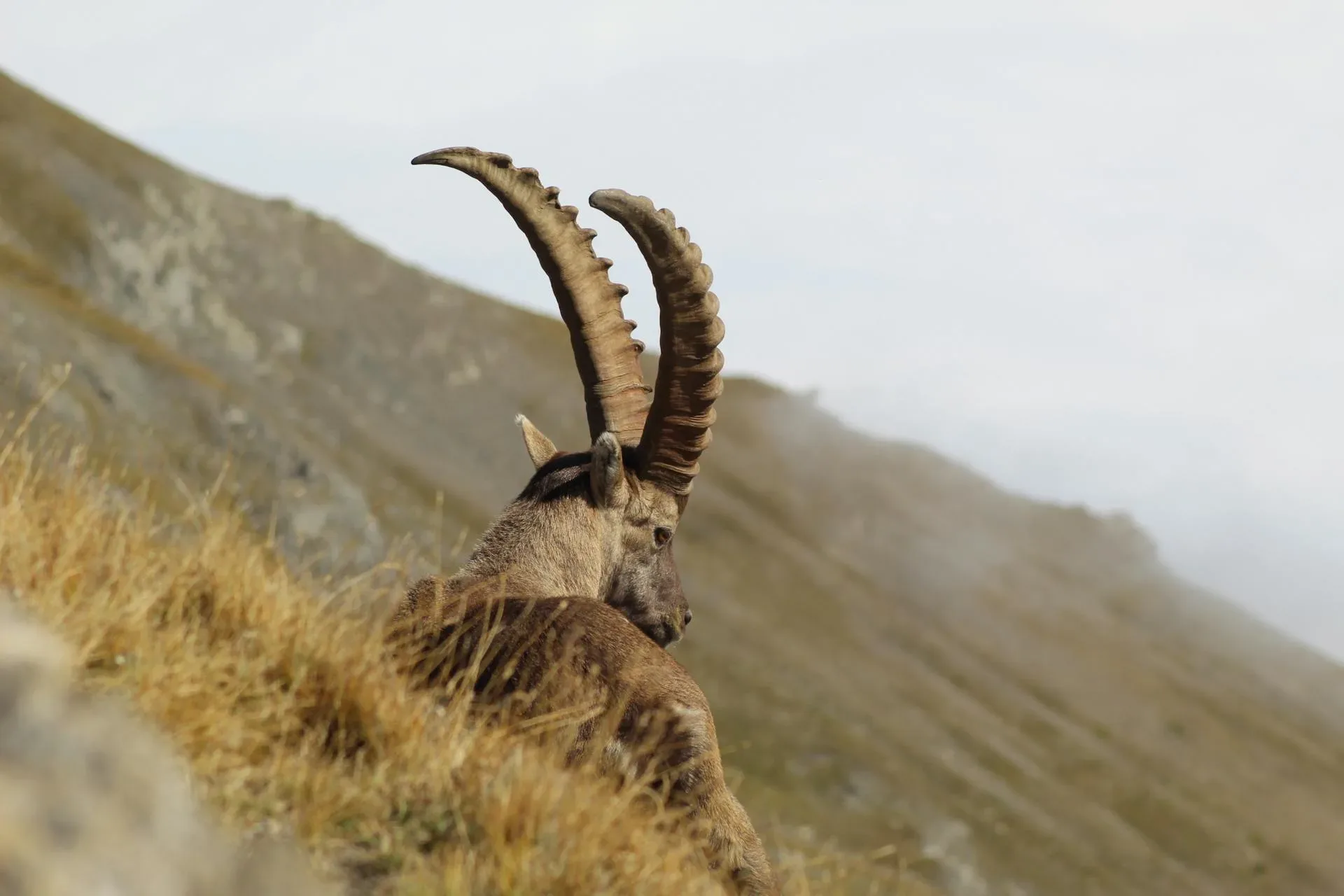
You pass through this park, Pakistan's third-largest, on the way to the top. It protects snow leopard, Marco Polo sheep, Himalayan ibex and blue sheep, and you have a real chance of spotting ibex or marmots from the road. It is a fitting wild finish to a Hunza journey.
Planning your Hunza trip: the questions everyone asks
When is the best time to visit Hunza?
Three windows stand out. Spring (early April to mid-May) brings the famous cherry and apricot blossom. Summer (June to August) is greenest and warmest, and it is the only reliable window when the road over Khunjerab is open. Autumn (mid-October to early November) is arguably the most spectacular of all, when the poplars turn gold and red. Winter is cold and beautiful, but many upper-valley roads and the Khunjerab Pass close. For a full month-by-month breakdown, see our guide to the best time to visit Pakistan.
How do you get to Hunza from Islamabad?
Two ways. By road, it is roughly 600 km up the Karakoram Highway, about 14 to 20 hours of driving, usually split over two days with a night in Chilas or Besham. By air, you can fly Islamabad to Gilgit in about an hour (weather-dependent, and often cancelled), then drive around 2.5 hours to Karimabad. Most travellers drive at least one way for the scenery.
How many days do you need in Hunza?
Plan on 4 to 7 days in the valley itself: roughly two days for central Hunza (Karimabad, the forts, Eagle's Nest), two to three for upper Hunza (Attabad, Passu, Khunjerab), and the rest for travel and rest days at altitude. Add the road days to and from Islamabad on top of that.
Where should you stay?
Karimabad is the best all-round base. It is walkable to the forts, has the finest sunset views and offers the widest choice of hotels. For the upper valley, stay lakeside at Attabad or in the quieter villages of Gulmit or Passu. If you want it done in comfort, our luxury Hunza and Skardu tour uses the best lodges in each.
Is Hunza safe?
Yes. Hunza is one of the safest, most hospitable and most literate regions in Pakistan, and it is comfortable for solo travellers and for women. The real risks are practical rather than personal: altitude, fast-changing mountain weather, and long days on winding roads. A local driver who knows the KKH makes a genuine difference.
Because so much of Hunza is spread along one long highway, with jeep detours, permit checks near the border and unpredictable flights, most visitors see far more with a local operator handling the logistics. Our guided Hunza Valley tour ties these places into one route, and the Hunza to Khunjerab tour adds the full run up to the Chinese border.
The 20 places at a glance
| # | Place | Area | Don't miss |
|---|---|---|---|
| 1 | Karimabad | Central Hunza | Base town, bazaar, orchards |
| 2 | Baltit Fort | Central Hunza | 700-year-old fort museum |
| 3 | Altit Fort | Central Hunza | Oldest monument in GB |
| 4 | Ganish Village | Central Hunza | 1,000-year Silk Road village |
| 5 | Sacred Rocks (Haldeikish) | Central Hunza | Ancient petroglyphs |
| 6 | Duikar / Eagle's Nest | Central Hunza | Sunrise over Rakaposhi |
| 7 | Rakaposhi View Point | Nagar | Tea under a 7,788 m peak |
| 8 | Hopar Valley & Glacier | Nagar | Terraced villages, glacier |
| 9 | Rush Lake | Nagar | ~4,694 m alpine lake trek |
| 10 | Attabad Lake | Upper Hunza | Turquoise lake, boating |
| 11 | Hussaini Bridge | Upper Hunza | Thrilling rope bridge |
| 12 | Gulmit | Upper Hunza | Old Gojal capital, heritage |
| 13 | Borith Lake | Upper Hunza | Quiet high lake, birdlife |
| 14 | Passu Glacier | Upper Hunza | Easy glacier viewpoint |
| 15 | Passu Cones (Tupopdan) | Upper Hunza | 6,106 m cathedral peaks |
| 16 | Batura Glacier | Upper Hunza | ~56 km non-polar glacier |
| 17 | Ondra Poyga | Upper Hunza | Best panorama in Gojal |
| 18 | Sost | Upper Hunza | Last town before China |
| 19 | Khunjerab Pass | Upper Hunza | 4,693 m China border |
| 20 | Khunjerab National Park | Upper Hunza | Snow leopard, ibex |
From the forts of Karimabad to the ice of Passu and the thin air of Khunjerab, this is one of the great mountain valleys on earth, and it rewards travellers who take their time. If you would rather have the driving, permits and jeep hops handled while you look out the window, plan your Hunza Valley trip with us and we will build the route around the places above.
Further reading: Attabad Lake (Wikipedia), Khunjerab Pass (Wikipedia), and Gilgit-Baltistan Tourism.
Ready for Your Next Adventure?
Join our community of explorers and discover the journey of a lifetime. Our expert team is ready to help you plan your perfect expedition.