Best Time to Visit Pakistan: A Month-by-Month Guide (2026/2027)
When is the best time to visit Pakistan? A month-by-month and season-by-season guide to the weather, the northern trekking window, Hunza cherry blossom and autumn colours, the monsoon to avoid, and the best months for Hunza, Skardu and K2 base camp.
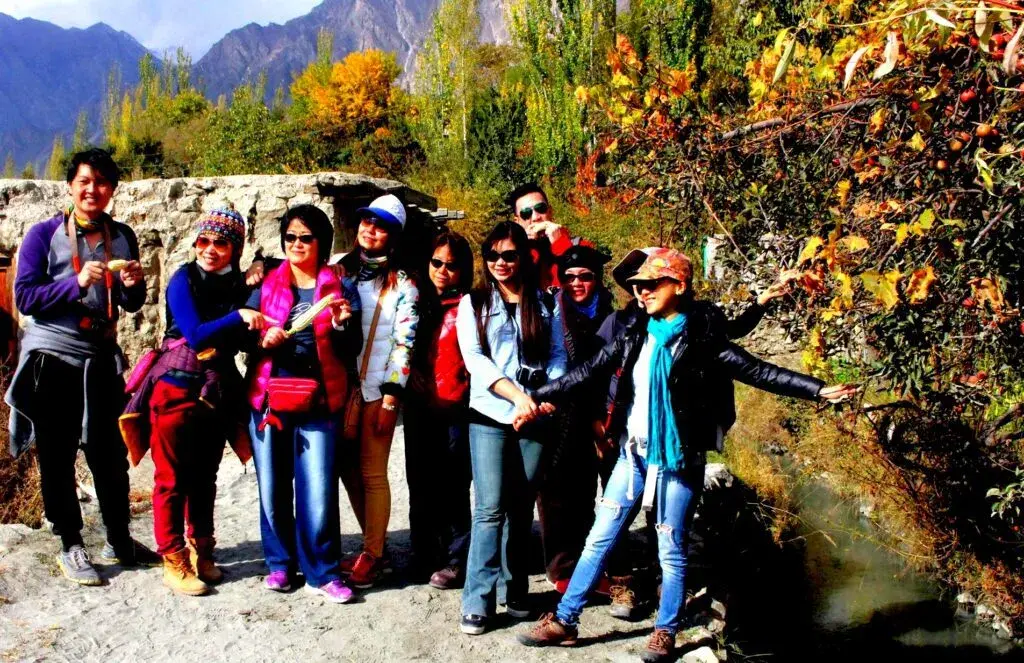
The short answer: The best time to visit Pakistan is roughly May to October for the north (Hunza, Skardu, Gilgit-Baltistan and the trekking regions) and October to March for the south (Lahore, Karachi and the Sindh heritage sites). If you only remember one thing: September and October are the sweet spot up north, with clear skies, autumn colours and thinner crowds. July and August bring the monsoon, so that is the window to plan around.
Pakistan is really two countries, weather-wise. Up north, the Karakoram, Himalaya and Hindu Kush lock the high valleys under snow for half the year and throw them open for a glorious summer and autumn. Down south, the plains bake through the same months and only become comfortable once winter arrives. So the honest answer to "when is the best time to visit Pakistan" is: it depends where you are going and what you want to do. This month-by-month guide breaks it down by season, by month, by region and by activity, so you can pin the right dates to your trip. We run tours across the north all season, so the timings below are the ones we actually plan around.
Understanding Pakistan's climate, and why altitude matters
Two things drive the best time to visit Pakistan: latitude and altitude. The southern plains around Karachi and Lahore are hot for most of the year and brutally so from May to July, when temperatures pass 40°C. The northern mountains work the opposite way. Places like Hunza, Skardu and the Deosai Plateau sit at 2,000 to 4,000 metres, so their comfortable, accessible season is short, running from about spring to autumn. In between, a summer monsoon sweeps up from the south in July and August. It mostly soaks the plains and the lower hills, while the high desert valleys of Gilgit-Baltistan sit in a rain shadow and stay drier, though the access roads can still take a hit. Keep that north-south split in your head and the rest of this guide falls into place.
Pakistan season by season
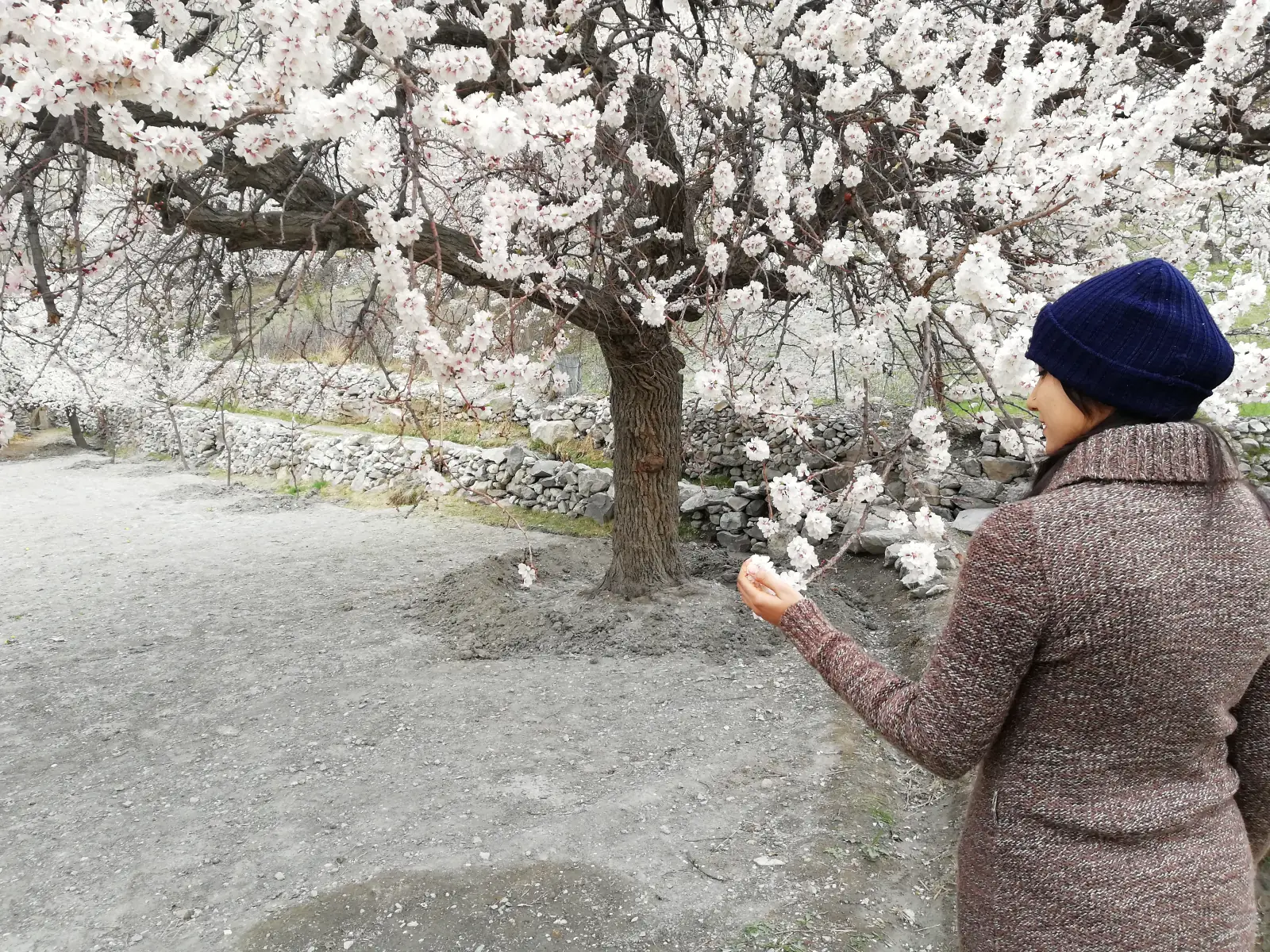
Spring (March to May): blossom season
Spring is when the north wakes up. Through late March and April the cherry and apricot orchards of Hunza and Nagar burst into blossom, one of the most beautiful and underrated sights in Asia, and the reason cherry blossom tours have taken off. The lower valleys turn green, the roads reopen, and the crowds have not arrived yet. Higher passes and the deepest trekking routes can still be snowbound early in the season, so spring suits valley touring, culture and photography more than serious high-altitude trekking. Down south, spring is the tail end of the pleasant window before the heat sets in.
Summer (June to September): high season in the north
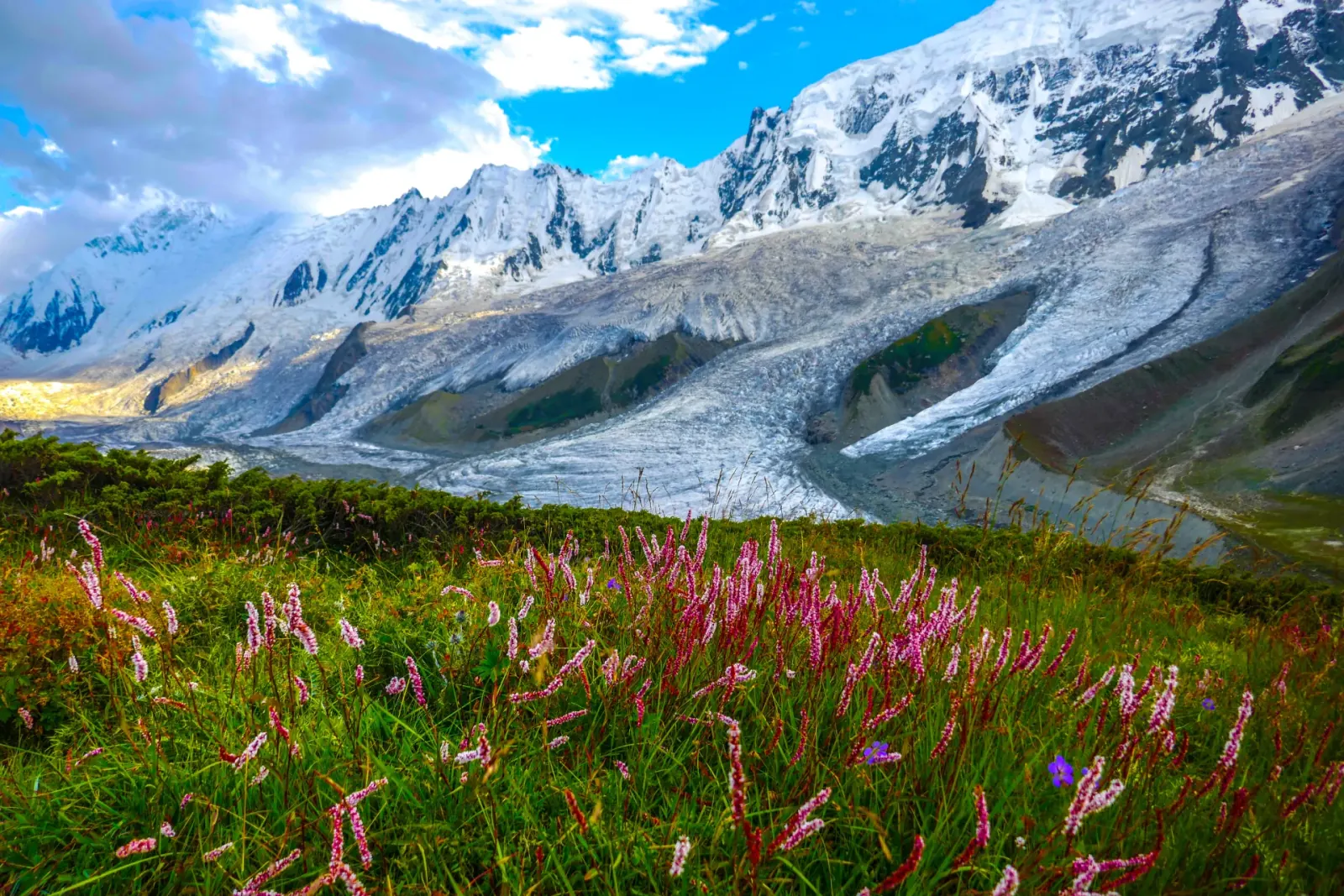
Summer is the classic time to visit northern Pakistan and the main trekking season. The high passes are open, the Karakoram Highway is running, and the alpine meadows are green. This is when the Deosai Plateau, Fairy Meadows and the K2 base camp region are all accessible, and it is peak season for mountaineering and treks. The trade-offs: July and August bring the monsoon and the biggest domestic crowds and prices. June and early September give you the summer access with a little more breathing room.
Autumn (late September to November): the sweet spot
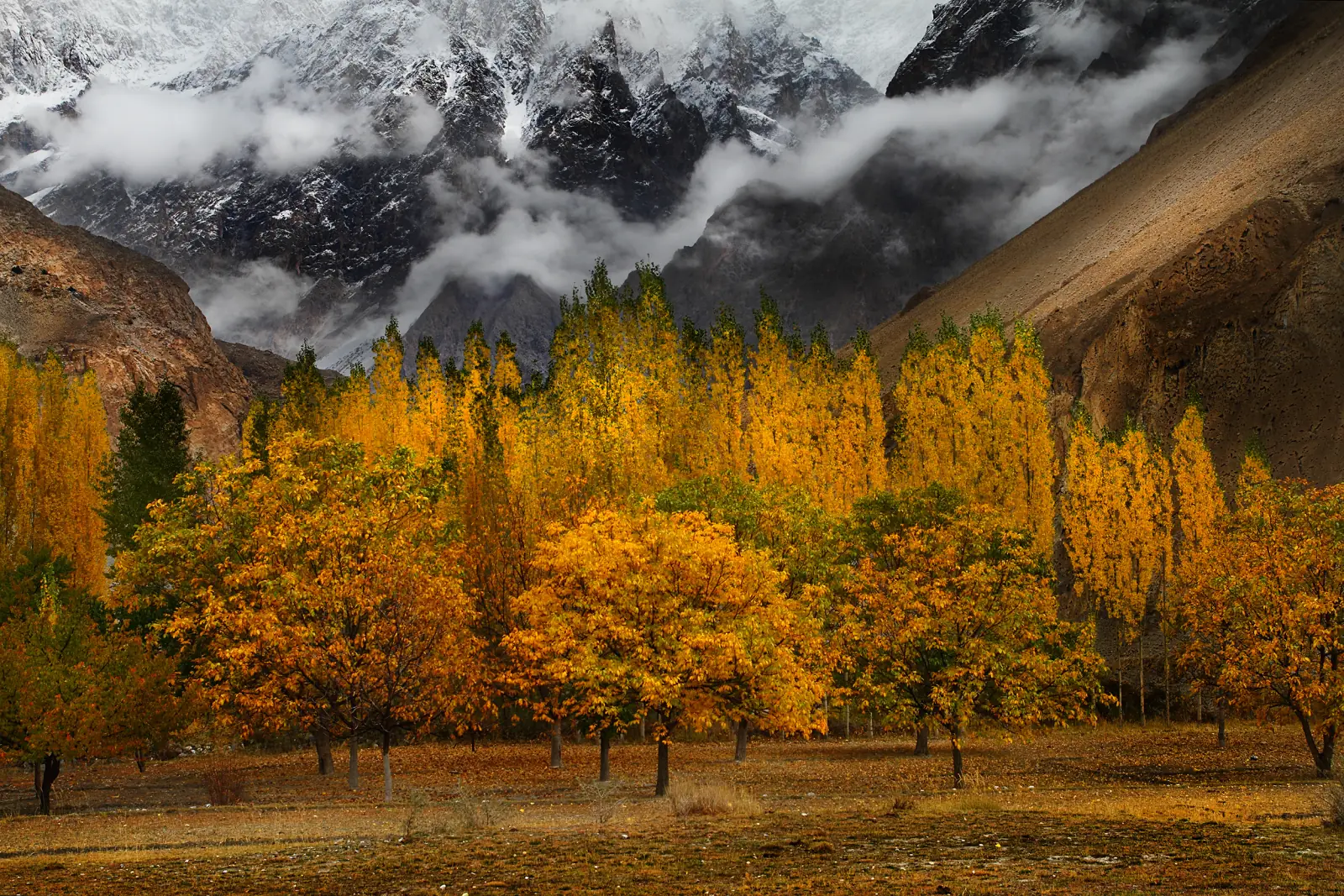
If we had to name one season, it would be autumn. From late September into October the skies clear, the poplars and orchards turn gold, and the light on the peaks is unbeatable. The summer crowds have gone home, prices ease, and the roads are still open before the winter snow. Autumn is prime time for photography, valley touring and the last comfortable treks of the year. It is quietly the best-kept secret in the Pakistan travel calendar.
Winter (December to February): quiet north, comfortable south
Winter shuts most of the northern high country down. Roads and passes close under snow, the Fairy Meadows jeep road stops running, and the Khunjerab Pass is closed. That said, a snowy Hunza is magical for the adventurous, and winter is exactly when the south comes into its own. December to February sits in the middle of the south's October to March season, when Lahore, Karachi and the heritage sites of Sindh and Punjab are cool and clear.
Pakistan month by month
| Month | Conditions | Best for |
|---|---|---|
| January | Cold, snow in the north; mild in the south | Southern cities, off-season quiet |
| February | Cold north; pleasant south | Lahore, Karachi, cultural trips |
| March | Spring begins; early blossom | Cultural tours, lower valleys |
| April | Warm days; cherry and apricot blossom in Hunza | Blossom season, photography |
| May | Warm; mountain passes opening | Kalash Chilam Joshi, valley trips |
| June | Hot in the plains; ideal in the mountains | Trekking season starts, K2 region opens |
| July | Monsoon in the plains; peak season up north | Karakoram trekking, Khunjerab Pass |
| August | Monsoon (plains); prime high-altitude window | K2 and Nanga Parbat base camps |
| September | Monsoon fades; clear mountain skies | Best all-round trekking |
| October | Crisp and dry; autumn colours in Hunza | Autumn foliage, easy trekking |
| November | Cooling; high passes begin to close | Lower valleys, cultural tours |
| December | Cold, snow in the north; mild south | Southern Pakistan, winter escapes |
Here is the quick month-by-month view of the weather and what each month is best for. Northern dates always shift a little year to year with the snow, so treat these as a planning guide.
| Month | North (mountains) | Best for |
|---|---|---|
| January | Deep snow, most valleys and passes closed | Southern cities, snowy Hunza for the intrepid |
| February | Cold, still snowbound up high | Lahore, Karachi, Sindh heritage |
| March | Lower valleys thawing, blossom begins late month | Early cherry blossom, culture, the south |
| April | Blossom peak in Hunza and Nagar, roads reopening | Cherry blossom tours, valley touring |
| May | Green valleys, high passes opening | Hunza, Skardu, spring trekking, mild south |
| June | Warm and open, trekking season begins | Deosai, K2 area, mountaineering, road trips |
| July | Peak summer, monsoon rain in parts, busy | High treks, but plan around rain and crowds |
| August | Monsoon continues, warmest, busiest | Rain-shadow valleys, festivals, with caution |
| September | Clearing skies, still open, quieter | Trekking, touring, the start of autumn |
| October | Clear and cool, autumn colours peak | Photography, autumn tours, the sweet spot |
| November | Cold, first snows, passes starting to close | Early-month north, then the south |
| December | Snowbound north, cool south | Lahore, Karachi, winter city tours |
Best time to visit northern Pakistan (Hunza, Skardu, Gilgit-Baltistan)
For the north, the broad window is May to October. Here is how it breaks down by the places most travelers ask about:
- Hunza Valley: beautiful from April to October. Come in late March or April for cherry blossom, or October for autumn colours. Summer is warmest and busiest.
- Skardu and Deosai: the Deosai Plateau is only accessible in summer, roughly July to September. Skardu itself is good from May to October.
- Fairy Meadows and Nanga Parbat: the jeep road runs roughly May to October, with July and August the warmest for the base-camp trek. Closed in winter.
- Khunjerab Pass and the upper Karakoram Highway: the pass is usually open from about April to late November and closed in deep winter.
Best time to visit Pakistan by activity
What you want to do matters as much as where you go. A quick guide by trip type:
- Trekking and K2 base camp: mid-June to mid-September, with July and August the prime window for the high routes. See our treks and K2 Base Camp trek.
- Mountaineering and expeditions: the summer window, June to September, when the high camps are viable. Browse our expeditions.
- Cherry blossom tours: late March to April in Hunza and Nagar.
- Autumn photography: October, when Gilgit-Baltistan turns gold.
- Culture, cities and heritage: October to March for Lahore, Karachi and the south, when the plains are cool.
- Festivals: the Shandur Polo Festival has recently been held in June (20 to 22 June 2025, 11 to 13 June 2026), with dates announced each year, and the Kalash valley festivals run through spring, summer and winter.
Best time to visit southern Pakistan (Lahore, Karachi, Sindh)
The south is a winter destination. Lahore, Karachi and the heritage sites of Sindh and Punjab are at their best from October to March, when temperatures are mild and the skies are clear. Avoid May to July, when the plains hit 40°C and higher. If your trip mixes northern mountains with southern cities, the shoulder months of April and, especially, October let you enjoy both without extreme heat or deep snow.
When to avoid: the monsoon and winter road closures
Two windows call for extra planning. The monsoon runs through July and August, bringing rain to the plains and the lower hills and, occasionally, landslides and road disruption along the Karakoram Highway. It is still possible to travel the drier rain-shadow valleys of Gilgit-Baltistan then, but build in buffer days. The other window is deep winter, December to February, when snow closes many northern roads and passes. Neither is a hard no, they just need a flexible plan and local knowledge.
Cheapest time to visit Pakistan and avoiding the crowds
The busiest and priciest months up north are June to August, when domestic tourism peaks. For better value and quieter valleys, aim for the shoulder seasons: May and, best of all, late September to October. You get open roads, good weather and lower prices, without the summer rush. Autumn in particular gives you the north at its most photogenic for a fraction of the summer crowds.
Plan your trip
Once you have your season, we can build the trip around it, with local guides who know exactly when each valley, pass and trail is at its best. Browse our Pakistan tours, our treks and expeditions, or read our wider guide to visiting Pakistan, and message us to lock in the right dates.
Frequently asked questions
What is the best month to visit Pakistan?
For the north, October is hard to beat: clear skies, autumn colours and thinner crowds, with the roads still open. The poplars and orchards of Hunza turn gold, the summer crowds have gone home and prices ease before the winter snow arrives. May and September are also excellent, with green valleys, open passes and fewer people than the June to August peak. For the southern cities like Lahore and Karachi, the best months are November to February, when the plains are cool and clear. Avoid May to July down south, when temperatures pass 40°C. If you want a single month that works reasonably across the country, October is the safest all-rounder, since you can combine the mountains with the cities without deep snow or extreme heat. Northern dates shift a little each year with the snow, so treat these as a planning guide. We can build a trip around whichever month you choose.
What is the best time to visit northern Pakistan, Hunza and Skardu?
Roughly May to October. Late March and April bring cherry blossom to Hunza and Nagar, summer (June to September) is the main trekking and touring season, and late September to October delivers clear skies and autumn colours with fewer people. Hunza itself is beautiful from April to October, warmest and busiest in summer. Skardu is good from May to October, but Skardu and the Deosai Plateau are best in summer, as Deosai is only accessible around July to September. July and August bring the monsoon and the biggest domestic crowds. The high valleys of Gilgit-Baltistan sit in a rain shadow and stay drier than the plains, though landslides can still disrupt the Karakoram Highway, so we build buffer days into trips in those months. From November the high passes begin to close, and from December to February snow shuts most of the northern high country. We run tours across the north all season.
When is cherry blossom season in Hunza?
The cherry and apricot blossom in Hunza and Nagar usually peaks from around the last week of March into April, and the display lasts roughly a month. Exact timing shifts a little each year with the weather, so late March to mid-April is the window to aim for a blossom tour. Early spring is a good time to be in the valleys for other reasons too. The lower slopes turn green, the roads reopen after winter and the summer crowds have not arrived yet. Higher passes and the deeper trekking routes can still be snowbound this early, so a blossom trip suits valley touring, culture and photography more than serious high-altitude trekking. Down south, spring is the tail end of the pleasant window before the heat sets in, so you could add Lahore at the start or end. We plan our cherry blossom tours around this late March to April window.
When are the autumn colours in Gilgit-Baltistan?
Autumn colours in Hunza, Skardu and the surrounding valleys are best in October, when the poplars and orchards turn gold. Late September to late October is the general window, with the peak usually in the middle of October. This is the most photogenic time of year in the north. The monsoon has faded, the skies are clear and dry, and the light on the peaks is at its best. The summer crowds have gone home and prices ease, but the roads are still open before the winter snow. It is also a good season for valley touring and the last comfortable treks of the year. By November it turns cold, the first snows arrive and the high passes start to close, so do not leave it too late. As with all northern dates, timing shifts a little from year to year. Our autumn tours are timed for this October window, and it is the season we recommend most.
Is it safe to visit Pakistan, and does the season affect it?
The northern tourist regions like Hunza, Skardu and Gilgit-Baltistan are considered among the safest parts of Pakistan for visitors. Season affects access and road conditions more than security. The monsoon (July to August) can cause landslides and road delays, particularly along the Karakoram Highway, and it mostly soaks the plains and lower hills. The high desert valleys of Gilgit-Baltistan sit in a rain shadow and stay drier, so travel there is still possible, but you should build in buffer days. Winter snow closes many northern roads and passes from December to February, and the Fairy Meadows jeep road and Khunjerab Pass shut too. Neither window is a hard no. Each just needs a flexible plan and local knowledge. Down south, the main seasonal issue is heat, with the plains passing 40°C from May to July. Travelling in the open season with a local guide keeps things smooth, and our guides plan around these conditions every year.
What is the cheapest and least crowded time to visit Pakistan?
The shoulder seasons offer the best value in the north: May, and especially late September to October. You get open roads, good weather and lower prices, without the June-to-August domestic peak. Those summer months are the busiest and priciest up north, as domestic tourism peaks and July and August also bring the monsoon. In May the valleys are green and the high passes are opening, and it suits Hunza, Skardu and spring trekking. Late September and October are better still. The skies clear, the poplars turn gold and prices ease while the roads stay open before the winter snow. Autumn is the standout for quiet, photogenic travel. In the south the calculation is different, because Lahore, Karachi and the Sindh heritage sites are at their best in the cooler months, roughly October to March. Tell us your dates and budget, and we will suggest the quietest window that still fits what you want to see.
When does the Karakoram Highway and Khunjerab Pass open, and when is Deosai accessible?
The Khunjerab Pass, the high point of the Karakoram Highway at the China border, is usually open from about April to late November and closed in deep winter. The highway itself runs through the summer, though monsoon rain in July and August can occasionally bring landslides and delays. The Deosai Plateau is only accessible in summer, roughly July to September, as it is snowbound the rest of the year. Skardu, the base for Deosai, is good from May to October. Fairy Meadows and its jeep road run about May to October, with July and August the warmest for the Nanga Parbat base camp trek, and the road stops running in winter. From December to February snow closes many northern roads and passes. All of these dates shift a little each year with the snow, so treat them as a planning guide. If your trip depends on one of them, message us and we will plan the dates around it.
What is the best time for the K2 base camp trek?
Mid-June to mid-September, with July and August the prime window for the K2 base camp trek and Karakoram mountaineering, when the high routes are open and the weather is most settled. Earlier in the season the upper glacier and high passes can still hold too much snow. July and August also give the clearest views of K2 and the firmest glacier conditions underfoot. If you want to cross the Gondogoro La on the way out, those two months are effectively your only window, because the pass needs compact snow and fixed ropes. The trade-off is that July and August are also the monsoon months in the plains, and landslides can delay the road to Skardu, so buffer days matter. Plan a comfortable number of days for acclimatisation, and travel with an experienced operator for permits and logistics. A full trip from Islamabad usually takes 20 to 22 days, and our guided departures run every summer.
Ready for Your Next Adventure?
Join our community of explorers and discover the journey of a lifetime. Our expert team is ready to help you plan your perfect expedition.