Hunza Valley Cycling Tour: Upper KKH | Go With Guide
Home
All Tours Cultural Tours Family Holidays Luxury Tours Camping Road Trips
K2 Treks Trending Treks High Passes Trekking Holidays All Treks
8000m Peaks 7000m Peaks 6000m Peaks High Passes
Cycle Touring Eco Tourism Motorcycle Touring Mountain Passes Festivals of Pakistan Ibex Hunting Snow Leopard International Travelers
About Us Vehicles Contact FAQs Blog
Plan Your Trip
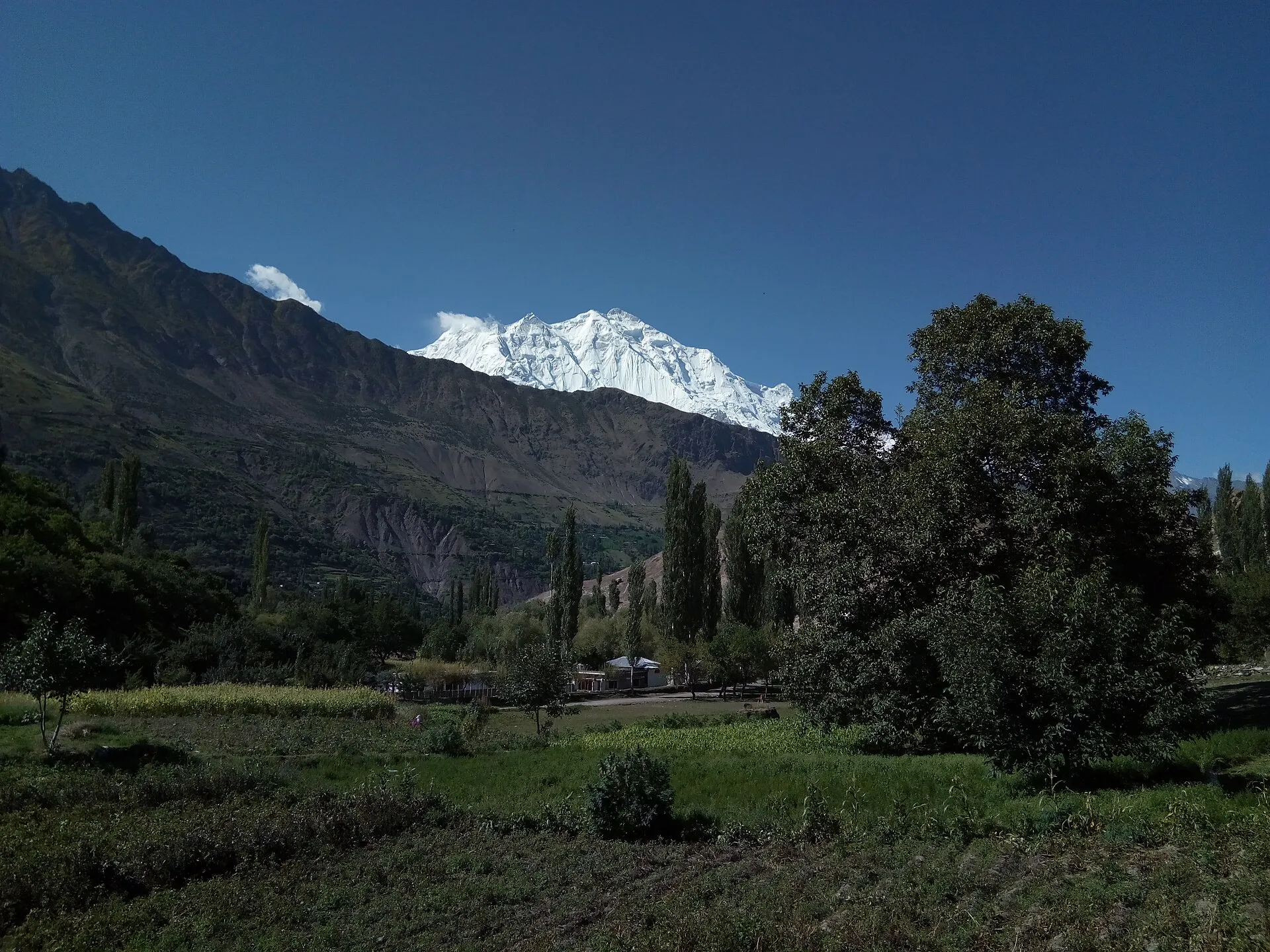
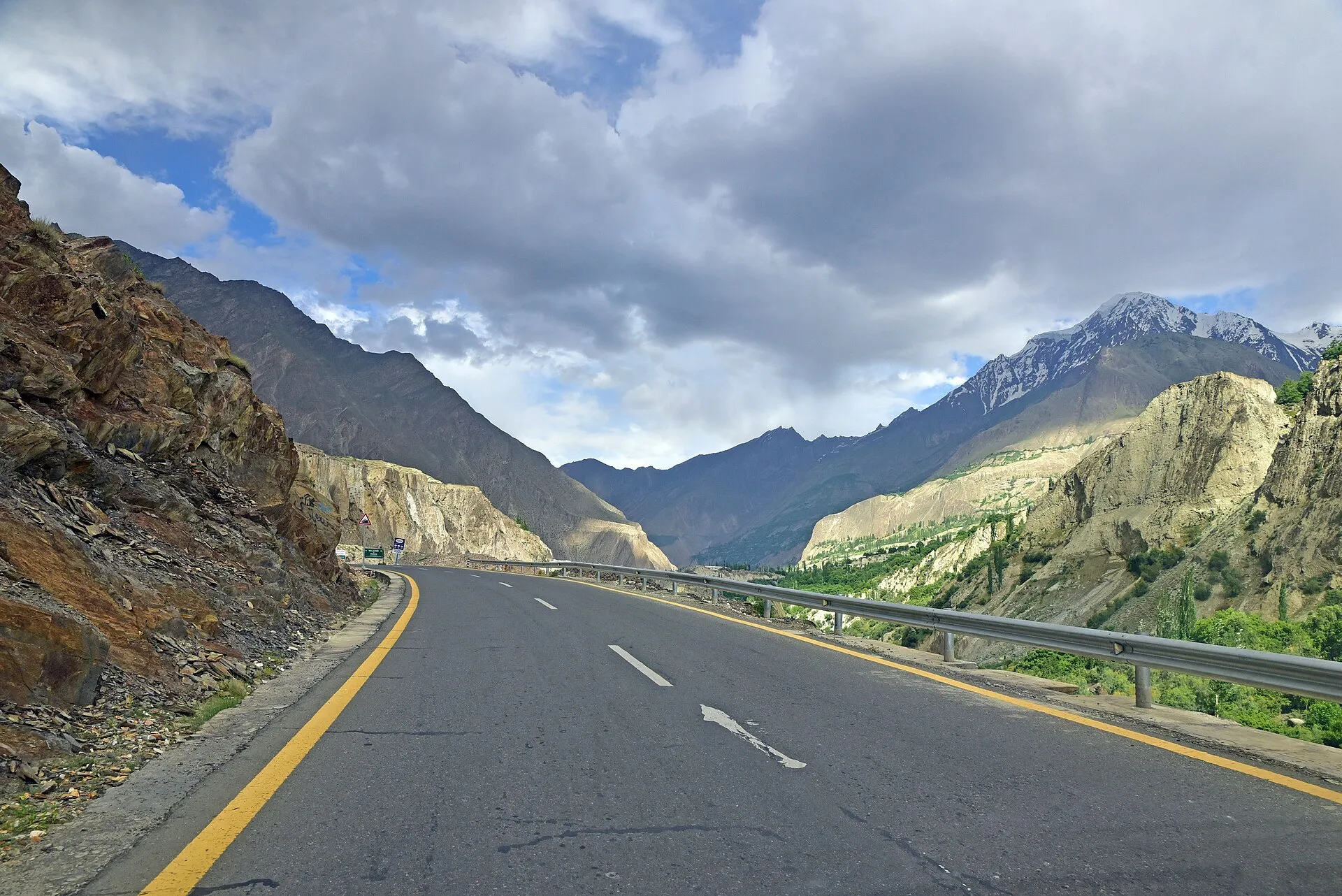
Rakaposhi towering over the Karakoram Highway in the Hunza Valley
Back to Tours
Cycling Hunza Valley

Hunza Valley Cycling Tour

Paved upper-KKH riding through Hunza, with a support van always behind you
Rakaposhi towering over the Karakoram Highway in the Hunza Valley
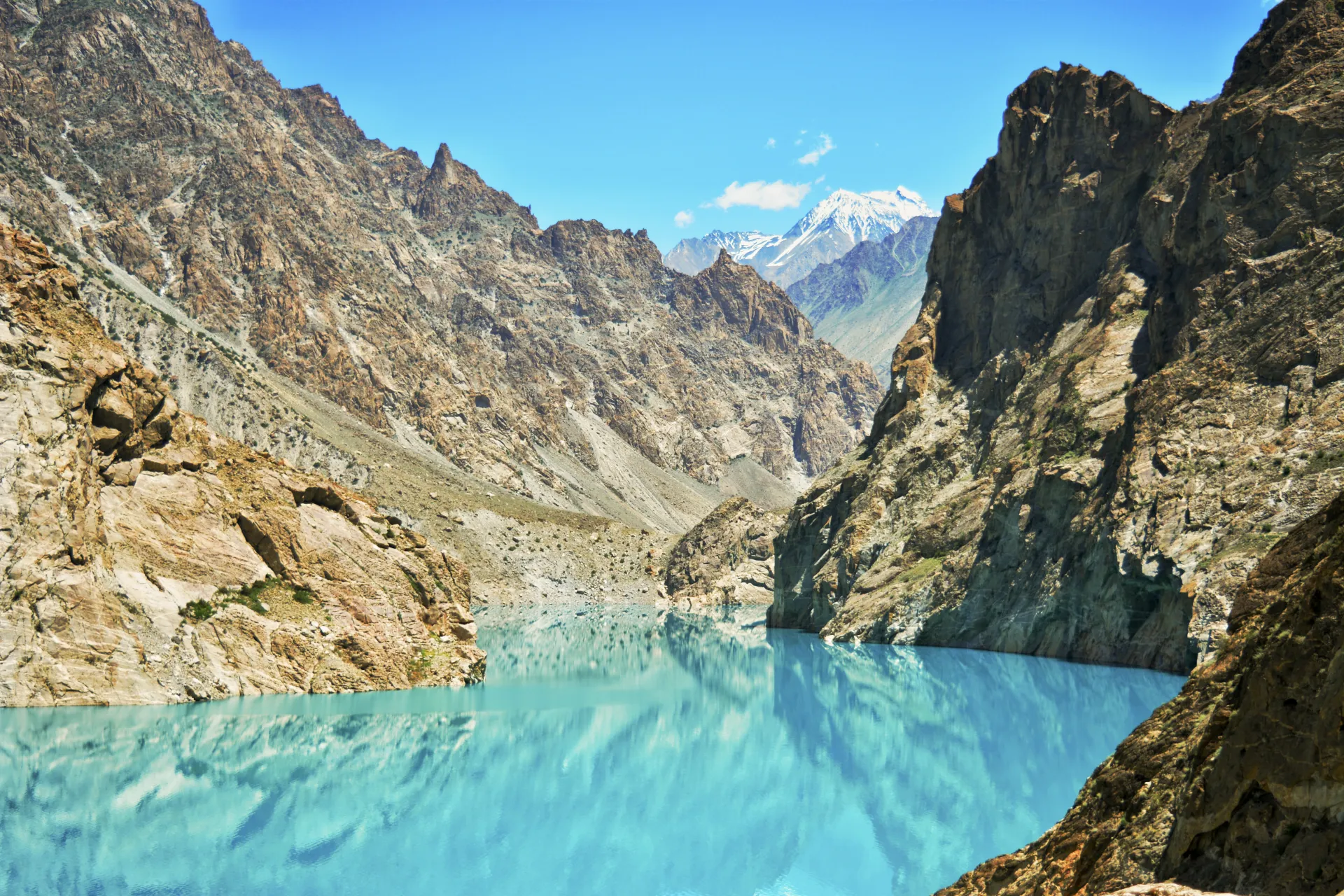
The turquoise water of Attabad Lake beside the Karakoram Highway
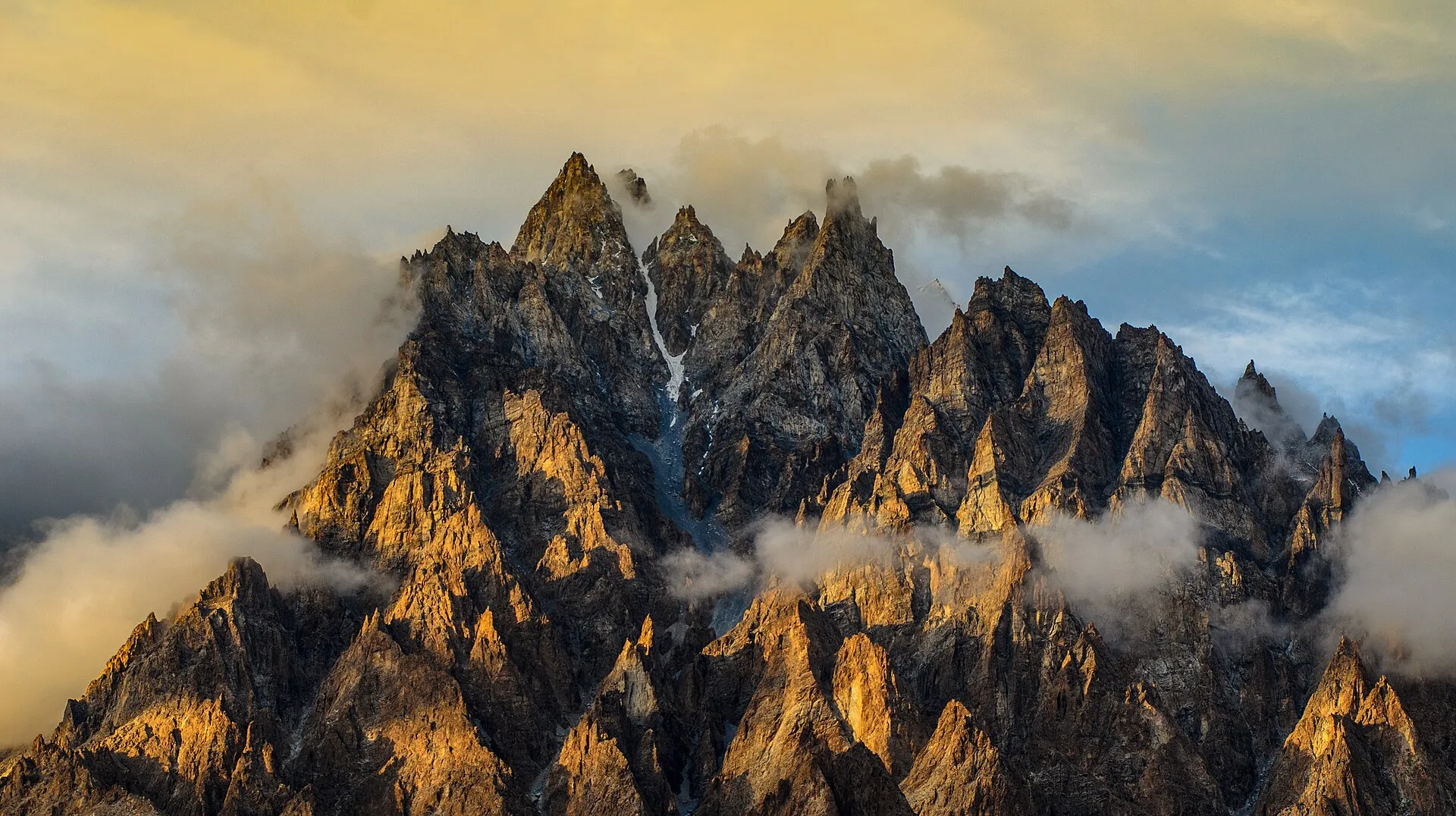
The Passu Cones above the Karakoram Highway in upper Hunza
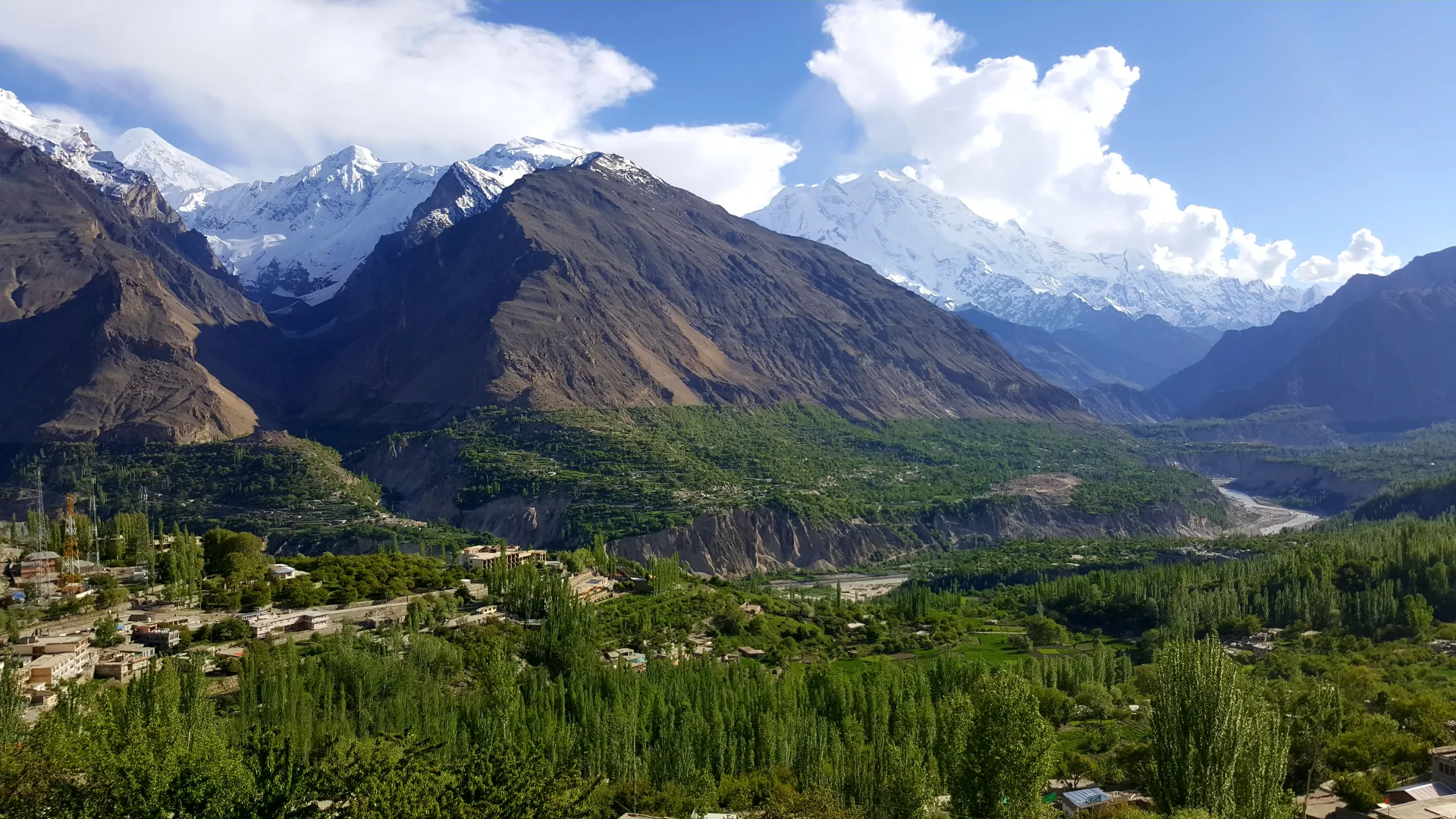
The green Hunza Valley at Karimabad below the Karakoram peaks
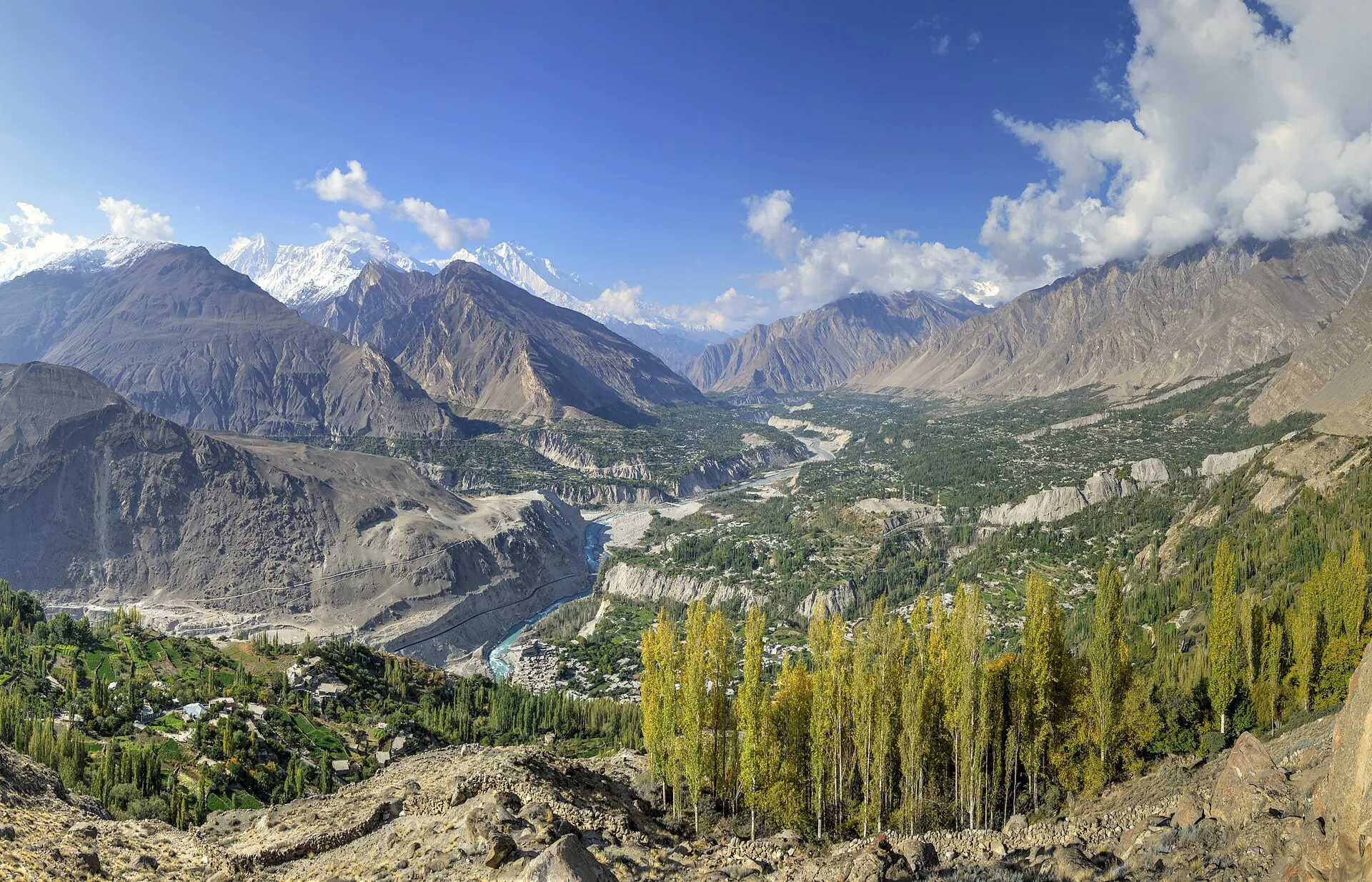
Panorama of the Hunza Valley from the Eagle's Nest viewpoint at Duikar
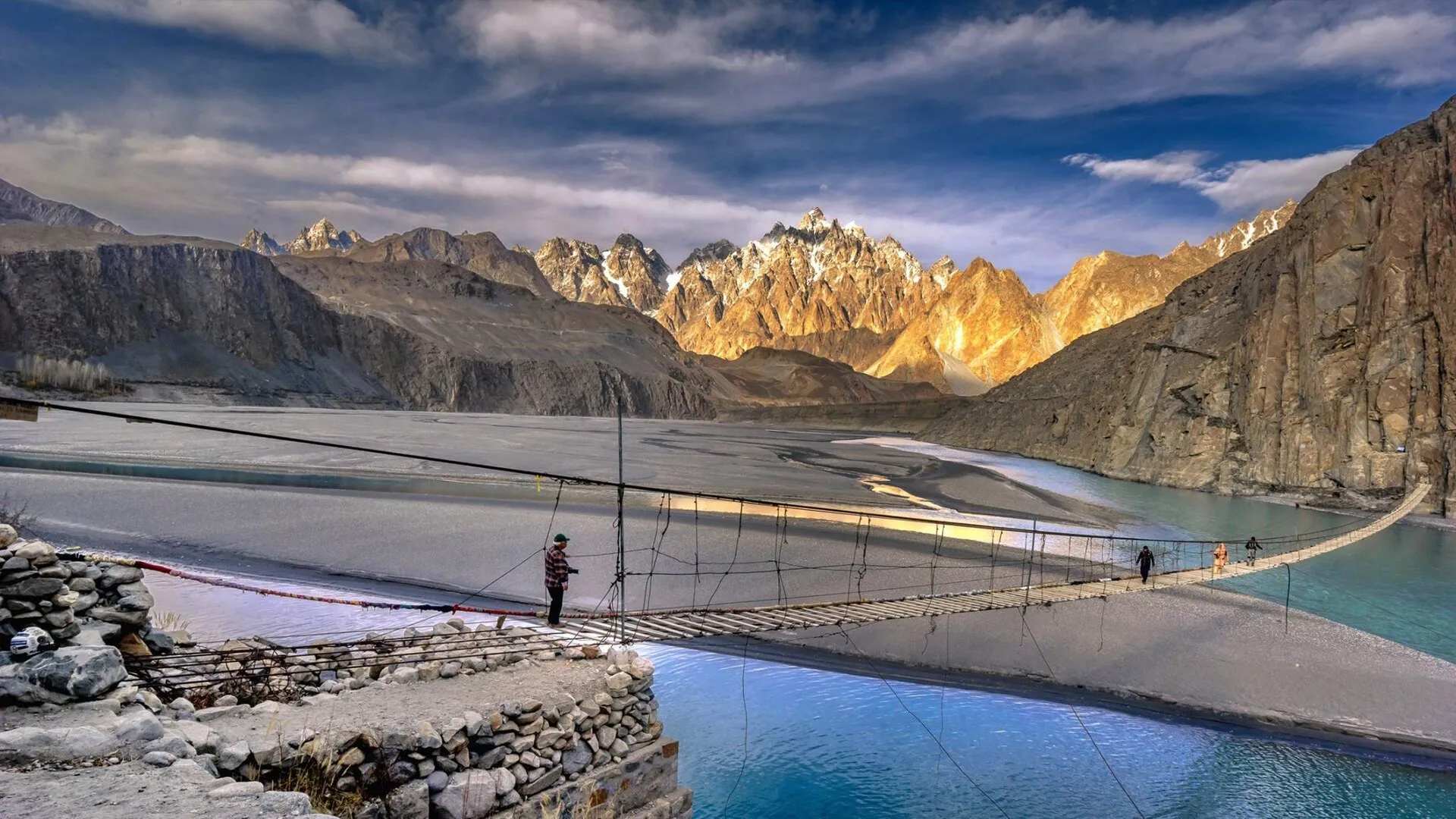
The Hussaini suspension bridge in Gojal, upper Hunza
Snow-capped Rakaposhi rising beyond the green fields opposite Hunza
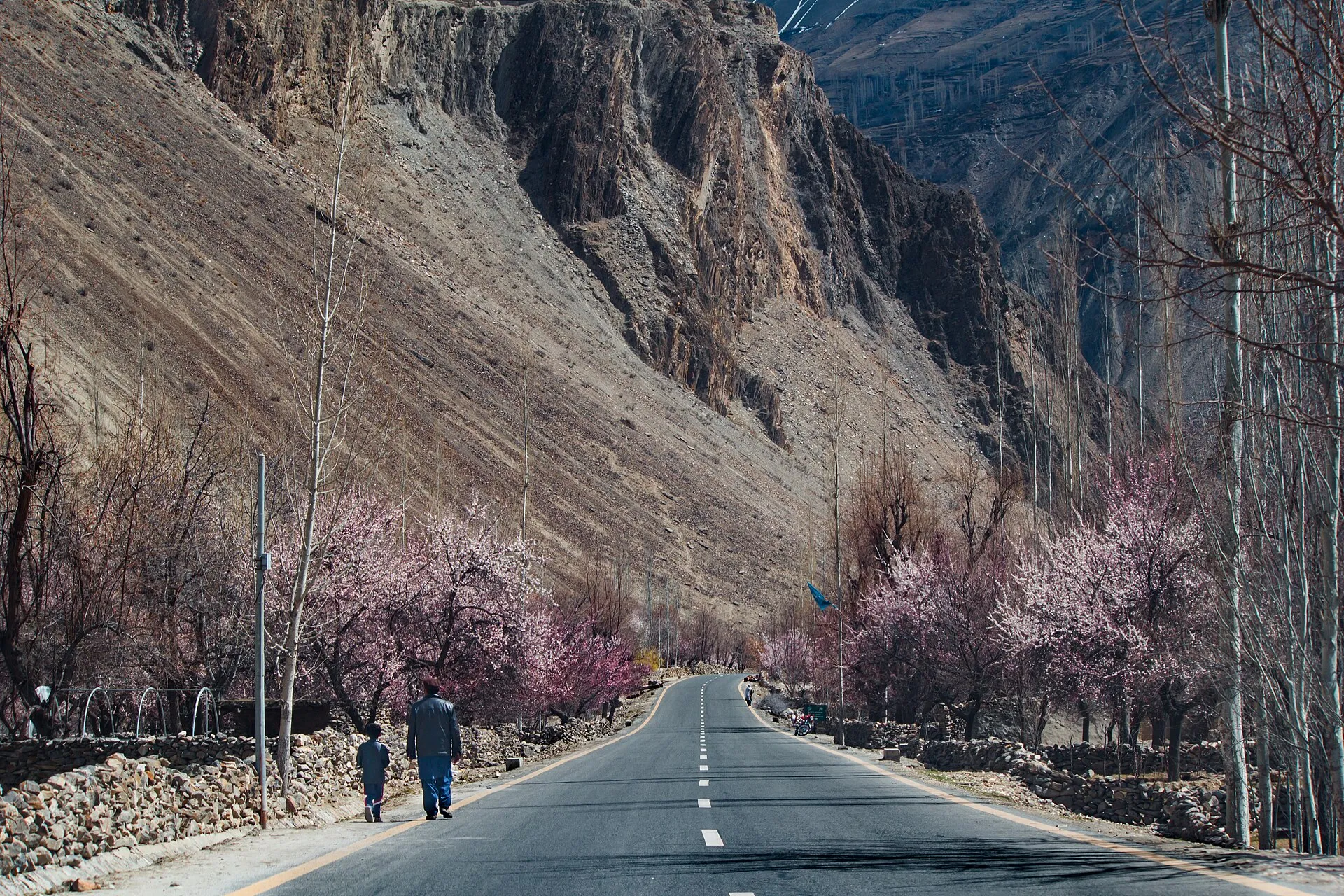
A quiet Hunza valley road lined with apricot blossom in spring
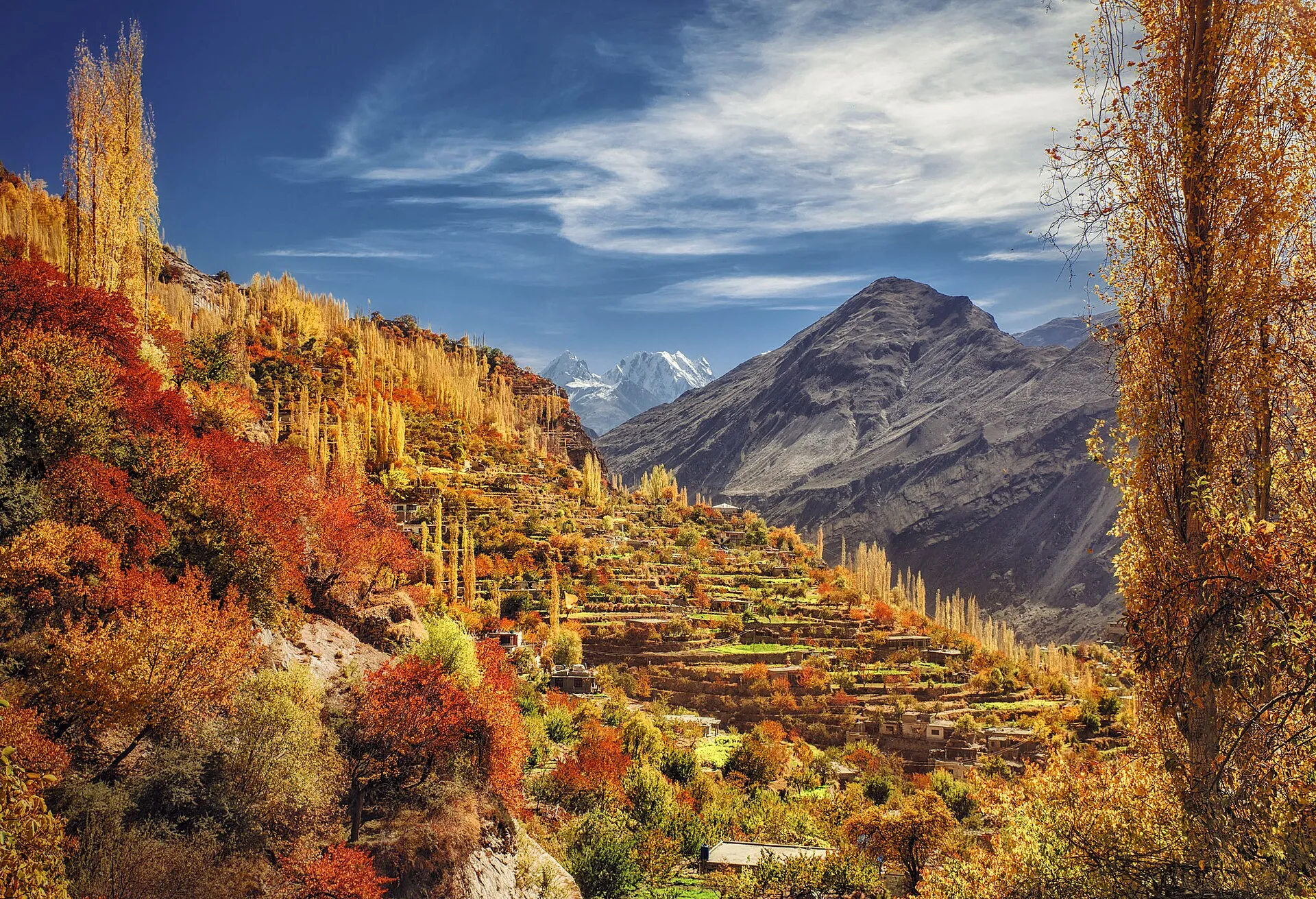
Autumn colour across the terraced fields of Altit, Hunza Valley
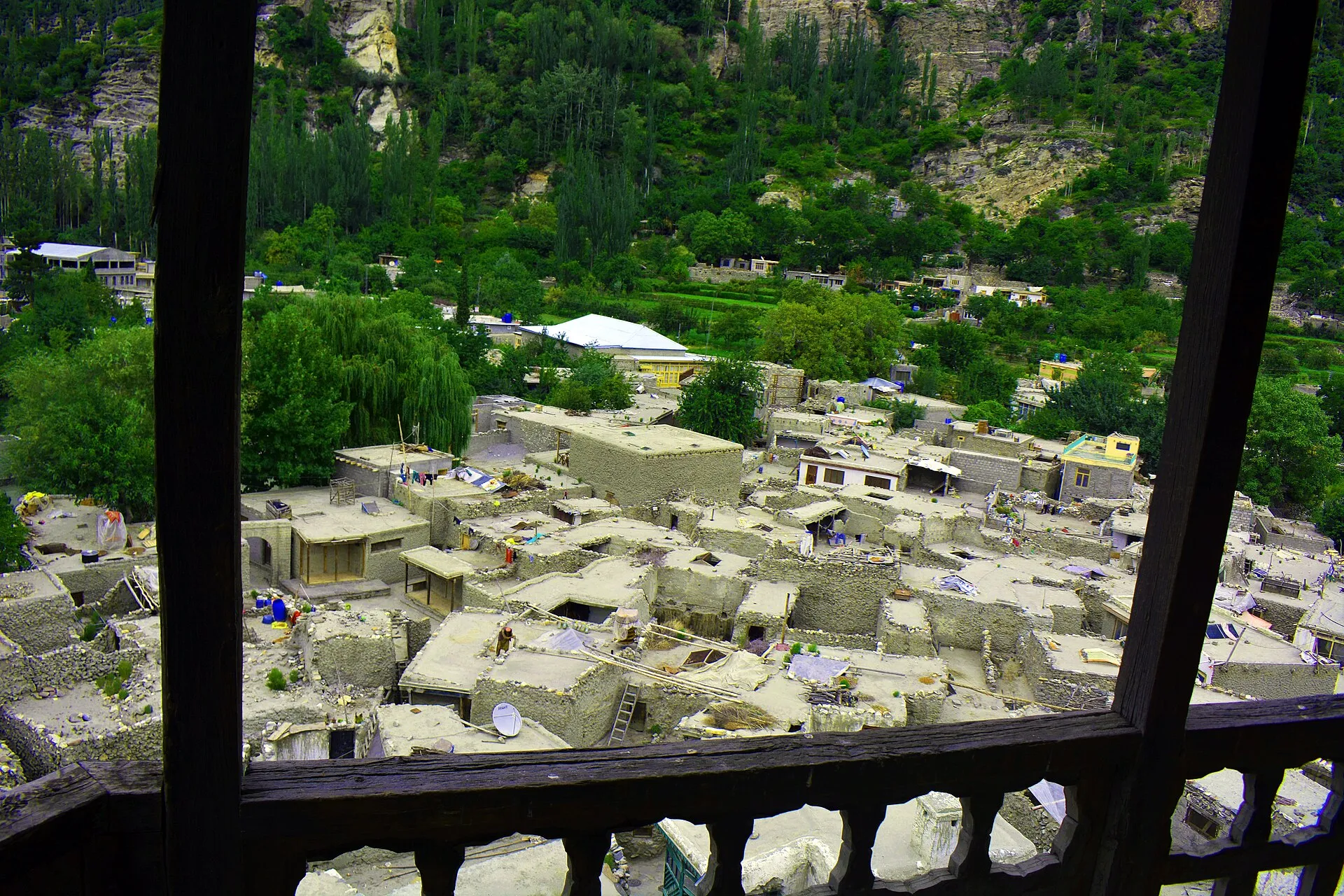
Old Hunza village houses above the valley
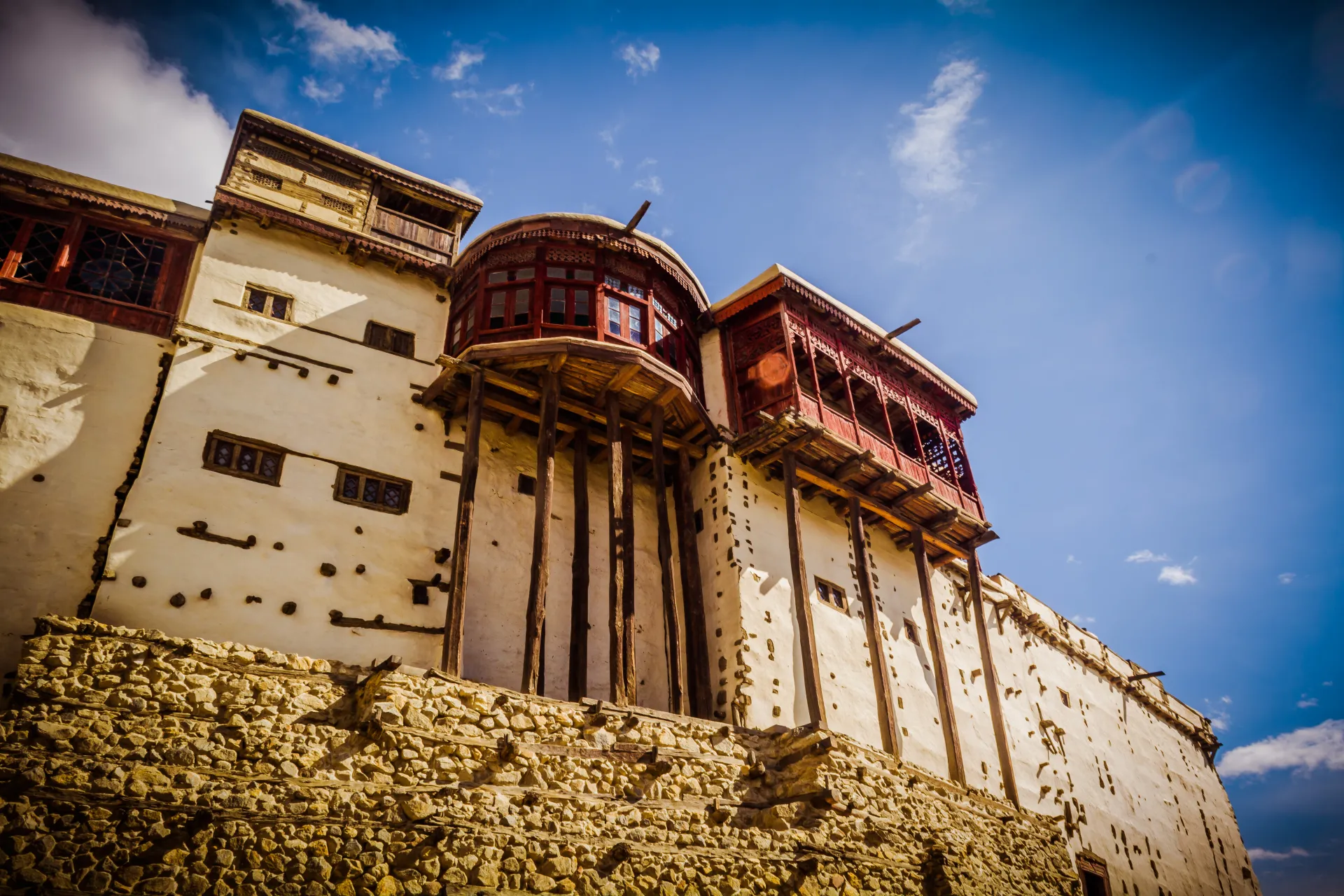
Baltit Fort above Karimabad, a landmark on the Hunza cycling route
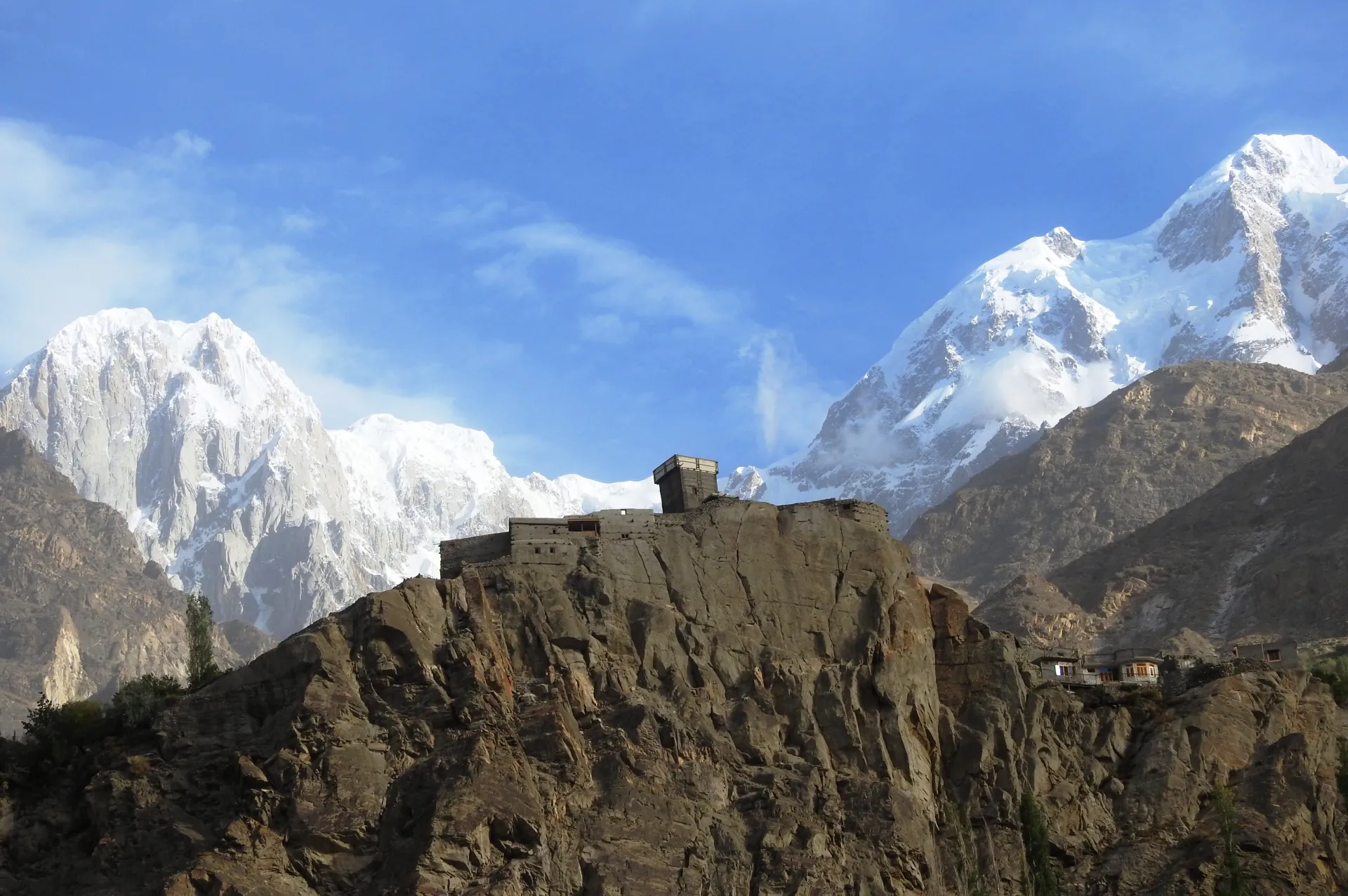
Altit Fort above the Hunza River with snow peaks behind

Last updated: · Reviewed by Javeed Iqbal, Founder

Duration

7-10 Days

Difficulty

Moderate

Group Size

2-8 cyclists

Best Season

May-Oct

About This Tour

This is a road-cycling tour on the upper Karakoram Highway, the stretch that runs from Gilgit north through the Hunza Valley toward Passu and Sost. It is the gentlest of our three cycling trips. The riding is on good asphalt almost the whole way, the days are short to moderate (roughly 30 to 80 km), and the high point sits at about 2,500 m, so altitude stays low and the air stays thick. A support vehicle shadows the group every day carrying gear, water and spares, and it will pick you up whenever you have had enough.

You ride past apricot orchards terraced into the hillsides, under the snow wall of Rakaposhi (7,788 m), and along the edge of Attabad Lake, the turquoise reservoir that a 2010 landslide created when it dammed the Hunza River. Above Gulmit the Passu Cones rise in a row of bare rock spires. In Karimabad you rest a day and walk up to Baltit Fort, parts of which date to the 13th century, and Altit Fort below it. Apricots dry on the rooftops in late summer and the bazaar sells dried mulberries and Hunza walnuts.

Best riding is May to October, with June to September the core window. The upper KKH is paved and China-rebuilt, smooth for long stretches with the odd patch of landslide debris, active roadworks, and glacier-melt channels that can wash across the road after a hot afternoon. Spring brings apricot and cherry blossom to the lower valley; autumn turns the poplars gold. Snow can close the very top of the season early, so we keep the route flexible.

Our Hunza cycling tour runs 7 to 10 days from $1,600, flying you in and out of Gilgit to skip the long and less secure lower KKH drive. You get a rest and acclimatization day in Karimabad, supported riding in short stages, and an honest plan: where the climb to Hunza or the descent to Passu makes a day harder, we say so. The Attabad tunnels are the one place you do not pedal, and we explain why below.

What You'll See and Ride on the Upper KKH

The riding splits into clear stages. Gilgit to the Minapin or Nagar side is the longest day, about 60 to 80 km with a net climb of around 1,300 m as you work up into Hunza from 1,500 m toward 2,000 m. The push on to Karimabad is short but steep, roughly 30 to 40 km finishing near 2,400 m. After a rest day you drop toward Passu, about 35 to 60 km past Attabad with more descent than climb. An optional leg continues to Sost at around 39 to 41 km, with a 15 km uphill to about 2,490 m.

Between the pedalling you stop for the things worth stopping for: a boat across Attabad Lake, the walk to the Passu Glacier snout, the swaying Hussaini suspension bridge over the Hunza River, and the fort walk above Karimabad. The sun is strong at this altitude even when the air feels cool, so we ride covered and reapply sunscreen at every break.

Day-by-Day Itinerary

1

Fly Islamabad to Gilgit, Transfer to Karimabad

Fly Islamabad to Gilgit (1,500 m), weather permitting, then drive up to Karimabad (about 2,400 m). No riding today. Bikes are fitted and checked; we walk the bazaar and let the altitude settle.
2

Karimabad Acclimatization and Forts

Visit Baltit Fort, parts of which go back to the 13th century, and Altit Fort below it. A short easy 20 km spin on flat road near Karimabad tests your bike and your legs at altitude.
3

Gilgit Side to Hunza, the Long Climb (60 to 80 km)

The big day: roughly 60 to 80 km with about 1,300 m of climbing as the road works up into Hunza, with Rakaposhi (7,788 m) filling the view. The support van carries gear and offers a lift on the steep pitches.
4

Up to Karimabad, Short and Steep (30 to 40 km)

A shorter 30 to 40 km day with a steep finish to around 2,400 m. Afternoon free in Karimabad for apricot orchards, the bazaar and the view across to Ultar.
5

Karimabad to Passu via Attabad (35 to 60 km)

Ride north to Attabad Lake, more descent than climb at roughly 35 to 60 km. You are shuttled through the long 2.5 km Attabad tunnel by support vehicle, then remount and ride to Passu (about 2,500 m) beneath the Passu Cones.
6

Passu, Glacier and Suspension Bridge

An easy day around Passu: walk to the Passu Glacier snout and cross the Hussaini suspension bridge over the Hunza River. Optional short ride toward Gulmit and Borith Lake for those wanting more saddle time.
7

Optional Ride to Sost (39 to 41 km)

An optional leg of about 39 to 41 km to Sost (around 2,490 m), Pakistan's last town before the China border, including a 15 km climb. Riders who prefer a rest day stay in Passu instead.
8

Return to Gilgit and Fly Out

Ride selected downhill sections back toward Gilgit for the Hunza River views, or load into the support vehicle, then fly Gilgit to Islamabad. Longer 9 to 10 day departures add buffer and extra riding here.

How Hard Is It, and What About the Attabad Tunnels?

This is a moderate tour, not an endurance event. If you can ride 60 to 80 km on rolling roads at home and you are comfortable on a few sustained climbs, you can do this. The climb into Hunza is the hardest part; the days around Passu are easier because you are largely descending. The support van means there is no shame in a lift on a tough afternoon, and most riders take one at some point.

The one section nobody rides is the Attabad tunnels. There are five of them, about 7 km of tunnel in total, and the longest runs roughly 2.5 km. Inside they are narrow, the lighting is poor to absent in stretches, and loaded jingle trucks share the bore with you and throw fumes. We shuttle cyclists through the long tunnel in the support vehicle for that reason, then you remount and ride on. It is the safe call, and we make it on every departure.

Bikes, E-bikes and the Support Vehicle

A backup van or jeep follows the group all day with luggage, water, a spares kit and a pump, and it sags tired riders and shuttles the long tunnel. We provide quality hardtail or hybrid touring bikes and a helmet, sized to you, but a good bike is hard to source reliably up north, so if you are particular about fit or want your own machine, bring it or arrange it with us well ahead of the trip. The local rental fleet here is built around 125 to 150 cc motorbikes, not high-end bicycles, so do not assume a carbon road bike is waiting in Gilgit.

E-bikes are not something we can promise in Pakistan. Northern charging is limited by load-shedding and there is no real e-bike fleet up here, so treat it as ask, do not assume. Diesel is more available than petrol in the north, which matters for the support vehicle but not for you on the saddle.

Best Time to Cycle Hunza

Ride between May and October, with June to September the most reliable. Spring blossom is beautiful but shoulder weather can be unsettled; high summer is warm in the valley and the days are long; autumn brings clear air and golden poplars. Outside this window snow and cold shut down the upper road, and we will not run a departure we cannot ride safely.

Why Book With Us

We are a Gilgit-Baltistan based operator and have run the upper KKH on two wheels since 2015. We fly you past the lower KKH for safety, keep a support vehicle behind you every kilometre, and tell you plainly which days are hard and which sections you should not ride. That honesty, plus local mechanics and guesthouse relationships built over years, is what you are booking.

What's Included

Islamabad-Gilgit flights (both directions)
Quality touring bicycle hire & helmet
Support 4WD vehicle for luggage and bail-out
7-10 nights guesthouse accommodation
All meals throughout
Khunjerab National Park cycling permit

Not Included

International flights
Travel insurance
Personal expenses and tips

Frequently Asked Questions

Is it safe to cycle in Pakistan?

Yes, the upper KKH through Hunza is one of the safer places to cycle in Pakistan and tourists ride it every summer. We fly you in and out of Gilgit to avoid the lower KKH, keep a support vehicle behind the group all day, and shuttle you through the dark Attabad tunnels rather than have you ride them. Traffic, sun and roadworks are the real day-to-day risks, and we manage all three. The road is paved and China-rebuilt, smooth for long stretches, but you will meet the odd patch of landslide debris, active roadworks and glacier-melt channels that can wash across the tarmac after a hot afternoon. The sun is strong at this altitude even when the air feels cool, so we ride covered and reapply sunscreen at every break. Every bike comes with a helmet, and the van will pick you up whenever you have had enough. Travel insurance is not included, so bring a policy that covers cycling.

How hard is the Hunza cycling tour?

It is moderate, the gentlest of our three cycling trips. Days run about 30 to 80 km on paved road with a high point near 2,500 m, so altitude is not a serious factor. The climb into Hunza is the hardest part; if you can ride 60 to 80 km on hilly roads at home you will be fine, and the support van is there when you are not. That big day covers roughly 60 to 80 km with about 1,300 m of climbing, and the push to Karimabad afterwards is short but steep, around 30 to 40 km. From there the riding eases, as the leg toward Passu has more descent than climb. The optional ride to Sost includes a 15 km uphill, but you can skip it and rest in Passu. We start with a rest and acclimatisation day in Karimabad and an easy 20 km spin to test your legs.

Do I ride through the Attabad tunnels?

No, we shuttle cyclists through the long tunnel in the support vehicle. There are five tunnels totalling about 7 km, the longest roughly 2.5 km, and inside they are narrow, poorly lit, and shared with trucks throwing fumes. We van you through and you remount on the far side. In stretches the lighting is absent altogether, and the loaded jingle trucks that use the highway leave little room for a bicycle. It is the safe call, and we make it on every departure. The shuttle happens on day five, the ride from Karimabad to Passu. You pedal up to Attabad Lake, load the bikes into the vehicle for the long tunnel, then carry on to Passu beneath the Passu Cones. The rest of that day is good riding, with more descent than climb. The same support vehicle carries your luggage, water, a spares kit and a pump, and it follows the group all day.

What is the riding distance from Karimabad to Passu?

Roughly 35 to 60 km depending on where you start and finish, with more descent than climb. The leg passes Attabad Lake, where you are shuttled through the long tunnel before riding on to Passu under the Passu Cones. This is day five of the itinerary, after the rest day and the harder climbing days, and it is one of the easier rides of the trip. You leave Karimabad at around 2,400 m and finish in Passu at about 2,500 m. The tunnel shuttle covers the longest bore, about 2.5 km, and you remount on the far side. Passu is the base for the next day, which is deliberately gentle: a walk to the Passu Glacier snout and across the Hussaini suspension bridge over the Hunza River. If you want more saddle time, there is an optional short ride toward Gulmit and Borith Lake. The support vehicle stays behind you the whole way.

When is the best time to cycle Hunza?

May to October, with June to September the most reliable. Spring brings apricot and cherry blossom, summer is warm and long-dayed, and autumn turns the poplars gold. Snow closes the upper road outside this window. Spring blossom in the lower valley is lovely, but shoulder-season weather can be unsettled, so plan for a few changeable days in May. High summer is warm in the valley and gives the longest riding days, and in late summer you pass apricots drying on the rooftops. Autumn brings clear air, good for views of Rakaposhi and the Passu Cones. Whatever the month, glacier-melt channels can wash across the road after a hot afternoon, and roadworks and landslide debris turn up with little warning. Snow can also end the season early at the top, so we keep the route flexible. We will not run a departure we cannot ride safely, and we will tell you plainly if your dates look marginal.

Can I rent a good bike in Gilgit or do I bring my own?

We provide quality hardtail or hybrid touring bikes and a helmet, but a good bicycle is hard to source reliably up north. If you are fussy about fit or want a specific machine, bring your own or arrange it with us well ahead. The local rental fleet here is built around 125 to 150 cc motorbikes, not high-end bicycles. Our bikes are sized to you, and bike and helmet hire is included in the tour price. On the first afternoon in Karimabad the bikes are fitted and checked, and a short 20 km spin the next day lets you test the set-up before the big climb. If you are bringing your own bike, tell us early so we can plan for it on the flights and in the support vehicle. Whatever you ride, the support van carries a spares kit and a pump every day, and we have local mechanics we have worked with for years.

Do you offer e-bikes?

We cannot reliably promise e-bikes in Pakistan. Northern charging is limited by load-shedding and there is no established e-bike fleet up here, so please ask rather than assume. If you need electric assist, raise it early and we will tell you honestly what is possible. Load-shedding means scheduled power cuts, so even with your own e-bike, a full charge every night in a guesthouse is not something we can guarantee. The good news is that this is the gentlest of our three cycling trips. The riding is on paved road, days run about 30 to 80 km, and the high point is only about 2,500 m. The support vehicle follows the group all day, so on the hard climb into Hunza, or any afternoon you have had enough, you can load the bike and ride in the van. Our standard bikes are quality hardtail or hybrid touring machines, sized to you, with a helmet included.

What does the tour cost and what is included?

The Hunza cycling tour is $1,600 over 7 to 10 days. That covers Islamabad to Gilgit flights both ways, quality bike and helmet hire, the support vehicle, guesthouse accommodation, all meals, and the Khunjerab National Park cycling permit. Personal gear and travel insurance are not included. In more detail, the support vehicle is a 4WD that carries luggage and picks up tired riders, and accommodation is 7 to 10 nights in guesthouses along the route. International flights to Pakistan, tips and personal expenses are also not covered. The $1,600 is a from price per person, and prices may vary, so contact us for an accurate quote for your dates and group. Longer 9 to 10 day departures add buffer and extra riding at the end of the trip, which suits riders who want more time in the saddle or more room for weather. Cancellation is free up to 30 days before departure.

From

$1,600

per person

* Prices may vary. Contact us for accurate, customized pricing.

Duration7-10 Days
DifficultyModerate
Group Size2-8 cyclists
Best SeasonMay-Oct
Book This Tour Ask a Question

Free cancellation up to 30 days before departure

Ready for Your Next Adventure?

Join our community of explorers and discover the journey of a lifetime. Our expert team is ready to help you plan your perfect expedition.