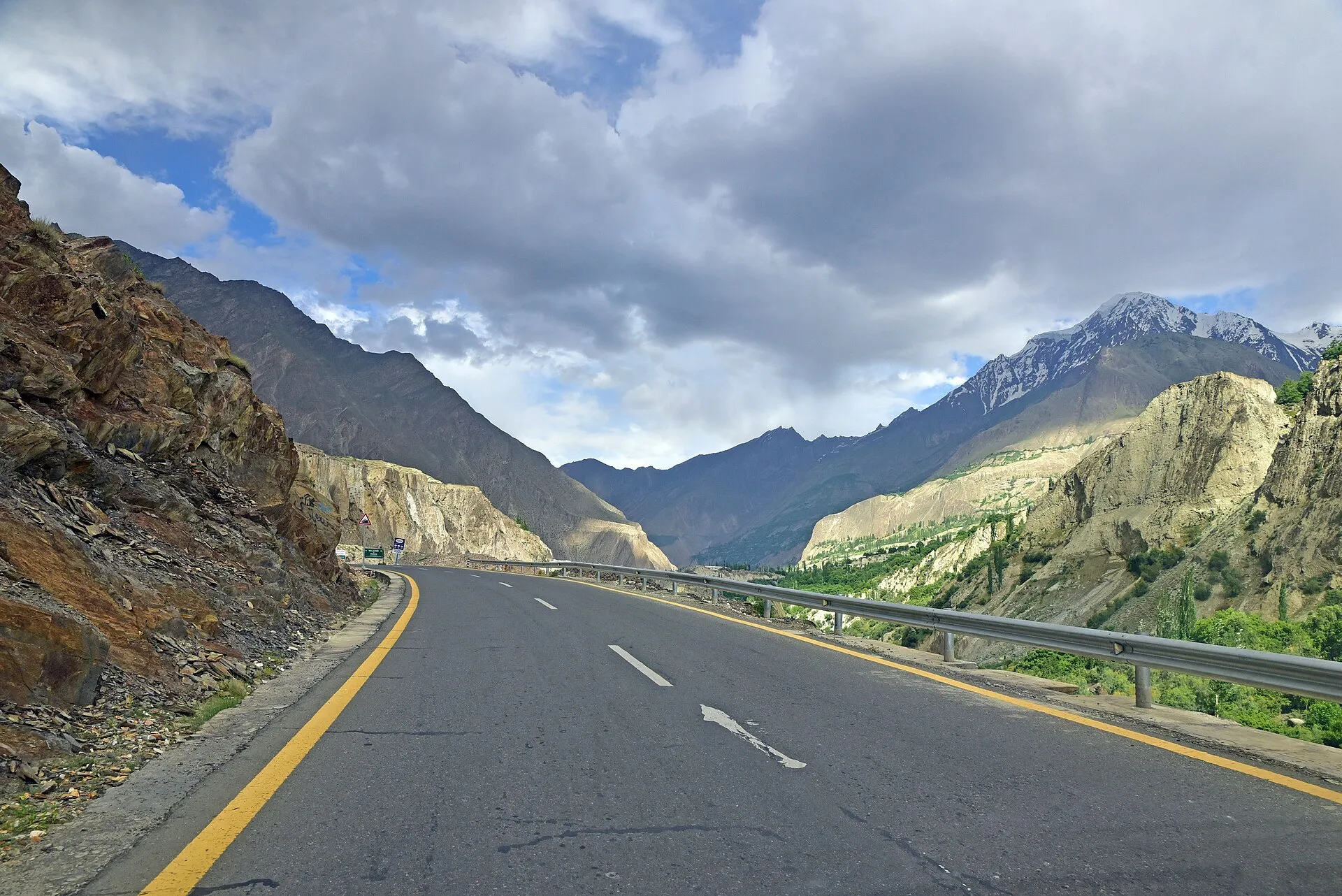
Tur Berbasikal Lembah Hunza
Penunggangan KKH atas yang berturap melalui Hunza, dengan van sokongan sentiasa di belakang anda
Kemas kini terakhir: · Disemak oleh Javeed Iqbal, Pengasas
Tempoh
7-10 Hari
Tahap Kesukaran
Sederhana
Saiz Kumpulan
2-8 penunggang basikal
Musim Terbaik
Mei-Okt
Tentang Jelajah Ini
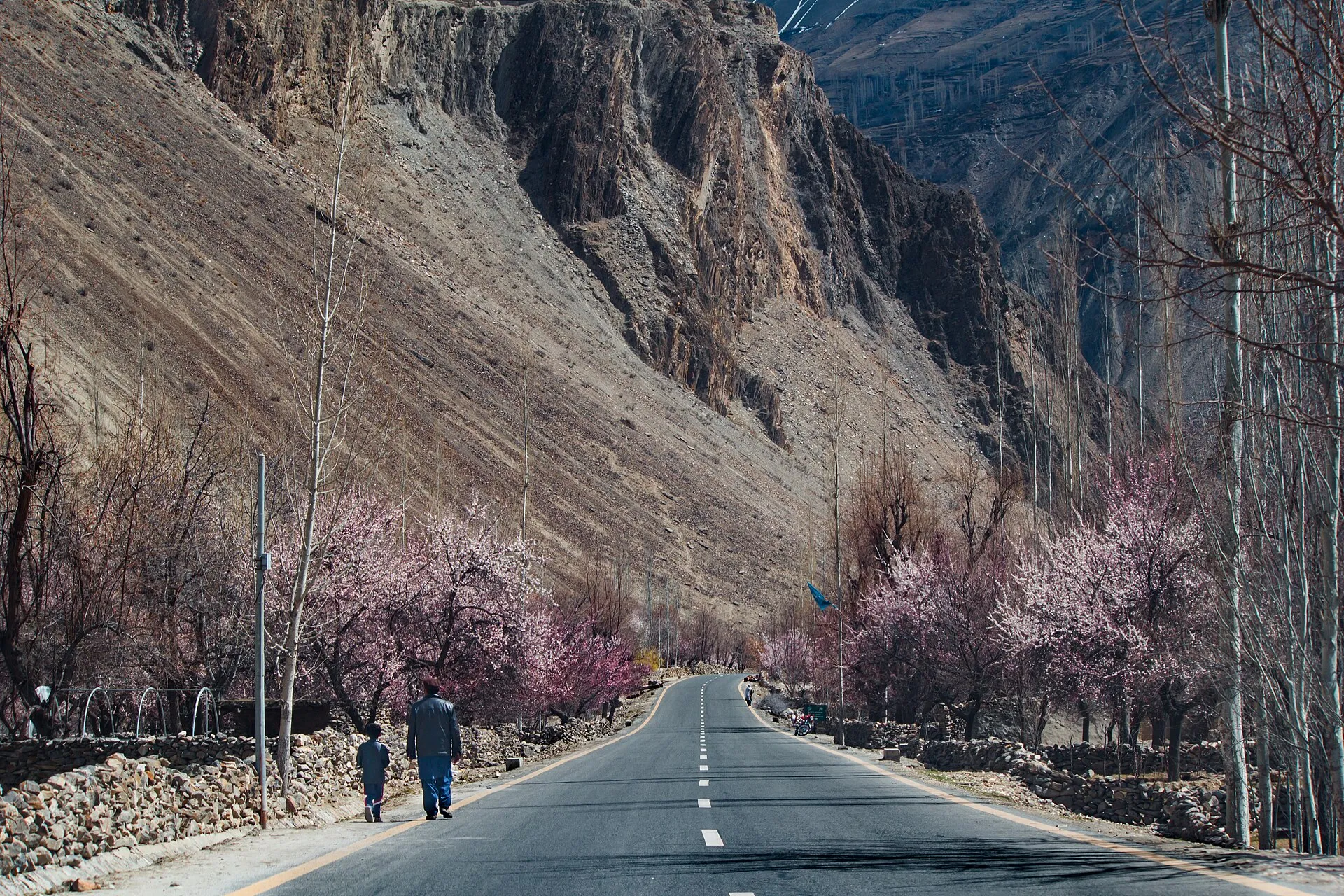
Ini tur berbasikal jalan raya di Lebuhraya Karakoram atas, ruas yang membentang dari Gilgit ke utara melalui Lembah Hunza menuju Passu dan Sost. Ia yang paling lembut antara tiga tur berbasikal kami. Penunggangan dilakukan di atas asfalt yang baik hampir sepanjang jalan, hari-harinya pendek hingga sederhana (lebih kurang 30 hingga 80 km), dan titik tertinggi terletak pada kira-kira 2,500 m, jadi ketinggian kekal rendah dan udara kekal tebal. Sebuah kenderaan sokongan membayangi kumpulan setiap hari membawa kelengkapan, air dan alat ganti, dan ia akan menjemput anda bila-bila anda sudah cukup penat.
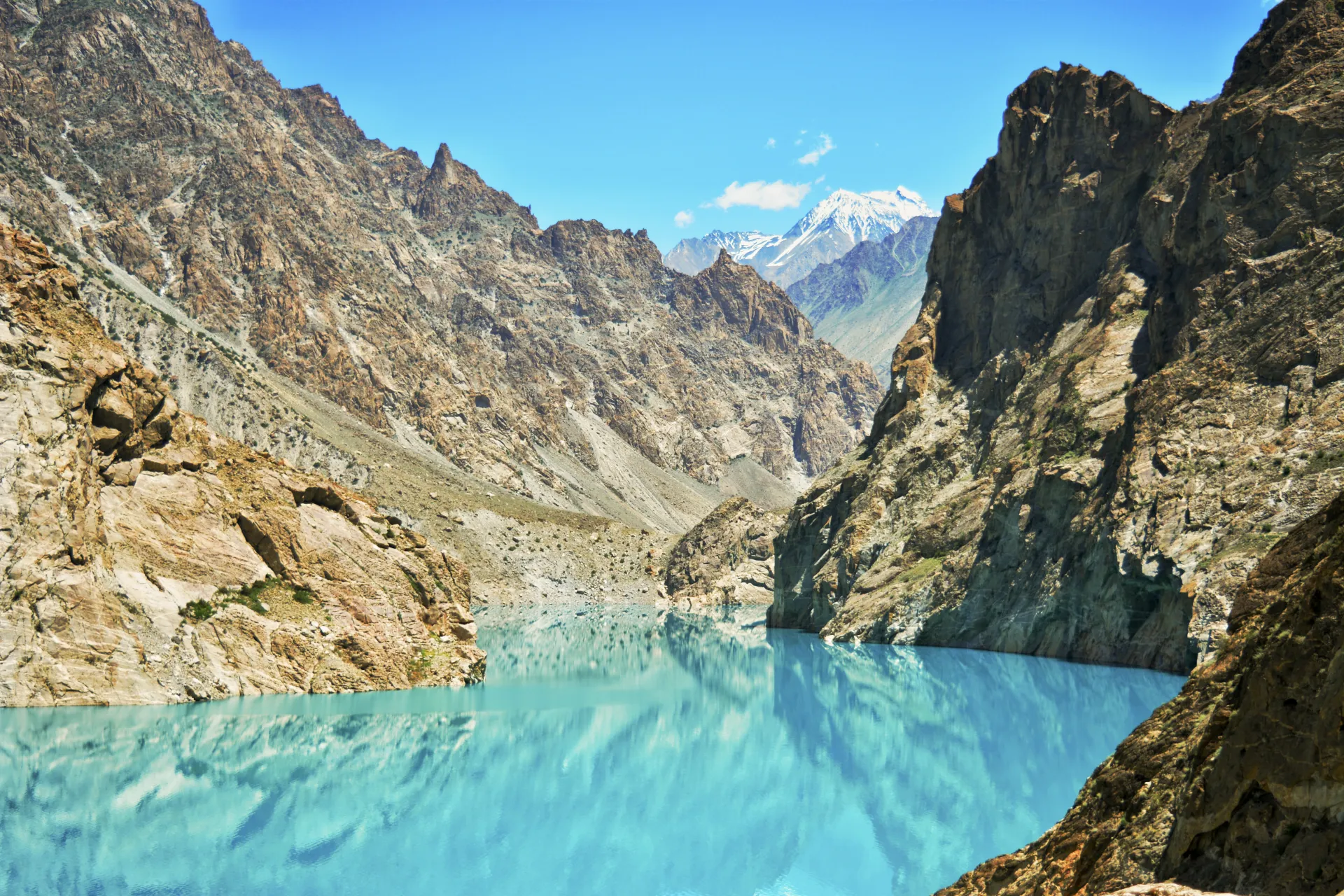
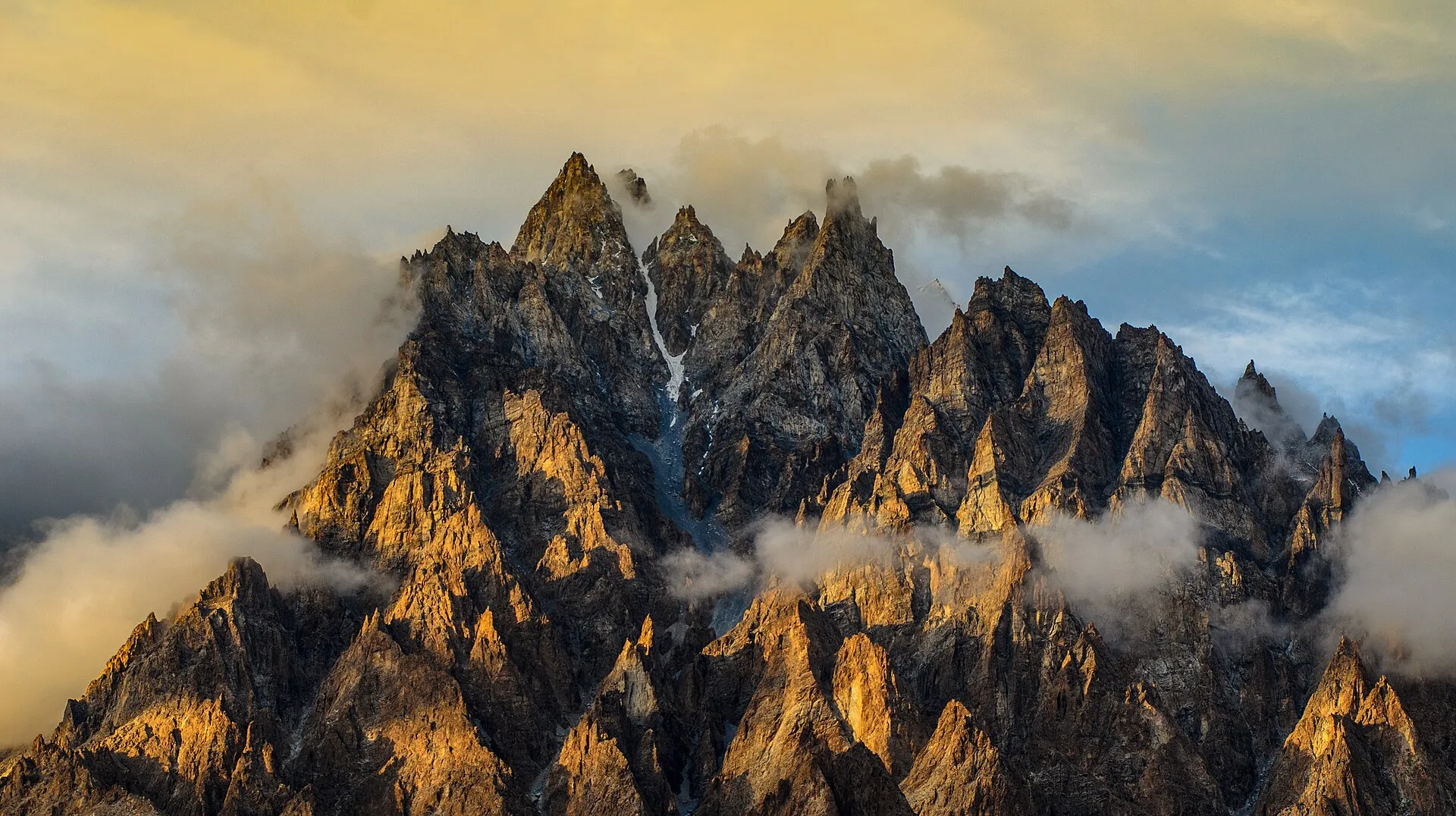
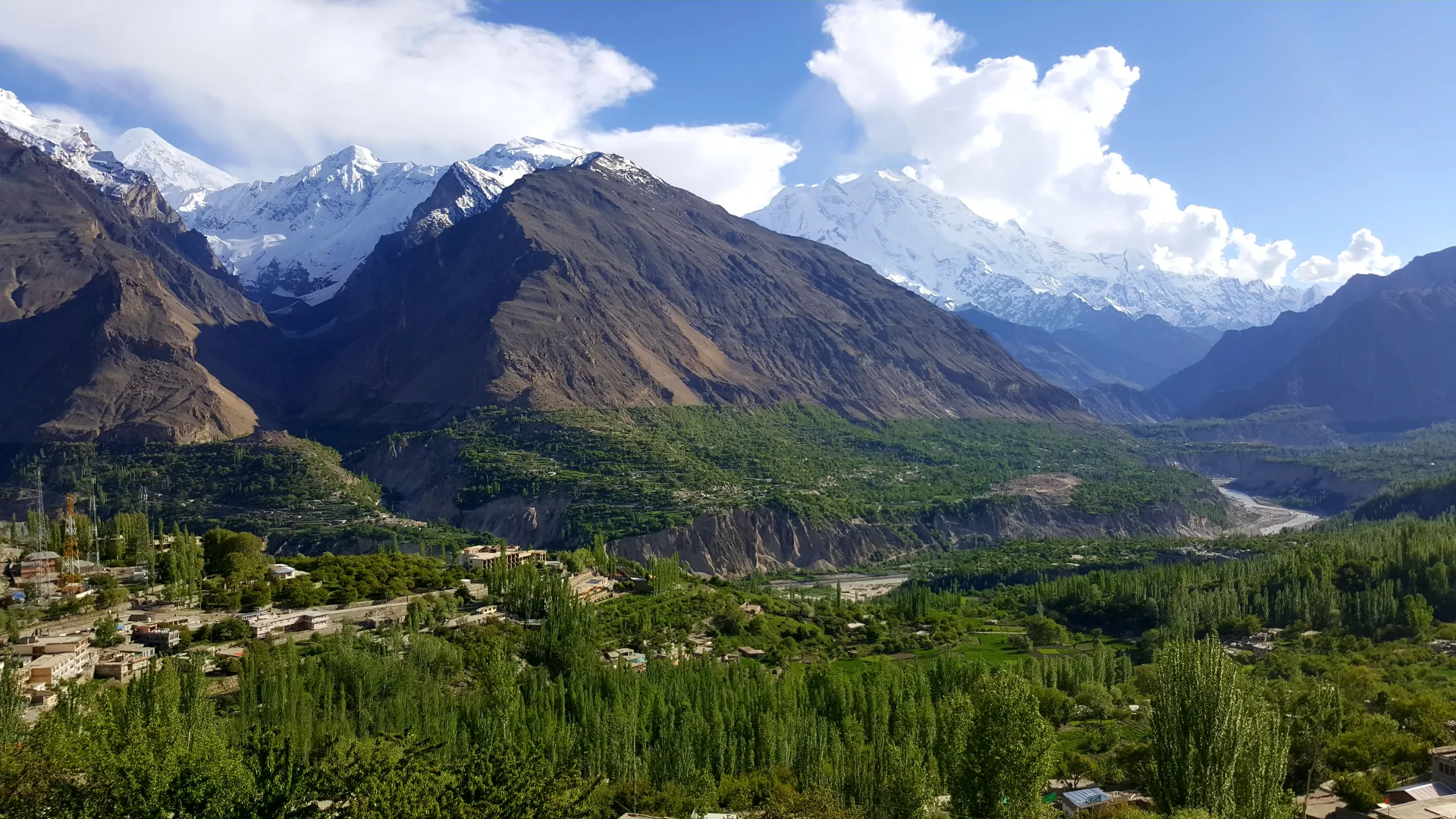
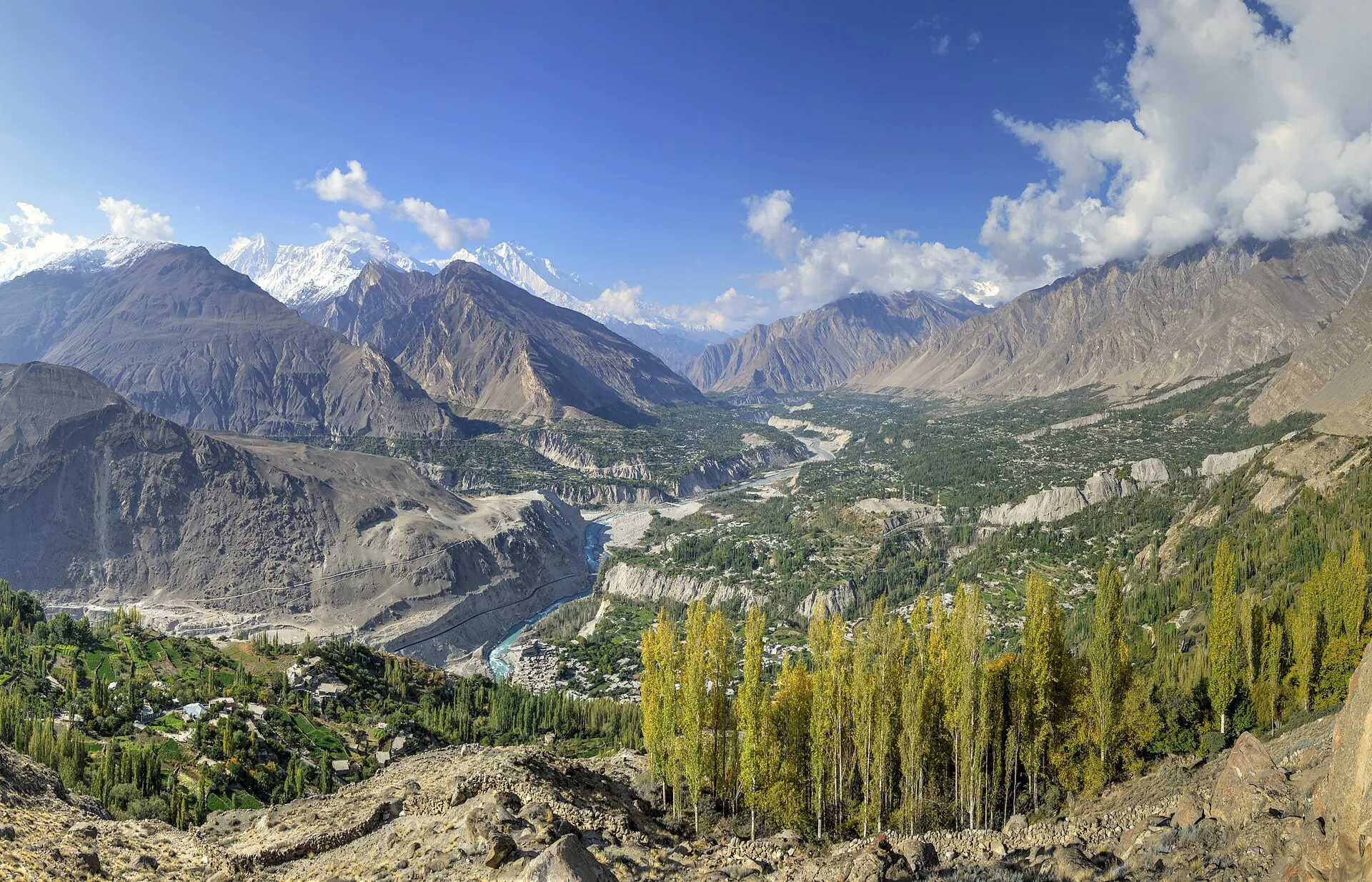
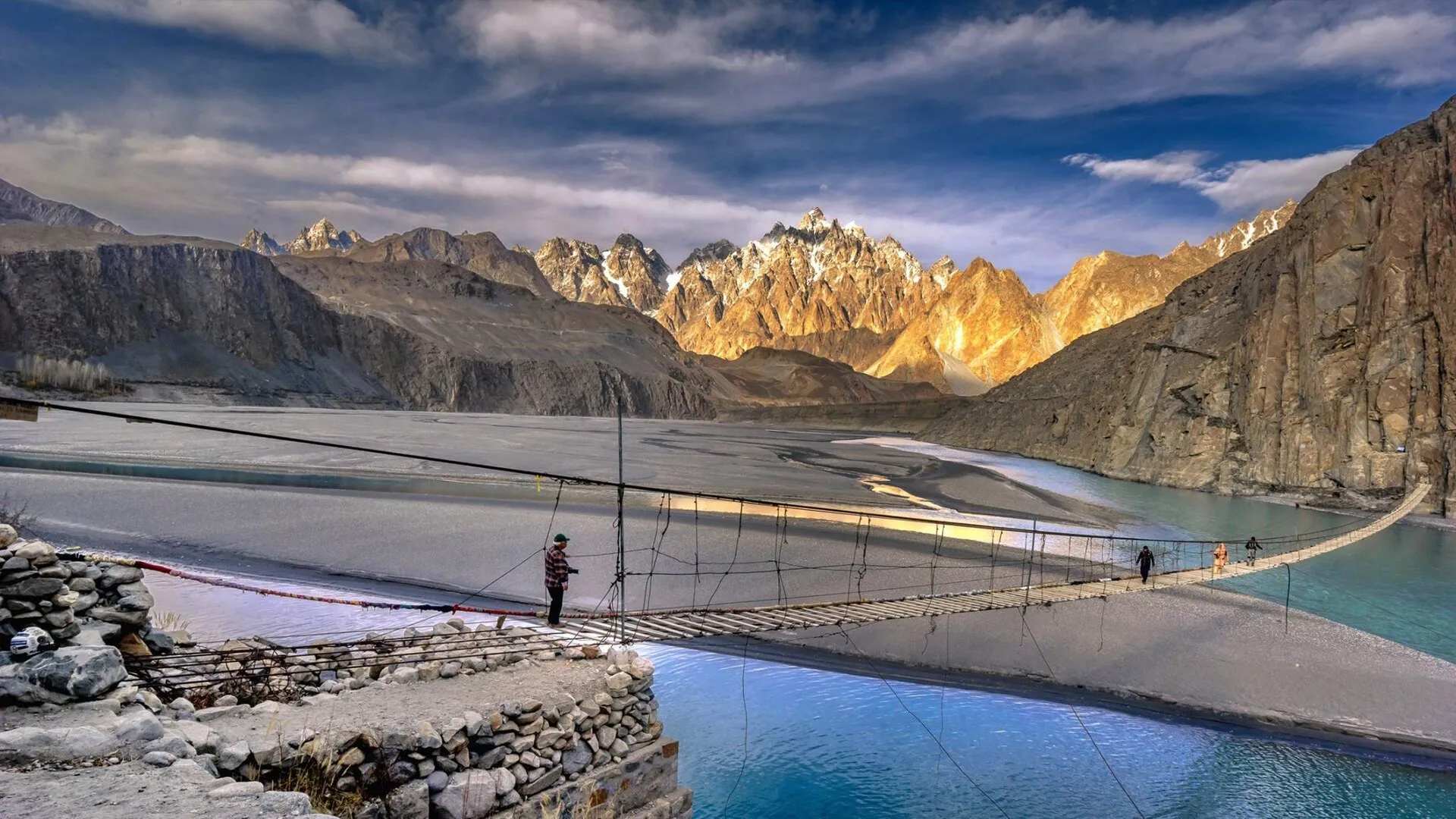
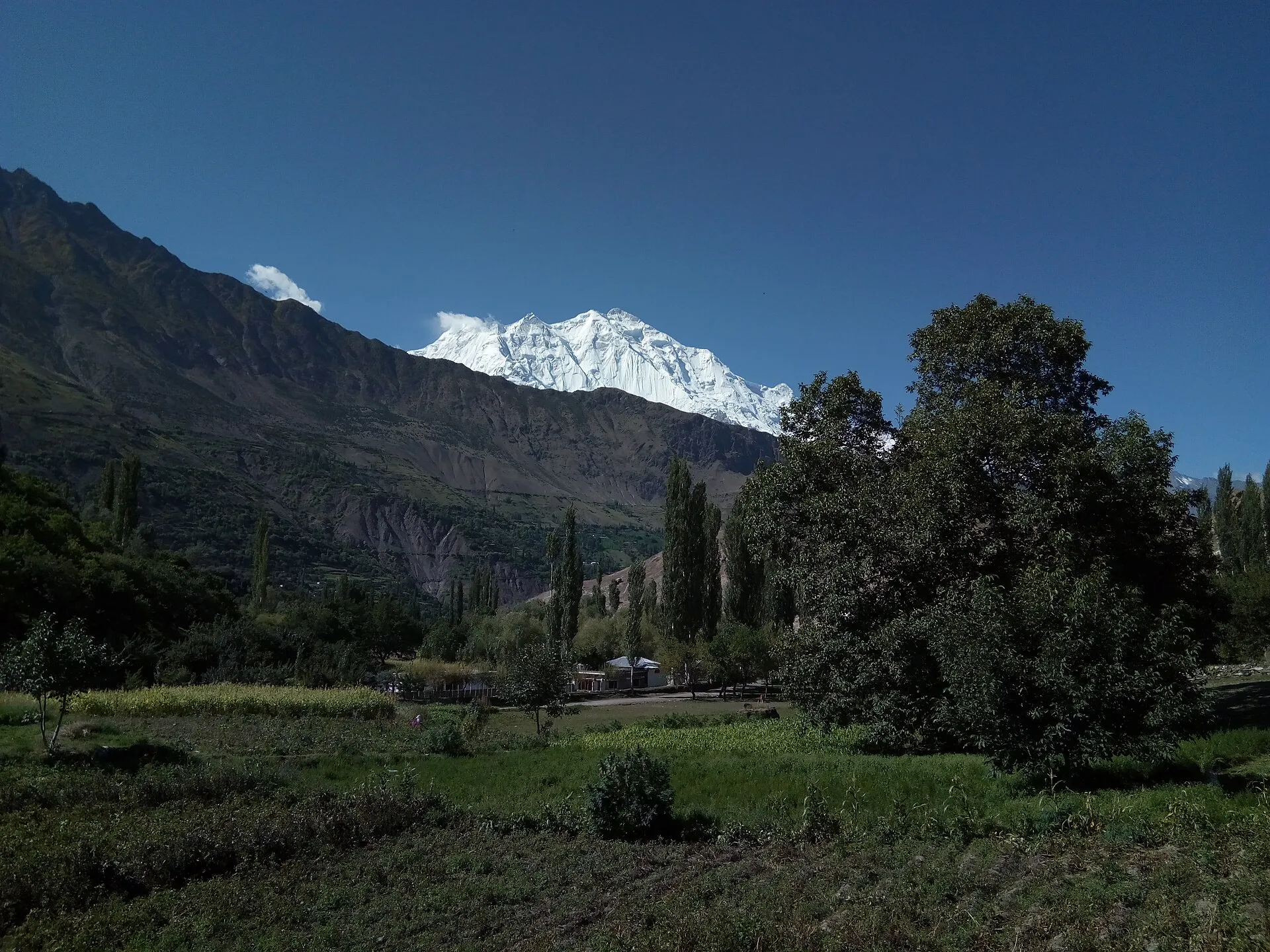
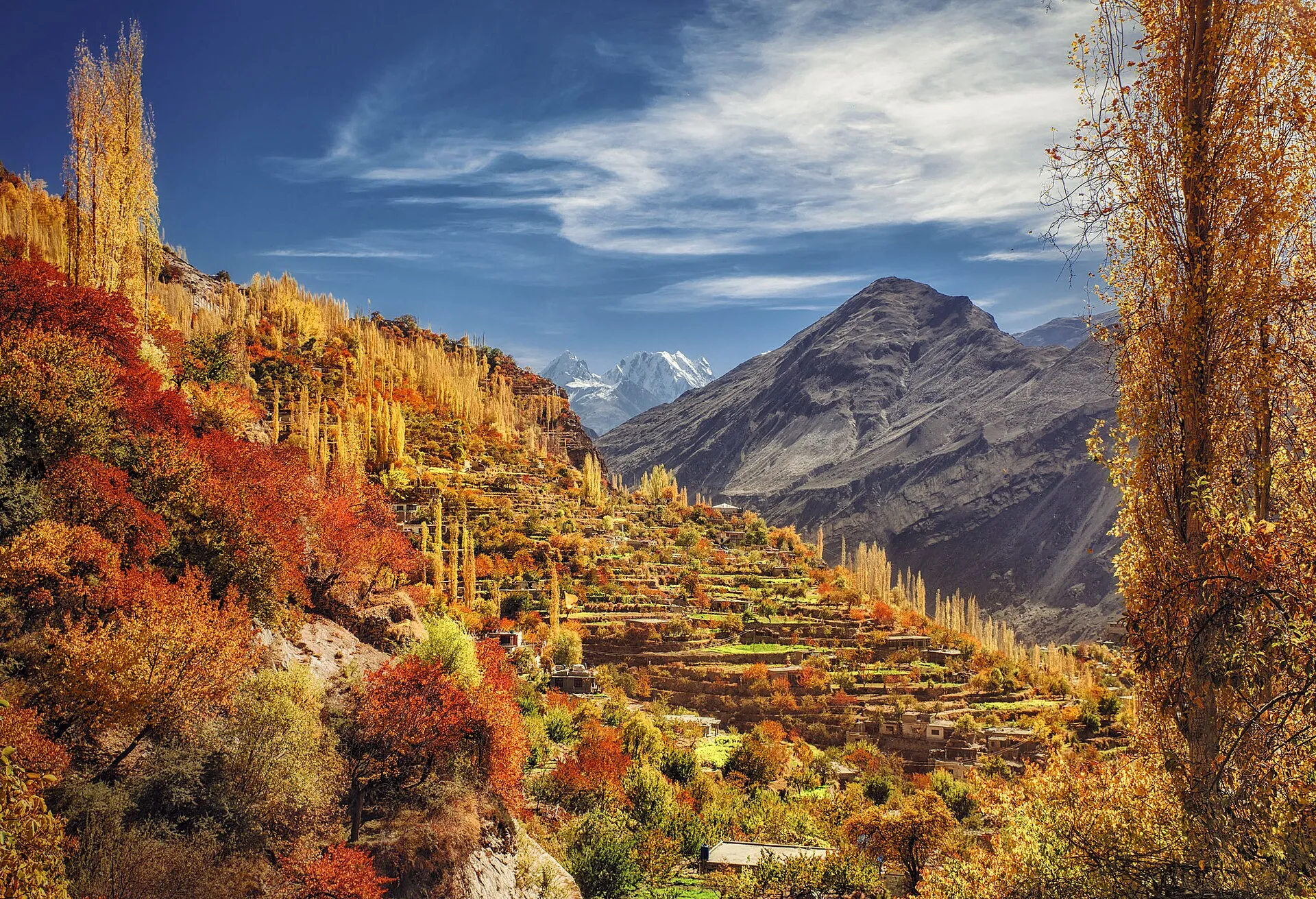
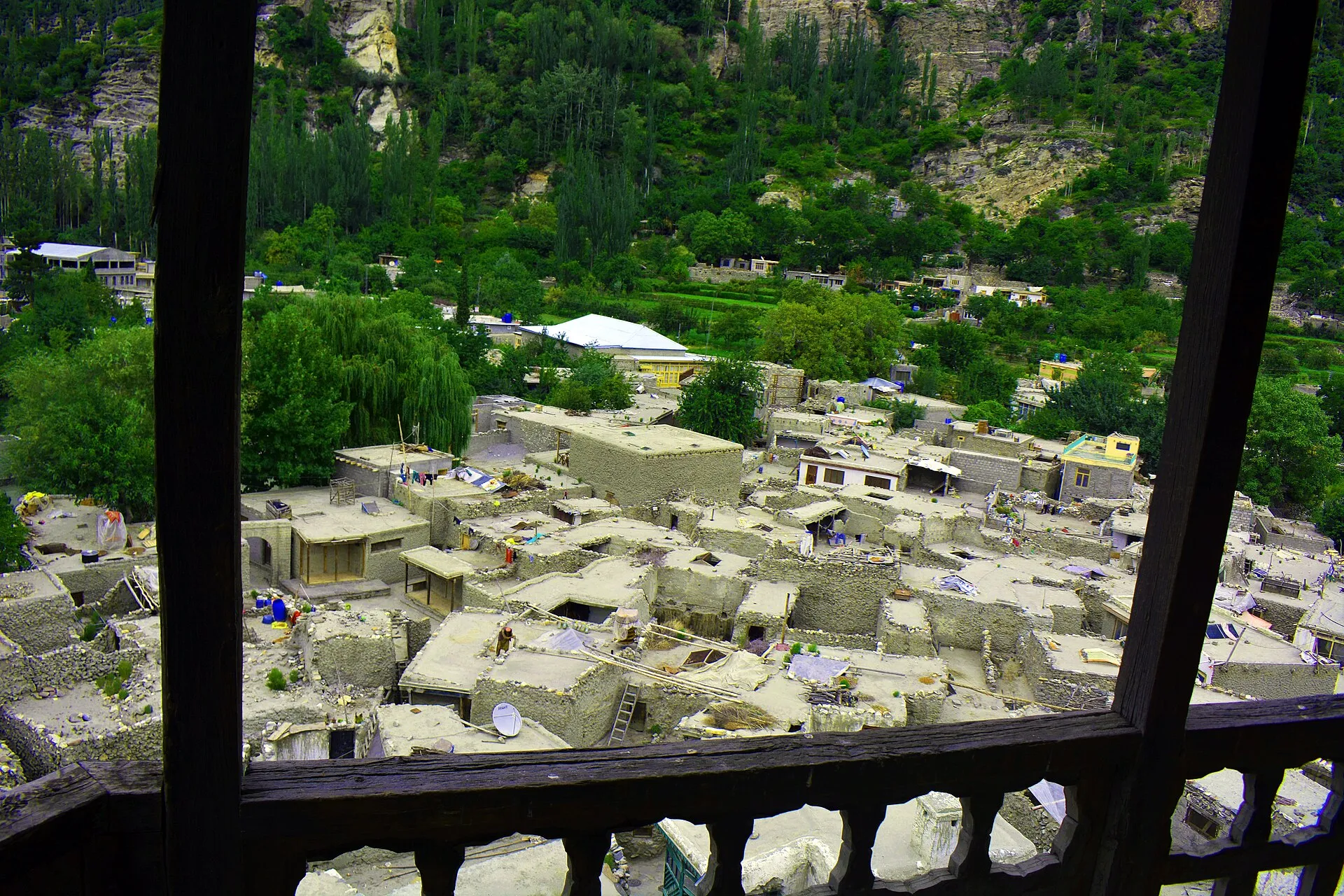
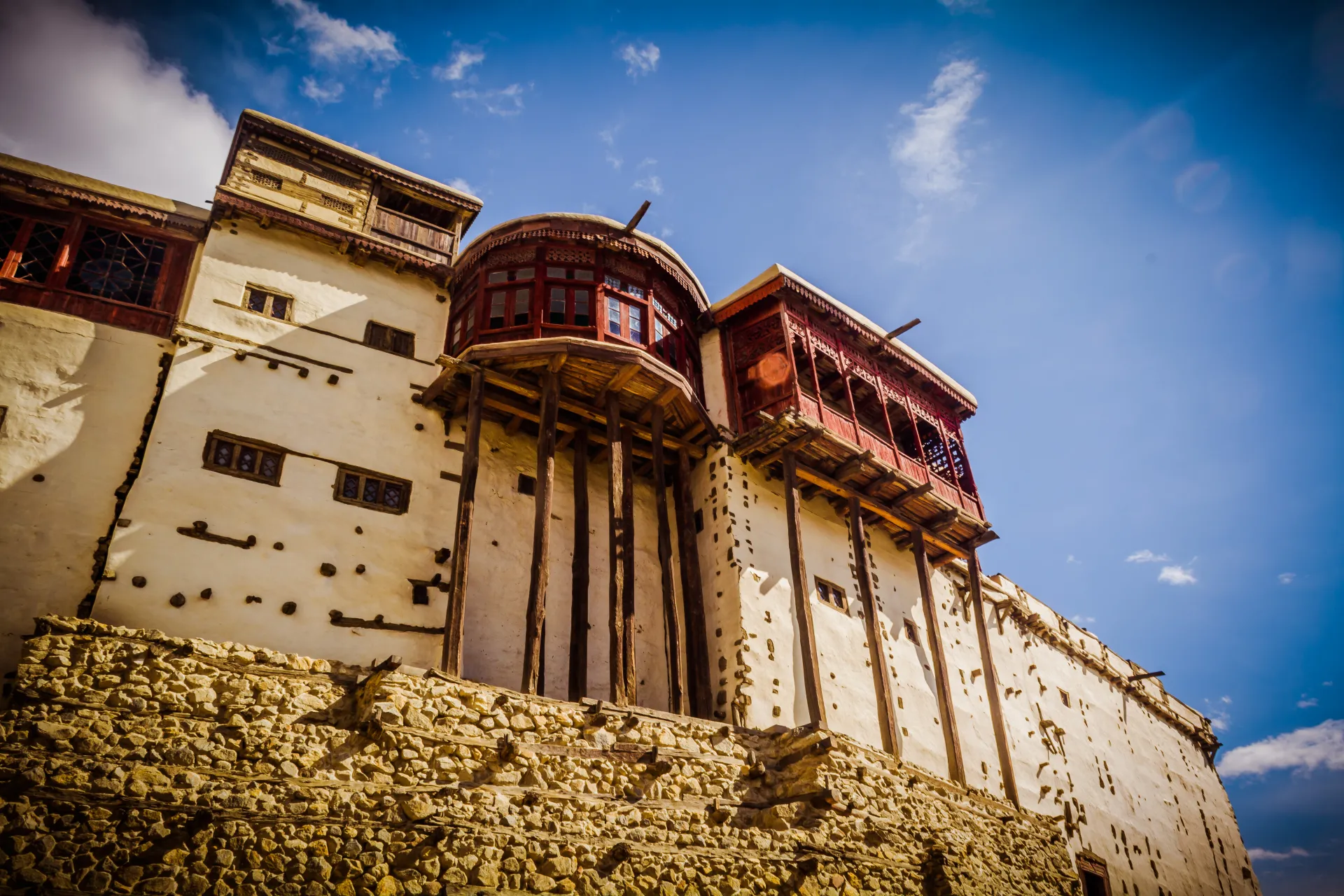
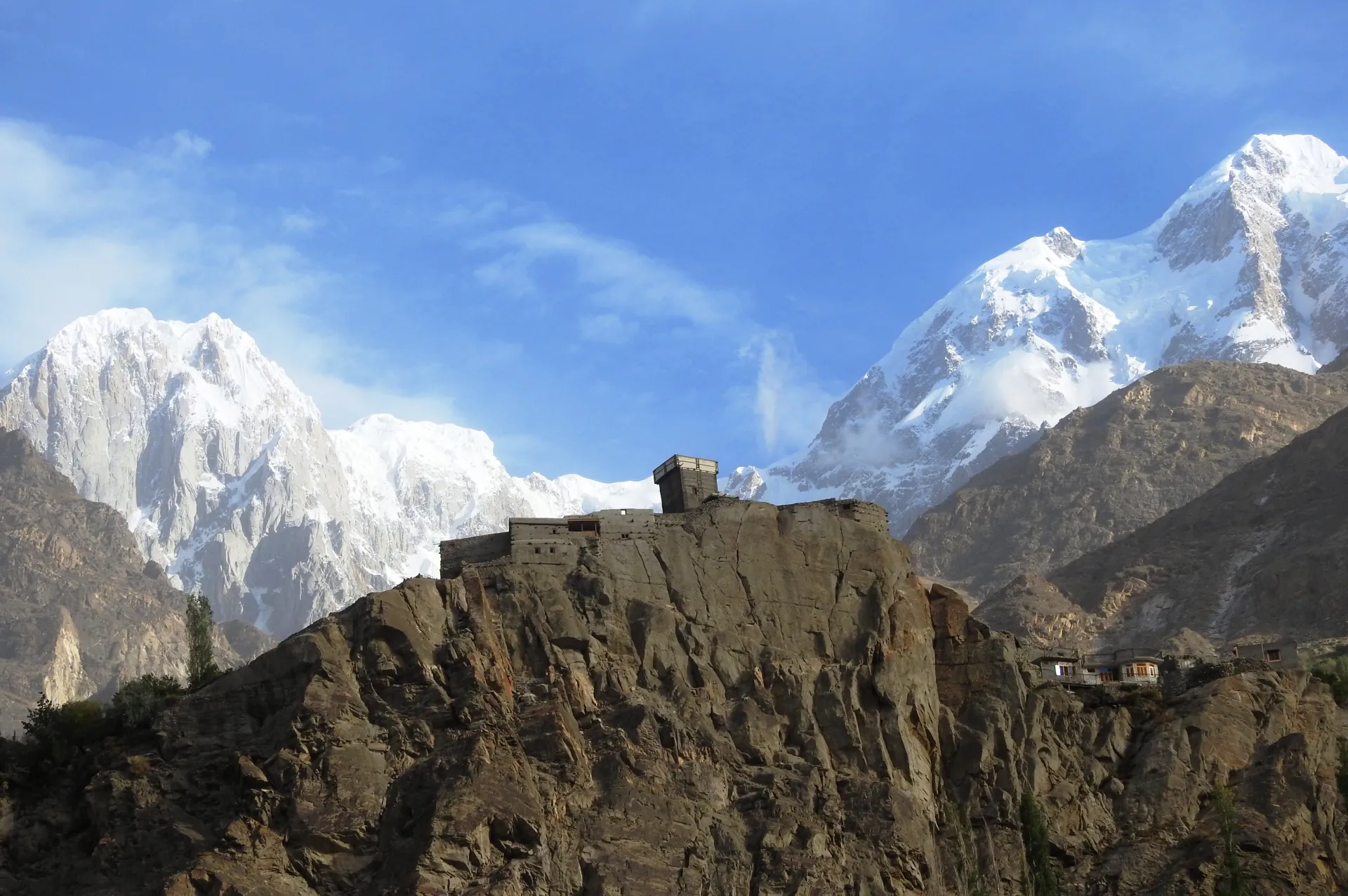
Anda menunggang melepasi kebun aprikot berteres di lereng bukit, di bawah dinding salji Rakaposhi (7,788 m), dan di sepanjang pinggir Tasik Attabad, takungan pirus yang dicipta oleh tanah runtuh 2010 apabila ia membendung Sungai Hunza. Di atas Gulmit, Passu Cones menjulang dalam deretan menara batu gondol. Di Karimabad anda berehat sehari dan berjalan naik ke Baltit Fort, sebahagiannya bertarikh abad ke-13, dan Altit Fort di bawahnya. Aprikot dijemur di bumbung pada akhir musim panas dan bazar menjual beri mulberi kering dan walnut Hunza.
Penunggangan terbaik ialah Mei hingga Oktober, dengan Jun hingga September sebagai tempoh teras. KKH atas berturap dan dibina semula China, licin untuk jarak yang panjang dengan sesekali tompok serpihan tanah runtuh, kerja jalan aktif, dan saluran cairan glasier yang boleh membanjiri jalan selepas petang panas. Musim bunga membawa mekar aprikot dan ceri ke lembah bawah; musim luruh menukar pokok poplar menjadi keemasan. Salji boleh menutup hujung musim lebih awal, jadi kami mengekalkan laluan yang fleksibel.
Tur berbasikal Hunza kami berlangsung 7 hingga 10 hari dari $1,600, menerbangkan anda masuk dan keluar dari Gilgit untuk melangkau perjalanan KKH bawah yang panjang dan kurang selamat. Anda mendapat hari rehat dan penyesuaian diri di Karimabad, penunggangan disokong dalam etap pendek, dan pelan yang jujur: di mana pendakian ke Hunza atau penurunan ke Passu menjadikan hari lebih sukar, kami beritahu. Terowong Attabad ialah satu-satunya tempat anda tidak mengayuh, dan kami menerangkan sebabnya di bawah.
Apa Yang Akan Anda Lihat dan Tunggang di KKH Atas
Penunggangan terbahagi kepada etap yang jelas. Gilgit ke sisi Minapin atau Nagar ialah hari terpanjang, kira-kira 60 hingga 80 km dengan pendakian bersih sekitar 1,300 m ketika anda mendaki ke Hunza dari 1,500 m menuju 2,000 m. Dorongan ke Karimabad pendek tetapi curam, lebih kurang 30 hingga 40 km berakhir berhampiran 2,400 m. Selepas hari rehat anda turun menuju Passu, kira-kira 35 hingga 60 km melepasi Attabad dengan lebih banyak penurunan daripada pendakian. Etap pilihan diteruskan ke Sost sekitar 39 hingga 41 km, dengan pendakian 15 km ke kira-kira 2,490 m.
Antara mengayuh, anda berhenti untuk perkara yang berbaloi diberhentikan: menaiki bot menyeberang Tasik Attabad, berjalan ke muncung Glasier Passu, jambatan gantung Hussaini yang bergoyang di atas Sungai Hunza, dan perjalanan kubu di atas Karimabad. Matahari kuat pada ketinggian ini walaupun udara terasa sejuk, jadi kami menunggang berbaju tertutup dan menyapu semula pelindung matahari pada setiap perhentian.
Jadual Harian
1Terbang Islamabad ke Gilgit, Pindah ke Karimabad
Terbang Islamabad ke Gilgit, Pindah ke Karimabad
2Penyesuaian Diri Karimabad dan Kubu
Penyesuaian Diri Karimabad dan Kubu
3Sisi Gilgit ke Hunza, Pendakian Panjang (60 hingga 80 km)
Sisi Gilgit ke Hunza, Pendakian Panjang (60 hingga 80 km)
4Naik ke Karimabad, Pendek dan Curam (30 hingga 40 km)
Naik ke Karimabad, Pendek dan Curam (30 hingga 40 km)
5Karimabad ke Passu melalui Attabad (35 hingga 60 km)
Karimabad ke Passu melalui Attabad (35 hingga 60 km)
6Passu, Glasier dan Jambatan Gantung
Passu, Glasier dan Jambatan Gantung
7Penunggangan Pilihan ke Sost (39 hingga 41 km)
Penunggangan Pilihan ke Sost (39 hingga 41 km)
8Kembali ke Gilgit dan Terbang Keluar
Kembali ke Gilgit dan Terbang Keluar
Sesukar Mana, dan Bagaimana dengan Terowong Attabad?
Ini tur sederhana, bukan acara ketahanan. Jika anda boleh menunggang 60 hingga 80 km di jalan beralun di rumah dan anda selesa pada beberapa pendakian berterusan, anda boleh melakukan ini. Pendakian ke Hunza ialah bahagian paling sukar; hari-hari sekitar Passu lebih mudah kerana anda kebanyakannya menurun. Van sokongan bermakna tiada keaiban untuk menumpang pada petang yang sukar, dan kebanyakan penunggang mengambilnya pada satu ketika.
Satu ruas yang tiada siapa tunggang ialah terowong Attabad. Ada lima daripadanya, kira-kira 7 km terowong keseluruhannya, dan yang terpanjang membentang lebih kurang 2.5 km. Di dalam, ia sempit, pencahayaannya lemah hingga tiada di sesetengah bahagian, dan trak jingle bermuatan berkongsi laluan dengan anda dan mengeluarkan asap. Kami mengangkut penunggang basikal melalui terowong panjang itu dalam kenderaan sokongan atas sebab itu, kemudian anda menunggang semula dan teruskan. Ia keputusan yang selamat, dan kami membuatnya pada setiap pelepasan.
Basikal, E-basikal dan Kenderaan Sokongan
Van atau jip sandaran mengikuti kumpulan sepanjang hari dengan bagasi, air, kit alat ganti dan pam, dan ia menumpangkan penunggang yang letih serta mengangkut melalui terowong panjang. Kami menyediakan basikal jelajah hardtail atau hibrid berkualiti dan topi keledar, diukur untuk anda, tetapi basikal yang baik sukar diperoleh dengan boleh dipercayai di utara, jadi jika anda cerewet tentang muatan atau mahukan mesin anda sendiri, bawanya atau aturkannya dengan kami jauh sebelum perjalanan. Armada sewaan tempatan di sini dibina sekitar motosikal 125 hingga 150 cc, bukan basikal mewah, jadi jangan andaikan basikal jalan raya karbon menanti di Gilgit.
E-basikal bukan sesuatu yang boleh kami janjikan di Pakistan. Pengecasan di utara terhad oleh penggiliran beban dan tiada armada e-basikal sebenar di sini, jadi anggap ia sebagai tanya, jangan andaikan. Diesel lebih mudah diperoleh berbanding petrol di utara, yang penting untuk kenderaan sokongan tetapi bukan untuk anda di atas pelana.
Masa Terbaik untuk Berbasikal di Hunza
Tunggang antara Mei dan Oktober, dengan Jun hingga September sebagai tempoh paling boleh diharap. Mekar musim bunga indah tetapi cuaca peralihan boleh tidak menentu; puncak musim panas hangat di lembah dan harinya panjang; musim luruh membawa udara jernih dan pokok poplar keemasan. Di luar tempoh ini salji dan kesejukan menutup jalan atas, dan kami tidak akan menjalankan pelepasan yang tidak boleh kami tunggang dengan selamat.
Mengapa Tempah Dengan Kami
Kami pengendali berpangkalan di Gilgit-Baltistan dan telah menjalankan KKH atas di atas dua roda sejak 2015. Kami menerbangkan anda melepasi KKH bawah untuk keselamatan, mengekalkan kenderaan sokongan di belakang anda setiap kilometer, dan memberitahu anda dengan jelas hari mana yang sukar dan ruas mana yang tidak patut anda tunggang. Kejujuran itu, ditambah mekanik tempatan dan hubungan rumah tetamu yang dibina selama bertahun-tahun, itulah yang anda tempah.
Termasuk Dalam Pakej
Tidak Termasuk
Soalan Lazim
Adakah selamat berbasikal di Pakistan?
Adakah selamat berbasikal di Pakistan?
Sesukar mana tur berbasikal Hunza?
Sesukar mana tur berbasikal Hunza?
Adakah saya menunggang melalui terowong Attabad?
Adakah saya menunggang melalui terowong Attabad?
Apakah jarak penunggangan dari Karimabad ke Passu?
Apakah jarak penunggangan dari Karimabad ke Passu?
Bilakah masa terbaik untuk berbasikal di Hunza?
Bilakah masa terbaik untuk berbasikal di Hunza?
Bolehkah saya menyewa basikal yang baik di Gilgit atau perlukah saya bawa sendiri?
Bolehkah saya menyewa basikal yang baik di Gilgit atau perlukah saya bawa sendiri?
Adakah anda menawarkan e-basikal?
Adakah anda menawarkan e-basikal?
Berapa kos tur dan apa yang termasuk?
Berapa kos tur dan apa yang termasuk?
Bersedia untuk Pengembaraan Seterusnya?
Sertai komuniti penjelajah kami dan temui perjalanan seumur hidup. Pasukan pakar kami sedia membantu anda merancang ekspedisi sempurna anda.