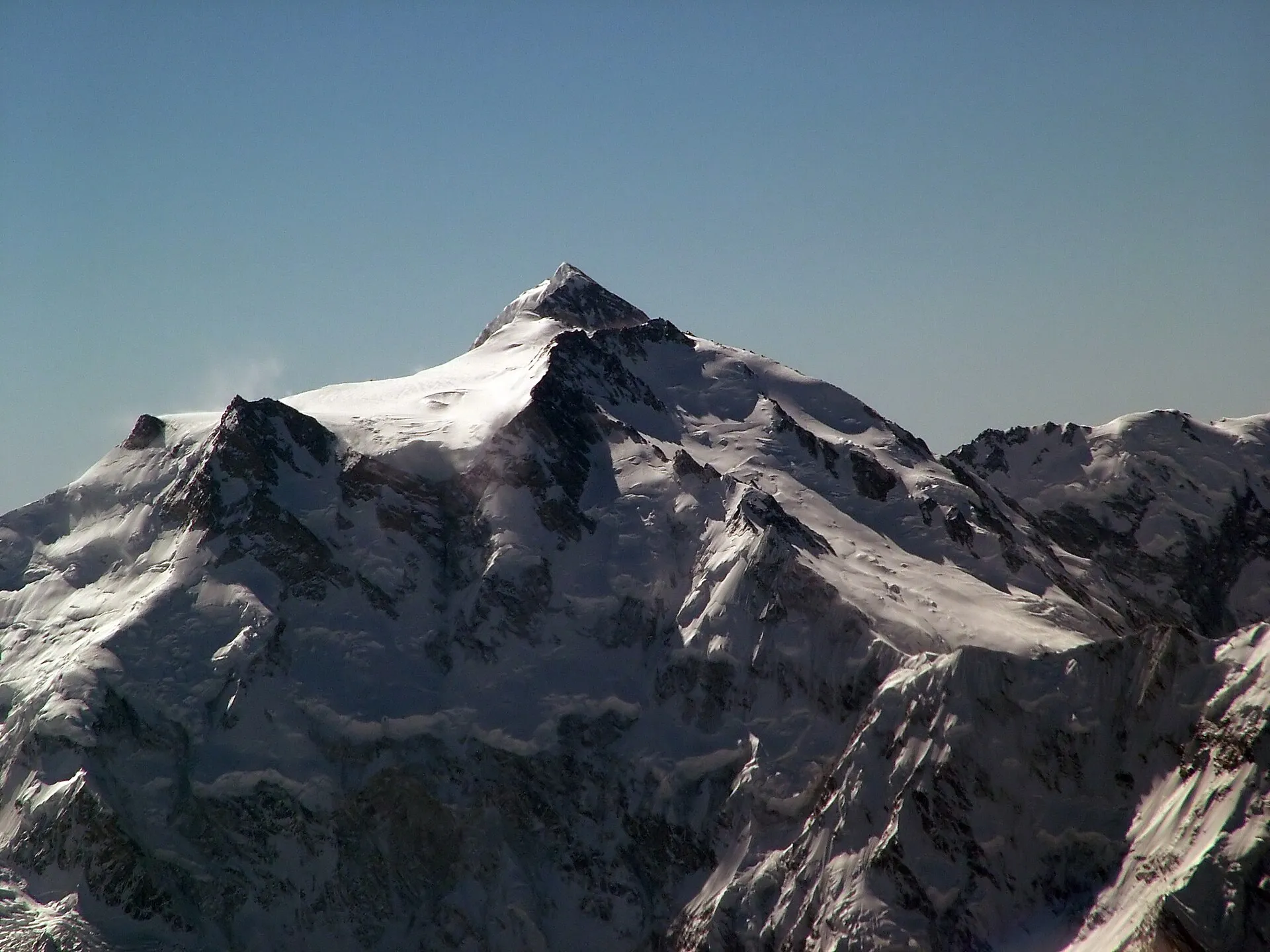
Pendakian Kem Pangkalan Nanga Parbat
Menaiki lembah Rupal ke kaki dinding gunung tertinggi di Bumi
Kemas kini terakhir: · Disemak oleh Javeed Iqbal, Pengasas
Tempoh
14-16 Hari
Tahap Kesukaran
Lasak
Saiz Kumpulan
4-12 Pendaki
Musim Terbaik
Jun-Sep
Tentang Jelajah Ini
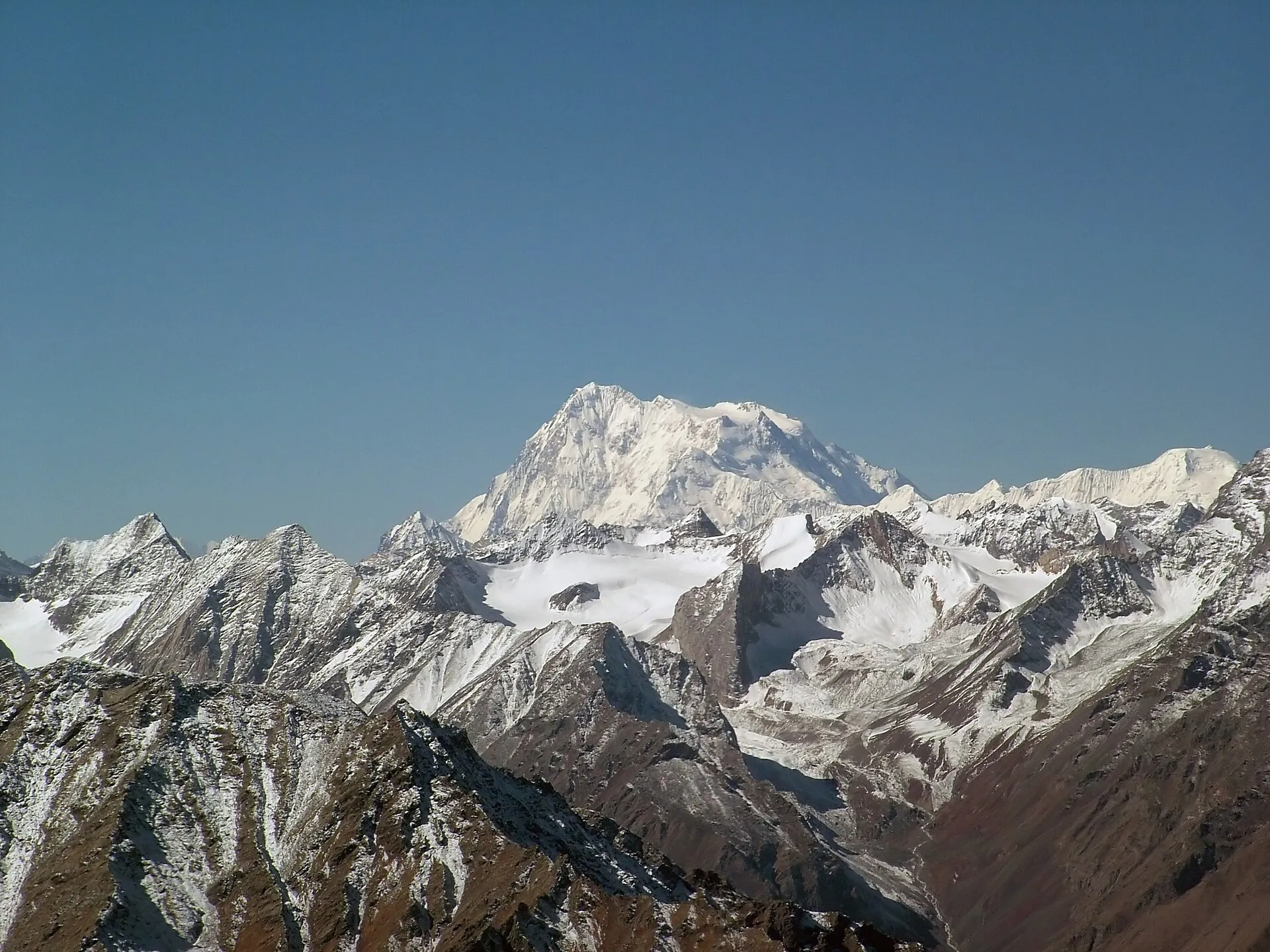
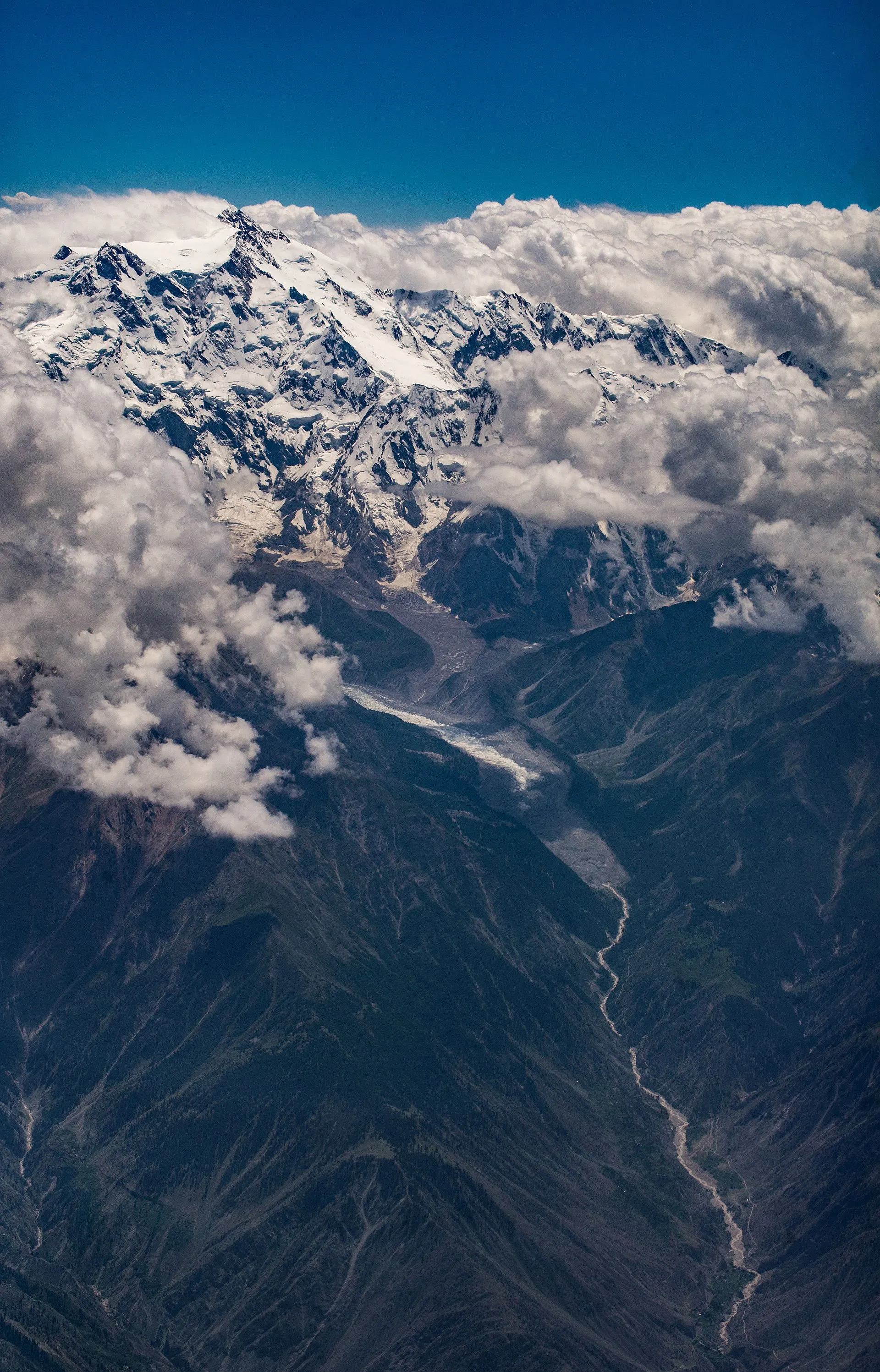
Pendakian ini menaiki lembah Rupal di sisi selatan Nanga Parbat ke kem pangkalan di bawah dinding selatan gunung itu. Nanga Parbat ialah 8,126 meter, gunung kesembilan tertinggi di Bumi dan yang paling barat antara puncak 8,000 meter, dan tidak seperti jirannya ia berdiri di Himalaya dan bukan Karakoram, di daerah Astore dan Diamer. Dari kampung permulaan denai Tarashing pada kira-kira 2,900 meter, laluan mendaki ke kem pangkalan Rupal pada kira-kira 3,500 hingga 3,600 meter, dengan tasik glasier Latbo dan penempatan pengembala di bawah dinding.
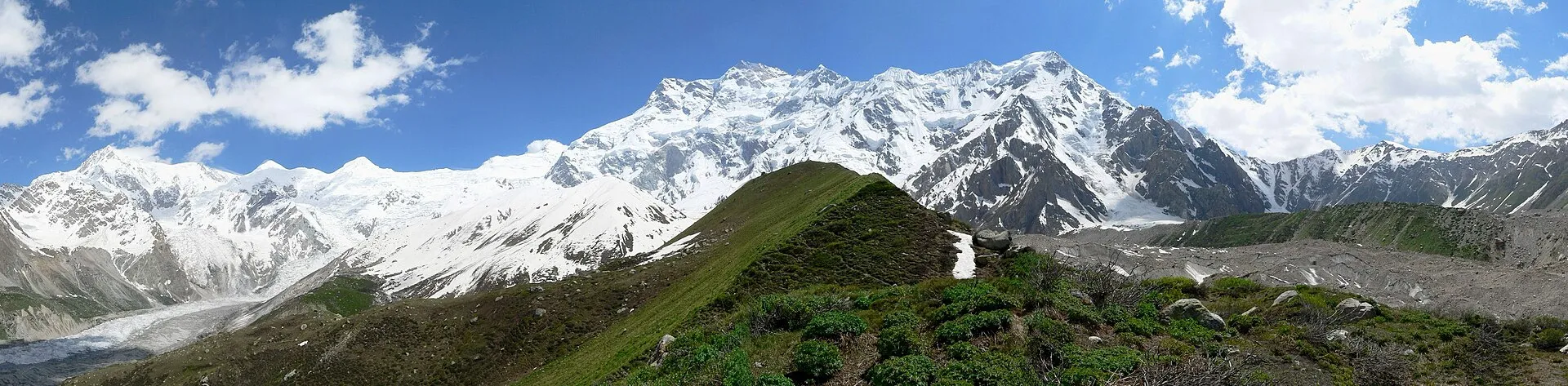
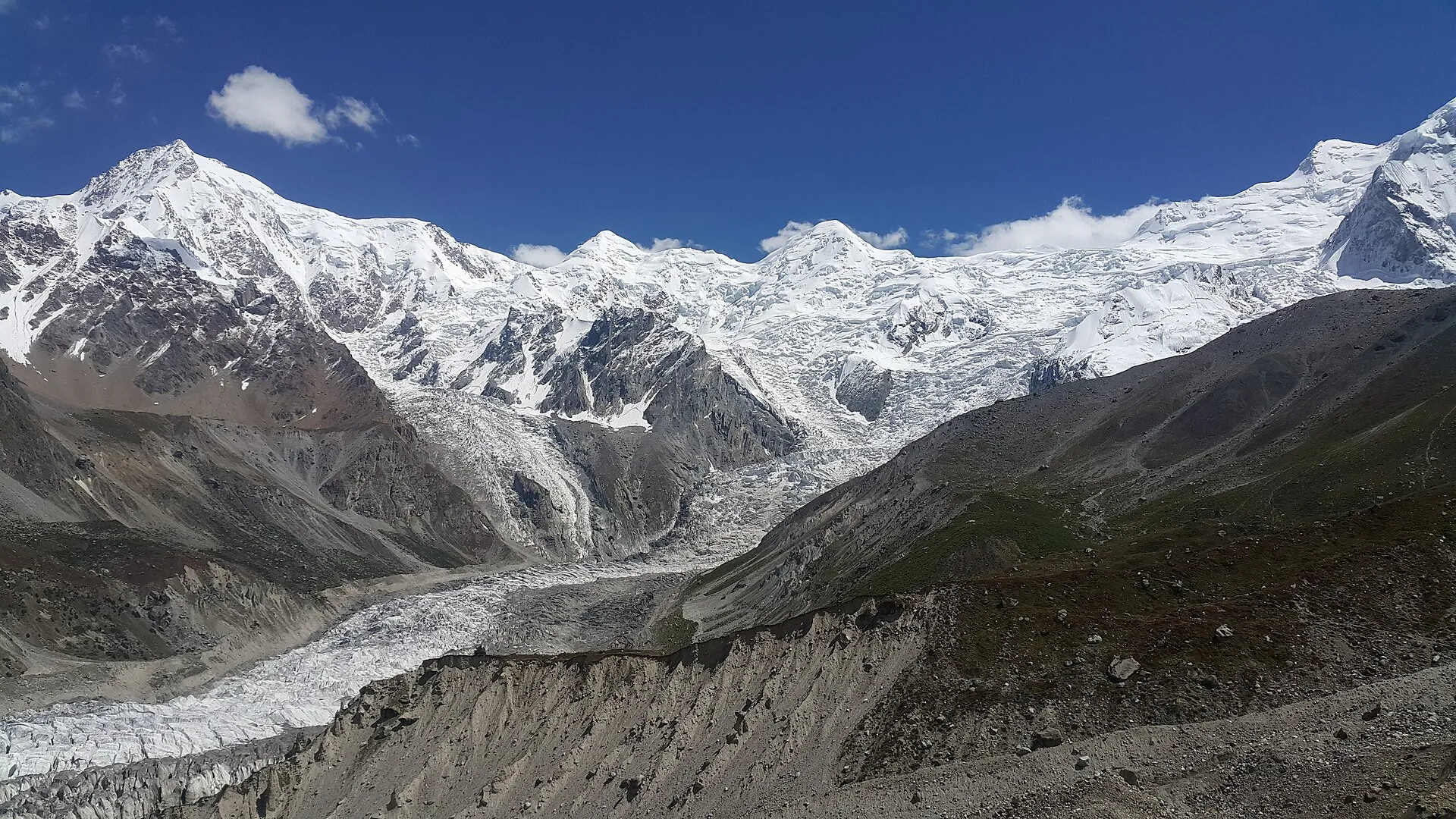
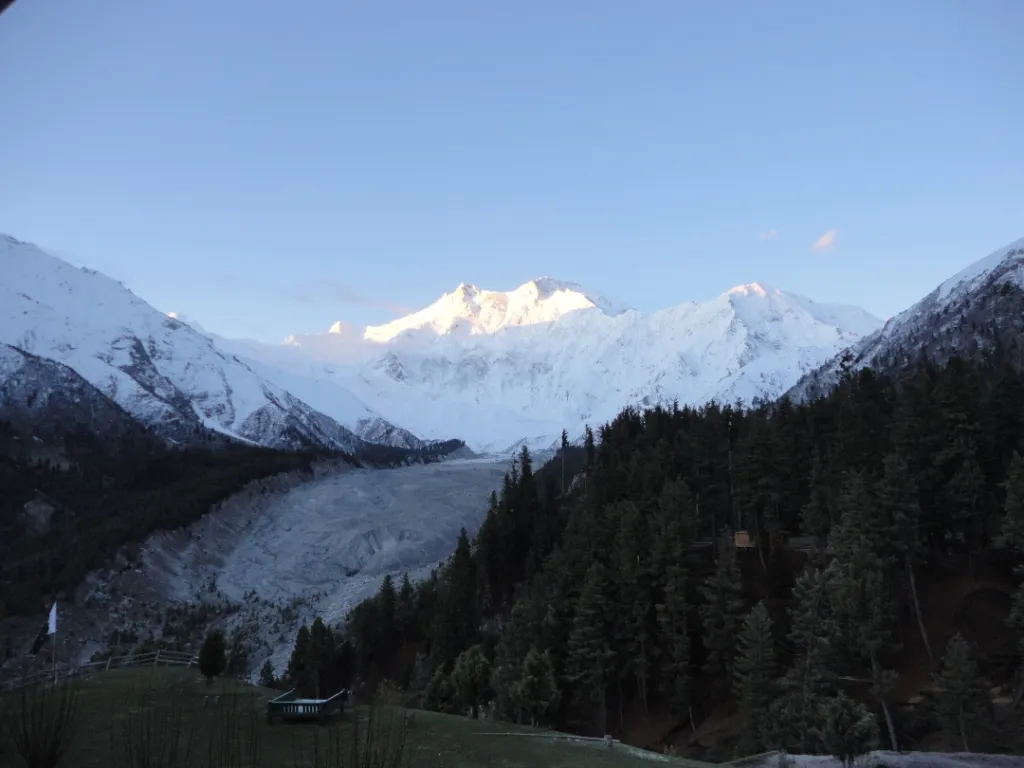
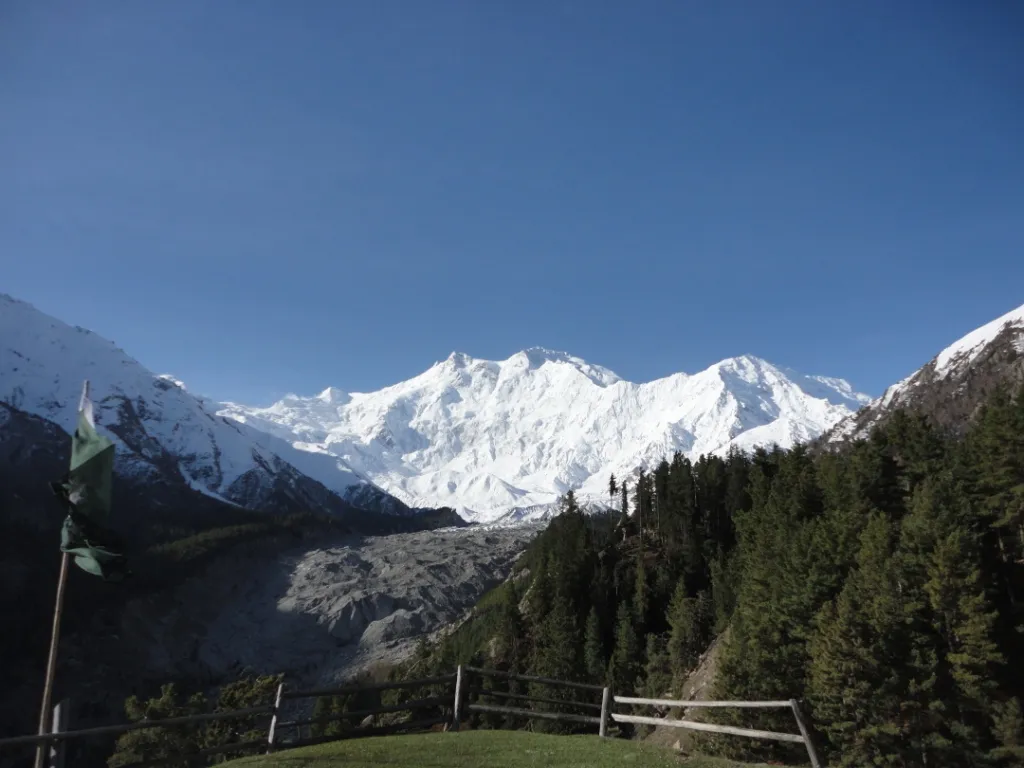
Daya tarikannya ialah Muka Rupal itu sendiri. Ia menjulang kira-kira 4,600 meter menegak dari kakinya ke puncak dan dianggap secara meluas sebagai dinding gunung tertinggi di Bumi. Berdiri di kem pangkalan dengan muka itu memenuhi langit ialah sebab orang membuat perjalanan ini. Perjalanan masuk melalui tanah pengembala berbahasa Gujar dan Shina, pain dan birch, serta padang yang dipenuhi bunga liar pada musim panas, dengan sisi selatan gunung membesar sepanjang lembah.
Berterus terang tentang apa ini. Pendakian kem pangkalan Rupal sederhana: beberapa hari pendakian, perjalanan pergi balik kira-kira 26 hingga 30 kilometer, ketinggian yang nyata tetapi boleh diuruskan, dan tiada medan teknikal. Itulah yang kebanyakan perjalanan yang digelar kem pangkalan Nanga Parbat sebenarnya sampaikan, dan ia sesuai untuk pejalan yang cergas tanpa pengalaman mendaki gunung. Varian serius, litar penuh menyeberangi Mazeno La, ialah haiwan yang berbeza sama sekali dan diterangkan di bawah; ia bukan pilihan lalai dan bukan untuk semua orang.
Kami menjalankan pendakian Rupal dengan pemandu berlesen, kuli dan sokongan kem penuh, dan atur kadarnya untuk penyesuaian iklim yang selesa dan bukan tergesa-gesa ke dinding. Perjalanan ini dibina mengelilingi kem pangkalan dan Muka Rupal, dengan masa untuk menjelajah dan menghayati pemandangan dan bukan sekadar menandainya dan berpatah balik. Panjang yang dipasarkan ialah 14 hingga 16 hari termasuk perjalanan dari Islamabad dan kontingensi, dan harganya USD 2,600 setiap orang.
Laluan Lembah Rupal
Akses adalah melalui jalan darat dari Islamabad menaiki Lebuh Raya Karakoram ke Chilas, kemudian dengan jip masuk ke Astore dan terus ke Tarashing pada kira-kira 2,900 meter, kampung terakhir dan permulaan denai. Pemanduan itu sendiri ialah sehari jalan gunung yang dramatik, dengan pemandangan pertama Nanga Parbat dari lebuh raya.
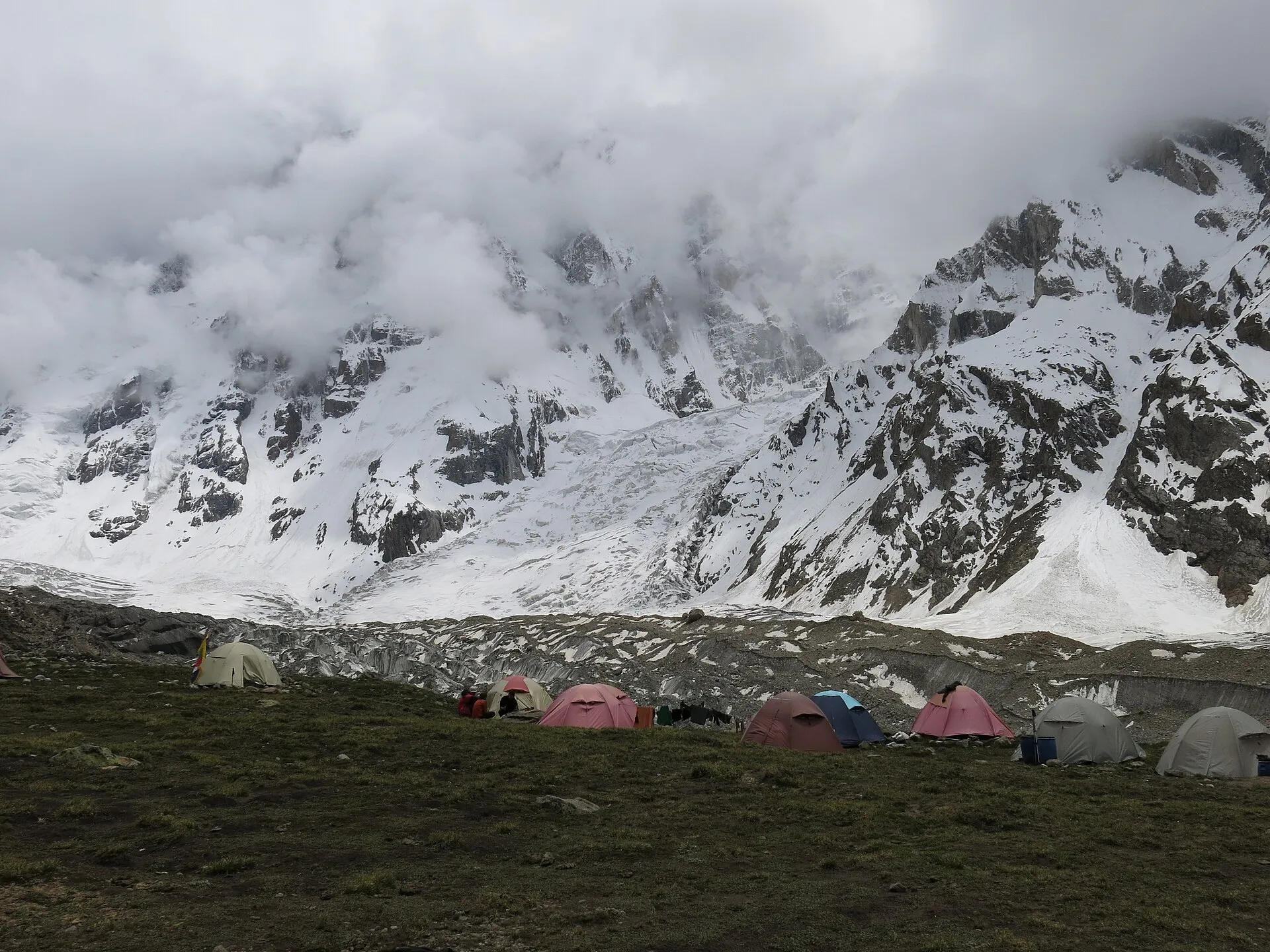
Dari Tarashing pendakian mendaki lembah Rupal melalui padang ragut pengembala dan hutan ke kem pangkalan Rupal pada kira-kira 3,500 hingga 3,600 meter, kadangkala dipanggil kem pangkalan Herrligkoffer atau Latobah, terletak di bawah dinding selatan dengan tasik Latbo dan penempatan ragut berdekatan. Hari rehat dan penjelajahan di sini membolehkan anda menyesuaikan iklim dan berjalan ke titik tinjauan lebih tinggi untuk hamparan penuh Muka Rupal dan glasiernya sebelum menyusur semula lembah ke Tarashing.
Untuk kumpulan berpengalaman kami boleh melanjutkan perjalanan ke barat menuju Mazeno La. Lintasan itu biasanya disebut sekitar 5,377 meter, dengan Wikipedia memberi denai rabung pada kira-kira 5,358 meter dan sesetengah pengendali menyebut 5,399 hingga 5,400 meter, jadi angkanya benar-benar tidak pasti. Ia melibatkan pendakian glasier dan turunan curam yang memerlukan rapel tali tetap, ia setanding dari segi keseriusan dengan Gondogoro La, dan pemandu melaporkan kebanyakan kumpulan pendaki gagal menyeberanginya. Kami anggapnya sebagai varian mendaki gunung serius untuk pendaki yang cergas dan berpengalaman, bukan sebahagian pendakian kem pangkalan standard.
Berapa Sukar Pendakian Rupal?
Pendakian kem pangkalan sederhana dan sesuai untuk pejalan yang cergas tanpa pengalaman ketinggian tinggi terdahulu, walaupun sedikit membantu. Hari pendakiannya pendek mengikut piawai Karakoram, ketinggian memuncak sekitar 3,600 meter di kem pangkalan, dan tiada medan teknikal. Perkara utama yang perlu diuruskan ialah pendakian harian, cuaca gunung, dan beberapa lintasan sungai di lembah.
Litar Mazeno La ialah cadangan yang sama sekali berbeza. Ia laluan panjang, terpencil, berbilang minggu dengan perjalanan glasier, rapel tali tetap pada turunan dan bahaya objektif yang nyata, dan ia hanya patut dicuba oleh pendaki berpengalaman dengan kemahiran asas mendaki gunung. Jika anda menimbang kedua-duanya, pendakian kem pangkalan ialah perjalanan yang sebahagian besar orang mahu dan yang kami cadangkan secara lalai.
| Peringkat | Perjalanan | Angka utama | Hari jadual |
|---|---|---|---|
| Islamabad ke Chilas | Jalan darat melalui KKH | 10 hingga 12 jam | Hari 1 |
| Chilas ke Tarashing | Jip melalui Astore | Permulaan denai, 2,900 m | Hari 2 |
| Penyesuaian altitud di Tarashing | Jalan kaki singkat | 2,900 m | Hari 3 |
| Tarashing ke Kem Pangkalan Rupal | Berjalan kaki | 3,500 hingga 3,600 m | Hari 4 |
| Kem pangkalan dan tempat tinjau muka Rupal | Berjalan kaki | Muka setinggi 4,600 m | Hari 5 hingga 6 |
| Kem pangkalan ke Tarashing | Berjalan kaki | Kembali ke 2,900 m | Hari 7 |
| Tarashing ke Chilas melalui Astore | Jip dan jalan darat | Lembah Astore | Hari 8 hingga 11 |
| Chilas ke Islamabad | Jalan darat melalui KKH | Termasuk hari simpanan | Hari 12 hingga 14 |
Jadual Harian
1Islamabad ke Chilas
Islamabad ke Chilas
2Chilas ke Tarashing (2,900m)
Chilas ke Tarashing (2,900m)
3Menyesuaikan iklim dan menjelajahi Tarashing
Menyesuaikan iklim dan menjelajahi Tarashing
4Tarashing ke Kem Pangkalan Rupal (3,600m)
Tarashing ke Kem Pangkalan Rupal (3,600m)
5Penjelajahan Kem Pangkalan Rupal
Penjelajahan Kem Pangkalan Rupal
6Hari titik tinjauan Muka Rupal
Hari titik tinjauan Muka Rupal
7Kem Pangkalan Rupal ke Tarashing
Kem Pangkalan Rupal ke Tarashing
8Hari rehat dan budaya Tarashing
Hari rehat dan budaya Tarashing
9Tarashing ke lembah Astore
Tarashing ke lembah Astore
10Penjelajahan Astore
Penjelajahan Astore
11Astore ke Chilas
Astore ke Chilas
12Hari penampan dan kontingensi
Hari penampan dan kontingensi
13Chilas menuju Islamabad
Chilas menuju Islamabad
14Pulang ke Islamabad
Pulang ke Islamabad
Masa Terbaik Mendaki Lembah Rupal
Julai hingga September ialah musimnya. Menjelang Julai padang ragut lembah menghijau dan salji telah hilang dari laluan bawah, dan cuaca paling teratur sepanjang puncak musim panas. Lebih awal dalam tahun salji berlegar di pendekatan, dan menjelang lewat September malam di kem pangkalan menjadi sejuk dan ribut pertama tiba.
Cuaca gunung di sisi selatan Nanga Parbat boleh berubah dengan pantas, dan tempoh berawan boleh menyembunyikan Muka Rupal selama sehari. Kami bina sedikit ruang lapang ke dalam jadual supaya hari yang buruk tidak menghilangkan pemandangan anda, dan satu malam tambahan di kem pangkalan selalunya membeli pagi cerah yang menjadikan perjalanan ini bermakna.
Permit dan Logistik
Nanga Parbat terletak di Himalaya, bukan Karakoram, jadi tiada permit pendakian CKNP untuk lembah Rupal. Ia zon terbuka, dengan yuran tempatan dan komuniti serta piawai pemandu, kesemuanya kami uruskan. Ini penting kerana sesetengah jadual tersilap memfailkan Nanga Parbat di bawah peraturan permit Karakoram; pendakian Rupal tidak membawa rejim zon-terhad Baltoro.
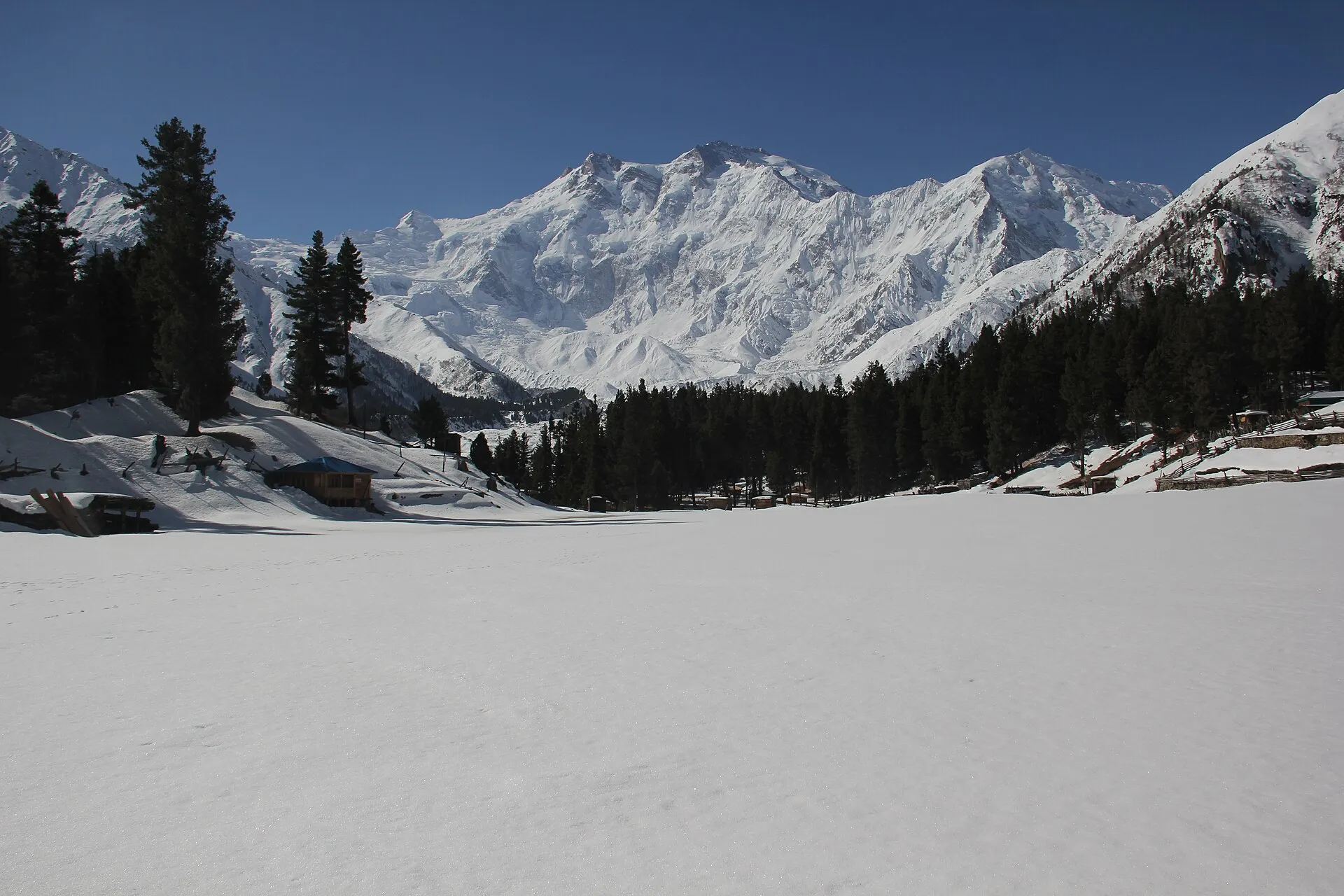
Perjalanan berjalan Islamabad ke Chilas ke Astore ke Tarashing melalui jalan dan jip, kemudian berkaki menaiki lembah dan balik dengan cara yang sama. Dari Tarashing tiada bekalan semula, jadi kami membawa apa yang kem perlukan dengan pasukan kuli. Jika anda lebih suka melihat Nanga Parbat dari utara tanpa pendakian lembah penuh, Fairy Meadows di sisi Rakhiot ialah alternatif pendek dan mudah, manakala kem pangkalan Rupal ialah pandangan dekat dinding besar itu.
Di Manakah Nanga Parbat Base Camp dan Berapa Tingginya?
Pendakian ini menuju ke base camp di sebelah Rupal bagi Nanga Parbat, gunung kesembilan tertinggi di dunia pada ketinggian 8,126 meter, di daerah Astore di Gilgit-Baltistan. Nanga Parbat ialah penambat barat Himalaya, berdiri bersendirian di barat Sungai Indus, dan ia membawa gelaran menyeramkan Gunung Pembunuh daripada sejarah pendakian awalnya. Base camp terletak pada ketinggian lebih kurang 3,500 hingga 3,600 meter berhampiran tasik glasier Latbo, tepat di bawah dinding selatan, dan dicapai dari kampung Tarashing pada ketinggian kira-kira 2,900 meter. Keseluruhan perjalanan pergi-balik dengan berjalan kaki hanyalah kira-kira 26 hingga 30 kilometer sepanjang beberapa hari pendakian yang singkat, dan itulah yang menjadikan ini perjalanan sederhana dan bukannya satu ekspedisi.
Muka Rupal: Dinding Gunung Tertinggi di Bumi
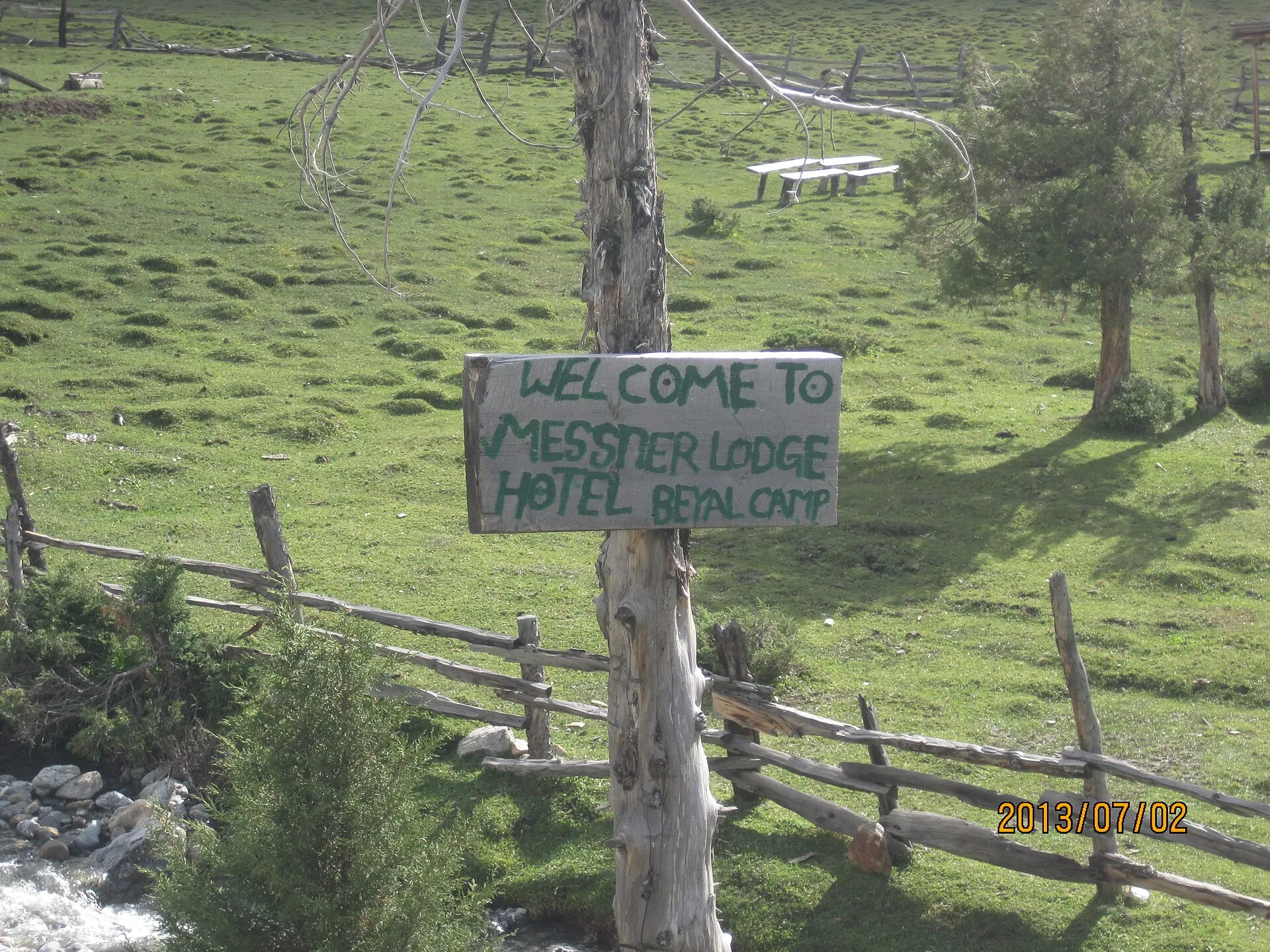
Sebab untuk menyusuri lembah Rupal dan bukannya melawat Fairy Meadows di sebelah utara ialah dinding itu sendiri. Muka Rupal menjulang kira-kira 4,600 meter menegak dari dasar lembah ke puncak, dan diiktiraf secara meluas sebagai muka gunung tertinggi di Bumi, lebih tinggi daripada apa-apa di Everest atau K2. Berdiri di base camp dengan hamparan curam batu, ais dan glasier tergantung yang memenuhi langit di atas anda ialah detik yang menjadi tumpuan seluruh pendakian ini. Di sinilah, di Muka Rupal, Reinhold dan Günther Messner membuat pendakian bersejarah mereka pada tahun 1970, dan lembah ini masih terasa terpencil dan jarang dikunjungi berbanding sebelah utara gunung yang lebih sibuk.
Mengapa Tempah Dengan Kami
Kami pengendali Gilgit-Baltistan yang menjalankan lembah Rupal dengan pemandu tempatan dan kuli dari tanah pengembala yang mengenali sisi selatan Nanga Parbat. Kami membingkaikan perjalanan ini dengan jujur: pendakian kem pangkalan sederhana ke kaki Muka Rupal, diatur untuk penyesuaian iklim yang betul, dengan Mazeno La ditawarkan hanya sebagai varian serius kepada mereka yang bersedia untuknya dan bukan diselitkan ke dalam jadual standard. Pemandu, kuli, sokongan kem, pengangkutan dan yuran tempatan kesemuanya termasuk dalam harga.
Termasuk Dalam Pakej
Tidak Termasuk
Soalan Lazim
Berapa sukar pendakian kem pangkalan Nanga Parbat?
Berapa sukar pendakian kem pangkalan Nanga Parbat?
Berapakah ketinggian kem pangkalan Nanga Parbat?
Berapakah ketinggian kem pangkalan Nanga Parbat?
Adakah Muka Rupal benar-benar dinding gunung tertinggi di dunia?
Adakah Muka Rupal benar-benar dinding gunung tertinggi di dunia?
Berapa jauh pendakian ini?
Berapa jauh pendakian ini?
Bilakah masa terbaik mendaki?
Bilakah masa terbaik mendaki?
Adakah saya memerlukan permit untuk pendakian Nanga Parbat?
Adakah saya memerlukan permit untuk pendakian Nanga Parbat?
Apakah litar Mazeno La dan patutkah saya membuatnya?
Apakah litar Mazeno La dan patutkah saya membuatnya?
Adakah ia lebih baik daripada Fairy Meadows?
Adakah ia lebih baik daripada Fairy Meadows?
Di manakah pendakian Nanga Parbat base camp bermula?
Di manakah pendakian Nanga Parbat base camp bermula?
Sebelah manakah Nanga Parbat yang dituju oleh pendakian ini?
Sebelah manakah Nanga Parbat yang dituju oleh pendakian ini?
Berapa tinggi Nanga Parbat?
Berapa tinggi Nanga Parbat?
Bagaimanakah cuaca semasa pendakian Nanga Parbat?
Bagaimanakah cuaca semasa pendakian Nanga Parbat?
Bersedia untuk Pengembaraan Seterusnya?
Sertai komuniti penjelajah kami dan temui perjalanan seumur hidup. Pasukan pakar kami sedia membantu anda merancang ekspedisi sempurna anda.