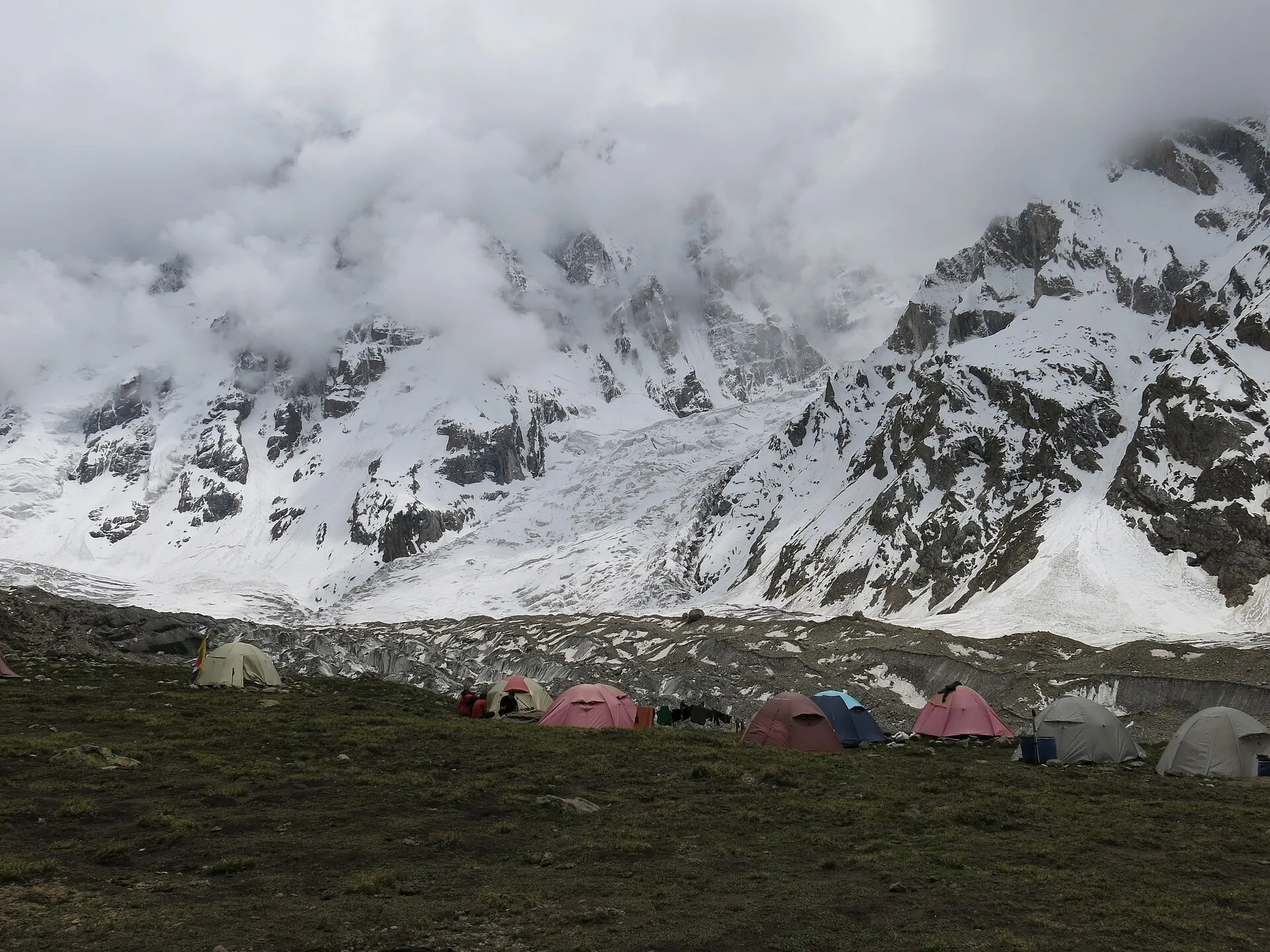
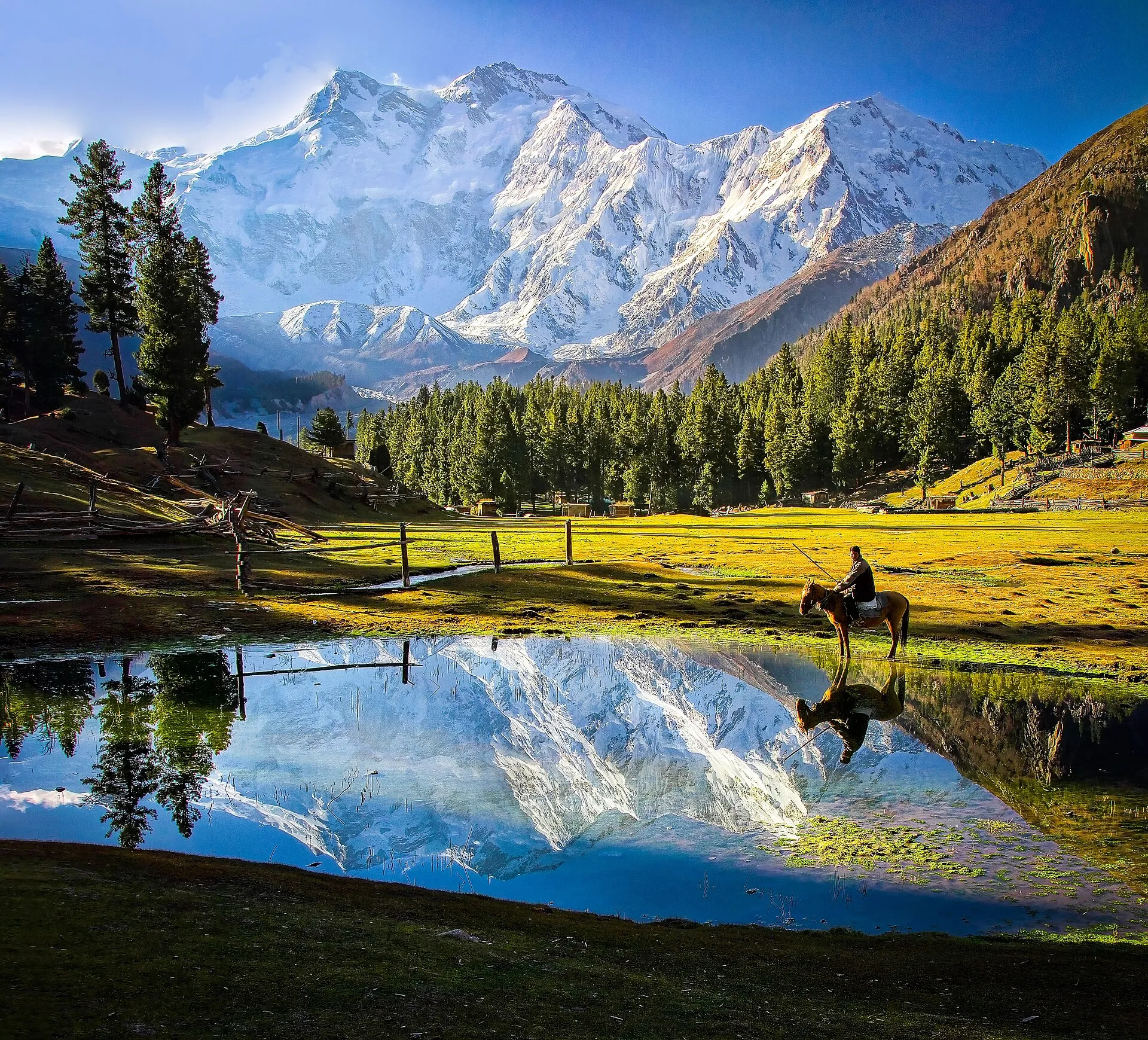
Perkhemahan Fairy Meadows
Tidur di bawah khemah dengan Nanga Parbat di atas khemah anda
Kemas kini terakhir: · Disemak oleh Javeed Iqbal, Pengasas
Tempoh
5-7 Hari
Tahap Kesukaran
Mudah-Sederhana
Saiz Kumpulan
2-20 Perkhemah
Musim Terbaik
Mei-Okt
Tentang Jelajah Ini
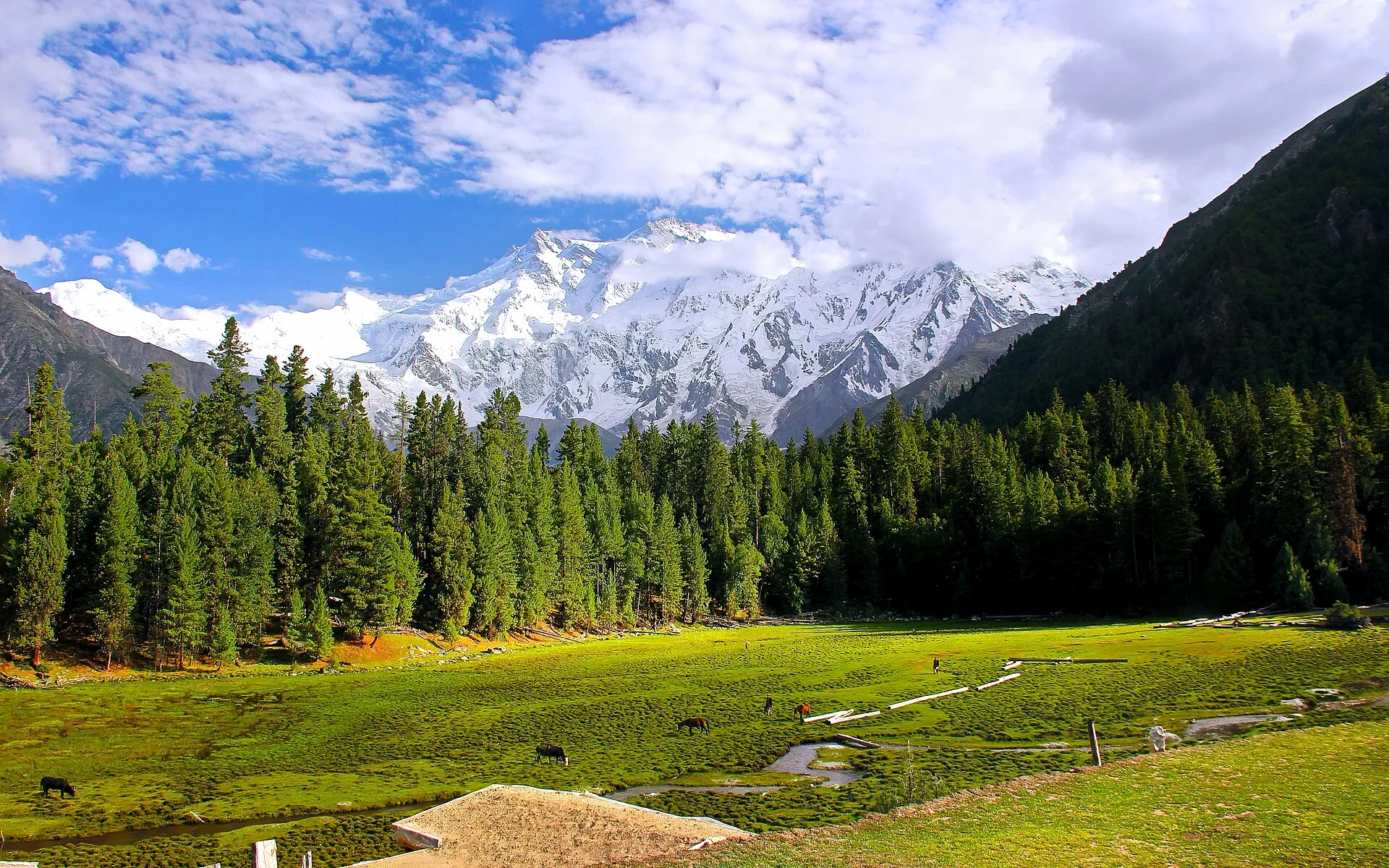
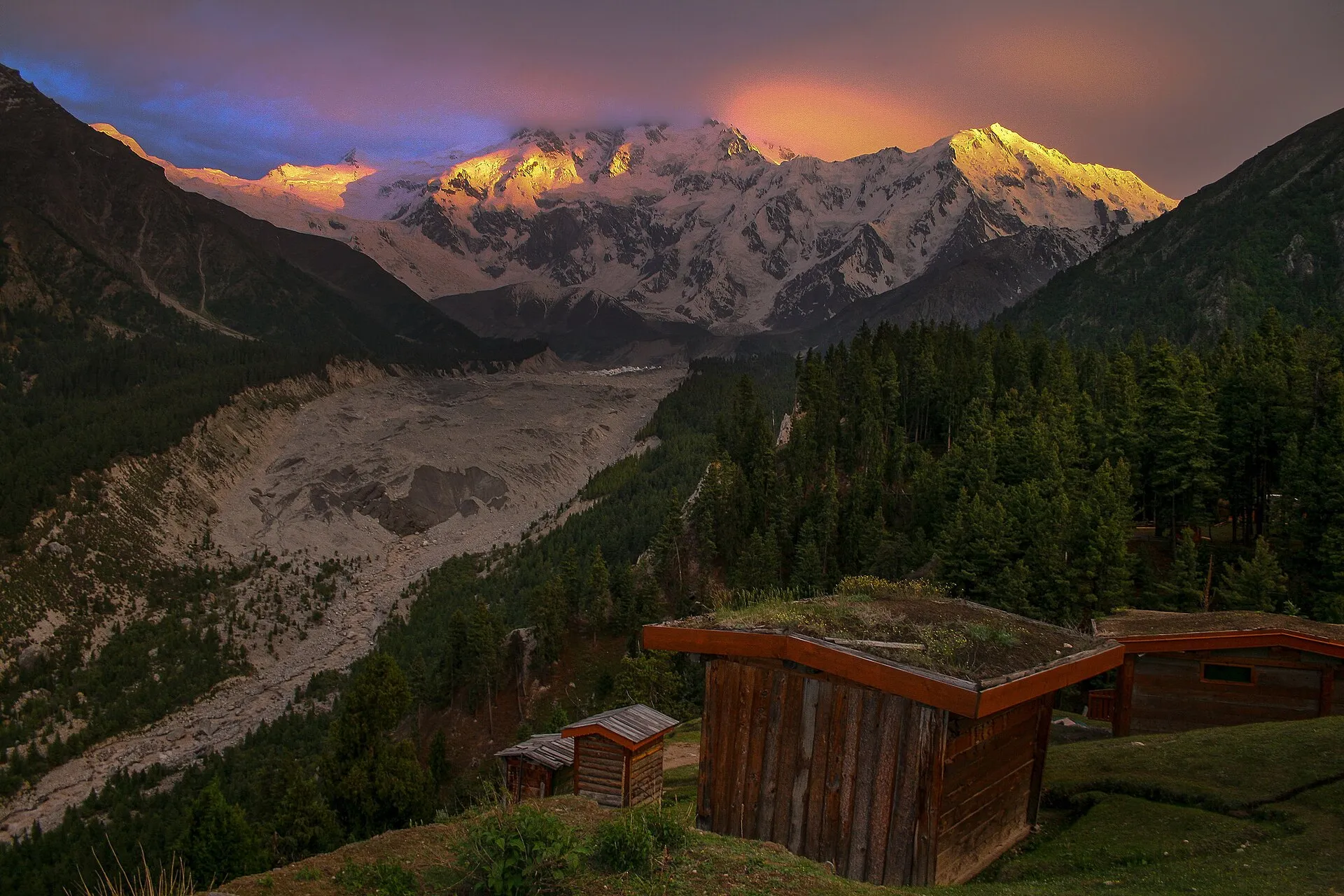
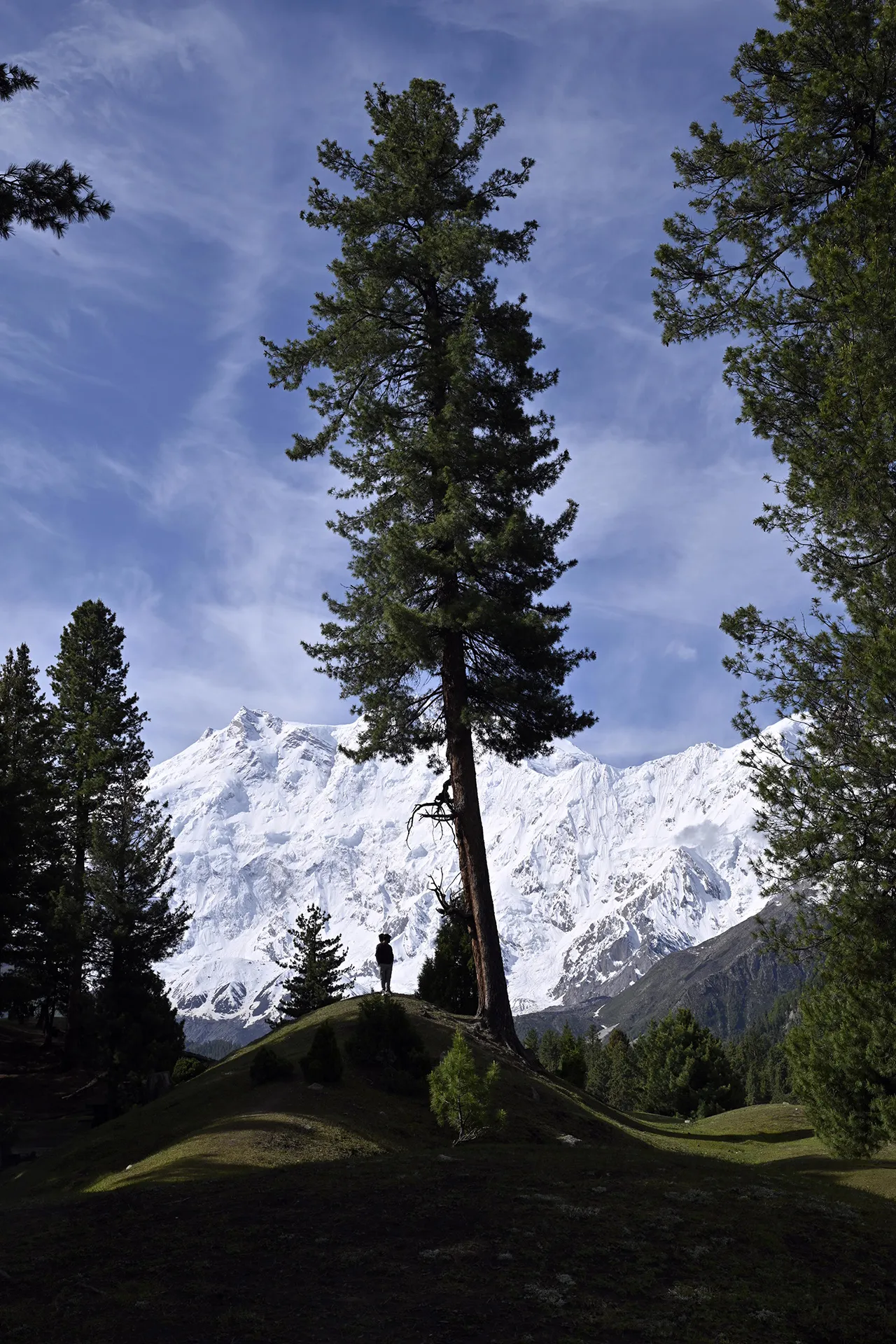
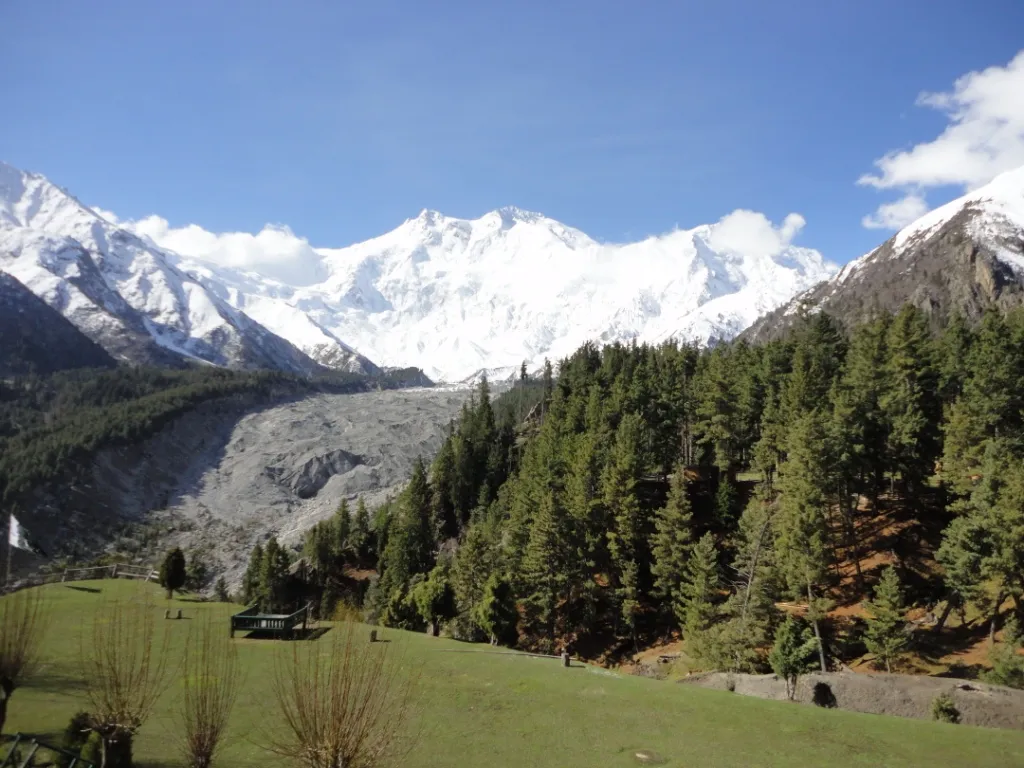
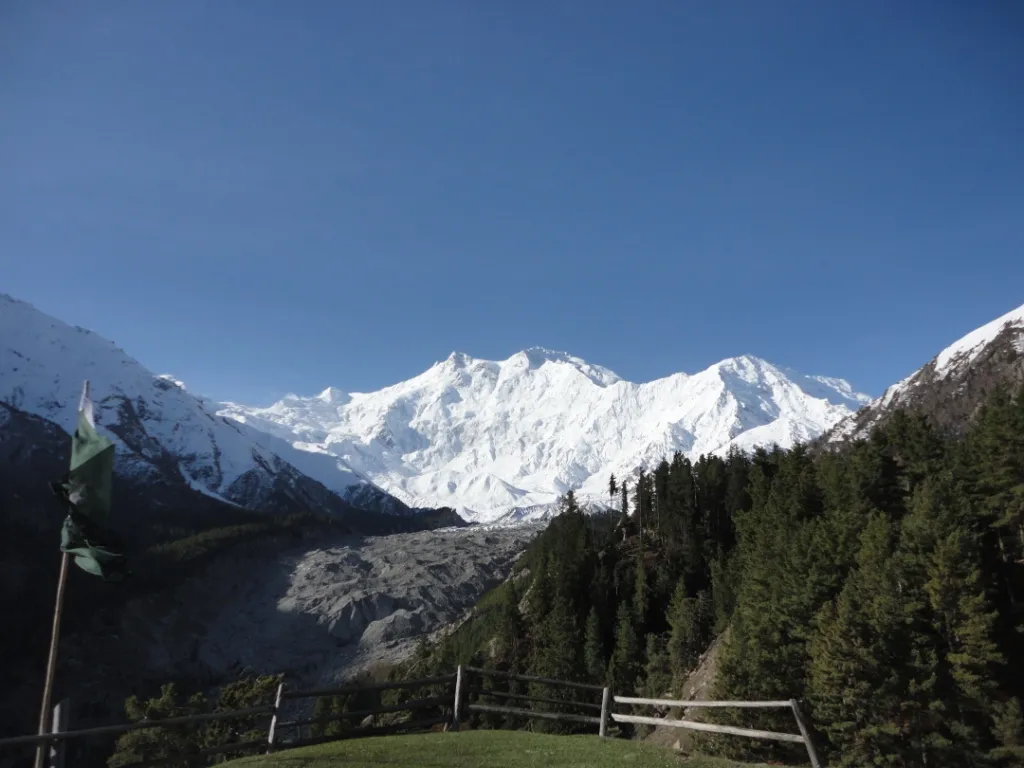
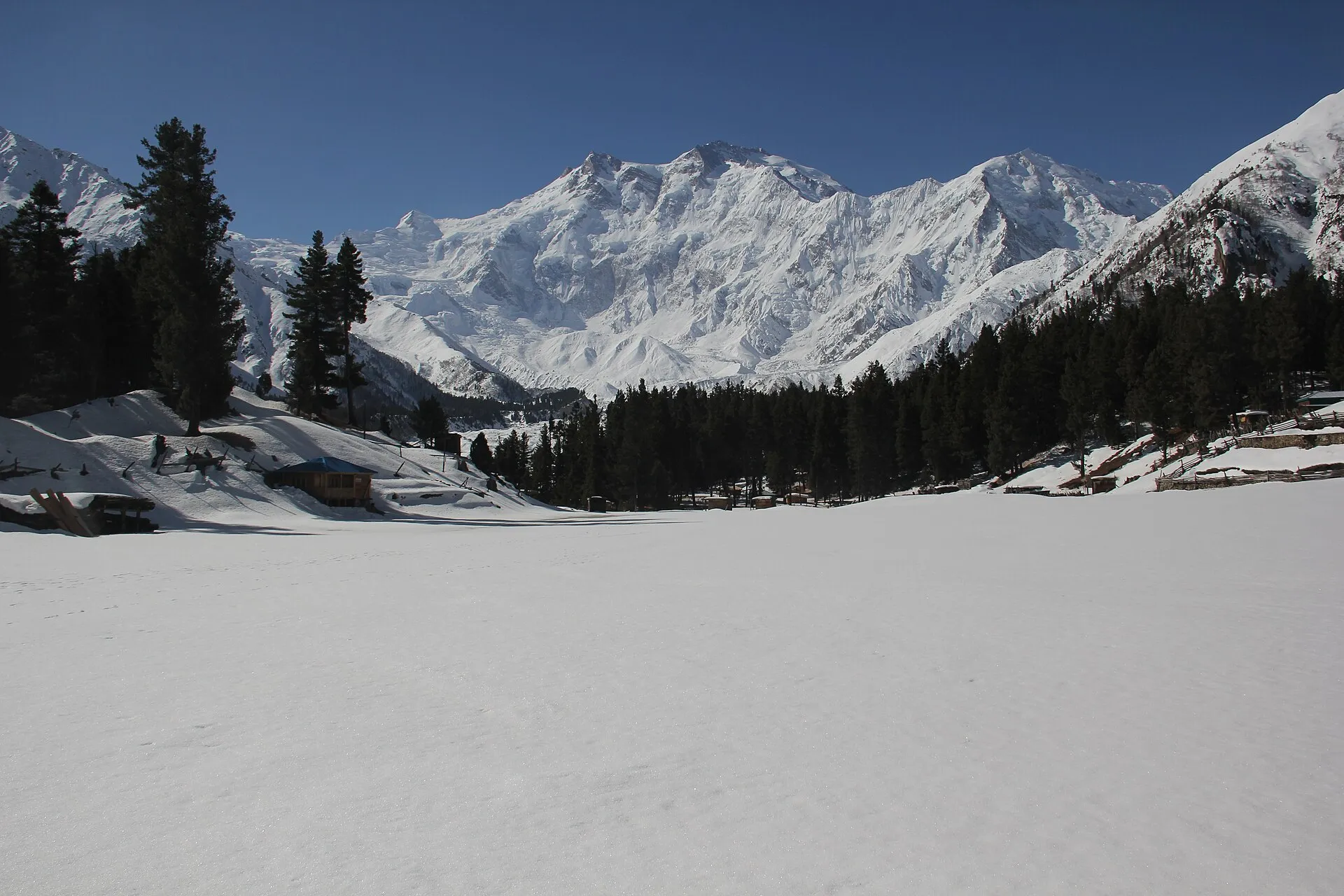
Inilah versi di bawah khemah Fairy Meadows: daripada kotej, anda tidur dalam khemah yang didirikan di atas rumput pada kira-kira 3,300 meter, dengan Nanga Parbat menjulang 8,126 meter di hujung jauh padang rumput. Tapaknya terletak di Daerah Diamer Gilgit-Baltistan dalam taman negara, dan mendirikan khemah di sini meletakkan anda hampir sedekat dengan puncak 8,000 meter seperti mana-mana tapak perkhemahan yang boleh anda capai tanpa tali. Muka Raikot ialah perkara terakhir yang anda lihat pada waktu malam dan perkara pertama yang disinari matahari pada waktu pagi.
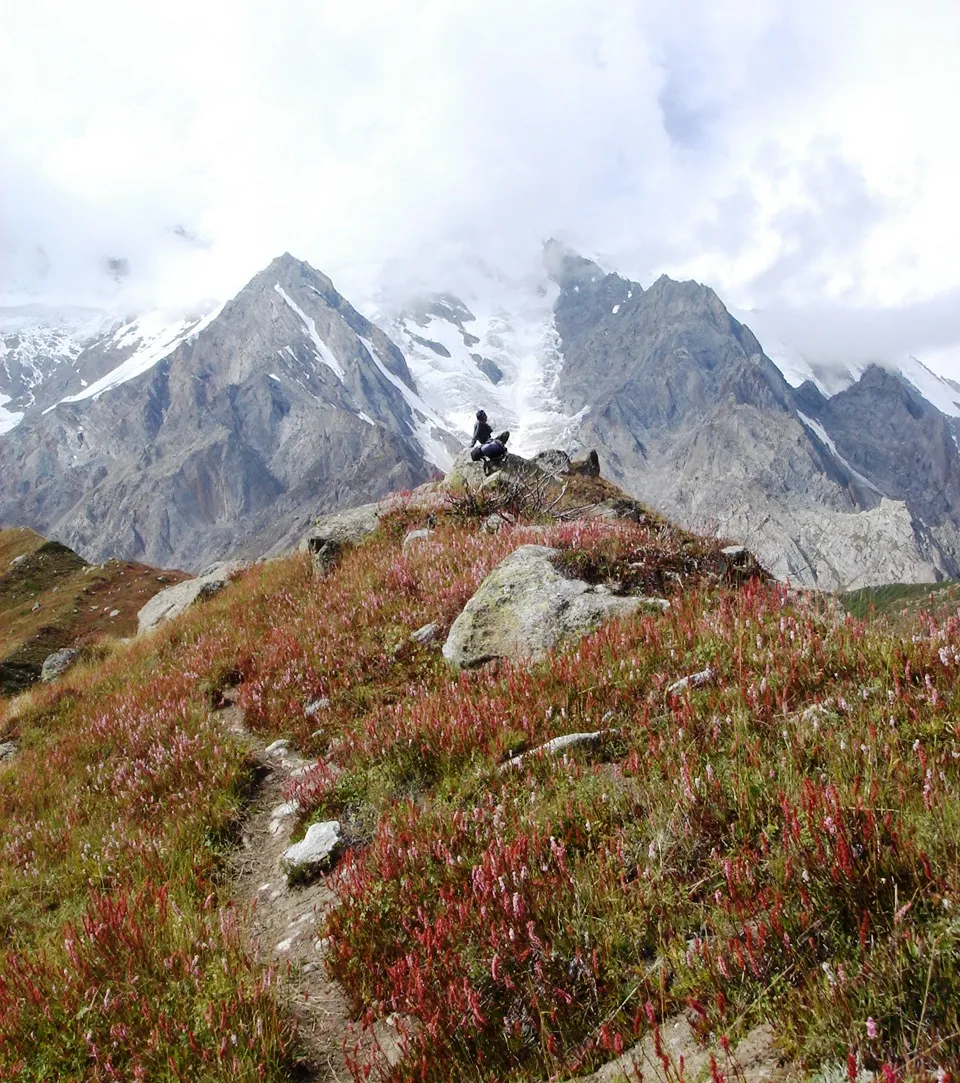
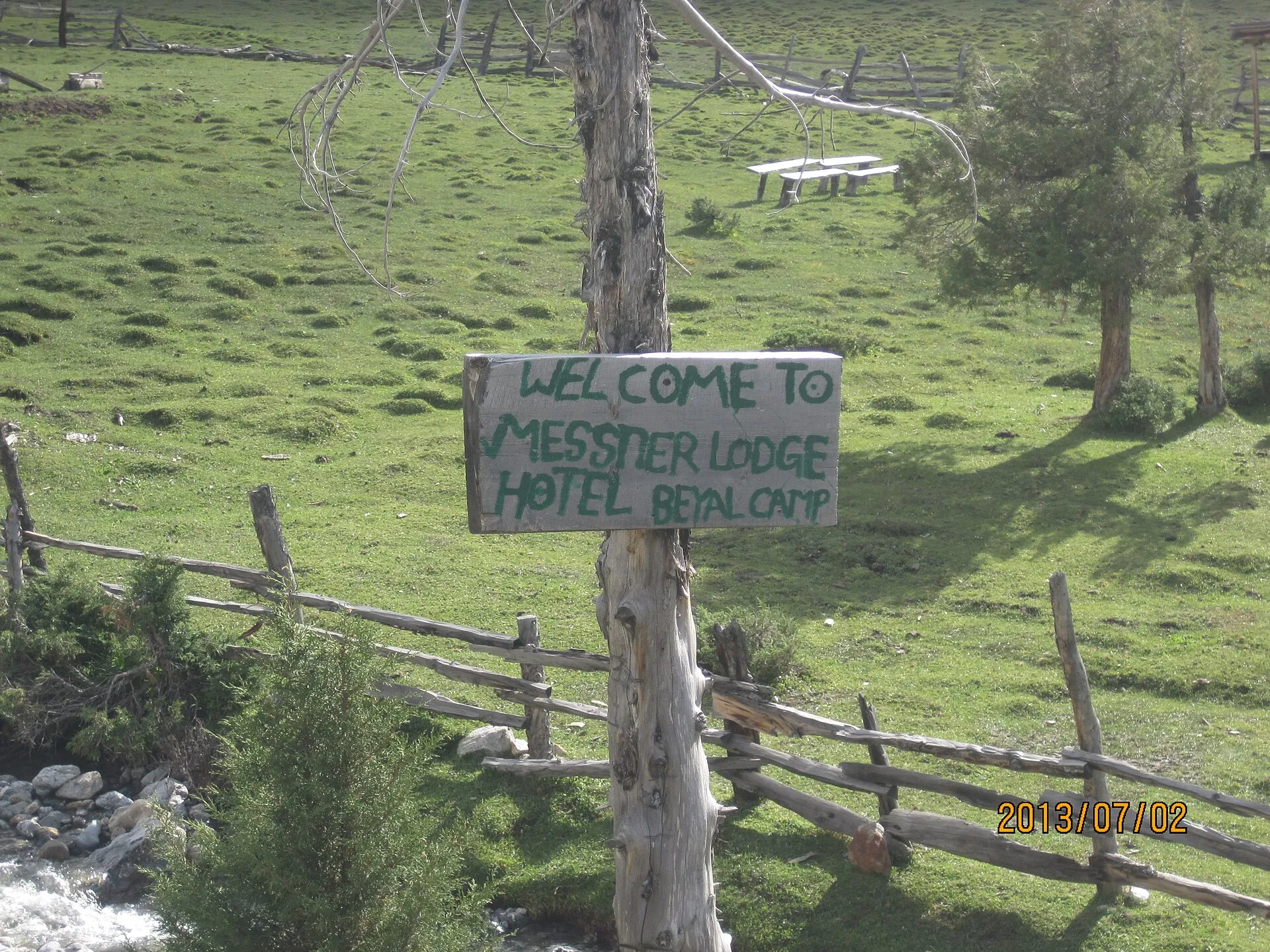
Kehidupan perkhemahan berjalan pada irama yang ringkas. Pagi bermula sejuk dan tenang, dengan fros kadangkala di atas penutup khemah walaupun pada Julai; api memasak dinyalakan, teh diedarkan, dan gunung bertukar dari kelabu ke keemasan. Hari-hari adalah longgar: berjalan singkat ke Beyal Camp pada kira-kira 3,500 meter, sejam di atas tanah mudah, atau perjalanan yang lebih panjang menuju Glasier Raikot dan tempat pemandangan pangkalan pendakian pada lebih kurang 3,967 meter untuk mereka yang mahukannya. Petang adalah untuk berbaring di rumput dan tidak melakukan apa-apa yang khusus.
Kemudian ada malam-malam itu, yang menjadi sebab sebenar untuk berkhemah berbanding mengambil kotej. Tiada pekan sejauh seratus kilometer dan tiada cahaya selain api, jadi Bima Sakti muncul dalam jalur yang boleh anda baca cahayanya. Kami membina unggun api yang baik setiap petang dan makan malam dimasak di atas api, dimakan dengan siluet Killer Mountain di ufuk. Orang yang biasanya tidur awal akhirnya duduk di luar selama berjam-jam.
Tur perkhemahan enam hari kami membawa perjalanan ke utara, jip menaiki laluan Tato dan pendakian masuk, kemudian menempatkan anda di bawah khemah di padang rumput dengan segala-galanya untuk kehidupan perkhemahan disediakan. Kami membekalkan khemah, kelengkapan tidur dan kakitangan perkhemahan; anda membawa pakaian panas dan kesediaan untuk pagi yang sejuk. Tahap usaha mudah hingga sederhana dan musim berlangsung Mei atau Jun hingga September atau Oktober, ditutup pada musim sejuk.
Bagaimana Sebenarnya Berkhemah di Fairy Meadows
Khemah anda didirikan di atas rumput terbuka dengan garis pandangan jelas ke Nanga Parbat, dijarakkan dari yang lain supaya perkhemahan terasa tenang dan bukan sesak. Kami mengendalikan khemah makan berasingan untuk hidangan dan titik dapur tempat tukang masak bekerja di atas api dan gas, serta khemah tandas khusus yang diletakkan jauh dari kawasan tidur. Tiada elektrik di padang rumput, jadi petang adalah cahaya lampu dan unggun api serta peluang untuk tidak mengecas apa-apa dan memandang ke atas sebaliknya.
Berterus teranglah dengan diri sendiri tentang kesejukan. Walaupun pada pertengahan musim panas, suhu menjunam dengan kuat selepas matahari terbenam dan pagi boleh hampir membeku, iaitu satu perkara yang dipandang remeh oleh pengkhemah di sini. Beg tidur yang panas, topi dan jaket yang sesuai menukar malam sejuk menjadi malam yang selesa. Setelah anda hangat, kegelapan dan kesunyian itulah intinya, dan unggun api ialah tempat kumpulan berkumpul setiap petang.
Jadual Harian
1Islamabad ke Chilas
Islamabad ke Chilas
2Chilas ke Padang Rumput dan Perkhemahan Pertama
Chilas ke Padang Rumput dan Perkhemahan Pertama
3Perjalanan ke Beyal Camp dan Malam Unggun Api
Perjalanan ke Beyal Camp dan Malam Unggun Api
4Tempat Pemandangan Pangkalan Pendakian dan Pemandangan Bintang
Tempat Pemandangan Pangkalan Pendakian dan Pemandangan Bintang
5Bongkar Khemah dan Turun ke Raikot Bridge
Bongkar Khemah dan Turun ke Raikot Bridge
6Kembali ke Islamabad
Kembali ke Islamabad
Apa Yang Kami Sediakan dan Apa Yang Perlu Dibawa
Kami membawa perkhemahan. Itu bermakna khemah didirikan dan dibongkar untuk anda, beg tidur dan tilam bertebat, khemah makan dan khemah tandas, semua memasak dan kayu api untuk unggun, serta porter atau kuda untuk mengangkut kelengkapan berat dari pangkalan jalan. Hidangan dimasak segar di perkhemahan sepanjang perjalanan, dan jip, permit serta pemandu semuanya termasuk dalam harga.
Apa yang anda bawa ialah kehangatan dan kaki anda. Bawa lapisan penebat yang panas dan jaket kalis angin, topi dan sarung tangan, kasut berjalan yang sudah lasak, lampu kepala, cermin mata hitam dan pelindung matahari faktor tinggi untuk matahari ketinggian yang kuat, serta botol air yang boleh diisi semula. Jika anda mudah berasa sejuk, lapik nipis di dalam beg yang disediakan memberi perbezaan yang nyata. Hadkan kepada satu beg duffel lembut supaya ia mudah dibawa di atas kuda.
Pemandangan Bintang dan Malam Unggun Api
Padang rumput ini ialah salah satu langit gelap paling mudah dicapai di negara ini, jauh dari sebarang kilauan pekan, jadi pada malam yang cerah bintang sampai ke ufuk dan Bima Sakti menonjol jelas di atas Nanga Parbat. Kami mengatur masa makan malam supaya api dinyalakan ketika cahaya pudar, dan biasanya ada sejam selepas hidangan apabila orang ramai duduk di luar dengan bara dan langit. Bawa kamera yang boleh menahan dedahan panjang jika fotografi malam minat anda.
Cuaca boleh menamatkan persembahan tanpa amaran; awan terbentuk di atas muka gunung pada sesetengah petang dan itu sebahagian daripada pergunungan, bukan nasib buruk. Kami mengekalkan api menyala tanpa mengira, dan malam berawan sering cerah menjadi subuh yang tajam. Pertukaran berkhemah ialah anda berada di luar dalam apa jua keadaan langit, iaitu tepat mengapa malam yang baik terasa seperti diperoleh dengan usaha.
Masa Terbaik untuk Berkhemah di Fairy Meadows
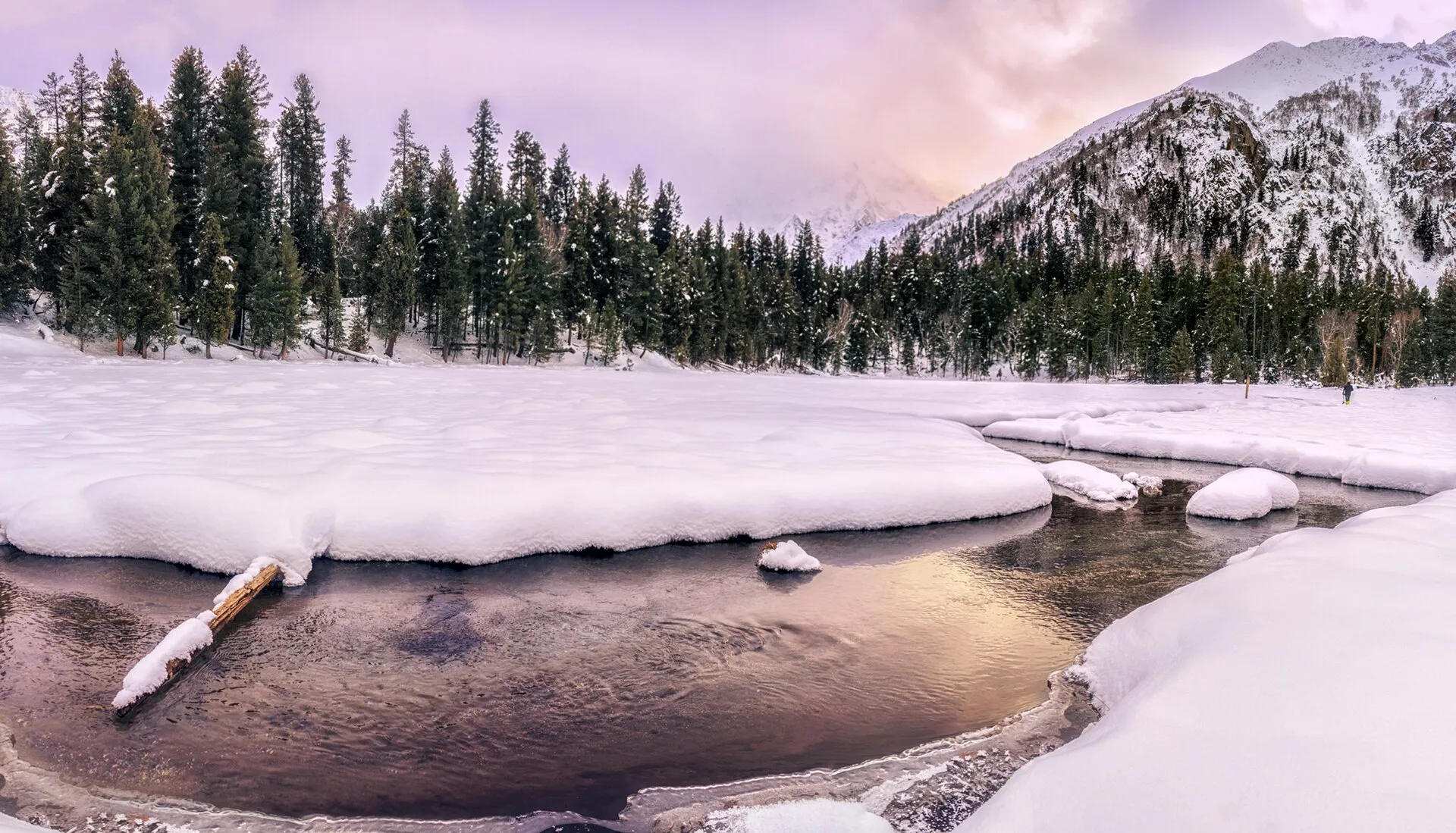
Tempoh perkhemahan sepadan dengan musim terbuka padang rumput, lebih kurang Mei atau Jun hingga September atau Oktober, dengan malam paling hangat dan paling stabil jatuh pada Julai dan Ogos. Laluan dan padang rumput ditutup di bawah salji sepanjang musim sejuk, jadi tiada perkhemahan luar musim di sini. Sasarkan tengah-tengah musim panas jika malam sejuk menjadi kebimbangan.
Awal dan lewat musim memberi ganjaran kepada pengkhemah yang bersedia: lebih sedikit khemah di rumput, udara lebih tajam dan kemungkinan sebenar fros di atas penutup khemah pada kedua-dua hujung musim. Pertengahan musim panas lebih sibuk tetapi lebih hangat dan memberikan rangkaian terpanjang malam cerah dan gelap, iaitu apa yang kebanyakan pengkhemah datang untuknya.
Berkhemah, Kotej atau Perjalanan Keluarga?
Ini ialah versi bawah khemah, dengan khemah di padang rumput dan bermalam di bawah bintang. Jika anda lebih suka bumbung yang kukuh, pendakian Fairy Meadows klasik kami bermalam di kotej. Membawa anak-anak atau datuk nenek? Versi keluarga menggunakan kuda dan rentak yang lebih mudah. Ketiga-tiganya sampai ke titik pemandangan yang sama di bawah Nanga Parbat; perbezaannya terletak pada tempat anda bermalam dan sebanyak mana anda berjalan.
Mengapa Tempah Dengan Kami
Berkhemah di tempat tinggi hanya berjaya apabila kelengkapan betul dan kakitangan mengenali kawasan, dan kami telah menjalankan perjalanan berkhemah di Fairy Meadows sejak 2015. Kami membawa khemah bertaraf ekspedisi dan kelengkapan tidur yang panas, mendirikan perkhemahan yang betul dengan khemah makan dan khemah tandas berbanding membiarkan anda hidup susah, dan tukang masak kami menyediakan hidangan panas di atas api setiap hari. Pemandu yang tinggal di pergunungan ini membaca cuaca petang dan menguruskan api serta kumpulan. Kami berkata jelas bahawa malamnya sejuk dan langit tidak mempamerkan keindahan sesuka hati, kerana pengkhemah yang tahu apa yang bakal datang mendapat perjalanan yang lebih baik.
Termasuk Dalam Pakej
Tidak Termasuk
Soalan Lazim
Adakah anda menyediakan khemah dan kelengkapan tidur?
Adakah anda menyediakan khemah dan kelengkapan tidur?
Sesejuk mana berkhemah di Fairy Meadows?
Sesejuk mana berkhemah di Fairy Meadows?
Adakah berkhemah di Fairy Meadows selamat?
Adakah berkhemah di Fairy Meadows selamat?
Bolehkah saya melihat Bima Sakti dan bintang dengan jelas?
Bolehkah saya melihat Bima Sakti dan bintang dengan jelas?
Bagaimana saya sampai ke tapak perkhemahan?
Bagaimana saya sampai ke tapak perkhemahan?
Bilakah masa terbaik untuk berkhemah di sini?
Bilakah masa terbaik untuk berkhemah di sini?
Adakah tandas dan kemudahan membasuh tersedia?
Adakah tandas dan kemudahan membasuh tersedia?
Adakah berkhemah lebih baik daripada kotej?
Adakah berkhemah lebih baik daripada kotej?
Bacaan Berkaitan
Bersedia untuk Pengembaraan Seterusnya?
Sertai komuniti penjelajah kami dan temui perjalanan seumur hidup. Pasukan pakar kami sedia membantu anda merancang ekspedisi sempurna anda.