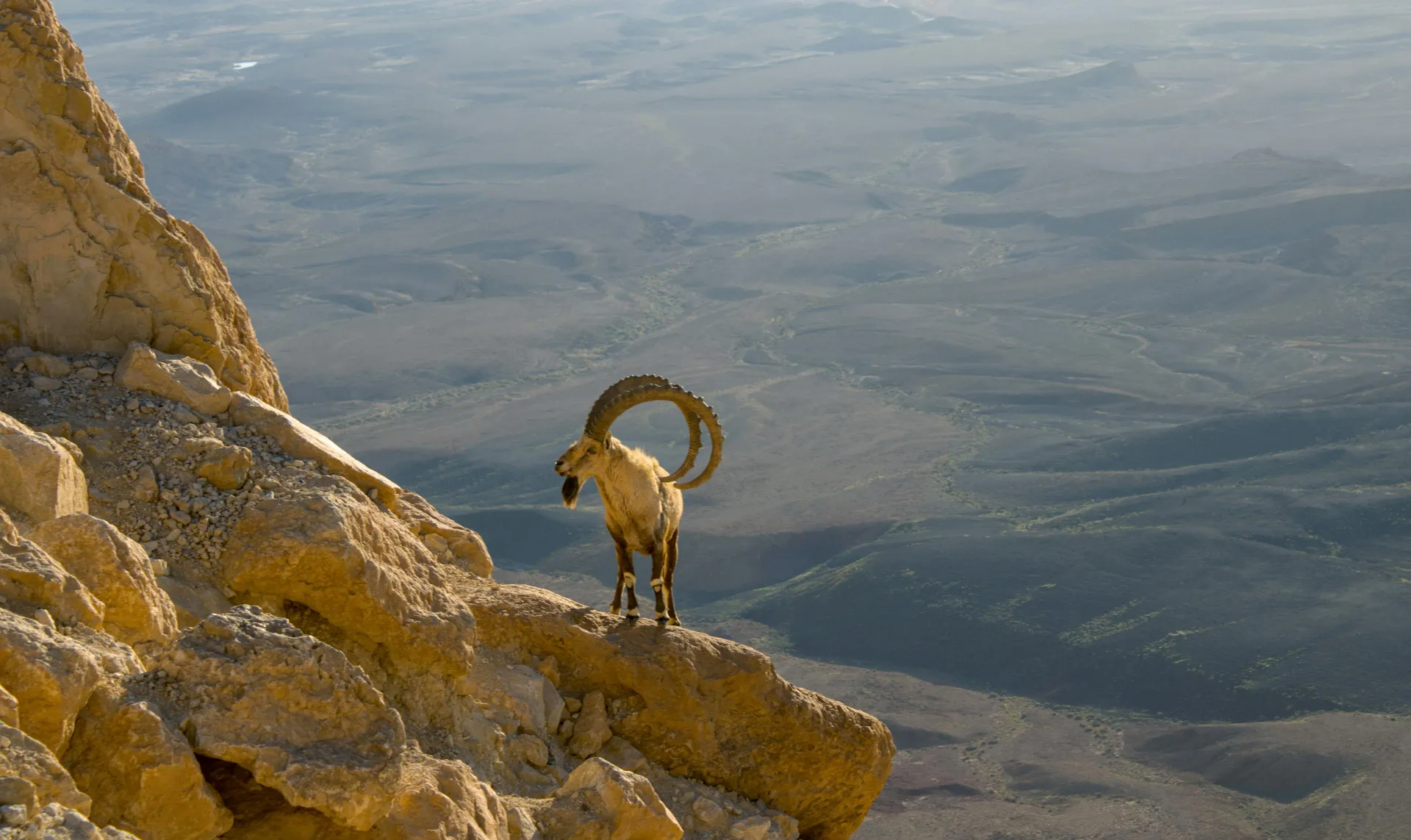
Memburu Ibex
Memburu Saudara Markhor: Ekspedisi Ibex Himalaya di Kawasan Memburu Tertinggi di Dunia
Kemas kini terakhir:
Gambaran Keseluruhan
Banjaran Karakoram dan Hindu Kush di Pakistan utara menyimpan salah satu populasi kambing liar paling mengagumkan di dunia, Ibex Himalaya dan Siberia. Permit dikeluarkan oleh pihak berkuasa hidupan liar Pakistan kepada bilangan pemburu yang terhad setiap musim, memastikan pemburuan trofi berasaskan pemuliharaan yang secara langsung membiayai program komuniti tempatan dan rondaan anti-pemburuan haram.
Buruan
Ibex Himalaya (Capra sibirica)
Sehingga 150 cm di bahu
140 cm+Rekod panjang tanduk melebihi 140 cm
Zon utama: Gilgit-Baltistan, Chitral, AJK
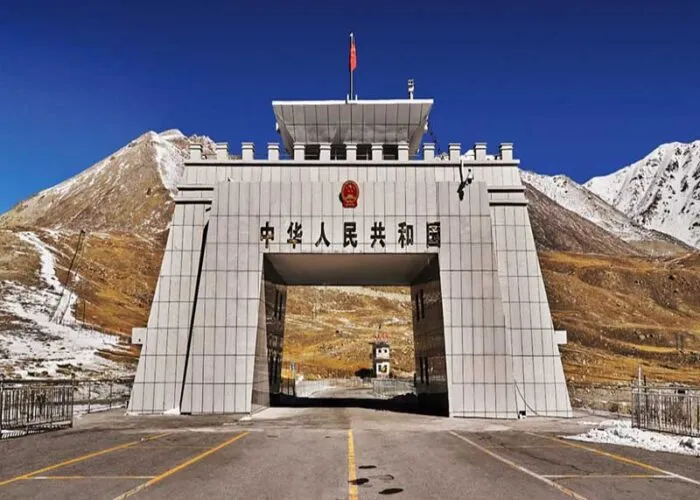
Zon Memburu
Termasuk Dalam Pakej
- Permit trofi kerajaan (diuruskan)
- Pemandu memburu & penjejak tempatan profesional
- Pengangkutan 4×4 ke kawasan memburu
- Persediaan kem altitud tinggi & sokongan porter
- Bermalam di hotel bandar sebelum memburu
- Semua hidangan semasa ekspedisi
- Penyediaan lapangan / penyediaan trofi
- Bantuan dokumentasi eksport
Kalendar Musim
Bulan yang diserlahkan menunjukkan musim pemburuan kemuncak (Oktober hingga Mac)
Nota Pemuliharaan
Model pemburuan trofi berasaskan komuniti Pakistan menyalurkan peratusan besar semua yuran permit dan ekspedisi ke dalam dana pemuliharaan kampung. Dana ini menyokong rondaan anti-pemburuan haram, pemulihan habitat, dan program sara hidup lestari untuk komuniti tempatan.
Pemburuan Trofi & Sistem Permit
Pemburuan trofi ibex Himalaya di Pakistan dikawal selia oleh Gilgit-Baltistan Forest, Wildlife & Environment Department, yang melelong jumlah permit yang terhad setiap tahun. Lelong permit biasanya berlangsung pada September atau Oktober, dengan permit pemburuan untuk ibex Himalaya berkisar antara $10,000 hingga $13,000 bergantung pada zon pemburuan dan permintaan.
Musim pemburuan ibex rasmi di Pakistan berlangsung dari Oktober hingga Mac, dengan Disember dan Januari dianggap sebagai bulan kemuncak. Dalam tempoh ini, jantan matang turun ke kawasan yang lebih rendah, menjadikannya lebih mudah diakses oleh pemburu sementara keadaan sejuk dan cerah menawarkan jarak penglihatan yang sangat baik untuk pemburuan spot-and-stalk.
Hanya jantan matang dibenarkan diburu, memastikan populasi pembiakan kekal kukuh. Dengan pengesan tempatan berpengalaman dan penganjur profesional, pemburuan ibex di Pakistan menikmati kadar kejayaan hampir 100%. Seekor jantan dengan tanduk 40+ inci dianggap trofi yang baik; tanduk yang berukuran 44 hingga 45 inci atau lebih adalah luar biasa dan sangat diidamkan oleh pemburu antarabangsa.
Model Pemuliharaan Komuniti
Program pemburuan trofi berasaskan komuniti Pakistan, yang pertama kali diluluskan pada 1993, diiktiraf di seluruh dunia sebagai model pengurusan sumber asli berasaskan komuniti (CBNRM). Program ini telah mengubah cara komuniti tempatan berinteraksi dengan hidupan liar, menjadikan bekas pemburu haram sebagai pemulihara yang berdedikasi.
Di bawah sistem ini, 80% hasil permit diberikan secara langsung kepada komuniti tempatan. Kampung-kampung membentuk Kawasan Pemuliharaan Komuniti (CCA) dan menggunakan dana tersebut untuk membina sekolah, menubuhkan kemudahan penjagaan kesihatan, mengupah rondaan anti-pemburuan haram, dan membangunkan infrastruktur tempatan. Baki 20% menyokong pengurusan hidupan liar kerajaan dan program pemantauan.
Sejak program ini bermula, populasi ibex telah pulih dengan ketara di kawasan yang diuruskan di seluruh Gilgit-Baltistan dan Chitral. Kisah kejayaan paling terkenal ialah markhor, haiwan kebangsaan Pakistan, yang dinaik taraf daripada Terancam kepada Hampir Terancam berkat pemburuan trofi berasaskan komuniti. Pada 2025, satu permit pemburuan markhor terjual dengan rekod $370,000, menunjukkan nilai pemuliharaan luar biasa model ini.
Pengalaman Pemburuan: Rupa Ekspedisi Biasa
Ekspedisi pemburuan ibex anda bermula dengan penerbangan ke Islamabad, diikuti dengan pemanduan pemandangan indah atau penerbangan domestik ke Gilgit atau Chitral. Dari sana, kenderaan 4x4 membawa anda ke kampung pangkalan terdekat dengan zon pemburuan yang diperuntukkan. Pendekatan terakhir adalah dengan berjalan kaki, mendaki bersama porter dan pengesan tempatan berpengalaman ke pergunungan pada ketinggian 3,000 hingga 4,500 meter.
Kaedah pemburuan ialah spot-and-stalk merentasi rupa bumi yang lasak dan berbatu. Pemandu meninjau garis rabung dan padang ragut tinggi pada waktu subuh dan senja, mengesan kawanan ibex sebelum merancang pendekatan yang berhati-hati. Setelah seekor jantan trofi matang dikenal pasti, pengintaian bermula, sering memerlukan kesabaran dan pergerakan berhati-hati merentasi cerun curam.
Pemburuan biasanya mengambil masa 5 hingga 8 hari di lapangan. Semasa musim kemuncak Disember dan Januari, jangkakan keadaan sejuk dengan suhu menurun hingga -15°C, langit cerah, dan salji di altitud yang lebih tinggi. Pemburu harus mempunyai kecergasan yang munasabah untuk mendaki pada altitud, walaupun kadarnya stabil dan bukan memenatkan. Kehidupan di kem selesa, dengan makanan hangat dan khemah berpemanas disediakan oleh pasukan sokongan anda.
Gabungkan Pemburuan Anda
Pakistan menawarkan peluang pemburuan gabungan yang cemerlang untuk pemburu antarabangsa yang berkunjung. Gabungan paling popular ialah ibex Himalaya + Blanford Urial, membolehkan anda memburu dua spesies berbeza merentasi rupa bumi yang berlainan dalam satu ekspedisi. Bagi mereka yang mencari cabaran lebih besar, gabungan ibex + blue sheep tersedia dengan permit sekitar $40,000.
Pemburu juga boleh menggabungkan ekspedisi ibex mereka dengan pemburuan markhor, walaupun permit markhor mempunyai harga premium; harga lelong asas bermula daripada $200,000+ dan telah mencapai $370,000 pada lelong terkini. Untuk landskap yang sama sekali berbeza, Sindh Ibex tersedia di pergunungan gurun selatan Pakistan pada kira-kira $17,500 setiap permit, menawarkan kontras unik kepada pemburuan altitud tinggi di utara.
Soalan Lazim
Berapakah kos pemburuan ibex di Pakistan?
Permit pemburuan trofi kerajaan untuk ibex Himalaya berharga antara $10,000 dan $13,000, bergantung pada zon pemburuan dan keputusan lelong. Selain yuran permit, pakej penganjur (yang merangkumi pemandu, pengangkutan, penginapan, makanan, dan penyediaan trofi) berkisar antara $12,500 hingga $26,000 bergantung pada tahap perkhidmatan dan tempoh ekspedisi.
Bilakah musim pemburuan ibex di Pakistan?
Musim pemburuan ibex rasmi berlangsung dari Oktober hingga Mac. Bulan kemuncaknya ialah Disember dan Januari, apabila ibex turun ke kawasan yang lebih rendah, keadaan sejuk dan cerah, dan jarak penglihatan sangat baik untuk pemburuan spot-and-stalk.
Adakah saya memerlukan permit khas untuk pemburuan ibex?
Ya. Permit pemburuan trofi yang dikeluarkan kerajaan adalah wajib dan dilelong setiap tahun oleh Gilgit-Baltistan Wildlife & Environment Department. Permit adalah khusus mengikut zon dan terhad jumlahnya. Penganjur anda akan menguruskan permohonan permit dan proses lelong bagi pihak anda.
Berapakah kadar kejayaan untuk pemburuan ibex di Pakistan?
Dengan penganjur berpengalaman dan pengesan tempatan, kadar kejayaan untuk pemburuan ibex Himalaya di Pakistan adalah hampir 100%. Populasi ibex sihat di Kawasan Pemuliharaan Komuniti yang diuruskan, dan pemandu mahir tahu dengan tepat di mana hendak mencari jantan trofi matang sepanjang musim.
Bagaimanakah pemburuan trofi membantu pemuliharaan di Pakistan?
Pakistan mengendalikan model pengurusan sumber asli berasaskan komuniti (CBNRM) yang diiktiraf di seluruh dunia, di mana 80% daripada semua hasil permit diberikan secara langsung kepada komuniti tempatan. Dana ini membayar rondaan anti-pemburuan haram, sekolah, penjagaan kesihatan, dan infrastruktur. Sejak program ini bermula pada 1993, populasi ibex dan markhor telah pulih dengan ketara di kawasan yang diuruskan, membuktikan bahawa pemburuan trofi yang dikawal selia adalah salah satu alat pemuliharaan paling berkesan di rantau ini.
Bolehkah saya menggabungkan pemburuan ibex dengan spesies lain?
Ya. Pemburuan gabungan yang popular termasuk ibex Himalaya + Blanford Urial dan ibex + blue sheep (permit sekitar $40,000). Anda juga boleh menggabungkannya dengan pemburuan markhor, walaupun permit markhor bermula daripada $200,000+ pada lelong. Untuk pengalaman yang berbeza, pemburuan Sindh Ibex tersedia di selatan Pakistan pada kira-kira $17,500 setiap permit.
Pertanyaan Tentang Memburu Ibex
Bersedia untuk Pengembaraan Seterusnya?
Sertai komuniti penjelajah kami dan temui perjalanan seumur hidup. Pasukan pakar kami sedia membantu anda merancang ekspedisi sempurna anda.