Festivals of Pakistan: Kalash & Shandur Polo | Go With Guide
Home Explore Tours Skardu Tours
K2 Treks Trending Treks High Passes All Treks
8000m Peaks 7000m Peaks 6000m Peaks High Passes
Trekking Cultural Tours Family Holidays Luxury Tours
International Travelers
Cycle Touring Eco Tourism Motorcycle Touring Mountain Passes Festivals of Pakistan
Ibex Hunting Snow Leopard About Us Vehicles Contact FAQs Blog
Plan Your Trip
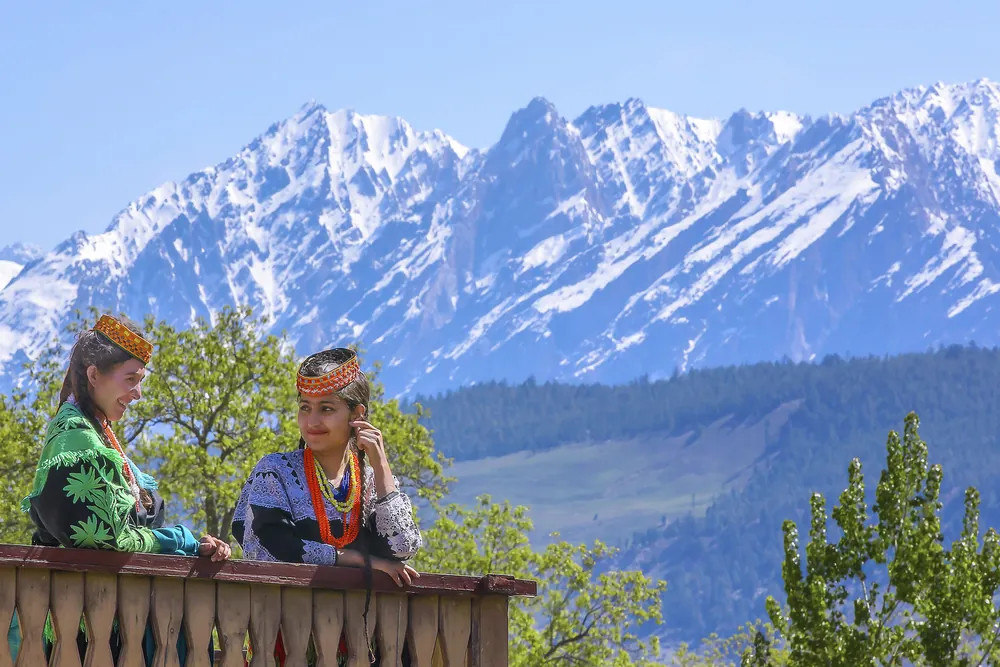
Kalash Valley festival celebrations

Festivals of Pakistan

Kalash spring rites, Shandur polo and Silk Road celebrations in the mountains

Last updated:
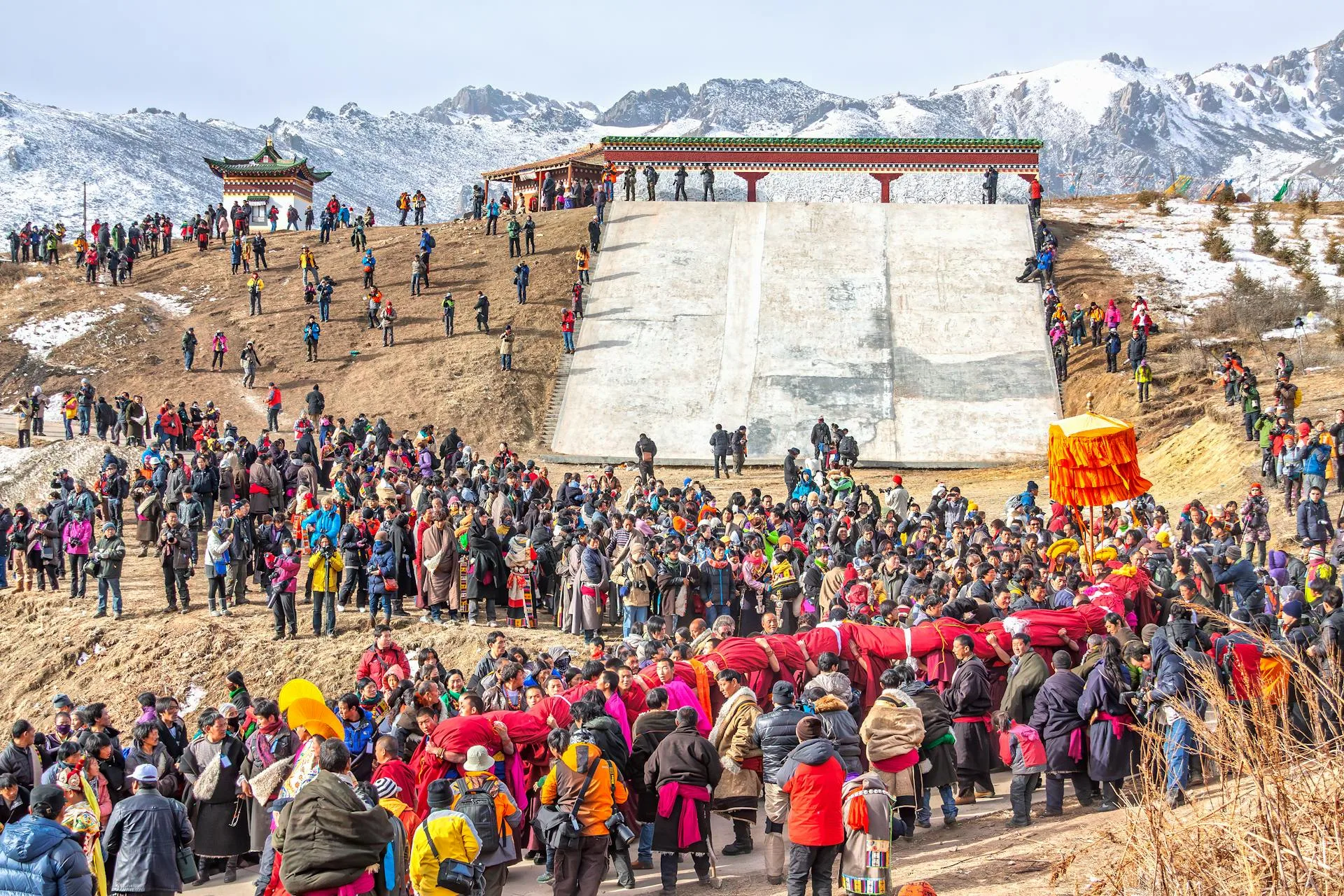
Crowd gathered for the Kalash Chilam Joshi festival in the mountains of Chitral

The mountain north keeps a festival calendar unlike anywhere else in Pakistan, and timing a trip to land on one turns a good tour into a great one. The headline events are the rites of the Kalash, the small non-Muslim community of three valleys in Chitral, whose spring, summer and winter festivals are working religious ceremonies rather than shows staged for visitors.

Beyond the Kalash, the calendar runs from the freestyle polo tournament on the Shandur plateau in June, the highest polo ground on earth, to the harvest and Silk Road celebrations of Hunza and Gilgit in autumn, to the Persian new year of Navroz that the Ismaili communities mark each March. Each one is a window into a culture that the scenery alone can only hint at.

Most of these dates move year to year, set by lunar reckoning, sun-watching elders or provincial scheduling, so the single most useful thing we do is confirm them before you commit. The festival calendar below lays out what falls when, and the tours beneath it are timed to put you in the right valley on the right day.

Festival Tours
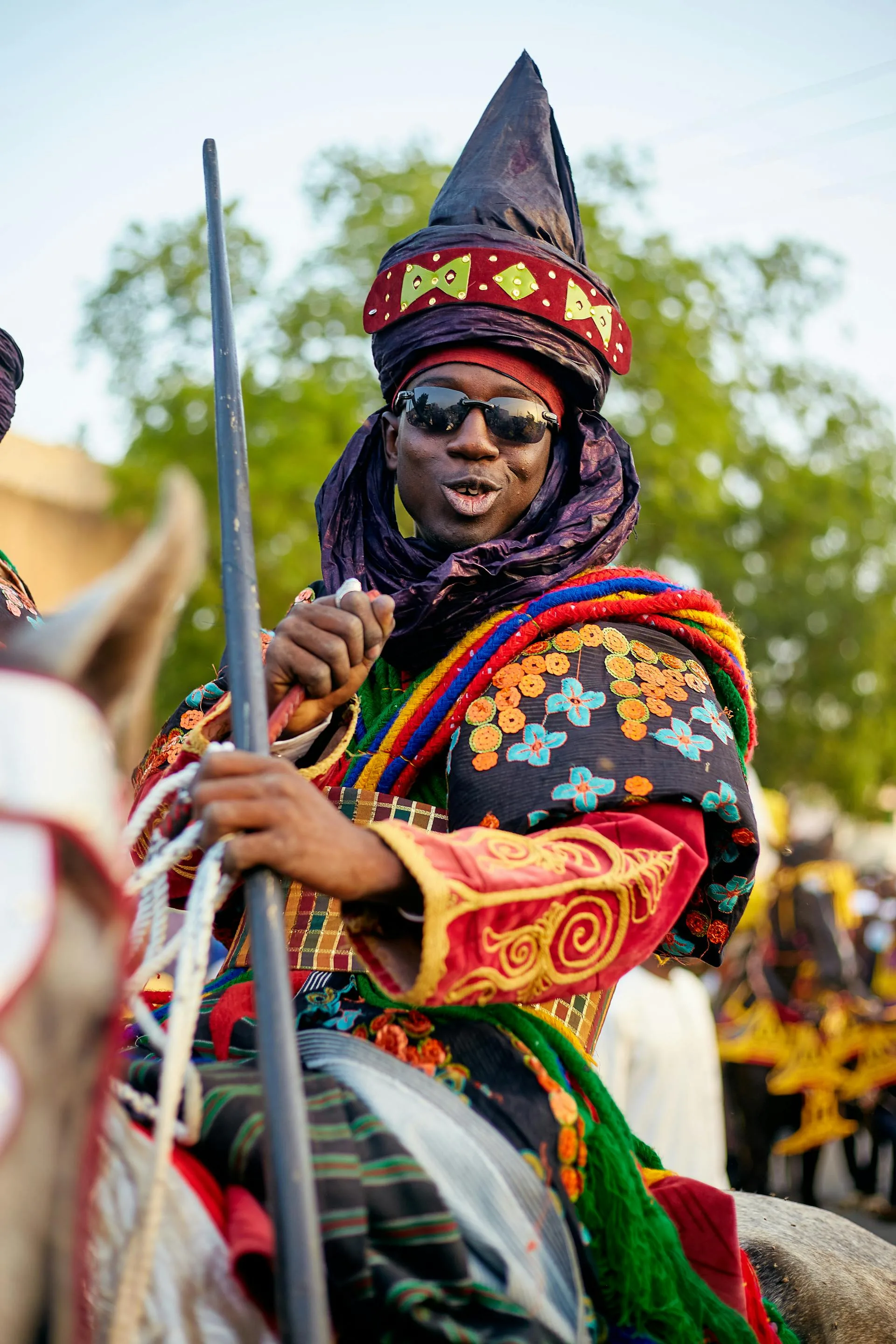
Chilam Joshi FestivalEasy
5-7 days

Chilam Joshi Festival

The Kalash spring festival in mid-May: four days of flower rites, milk libations and massed dancing in the valleys of Chitral.

Kalash Festivals of ChitralEasy-Moderate
7-10 days

Kalash Festivals of Chitral

One tour, all three Kalash festivals: spring Chilam Joshi, summer Uchal and the winter solstice Choimus, with Kalash hosts.

Kalash Valley Cultural ExperienceEasy
6-8 days

Kalash Valley Cultural Experience

The Kalash valleys away from festival crowds: homestays, clan temples and daily life with South Asia's last polytheist community.

Shandur Polo FestivalModerate
5-7 days

Shandur Polo Festival

The freestyle polo tournament on the 3,700 m Shandur plateau each summer, lately in June, Chitral against Gilgit, in a tented village at the top of the world.

Silk Route Festival & Hunza AutumnEasy-Moderate
6-8 days

Silk Route Festival & Hunza Autumn

A Hunza autumn tour timed to the Silk Route Festival when it runs, with golden orchards, forts and artisan bazaars on the Karakoram Highway.

The Kalash Festivals

The Kalash hold three festivals a year. Chilam Joshi in mid-May welcomes spring with flower rites and the year's biggest dancing; Uchal in late August gives thanks for the harvest; and Choimus, around the December solstice, is the holiest, a two-week new year rite for the god Balimain whose first week is closed to outsiders. All three happen in the valleys of Bumburet, Rumbur and Birir.

We run a dedicated Chilam Joshi tour for the spring festival, a combined Kalash festivals tour that can target any of the three, and a quieter cultural experience for travellers who would rather see the valleys without the festival crowds.
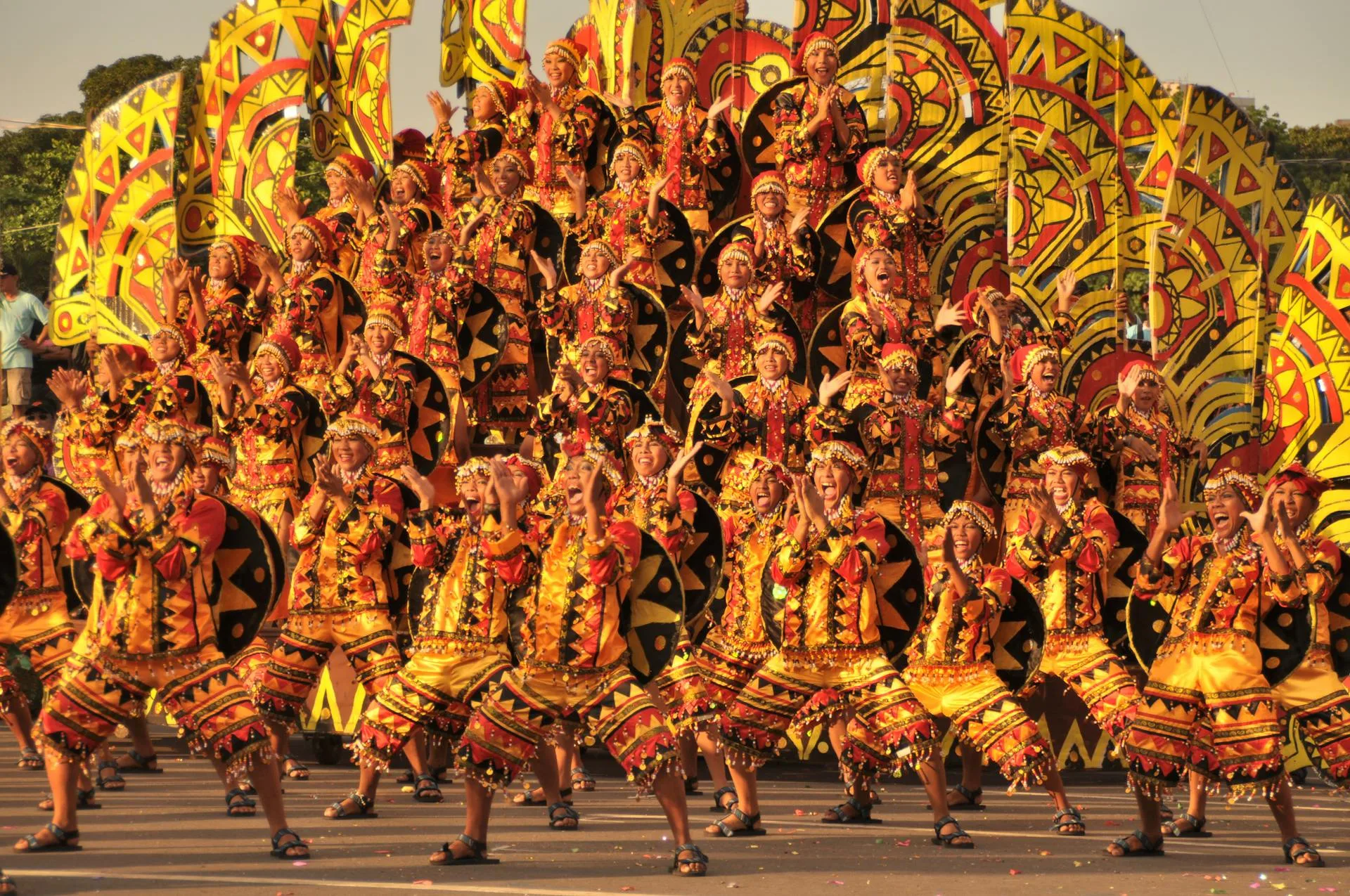
Kalash people in traditional dress dancing at a festival in Chitral

Shandur: Polo at the Top of the World

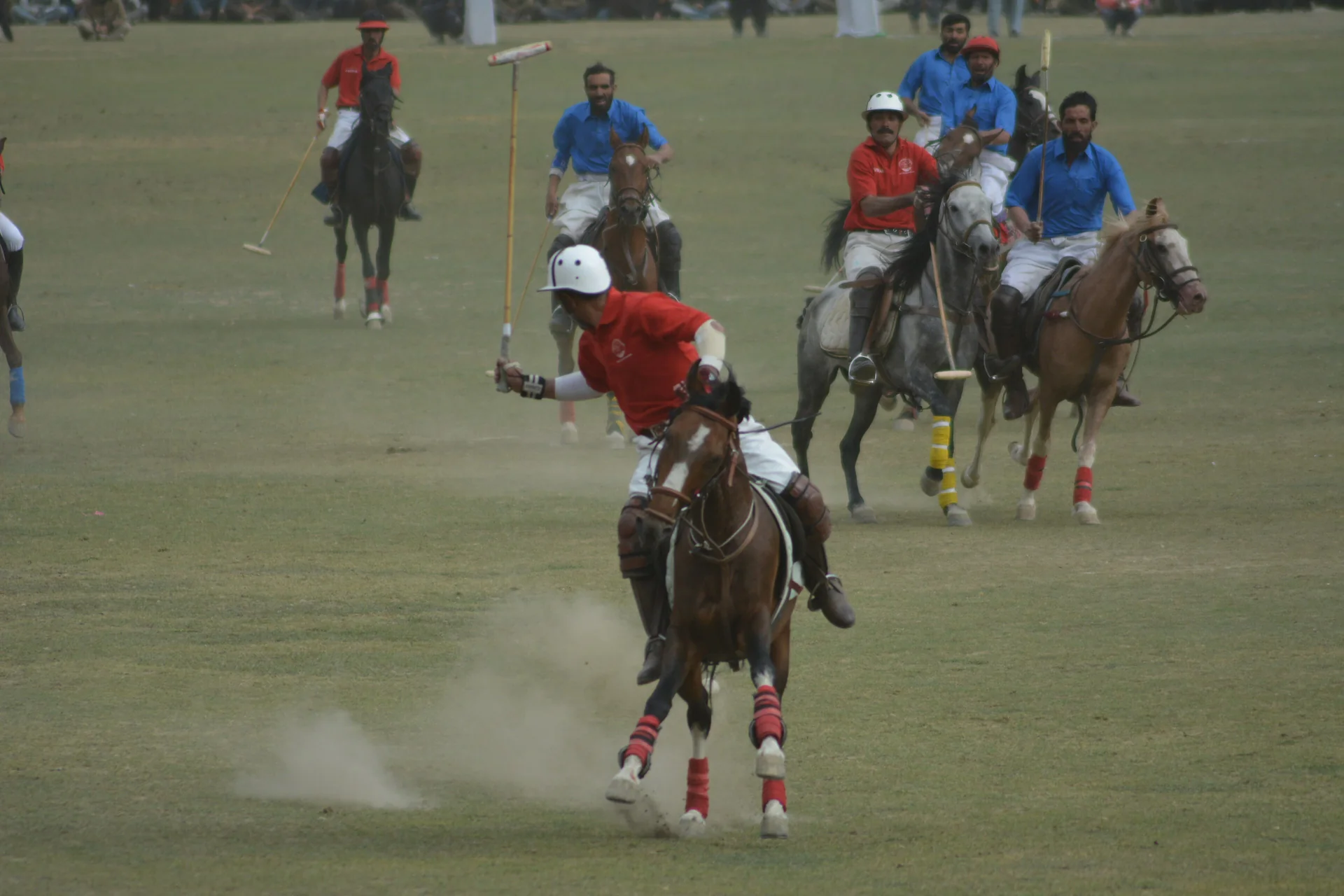
Each summer the Shandur plateau, 3,700 m up between Gilgit and Chitral, hosts a polo tournament that has run since the 1930s. This is freestyle polo with almost no rules, played hard between the teams of Chitral and Gilgit-Baltistan, watched from a tented village pitched on the grass at the top of the pass. It used to fall in early July, but recent editions were held on 20 to 22 June 2025 and 11 to 13 June 2026. The government sets the dates each year, so we confirm them before fixing the trip; our Shandur polo tour covers the festival and the long, spectacular drive to reach it.

The Pakistan Festival Calendar

March brings Navroz, the Persian new year, marked across the Ismaili north. May is Chilam Joshi, the Kalash spring festival and the most visited of all. June is now Shandur, the high polo tournament, which used to fall in early July. August is Uchal, the Kalash harvest rite. Autumn, late September into October, is harvest and Silk Road season in Hunza, the best light of the year. December closes the calendar with Choimus, the Kalash winter solstice. We confirm each year's exact dates before you book.

Frequently Asked Questions

What festivals can tourists attend in Pakistan?

In the mountain north, tourists can attend the three Kalash festivals of Chitral, the Shandur polo tournament and the autumn harvest and Silk Road celebrations of Hunza. The Kalash hold Chilam Joshi in May, Uchal in August and Choimus in December, all in the valleys of Bumburet, Rumbur and Birir. Shandur brings freestyle polo to the 3,700 m plateau between Gilgit and Chitral each summer, in June in recent years. In March the Ismaili communities of the north mark Navroz, the Persian new year. All of these welcome respectful visitors, with a few Kalash rites reserved for the community, including the first week of Choimus. The Silk Route Festival is staged by the Gilgit-Baltistan tourism department in some years and not others, so we treat it as a bonus on a Hunza autumn tour. We run dedicated tours for Chilam Joshi, the Kalash festivals, Shandur polo and Hunza in autumn, each timed to put you in the right valley.

When is the Chilam Joshi festival?

Chilam Joshi runs in mid-May, usually around the 12th to 17th, with the dates set by the Kalash solar calendar. Elders fix them through Suri Jagek, the practice of reading the sun against the ridgelines, which UNESCO inscribed in 2018 as heritage in need of urgent safeguarding. Because the calendar is solar, the festival stays in mid-May every year, but the opening day can shift by a day or two at the elders' word. Over six days the rites build valley by valley: flower decoration of the temple, purification of mothers and newborns, a goat's-milk libation, then the massed dancing of Gonna Joshi near the end. We reconfirm the schedule with our contacts in the valleys about two weeks before departure and adjust the itinerary to match. Our Chilam Joshi tour runs 5 to 7 days from Islamabad. If you are booking international flights, leave a little slack either side in case the opening moves.

Can tourists attend the Kalash festivals?

Yes. The dancing grounds are open to visitors and the Kalash are practised, welcoming hosts, and guests are often pulled into the evening circle dances, especially in Rumbur. The one firm limit is the first week of the December Choimus festival, which is closed to outsiders: it covers purifications, initiations and the declaration of the new year. The second, public week of Choimus is open. A handful of purification rites at other festivals are also for the community only, and your guide will tell you which rites are open. How visitors behave matters, because the festivals draw thousands of people into valleys that are home to about 4,000 Kalash. We follow the rules our hosts set. Ask before photographing anyone, especially women, skip the flash during rituals and give the dancers room. We lodge you in Kalash-run guesthouses so your money goes to the families holding the festival.

When is the Shandur polo festival?

June in recent years, though early July was the traditional slot, on the Shandur plateau at 3,700 m between Gilgit and Chitral. The exact dates are set each year and have shifted in recent seasons: the 2025 festival ran 20 to 22 June and the 2026 edition 11 to 13 June, and the government announces the dates each year. So we confirm the dates before fixing your trip, and we suggest you do not book flights until they are locked. The festival is three days of freestyle polo between Chitral and Gilgit-Baltistan, with folk music, dancing and horse parades around the ground and a tented village pitched on the grass. Polo has been played here as an annual festival since 1936. Our Shandur polo tour drives up the Ghizer valley from Gilgit, camps you in the festival village for the matches and leaves down the Chitral side via Mastuj. Nights at that height are cold even in midsummer.

Where is the Kalash valley?

The Kalash valleys are in Chitral district of Khyber Pakhtunkhwa, in three side valleys called Bumburet, Rumbur and Birir, all reached by jeep from Chitral town. Bumburet, at about 2,000 m, is the largest and most accessible, and it draws the biggest festival crowds. Rumbur, around the village of Grom, is narrower and quieter. Birir, to the south, is the smallest and the most traditional of the three. From Chitral town to Bumburet is 36 km of unpaved jeep track, about two hours up a river gorge. Chitral itself is reached from Islamabad by a 50-minute flight when it operates, or by a 10 to 12 hour drive through Swat, Dir and the Lowari Tunnel. The flight is weather dependent and runs only a few days a week, so we always hold a road plan in reserve. The valleys are home to about 4,000 Kalash, who keep South Asia's last living polytheistic religion.

Which is the biggest festival to visit?

Chilam Joshi, the Kalash spring festival in mid-May, draws the largest crowds and the most colour, and it is the easiest first festival. It lasts six days, with flower rites, milk libations and massed dancing that builds to the Gonna Joshi climax, and Bumburet gets the biggest crowds. Expect several thousand other people to have had the same idea. Shandur in June is the most dramatic setting: freestyle polo on the 3,700 m plateau between Gilgit and Chitral, watched from a tented village. Choimus in December matters most to the Kalash themselves, but it is partly closed to visitors, and the public second week is slow and cold. If you would rather share the dancing ground with hosts than with crowds, Uchal in August is the quiet choice. Our Chilam Joshi tour is built for the spring festival, and our Kalash festivals tour can target any of the three.

Do I need a permit for the festivals?

No. No NOC is required for the Kalash valleys, Chitral or Shandur on a tourist visa. You do register your passport at checkpoints along the way, including the one on the drive from Chitral town up to Bumburet, so keep it within easy reach. For the Kalash valleys you also pay a small community entry fee at the valley gate, which funds Kalash community projects. Both are handled within the tour, and the fee is included in our Kalash tour prices. For Shandur, festival entrance and camping fees are covered in the price of our polo tour. Rules change in this region, and a requirement that disappears one season can come back the next. We check the current position before every departure and tell you straight away if anything new applies to your dates. Your guide deals with the paperwork at each stop, so there is nothing to apply for before you arrive.

What is the best time of year for festivals?

It depends on the festival, since each season has its own. May is the Kalash spring colour of Chilam Joshi, the most visited event of the year. June is now Shandur polo on the high plateau: recent editions ran 20 to 22 June 2025 and 11 to 13 June 2026, though the dates are set each year. Late August brings Uchal, the Kalash harvest rite, with far fewer visitors than May. Late September into October is harvest and Silk Road season in Hunza, with golden poplars and the year's clearest skies. December closes the calendar with Choimus, the Kalash winter solstice festival, where only the second week is open to outsiders and nights fall well below freezing. In March the Ismaili north marks Navroz. Most of these dates move from year to year, set by lunar reckoning, elders watching the sun or provincial scheduling, so we confirm them before you book. Tell us which appeals and we will build the trip around its dates.

Ready for Your Next Adventure?

Join our community of explorers and discover the journey of a lifetime. Our expert team is ready to help you plan your perfect expedition.