Pakistan for International Travelers | Go With Guide
Home
All Tours Cultural Tours Family Holidays Luxury Tours Camping Road Trips
K2 Treks Trending Treks High Passes Trekking Holidays All Treks
8000m Peaks 7000m Peaks 6000m Peaks High Passes
Cycle Touring Eco Tourism Motorcycle Touring Mountain Passes Festivals of Pakistan Ibex Hunting Snow Leopard International Travelers
About Us Vehicles Contact FAQs Blog
Plan Your Trip
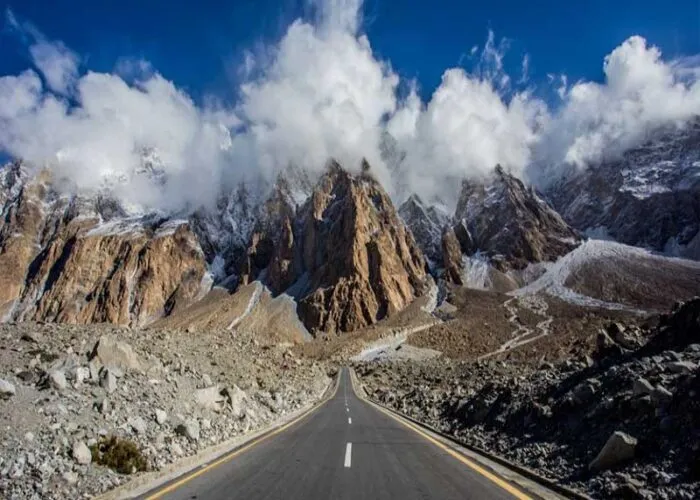
The Karakoram Highway winding through the mountains of northern Pakistan

Pakistan for International Travellers

Visas, safety, seasons and everything else you need to plan the trip

Last updated:
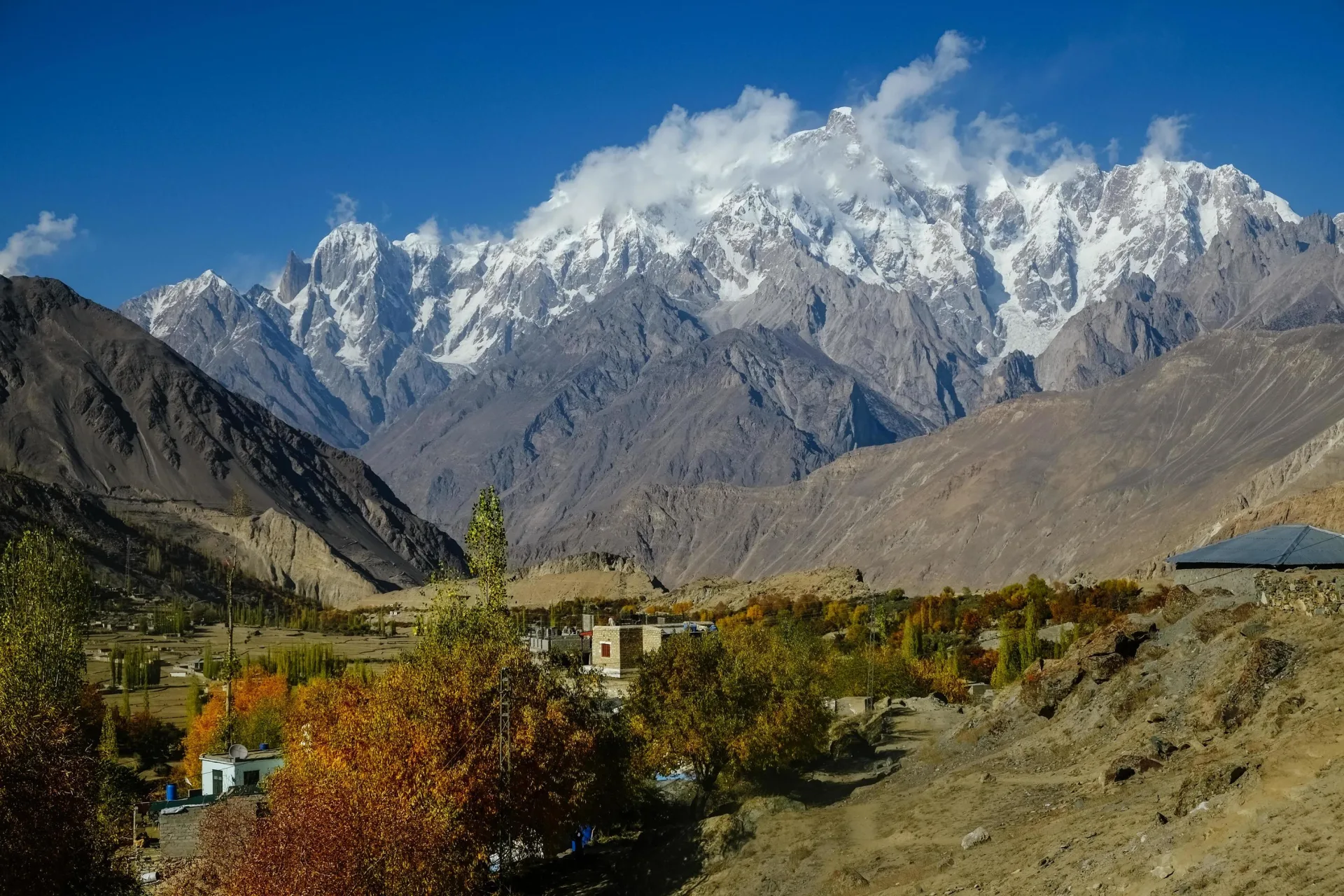
Panoramic view of the Karakoram mountains and valleys in northern Pakistan

Planning a Trip to Pakistan

Pakistan opened up for travellers in 2019, and the mountain north has been the quiet success story of Asian travel ever since. The visa moved online, the old permit regime for Gilgit-Baltistan was scrapped, and valleys that once needed paperwork and an armed escort now welcome independent visitors. What remains is the planning: the visa, the timing, the altitude, and a security picture that is far better than the headlines suggest but still worth understanding.

This page is the practical brief we give our own guests. As a licensed Pakistani tour operator we can issue the invitation letter that the visa application needs, which for several nationalities is the difference between an approval and a refusal. The rest, the seasons, the safe areas, the cash and connectivity realities of the north, we have laid out plainly below.

Pakistan Visa Guide

Submit the online visa application at visa.nadra.gov.pk

Upload your passport copy, photo and invitation letter

Pay the processing fee online

Receive e-visa by email (7 to 10 working days)

Every nationality now applies online in advance through the portal at visa.nadra.gov.pk: visa on arrival and the free visa prior to arrival scheme for 126 nationalities were suspended from 1 January 2026. The standard tourist visa is single-entry and valid for three months, with official processing guidance of seven to ten working days. The application asks for an invitation letter, a sponsor or a hotel booking; an invitation from a licensed operator like us is the most reliable route, and for travellers from the United States, the Gulf and Central Asia it is effectively required. Tell us your nationality and we will confirm what your application needs and issue the letter.

Travel Insurance

We strongly recommend comprehensive travel insurance covering high-altitude trekking and emergency evacuation

Suggested Itineraries

Day 1-2: Arrive Islamabad, city tour, Faisal Mosque

Day 3-4: Drive to Hunza via Karakoram Highway

Day 5-7: Explore Karimabad, Baltit Fort, Eagle's Nest viewpoint

Day 8-9: Passu Cones, Attabad Lake boating

Day 10-11: Skardu, Shangrila Resort, Upper Kachura Lake

Day 12-13: Deosai Plateau, Satpara Lake

Day 14: Return to Islamabad, departure

Week 1: Islamabad → Hunza Valley → Passu → Khunjerab Pass (China border)

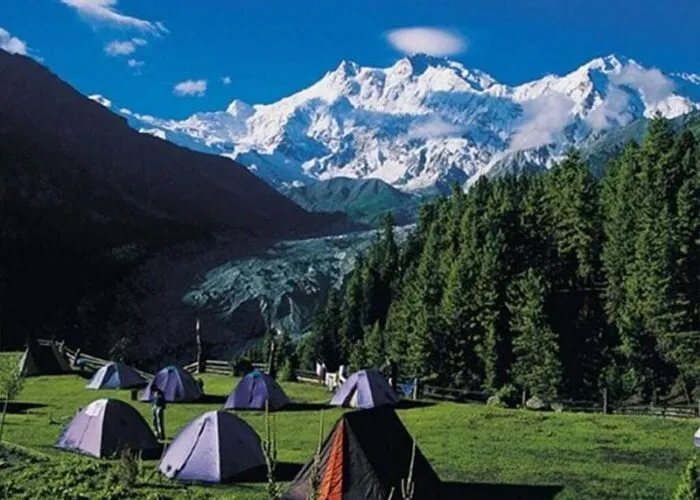
Week 2: Skardu → Deosai → Fairy Meadows → Nanga Parbat Base Camp

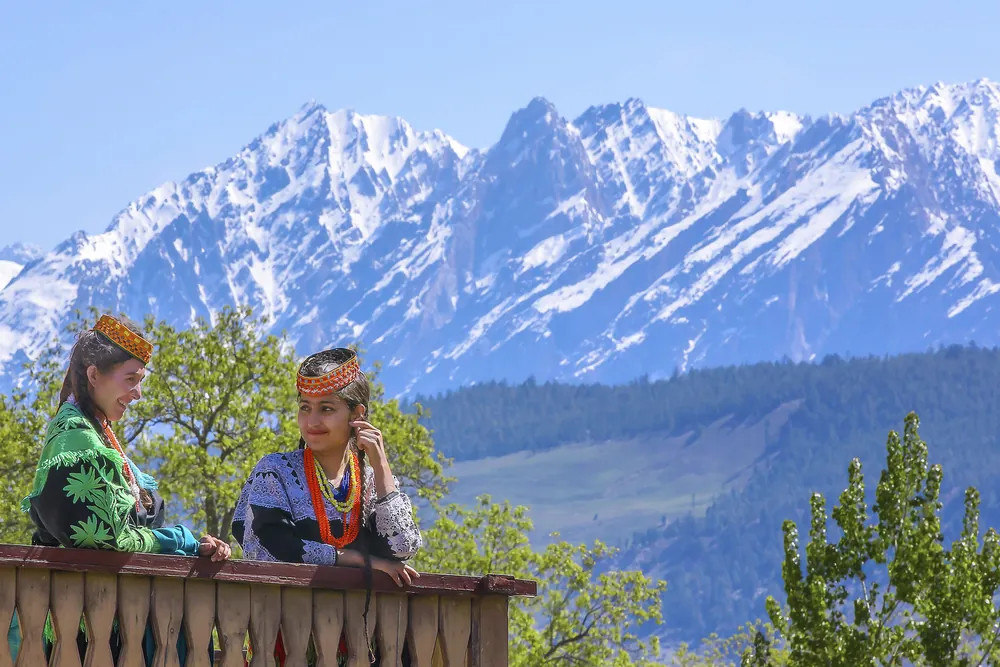
Week 3: Chitral → Kalash Valley → Shandur Pass → Lahore → Departure

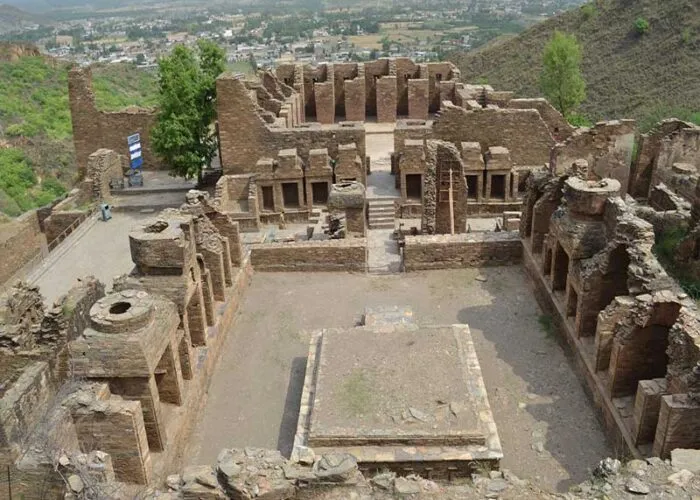
Week 1: Islamabad → Taxila → Hunza → Passu → Khunjerab

Week 2: Shimshal Valley → Skardu → Deosai

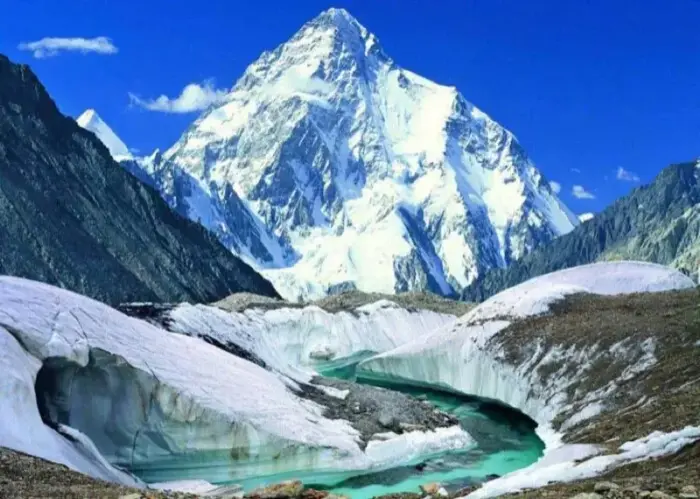
Week 3: K2 Base Camp Trek (16 days) or Snow Lake Trek

Week 4: Chitral → Kalash → Swat Valley → Lahore → Departure

Best-Seller Tours
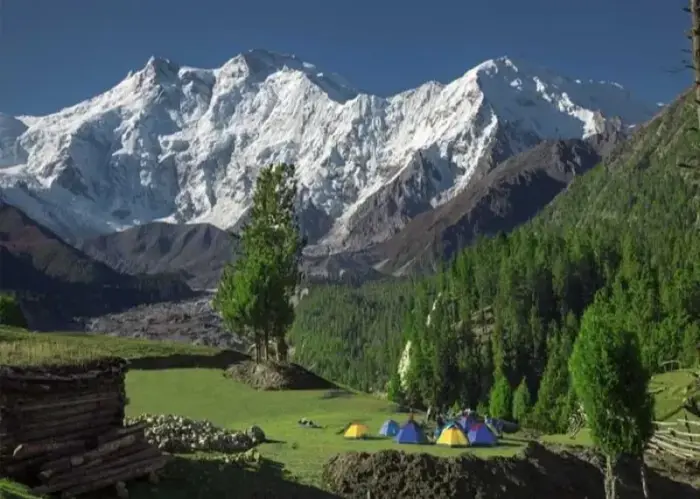
Hunza ValleyEasy

Hunza Valley Explorer

K2 Base CampExtreme

K2 Base Camp Trek

Kalash FestivalModerate

Kalash Festival Experience

Nanga ParbatExtreme

Nanga Parbat Trek

Is Pakistan Safe to Visit?

For the mountain north, yes, and the gap between reputation and reality is wide. Hunza, Skardu, Gilgit and the Kalash valleys see thousands of foreign visitors a year and record essentially no tourist security incidents; these are among the safest places to travel in South Asia, with a famously warm welcome. The areas that genuinely warrant caution, Balochistan, much of the Afghan border, and the Line of Control in Kashmir, are nowhere near the tourist routes.

One honest caveat shapes how we route trips: several governments advise against road travel on the stretch of the Karakoram Highway between Mansehra and Chilas, which is the main overland approach to Gilgit-Baltistan. We plan around it, flying Islamabad to Gilgit or Skardu when the weather allows, or using the Babusar Pass bypass in summer, so you skip the flagged section entirely.
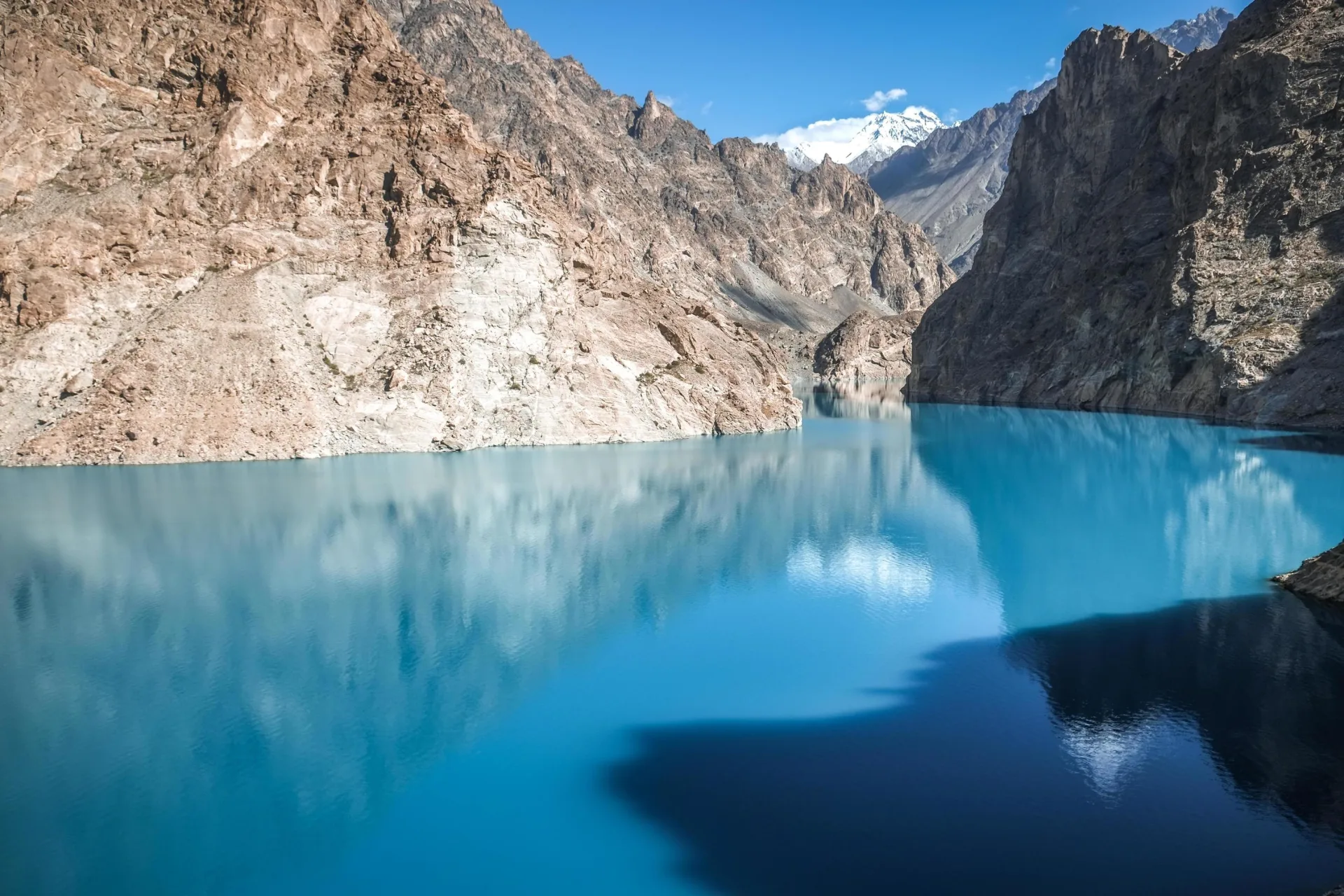
Turquoise Attabad Lake amid the mountains of the Hunza Valley, northern Pakistan

Best Time to Visit

The main season for the northern mountains runs May to October. June to August is warmest and gives the fullest access to the high valleys and lakes, at the cost of domestic crowds in the honeypots. Late September into October is the connoisseur's choice: clear skies, golden orchards and thinning crowds. Winter belongs to skiing at Malam Jabba and snow leopard tracking, while most high passes and upper valleys close under snow. Festival travellers should aim for the Kalash spring rites in May or Shandur polo, held in June in recent years.

Money, SIM Cards and Getting Around

Carry cash in the north. Card acceptance is thin and ATMs in Gilgit-Baltistan are unreliable, so draw the rupees you will need in Islamabad before you head up. For a local SIM you need your passport and visa and a quick biometric registration; SCOM, sold only in GB, and Jazz give the best signal in the mountains, though any signal vanishes on the higher treks. The gateway airport is Islamabad, and the domestic flights to Gilgit and Skardu are spectacular but weather-dependent and cancel often, which is why every itinerary we run keeps a road plan in reserve.

Health, Altitude and Insurance

Hepatitis A and typhoid vaccinations are commonly advised, hepatitis B often added, and because Pakistan remains polio-endemic you may be asked for proof of polio vaccination on exit. Altitude is the real day-to-day health factor on mountain trips: we build in gradual acclimatisation, keep climb rates sensible and watch for symptoms, but you should arrive rested and hydrated. The one non-negotiable is travel insurance that explicitly covers high-altitude trekking and helicopter evacuation. Standard policies exclude both, and in these mountains a helicopter is sometimes the only way down.

Culture and Etiquette

Pakistan is a conservative, hospitable country, and a little respect goes a long way. Dress modestly, especially away from the liberal Hunza and Kalash areas; a scarf is useful for women at mosques and in bazaars. Ask before photographing people, and never photograph women without clear permission. Alcohol is restricted and best left alone outside the Kalash valleys, where it is part of local custom. During Ramadan, eat and drink discreetly in daylight. None of this is onerous, and the warmth you get back for observing it is the thing most visitors remember.

Frequently Asked Questions

Do I need a visa to visit Pakistan?

Yes. Every nationality now applies online in advance at visa.nadra.gov.pk for a single-entry tourist visa valid for three months; visa on arrival was suspended from 1 January 2026, so do not plan on getting one at the airport. The online application asks for a passport copy, a photo and an invitation letter, sponsor or hotel booking, and you pay the processing fee online before the e-visa arrives by email. As a licensed operator we issue the invitation letter the application needs. That is the most reliable route, and for travellers from the United States, the Gulf and Central Asia it is effectively required. Tell us your nationality and we will confirm what your application needs and issue the letter. Apply well ahead of your flights, because official processing takes 7 to 10 working days and you will want the e-visa in hand before you fly.

Can you help with the visa invitation letter?

Yes, and that is one reason to book with a licensed Pakistani operator. The online application at visa.nadra.gov.pk asks for an invitation letter, a sponsor or a hotel booking, and an invitation from a licensed operator like us is the most reliable of the three. For travellers from the US, the Gulf and Central Asia it is effectively required for approval, and for several nationalities it is the difference between an approval and a refusal. We issue the letter you need, and you upload it with your passport copy and photo before paying the processing fee online. Send us your nationality when you first get in touch and we will confirm what your application needs. Everyone now applies for the e-visa online in advance, as visa on arrival was suspended from 1 January 2026.

Is Pakistan safe for tourists?

The mountain north is very safe. Hunza, Skardu, Gilgit and the Kalash valleys see thousands of foreign visitors a year and record essentially no tourist security incidents, and the welcome is famously warm. The areas that genuinely warrant caution are Balochistan, much of the Afghan border and the Line of Control in Kashmir, and none of them are near the tourist routes. There is one honest caveat. Several governments advise against road travel on the stretch of the Karakoram Highway between Mansehra and Chilas, which is the main overland approach to Gilgit-Baltistan. We route around it, flying from Islamabad to Gilgit or Skardu when the weather allows, or using the Babusar Pass bypass in summer, so you skip the flagged section entirely. In the mountains the bigger practical risks are altitude and weather, which is why we build in acclimatisation and spare days.

Do I need a permit (NOC) for Gilgit-Baltistan?

No. The NOC requirement for Gilgit-Baltistan was abolished in 2019, so Hunza, Skardu, Gilgit, Chitral and Fairy Meadows need no special permit on a tourist visa. That change, along with the move to an online visa, is what opened valleys that once needed paperwork and an armed escort to independent travellers. A few border zones remain restricted, and climbing peaks above 6,500 m needs a separate mountaineering permit. Some treks also enter restricted areas: K2 base camp and Concordia need a trekking permit, while shorter routes such as Barah Broq and Machulo La sit in the open zone. You will still pass army check posts on some roads, where passports and visas are recorded, so carry photocopies of both. If your route does need a permit, we arrange it for you as part of planning the trip.

Is it safe for solo female travellers?

Many solo women travel the mountain north and report feeling safe and welcomed, particularly in liberal Hunza and the Kalash valleys, and Hunza and Skardu are often described as easy places to move around. Pakistan is a conservative, hospitable country, so a little care goes a long way. Dress modestly, especially away from Hunza and Kalash, and carry a scarf for mosques and bazaars. In homestay valleys we can pair you with women hosts where you prefer. Travelling with trusted drivers and guides keeps things simple, and our routing avoids the one stretch of the Karakoram Highway that several governments flag. Ask before photographing people, and never photograph women without clear permission. During Ramadan, eat and drink discreetly in daylight. Before you go, check your own government's current travel advice for the regions you plan to visit.

When is the best time to visit Pakistan?

May to October is the season for the mountains, with late September and October the sweet spot for clear skies, golden orchards and thinning crowds. June to August is the warmest stretch and gives the fullest access to the high valleys and lakes, though the best-known spots fill with domestic tourists. In winter most high passes and upper valleys close under snow, and the season belongs to skiing at Malam Jabba and snow leopard tracking. If culture is your draw, time the trip to a festival: the Kalash spring rites fall in May and the Shandur polo festival has been held in June in recent years. Lahore and the cultural south are better from October to March, when the plains are cool rather than scorching. Tell us what you most want to see and we will suggest the month and the route that suit it.

Do I need travel insurance?

Yes. Your policy must explicitly cover high-altitude trekking and helicopter evacuation, which standard policies exclude. In these mountains a helicopter is sometimes the only way out, so this is the one thing we insist on before a trip. Read the small print for the maximum altitude covered and check it is above the highest point on your itinerary, not just the trailhead. We recommend comprehensive cover that includes medical treatment and emergency evacuation. Altitude is the real day-to-day health factor on a mountain trip: we build in gradual acclimatisation and keep climb rates sensible, but you should arrive rested and hydrated. On health more generally, hepatitis A and typhoid vaccinations are commonly advised, hepatitis B is often added, and because Pakistan remains polio-endemic you may be asked for proof of polio vaccination when you leave.

How do I get to the northern areas?

Fly into Islamabad, the gateway airport, then either take a domestic flight to Gilgit or Skardu or travel by road. The flights are spectacular but weather-dependent and cancel often, so every itinerary we run keeps a road plan in reserve. By road the main approach is the Karakoram Highway. Several governments advise against the section between Mansehra and Chilas, so in summer we use the Babusar Pass bypass to skip it. Skardu is a long two-day drive of around 20 hours from Islamabad. Draw the cash you need in Islamabad before heading up, because ATMs in Gilgit-Baltistan are unreliable and card acceptance is thin. For a local SIM, bring your passport and visa for a quick biometric registration; SCOM, sold only in Gilgit-Baltistan, and Jazz give the best signal in the mountains, though it vanishes on the higher treks.

Ready for Your Next Adventure?

Join our community of explorers and discover the journey of a lifetime. Our expert team is ready to help you plan your perfect expedition.