Pakistan Community Homestay: Hunza Valley | Go With Guide
Home
All Tours Cultural Tours Family Holidays Luxury Tours Camping Road Trips
K2 Treks Trending Treks High Passes Trekking Holidays All Treks
8000m Peaks 7000m Peaks 6000m Peaks High Passes
Cycle Touring Eco Tourism Motorcycle Touring Mountain Passes Festivals of Pakistan Ibex Hunting Snow Leopard International Travelers
About Us Vehicles Contact FAQs Blog
Plan Your Trip
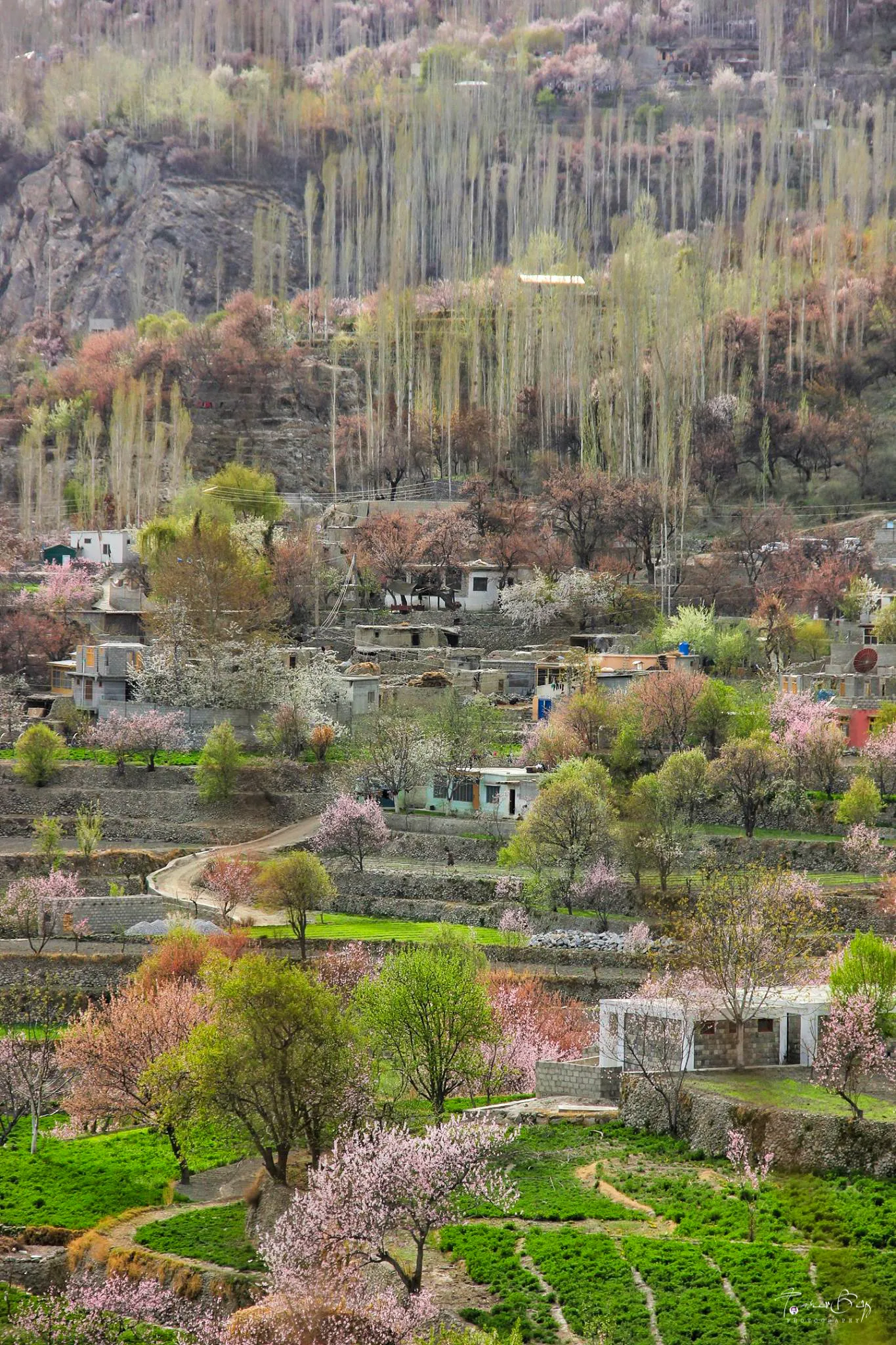
The historic terraced village of Ganish in the Hunza Valley
Back to Tours
Cultural Gilgit-Baltistan

Community Homestay Experience

Authentic Village Life in Hunza, Nagar & Shimshal
The historic terraced village of Ganish in the Hunza Valley
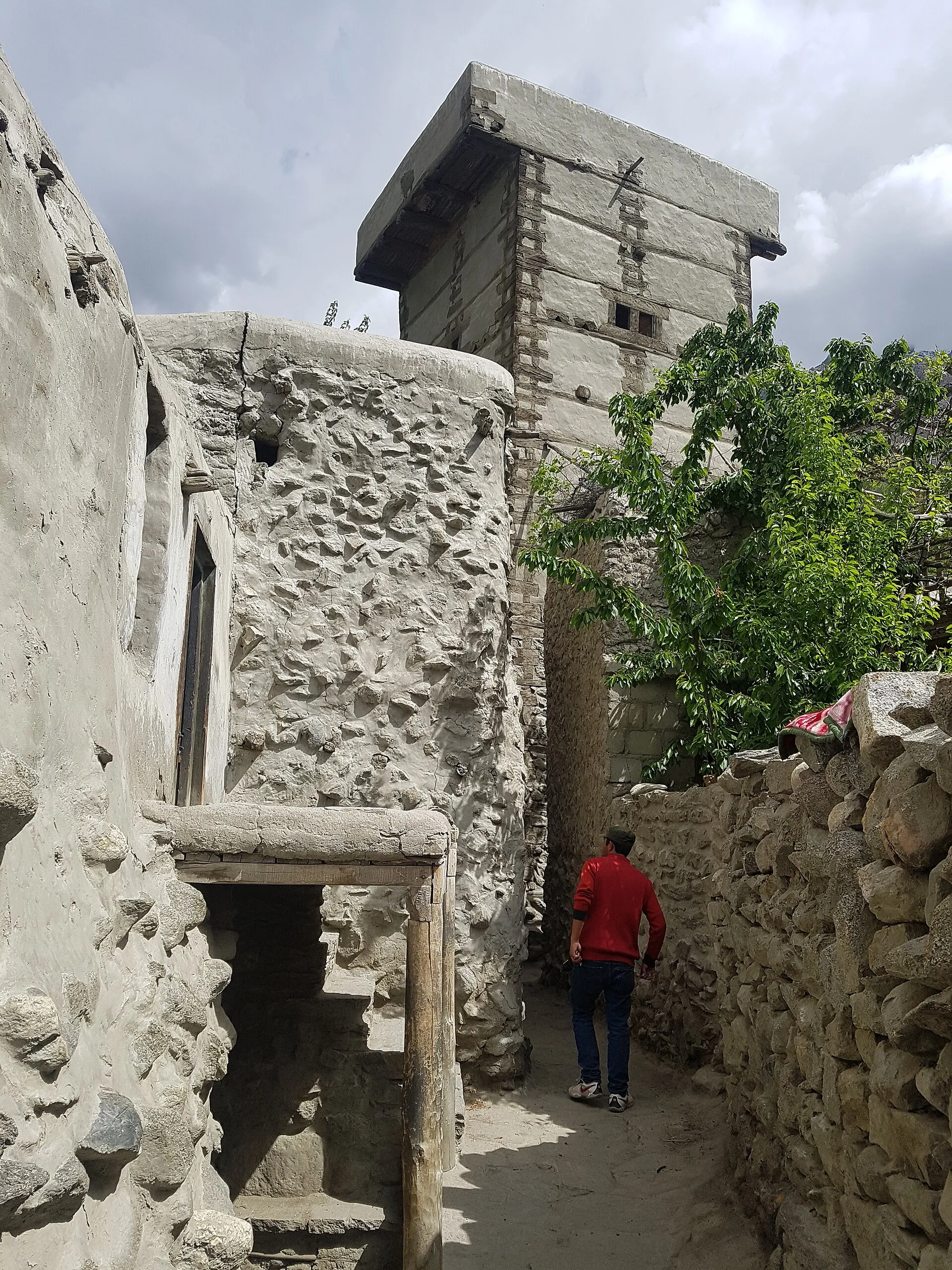
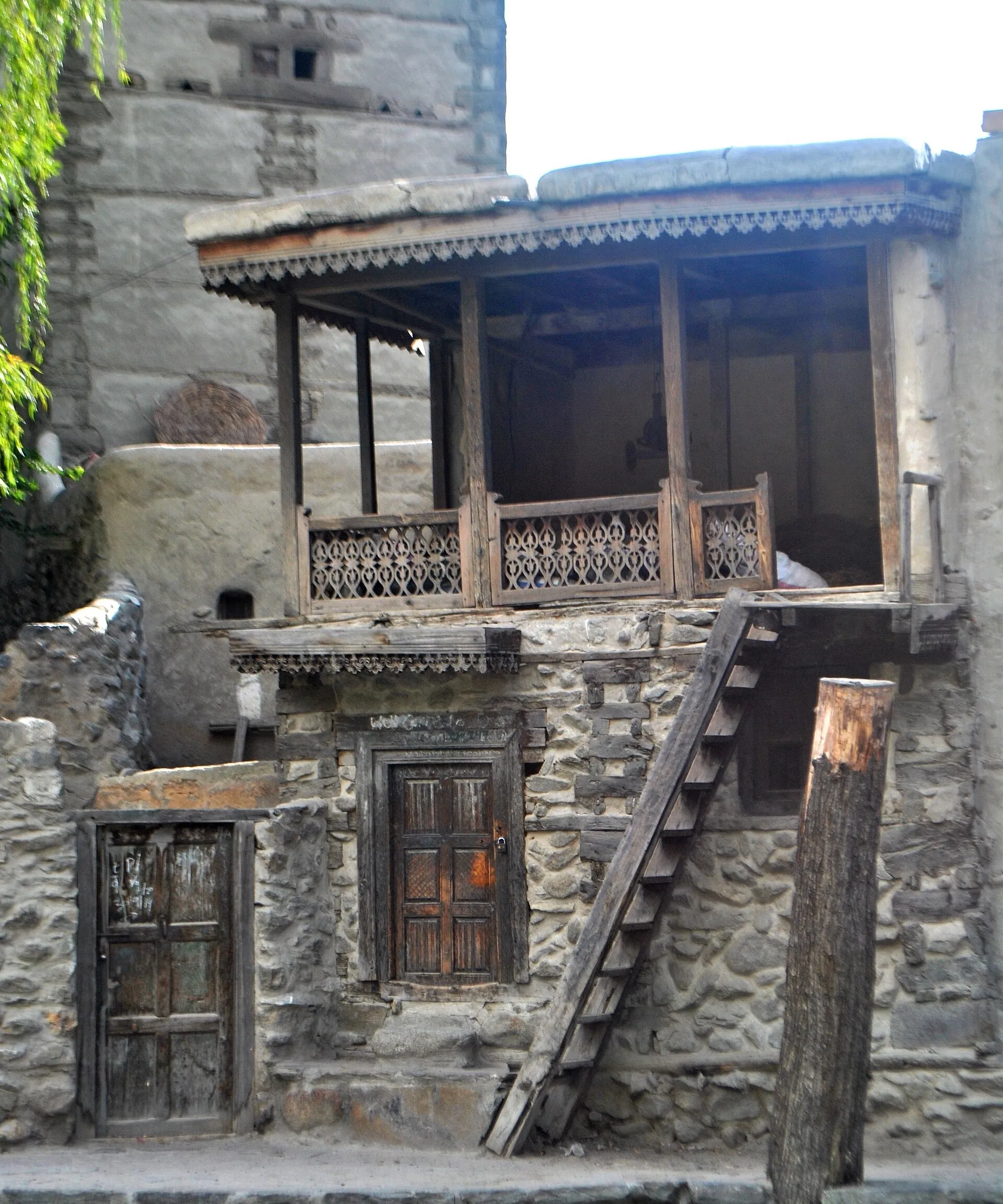
A traditional stone-and-timber house at Ganish in the Hunza Valley
A narrow stone lane through an old village in the Hunza Valley
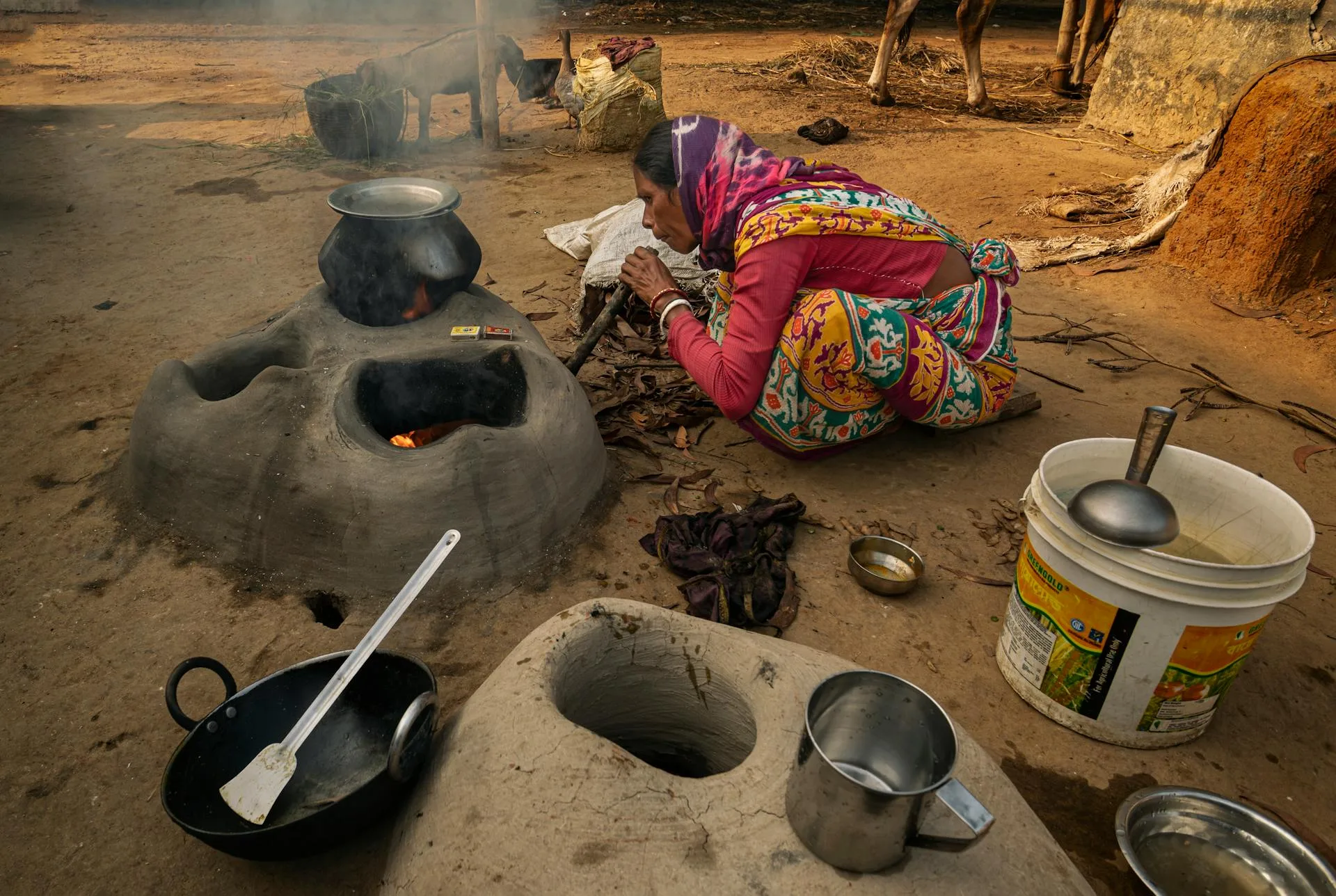
A village woman cooking at a clay stove, a homestay experience in the north
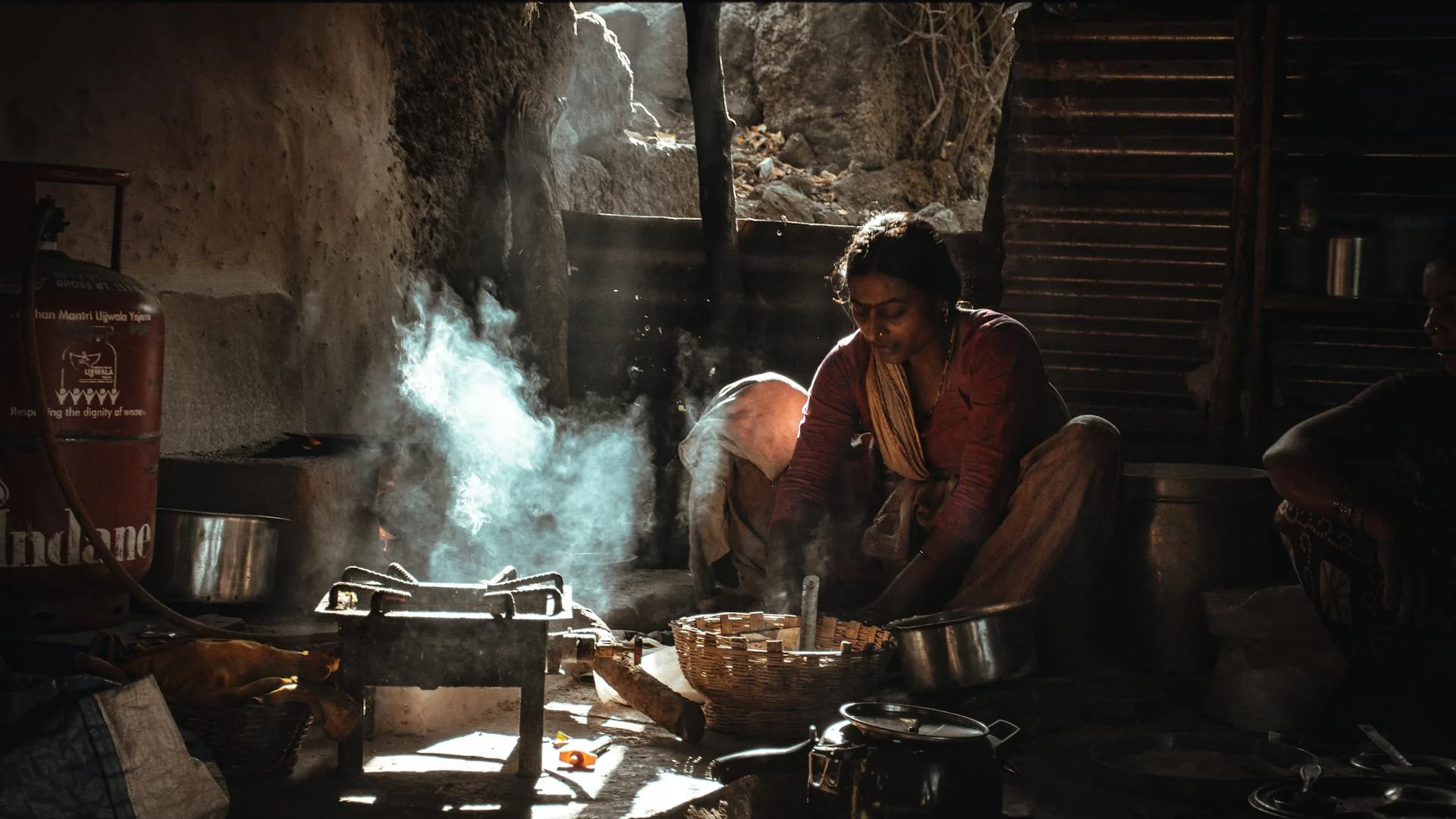
Traditional cooking inside a village home in northern Pakistan
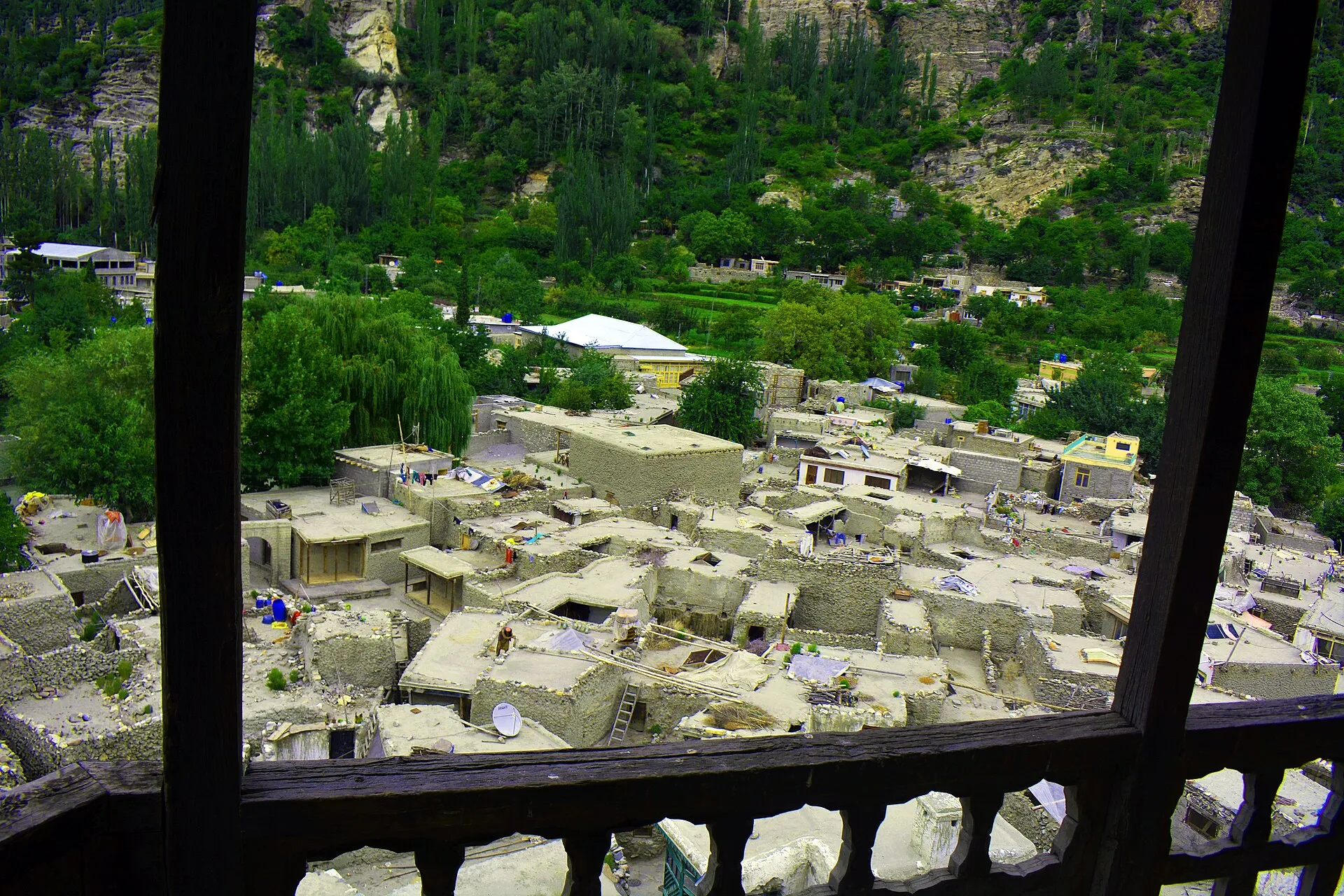
Old village houses above a valley in the Hunza region
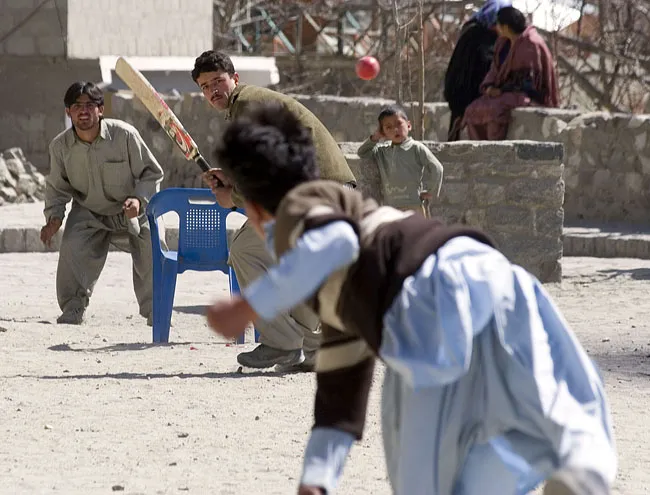
Local children playing cricket in a mountain village
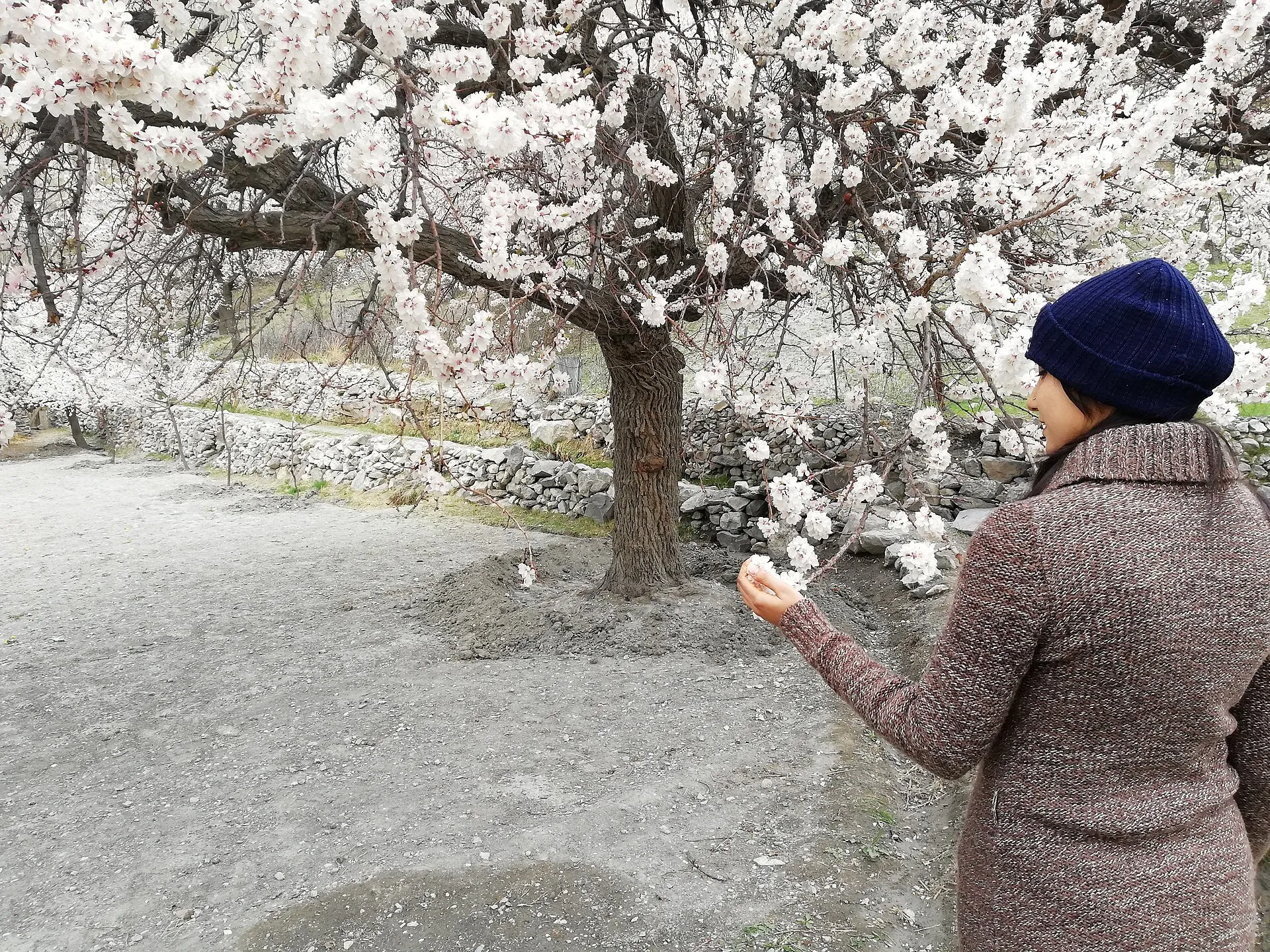
A village woman by an apricot tree in blossom in spring
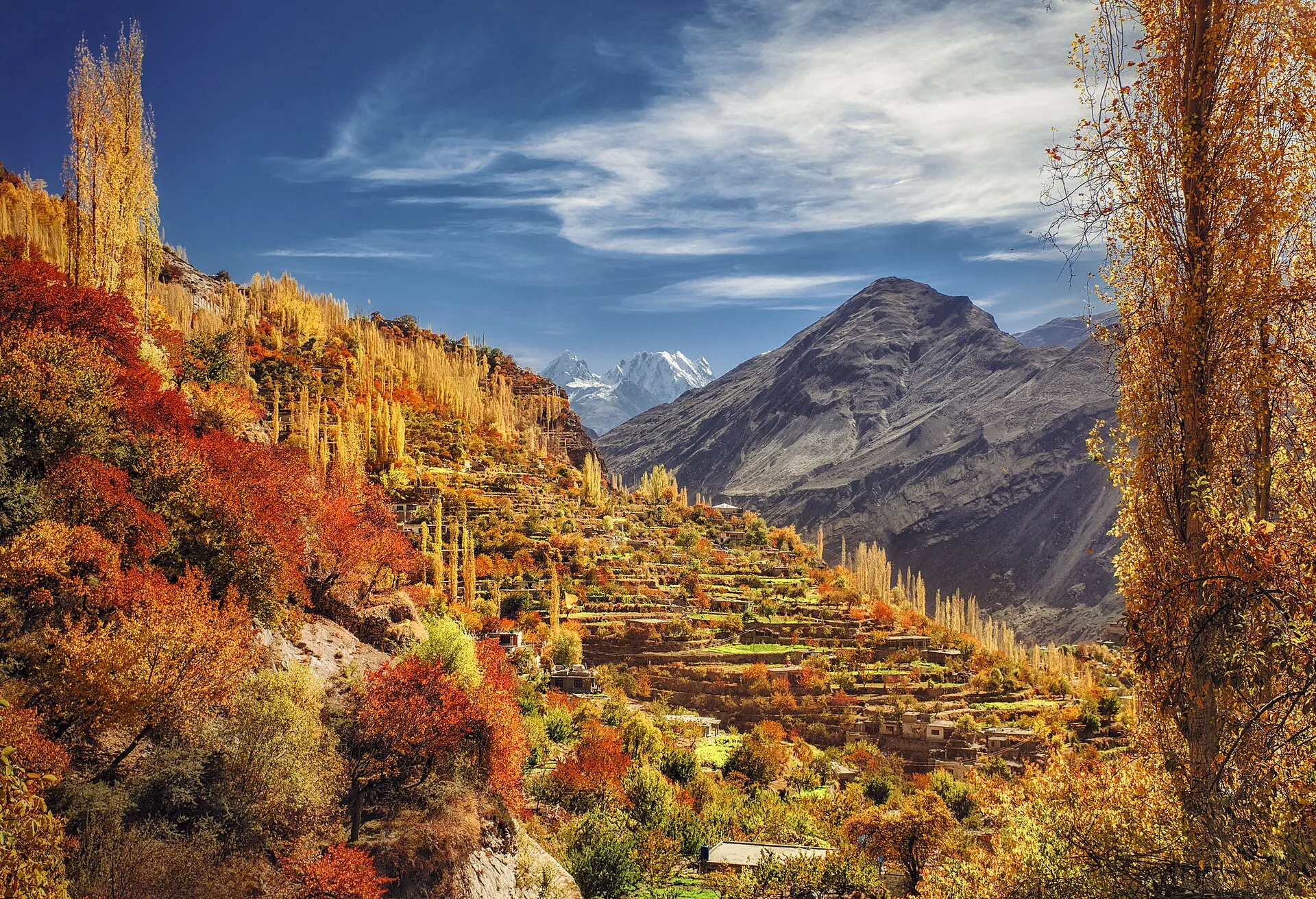
Terraced village fields in autumn colour in the Hunza Valley
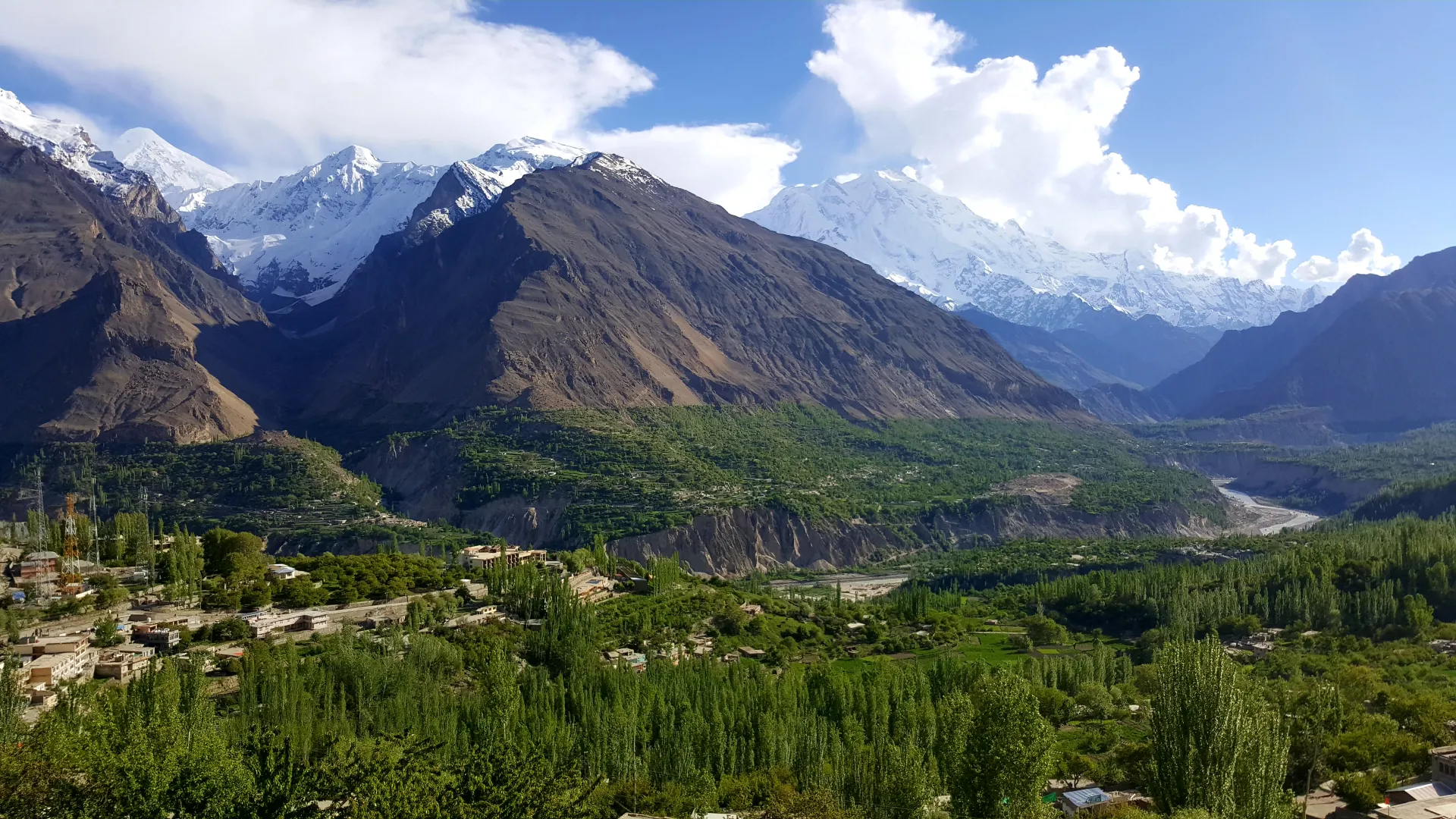
A green mountain village valley below snow-capped peaks

Last updated: · Reviewed by Javeed Iqbal, Founder

Duration

6-8 Days

Difficulty

Easy

Group Size

2-6 people (homestay capacity)

Best Season

Year-round

About This Tour

Three valleys within a day of each other in Gilgit-Baltistan hold three different worlds. Central Hunza is Burusho and Ismaili, speaking Burushaski, a language with no known relative. Nagar, across the river, speaks the same language but follows Shia Islam and lives at a quieter, more conservative rhythm. And Shimshal, at the end of a hair-raising jeep road, is Wakhi-speaking, the highest village in the region at about 3,100 m, and so given to mountaineering that it produced Samina Baig, the first Pakistani woman to climb Everest.

This tour sleeps in all three, in family homes rather than hotels. Homestay here is not a marketing word. In Shimshal there are no conventional hotels at all; tourism is community-managed and beds are in houses. In Hunza and Gojal, village initiatives and family guesthouses have grown out of two decades of community development work, including women-run enterprises like the CIQAM workshop at Altit, where women trained as carpenters and stonemasons restore heritage buildings and run their own guesthouse and restaurant.

Days follow the household, not a schedule. Bread before dawn, apricots drying on the roof in season, water channels to walk, livestock coming down at dusk. Meals are what the family eats: chapshuro stuffed with meat and onion, dawdo noodle soup, giyaling pancakes with butter, tumuro herb tea from the high slopes. Your guide translates real conversation, and evenings end around the stove, not a lobby.

The 6 to 8 day route runs from Gilgit through central Hunza and Nagar to Shimshal, with homestay fees and community charges paid directly to the families and village funds that host you.

Three Valleys, Three Cultures

Hunza gives you the orchard terraces, Baltit and Altit Forts and the most practised hosts; it is the gentle landing. Nagar, just across the Hunza River, sees a fraction of the visitors; from Hopar village you walk to the Hopar Glacier's grey, groaning ice and, with more days, toward Rush Lake. Shimshal is the deep end: 56 km of cliff-cut jeep track from Passu that the villagers built themselves between 1985 and 2003, three lives lost in the work, and a village at the end of it that measures wealth in yaks and summit certificates.

Day-by-Day Itinerary

1

Islamabad to Gilgit

Fly to Gilgit (about an hour, weather permitting) or drive the KKH in a long day. Overnight in Gilgit and a briefing on homestay etiquette and the week ahead.
2

Karimabad, First Homestay

Two hours up the KKH. Settle into your first family home near Karimabad or Altit. Evening walk through the orchard lanes as the cooking smoke rises.
3

Hunza Village Life & Baltit Fort

Morning with the household, then Baltit Fort and the CIQAM women's enterprise at Altit. Dinner with the family, with the recipes explained.
4

Hunza to Nagar Valley Homestay

Cross the river into Nagar and up to Hopar village. A quieter valley, a more reserved welcome that warms over tea. Homestay in Hopar.
5

Hopar Glacier Walk

Walk to the Hopar Glacier viewpoint and onto the moraine with a local guide; the ice river grinds audibly below. Afternoon with a farming family, and after dark, the valley's famously black sky.
6

Nagar to Shimshal (jeep)

A long, unforgettable day: back to the KKH, north past Attabad Lake to Passu, then the Shimshal road, 56 km of community-built track above gorges, five hours or more of careful driving. Shimshal homestay.
7

Shimshal Village Day & Return

Yak herds, the irrigation channels, the school the village runs, and stories of the road and the climbers. Return as far as Passu or Gulmit for the night.
8

Departure

Drive to Gilgit and fly or drive back to Islamabad.

What a Homestay Is Actually Like

Expect a clean room in a family compound, bedding that smells of sun, a toilet that may be simple, and electricity that follows the village schedule, solar-backed in Shimshal. Hot water often arrives heated on the stove. What you get back is the thing hotels cannot sell: meals at the family cloth, children practising their English on you, an invitation to whatever the village is doing that week, and a host who refuses to let you leave on an empty stomach.

Travel That Pays Its Hosts

Community-based tourism means the structure, not the slogan: room and board go to the family, village fees go to community funds, and guides and jeeps are hired in the valleys they work. Organisations like AKRSP and KADO spent decades building the skills this tour leans on, and women's enterprises like CIQAM show what the model looks like when it matures. Our part is to keep groups small, two to six people, and to keep coming back to the same houses.

Best Time to Go

April to October is the comfortable window: blossom in April, harvest from July, gold poplars in October. Central Hunza works in winter too, snow-quiet and hospitable, though Shimshal's road makes the full three-valley route a warm-season plan. July and August bring domestic tourists to Hunza's hotels; the homestays stay calm.

Why Book With Us

We have slept in these houses ourselves, which is the only honest way to recommend them. Hosts are long-term partners, not listings; your guide speaks Burushaski or Wakhi as well as Urdu and English; and the money trail is short enough to see. Licensed operator, groups of two to six, flights plus a road plan in reserve.

What's Included

Gilgit-Islamabad flights (both directions)
All transport including jeep to Shimshal
6 nights family homestay accommodation
All meals with host families (traditional food)
Community program fees paid directly to host families
English-speaking cultural guide throughout

Not Included

International flights
Travel insurance
Personal expenses and tips

Frequently Asked Questions

Can you stay with a family in Hunza?

Yes. Family guesthouses and homestays operate across central Hunza, Nagar, Gojal and Shimshal, and this tour is built entirely on them. You live in the house, eat with the family and pay them directly. Our route starts near Karimabad or Altit in central Hunza, crosses the river to Hopar village in Nagar, then continues to Shimshal, where there are no conventional hotels at all and every bed is in a house. Many of these guesthouses grew out of two decades of community development work, including women-run enterprises such as the CIQAM workshop at Altit. Groups stay small, two to six people, because that is what a family home can hold. Your guide speaks Burushaski or Wakhi as well as Urdu and English, so the conversations at dinner are real ones. We keep going back to the same households, and the hosts are long-term partners rather than listings.

What is a homestay in Pakistan actually like?

A private room in a family compound: simple, clean, warm bedding, shared or simple bathrooms, home cooking. Comfort is modest, hospitality is not. Hot water often arrives heated on the stove, and electricity follows the village schedule, with solar backup in Shimshal. Days follow the household rather than a timetable: bread before dawn, apricots drying on the roof in season, water channels to walk, livestock coming down at dusk. You eat at the family cloth, and evenings end around the stove rather than in a hotel lobby. Children will often practise their English on you, and you may be invited to whatever the village is doing that week. Your guide translates, so you can ask about farming, the road or the climbers without a language barrier. Expect your host to refuse to let you leave on an empty stomach.

Is it safe, including for women travelling solo?

Yes. These are some of the most welcoming and educated valleys in Pakistan, and hosting is a point of family honour. Solo women regularly travel this route; we match them with households with women hosts where preferred. Central Hunza has a strong record of women's enterprise, including the CIQAM workshop at Altit, where women trained as carpenters and stonemasons restore heritage buildings and run their own guesthouse and restaurant. Nagar is quieter and more conservative than Hunza, and the welcome there can be more reserved at first, so your guide will brief you on local customs before you arrive. The bigger risk on this trip is the road rather than the people: the Shimshal track is cliff-cut and takes five hours or more of careful driving. A guide travels with you throughout, and we stay only with households we know well and return to every season.

What will I eat?

What the family eats: chapshuro meat-filled bread, dawdo noodle soup, giyaling pancakes, harissa, apricot everything in season, and tumuro herb tea. Vegetarians are easy to host; just tell us ahead. Chapshuro is stuffed with meat and onion, the giyaling pancakes come with butter, and the tumuro tea is made from herbs gathered on the high slopes. Bread is baked before dawn, and in summer apricots dry on the rooftops. All meals are included and cooked by your host families, so you eat what is on the family cloth rather than choosing from a menu. On the Hunza village day, dinner comes with the recipes explained. Tell us about allergies or other dietary needs when you book so we can brief each household before you arrive. And expect to be offered seconds, because hosts here rarely take no for an answer.

Is Shimshal worth the long jeep ride?

If the idea of a village that built its own 56 km road over 18 years appeals to you, yes, emphatically. The drive takes five hours or more and is not for the nervous; the place at the end of it is unlike anywhere else in the country. The villagers cut the track along the cliffs from Passu themselves between 1985 and 2003, and three lives were lost in the work. Shimshal is Wakhi-speaking, sits at about 3,100 m and is the highest village in the region. It measures wealth in yaks and summit certificates, and it produced Samina Baig, the first Pakistani woman to climb Everest. There are no conventional hotels; tourism is community-managed and you sleep in a family house. The village day takes in the yak herds, the irrigation channels and the school the village runs, with the jeep stage handled by careful local drivers.

How does the money reach the community?

Room and board are paid to the host family, village entry and program fees to community funds, and guides and jeeps hired locally. We publish the structure in your trip notes. Community program fees go directly to the families who host you, so the trail from your payment to the household is short enough to see. Hiring guides and jeeps in the valleys they work keeps the wages in Hunza, Nagar and Shimshal rather than in a city office. In Shimshal, tourism is managed by the community itself, and we settle the arrangements with the village. The model leans on decades of work by organisations like AKRSP and KADO, and women's enterprises such as CIQAM at Altit show what it looks like when it matures. Our part is to keep groups small, two to six people, and to keep returning to the same houses year after year.

When is the best time to go?

April to October for the full three-valley route. October is the most beautiful; July and August are the busiest in Hunza proper, though homestays feel it far less than hotels. April brings blossom to the orchards, the harvest starts from July, and by October the poplars have turned gold. Central Hunza also works in winter, when it is quiet under snow and just as hospitable. Shimshal is the limiting factor, because its road makes the full route a warm-season plan. The summer crowds are mostly domestic tourists filling Hunza's hotels, and the family homes stay calm through them. The Hopar Glacier walk and the long Shimshal drive are both easier in settled weather. Flights to Gilgit also depend on the weather, which is why we keep a road plan in reserve. Tell us your dates and we will say honestly which valleys are practical that month.

Do I need a permit?

No NOC is needed for this route. Passports are registered at the occasional checkpoint, and Shimshal's community tourism arrangements are handled by us with the village. Keep your passport with you on driving days rather than packed away, so any registration takes a minute. The community program fees and village charges are already in your price and go directly to the host families and village funds, so there is nothing to pay at the door. Central Hunza and Nagar need no special paperwork beyond that. Rules in Gilgit-Baltistan can change, so we check the current position before each departure and tell you if anything is different. Your English-speaking guide travels with you throughout and deals with any registration, so you are never left to explain yourself at a post alone. There is nothing you need to apply for before you arrive.

From

$900

per person

* Prices may vary. Contact us for accurate, customized pricing.

Duration6-8 Days
DifficultyEasy
Group Size2-6 people (homestay capacity)
Best SeasonYear-round
Book This Tour Ask a Question

Free cancellation up to 30 days before departure

Ready for Your Next Adventure?

Join our community of explorers and discover the journey of a lifetime. Our expert team is ready to help you plan your perfect expedition.