Trải nghiệm Homestay cộng đồng
Đời sống làng quê đích thực ở Hunza, Nagar & Shimshal
Cập nhật lần cuối: · Được duyệt bởi Javeed Iqbal, Nhà sáng lập
Thời Gian
6-8 Ngày
Độ Khó
Dễ
Quy Mô Nhóm
2-6 người (sức chứa homestay)
Mùa Tốt Nhất
Quanh năm
Về Tour Này
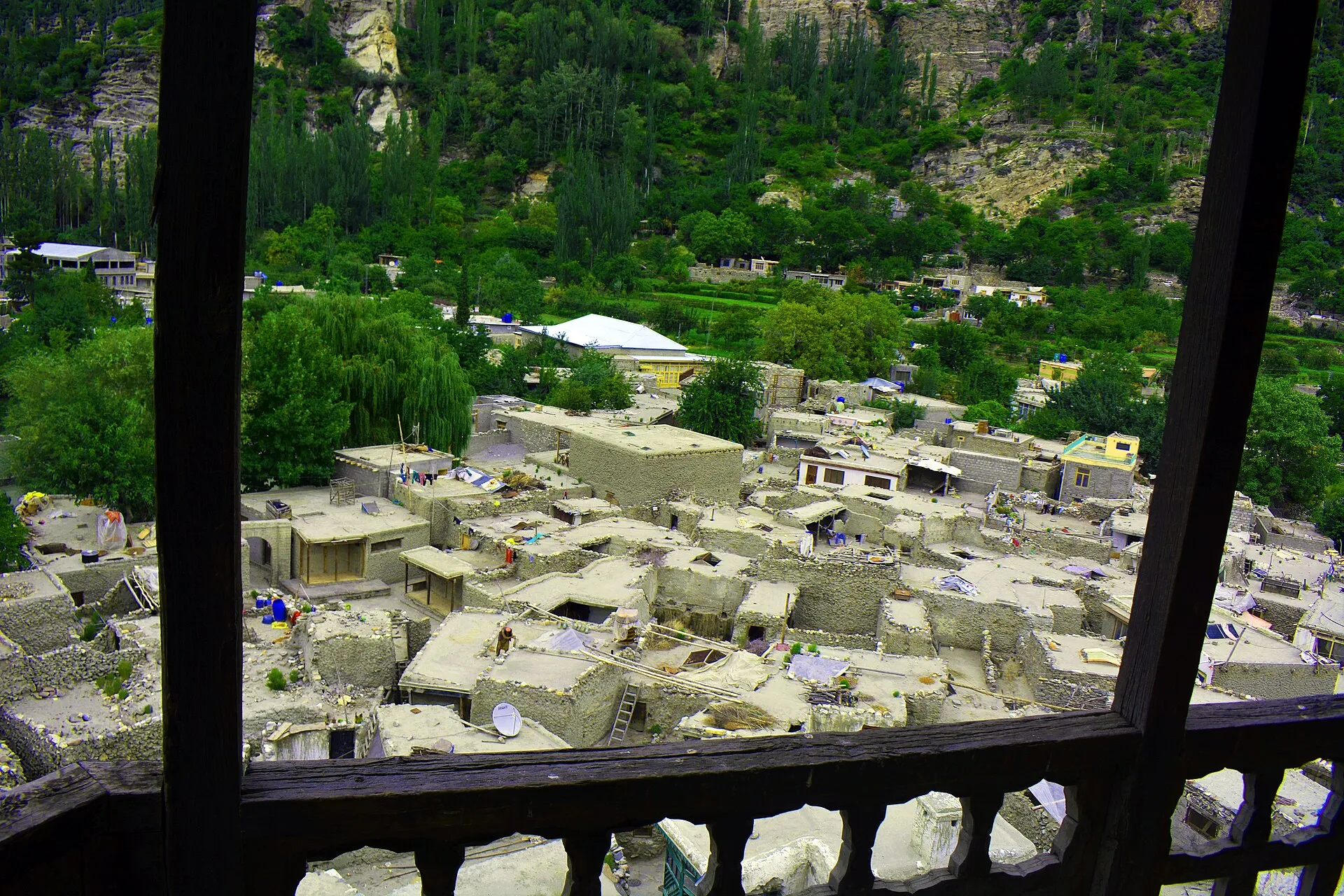
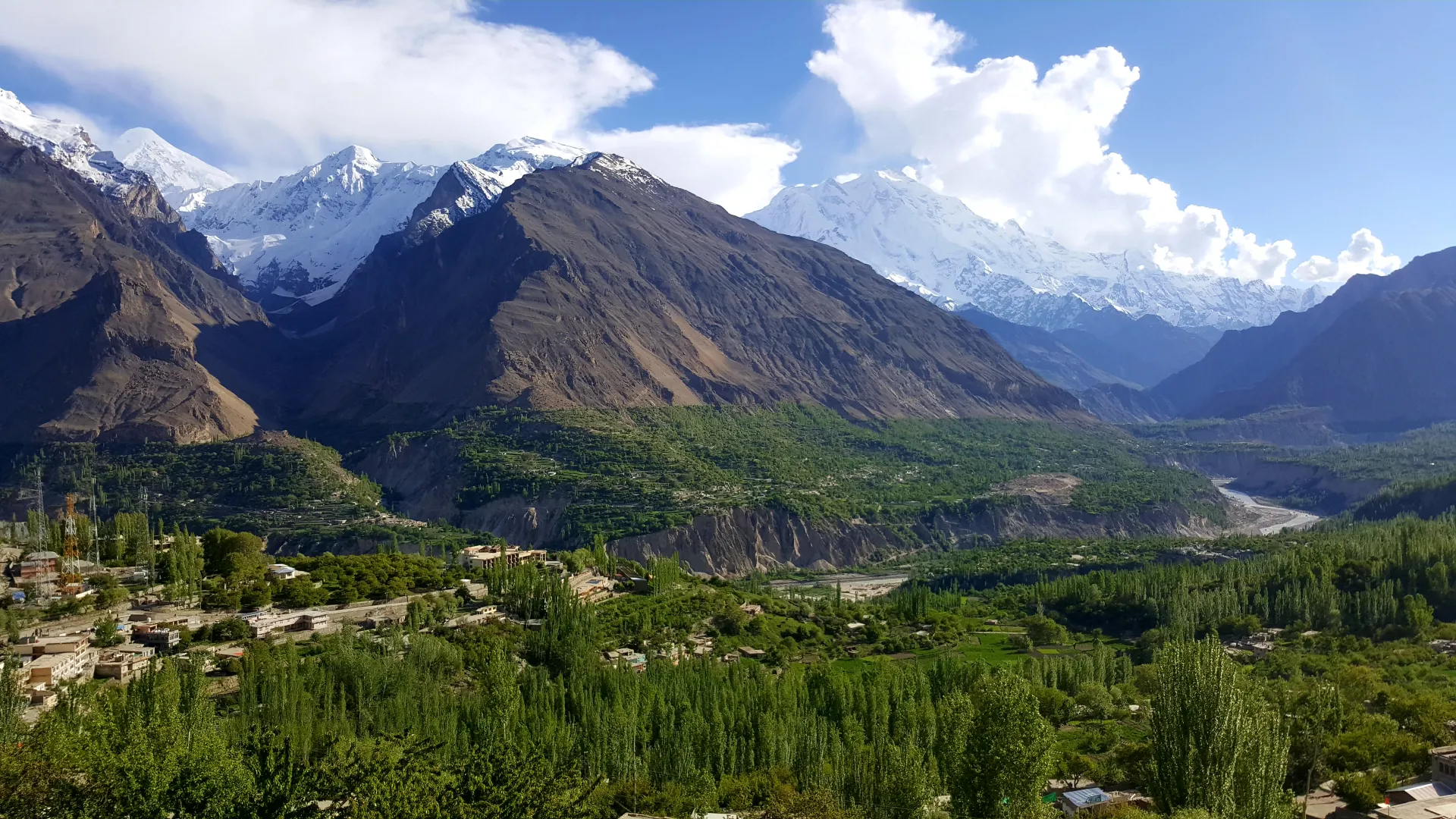
Ba thung lũng cách nhau chưa đầy một ngày đường ở Gilgit-Baltistan chứa đựng ba thế giới khác biệt. Trung tâm Hunza là vùng của người Burusho theo phái Ismaili, nói tiếng Burushaski, một ngôn ngữ không có họ hàng nào được biết đến. Nagar, bên kia sông, nói cùng ngôn ngữ nhưng theo Hồi giáo Shia và sống theo nhịp điệu trầm lặng, bảo thủ hơn. Còn Shimshal, ở cuối một con đường jeep dựng tóc gáy, nói tiếng Wakhi, là ngôi làng cao nhất vùng ở khoảng 3.100 m, và say mê leo núi đến mức đã sản sinh ra Samina Baig, người phụ nữ Pakistan đầu tiên chinh phục Everest.
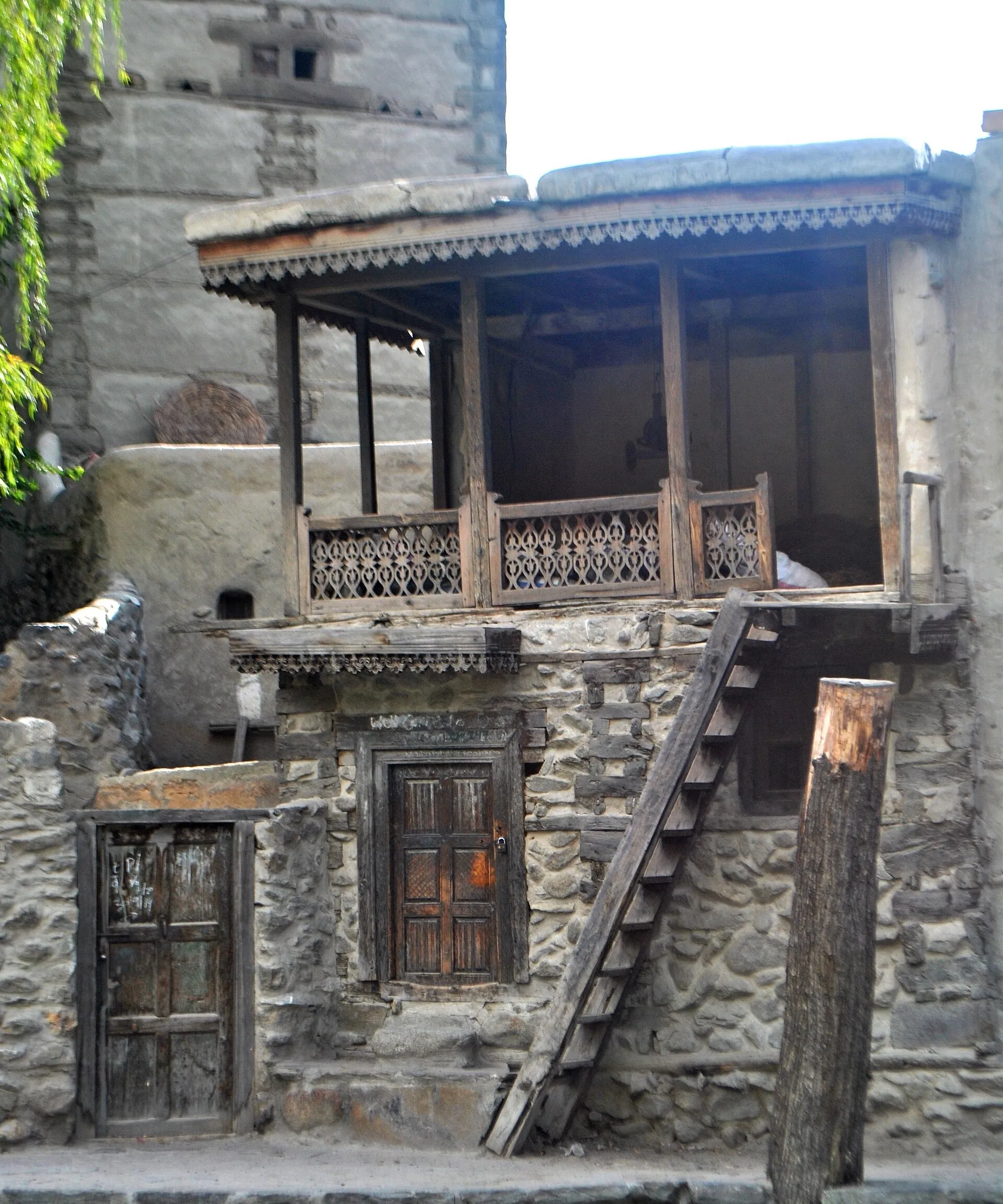
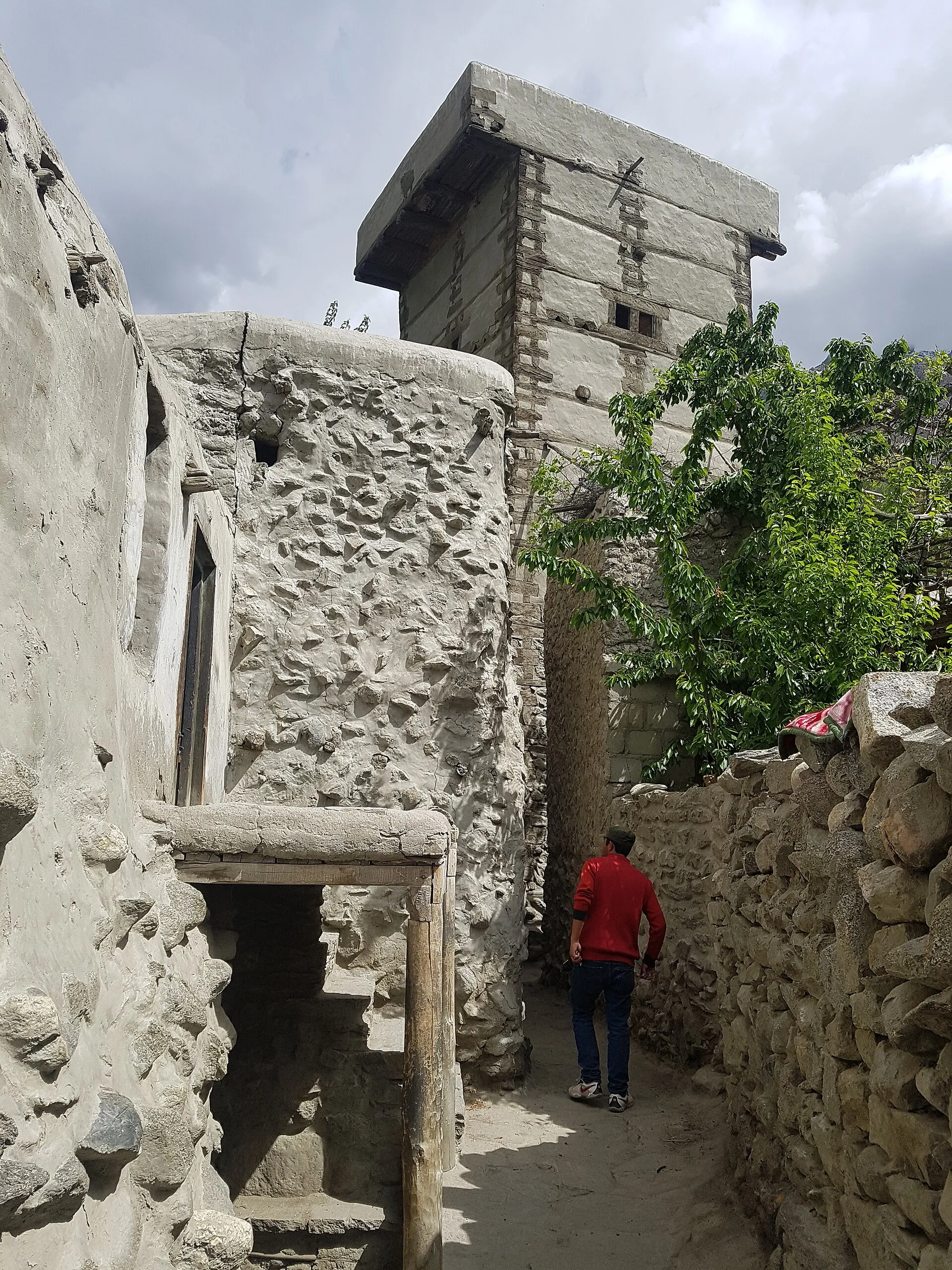
Tour này nghỉ lại ở cả ba nơi, trong những ngôi nhà của các gia đình chứ không phải khách sạn. Homestay ở đây không phải là một từ ngữ tiếp thị. Tại Shimshal hoàn toàn không có khách sạn theo nghĩa thông thường; du lịch do cộng đồng quản lý và chỗ ngủ là trong các ngôi nhà. Tại Hunza và Gojal, các sáng kiến của làng và nhà nghỉ gia đình đã phát triển từ hai thập kỷ làm việc phát triển cộng đồng, bao gồm các doanh nghiệp do phụ nữ điều hành như xưởng CIQAM tại Altit, nơi những người phụ nữ được đào tạo làm thợ mộc và thợ đá phục dựng các công trình di sản và tự vận hành nhà nghỉ cùng nhà hàng của mình.
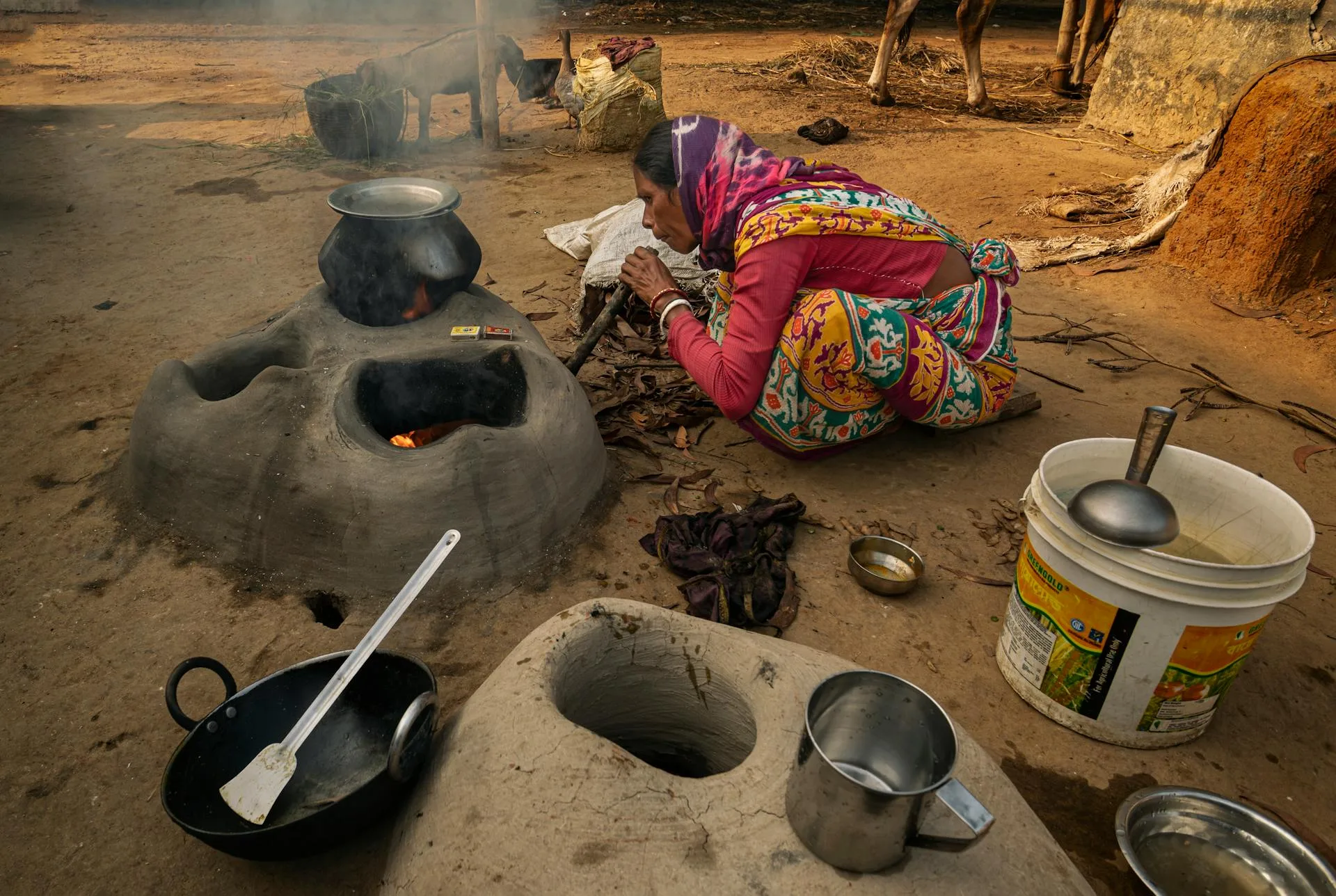
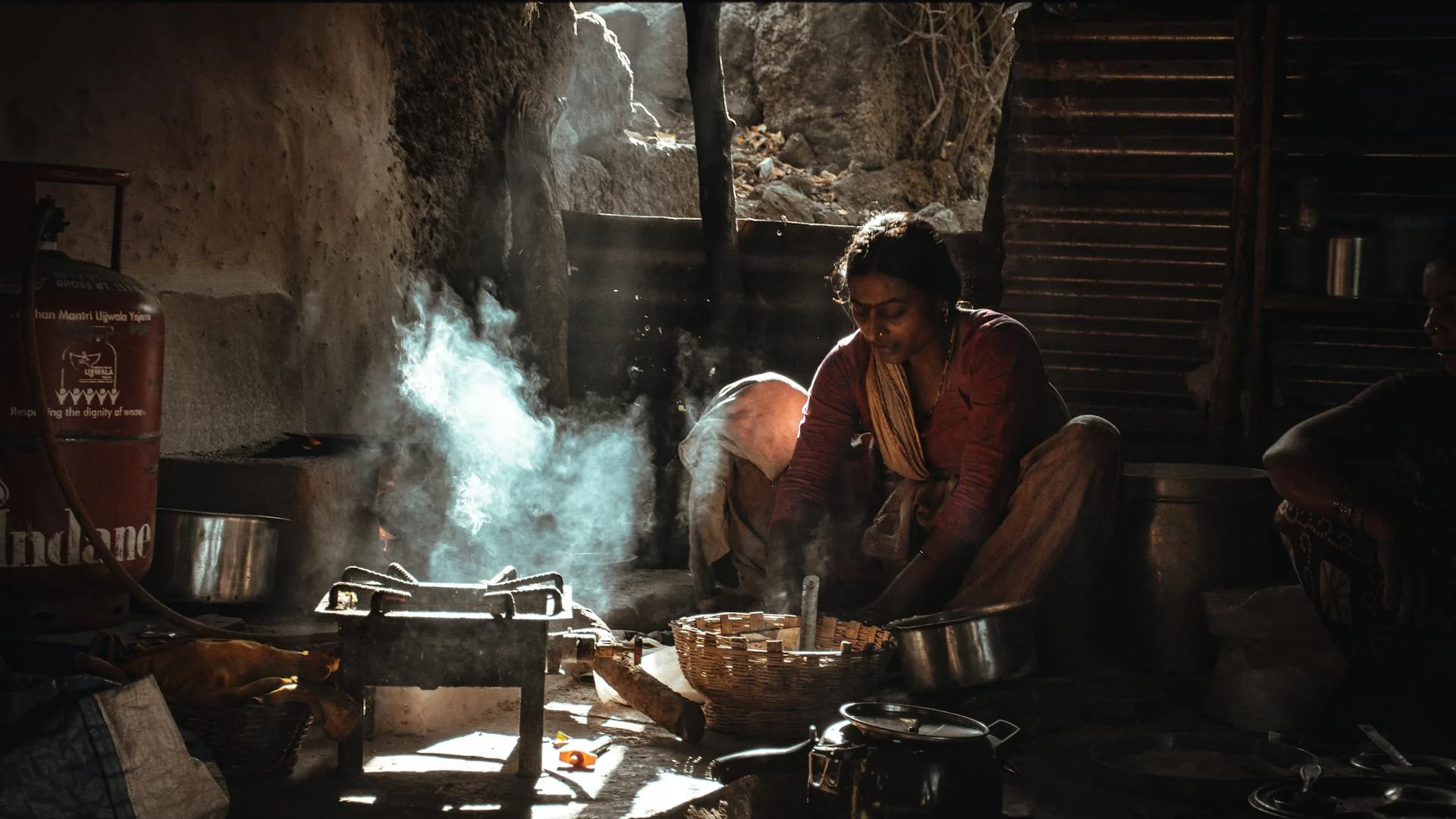
Ngày trôi theo nhịp của gia đình, không theo lịch trình. Bánh mì trước bình minh, mơ phơi trên mái nhà theo mùa, những kênh nước để dạo bước, đàn gia súc trở về lúc chạng vạng. Bữa ăn là những gì cả nhà cùng dùng: chapshuro nhồi thịt và hành, súp mì dawdo, bánh giyaling phết bơ, trà thảo mộc tumuro hái từ sườn núi cao. Hướng dẫn viên của bạn dịch những cuộc trò chuyện thật, và buổi tối khép lại quanh bếp lò chứ không phải ở một sảnh khách sạn.
Lộ trình 6 đến 8 ngày đi từ Gilgit qua trung tâm Hunza và Nagar đến Shimshal, với phí homestay và phí cộng đồng được trả trực tiếp cho các gia đình và quỹ làng đón tiếp bạn.
Ba thung lũng, ba nền văn hóa
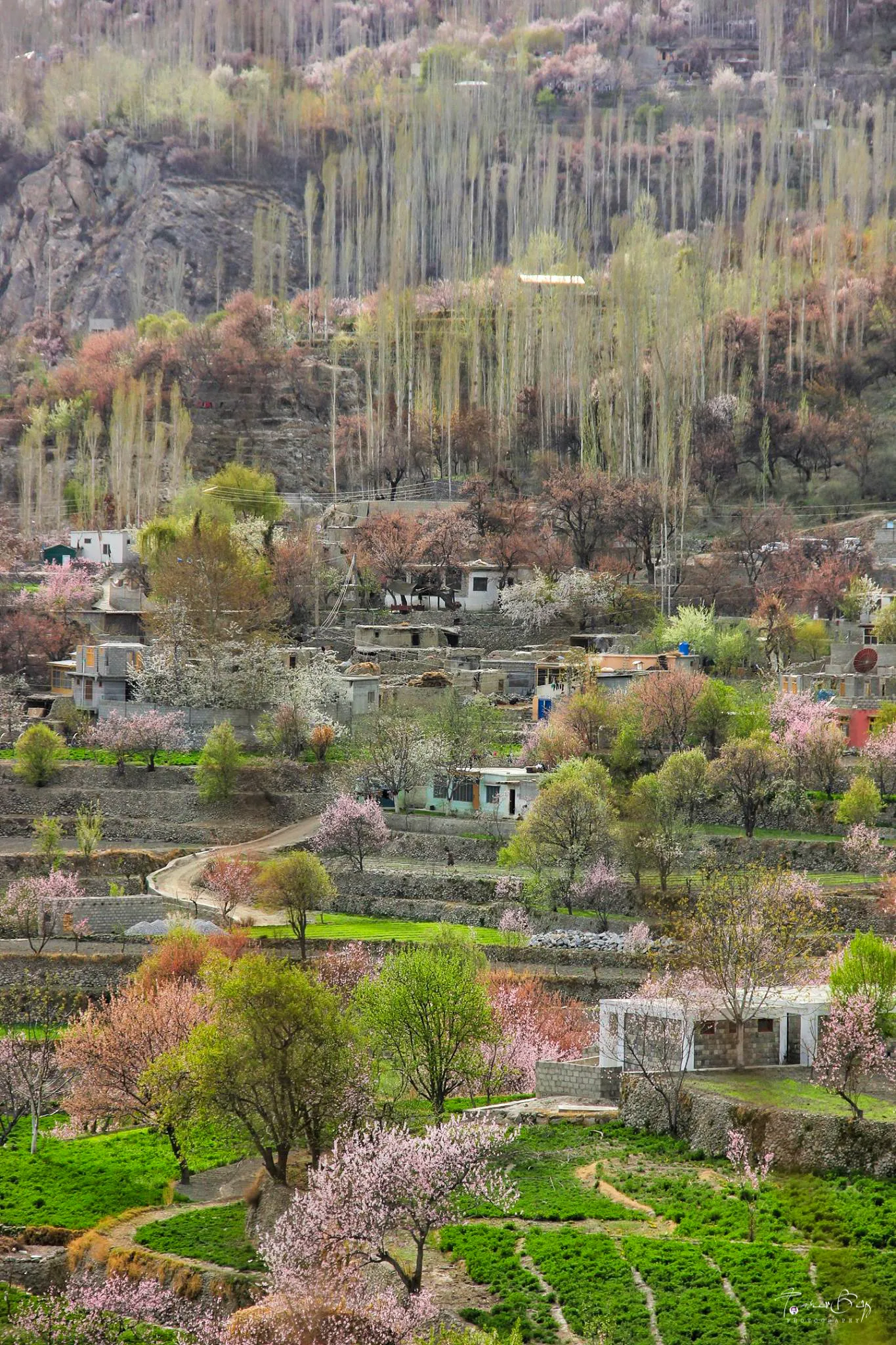
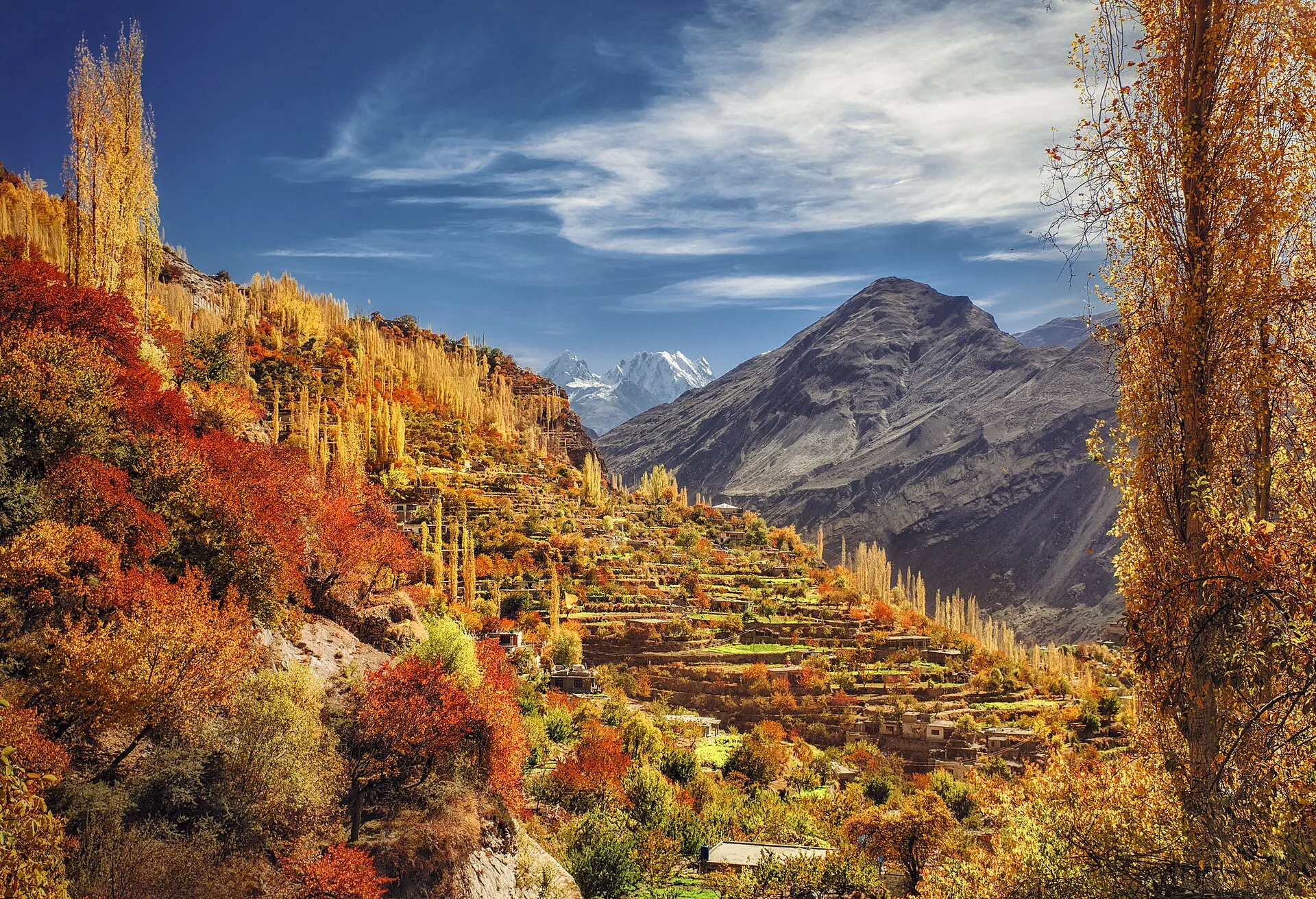
Hunza mang đến những bậc thang vườn cây ăn quả, pháo đài Baltit và Altit cùng những chủ nhà thạo nghề đón khách nhất; đây là điểm khởi đầu nhẹ nhàng. Nagar, chỉ cách bên kia sông Hunza, đón một phần nhỏ lượng khách; từ làng Hopar bạn đi bộ đến dòng băng xám rền rĩ của sông băng Hopar và, nếu có thêm vài ngày, hướng đến Rush Lake. Shimshal là phần sâu nhất: 56 km đường jeep đục qua vách đá từ Passu mà dân làng tự xây từ năm 1985 đến năm 2003, ba người đã thiệt mạng trong quá trình thi công, và ở cuối con đường là một ngôi làng đo đếm sự giàu có bằng số bò yak và số chứng nhận chinh phục đỉnh núi.
Lịch Trình Từng Ngày
1Islamabad đến Gilgit
Islamabad đến Gilgit
2Karimabad, Homestay đầu tiên
Karimabad, Homestay đầu tiên
3Đời sống làng quê Hunza & pháo đài Baltit
Đời sống làng quê Hunza & pháo đài Baltit
4Homestay từ Hunza đến thung lũng Nagar
Homestay từ Hunza đến thung lũng Nagar
5Đi bộ ngắm sông băng Hopar
Đi bộ ngắm sông băng Hopar
6Nagar đến Shimshal (xe jeep)
Nagar đến Shimshal (xe jeep)
7Một ngày ở làng Shimshal & trở về
Một ngày ở làng Shimshal & trở về
8Khởi hành về
Khởi hành về
Ở homestay thực sự như thế nào
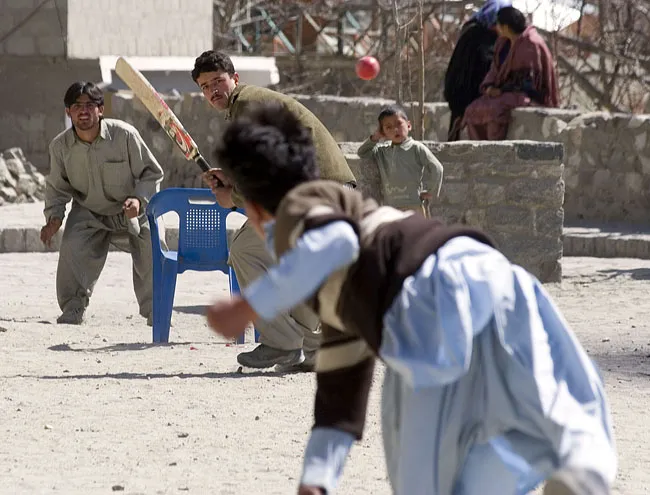
Hãy hình dung một phòng ngủ sạch sẽ trong khuôn viên gia đình, chăn nệm thơm nắng, một nhà vệ sinh có thể đơn sơ, và điện theo lịch của làng, có pin mặt trời dự phòng ở Shimshal. Nước nóng thường được đun trên bếp lò. Đổi lại, bạn nhận được điều khách sạn không thể bán: những bữa ăn bên tấm trải dùng cơm của gia đình, lũ trẻ tập tiếng Anh với bạn, lời mời tham gia bất cứ việc gì làng đang làm trong tuần đó, và một chủ nhà nhất quyết không để bạn rời đi với cái bụng đói.
Du lịch trả công cho chủ nhà của mình
Du lịch dựa vào cộng đồng nghĩa là cấu trúc, chứ không phải khẩu hiệu: tiền ăn ở về tay gia đình, phí làng về các quỹ cộng đồng, và hướng dẫn viên cùng xe jeep được thuê ngay trong các thung lũng họ làm việc. Các tổ chức như AKRSP và KADO đã dành nhiều thập kỷ xây dựng những kỹ năng mà tour này dựa vào, và các doanh nghiệp của phụ nữ như CIQAM cho thấy mô hình này trông ra sao khi đã trưởng thành. Phần việc của chúng tôi là giữ nhóm nhỏ, từ hai đến sáu người, và quay lại đúng những ngôi nhà đó.
Thời điểm lý tưởng để đi
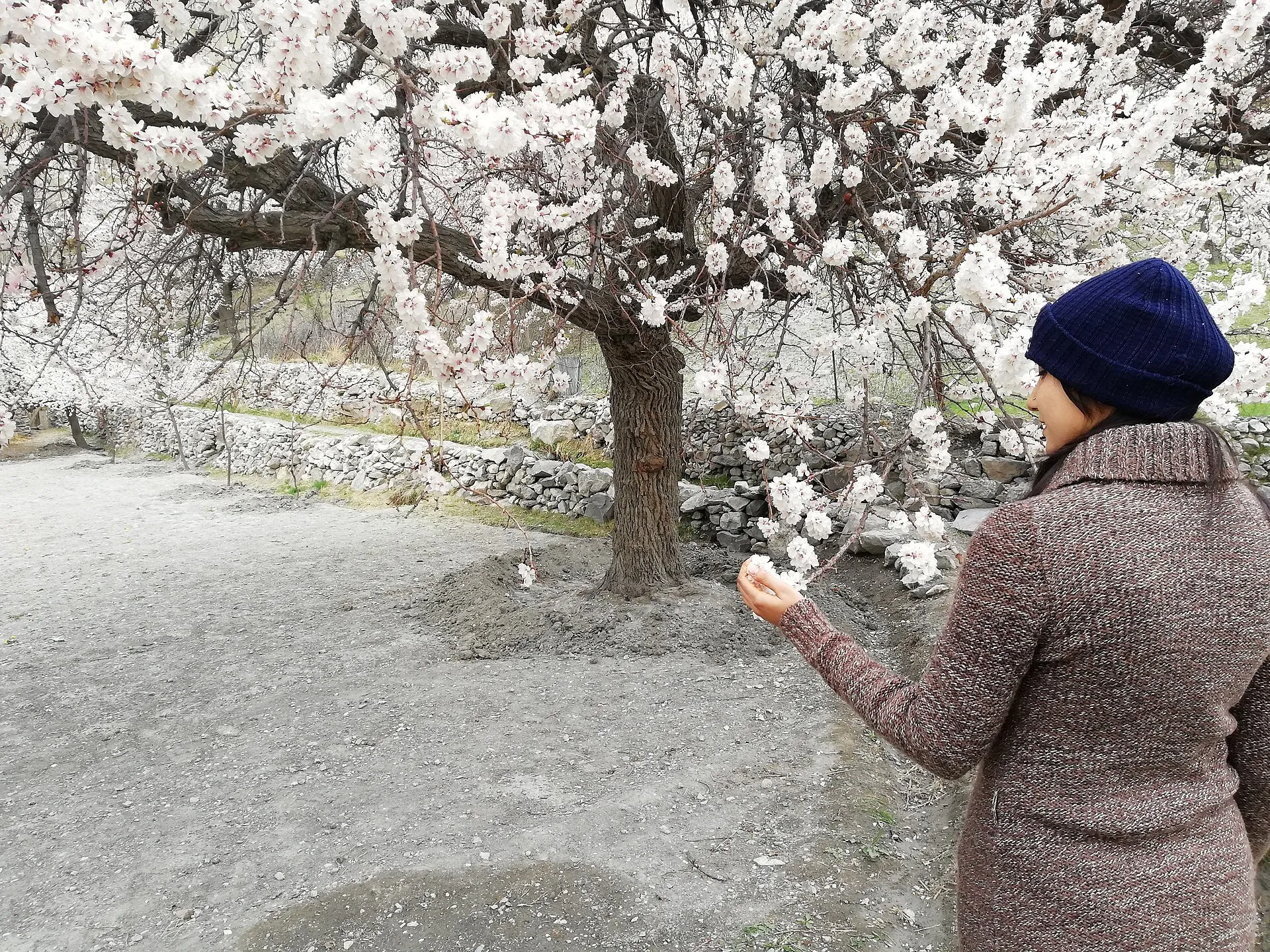
Từ tháng 4 đến tháng 10 là khoảng thời gian dễ chịu: hoa nở vào tháng 4, mùa thu hoạch từ tháng 7, hàng dương vàng rực vào tháng 10. Trung tâm Hunza cũng đón khách vào mùa đông, yên ắng dưới tuyết và hiếu khách, dù con đường Shimshal khiến lộ trình trọn vẹn qua ba thung lũng trở thành một kế hoạch dành cho mùa ấm. Tháng 7 và tháng 8 đưa du khách nội địa đến các khách sạn ở Hunza; các homestay vẫn yên bình.
Vì sao đặt tour với chúng tôi
Chính chúng tôi đã từng ngủ lại trong những ngôi nhà này, đó là cách duy nhất trung thực để giới thiệu chúng. Chủ nhà là đối tác lâu dài, không phải những danh sách đăng tin; hướng dẫn viên của bạn nói tiếng Burushaski hoặc Wakhi cũng như tiếng Urdu và tiếng Anh; và dòng tiền đủ ngắn để nhìn thấy rõ. Đơn vị điều hành có giấy phép, nhóm từ hai đến sáu người, vé máy bay cùng phương án đường bộ dự phòng.
Bao Gồm
Không Bao Gồm
Câu hỏi thường gặp
Có thể ở cùng một gia đình tại Hunza không?
Có thể ở cùng một gia đình tại Hunza không?
Một homestay ở Pakistan thực sự như thế nào?
Một homestay ở Pakistan thực sự như thế nào?
Có an toàn không, kể cả với phụ nữ đi một mình?
Có an toàn không, kể cả với phụ nữ đi một mình?
Tôi sẽ được ăn gì?
Tôi sẽ được ăn gì?
Shimshal có đáng để đi chặng xe jeep dài như vậy không?
Shimshal có đáng để đi chặng xe jeep dài như vậy không?
Tiền đến tay cộng đồng bằng cách nào?
Tiền đến tay cộng đồng bằng cách nào?
Thời điểm nào là tốt nhất để đi?
Thời điểm nào là tốt nhất để đi?
Tôi có cần giấy phép không?
Tôi có cần giấy phép không?
Sẵn Sàng Cho Chuyến Phiêu Lưu Tiếp Theo?
Tham gia cộng đồng những nhà thám hiểm của chúng tôi và khám phá hành trình đáng nhớ nhất đời. Đội ngũ chuyên gia sẵn sàng giúp bạn lên kế hoạch chuyến thám hiểm hoàn hảo.