Thám Hiểm Đạp Xe KKH
Đoạn trên KKH đến biên giới Trung Quốc, với quản lý độ cao thực sự
Cập nhật lần cuối: · Được duyệt bởi Javeed Iqbal, Nhà sáng lập
Thời Gian
7-9 Ngày
Độ Khó
Thử Thách
Quy Mô Nhóm
4-10 người đạp xe
Mùa Tốt Nhất
Tháng 5-10
Về Tour Này
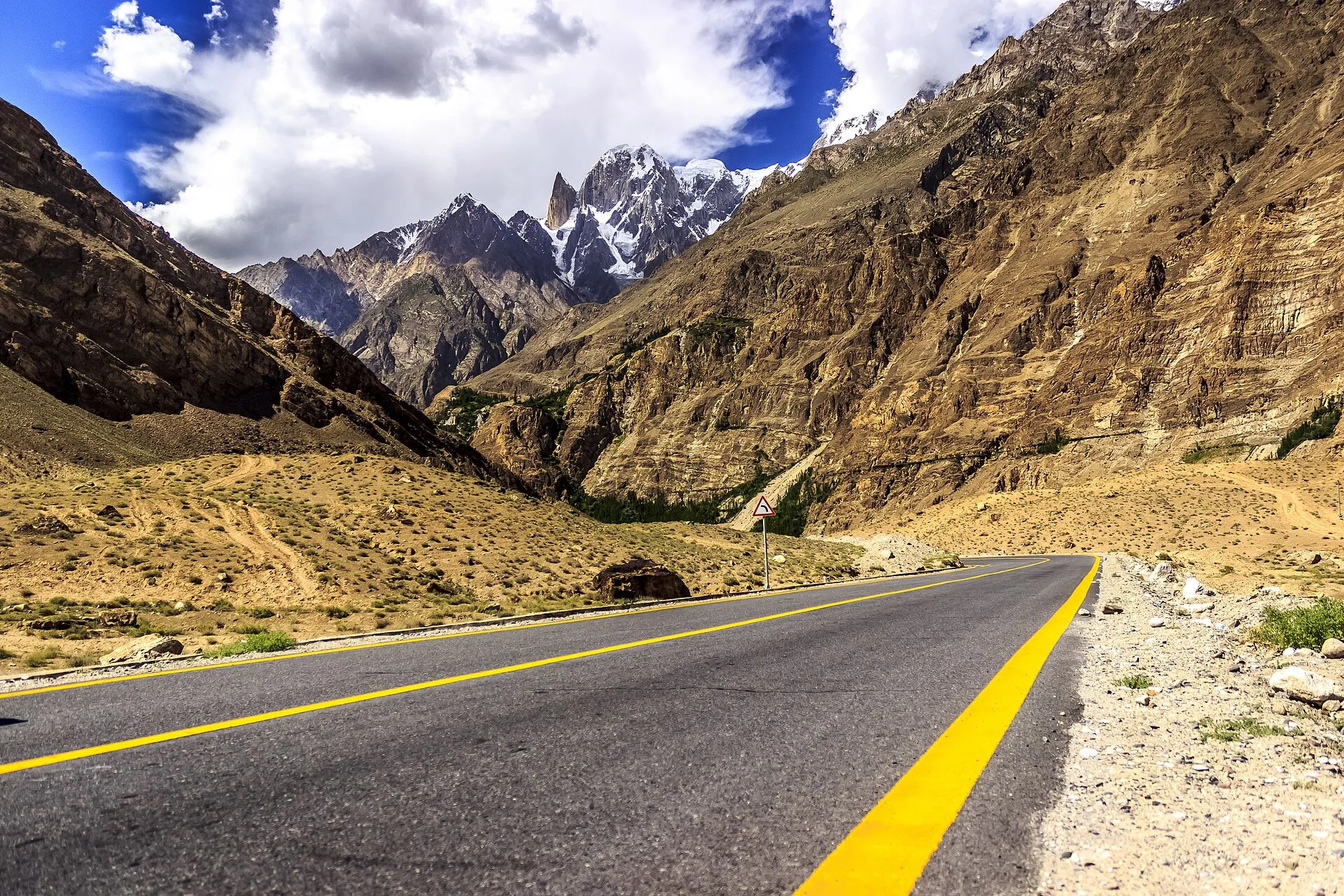
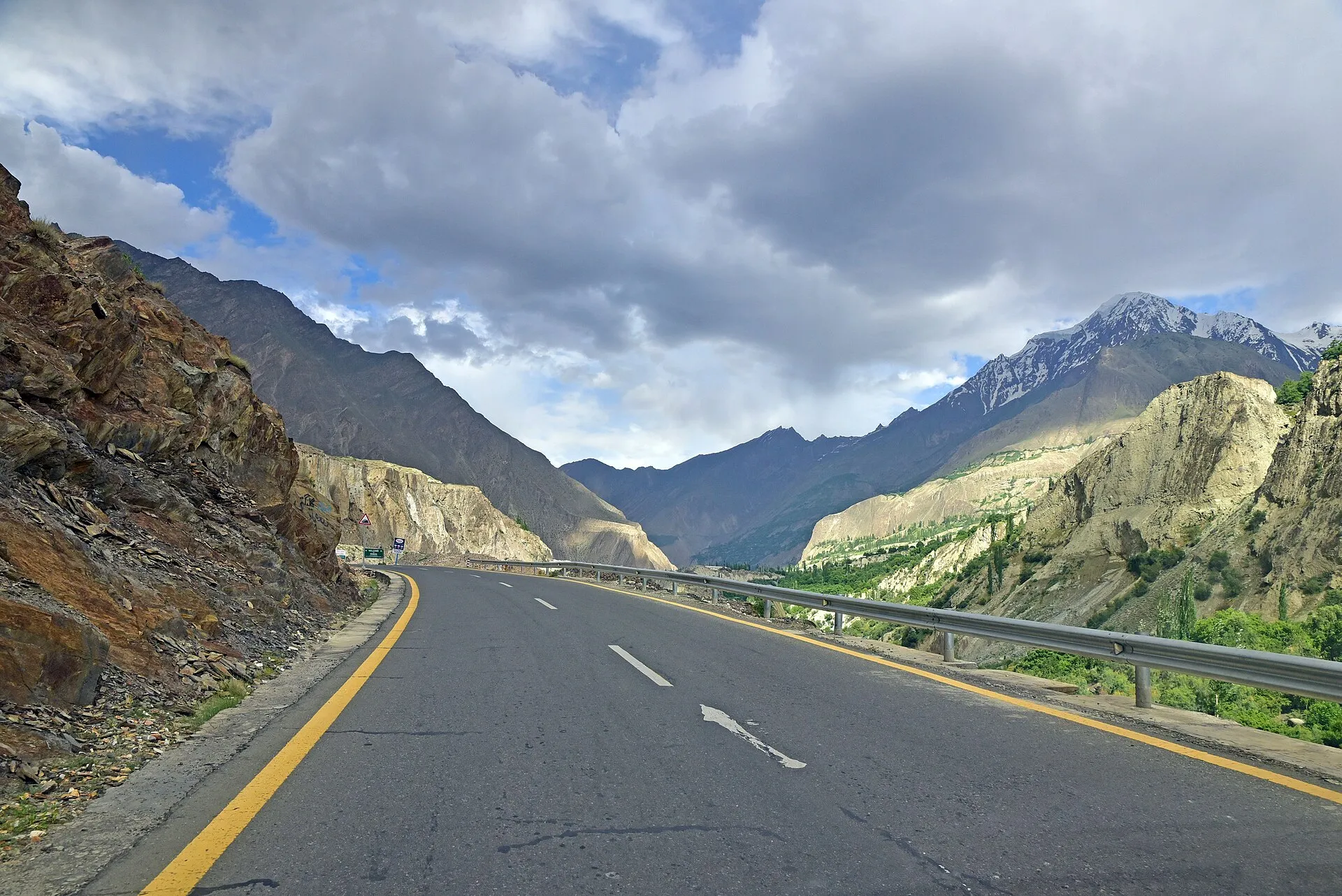
Đây là chuyến đạp xe đến biên giới: một chuyến thám hiểm đạp xe có hỗ trợ lên đoạn trên Đường cao tốc Karakoram từ Gilgit đến đèo Khunjerab ở độ cao 4.693 m, cửa khẩu biên giới quốc tế trải nhựa cao nhất thế giới. Hãy nói rõ về phạm vi. Một chuyến đạp trọn KKH đúng nghĩa từ đồng bằng đến biên giới là một hành trình bền sức ba đến năm tuần. Chuyến thám hiểm này chỉ bao trùm đoạn trên, khoảng 270 km đạp cốt lõi từ Gilgit đến Khunjerab và quay về, với phần thấp KKH được xử lý bằng máy bay hoặc xe để bạn dồn sức cho phần đẹp nhất và cao nhất.
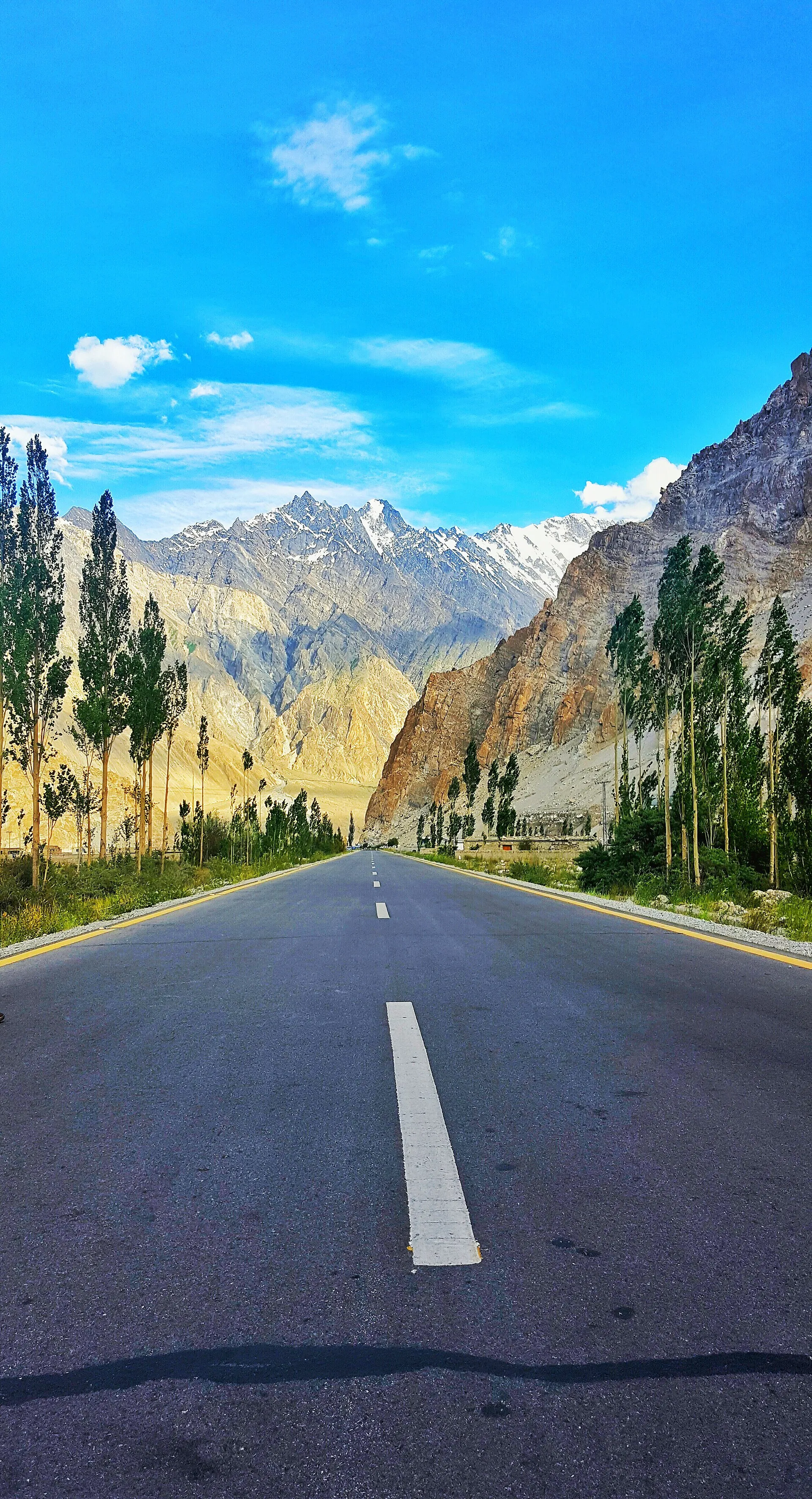
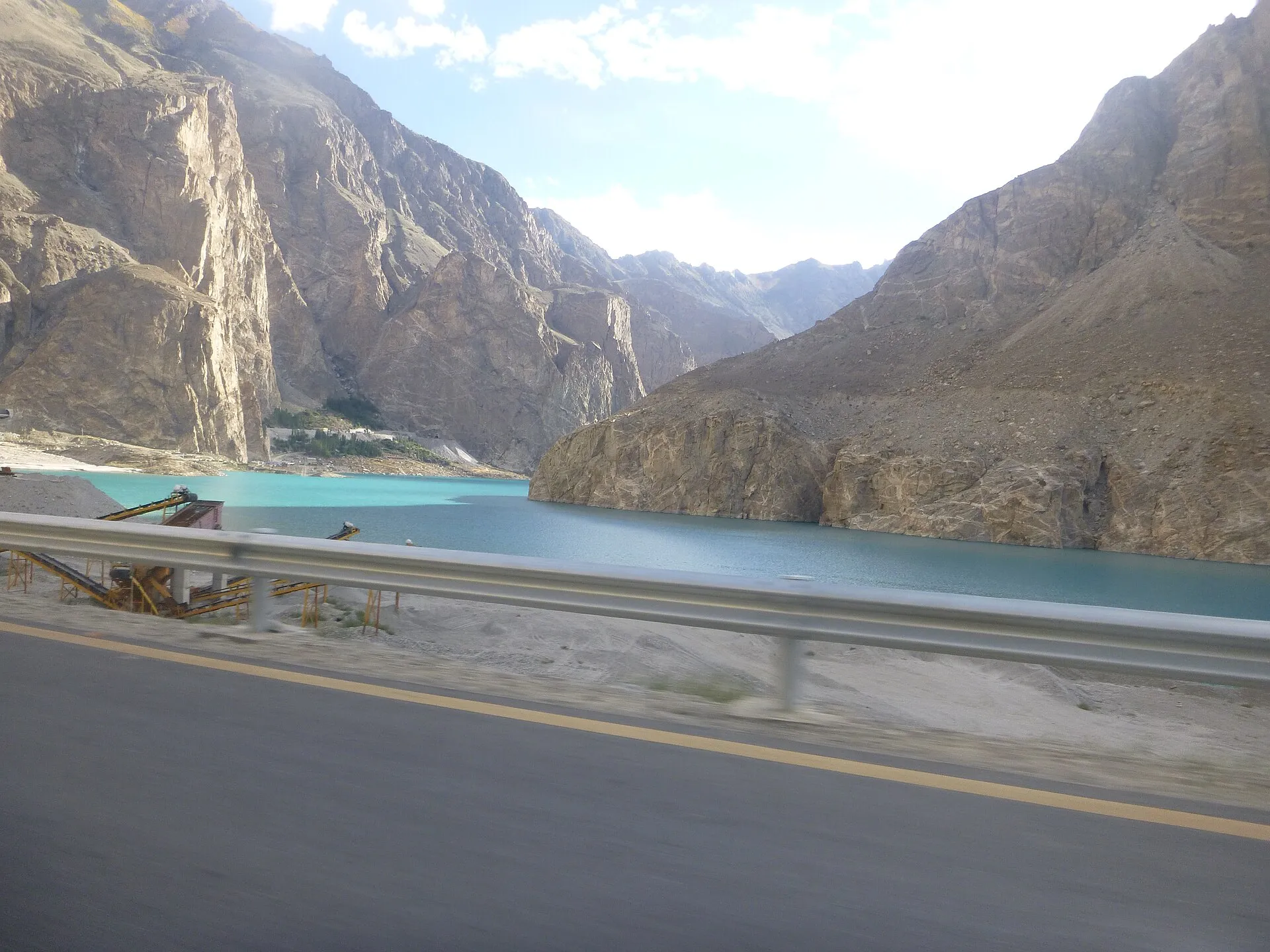
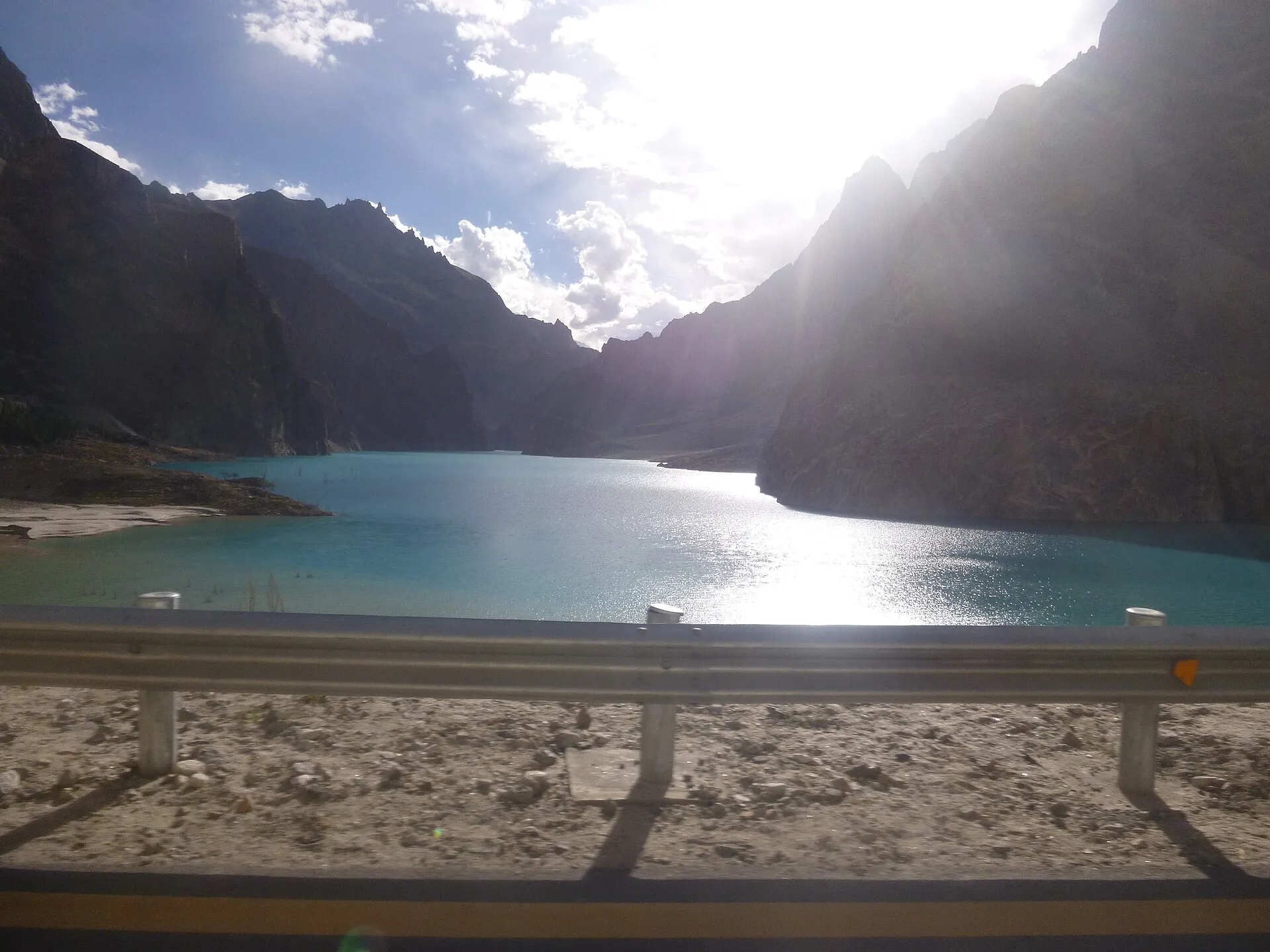
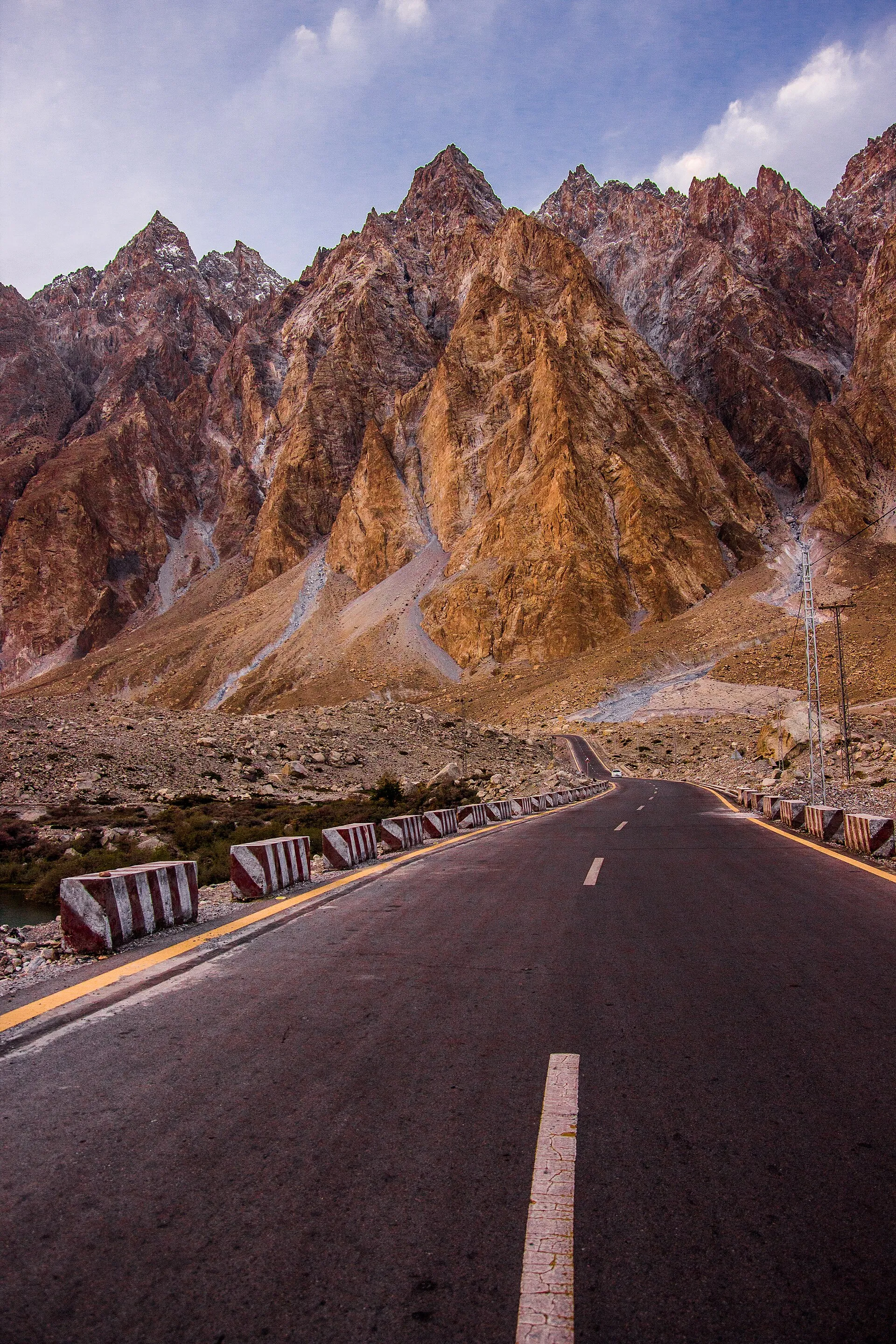
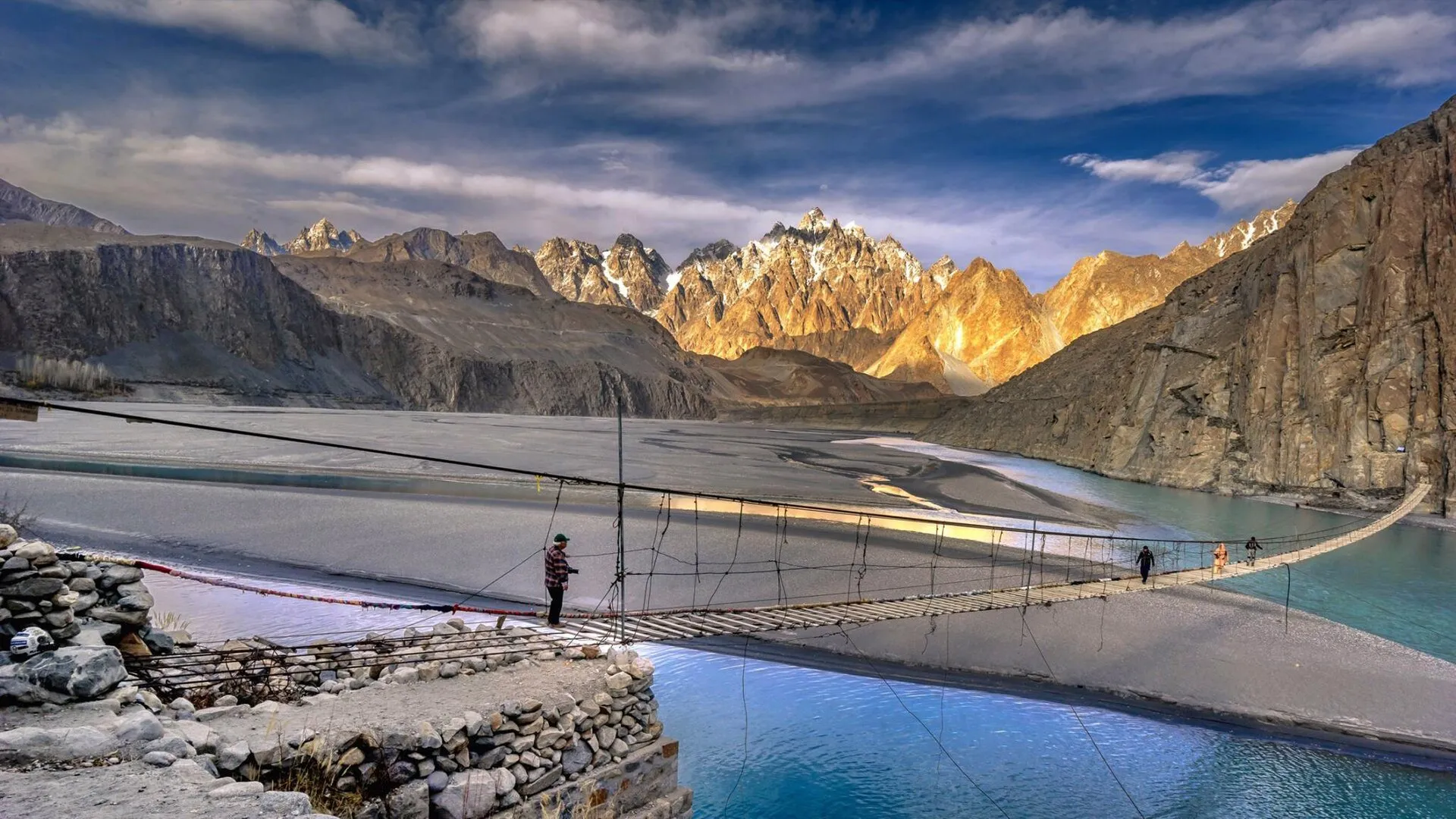
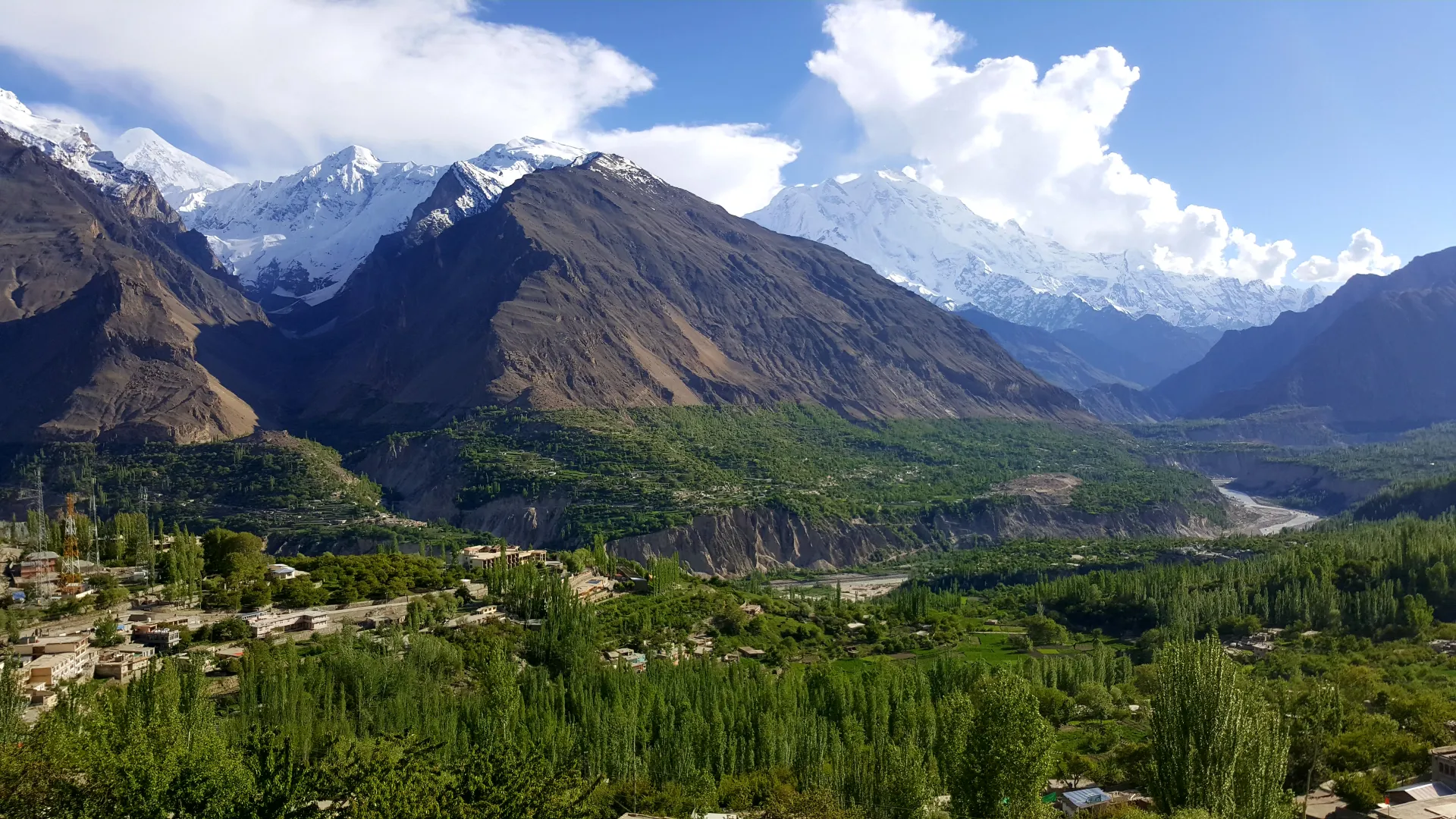
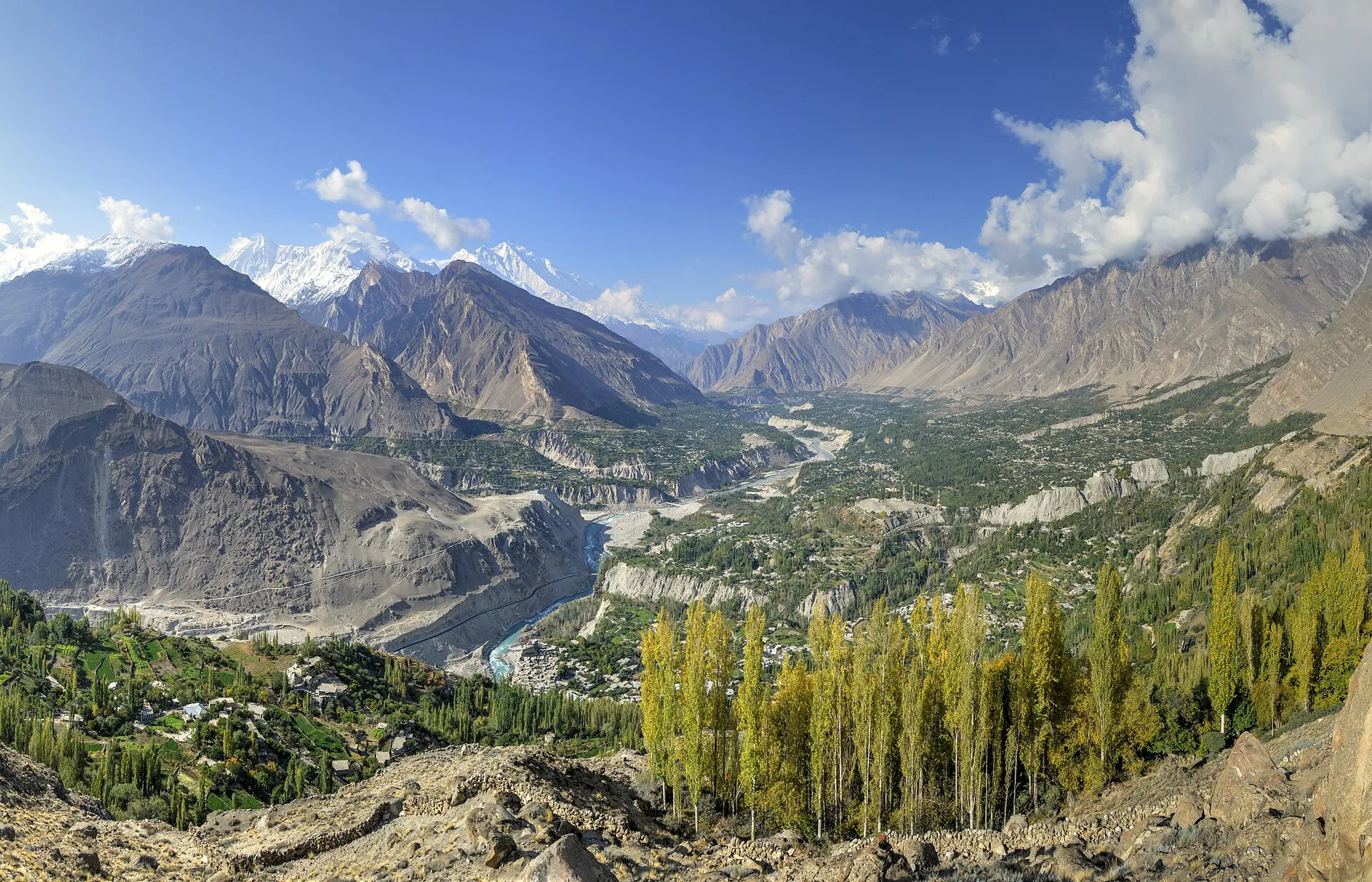
Bạn leo từ Gilgit ở độ cao khoảng 1.500 m qua Karimabad giữa lòng Hunza, qua màu xanh ngọc của hồ Attabad và những mũi đá Passu Cones, lên Sost ở khoảng 2.490 m, rồi tiếp đến chính đèo. Cú đẩy cuối lên Khunjerab là điểm then chốt: một chặng leo dài vào không khí loãng, trống trải và lạnh, lên gần 1.000 m đến rào chắn ở khoảng 4.600 đến 4.693 m nơi bò yak gặm cỏ trên lãnh nguyên của Vườn quốc gia Khunjerab. Đến được đỉnh bằng chính sức mình là toàn bộ ý nghĩa của chuyến đi.
Hiểm họa chủ đạo là độ cao. Bạn xuất phát ở thấp và kết thúc trên 4.600 m, nên thích nghi độ cao không phải là tùy chọn, và chúng tôi cài một ngày nghỉ ở Hunza vào lịch dàn xếp để cơ thể bạn có thời gian. Con đường trải nhựa suốt đến biên giới nhưng đoạn tiếp cận Khunjerab gió, lạnh và cao; tuyết có thể rơi ở đèo ngay cả mùa hè. Mùa đạp là tháng Năm đến tháng Mười, với tháng Sáu đến tháng Chín là phần cốt lõi đáng tin cậy, bởi Khunjerab đóng vì tuyết từ khoảng cuối tháng Mười Một đến tháng Năm.
Chuyến thám hiểm đạp xe KKH của chúng tôi có giá 2.500 USD và được hỗ trợ đầy đủ. Xe mang theo dụng cụ sơ cứu và bình oxy, đưa người đạp qua các đường hầm Attabad, lo việc đăng ký cho người nước ngoài tại các chốt kiểm soát, và đỡ bất cứ ai bị độ cao bào mòn. Chúng tôi đạp theo nhóm nhỏ với một kế hoạch đường bộ dự phòng, và chúng tôi nói thật với bạn rằng ngày cuối thật khó. Phần thưởng là một trong những đỉnh đạp xe đích thực.
Lộ Trình Và Các Chặng Hằng Ngày
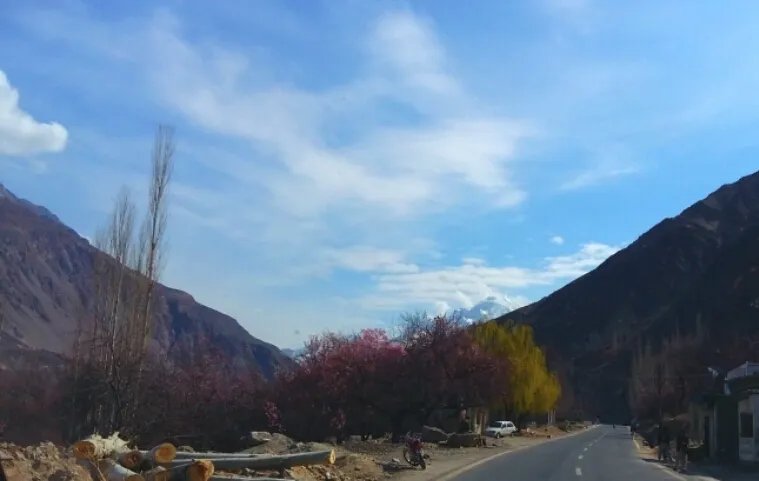
Việc đạp xe dồn dần về phía đèo. Gilgit đến Karimabad khoảng 80 km với chừng 1.350 m leo dốc vào Hunza. Karimabad đến Passu chạy khoảng 35 đến 60 km qua Attabad, với đường hầm dài được xe đưa qua. Passu đến Sost khoảng 40 km bao gồm một chặng leo 15 km lên khoảng 2.490 m. Rồi điểm then chốt: Sost đến đèo Khunjerab, được nêu khoảng 80 đến 95 km tùy nơi bạn cắm trại và quay đầu, leo khoảng 970 m vào không khí rất loãng ở 4.600 đến 4.693 m.
Cái gì lên thì xuống. Các chặng quay về từ đèo là những đoạn xuống dốc thực, ví dụ khoảng 68 km mất chừng 1.450 m từ đỉnh trở về phía Sost và Passu, một phần thưởng nhanh và đáng mong sau chặng leo. Chúng tôi giữ lịch trình linh hoạt quanh thời tiết ở đỉnh, bởi đèo có thể tung ra tuyết và gió bất cứ lúc nào trong mùa hè.
Lịch Trình Từng Ngày
1Bay Đến Gilgit, Lắp Xe, Đạp Thử
Bay Đến Gilgit, Lắp Xe, Đạp Thử
3Gilgit Đến Karimabad, Vào Hunza (khoảng 80 km)
Gilgit Đến Karimabad, Vào Hunza (khoảng 80 km)
6Thích Nghi Độ Cao Và Nghỉ Tại Karimabad
Thích Nghi Độ Cao Và Nghỉ Tại Karimabad
8Karimabad Đến Passu Qua Attabad (35 đến 60 km)
Karimabad Đến Passu Qua Attabad (35 đến 60 km)
10Passu Đến Sost (khoảng 40 km)
Passu Đến Sost (khoảng 40 km)
13Ngày Then Chốt, Sost Đến Đèo Khunjerab (4.693 m)
Ngày Then Chốt, Sost Đến Đèo Khunjerab (4.693 m)
15Xuống Dốc Và Quay Về, Bay Ra
Xuống Dốc Và Quay Về, Bay Ra
Đạp Xe KKH Đến Khunjerab Khó Đến Mức Nào?
Khó, và độ khó là độ cao nhiều như quãng đường. Dưới Sost việc đạp xe ở mức trung bình và độ dốc thân thiện với xe tải, nhưng chặng leo cuối lên 4.693 m đặt bạn vào không khí với một phần nhỏ lượng oxy bạn tập luyện, và tốc độ sụp đổ bất kể bạn khỏe đến đâu. Đây là địa hình AMS thực sự. Chúng tôi thích nghi độ cao có chủ đích, giữ một ngày nghỉ ở Hunza, theo dõi từng người đạp xem có đau đầu và buồn nôn, và mang theo oxy cùng dụng cụ sơ cứu trên xe.
Bạn không cần đạp từng mét để gọi đó là một thành công. Xe hỗ trợ đỡ người đạp trên chặng leo Khunjerab bất cứ khi nào độ cao thắng thế, và nhiều tay đua khỏe vẫn đi nhờ một phần của cú đẩy cuối mà vẫn đứng trên đèo. Cái lạnh và gió ở đỉnh nghiêm trọng; chúng tôi đạp ngày lên đỉnh trong nhiều lớp áo và không nán lại nếu thời tiết trở xấu.
Xe Đạp, Xe Hỗ Trợ Và Các Chốt Kiểm Soát
Một xe hỗ trợ 4WD bám sát cả nhóm suốt chuyến thám hiểm, mang theo hành lý, phụ tùng, dụng cụ sơ cứu và oxy, đưa qua đường hầm Attabad dài, và lo việc đăng ký bắt buộc cho người nước ngoài tại các chốt kiểm soát KKH, nên hãy mang theo hộ chiếu và vài bản photocopy. Chúng tôi cung cấp xe đạp du lịch chất lượng và mũ bảo hiểm, nhưng xe đạp cao cấp đáng tin cậy khó tìm ở miền bắc, nên nếu độ vừa vặn quan trọng với bạn, hãy mang xe của riêng bạn hoặc sắp xếp với chúng tôi từ sớm trước chuyến đi.
Hãy lưu ý đội xe địa phương thực ra là gì: xe cho thuê ở đây là xe máy 125 đến 150 phân khối, không phải xe đạp cao cấp, nên đừng cho rằng có một chiếc xe đạp đường cấp tour đang chờ ở Gilgit. Dầu diesel phổ biến hơn xăng ở miền bắc, điều chúng tôi tính đến khi sắp xếp xe hỗ trợ. Bản thân biên giới Trung Quốc không thể vượt qua bằng xe đạp nếu không có thị thực Trung Quốc và phương tiện Trung Quốc đã sắp xếp trước, nên đèo là điểm quay đầu.
Thời Điểm Tốt Nhất Và Giấy Phép Cho Khunjerab
Đạp từ tháng Năm đến tháng Mười, với tháng Sáu đến tháng Chín là phần cốt lõi đáng tin cậy. Khunjerab đóng vì tuyết từ khoảng cuối tháng Mười Một đến đầu tháng Năm, và ngay cả mùa hè đèo cũng có thể lạnh, lộng gió và phủ tuyết mới. Đèo nằm trong Vườn quốc gia Khunjerab, nên có một phí vào cửa, và người nước ngoài đăng ký tại vài chốt kiểm soát dọc đường. Chúng tôi sắp xếp phí vườn và hướng dẫn bạn qua các thủ tục giấy tờ.
Vì Sao Đặt Tour Với Chúng Tôi
Chúng tôi là nhà điều hành tại Gilgit-Baltistan đã chạy đoạn trên KKH đến Khunjerab từ năm 2015, và chúng tôi rõ ràng về việc chuyến đi này là gì: đoạn trên 270 km, không phải một tuyên bố quá đà về trọn KKH. Chúng tôi dàn xếp thích nghi độ cao đúng cách, mang theo oxy, đưa qua các đường hầm, lo việc đăng ký tại chốt kiểm soát, và đỡ những người đạp mà độ cao đánh gục. Bạn đang đặt một đội ngũ biết chính xác ngày khó nằm ở đâu và cách đưa bạn qua nó an toàn.
Bao Gồm
Không Bao Gồm
Câu Hỏi Thường Gặp
Đạp xe ở Pakistan có an toàn không?
Đạp xe ở Pakistan có an toàn không?
Đây có phải toàn bộ Đường cao tốc Karakoram không?
Đây có phải toàn bộ Đường cao tốc Karakoram không?
Đạp xe KKH đến Khunjerab khó đến mức nào?
Đạp xe KKH đến Khunjerab khó đến mức nào?
Quãng đường đạp từ Gilgit đến Khunjerab là bao nhiêu?
Quãng đường đạp từ Gilgit đến Khunjerab là bao nhiêu?
Bạn quản lý say độ cao thế nào?
Bạn quản lý say độ cao thế nào?
Thời điểm tốt nhất để đạp đến Khunjerab là khi nào?
Thời điểm tốt nhất để đạp đến Khunjerab là khi nào?
Tôi có cần giấy phép không, và tôi có thể vượt biên sang Trung Quốc không?
Tôi có cần giấy phép không, và tôi có thể vượt biên sang Trung Quốc không?
2.500 USD bao gồm những gì?
2.500 USD bao gồm những gì?
Sẵn Sàng Cho Chuyến Phiêu Lưu Tiếp Theo?
Tham gia cộng đồng những nhà thám hiểm của chúng tôi và khám phá hành trình đáng nhớ nhất đời. Đội ngũ chuyên gia sẵn sàng giúp bạn lên kế hoạch chuyến thám hiểm hoàn hảo.