Hunza Valley Tour: Guided 7-10 Day Trip | Go With Guide
Home
All Tours Cultural Tours Family Holidays Luxury Tours Camping Road Trips
K2 Treks Trending Treks High Passes Trekking Holidays All Treks
8000m Peaks 7000m Peaks 6000m Peaks High Passes
Cycle Touring Eco Tourism Motorcycle Touring Mountain Passes Festivals of Pakistan Ibex Hunting Snow Leopard International Travelers
About Us Vehicles Contact FAQs Blog
Plan Your Trip
Terraced fields and Baltit Fort below the peaks of the Hunza Valley, northern Pakistan
Back to Tours
Cultural Hunza Valley

Hunza Valley

Eight days of forts, glacier viewpoints and the upper Karakoram Highway
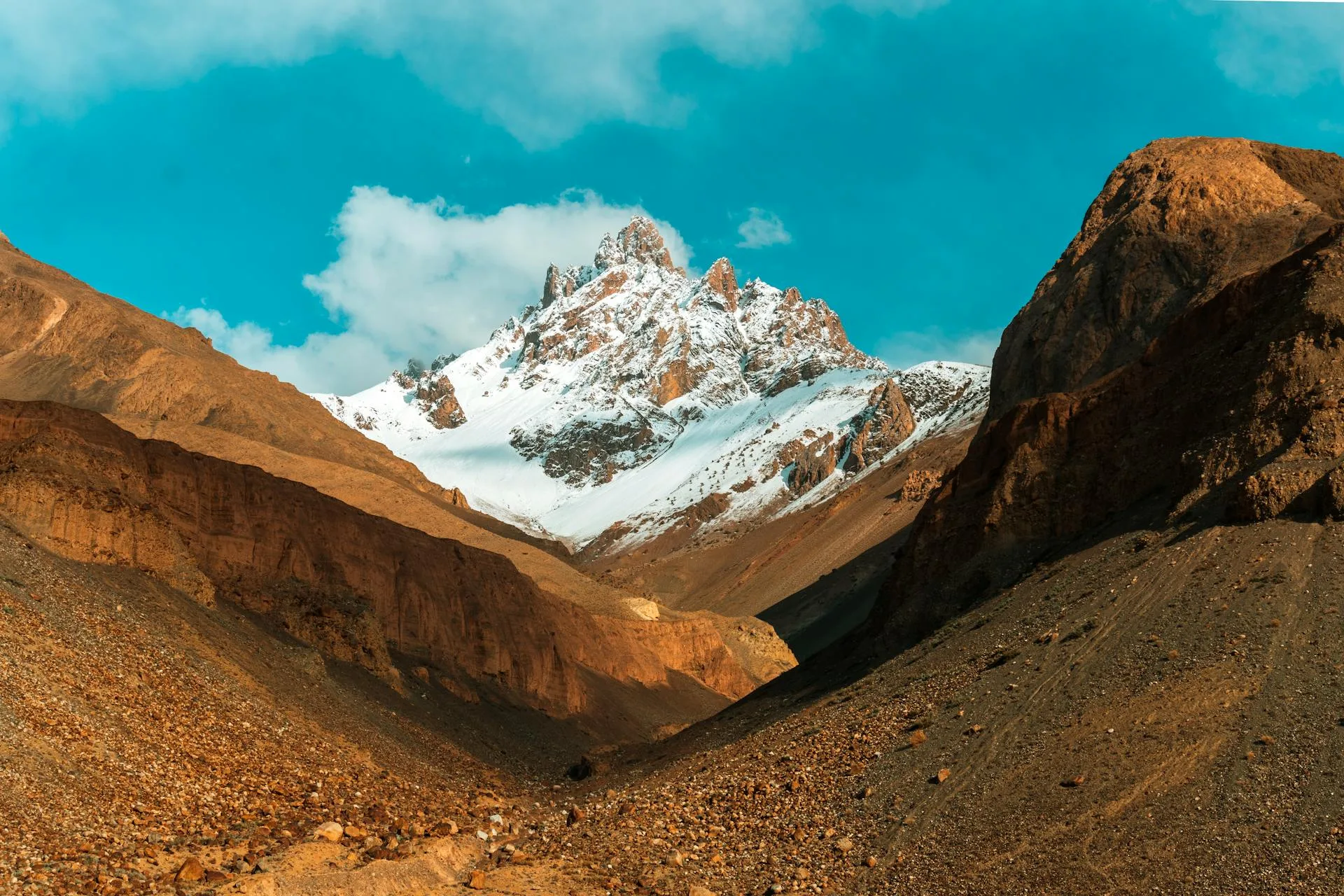
Snow-capped Rakaposhi and Ultar rising above the Hunza Valley in northern Pakistan
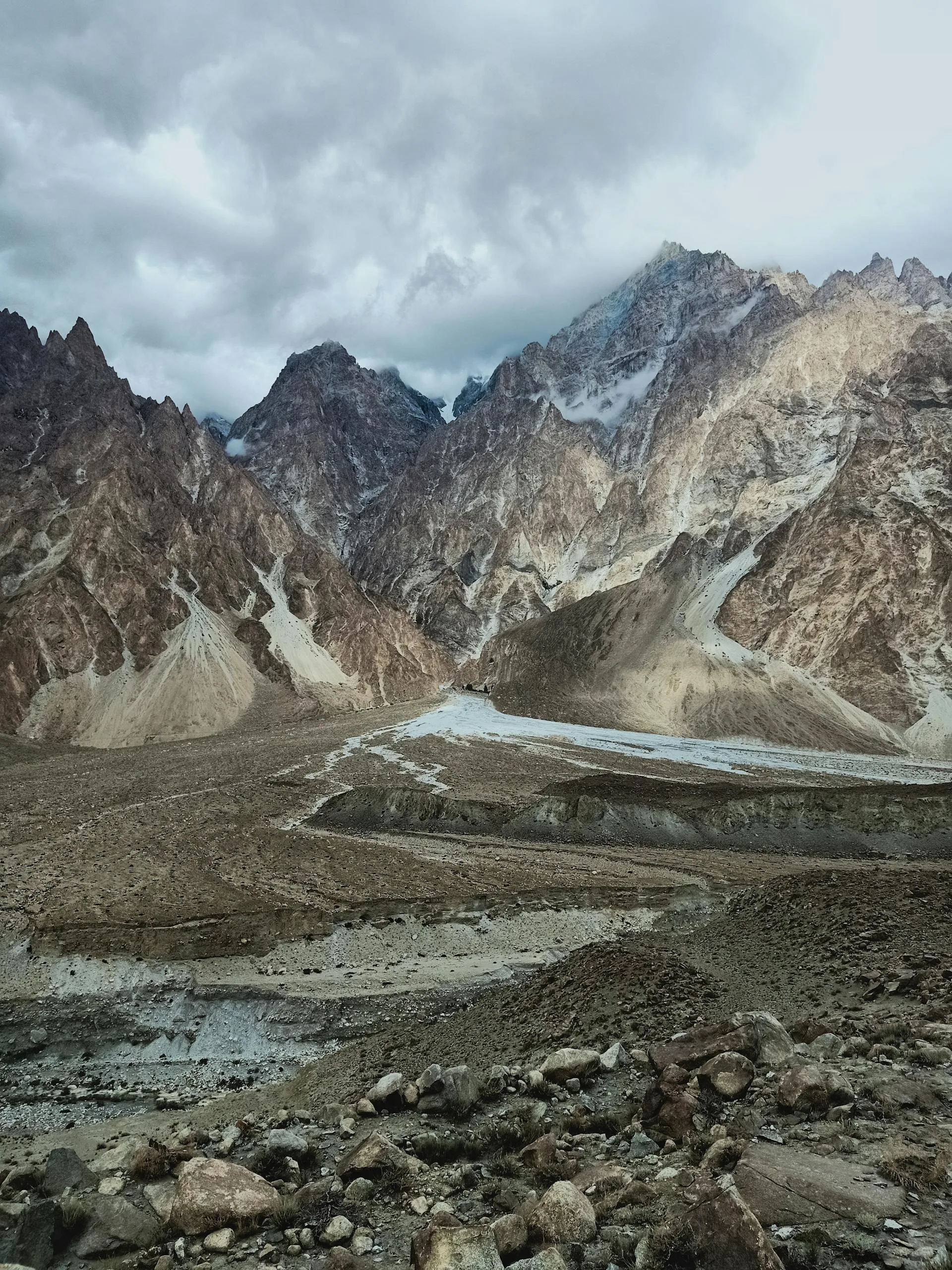
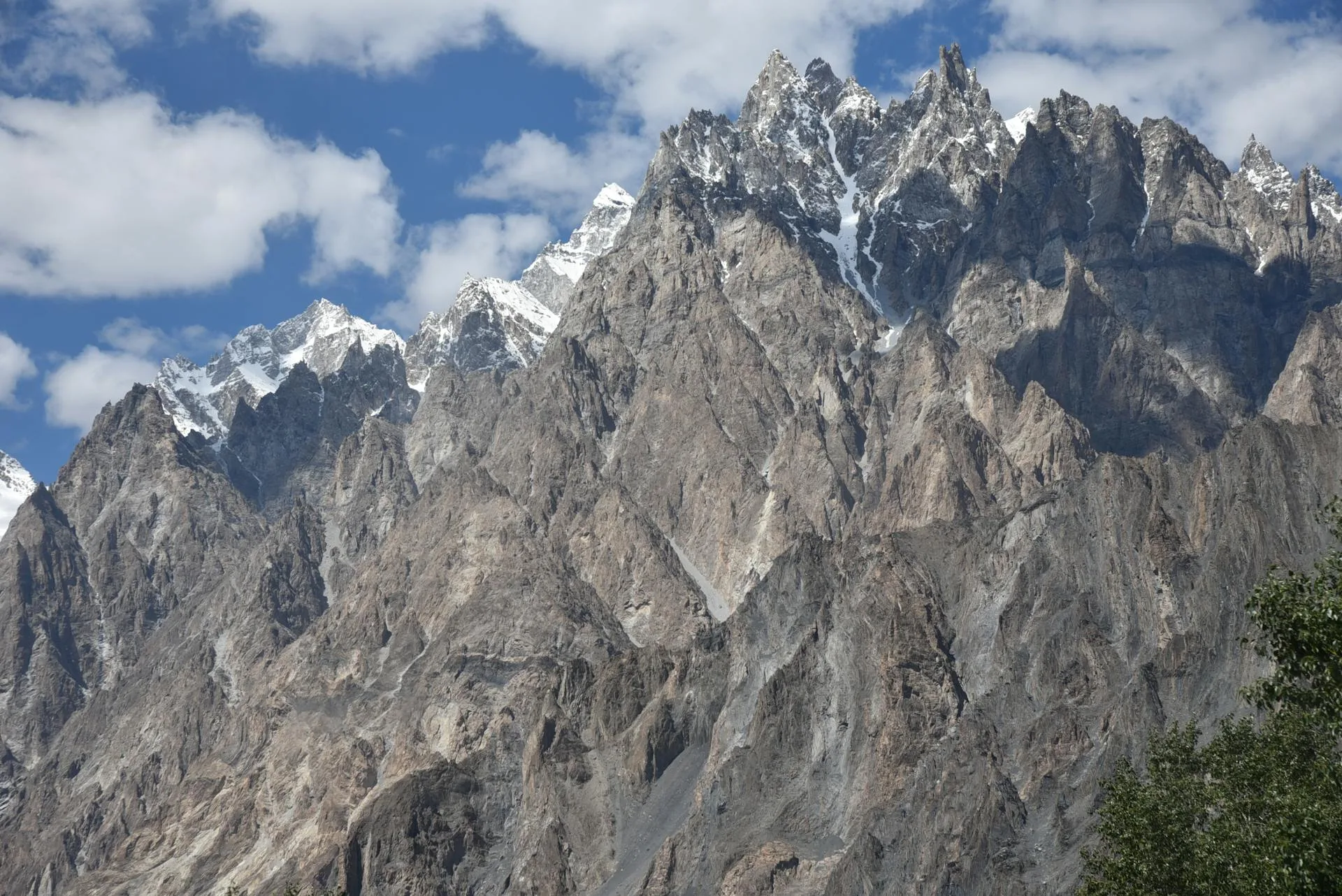
The saw-tooth Passu Cones above the Karakoram Highway in upper Hunza
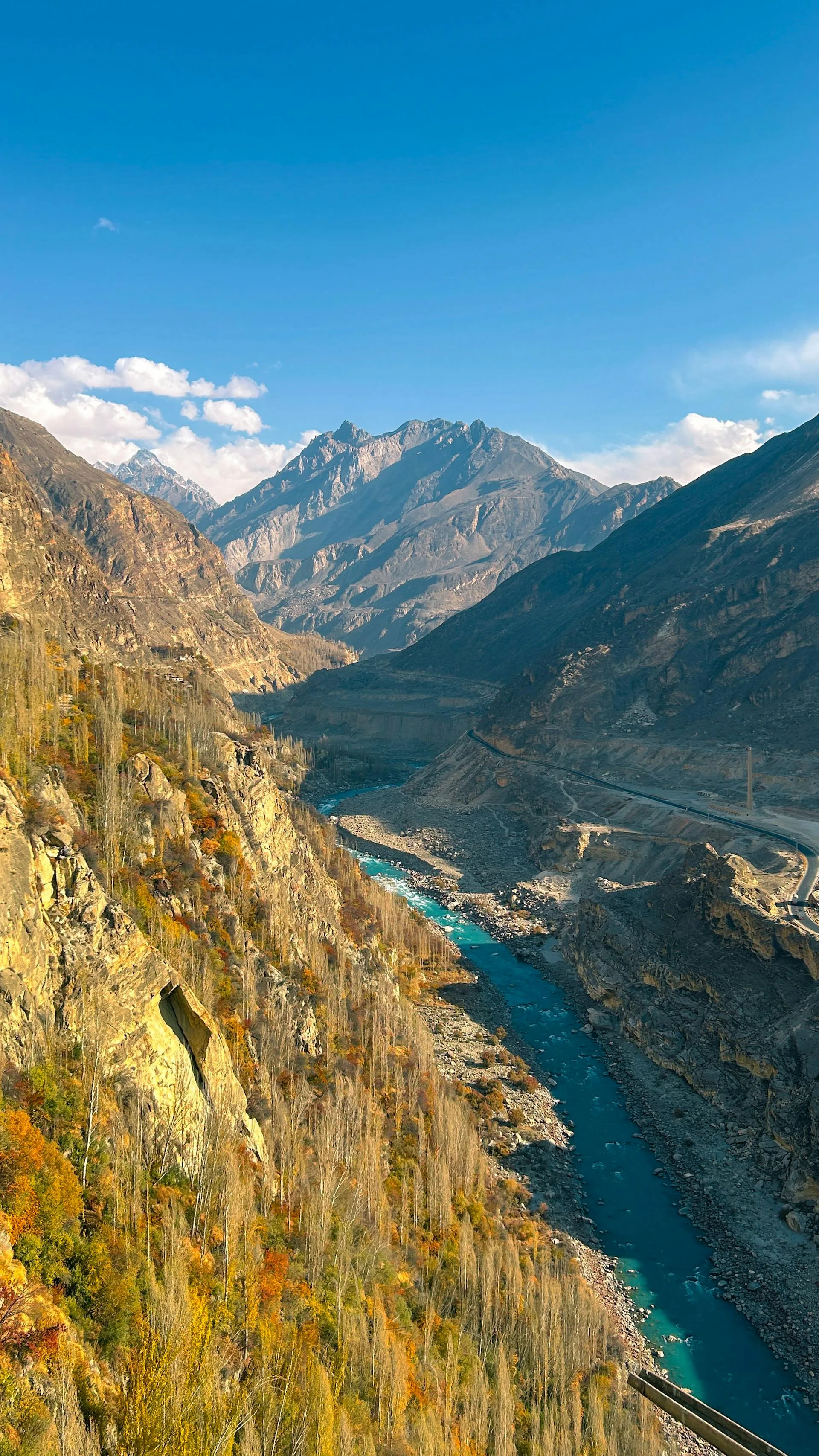
The Karakoram Highway winding through the Indus gorge toward Hunza
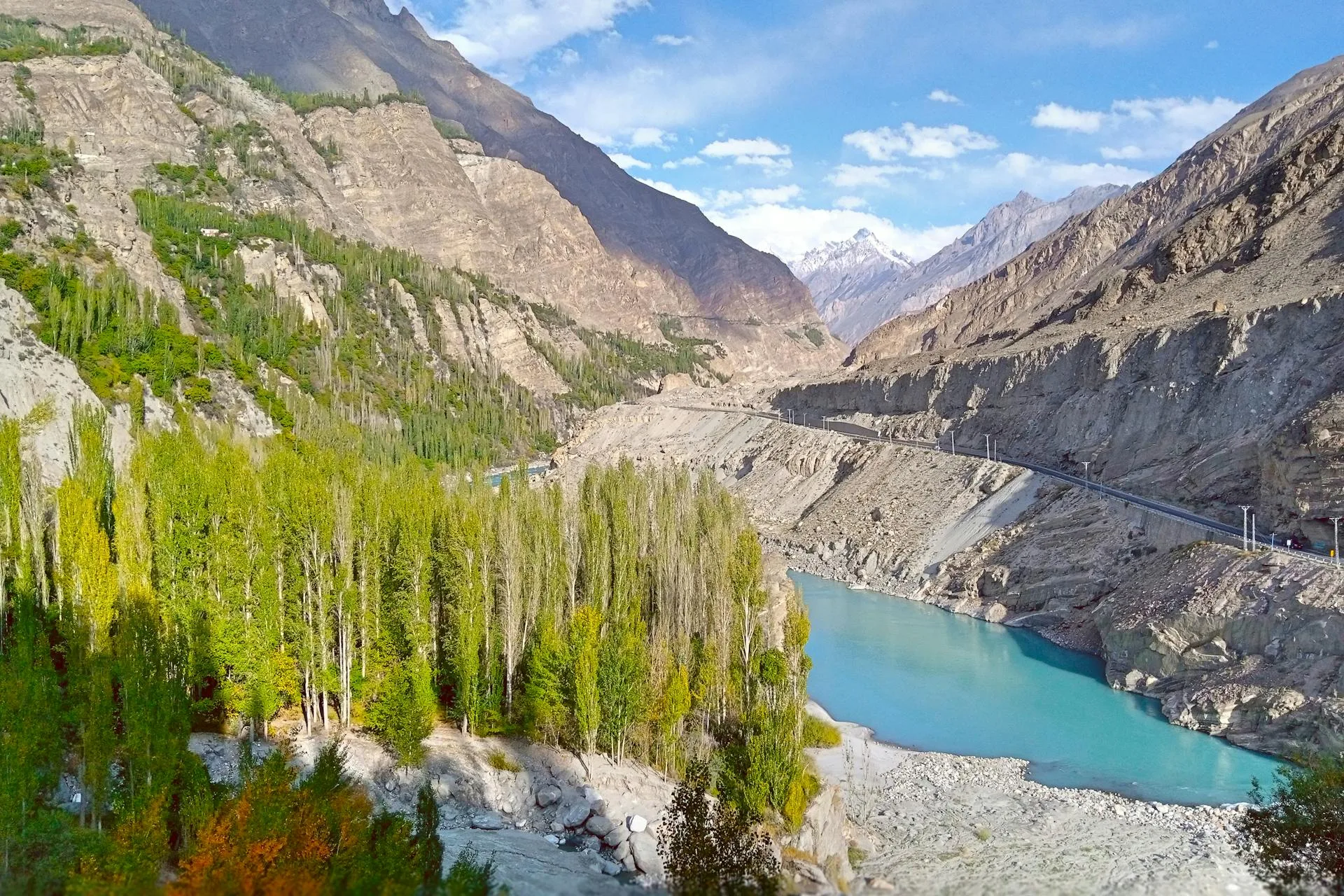
The Hunza River flowing through the valley beneath the Karakoram peaks
Green terraced orchards of Karimabad ringed by Karakoram mountains

Last updated: · Reviewed by Javeed Iqbal, Founder

Duration

7-10 Days

Difficulty

Easy-Moderate

Group Size

2-15 Travelers

Best Season

Apr-May / Sep-Nov

About This Tour

Hunza is a valley in Gilgit-Baltistan, carved by the Hunza River where it cuts through the western Karakoram. Its main town, Karimabad, sits at about 2,438 metres on a shelf of terraced fields, with Rakaposhi (7,788 m), Ultar and the spike of Lady Finger rising straight out of the skyline. This 8-day tour runs the full Karakoram Highway from Islamabad up into the valley and back, so you arrive having watched the landscape change from foothills to high mountain desert.

Over the trip you walk two of the oldest forts in the region. Baltit Fort, above Karimabad, has 8th-century origins in its current restored form, rebuilt by the Aga Khan Trust for Culture in the mid-1990s and on the UNESCO Tentative List since 2004. Altit Fort is older still, the original seat of the Mirs of Hunza. North of town you boat on Attabad Lake, a deep turquoise reservoir that filled after a 2010 landslide dammed the river. Further up the highway stand the Passu Cones, a row of saw-tooth peaks topping out at 6,106 m, and the Hussaini suspension bridge, a run of wooden planks strung over the Hunza River.

Hunza is the home of the Burusho people, who speak Burushaski, a language with no known relatives anywhere. Timing changes the valley a great deal. Apricot, cherry and almond blossom runs from late March into April; the apricot harvest comes in June and July, with fruit laid out drying on rooftops; October turns the poplars gold. May to October is the reliable window overall, and we plan departures inside it.

The pace is steady rather than rushed: two driving days each way on the highway, three full days based in and around Karimabad, and an excursion to the Eagle's Nest viewpoint above Duikar (~2,850 m) for sunrise over the peaks. Group size runs 2 to 15, the grading is easy to moderate, and the price is $1,200.

Things You'll See and Do in Hunza

Karimabad is the base. From its lanes you can walk up to Baltit Fort in about ten minutes and on to Altit Fort and its apricot orchard another short drive away. The bazaar is small and easy to browse for dried apricots, hand-knit caps and Hunza gemstones. Comparing the two forts is the heritage highlight here: Baltit is the grander restoration with the famous balcony view down the valley, Altit the rawer, older structure on a cliff above the river.

Up the highway, Attabad Lake is the set-piece. Boats run across water that sits at roughly 2,400 m, and since the Pak-China Friendship Tunnels opened in 2015 the highway bypasses the lake, so the boat ride is now a choice rather than the only way through. Beyond it the Passu Cones viewpoint (~2,565 m) gives you the postcard line-up of peaks, and the nearby Hussaini bridge is there to cross if you want to. We are honest that it is rickety, with real gaps between the planks. The Eagle's Nest excursion is the other fixed highlight, a 4x4 climb to Duikar for the dawn light on Rakaposhi, Ultar and Diran.

Where is Hunza Valley?

Hunza Valley lies in the far north of Pakistan, in the Gilgit-Baltistan region, strung along the Hunza River where it cuts through the western Karakoram. The main settlements sit between roughly 2,400 and 2,500 metres, with Karimabad, the central town, on a terraced shelf at about 2,438 m. The valley runs north from Gilgit along the Karakoram Highway toward the Khunjerab Pass and the Chinese border, with Nagar Valley facing it across the river. From Islamabad it is about 600 km by road: you either drive the full Karakoram Highway over two days or fly to Gilgit and drive the last 2.5 to 3 hours up to Karimabad.

The Villages of Hunza Valley

Hunza is not one town but a string of them. Karimabad is the tourist heart, sitting below Baltit Fort with the best valley views. Aliabad, just below it, is the largest and busiest town, home to the main bazaar and most services. Ganish, on the highway, is the oldest settlement in Hunza, its watchtowers and old mosques now a conservation site. Further up the valley lie Gulmit and Passu in upper (Gojal) Hunza, near the Passu Cones and the glaciers, while Hopar sits across in Nagar beside its glacier. Each village has its own character, and a proper trip moves between several rather than staying in one.

Attabad Lake: The Lake That Emerged in Hunza

The lake most people ask about is Attabad Lake, and it is a recent arrival. In January 2010 a massive landslide crashed down at Attabad village, damming the Hunza River and burying a stretch of the Karakoram Highway. Over the following months the water backed up into a reservoir around 20 km long and up to 100 m deep, submerging several villages and cutting the road for years. Today it is one of the valley's signature sights: a band of deep turquoise water below bare mountains, crossed by the Pak-China Friendship Tunnels since 2015. Boat rides run across it, and the shore has grown a cluster of cafes and guesthouses.

Hunza Valley Weather and Temperature

Hunza has a dry, high-mountain climate with four clear seasons. Spring (late March to April) is mild by day and cold at night, with apricot and cherry blossom across the terraces. Summer (May to August) is the warmest and busiest time, with daytime temperatures often in the low-to-mid 20s Celsius and long clear days, though upper Hunza and the passes stay cold. Autumn (September to October) turns the poplars gold and brings crisp, settled weather and sharp night frosts. Winter (November to February) is cold and quiet, with snow, sub-zero nights and some roads and guesthouses closed. Whenever you come, pack for cold mornings even in mid-summer.

Where to Stay in Hunza Valley

Most visitors base themselves in Karimabad, which has the widest choice, from simple guesthouses to heritage and mid-range hotels, many with terraces framing Rakaposhi and Lady Finger. Aliabad, just below, has more everyday hotels and is handy for services. For upper Hunza, Gulmit and Passu have a growing set of guesthouses and lodges near Attabad Lake and the Passu Cones, which suit travellers heading toward Khunjerab. Standards are generally simple and honest rather than luxurious; heating and hot water can be patchy in older places, and the best rooms in peak season (blossom and autumn) book out early. On our tours we hold rooms in places we know and trust.

The People and Food of Hunza

Hunza is home to the Burusho people, who speak Burushaski, a language with no known relatives anywhere in the world, alongside Wakhi and Shina in the upper valley. It is a predominantly Ismaili area, with high literacy and a long record of welcoming travellers. The food leans on what the valley grows: apricots eaten fresh, dried and pressed for oil, plus walnuts, mulberries, buckwheat and cherries. Local dishes worth trying include chapshuro (a meat-filled bread), harissa, diram and apricot-kernel soup. The valley's reputation for longevity and its glacial "Hunza water" is more folklore than proven science, but the fresh fruit, walnuts and unhurried pace are real enough.

Day-by-Day Itinerary

1

Islamabad to Chilas

An early start and a long drive north on the Karakoram Highway through Abbottabad, Mansehra and Besham, then into the Indus gorge. Overnight in Chilas, with the bulk of Nanga Parbat off to the south.
2

Chilas to Karimabad

The most dramatic stretch of the KKH, past the confluence of the Indus and Gilgit rivers and the Rakaposhi roadside viewpoint. Arrive in Karimabad (~2,438 m) by afternoon for your first full sight of the valley.
3

Karimabad Forts and Eagle's Nest

Walk Baltit Fort, restored by the Aga Khan Trust for Culture, and the older Altit Fort above the river. Late in the day drive up to the Eagle's Nest viewpoint at Duikar (~2,850 m) for sunset over Rakaposhi, Ultar and Lady Finger.
4

Attabad Lake and Passu

Drive about 45 minutes to Attabad Lake for a boat ride on the turquoise water, then on through the Friendship Tunnels to Passu (~30 to 45 min more) for the Passu Cones viewpoint and the wooden Hussaini suspension bridge.
5

Khunjerab Pass Excursion

A full-day round trip up to Khunjerab Pass (4,693 m), the world's highest paved international border crossing, on the Pakistan-China frontier. Hydrate, keep the pace slow at the top, and return to Passu or Karimabad.
6

Hopar Valley and Glacier Viewpoint

A half-day excursion across to the Nagar side and up to the Hopar glacier overlook, about 1.5 to 2 hours each way, through terraced fields and orchards. Afternoon free in Karimabad bazaar.
7

Karimabad to Chilas

Begin the drive south down the KKH, back through the Indus gorge to Chilas. When it is open, usually from about June, we can route via the Babusar Pass (4,173 m) toward the Kaghan Valley instead.
8

Return to Islamabad

The last leg back to Islamabad, arriving by evening through the green hills of Hazara. Tour ends.

Best Time to Visit Hunza Valley

May to October is the dependable season, with warm clear days and every road open. For blossom, aim at the first half of April, when the apricot and cherry trees flower across the terraces; the exact dates shift a week or two each year with the weather, so treat them as approximate. June and July bring the apricot harvest and the warmest weather. October is the short, vivid autumn window when the poplars turn gold, though nights are cold and the season can close early if snow arrives high up.

Whenever you come, the high country is cold at dawn and the simpler guesthouses can have cold bathrooms. We pack the itinerary so the early starts (Eagle's Nest, the Khunjerab day) land on the clearer mornings where we can.

How to Get to Hunza from Islamabad

There are two ways in. You can fly Islamabad to Gilgit and drive the last 2.5 to 3 hours up to Karimabad, or drive the whole Karakoram Highway. We build this tour around the full road journey because the Gilgit flight is unreliable: it is weather-dependent and often delayed or cancelled, sometimes for days, especially in peak season. Driving removes that gamble, and the highway is half the experience.

The road runs north through Abbottabad, Besham and Chilas, following the Indus gorge before climbing into the mountains near the Rakaposhi viewpoint. If you would rather fly one leg to save time, we can build it in and hold the road plan in reserve for when the flight drops. For travellers who want the pass as well, this tour pairs naturally with our Hunza to Khunjerab route, while families travelling with younger children may prefer the gentler Hunza Family Explorer.

Who This Tour Is For

This is a tour for travellers who want the classic Hunza circuit without trekking. The walking is short and optional, the altitude stays mostly between 2,400 and 2,900 m, and the long days are spent in the vehicle on the highway rather than on foot. If you are interested in mountain culture, forts, food and big scenery from accessible viewpoints, it fits. If you came for serious high-altitude trekking or glacier crossings, this is the wrong product and we will point you elsewhere. Those drawn to the living culture of the valley can also look at our Hunza cultural tour or a community homestay.

Why Book With Us

We are a Gilgit-Baltistan operator and have run the Hunza circuit since 2015, which is why we sell it on the road rather than a flight that strands guests when the weather turns. Our drivers know the highway and our guides are local, so a fort visit comes with the family history behind it and a roadside stop comes with the right apricots. We tell you in advance what is rickety, what is cold and what depends on the weather, and we build a fallback into every booking.

What's Included

Private 4x4 transport with experienced mountain driver for entire route
7-9 nights in heritage hotels and comfortable guesthouses
Daily breakfast and dinner; selected local lunches
English-speaking local guide throughout the tour
All fort entry tickets, park fees, and Khunjerab permits
Boat ride on Attabad Lake

Not Included

International flights
Travel insurance
Personal expenses and tips

Frequently Asked Questions

Is Hunza safe to visit?

Yes. Hunza is one of the most settled and welcoming parts of Pakistan and has a long record of looking after travellers. The valley is predominantly Ismaili, literacy is high, and people here are used to international visitors. On this tour you are never on your own: an English-speaking local guide is with you from Islamabad and back, and a private 4x4 with an experienced mountain driver handles the whole route. The real risks in Hunza are practical ones, the long highway days, the altitude on the Khunjerab day and weather closing a road or a flight. We have run this circuit since 2015, we tell you in advance what is rickety or cold, and we build a fallback plan into every booking so a closed road or a cancelled flight does not leave you stuck.

Is Hunza worth visiting?

Yes, if you want big Karakoram scenery, history and good food without a hard physical trip. From the terraces around Karimabad you look straight up at Rakaposhi (7,788 m), Ultar and Lady Finger. You walk two of the oldest forts in the region, Baltit Fort with its restored balcony view down the valley and the older Altit Fort on a cliff above the river. You boat across the turquoise water of Attabad Lake, stand below the Passu Cones and can cross the Hussaini suspension bridge if you are brave. The Eagle's Nest viewpoint at Duikar gives you dawn light on the peaks. The Burusho people and their Burushaski language, the apricots, walnuts and dishes like chapshuro make the culture as memorable as the mountains. None of it needs trekking. If you came for serious high-altitude trekking or glacier crossings, though, this tour is the wrong fit and we will point you elsewhere.

How hard is this tour?

It is an easy to moderate tour, and fitness is not the limiting factor. The walking is short and optional: the ten-minute climb from Karimabad's lanes up to Baltit Fort, a stroll around Altit Fort and its orchard, and the viewpoints at Passu and Hopar, all reached by vehicle. Most of the trip stays between 2,400 and 2,900 m, and Karimabad itself sits at about 2,438 m. What tires people is the driving, with two long days on the Karakoram Highway in each direction and an overnight in Chilas both ways. The one high day is the Khunjerab Pass excursion to 4,693 m, a full-day round trip where we ask you to drink plenty and move slowly at the top. Mornings are cold at altitude and some simpler guesthouses have cold bathrooms. If you can sit in a 4x4 for a long day and walk a short uphill lane, you can do this tour.

How long is the drive from Islamabad to Hunza?

By road it is two days each way. Islamabad to Hunza is about 600 km, and we break the drive with an overnight in Chilas. Day one runs north on the Karakoram Highway through Abbottabad, Mansehra and Besham, then into the Indus gorge to Chilas, with Nanga Parbat off to the south. Day two is the most dramatic stretch of the highway, past the confluence of the Indus and Gilgit rivers and the Rakaposhi roadside viewpoint, arriving in Karimabad by afternoon. The return follows the same road back to Chilas and Islamabad, and when the Babusar Pass (4,173 m) is open, usually from about June, we can route south that way toward the Kaghan Valley instead. If you fly Islamabad to Gilgit, the drive from Gilgit up to Karimabad is only about 2.5 to 3 hours, but that flight is weather-dependent and often cancelled, which is why we build the tour around the road.

When is the best time to visit Hunza?

Our listed seasons are April to May and September to November, and May to October is the dependable window, with warm clear days and every road open. For blossom, aim at the first half of April, when apricot and cherry trees flower across the terraces. The exact dates shift a week or two each year with the weather, so treat them as approximate. June and July bring the apricot harvest, with fruit drying on the rooftops, and the warmest weather, often in the low-to-mid 20s Celsius by day. October is the short autumn window when the poplars turn gold, with crisp, settled weather but cold nights, and the season can close early if snow arrives high up. Winter, November to February, is cold and quiet, with sub-zero nights and some roads and guesthouses closed. Whenever you come, pack for cold mornings, and book early for blossom and autumn when the best rooms go first.

Do I need permits for this tour?

No special tourist permit is needed to visit the Hunza Valley itself. The one day that needs paperwork is the Khunjerab Pass excursion, which enters Khunjerab National Park and runs up to the Pakistan-China frontier at 4,693 m, the world's highest paved international border crossing. The park fees and Khunjerab permits for that day are included in the package, and we arrange them so you do not have to queue for anything. All fort entry tickets are also included, which covers Baltit Fort and Altit Fort in Karimabad, and the Attabad Lake boat ride is paid for too. You go up to the pass and come back down the same day, returning to Passu or Karimabad, so there is no border crossing to arrange. Travel insurance is not included in the price, and we recommend you arrange it before you travel.

How much does a Hunza tour cost?

This tour is priced from $1,200 per person. The standard itinerary runs 8 days, and the tour is listed at 7 to 10 days. That price covers private 4x4 transport with an experienced mountain driver for the entire route, 7 to 9 nights in heritage hotels and comfortable guesthouses, daily breakfast and dinner with selected local lunches, and an English-speaking local guide throughout. All fort entry tickets, park fees and Khunjerab permits are included, as is the boat ride on Attabad Lake. Not included are international flights to Pakistan, travel insurance, personal expenses and tips. Group size runs from 2 to 15 travellers. Prices can vary with your dates, group and any changes such as flying one leg, so contact us for an exact, customised quote. Cancellation is free up to 30 days before departure.

Should I fly or drive to Hunza?

We recommend driving the full Karakoram Highway, and we build this tour around it. The Islamabad to Gilgit flight is weather-dependent and often delayed or cancelled, sometimes for days, especially in peak season, and a stranded flight can eat the days you planned to spend in Hunza. Driving removes that gamble. It takes two days each way with an overnight in Chilas, and the road itself is half the experience: the Indus gorge, the confluence of the Indus and Gilgit rivers and the Rakaposhi roadside viewpoint. If you would rather fly one leg to save time, we will book it and hold the road plan in reserve for the day the flight drops. From Gilgit it is about 2.5 to 3 hours up to Karimabad. On the way back, when the Babusar Pass is open, usually from about June, we can route south toward the Kaghan Valley instead of repeating the same road.

Which lake emerged in Hunza Valley?

Attabad Lake. It formed in January 2010 when a landslide at Attabad village dammed the Hunza River, flooding a roughly 20 km stretch of the valley and part of the Karakoram Highway. It is now a turquoise lake famous for boat rides, crossed by the Friendship Tunnels.

Where is Hunza Valley located?

Hunza Valley is in Gilgit-Baltistan, in the far north of Pakistan, along the Karakoram Highway between Gilgit and the Khunjerab Pass on the Chinese border. Its main town, Karimabad, sits at about 2,438 m, roughly 600 km by road from Islamabad.

Where should I stay in Hunza?

Karimabad is the best base for most visitors. It has the widest choice, from simple guesthouses to heritage and mid-range hotels, many with terraces looking out at Rakaposhi and Lady Finger, and Baltit Fort is a ten-minute walk up from its lanes. Aliabad, just below, is the largest and busiest town, with more everyday hotels and most services. For upper Hunza, Gulmit and Passu have a growing set of guesthouses and lodges near Attabad Lake and the Passu Cones, which suit travellers heading toward Khunjerab. Standards across the valley are simple and honest rather than luxurious, and heating and hot water can be patchy in older places. The best rooms in blossom and autumn season book out early. On this tour we hold 7 to 9 nights in heritage hotels and comfortable guesthouses that we know and trust, so you do not have to sort out rooms yourself.

What is the weather like in Hunza Valley?

Hunza has a dry, high-mountain climate with four clear seasons, and it is cold at night all year. Spring, late March to April, is mild by day and cold at night, with apricot and cherry blossom across the terraces. Summer, May to August, is the warmest and busiest time, with daytime temperatures often in the low-to-mid 20s Celsius and long clear days, though upper Hunza and the passes stay cold. Autumn, September to October, turns the poplars gold and brings crisp, settled weather with sharp night frosts. Winter, November to February, is cold and quiet, with snow, sub-zero nights and some roads and guesthouses closed. The Khunjerab Pass at 4,693 m is far colder than Karimabad at about 2,438 m, so bring a warm layer for that day. Whenever you come, pack for cold mornings even in mid-summer, and expect some simpler guesthouses to have cold bathrooms.

From

$1,200

per person

* Prices may vary. Contact us for accurate, customized pricing.

Duration7-10 Days
DifficultyEasy-Moderate
Group Size2-15 Travelers
Best SeasonApr-May / Sep-Nov
Max Altitude~3,100m
Book This Tour Ask a Question

Free cancellation up to 30 days before departure

Ready for Your Next Adventure?

Join our community of explorers and discover the journey of a lifetime. Our expert team is ready to help you plan your perfect expedition.