Deosai Weather, Height (4,114 m) & Camping | Go With Guide
Home
All Tours Cultural Tours Family Holidays Luxury Tours Camping Road Trips
K2 Treks Trending Treks High Passes Trekking Holidays All Treks
8000m Peaks 7000m Peaks 6000m Peaks High Passes
Cycle Touring Eco Tourism Motorcycle Touring Mountain Passes Festivals of Pakistan Ibex Hunting Snow Leopard International Travelers
About Us Vehicles Contact FAQs Blog
Plan Your Trip
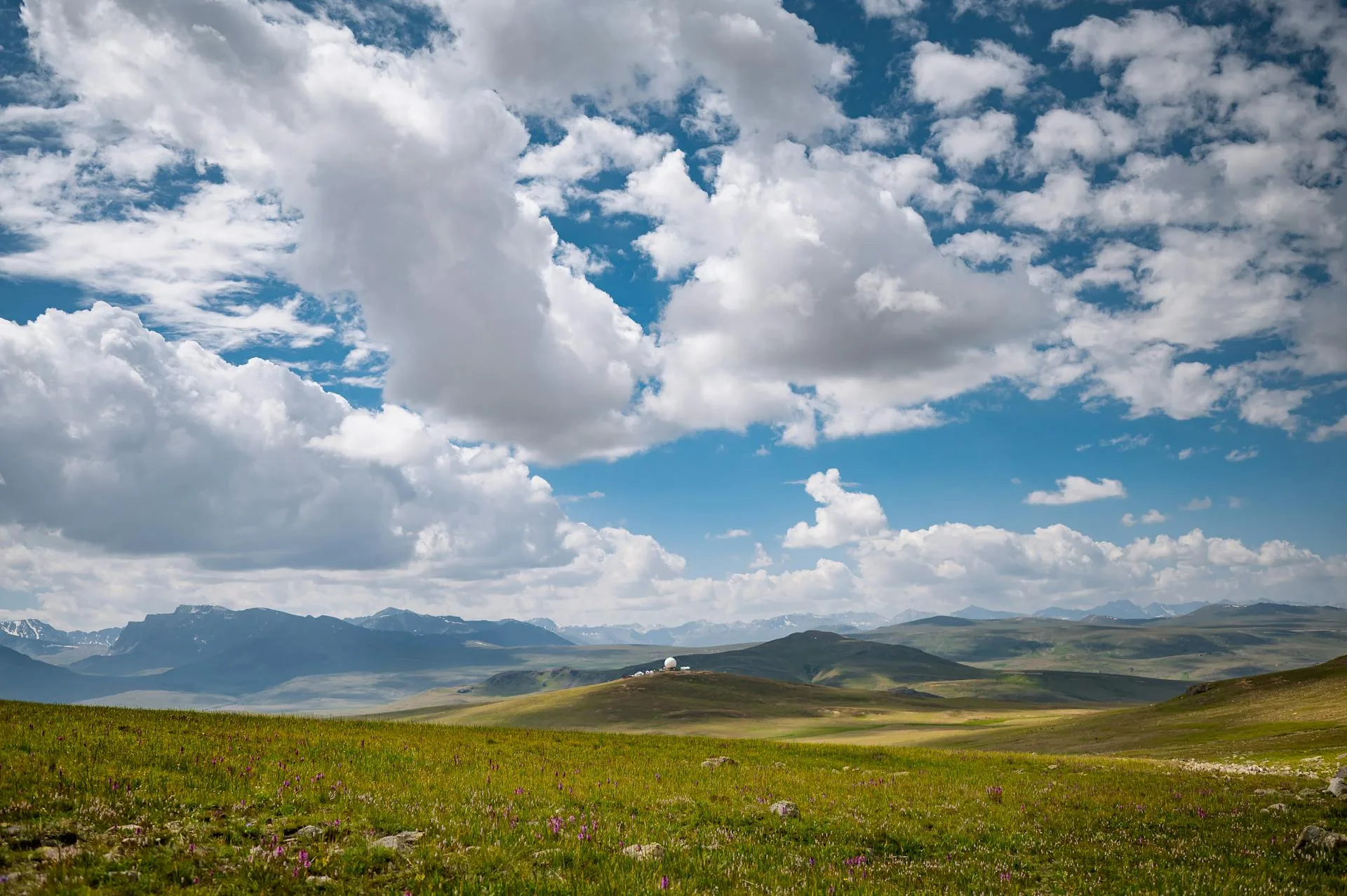
The treeless Deosai plateau rolling toward distant peaks in Gilgit-Baltistan
Back to Tours
Wildlife Skardu

Deosai National Park

A treeless tableland averaging 4,114 metres, snowbound nine months of the year
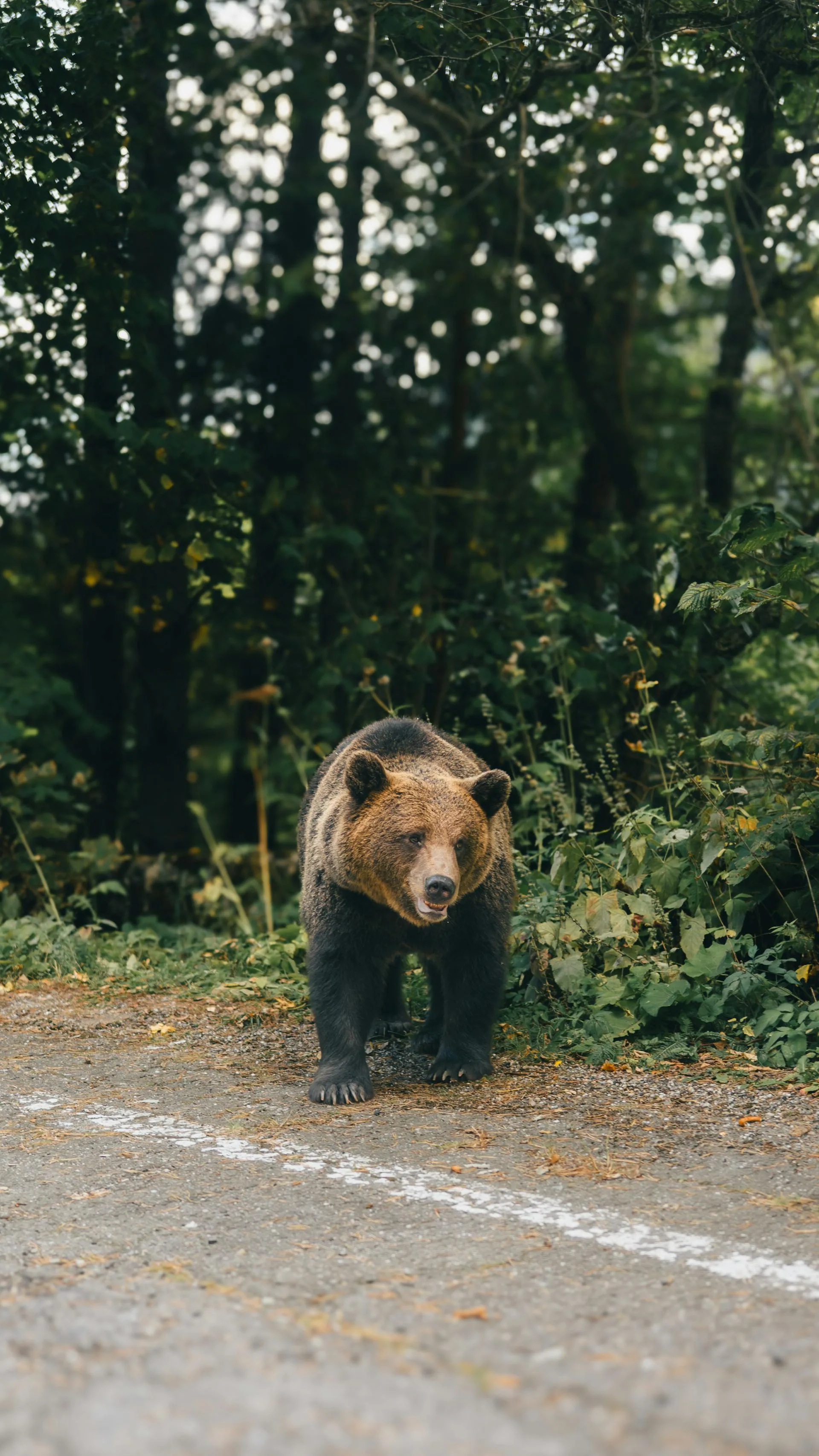
A Himalayan brown bear on the open meadows of Deosai National Park
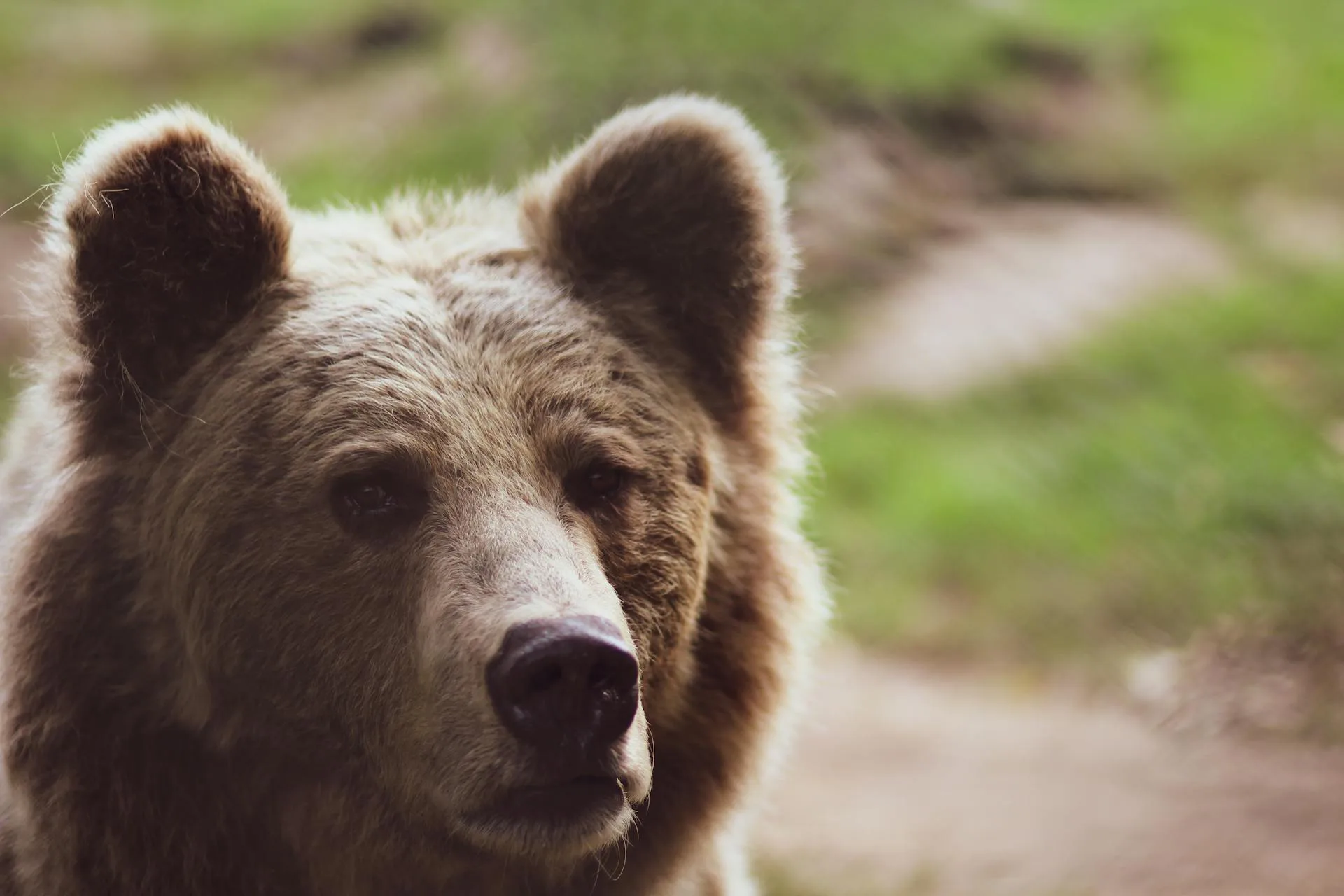
A wild Himalayan brown bear grazing on the Deosai plateau
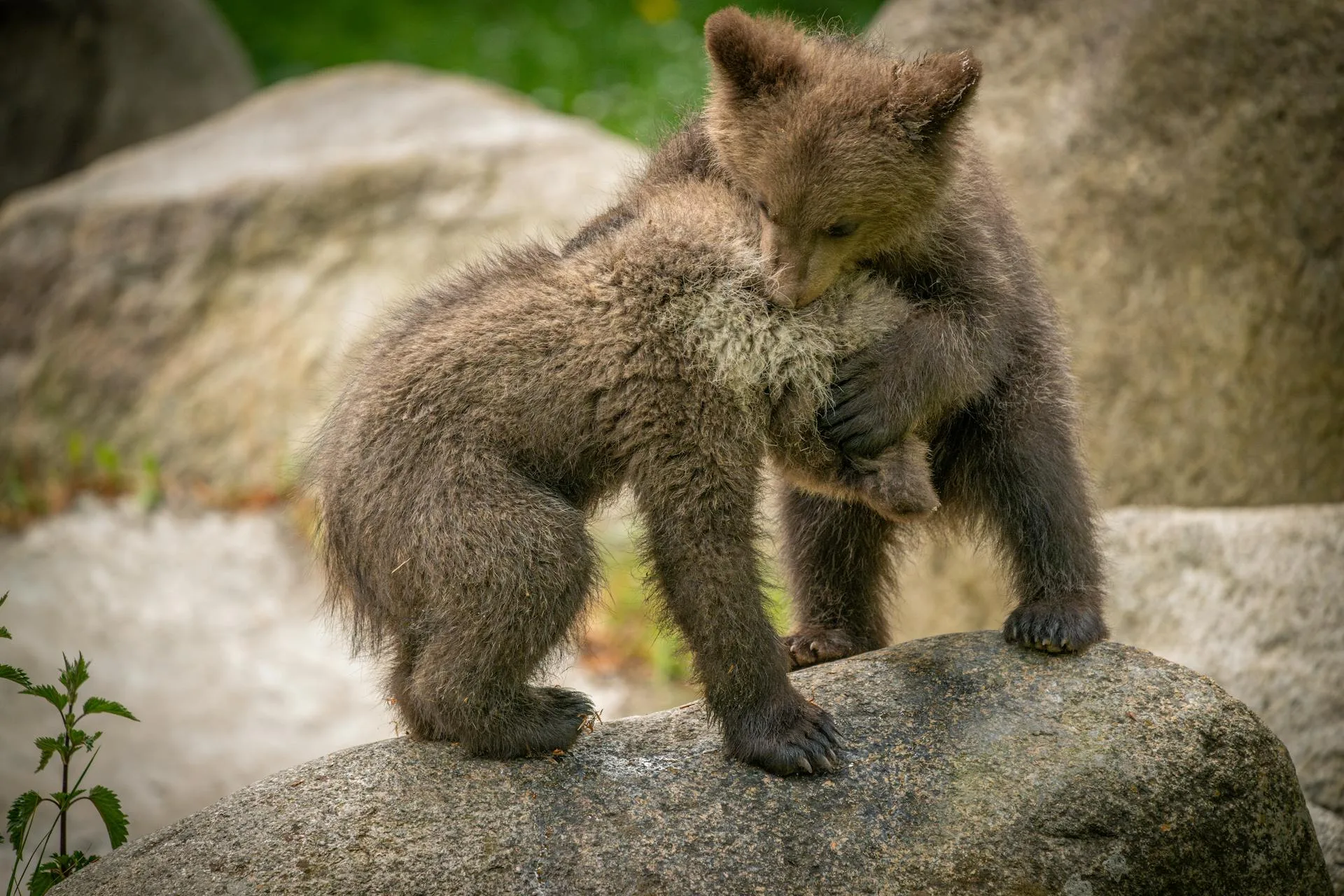
Himalayan brown bear cubs on rocky ground in Deosai National Park
Ridges reflected in Sheosar Lake at 4,142 metres on the Deosai plateau
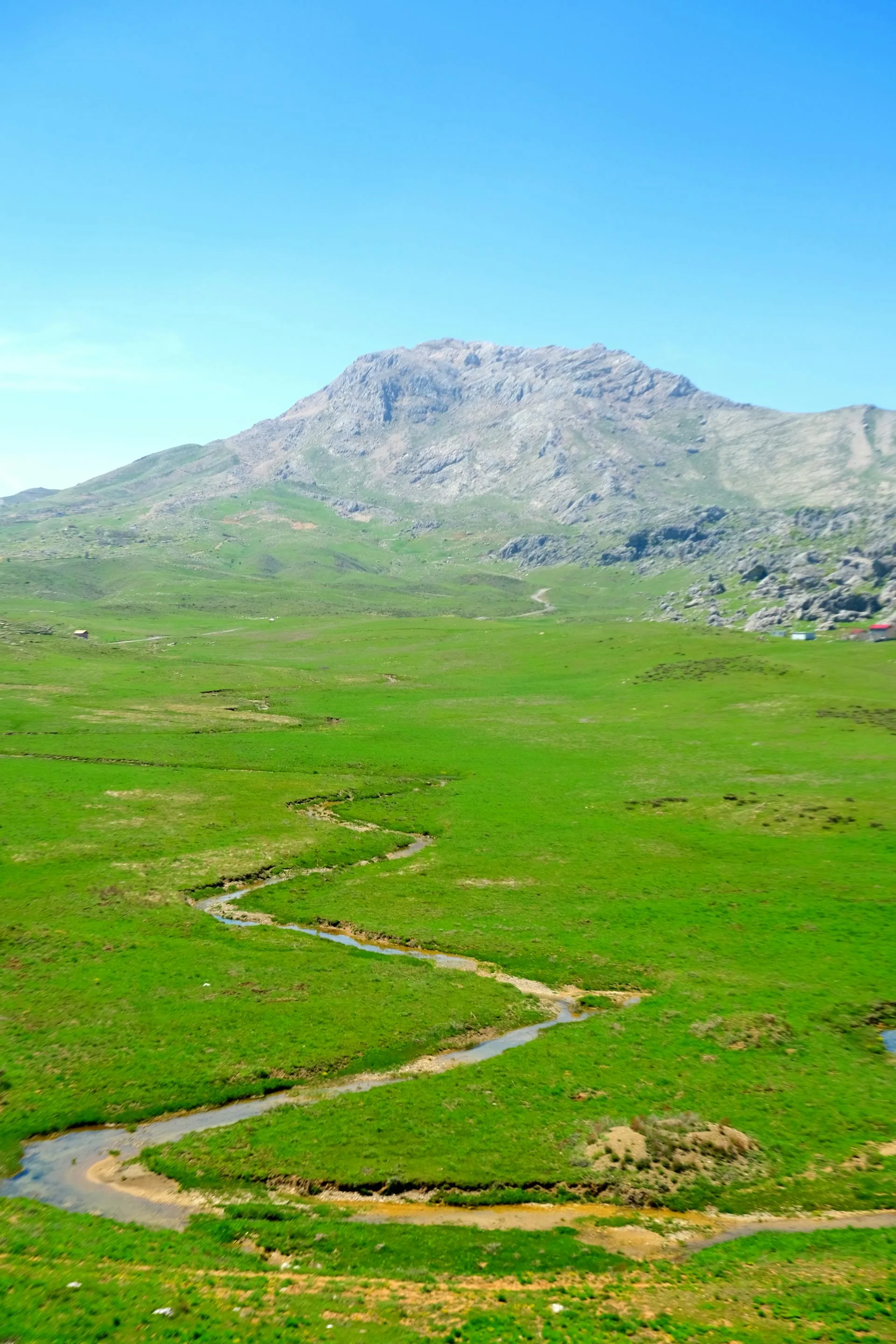
The open Deosai plains stretching toward a distant Karakoram peak

Last updated: · Reviewed by Javeed Iqbal, Founder

Duration

4-6 Days

Difficulty

Easy-Moderate

Group Size

2-15 Travelers

Best Season

Jul-Sep

About This Tour

Deosai is a high plateau in Gilgit-Baltistan that sits between Skardu and the Astore Valley, with an average elevation of 4,114 metres. The name means "Land of Giants." It is often described as the second-highest plateau on Earth, after the Changtang in Tibet, and it has the feel of a place that should not be reachable by road: a treeless, rolling tableland where the horizon runs flat for kilometres and the only verticals are distant peaks. For nine months of the year it lies under snow. We run it in the short window when it does not.

On the plateau you cross short-grass meadows that turn to wildflowers in high summer, ford shallow streams, and pass marmot colonies where the animals stand upright at their burrows. Sheosar Lake, at 4,142 metres, is the largest lake in the park and the usual turnaround point: a still blue sheet that holds the reflection of the surrounding ridges on a calm morning. Bara Pani and Kala Pani, the two river crossings, are the established stopping grounds where the plains open out widest. This is also brown-bear country, though sightings on a touring schedule are a matter of luck, not a promise.

Deosai became a national park in 1993, and the protection was aimed largely at the Himalayan brown bear, which had fallen to roughly 19 animals on the plateau. The population has since climbed to about 80, alongside golden marmots, Himalayan ibex, red fox, the Tibetan wolf, and raptors including the golden eagle. The season is short and weather-bound: roughly mid-June to mid-September, with the wildflowers at their peak in July and August. Outside that window the access roads are closed by snow.

Our tour crosses the full plateau by 4x4, with stops at Sheosar Lake and Bara Pani and time to walk out into the meadows on foot. We can enter from the Skardu (Sadpara) side or the Astore (Chilim) side depending on road conditions and your route, and we read the weather day by day. The trip runs 4 to 6 days from Skardu, priced from $950, and it suits travellers who want the landscape itself rather than a single ticked-off viewpoint.

What You'll See and Do on Deosai

Sheosar Lake is the set piece. Reach it early and the water is glass; by midday the wind usually gets up and the reflection breaks. We give you the morning for it. Between the lake and the entry points, the drive is the experience: hours of open tableland, stream crossings, and the long sightlines that make Deosai feel oceanic rather than mountainous.

Bara Pani and Kala Pani, the "big water" and "black water" crossings, are where we stop to walk. From there you can leave the vehicle and cross the meadows on foot, which is the only way to register the scale of the place and the wildflowers underfoot. Marmot colonies are reliable company; their alarm whistle carries a long way across the flat. Brown bears, ibex and the golden eagle are all here, but treat any sighting as a bonus rather than the plan.

Where is Deosai and How High Is It?

Deosai, often called the Deosai Plains or Deosai Plateau, is a vast high-altitude national park in Gilgit-Baltistan, spread between Skardu and the Astore valley. It sits at an average of about 4,114 metres (13,497 feet), which makes it the second-highest plateau in the world after Tibet, and locally it is known as the Land of Giants. From Skardu the park entrance near Sadpara is about a 1.5 to 2 hour drive up a rough track; a full crossing to the Astore side takes most of a day. Inside, the land rolls out in endless open meadows rimmed by snow peaks, with Sheosar Lake sitting at around 4,140 metres near the western edge.

Deosai Weather and Temperature

Deosai has a harsh alpine-tundra climate and is a summer-only destination. The plateau lies under deep snow for most of the year and is usually open only from about late June or July to September. Even in summer it is cold: daytime temperatures are typically around 10 to 15°C, dropping to near or below freezing at night, and snow, hail or sudden storms can arrive in any month. July and August bring the famous carpets of wildflowers and the best chance of spotting the Himalayan brown bear. Come prepared for cold nights and fast-changing weather, with warm layers, a windproof jacket and, if camping, a proper four-season setup.

The two road entries onto the Deosai plateau compared.
Skardu sideAstore side
Entry pointSadparaChilim
Distance to plateau44 km40 km
Drive timeAbout 1.5 hrsAbout 1.5 hrs
Road surfaceRougherSmoother
Best ifYou base in SkarduYou route through Astore

Day-by-Day Itinerary

1

Islamabad to Skardu

Fly to Skardu in about an hour, weather permitting, or drive the Karakoram Highway over 14 to 16 hours. Settle in and walk the town in the afternoon to start adjusting to the altitude.
2

Skardu onto the Plateau

Drive by 4x4 from Skardu up the Sadpara side and onto Deosai, about an hour and a half of climbing from arid valley into open tableland above 4,000 metres. First stops on the plains and camp set up.
3

Sheosar Lake

Reach Sheosar Lake (4,142 m) early, while the water is still and holds the ridgeline. Spend the day on the plateau, walking out into the meadows and watching for marmots, ibex and birds of prey.
4

Bara Pani and the Open Plains

Drive to the Bara Pani crossing and walk across the wildflower meadows, the widest open ground on the plateau. Time given to wildlife stops in known bear and marmot zones.
5

Deosai to Skardu

Return drive off the plateau to Skardu. Afternoon at the Kachura lakes and Shangrila, then a farewell dinner in town.
6

Return to Islamabad

Fly or drive back to Islamabad. The tour ends on arrival.

Best Time to Visit Deosai

Deosai is open roughly mid-June to mid-September. The rest of the year the plateau is snowbound and the access roads are shut, so there is no off-season alternative; the window is the window. Early in the season the streams run high with snowmelt and some tracks stay soft.

For the wildflowers, July and August are the peak, when the meadows colour up. Those are also the warmest weeks, though warmth on Deosai is relative and nights stay cold. If you want the flowers at full strength, aim for mid-July onward.

How to Get to Deosai

There are two ways onto the plateau. The Skardu side enters via Sadpara, about 44 kilometres and roughly an hour and a half from Skardu town, on the rougher of the two roads. The Astore side enters via Chilim, about 40 kilometres and a similar drive time, on smoother going. Both routes climb onto the same plains and meet there.

Most of our guests reach Skardu first, by air from Islamabad (about an hour, weather permitting) or by road up the Karakoram Highway. From Skardu the Sadpara entry is the natural start. If your wider route runs through Astore, the Chilim side makes more sense, and we plan accordingly.

Who This Tour Is For

This is a touring trip, not a trek. The days are spent largely in the vehicle with short walks out into the meadows, so it suits a wide range of fitness and ages. The one real demand is altitude: the whole plateau sits above 4,000 metres, and even short walks feel harder than they would at sea level. Anyone with heart or breathing concerns should talk to us first.

If you want guaranteed wildlife or nights spent under canvas on the plateau, look at our dedicated Deosai wildlife safari built around dawn and dusk game drives, or our Deosai camping tour that bases you at Bara Pani for the night sky. This page is the broad introduction to the park; those two go deeper on bears and on camping respectively.

Touring, Camping or Safari?

This is the classic day tour: you cross the plateau, see Sheosar Lake and return to a Skardu hotel each night. If you would rather sleep up high, our Deosai camping trip pitches tents at Bara Pani for sunrise and stargazing. If wildlife is your reason to come, our Deosai wildlife safari is built around dawn and dusk drives for brown bears and marmots. All three cross the same plateau; they differ in where you sleep and what the days are shaped around.

Why Book With Us

We have been running Gilgit-Baltistan trips since 2015 and we read Deosai by the day rather than by the brochure. Because the season is short and the weather turns the roads, we keep a flexible plan: if one entry side is washed out, we switch to the other; if the morning at Sheosar is windblown, we adjust the schedule to catch it calm. Our guides know where the marmot colonies sit and which sectors the bears favour, and they will tell you honestly when a sighting is unlikely rather than send you chasing one.

What's Included

4x4 jeep transport on Deosai plateau
All camping equipment for plateau camping
Experienced guide with wildlife knowledge
All meals during the tour
Transport: Islamabad-Skardu and return
National park entry fees

Not Included

International flights
Travel insurance
Personal expenses and tips

Frequently Asked Questions

Is Deosai safe to visit?

Yes. Gilgit-Baltistan is one of the calmer parts of Pakistan, and the park is managed by the GB wildlife department. The real hazards on Deosai are environmental rather than security related. The whole plateau sits above 4,000 metres, nights drop to near or below freezing even in summer, the streams you cross can run high with snowmelt early in the season, and snow, hail or a sudden storm can arrive in any month. We plan around all of this. Travel on the plateau is by 4x4 with an experienced guide who knows the terrain and the wildlife, and we read the weather day by day. If one entry road is washed out, we switch to the other side. If a morning turns windblown, we change the schedule. Brown bears live here, but they keep their distance and our guides manage any sighting. Pack warm layers and a windproof jacket, and we brief you on the rest.

Is Deosai worth it?

Yes, if you want raw, open high-altitude landscape rather than towns and sights. Deosai is a treeless plateau averaging 4,114 metres, and the draw is the place itself: hours of rolling tableland, short-grass meadows that turn to wildflowers in July and August, stream crossings and long sightlines to distant peaks. Sheosar Lake at 4,142 metres is the set piece, a still blue sheet that holds the reflection of the ridges on a calm morning. Marmot colonies are reliable company, and brown bears, ibex and golden eagles live here, though any sighting is a bonus rather than the plan. There is nothing built up on the plateau, so travellers who want comfort and sights each evening may find it bare, which is the honest trade-off. The touring itself is gentle, mostly by 4x4 with short walks, and suits a wide range of ages. The season is short, so plan for July to September.

How high is Deosai and will I feel the altitude?

Deosai averages 4,114 metres (13,497 feet), Sheosar Lake sits at 4,142 metres and the highest point on our route is around 4,200 metres, so yes, most people notice the thinner air. The touring itself is gentle. You spend much of each day in a 4x4 with short walks out into the meadows, which is why we grade the trip Easy-Moderate and it suits a wide range of ages and fitness levels. Where you feel the altitude is on those walks: a slow stroll across the flowers at Bara Pani takes more breath than it would at home. The itinerary is built to help. You spend the first day in Skardu before driving up, and we keep the pace easy once on the plateau. Anyone with heart or breathing concerns should talk to us before booking so we can advise honestly on whether the trip is right for you.

When is the best time to visit Deosai?

July to September is the best time, and it is effectively the only time, because the plateau is snowbound and the access roads are shut for the rest of the year. The roads usually open somewhere between mid-June and early July, depending on how much snow the winter left, and close again by mid-September. Early in the season the streams run high with snowmelt and some tracks stay soft, so a late June date carries more risk of delays. For the wildflower meadows at full strength, aim for mid-July through August. Those are also the warmest weeks, with daytime temperatures of around 10 to 15°C, but nights still drop to near or below freezing and snow or hail can arrive in any month. July and August also give you the best chance of a Himalayan brown bear sighting. Book early for those weeks, since the window is short.

Should I enter Deosai from Skardu or Astore?

Both work, and the right one depends on your wider route. The Skardu side enters via Sadpara, about 44 kilometres and roughly an hour and a half from Skardu town, on the rougher of the two roads. It is the natural start if you base in Skardu, which most of our guests do after flying in from Islamabad in about an hour, weather permitting. The Astore side enters via Chilim, about 40 kilometres with a similar drive time on smoother going, and makes more sense if your trip runs through the Astore Valley. Both roads climb onto the same plains and meet there, so you see the same Sheosar Lake, Bara Pani and meadows either way. We also decide on the ground: if one entry side is washed out, we switch to the other. A full crossing from one side to the other takes most of a day.

Are there entry fees or permits for Deosai?

Yes, there is a national park entry fee, and it is already covered in our tour price. The fee is collected at the checkpost when you enter the park, with separate rates for Pakistani nationals and foreign visitors. The figures change from year to year, so we confirm the current rate before you travel rather than quote a number that may be out of date. Deosai has been a national park since 1993 and is managed by the Gilgit-Baltistan wildlife department. The protection was put in place largely for the Himalayan brown bear, whose numbers had fallen to roughly 19 on the plateau and have since recovered to about 80. That is why you should stay on established tracks, keep your distance from any wildlife and take all rubbish back out with you. Your guide will brief you on the park rules at the start of the tour.

Will I see brown bears on this tour?

Possibly, but it is never guaranteed. About 80 Himalayan brown bears live on a plateau of 3,000 square kilometres, so a sighting takes luck and usually comes at a distance. The park was created in 1993 largely to protect the bears, which had fallen to roughly 19 animals, and the population has recovered since. July and August give the best chance, and on day four we give time to wildlife stops in known bear and marmot zones. Our guides know which sectors the bears favour and will tell you honestly when a sighting is unlikely rather than send you chasing one. Marmots are reliable company, and you may also see Himalayan ibex, red fox, the Tibetan wolf and golden eagles. If bears are your main reason to come, our dedicated Deosai wildlife safari is built around dawn and dusk drives to improve the odds.

How do I get to Deosai from Islamabad?

You reach Skardu first, then drive up onto the plateau by 4x4. The flight from Islamabad to Skardu takes about an hour, but it only operates when the weather allows, so it can be delayed or cancelled at short notice. The alternative is the road up the Karakoram Highway, which takes 14 to 16 hours. Our price includes the Islamabad to Skardu transport and the return, so we handle the booking and switch to the road if flights are grounded. From Skardu the usual entry is the Sadpara side, about 44 kilometres and roughly an hour and a half of climbing from the arid valley to open tableland above 4,000 metres. If your wider trip runs through the Astore Valley, we can enter from the Chilim side instead, about 40 kilometres on a smoother road. Both routes meet on the same plains, and we choose based on your itinerary and road conditions.

Where is Deosai and how high is it?

Deosai is a high plateau and national park in Gilgit-Baltistan, spread between Skardu and the Astore Valley, at an average of about 4,114 metres (13,497 feet). It is often described as the second-highest plateau on Earth after the Changtang in Tibet, and the name means Land of Giants. Sheosar Lake, the largest lake in the park, sits at 4,142 metres near the western edge, and the highest point on our route is around 4,200 metres. There are two road entries: Sadpara from Skardu, about 44 kilometres and roughly an hour and a half on a rough track, and Chilim from Astore, about 40 kilometres on smoother going. At this height most people notice the thinner air, even on short walks. We spend the first day in Skardu before driving up, and anyone with heart or breathing concerns should talk to us before booking.

What is the weather like at Deosai?

Cold, alpine and summer-only. Deosai has a harsh alpine-tundra climate and lies under snow for nine months of the year, so our season runs July to September. Even in summer daytime temperatures are typically around 10 to 15°C, and nights drop to near or below freezing. Snow, hail or a sudden storm can arrive in any month, and the wind usually gets up by midday, which is why we reach Sheosar Lake early while the water is still. Early in the season the streams run high with snowmelt and some tracks stay soft. July and August are the warmest weeks and bring the wildflowers, though warmth on Deosai is relative. Pack warm layers and a windproof jacket even in July, and a proper four-season setup if you are camping. We read the weather day by day and adjust the schedule when a morning turns windblown.

How far is Deosai from Skardu?

The Sadpara entry is about 44 kilometres from Skardu town, roughly an hour and a half by 4x4 up a rough mountain track, climbing from the arid valley onto open tableland above 4,000 metres. That is how our tour goes up on day two. Sheosar Lake, near the western edge of the park, is further in, which is why we give it a full day on day three and aim to arrive early while the water is calm. A complete crossing to the Astore side takes most of a day. If you are coming from Islamabad, reach Skardu first: the flight takes about an hour when the weather allows, and the Karakoram Highway takes 14 to 16 hours by road. Our price includes the Islamabad to Skardu transport and the return. The whole tour runs 4 to 6 days and is priced from $950 per person.

When is Deosai open and best to visit?

Deosai opens for a short summer window, and our best season is July to September. For the rest of the year the plateau is snowbound and the access roads are shut, so there is no off-season alternative. The roads usually open somewhere between mid-June and early July, depending on how much snow the winter left, and close again by mid-September. Early in the season the streams run high with snowmelt and some tracks stay soft, so a late June date carries more risk of delays. July and August are the best weeks: the wildflower meadows are at their peak, the days are mildest and you have the best chance of seeing a Himalayan brown bear. For the flowers at full strength, aim for mid-July onward. Nights still drop to near or below freezing and snow can fall in any month. Book early for those weeks, since the window is short.

From

$950

per person

* Prices may vary. Contact us for accurate, customized pricing.

Duration4-6 Days
DifficultyEasy-Moderate
Group Size2-15 Travelers
Best SeasonJul-Sep
Max Altitude~4,200m
Book This Tour Ask a Question

Free cancellation up to 30 days before departure

Related Reading

Ready for Your Next Adventure?

Join our community of explorers and discover the journey of a lifetime. Our expert team is ready to help you plan your perfect expedition.