กลับไปที่ทัวร์
สัตว์ป่า สการ์ดู
อุทยานแห่งชาติเดโอไซ (Deosai) ที่ราบไร้ต้นไม้สูงเฉลี่ย 4,114 เมตร ปกคลุมหิมะเก้าเดือนของปี
อัปเดตล่าสุด : กรกฎาคม 2026 · ตรวจทานโดย Javeed Iqbal ผู้ก่อตั้ง
ฤดูกาลที่ดีที่สุด
ก.ค.-ก.ย.
เกี่ยวกับทัวร์นี้
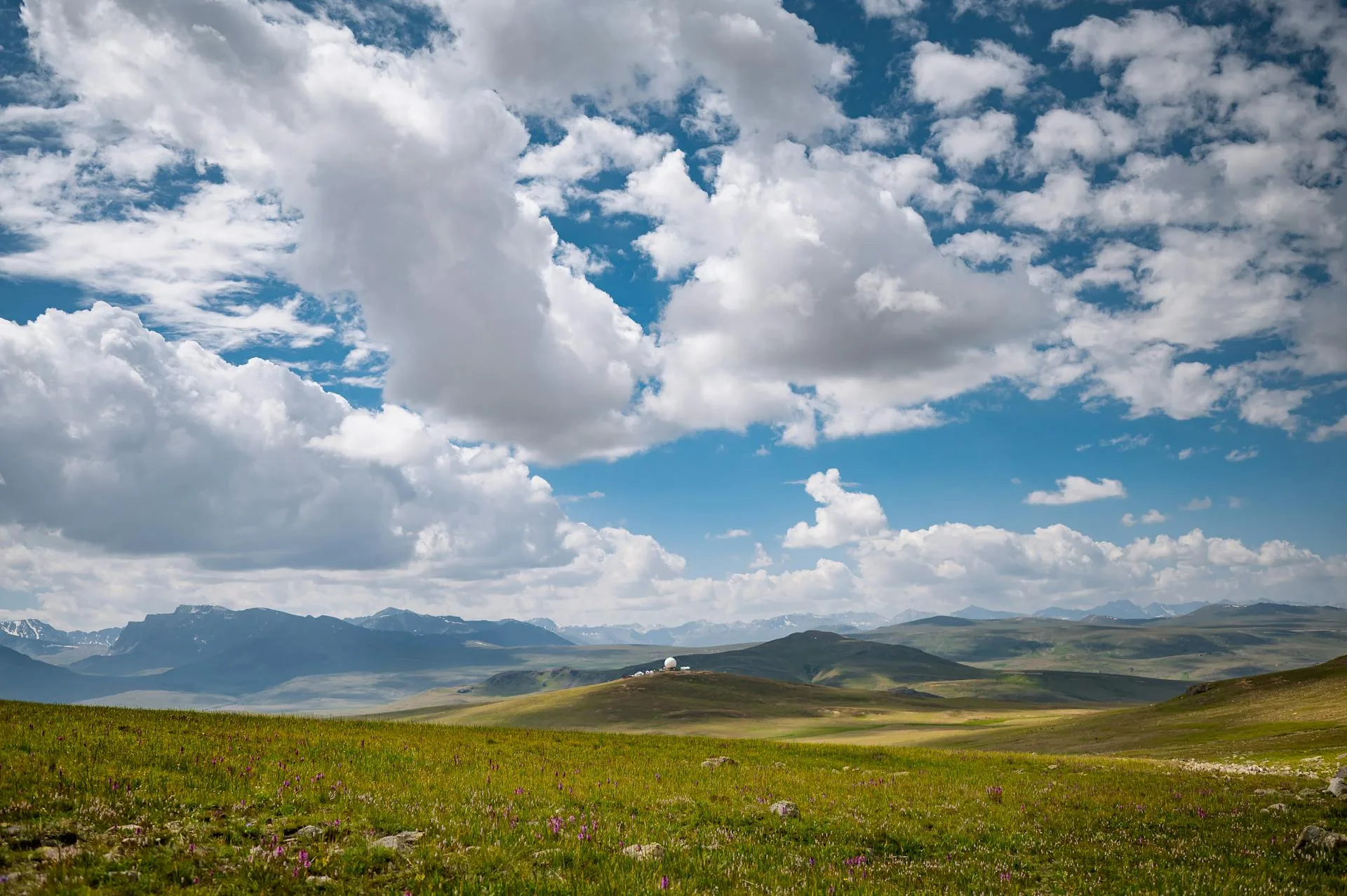
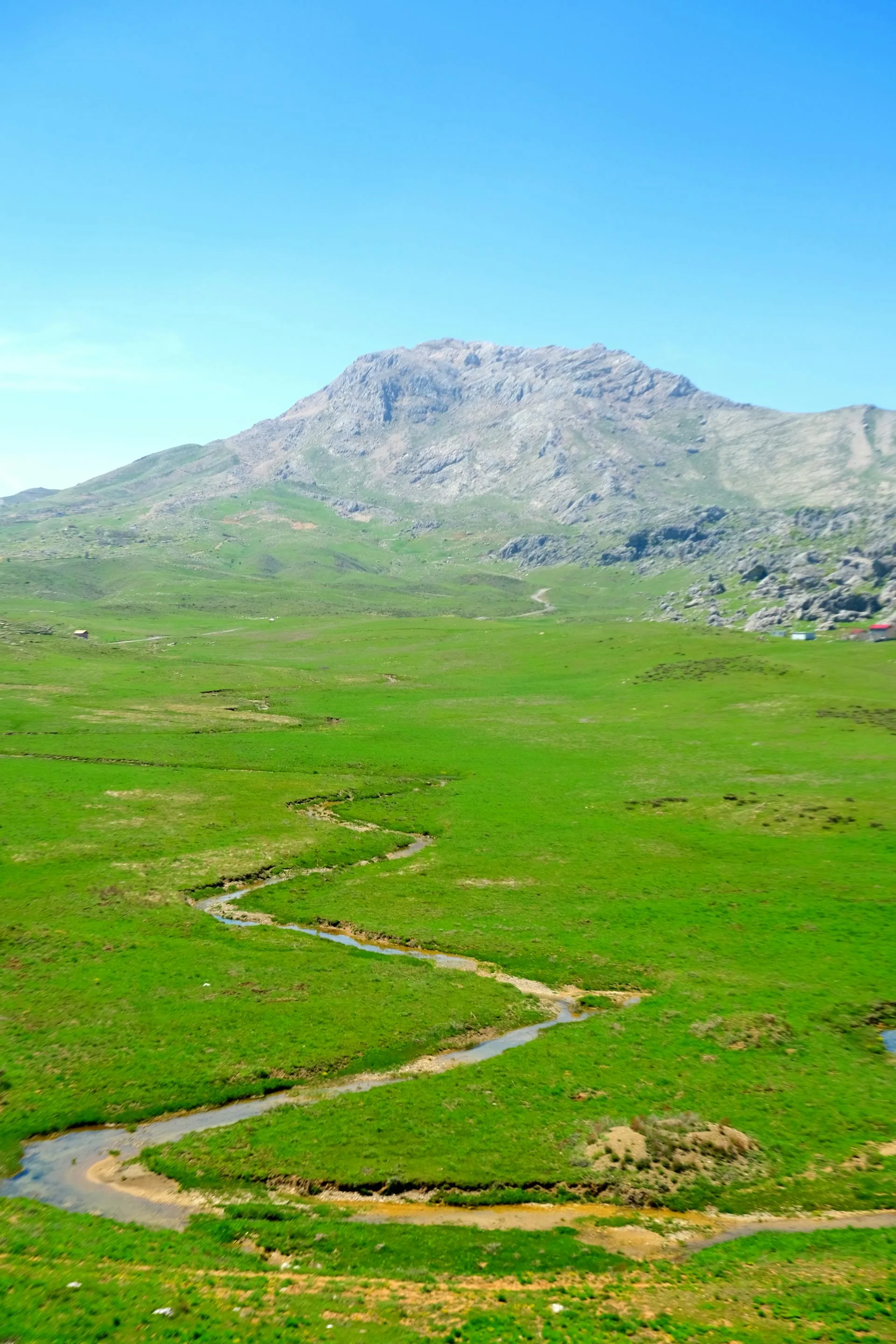
Deosai คือที่ราบสูงในกิลกิต-บัลติสถาน ที่ตั้งอยู่ระหว่าง Skardu กับหุบเขา Astore มีความสูงเฉลี่ย 4,114 เมตร ชื่อนี้หมายถึง "ดินแดนแห่งยักษ์" มักได้รับการขนานนามว่าเป็นที่ราบสูงสูงเป็นอันดับสองของโลกรองจาก Changtang ในทิเบต และให้ความรู้สึกของสถานที่ที่ไม่น่าจะไปถึงได้ด้วยถนน ที่ราบไร้ต้นไม้ลูกคลื่นที่ขอบฟ้าทอดเป็นแนวราบยาวหลายกิโลเมตร และสิ่งเดียวที่ตั้งตรงคือยอดเขาที่อยู่ห่างไกล เก้าเดือนของปีมันปกคลุมด้วยหิมะ เราจัดทริปในช่วงสั้นๆ ที่มันไม่ปกคลุม
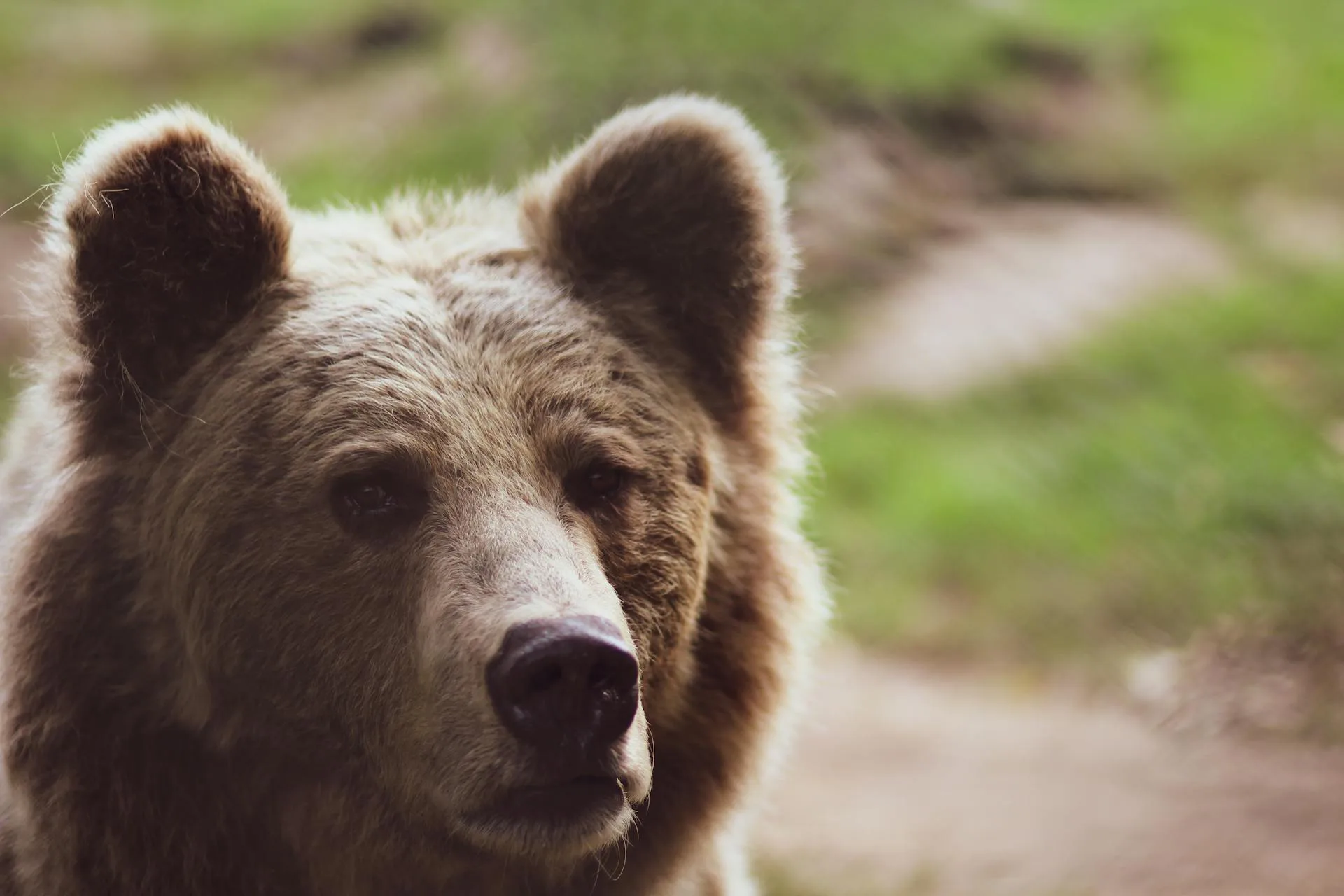
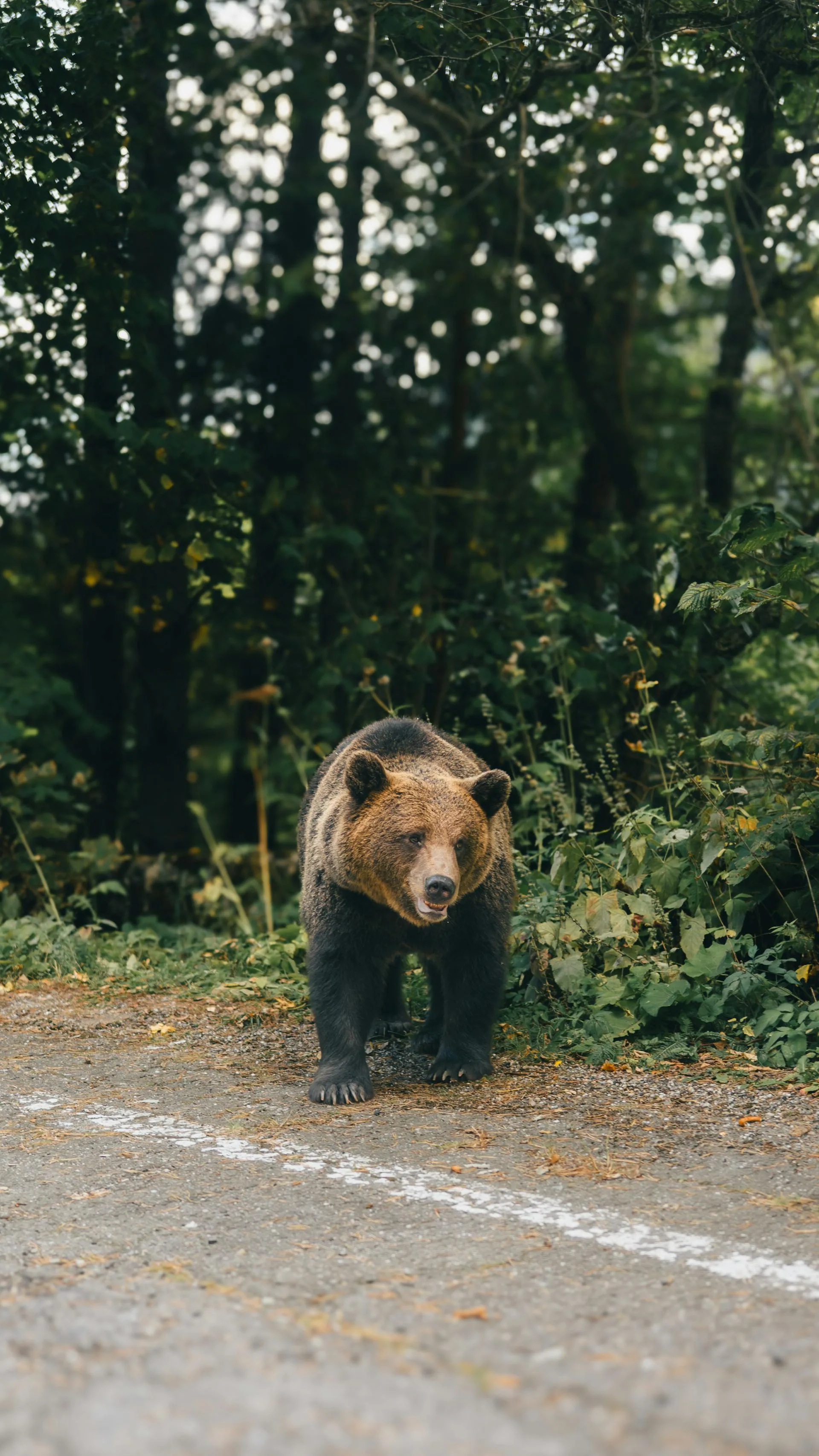
บนที่ราบสูง คุณจะข้ามทุ่งหญ้าสั้นที่กลายเป็นดอกไม้ป่าในกลางฤดูร้อน ลุยลำธารตื้น และผ่านอาณานิคมมาร์มอตที่สัตว์ยืนตัวตรงตรงโพรงของมัน ทะเลสาบ Sheosar ที่ความสูง 4,142 เมตรคือทะเลสาบที่ใหญ่ที่สุดในอุทยานและเป็นจุดหันกลับตามปกติ ผืนน้ำสีฟ้านิ่งที่สะท้อนสันเขาโดยรอบในเช้าที่สงบ Bara Pani และ Kala Pani จุดข้ามแม่น้ำสองแห่งคือพื้นที่หยุดพักที่ที่ราบเปิดกว้างที่สุด ที่นี่ยังเป็นดินแดนหมีสีน้ำตาล แม้การพบเห็นในตารางท่องเที่ยวจะเป็นเรื่องของโชค ไม่ใช่คำมั่นสัญญา
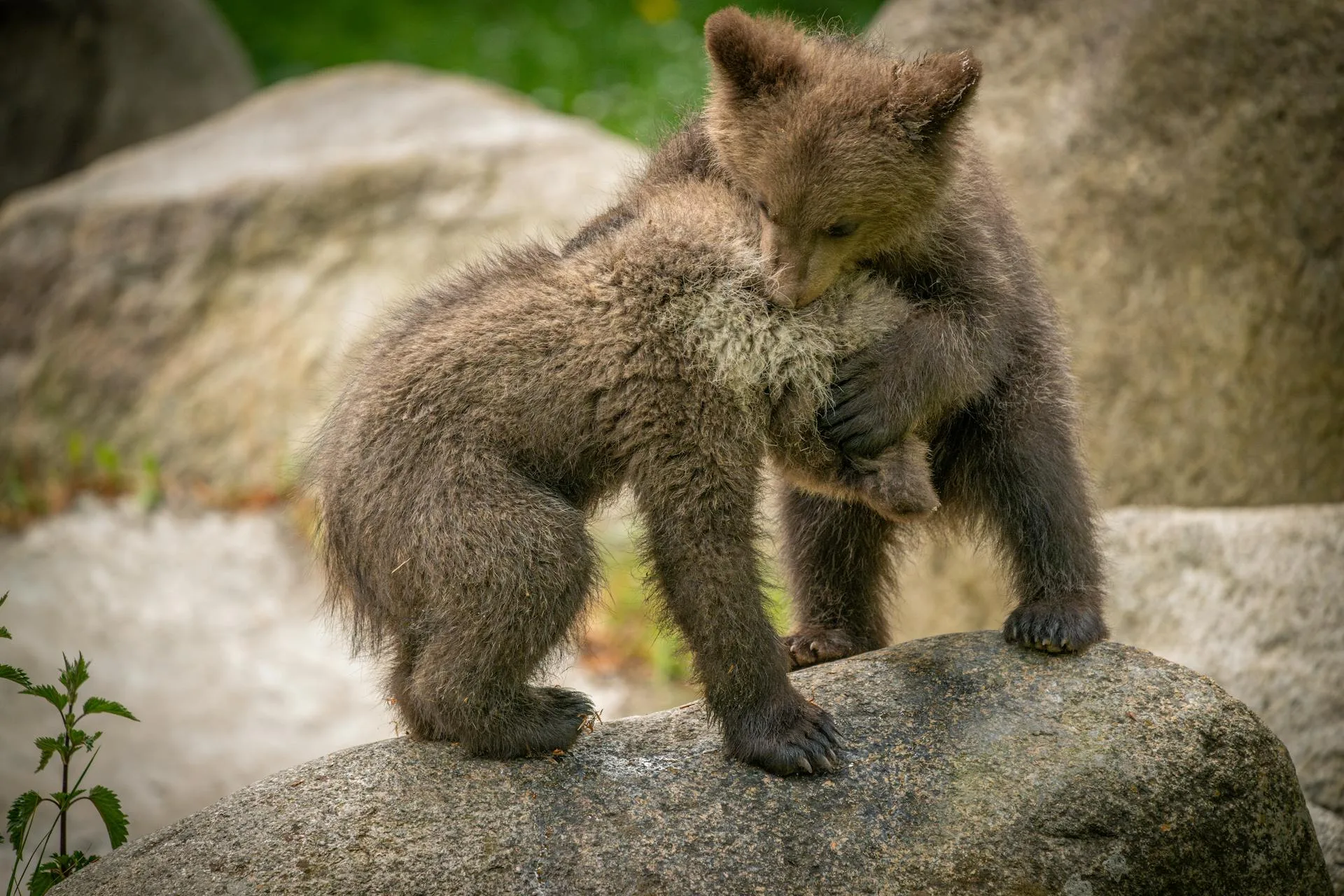
Deosai กลายเป็นอุทยานแห่งชาติในปี 1993 และการคุ้มครองมุ่งเป้าไปที่หมีสีน้ำตาลหิมาลัยเป็นหลัก ซึ่งเคยลดลงเหลือราว 19 ตัวบนที่ราบสูง จำนวนประชากรเพิ่มขึ้นเป็นราว 80 ตัวตั้งแต่นั้นมา ควบคู่ไปกับมาร์มอตทองคำ แพะภูเขาหิมาลัย จิ้งจอกแดง หมาป่าทิเบต และนกล่าเหยื่อรวมถึงนกอินทรีทอง ฤดูกาลสั้นและขึ้นกับสภาพอากาศ ราวกลางเดือนมิถุนายนถึงกลางเดือนกันยายน โดยดอกไม้ป่าบานสะพรั่งที่สุดในเดือนกรกฎาคมและสิงหาคม นอกช่วงนั้นถนนทางเข้าปิดด้วยหิมะ
ทริปของเราข้ามที่ราบสูงทั้งหมดด้วยรถ 4x4 พร้อมแวะที่ทะเลสาบ Sheosar และ Bara Pani และมีเวลาเดินเท้าออกไปในทุ่งหญ้า เราเข้าจากฝั่ง Skardu (Sadpara) หรือฝั่ง Astore (Chilim) ขึ้นอยู่กับสภาพถนนและเส้นทางของคุณ และเราอ่านสภาพอากาศวันต่อวัน ทริปใช้เวลา 4 ถึง 6 วันจาก Skardu เริ่มต้นที่ $950 และเหมาะกับนักเดินทางที่ต้องการตัวภูมิทัศน์เองมากกว่าจุดชมวิวเดียวที่เก็บเช็คลิสต์
สิ่งที่คุณจะได้เห็นและทำบน Deosai
ทะเลสาบ Sheosar คือฉากเด่น ไปถึงแต่เช้าแล้วผืนน้ำจะใสราวกระจก พอเที่ยงลมมักแรงขึ้นและภาพสะท้อนแตกกระจาย เราจัดเวลาช่วงเช้าให้คุณ ระหว่างทะเลสาบกับจุดเข้า การขับรถคือประสบการณ์ ที่ราบเปิดโล่งหลายชั่วโมง จุดข้ามลำธาร และแนวสายตายาวที่ทำให้ Deosai รู้สึกราวมหาสมุทรมากกว่าภูเขา
Bara Pani และ Kala Pani จุดข้าม "น้ำใหญ่" และ "น้ำดำ" คือที่ที่เราหยุดเดิน จากที่นั่นคุณออกจากรถและข้ามทุ่งหญ้าด้วยเท้า ซึ่งเป็นวิธีเดียวที่จะสัมผัสขนาดของสถานที่และดอกไม้ป่าใต้เท้า อาณานิคมมาร์มอตเป็นเพื่อนร่วมทางที่เชื่อถือได้ เสียงเตือนภัยของมันดังก้องไกลข้ามที่ราบ หมีสีน้ำตาล แพะภูเขา และนกอินทรีทองล้วนอยู่ที่นี่ แต่จงถือการพบเห็นใดๆ เป็นโบนัสมากกว่าแผน
Deosai อยู่ที่ไหน และสูงเท่าไร?
Deosai หรือที่มักเรียกกันว่าที่ราบ Deosai หรือที่ราบสูง Deosai เป็นอุทยานแห่งชาติบนที่สูงอันกว้างใหญ่ในภูมิภาค Gilgit-Baltistan ทอดตัวอยู่ระหว่าง Skardu กับหุบเขา Astore ตั้งอยู่ที่ความสูงเฉลี่ยราว 4,114 ม. (13,497 ฟุต) ทำให้เป็นที่ราบสูงที่สูงเป็นอันดับสองของโลกรองจาก Tibet และคนท้องถิ่นเรียกที่นี่ว่าดินแดนแห่งยักษ์ จาก Skardu ทางเข้าอุทยานใกล้ Sadpara ใช้เวลาขับรถขึ้นเส้นทางขรุขระราว 1.5 ถึง 2 ชั่วโมง ส่วนการข้ามไปฝั่ง Astore แบบเต็มระยะกินเวลาเกือบทั้งวัน ภายในอุทยาน ผืนดินแผ่กว้างเป็นทุ่งหญ้าโล่งไม่รู้จบ ล้อมรอบด้วยยอดเขาปกคลุมหิมะ โดยมีทะเลสาบ Sheosar อยู่ที่ความสูงราว 4,140 ม. ใกล้ขอบด้านตะวันตก
สภาพอากาศและอุณหภูมิของ Deosai
Deosai มีภูมิอากาศแบบทุนดราเทือกเขาสูงที่รุนแรง และเป็นจุดหมายที่เที่ยวได้เฉพาะฤดูร้อนเท่านั้น ที่ราบสูงแห่งนี้จมอยู่ใต้หิมะหนาเกือบตลอดทั้งปี และมักเปิดให้เข้าได้เฉพาะช่วงราวปลายเดือนมิถุนายนหรือกรกฎาคมถึงกันยายนเท่านั้น แม้ในฤดูร้อนก็ยังหนาว อุณหภูมิกลางวันมักอยู่ราว 10 ถึง 15°C และลดลงจนใกล้หรือต่ำกว่าจุดเยือกแข็งในเวลากลางคืน ทั้งหิมะ ลูกเห็บ หรือพายุที่มาโดยฉับพลันก็เกิดขึ้นได้ทุกเดือน เดือนกรกฎาคมและสิงหาคมนำมาซึ่งพรมดอกไม้ป่าอันเลื่องชื่อ และเป็นโอกาสดีที่สุดในการได้เห็นหมีสีน้ำตาลหิมาลัย จงเตรียมตัวรับมือกับคืนที่หนาวเย็นและสภาพอากาศที่เปลี่ยนแปลงรวดเร็ว ด้วยเสื้อผ้าอุ่นแบบใส่ซ้อนหลายชั้น เสื้อแจ็คเก็ตกันลม และหากตั้งแคมป์ ก็ควรมีอุปกรณ์แบบสี่ฤดูที่เหมาะสม
เปรียบเทียบทางเข้าสองเส้นทางสู่ที่ราบสูง Deosai
ฝั่ง Skardu ฝั่ง Astore
จุดทางเข้า Sadpara Chilim ระยะทางถึงที่ราบสูง 44 กม. 40 กม. เวลาขับรถ ราว 1.5 ชม. ราว 1.5 ชม. สภาพผิวถนน ขรุขระกว่า เรียบกว่า เหมาะที่สุดหาก คุณพักที่ Skardu คุณเดินทางผ่าน Astore
กำหนดการรายวัน
1 บินสู่ Skardu ในราวหนึ่งชั่วโมง หากสภาพอากาศเอื้ออำนวย หรือขับทางหลวง Karakoram ใช้เวลา 14 ถึง 16 ชั่วโมง ตั้งหลักและเดินชมเมืองในช่วงบ่ายเพื่อเริ่มปรับตัวกับความสูง
2 ขับรถ 4x4 จาก Skardu ขึ้นฝั่ง Sadpara สู่ Deosai ราวหนึ่งชั่วโมงครึ่งของการไต่จากหุบเขาแห้งแล้งสู่ที่ราบเปิดโล่งเหนือ 4,000 เมตร แวะจุดแรกบนที่ราบและตั้งแคมป์
3 ไปถึงทะเลสาบ Sheosar (4,142 ม.) แต่เช้า ขณะผืนน้ำยังนิ่งและสะท้อนแนวสันเขา ใช้เวลาทั้งวันบนที่ราบสูง เดินออกไปในทุ่งหญ้าและเฝ้าดูมาร์มอต แพะภูเขา และนกล่าเหยื่อ
4 Bara Pani และที่ราบเปิดโล่ง
ขับสู่จุดข้าม Bara Pani และเดินข้ามทุ่งดอกไม้ป่า พื้นที่เปิดโล่งที่กว้างที่สุดบนที่ราบสูง มีเวลาแวะชมสัตว์ป่าในเขตที่รู้กันว่ามีหมีและมาร์มอต
5 ขับกลับลงจากที่ราบสูงสู่ Skardu ช่วงบ่ายที่ทะเลสาบ Kachura และ Shangrila จากนั้นมื้อค่ำอำลาในเมือง
6 บินหรือขับกลับสู่อิสลามาบัด ทริปสิ้นสุดเมื่อเดินทางถึง
ช่วงเวลาที่ดีที่สุดในการเยือน Deosai
Deosai เปิดราวกลางเดือนมิถุนายนถึงกลางเดือนกันยายน ที่เหลือของปีที่ราบสูงปกคลุมหิมะและถนนทางเข้าปิด จึงไม่มีทางเลือกนอกฤดู ช่วงเวลาคือช่วงเวลานั้น ต้นฤดูลำธารน้ำสูงด้วยน้ำหิมะละลายและบางเส้นทางยังนุ่ม
สำหรับดอกไม้ป่า เดือนกรกฎาคมและสิงหาคมคือช่วงพีค เมื่อทุ่งหญ้าเปลี่ยนสี นั่นคือช่วงที่อบอุ่นที่สุดด้วย แม้ความอบอุ่นบน Deosai จะเป็นเรื่องสัมพัทธ์และคืนยังคงหนาว หากคุณต้องการดอกไม้บานเต็มที่ ตั้งเป้ากลางเดือนกรกฎาคมเป็นต้นไป
วิธีเดินทางไป Deosai
มีสองทางขึ้นสู่ที่ราบสูง ฝั่ง Skardu เข้าผ่าน Sadpara ราว 44 กิโลเมตรและราวหนึ่งชั่วโมงครึ่งจากตัวเมือง Skardu บนถนนที่ขรุขระกว่าในสองเส้น ฝั่ง Astore เข้าผ่าน Chilim ราว 40 กิโลเมตรและใช้เวลาขับใกล้เคียงกัน บนทางที่ราบเรียบกว่า ทั้งสองเส้นทางไต่ขึ้นสู่ที่ราบเดียวกันและบรรจบกันที่นั่น
แขกของเราส่วนใหญ่ไปถึง Skardu ก่อน โดยเครื่องบินจากอิสลามาบัด (ราวหนึ่งชั่วโมง หากสภาพอากาศเอื้ออำนวย) หรือทางถนนขึ้นทางหลวง Karakoram จาก Skardu จุดเข้า Sadpara คือจุดเริ่มต้นที่เป็นธรรมชาติ หากเส้นทางที่กว้างขึ้นของคุณผ่าน Astore ฝั่ง Chilim ก็สมเหตุสมผลกว่า และเราวางแผนตามนั้น
ทริปนี้เหมาะกับใคร
นี่คือทริปท่องเที่ยว ไม่ใช่การเทรค ใช้เวลาส่วนใหญ่ในรถพร้อมเดินสั้นๆ ออกไปในทุ่งหญ้า จึงเหมาะกับช่วงความฟิตและอายุที่หลากหลาย สิ่งที่ต้องการจริงเพียงอย่างเดียวคือความสูง ที่ราบสูงทั้งหมดอยู่เหนือ 4,000 เมตร และแม้การเดินสั้นๆ ก็รู้สึกยากกว่าที่ระดับน้ำทะเล ใครก็ตามที่มีปัญหาเรื่องหัวใจหรือการหายใจควรปรึกษาเราก่อน
หากคุณต้องการสัตว์ป่าแบบรับประกันหรือค้างคืนใต้ผ้าใบบนที่ราบสูง ดูทริป ซาฟารีสัตว์ป่า Deosai ของเราที่สร้างขึ้นรอบการขับชมสัตว์ยามรุ่งสางและพลบค่ำ หรือทริป แคมป์ปิ้ง Deosai ที่ตั้งฐานคุณที่ Bara Pani เพื่อชมท้องฟ้ายามค่ำคืน หน้านี้คือบทแนะนำอุทยานในวงกว้าง ส่วนทั้งสองทริปนั้นเจาะลึกเรื่องหมีและแคมป์ปิ้งตามลำดับ
ทัวร์ไปเช้าเย็นกลับ ตั้งแคมป์ หรือซาฟารี?
นี่คือทัวร์แบบไปเช้าเย็นกลับสุดคลาสสิก คุณจะข้ามที่ราบสูง ชมทะเลสาบ Sheosar แล้วกลับมาพักที่โรงแรมในสการ์ดู (Skardu) ทุกคืน ถ้าคุณอยากนอนค้างบนที่สูงมากกว่า ทริปตั้งแคมป์เดโอไซ (Deosai) ของเราจะกางเต็นท์ที่ Bara Pani เพื่อชมพระอาทิตย์ขึ้นและดูดาว แต่ถ้าสัตว์ป่าคือเหตุผลที่คุณอยากมา ซาฟารีชมสัตว์ป่าเดโอไซ (Deosai) ของเราออกแบบมารอบการขับรถชมช่วงเช้ามืดและพลบค่ำเพื่อตามหาหมีสีน้ำตาลและมาร์มอต ทั้งสามทริปข้ามที่ราบสูงผืนเดียวกัน ต่างกันแค่ที่ที่คุณนอนและว่าแต่ละวันถูกจัดขึ้นรอบอะไร
ทำไมต้องจองกับเรา
เราจัดทริปกิลกิต-บัลติสถานมาตั้งแต่ปี 2015 และเราอ่าน Deosai เป็นรายวันมากกว่าตามโบรชัวร์ เพราะฤดูกาลสั้นและสภาพอากาศเปลี่ยนสภาพถนน เราจึงจัดแผนยืดหยุ่น หากฝั่งเข้าหนึ่งถูกน้ำพัด เราเปลี่ยนไปอีกฝั่ง หากเช้าที่ Sheosar ลมแรง เราปรับตารางเพื่อจับช่วงสงบ ไกด์ของเรารู้ว่าอาณานิคมมาร์มอตอยู่ตรงไหนและพื้นที่ใดที่หมีชอบ และพวกเขาจะบอกคุณตรงๆ เมื่อการพบเห็นไม่น่าเป็นไปได้แทนที่จะให้คุณตามล่ามัน
สิ่งที่รวมอยู่
รถจี๊ป 4x4 บนที่ราบสูง Deosai อุปกรณ์ตั้งแคมป์ทั้งหมดสำหรับที่ราบสูง ไกด์ผู้เชี่ยวชาญด้านสัตว์ป่า การเดินทาง: Islamabad-Skardu ไป-กลับ ค่าธรรมเนียมเข้าอุทยานแห่งชาติ
สิ่งที่ไม่รวม
เที่ยวบินระหว่างประเทศ
ประกันการเดินทาง
ค่าใช้จ่ายส่วนตัวและทิป
คำถามที่พบบ่อย
Deosai ปลอดภัยที่จะไปเยือนไหม
ปลอดภัย กิลกิต-บัลติสถานเป็นหนึ่งในส่วนที่สงบกว่าของปากีสถาน และอุทยานบริหารโดยกรมสัตว์ป่า GB อันตรายที่แท้จริงบน Deosai เป็นเรื่องสิ่งแวดล้อมมากกว่าความมั่นคง ที่ราบสูงทั้งหมดอยู่เหนือระดับ 4,000 เมตร กลางคืนลดลงใกล้หรือต่ำกว่าจุดเยือกแข็งแม้ในฤดูร้อน ลำธารที่คุณข้ามอาจมีน้ำหลากจากหิมะละลายในช่วงต้นฤดู และหิมะ ลูกเห็บ หรือพายุฉับพลันอาจมาได้ทุกเดือน เราวางแผนรับมือทั้งหมดนี้ การเดินทางบนที่ราบสูงใช้รถ 4x4 พร้อมไกด์ที่มีประสบการณ์ซึ่งรู้จักภูมิประเทศและสัตว์ป่า และเราติดตามสภาพอากาศวันต่อวัน หากถนนทางเข้าสายหนึ่งถูกน้ำพัดเสียหาย เราเปลี่ยนไปใช้อีกฝั่ง หากเช้าวันไหนลมแรง เราปรับตาราง หมีสีน้ำตาลอาศัยอยู่ที่นี่ แต่พวกมันรักษาระยะห่าง และไกด์ของเราจัดการทุกครั้งที่พบเห็น เตรียมเสื้อผ้ากันหนาวหลายชั้นและแจ็กเก็ตกันลม ส่วนที่เหลือเราจะบรรยายสรุปให้คุณ
คุ้มค่า หากคุณต้องการภูมิทัศน์บนที่สูงที่ดิบและเปิดโล่งมากกว่าเมืองและสถานที่ท่องเที่ยว Deosai เป็นที่ราบสูงไร้ต้นไม้ที่มีความสูงเฉลี่ย 4,114 เมตร จุดดึงดูดคือตัวสถานที่เอง ทั้งที่ราบลูกคลื่นที่ทอดยาวหลายชั่วโมง ทุ่งหญ้าเตี้ยที่กลายเป็นทุ่งดอกไม้ป่าในเดือนกรกฎาคมและสิงหาคม การข้ามลำธาร และทิวทัศน์ไกลสุดตาไปยังยอดเขาที่อยู่ห่างออกไป ทะเลสาบ Sheosar ที่ความสูง 4,142 เมตรคือไฮไลต์ ผืนน้ำสีฟ้านิ่งที่สะท้อนเงาสันเขาในเช้าที่ลมสงบ ฝูงมาร์มอตเป็นเพื่อนร่วมทางที่พบได้แน่นอน และที่นี่ยังมีหมีสีน้ำตาล แพะภูเขา ibex และนกอินทรีทอง แต่การพบเห็นถือเป็นโบนัส ไม่ใช่สิ่งที่วางแผนไว้ได้ บนที่ราบสูงไม่มีสิ่งปลูกสร้างใดๆ นักเดินทางที่ต้องการความสะดวกสบายและสถานที่ท่องเที่ยวทุกค่ำคืนอาจพบว่ามันโล่งเปล่า ซึ่งเป็นข้อแลกเปลี่ยนที่ตรงไปตรงมา การเที่ยวชมนั้นไม่หนัก ส่วนใหญ่นั่งรถ 4x4 สลับกับการเดินระยะสั้น เหมาะกับคนหลากหลายวัย ฤดูกาลสั้น จึงควรวางแผนช่วงกรกฎาคมถึงกันยายน
Deosai สูงแค่ไหนและฉันจะรู้สึกถึงความสูงไหม
Deosai สูงเฉลี่ย 4,114 เมตร (13,497 ฟุต) ทะเลสาบ Sheosar อยู่ที่ 4,142 เมตร และจุดสูงสุดบนเส้นทางของเราอยู่ที่ราว 4,200 เมตร ดังนั้นใช่ คนส่วนใหญ่จะรู้สึกถึงอากาศที่เบาบางลง ตัวการท่องเที่ยวเองนั้นไม่หนัก คุณใช้เวลาส่วนใหญ่ของแต่ละวันในรถ 4x4 พร้อมเดินสั้น ๆ ออกไปในทุ่งหญ้า เราจึงจัดระดับทริปนี้เป็นง่ายถึงปานกลาง และเหมาะกับหลากหลายช่วงวัยและระดับความฟิต จุดที่คุณจะรู้สึกถึงความสูงคือตอนเดินเหล่านั้น การเดินเล่นช้า ๆ ผ่านดอกไม้ที่ Bara Pani ทำให้หายใจเหนื่อยกว่าที่บ้าน แผนการเดินทางถูกออกแบบมาเพื่อช่วยเรื่องนี้ คุณใช้วันแรกใน Skardu ก่อนขับขึ้นไป และเราจัดจังหวะให้สบาย ๆ เมื่ออยู่บนที่ราบสูง ผู้ที่มีปัญหาเรื่องหัวใจหรือการหายใจควรปรึกษาเราก่อนจอง เพื่อให้เราแนะนำอย่างตรงไปตรงมาว่าทริปนี้เหมาะกับคุณหรือไม่
ช่วงเวลาที่ดีที่สุดในการเยือน Deosai คือเมื่อไร
กรกฎาคมถึงกันยายนคือช่วงที่ดีที่สุด และแทบจะเป็นช่วงเดียวที่ไปได้ เพราะตลอดเวลาที่เหลือของปี ที่ราบสูงถูกหิมะปกคลุมและถนนเข้าถึงปิด ถนนมักเปิดในช่วงระหว่างกลางเดือนมิถุนายนถึงต้นเดือนกรกฎาคม ขึ้นอยู่กับปริมาณหิมะที่ฤดูหนาวทิ้งไว้ และปิดอีกครั้งราวกลางเดือนกันยายน ช่วงต้นฤดู ลำธารมีน้ำหลากจากหิมะละลายและเส้นทางบางช่วงยังนิ่ม วันเดินทางปลายเดือนมิถุนายนจึงมีความเสี่ยงล่าช้ามากกว่า หากต้องการเห็นทุ่งดอกไม้ป่าบานเต็มที่ ให้ตั้งเป้ากลางเดือนกรกฎาคมถึงสิงหาคม ซึ่งเป็นสัปดาห์ที่อบอุ่นที่สุดเช่นกัน อุณหภูมิกลางวันราว 10 ถึง 15°C แต่กลางคืนยังลดลงใกล้หรือต่ำกว่าจุดเยือกแข็ง และหิมะหรือลูกเห็บอาจตกได้ทุกเดือน กรกฎาคมและสิงหาคมยังเป็นช่วงที่มีโอกาสพบหมีสีน้ำตาลหิมาลัยมากที่สุด ควรจองล่วงหน้าสำหรับสัปดาห์เหล่านั้น เพราะช่วงเวลาสั้น
ฉันควรเข้า Deosai จาก Skardu หรือ Astore
ใช้ได้ทั้งสองทาง และทางที่เหมาะขึ้นอยู่กับเส้นทางโดยรวมของคุณ ฝั่ง Skardu เข้าทาง Sadpara ห่างจากตัวเมือง Skardu ราว 44 กิโลเมตร ใช้เวลาราวชั่วโมงครึ่ง บนถนนที่ขรุขระกว่าในสองเส้น เป็นจุดเริ่มต้นตามธรรมชาติหากคุณตั้งฐานใน Skardu ซึ่งแขกส่วนใหญ่ของเราทำเช่นนั้นหลังบินจากอิสลามาบัดราวหนึ่งชั่วโมงเมื่อสภาพอากาศเอื้ออำนวย ฝั่ง Astore เข้าทาง Chilim ราว 40 กิโลเมตร ใช้เวลาขับใกล้เคียงกันแต่ทางราบเรียบกว่า และเหมาะกว่าหากทริปของคุณผ่านหุบเขา Astore ถนนทั้งสองไต่ขึ้นสู่ที่ราบเดียวกันและมาบรรจบกันที่นั่น คุณจึงได้เห็นทะเลสาบ Sheosar, Bara Pani และทุ่งหญ้าเหมือนกันไม่ว่าเข้าทางไหน เรายังตัดสินใจตามสถานการณ์จริงด้วย หากทางเข้าฝั่งหนึ่งถูกน้ำพัดเสียหาย เราจะเปลี่ยนไปใช้อีกฝั่ง การข้ามจากฝั่งหนึ่งไปอีกฝั่งแบบเต็มระยะใช้เวลาเกือบทั้งวัน
มีค่าธรรมเนียมเข้าหรือใบอนุญาตสำหรับ Deosai ไหม
มี มีค่าธรรมเนียมเข้าอุทยานแห่งชาติ และรวมอยู่ในราคาทัวร์ของเราแล้ว ค่าธรรมเนียมเก็บที่ด่านตรวจเมื่อคุณเข้าอุทยาน โดยมีอัตราแยกสำหรับชาวปากีสถานและผู้มาเยือนชาวต่างชาติ ตัวเลขเปลี่ยนไปในแต่ละปี เราจึงยืนยันอัตราปัจจุบันก่อนคุณเดินทาง แทนที่จะแจ้งตัวเลขที่อาจล้าสมัย Deosai เป็นอุทยานแห่งชาติตั้งแต่ปี 1993 และบริหารโดยกรมสัตว์ป่าของกิลกิต-บัลติสถาน การคุ้มครองนี้จัดขึ้นส่วนใหญ่เพื่อหมีสีน้ำตาลหิมาลัย ซึ่งจำนวนเคยลดลงเหลือราว 19 ตัวบนที่ราบสูง และฟื้นตัวขึ้นมาเป็นราว 80 ตัวแล้ว นี่คือเหตุผลที่คุณควรอยู่บนเส้นทางที่กำหนด รักษาระยะห่างจากสัตว์ป่าทุกชนิด และนำขยะทั้งหมดกลับออกมาด้วย ไกด์ของคุณจะบรรยายสรุปกฎของอุทยานเมื่อเริ่มทัวร์
ฉันจะได้เห็นหมีสีน้ำตาลในทริปนี้ไหม
อาจจะได้ แต่ไม่มีการรับประกัน หมีสีน้ำตาลหิมาลัยราว 80 ตัวอาศัยอยู่บนที่ราบสูงพื้นที่ 3,000 ตารางกิโลเมตร การพบเห็นจึงต้องอาศัยโชค และมักเห็นจากระยะไกล อุทยานก่อตั้งขึ้นในปี 1993 โดยมีจุดประสงค์หลักเพื่อปกป้องหมี ซึ่งตอนนั้นลดจำนวนเหลือราว 19 ตัว และประชากรก็ฟื้นตัวขึ้นนับแต่นั้น เดือนกรกฎาคมและสิงหาคมให้โอกาสดีที่สุด และในวันที่สี่เราจัดเวลาแวะชมสัตว์ป่าในพื้นที่ที่รู้กันว่ามีหมีและมาร์มอต ไกด์ของเรารู้ว่าหมีชอบอยู่เขตไหน และจะบอกคุณตรงๆ เมื่อโอกาสพบเห็นมีน้อย แทนที่จะพาคุณออกตามหาโดยเปล่าประโยชน์ มาร์มอตเป็นเพื่อนร่วมทางที่พบได้แน่นอน และคุณอาจได้เห็นแพะภูเขา ibex หิมาลัย จิ้งจอกแดง หมาป่าทิเบต และนกอินทรีทองด้วย หากหมีเป็นเหตุผลหลักที่คุณมา ทริปซาฟารีสัตว์ป่า Deosai โดยเฉพาะของเราสร้างขึ้นรอบการขับชมยามรุ่งสางและพลบค่ำเพื่อเพิ่มโอกาส
ฉันจะไป Deosai จากอิสลามาบัดได้อย่างไร
คุณไปถึง Skardu ก่อน แล้วขับรถ 4x4 ขึ้นสู่ที่ราบสูง เที่ยวบินจากอิสลามาบัดไป Skardu ใช้เวลาราวหนึ่งชั่วโมง แต่บินเฉพาะเมื่อสภาพอากาศเอื้ออำนวย จึงอาจล่าช้าหรือยกเลิกกะทันหันได้ ทางเลือกอีกทางคือถนนขึ้นทางหลวง Karakoram ซึ่งใช้เวลา 14 ถึง 16 ชั่วโมง ราคาของเรารวมการเดินทางจากอิสลามาบัดไป Skardu และขากลับ เราจึงจัดการการจองและเปลี่ยนไปใช้ถนนหากเที่ยวบินงด จาก Skardu ทางเข้าปกติคือฝั่ง Sadpara ระยะทางราว 44 กิโลเมตร ไต่ขึ้นราวหนึ่งชั่วโมงครึ่งจากหุบเขาแห้งแล้งสู่ที่ราบโล่งกว้างเหนือระดับ 4,000 เมตร หากทริปของคุณผ่านหุบเขา Astore เราสามารถเข้าจากฝั่ง Chilim แทนได้ ระยะทางราว 40 กิโลเมตรบนถนนที่เรียบกว่า ทั้งสองเส้นทางมาบรรจบที่ที่ราบเดียวกัน และเราเลือกตามแผนการเดินทางของคุณและสภาพถนน
Deosai อยู่ที่ไหน และสูงเท่าไร?
Deosai เป็นที่ราบสูงและอุทยานแห่งชาติใน Gilgit-Baltistan ทอดตัวระหว่าง Skardu กับหุบเขา Astore ที่ความสูงเฉลี่ยราว 4,114 เมตร (13,497 ฟุต) มักถูกกล่าวถึงว่าเป็นที่ราบสูงที่สูงเป็นอันดับสองของโลกรองจาก Changtang ในทิเบต และชื่อของมันแปลว่าดินแดนแห่งยักษ์ ทะเลสาบ Sheosar ทะเลสาบที่ใหญ่ที่สุดในอุทยาน อยู่ที่ความสูง 4,142 เมตรใกล้ขอบด้านตะวันตก และจุดสูงสุดบนเส้นทางของเราอยู่ราว 4,200 เมตร มีทางเข้าทางถนนสองทาง คือ Sadpara จาก Skardu ราว 44 กิโลเมตร ใช้เวลาราวชั่วโมงครึ่งบนทางขรุขระ และ Chilim จาก Astore ราว 40 กิโลเมตรบนทางที่ราบเรียบกว่า ที่ความสูงระดับนี้คนส่วนใหญ่จะรู้สึกถึงอากาศที่เบาบางลงแม้เดินเพียงระยะสั้น เราใช้วันแรกใน Skardu ก่อนขับรถขึ้นไป และผู้ที่มีปัญหาเรื่องหัวใจหรือการหายใจควรปรึกษาเราก่อนจอง
สภาพอากาศที่ Deosai เป็นอย่างไร?
หนาวเย็น แบบเทือกเขาสูง และเที่ยวได้เฉพาะฤดูร้อน Deosai มีภูมิอากาศแบบทุนดราบนเทือกเขาสูงที่รุนแรงและจมอยู่ใต้หิมะเก้าเดือนต่อปี ฤดูกาลของเราจึงอยู่ระหว่างกรกฎาคมถึงกันยายน แม้ในฤดูร้อน อุณหภูมิกลางวันมักอยู่ราว 10 ถึง 15°C และกลางคืนลดลงใกล้หรือต่ำกว่าจุดเยือกแข็ง หิมะ ลูกเห็บ หรือพายุฉับพลันอาจมาได้ทุกเดือน และลมมักแรงขึ้นตั้งแต่เที่ยงวัน เราจึงไปถึงทะเลสาบ Sheosar แต่เช้าขณะที่น้ำยังนิ่ง ช่วงต้นฤดู ลำธารมีน้ำจากหิมะละลายไหลแรง และทางบางช่วงยังนิ่มอยู่ เดือนกรกฎาคมและสิงหาคมเป็นสัปดาห์ที่อุ่นที่สุดและมีดอกไม้ป่าบาน แต่ความอบอุ่นบน Deosai เป็นเรื่องเปรียบเทียบ ควรเตรียมเสื้อผ้าอุ่นแบบใส่ซ้อนหลายชั้นและแจ็กเก็ตกันลมแม้ในเดือนกรกฎาคม และอุปกรณ์สี่ฤดูที่เหมาะสมหากคุณตั้งแคมป์ เราติดตามสภาพอากาศวันต่อวันและปรับตารางเมื่อเช้าไหนลมแรง
Deosai อยู่ห่างจาก Skardu แค่ไหน?
ทางเข้า Sadpara อยู่ห่างจากตัวเมือง Skardu ราว 44 กิโลเมตร ใช้เวลาราวชั่วโมงครึ่งโดยรถ 4x4 บนเส้นทางภูเขาขรุขระ ไต่จากหุบเขาแห้งแล้งขึ้นสู่ที่ราบเปิดโล่งที่สูงกว่า 4,000 เมตร นี่คือเส้นทางที่ทริปของเราขึ้นไปในวันที่สอง ทะเลสาบ Sheosar ใกล้ขอบด้านตะวันตกของอุทยานอยู่ลึกเข้าไปกว่านั้น เราจึงให้เวลาทั้งวันในวันที่สาม และตั้งใจไปถึงแต่เช้าขณะที่น้ำยังนิ่ง การข้ามไปฝั่ง Astore แบบเต็มระยะใช้เวลาเกือบทั้งวัน หากคุณเดินทางมาจากอิสลามาบัด ให้ไป Skardu ก่อน เที่ยวบินใช้เวลาราวหนึ่งชั่วโมงเมื่อสภาพอากาศเอื้ออำนวย ส่วนทางถนนผ่าน Karakoram Highway ใช้เวลา 14 ถึง 16 ชั่วโมง ราคาของเรารวมการเดินทางจากอิสลามาบัดไป Skardu และขากลับแล้ว ทริปทั้งหมดใช้เวลา 4 ถึง 6 วัน ราคาเริ่มต้นที่ $950 ต่อคน
Deosai เปิดเมื่อไร และช่วงไหนดีที่สุดที่จะไปเยือน?
Deosai เปิดในช่วงฤดูร้อนสั้นๆ และฤดูกาลที่ดีที่สุดของเราคือกรกฎาคมถึงกันยายน ช่วงที่เหลือของปีที่ราบสูงจมอยู่ใต้หิมะและถนนเข้าถูกปิด จึงไม่มีทางเลือกนอกฤดูกาล ถนนมักเปิดราวกลางเดือนมิถุนายนถึงต้นเดือนกรกฎาคม ขึ้นอยู่กับปริมาณหิมะที่ฤดูหนาวทิ้งไว้ และปิดอีกครั้งภายในกลางเดือนกันยายน ช่วงต้นฤดู ลำธารมีน้ำจากหิมะละลายไหลแรงและทางบางช่วงยังนิ่ม วันที่ปลายเดือนมิถุนายนจึงมีความเสี่ยงล่าช้ามากกว่า เดือนกรกฎาคมและสิงหาคมเป็นสัปดาห์ที่ดีที่สุด ทุ่งดอกไม้ป่าบานเต็มที่ อากาศกลางวันอบอุ่นที่สุด และมีโอกาสดีที่สุดที่จะได้เห็นหมีสีน้ำตาลหิมาลัย หากอยากเห็นดอกไม้บานเต็มที่ ให้ไปตั้งแต่กลางเดือนกรกฎาคมเป็นต้นไป กลางคืนยังคงลดลงใกล้หรือต่ำกว่าจุดเยือกแข็ง และหิมะอาจตกได้ทุกเดือน ควรจองล่วงหน้าสำหรับสัปดาห์เหล่านั้น เพราะช่วงเวลาเปิดสั้น
เริ่มต้นการเดินทาง พร้อมสำหรับการผจญภัย ครั้งต่อไปแล้วหรือยัง? เข้าร่วมชุมชนนักสำรวจของเราและค้นพบการเดินทางที่น่าจดจำ ทีมผู้เชี่ยวชาญของเราพร้อมช่วยวางแผนการสำรวจที่สมบูรณ์แบบ