กลับไปที่ทัวร์
วัฒนธรรม
หุบเขา Hunza
ทัวร์มรดกวัฒนธรรม Hunza
ป้อม Baltit, สวนแอปริคอต และประเพณี Burusho
อัปเดตล่าสุด: · ตรวจทานโดย Javeed Iqbal ผู้ก่อตั้ง
ฤดูกาลที่ดีที่สุด
มี.ค.-พ.ย.
เกี่ยวกับทัวร์นี้
จนถึงปี 1974 ฮุนซาเป็นรัฐเจ้าผู้ครอง ปกครองโดย “มีร์” ที่สืบสันตติวงศ์จากป้อมเหนือเมืองการิมาบัด ความเป็นอิสระอันยาวนานหลังเทือกเขาสูงที่สุดแห่งหนึ่งของโลก ทำให้หุบเขานี้มีวัฒนธรรมที่หาไม่ได้ที่อื่นในปากีสถาน ชาวบุรูโชพูดภาษาบุรูชาสกี ซึ่งเป็นภาษาโดดเดี่ยวที่ไม่มีความสัมพันธ์พิสูจน์ได้กับตระกูลภาษาใด อาหาร ดนตรี สถาปัตยกรรม และธรรมเนียมล้วนแตกต่างทั้งจากที่ราบปากีสถานและเอเชียกลางที่อยู่ติดกัน
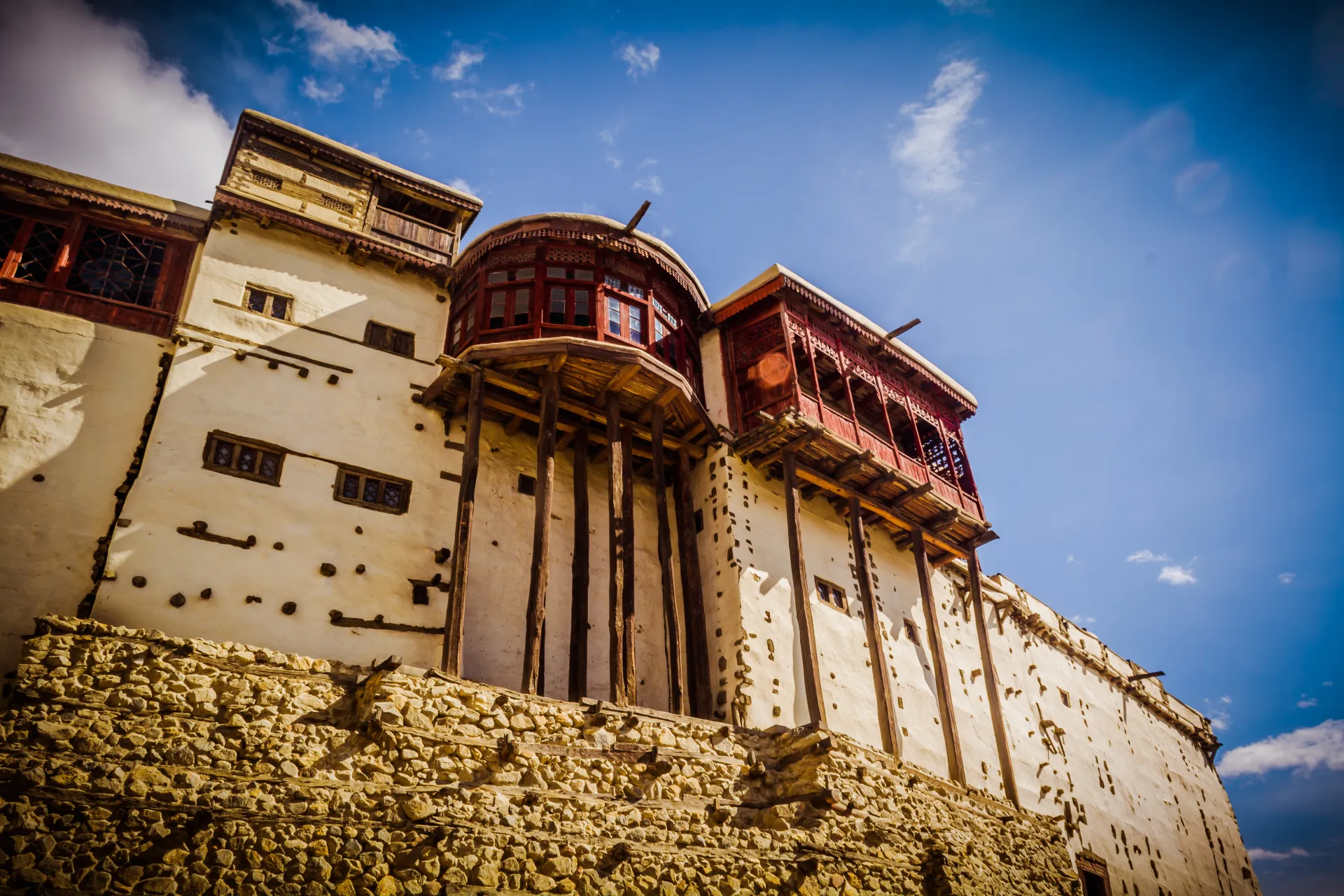
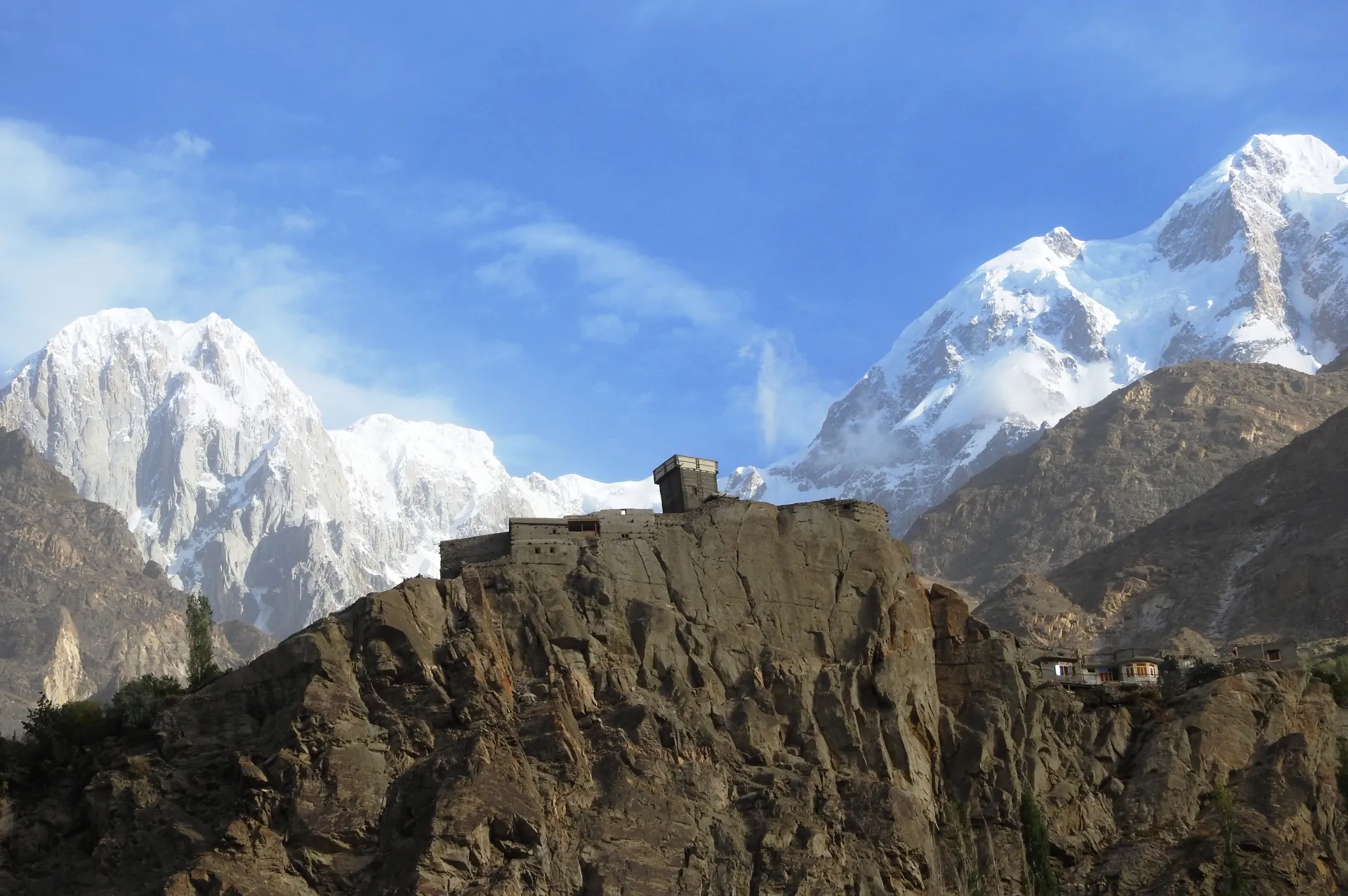
ทัวร์ห้าวันนี้ออกแบบรอบเอกลักษณ์ดังกล่าว ไม่ใช่การไล่เก็บจุดชมวิว คุณจะใช้เวลาอยู่ในและรอบ ๆ การิมาบัด เมืองหลวงเก่า โดยมีป้อมยิ่งใหญ่สองแห่งเป็นหลัก ป้อมบัลติตมีรูปลักษณ์ปัจจุบันตั้งแต่ศตวรรษที่ 14 ผสานแนวคิดการก่อสร้างแบบทิเบต และเป็นที่ประทับของเหล่ามีร์แห่งฮุนซานานราว 700 ปี ก่อนราชวงศ์ย้ายไปบ้านสมัยใหม่ในทศวรรษ 1940 โครงการเมืองประวัติศาสตร์อากา ข่าน บูรณะในทศวรรษ 1990 และปัจจุบันเป็นหนึ่งในงานอนุรักษ์ที่ดีที่สุดของภูมิภาค ป้อมอัลติตเก่ากว่านั้น บางส่วนย้อนไปถึงศตวรรษที่ 11 ตั้งอยู่บนสันหินเหนือแม่น้ำฮุนซา โดยมีหน้าผาเกือบดิ่งสามด้าน
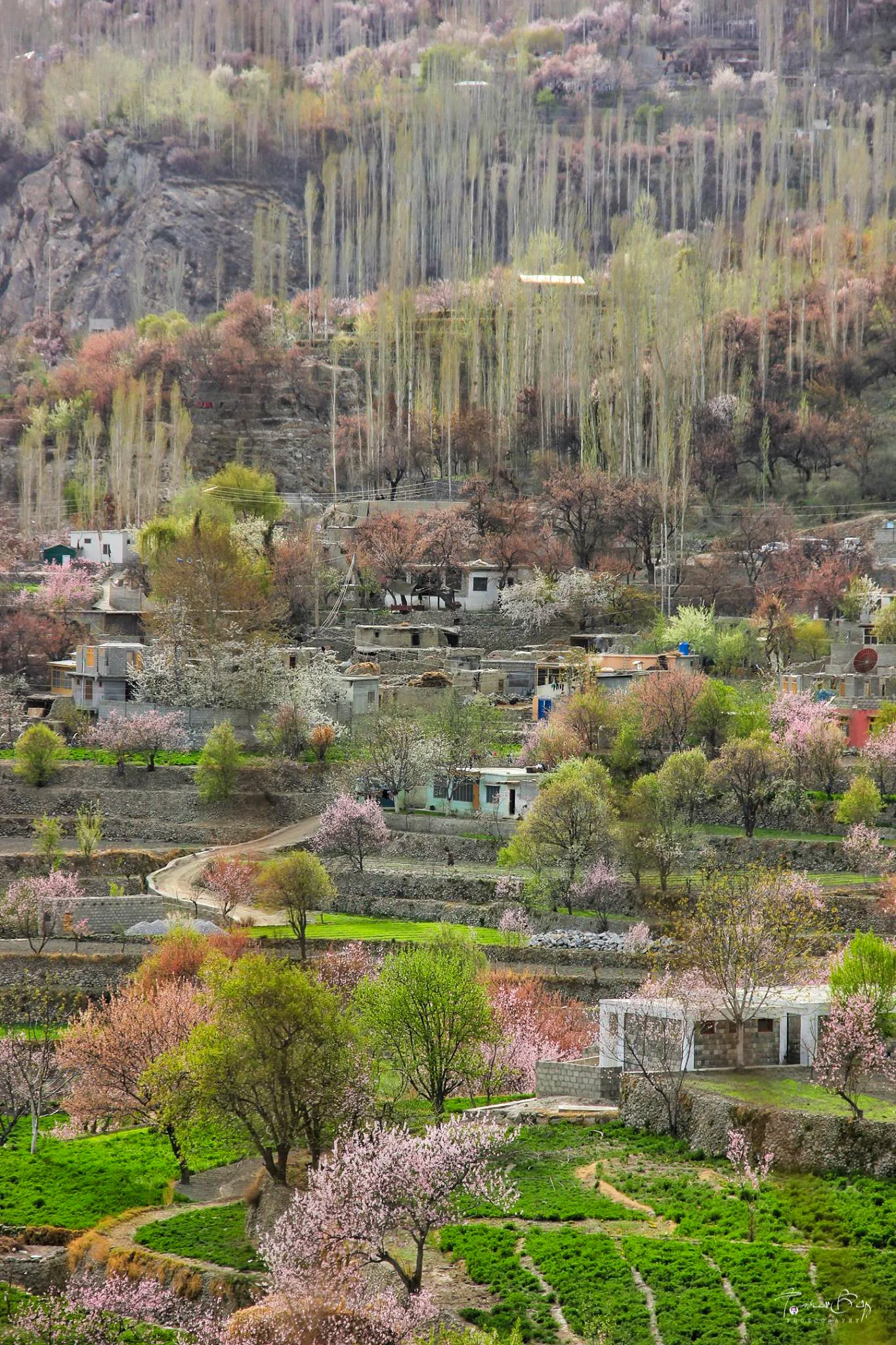
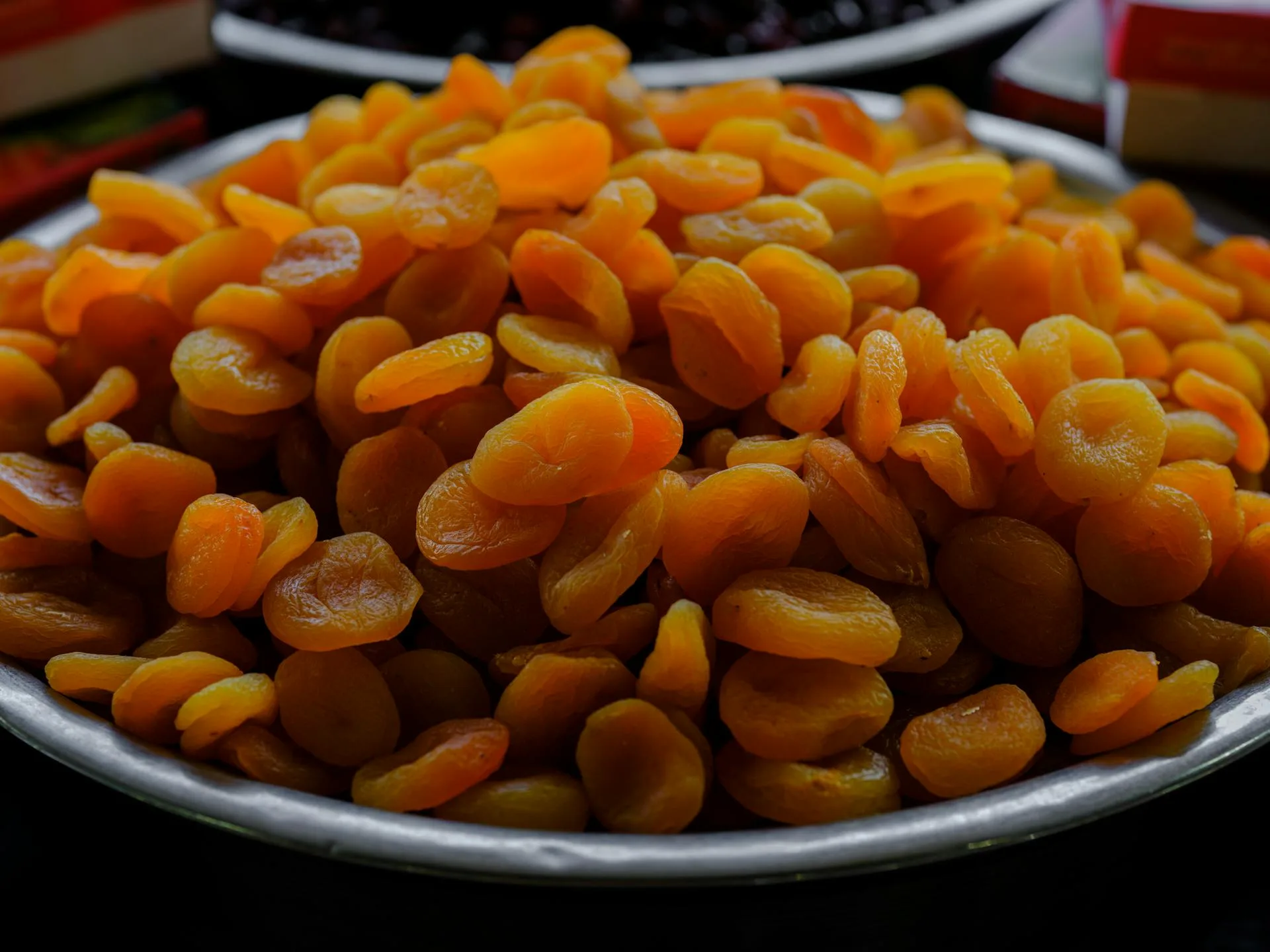
รอบ ๆ ป้อมคือวิถีชีวิตฮุนซาที่เหลือ จุดชมวิวรังนกอินทรีเหนือดูอิการ์อันโด่งดังมองเห็นราคาโพชิ ดิราน และอุลตาร์ซาร์ สวนเบื้องล่างให้ผลแอปริคอตหลายสิบพันธุ์ ซึ่งชาวบ้านยังคงตากบนหลังคาแบนตลอดฤดูร้อน ขึ้นไปตามหุบเขาในเขตโกจัล สีเทอร์ควอยซ์ของทะเลสาบอัตตาบัดเปลี่ยนเป็นกุลมิต ที่ชุมชนวาคีรักษาภาษา ดนตรี และหัตถกรรมของตน แตกต่างจากชาวบุรูโชแห่งฮุนซาตอนกลางอีกครั้ง ขากลับแวะชมพระพุทธรูปการ์กาห์ รูปสลักศตวรรษที่ 7 บนหน้าผาสูงใกล้กิลกิต
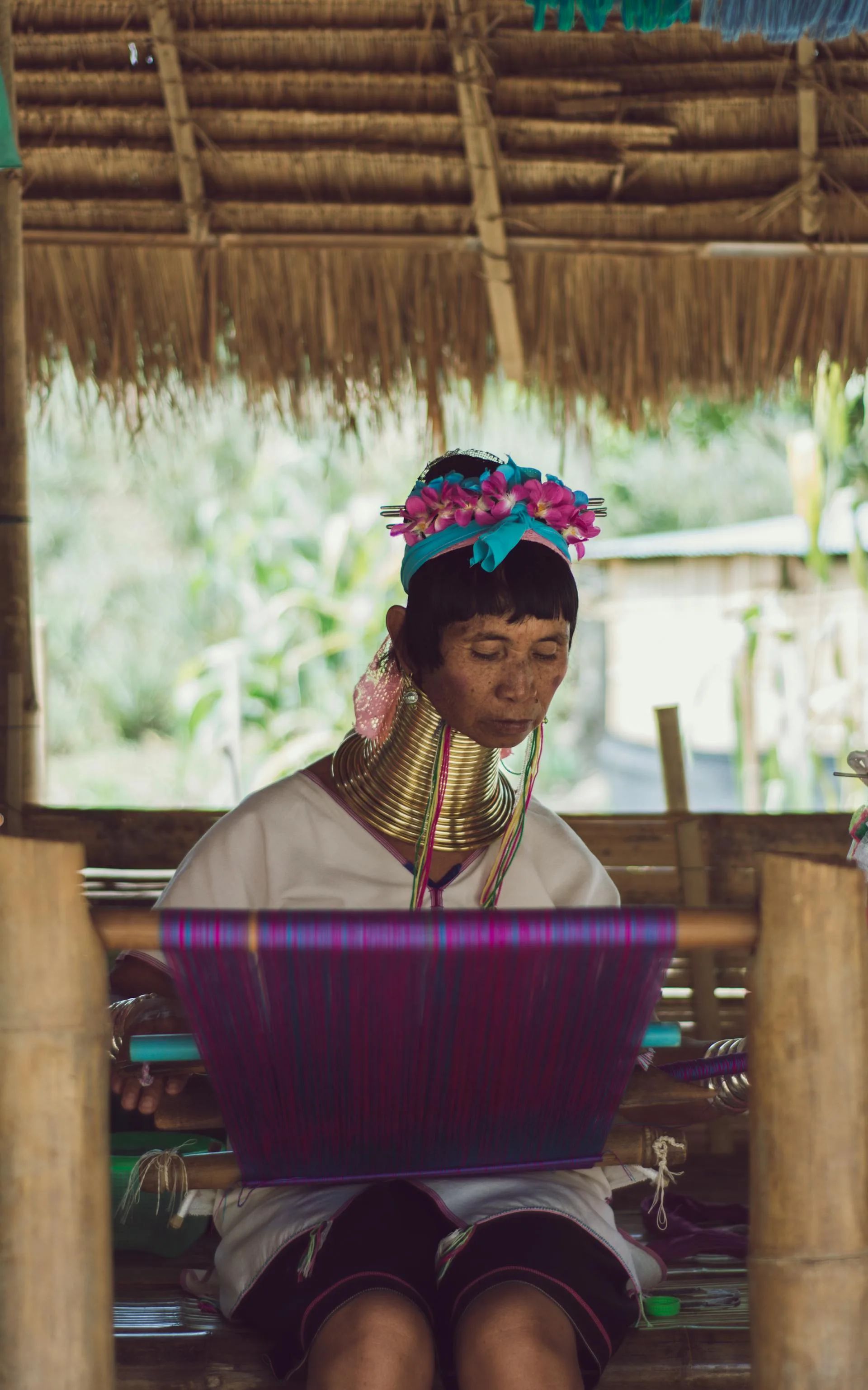
เราตั้งใจให้จังหวะการเดินทางผ่อนคลาย มีเวลานั่งรับประทานอาหารกับครอบครัวท้องถิ่น ชมช่างทอที่สหกรณ์หัตถกรรมสตรี และพูดคุยกับผู้เฒ่าถึงสิ่งที่เปลี่ยนไปและสิ่งที่ยังคงอยู่ในฮุนซายุคใหม่ เป็นทัวร์ที่สบาย ระดับความสูงและการออกแรงไม่มาก เหมาะกับครอบครัว ผู้สูงวัย และผู้ที่สนใจผู้คนและประวัติศาสตร์มากกว่าช่องเขาและยอดเขา
กำหนดการรายวัน
1อิสลามาบัดสู่การิมาบัด บินและขับรถ
บินจากอิสลามาบัดไปกิลกิต (1,500 ม.) จากนั้นขับรถ 100 กม. ตามทางหลวงคาราโครัมสู่การิมาบัด (2,438 ม.) เข้าพักเกสต์เฮาส์สไตล์ดั้งเดิม
2ป้อมบัลติตและเมืองเก่าการิมาบัด
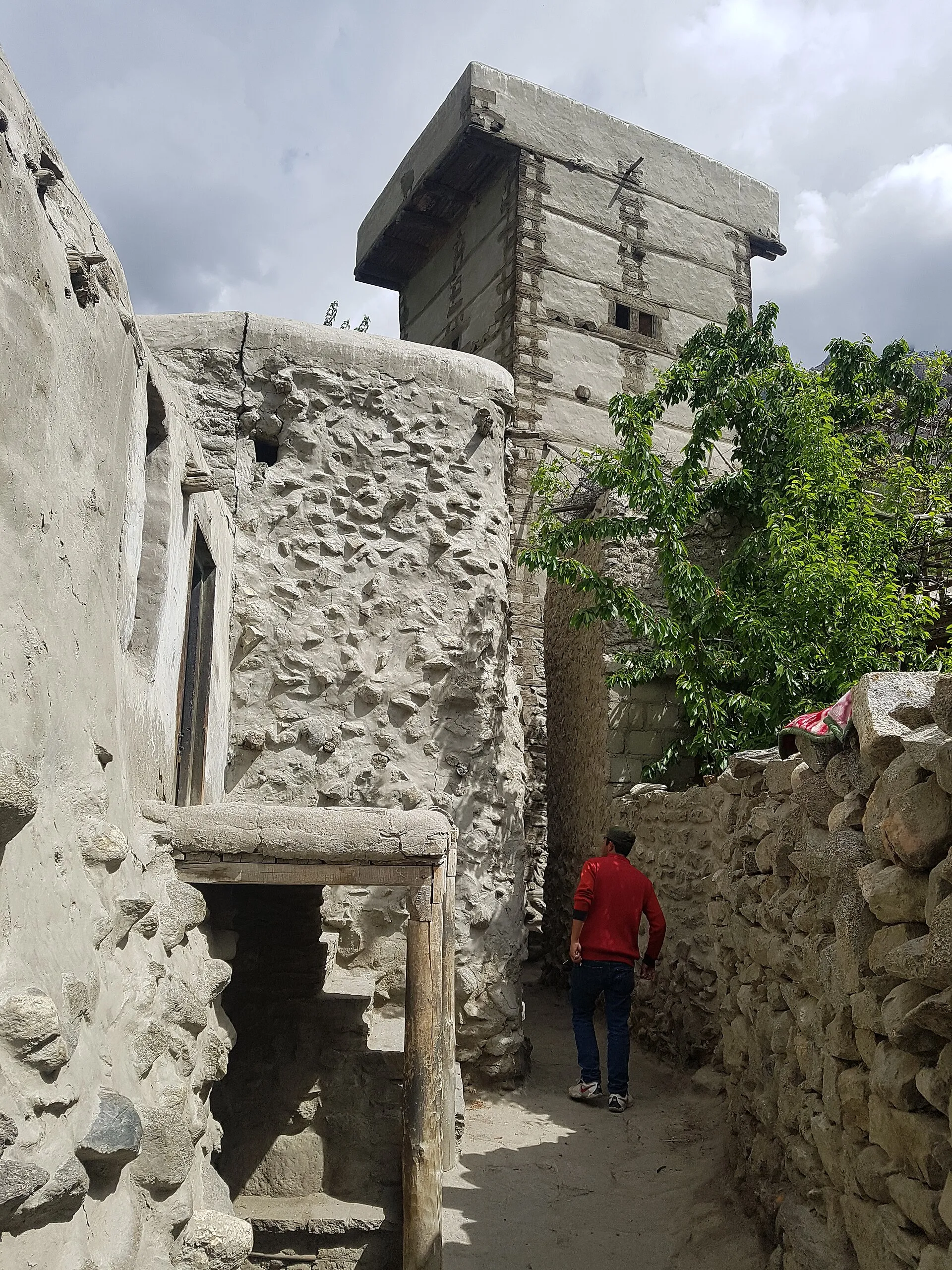
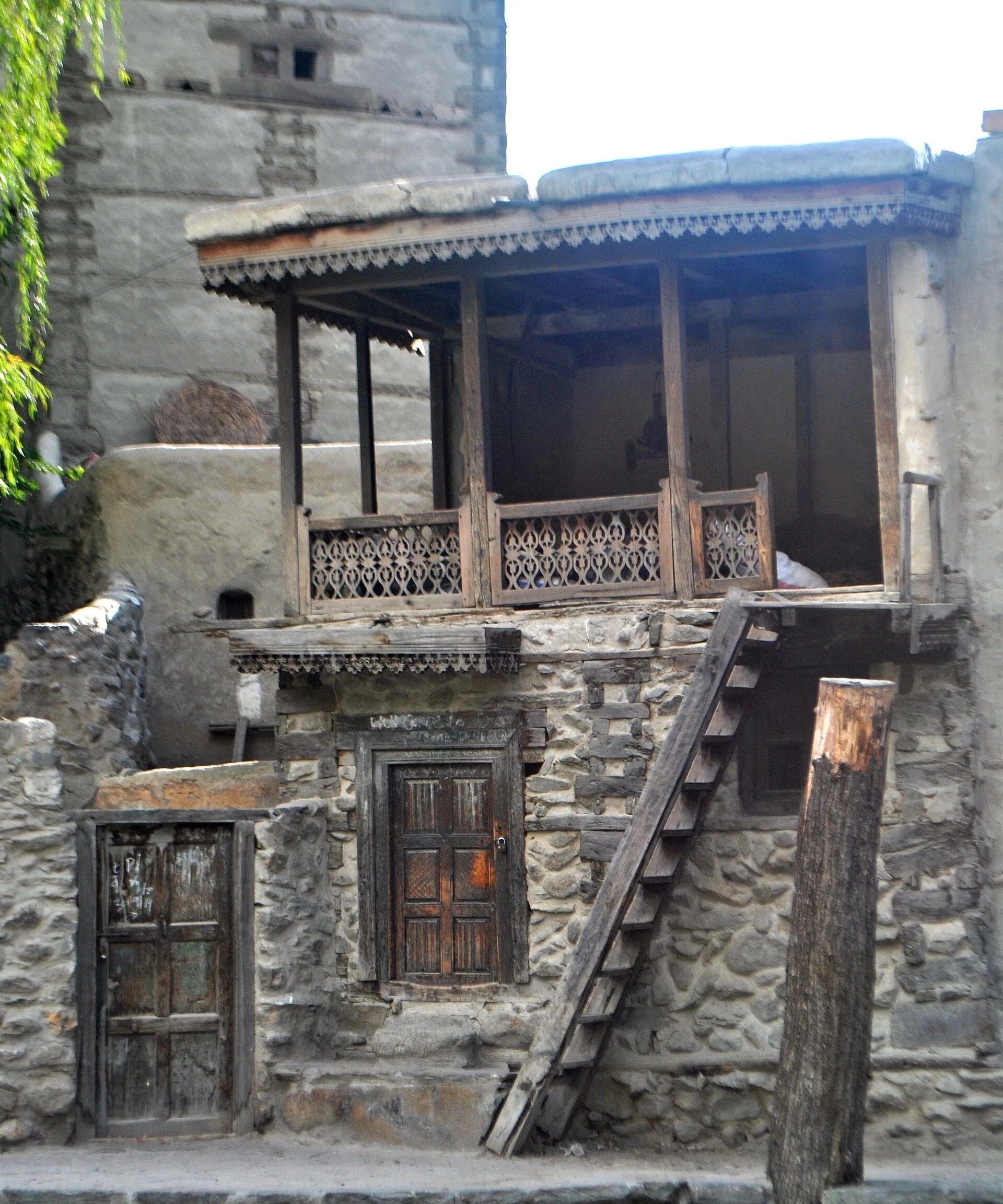
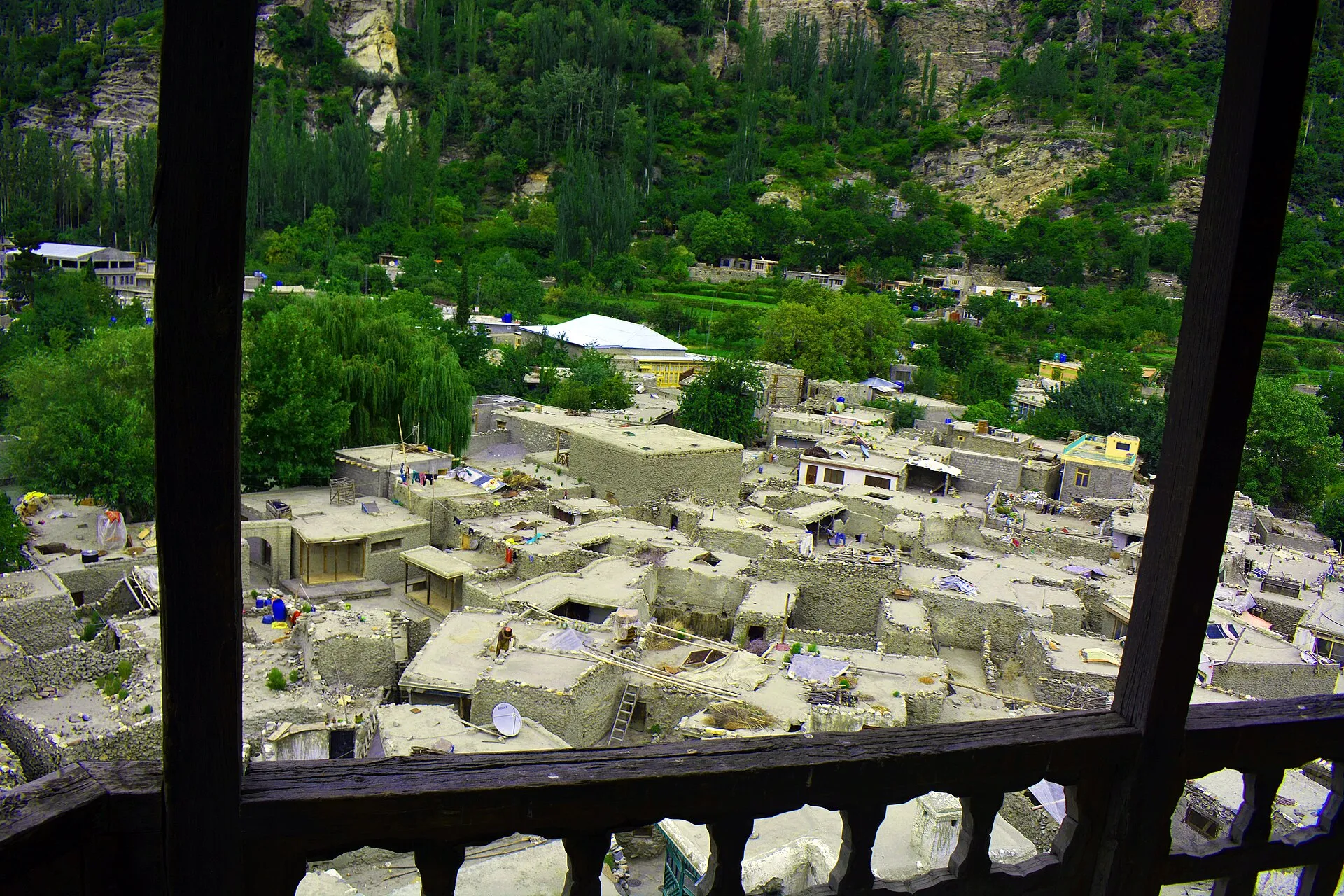
นำชมป้อมบัลติตกับนักประวัติศาสตร์วัฒนธรรม ห้องราชสำนักและระเบียงดาดฟ้าสไตล์ทิเบตใต้ยอดราคาโพชิ (7,788 ม.) ช่วงบ่ายเดินชมตรอกเมืองเก่าและชมการสาธิตทอผ้าที่สหกรณ์หัตถกรรมสตรี
3ป้อมอัลติตและจุดชมวิวรังนกอินทรี
ช่วงเช้าเที่ยวป้อมอัลติต (ศตวรรษที่ 11) และหมู่บ้านเก่าบนหน้าผาเหนือแม่น้ำฮุนซา ช่วงบ่ายนั่งรถจี๊ปขึ้นจุดชมวิวรังนกอินทรี (3,100 ม.) ชมยอดราคาโพชิ ดิราน และอุลตาร์ซาร์ แล้วไปสวนแอปริคอตดูอิการ์ พร้อมชิมผลไม้ตามฤดูกาล
4
ขับรถเข้าสู่เขตโกจัล ล่องเรือในทะเลสาบอัตตาบัดสีเทอร์ควอยซ์ แล้วแวะกุลมิต (2,500 ม.) ที่ชุมชนวาคียังคงรักษาภาษา ดนตรี และงานหัตถกรรมของตน ซึ่งต่างจากฮุนซาตอนกลาง
5การิมาบัดสู่กิลกิต เดินทางกลับ
ขับรถสู่กิลกิต แวะชมพระพุทธรูปการ์กาห์ (ศตวรรษที่ 7) ที่สลักบนหน้าผาสูง จากนั้นบินกลับอิสลามาบัด
ทัวร์นี้เหมาะกับใคร
นี่คือทัวร์วัฒนธรรม ไม่ใช่การเดินเทรก เดินไม่หนัก จุดสูงสุดที่ไปถึงคือจุดชมวิวราว 3,100 ม. และพักที่ระดับ 2,438 ม. อันสบายทุกคืน จึงเหมาะกับครอบครัวที่มีเด็ก ผู้สูงวัย และผู้ที่อยากเข้าใจฮุนซามากกว่าแค่ถ่ายรูป หากคุณสนใจสถาปัตยกรรมมรดก ภาษา หรือหัตถกรรมดั้งเดิมเป็นพิเศษ การชมป้อมพร้อมไกด์และเวลาในสหกรณ์ท้องถิ่นจะเป็นไฮไลต์
ช่วงเวลาที่ดีที่สุดในการเที่ยวฮุนซา
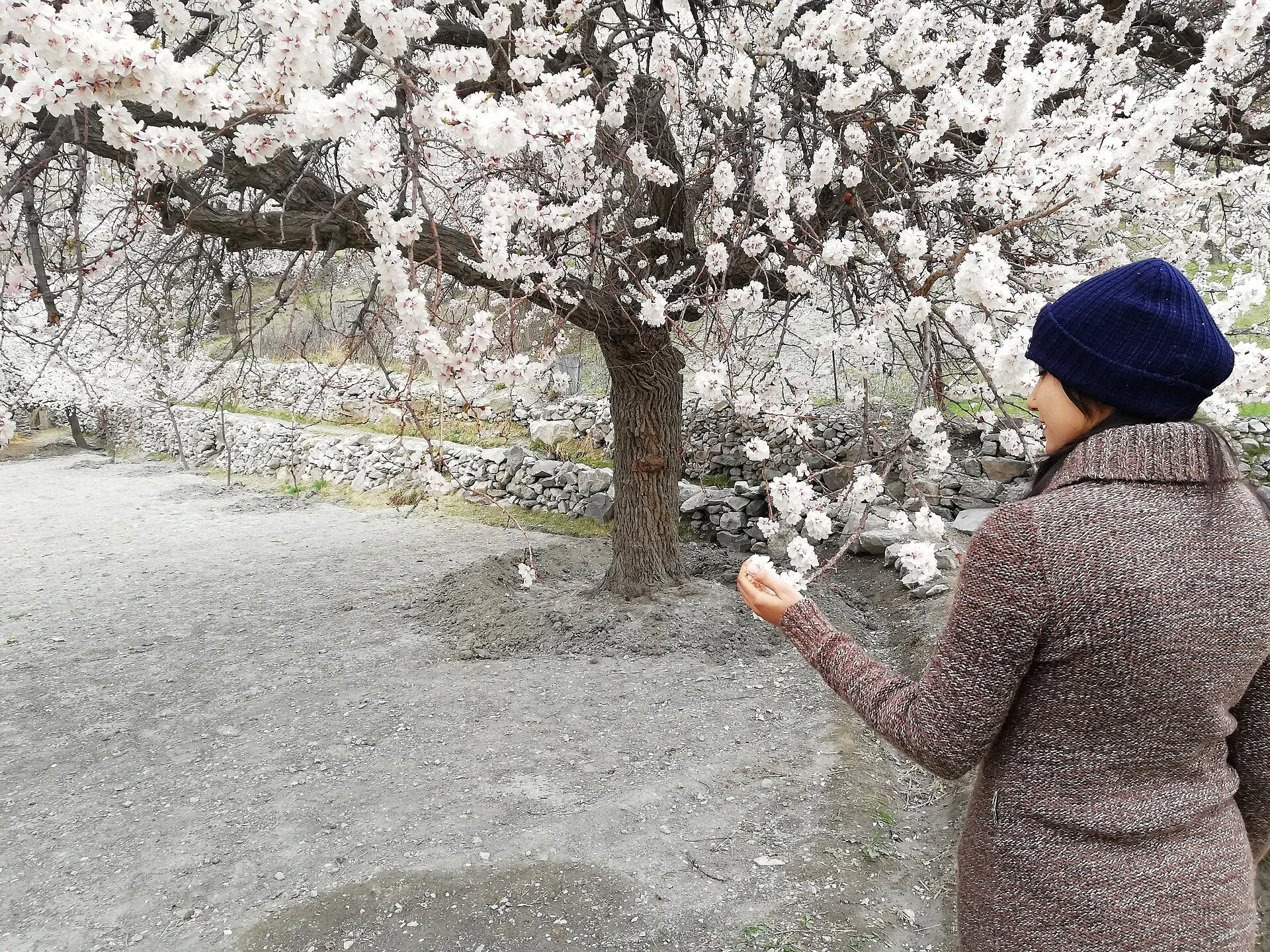
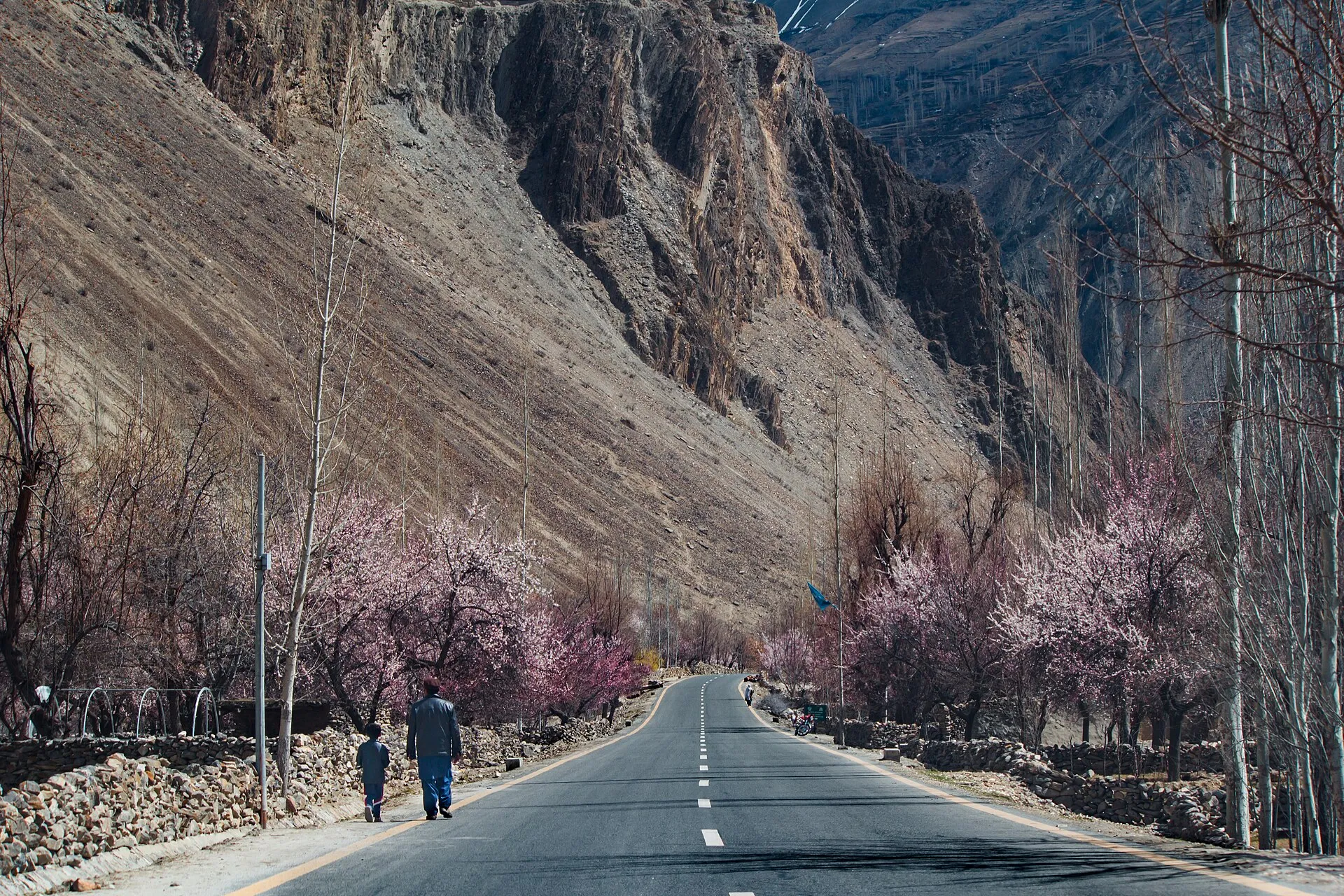
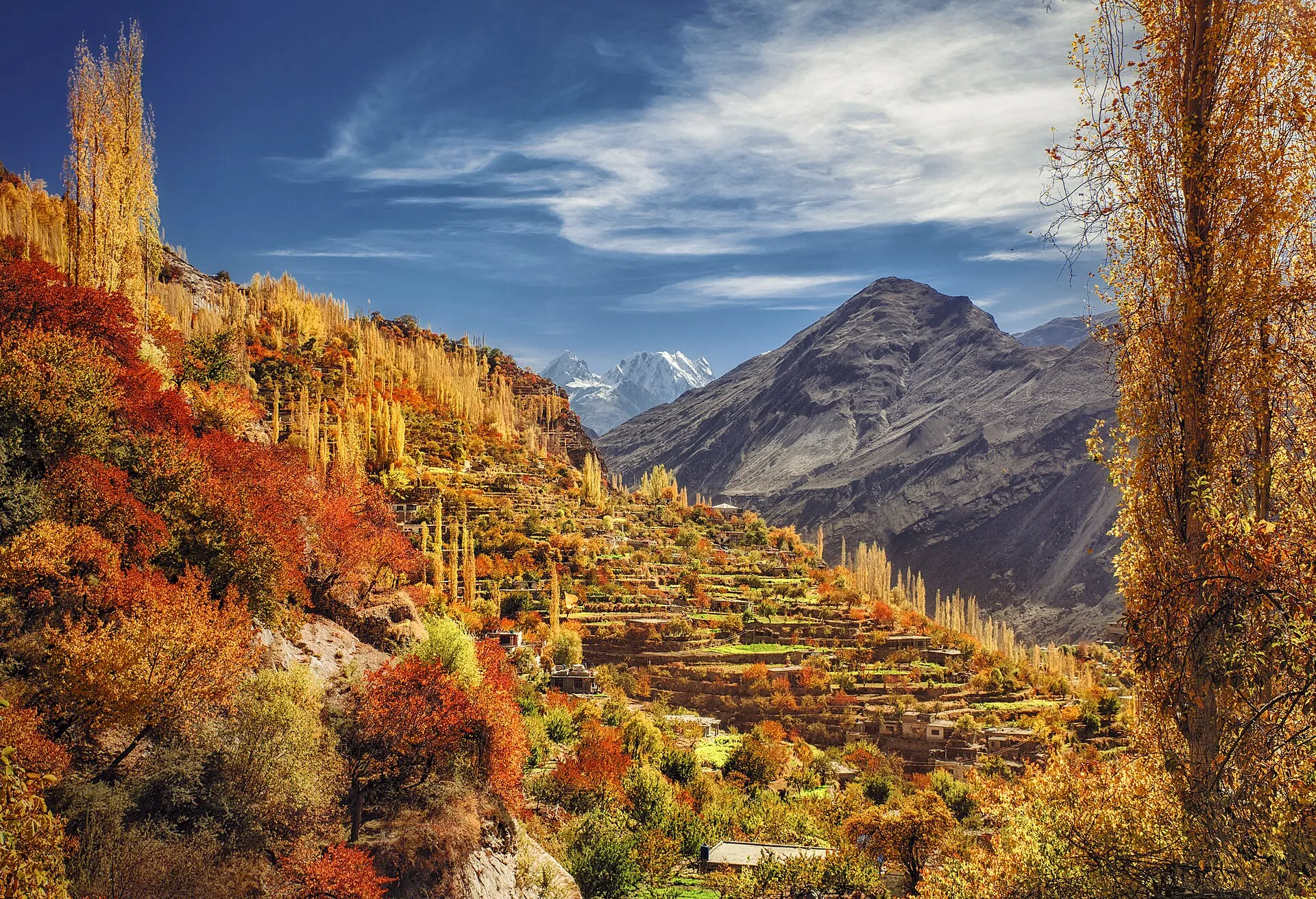
ทัวร์ให้บริการตั้งแต่เดือนมีนาคมถึงพฤศจิกายน และแต่ละช่วงมีเสน่ห์ของตน ปลายมีนาคมถึงเมษายนเป็นฤดูดอกไม้บาน เมื่อต้นเชอร์รีและแอปริคอตแต่งแต้มหุบเขาด้วยสีชมพูและขาวตัดกับยอดเขาหิมะ ฤดูร้อนเดือนมิถุนายนถึงสิงหาคมอบอุ่นและเขียวชอุ่ม พร้อมฤดูเก็บแอปริคอต หลังคาทั่วหุบเขาเต็มไปด้วยผลไม้ตากแห้ง กันยายนและตุลาคมนำสีสันฤดูใบไม้ร่วง ทัศนียภาพภูเขาที่ใส และการเก็บองุ่นกับวอลนัท นักเดินทางหลายคนยกให้เป็นเดือนที่ดีที่สุดสำหรับการถ่ายภาพ ฤดูหนาวอากาศเย็นและถนนบางสายในหุบเขาตอนบนอาจปิด เราจึงจัดการเดินทางในช่วงมีนาคมถึงพฤศจิกายน
ทำไมต้องจองกับเรา
เราเป็นผู้ประกอบการในกิลกิต-บัลติสถาน ไม่ใช่สำนักงานในเมืองอื่น และจัดทริปนำเที่ยวในหุบเขาเหล่านี้มาตั้งแต่ปี 2015 การเที่ยวป้อมนำโดยไกด์ที่รู้ประวัติศาสตร์จริง ไม่ใช่ท่องบท ส่วนการเยือนชุมชนเราไปยังสหกรณ์และครอบครัวที่เราทำงานด้วยโดยตรง เงินจึงอยู่กับหุบเขา เรารวมเที่ยวบินกิลกิตทั้งไปและกลับ และเตรียมทางเลือกเส้นทางบกผ่านทางหลวงคาราโครัมไว้ เพราะเที่ยวบินภูเขาขึ้นกับสภาพอากาศ เราอยากมีแผนสำรองมากกว่าต้องติดค้างในตอนเช้า
สิ่งที่รวมอยู่
เที่ยวบิน Gilgit–Islamabad (ไป-กลับ)
การเดินทางทางบกทั้งหมด รวมรถจี๊ปขึ้นรังนกอินทรี
ที่พัก 4 คืนในเกสต์เฮาส์สไตล์ดั้งเดิมที่การิมาบัด
มื้ออาหารทั้งหมดพร้อมอาหารพิเศษประจำภูมิภาค
ค่าเข้าชม Baltit Fort และ Altit Fort พร้อมไกด์
ค่าเวิร์กช็อปงานฝีมือและการเยี่ยมชมชุมชน
สิ่งที่ไม่รวม
เที่ยวบินระหว่างประเทศ
ประกันการเดินทาง
ค่าใช้จ่ายส่วนตัวและทิป
คำถามที่พบบ่อย
ทัวร์มรดกวัฒนธรรมฮุนซาใช้เวลากี่วัน?
ห้าวันสี่คืน ให้บริการเดือนมีนาคมถึงพฤศจิกายน ฤดูใบไม้ผลิมีดอกไม้บาน ฤดูร้อนเก็บแอปริคอต และฤดูใบไม้ร่วงมีวิวใสกับการเก็บองุ่นและวอลนัท วันแรกบินจากอิสลามาบัดไปกิลกิตแล้วขับรถขึ้นไปการิมาบัด วันที่สองถึงสี่อยู่ในหุบเขา ได้แก่ ป้อมบัลติตและเมืองเก่า จากนั้นป้อมอัลติตและจุดชมวิวรังนกอินทรี แล้วล่องเรือในทะเลสาบอัตตาบัดและใช้เวลาที่กุลมิต วันที่ห้าขับรถกลับกิลกิต แวะชมพระพุทธรูปการ์กาห์ แล้วบินไปอิสลามาบัด ทั้งสี่คืนพักในเกสต์เฮาส์มรดกแห่งเดียวในการิมาบัด คุณจึงแกะกระเป๋าเพียงครั้งเดียว ปลายเดือนมีนาคมถึงเมษายนเป็นฤดูดอกไม้บาน มิถุนายนถึงสิงหาคมอบอุ่นและเขียวขจี และนักเดินทางหลายคนยกให้เดือนกันยายนและตุลาคมเป็นช่วงที่ดีที่สุดสำหรับการถ่ายภาพ เราไม่จัดทริปในฤดูหนาว เพราะอากาศหนาวและถนนบางสายในหุบเขาช่วงบนอาจปิด
บินจากอิสลามาบัดไปกิลกิต (ราว 1,500 ม.) แล้วขับรถ 100 กม. ตามทางหลวงคาราโครัมสู่การิมาบัด (2,438 ม.) รวมเที่ยวบินทั้งสองขา เนื่องจากเที่ยวบินกิลกิตขึ้นกับสภาพอากาศ เราจึงเตรียมทางเลือกเส้นทางบกไว้ เที่ยวบินใช้เวลาสั้น ๆ และการขับรถจากกิลกิตไปตามทางหลวงขึ้นเหนือสู่หุบเขาฮุนซา ซึ่งคุณจะเข้าพักในเกสต์เฮาส์มรดกตั้งแต่บ่ายวันแรก ในวันที่ห้า ถนนสายเดิมพาคุณกลับลงมา โดยแวะชมพระพุทธรูปการ์กาห์จากศตวรรษที่ 7 ที่สลักไว้สูงบนหน้าผาใกล้กิลกิต ก่อนบินไปอิสลามาบัด หากเมฆทำให้งดบิน เราเปลี่ยนไปใช้ทางหลวงคาราโครัมแทนการปล่อยให้คุณติดอยู่ที่สนามบินทั้งเช้า การเดินทางภาคพื้นทั้งหมดรวมอยู่แล้ว ตั้งแต่รถรับส่งไปจนถึงรถจี๊ปขึ้นรังนกอินทรี เที่ยวบินระหว่างประเทศมายังปากีสถานไม่รวมอยู่ คุณจึงต้องเดินทางมาถึงอิสลามาบัดเองก่อนทัวร์เริ่ม
ระดับความสูงสูงสุดเท่าไร และทัวร์หนักไหม?
จุดสูงสุดคือจุดชมวิวรังนกอินทรีราว 3,100 ม. และพักที่การิมาบัด (2,438 ม.) ทุกคืน ระดับความยากง่าย จึงเหมาะกับครอบครัวและผู้สูงวัย คุณขึ้นรังนกอินทรีด้วยรถจี๊ปในบ่ายวันที่สาม ใช้เวลาบนยอดชมวิวข้ามไปยังราคาโปชิ ดิราน และอุลตาร์ซาร์ แล้วลงกลับมาที่สวนผลไม้ กุลมิตซึ่งคุณใช้เวลาส่วนหนึ่งของวันที่สี่อยู่ที่ราว 2,500 ม. และกิลกิตในวันแรกและวันสุดท้ายต่ำกว่านั้นอีกที่ราว 1,500 ม. นี่คือทัวร์วัฒนธรรม ไม่ใช่การเทรก การเดินเบา ๆ ส่วนใหญ่เป็นการชมป้อม ตรอกเมืองเก่าของการิมาบัด และสวนแอปริคอตรอบดุยการ์ และจังหวะก็ตั้งใจให้ไม่เร่งรีบ ถ้าคุณมีภาวะหัวใจหรือปอด หรือไม่แน่ใจว่าร่างกายรับความสูงได้แค่ไหน แจ้งเราก่อนจอง แล้วเราจะคุยกันให้ชัดเจน
ทำไมป้อมบัลติตและอัลติตจึงน่าชม?
บัลติตเคยเป็นที่ประทับของเหล่ามีร์แห่งฮุนซานานราว 700 ปี และบูรณะโดยโครงการเมืองประวัติศาสตร์อากา ข่าน ส่วนอัลติตเก่ากว่า มีส่วนจากศตวรรษที่ 11 ตั้งอยู่บนหน้าผาน่าทึ่งเหนือแม่น้ำ คุณจะชมทั้งสองแห่งพร้อมไกด์ บัลติตมีรูปทรงปัจจุบันในศตวรรษที่ 14 โดยรับแนวคิดการก่อสร้างแบบทิเบตมา และราชวงศ์ผู้ปกครองอาศัยอยู่ที่นั่นจนย้ายไปบ้านสมัยใหม่ในทศวรรษ 1940 ในวันที่สอง นักประวัติศาสตร์วัฒนธรรมจะพาคุณชมห้องต่าง ๆ ของราชวงศ์และขึ้นไปยังดาดฟ้าแบบทิเบต ที่มองเห็นราคาโปชิ (7,788 ม.) อยู่อีกฝั่งหุบเขา อัลติตอยู่ในวันที่สาม ตั้งอยู่บนแนวหินที่มีหน้าผาเกือบตั้งฉากสามด้านเหนือแม่น้ำฮุนซา และหมู่บ้านเก่ารอบ ๆ ก็เป็นส่วนหนึ่งของการเยี่ยมชม ป้อมทั้งสองร่วมกันเล่าเรื่องราวของฮุนซาในฐานะรัฐเจ้าผู้ครอง ซึ่งคงสถานะนั้นจนถึงปี 1974 รวมค่าเข้าชมพร้อมไกด์ของทั้งสองแห่งแล้ว
ชาวบุรูโชคือใคร และภาษาบุรูชาสกีคืออะไร?
ชาวบุรูโชคือผู้คนแห่งฮุนซาตอนกลาง และบุรูชาสกีคือภาษาของพวกเขา ภาษาโดดเดี่ยวที่ไม่มีญาติพิสูจน์ได้ที่ใด ทัวร์รวมเวลาในหมู่บ้าน สหกรณ์หัตถกรรมสตรี และมื้ออาหารกับครอบครัวท้องถิ่น วัฒนธรรมอันโดดเด่นของพวกเขาส่วนหนึ่งมาจากประวัติศาสตร์ ฮุนซาเป็นรัฐเจ้าผู้ครองที่ปกครองโดยมีร์ซึ่งสืบทอดตำแหน่งกันมาจนถึงปี 1974 และซ่อนตัวอยู่หลังภูเขาที่สูงที่สุดบางลูกของโลก อาหาร ดนตรี สถาปัตยกรรม และประเพณีจึงพัฒนาแยกออกมาจากทั้งที่ราบของปากีสถานและเอเชียกลาง คุณเห็นสิ่งนี้ได้ชัดที่สุดในเมืองเก่าของการิมาบัดและในสวนผลไม้ ที่ครอบครัวยังตากแอปริคอตบนหลังคาแบนตลอดฤดูร้อน ในวันที่สี่ คุณจะได้พบอีกชุมชนหนึ่ง คือชาววาคีแห่งกุลมิต ที่อยู่สูงขึ้นไปในหุบเขาในเขตโกจาล ซึ่งรักษาภาษา ดนตรี และงานหัตถกรรมของตัวเองไว้ เราเยี่ยมสหกรณ์และครอบครัวที่เราทำงานด้วยโดยตรง เงินจึงอยู่ในหุบเขา และมีเวลาพูดคุยกับผู้อาวุโสว่าฮุนซาเปลี่ยนไปอย่างไร
ทัวร์เหมาะกับครอบครัวและกลุ่มเล็กไหม?
เหมาะ ระดับความยากง่าย กลุ่มมี 2 ถึง 10 คน และจังหวะผ่อนคลาย จัดรอบป้อม หมู่บ้าน และสวนผลไม้ ไม่มีใครต้องเดินไกล การชมป้อม ตรอกเมืองเก่า และการเดินในสวนผลไม้ล้วนเบา ๆ และการขึ้นรังนกอินทรีที่ราว 3,100 ม. ใช้รถจี๊ป คุณพักที่การิมาบัด (2,438 ม.) ทุกคืนในเกสต์เฮาส์มรดกแห่งเดียว ซึ่งทำให้ชีวิตกับเด็ก ๆ ง่ายขึ้น ยังมีอะไรอีกมากที่ดึงความสนใจเด็กเล็กได้ ตั้งแต่การล่องเรือในทะเลสาบอัตตาบัด ชิมแอปริคอตในสวนดุยการ์ตามฤดูกาล ไปจนถึงการสาธิตการทอผ้าที่สหกรณ์หัตถกรรมสตรี อาหารทุกมื้อรวมอยู่แล้ว พร้อมอาหารขึ้นชื่อประจำภูมิภาค ฤดูร้อนตั้งแต่เดือนมิถุนายนถึงสิงหาคมเป็นช่วงเก็บเกี่ยวแอปริคอต ถ้าคุณอยากได้ทริปที่ออกแบบรอบเด็กทั้งหมด วันสั้นกว่าและเผื่อเวลามากกว่า ทัวร์ครอบครัวฮุนซาของเราออกแบบมาเพื่อสิ่งนั้น และเราช่วยคุณเลือกได้
เริ่มต้นการเดินทาง
พร้อมสำหรับการผจญภัยครั้งต่อไปแล้วหรือยัง?
เข้าร่วมชุมชนนักสำรวจของเราและค้นพบการเดินทางที่น่าจดจำ ทีมผู้เชี่ยวชาญของเราพร้อมช่วยวางแผนการสำรวจที่สมบูรณ์แบบ