กลับไปที่ทัวร์
มอเตอร์ไซค์
จิตราล
ทริปมอเตอร์ไซค์ผจญภัยช่องเขา Shandur
แปดวันบนกรวดจาก Gilgit สู่ Chitral ข้าม Shandur ที่ 3,734 ม.
อัปเดตล่าสุด: · ตรวจทานโดย Javeed Iqbal ผู้ก่อตั้ง
ฤดูกาลที่ดีที่สุด
มิ.ย.-ก.ย.
เกี่ยวกับทัวร์นี้
นี่คือการขับขี่แบบผจญภัยของทริปมอเตอร์ไซค์สามทริปของเรา จาก Gilgit สู่ Chitral ข้ามช่องเขา Shandur ที่ 3,734 ม. สนามโปโลที่สูงที่สุดในโลก เส้นทางมุ่งหน้าไปทางตะวันตกผ่านหุบเขา Ghizer ผ่าน Gupis และ Phander ที่ซึ่งถนนลาดยางหมดลงและกลายเป็นกรวดขรุขระสำหรับการไต่ขึ้นสู่ยอด อีกฟากหนึ่งลงไปตามแม่น้ำ Chitral ผ่าน Mastuj และ Booni นี่คือทริปที่ให้ความรู้สึกของการสำรวจมากที่สุดในสามทริป และมีถนนลาดยางน้อยที่สุด
ลักษณะเด่นคือความห่างไกล ระหว่าง Gupis และ Chitral ไม่มีเมืองขนาดใหญ่ ช่างซ่อมมีน้อย และสัญญาณโทรศัพท์ไม่ทั่วถึง ถนนบนและใกล้ช่องเขามีการข้ามลำธารที่ไม่มีสะพานซึ่งหล่อเลี้ยงด้วยน้ำหิมะละลาย ซึ่งในตอนบ่ายจะลึกกว่าตอนเช้า และการลงสู่ Chitral แคบและมีหินร่วงและการกัดเซาะ ระยะทางดูสั้นบนกระดาษแต่พื้นผิวทำให้ทุกอย่างช้าลงเหลือวันขับขี่สี่ถึงหกชั่วโมง
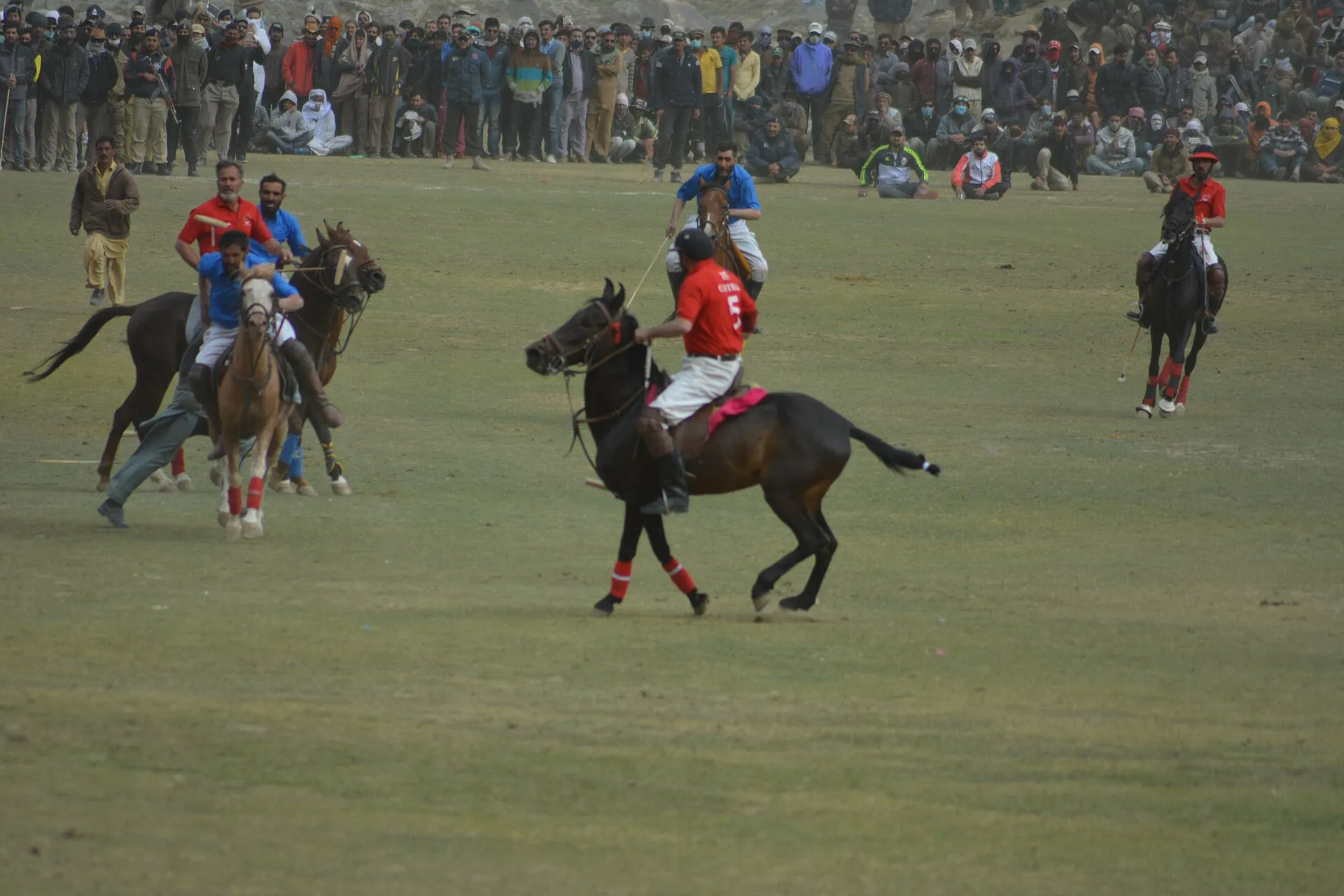
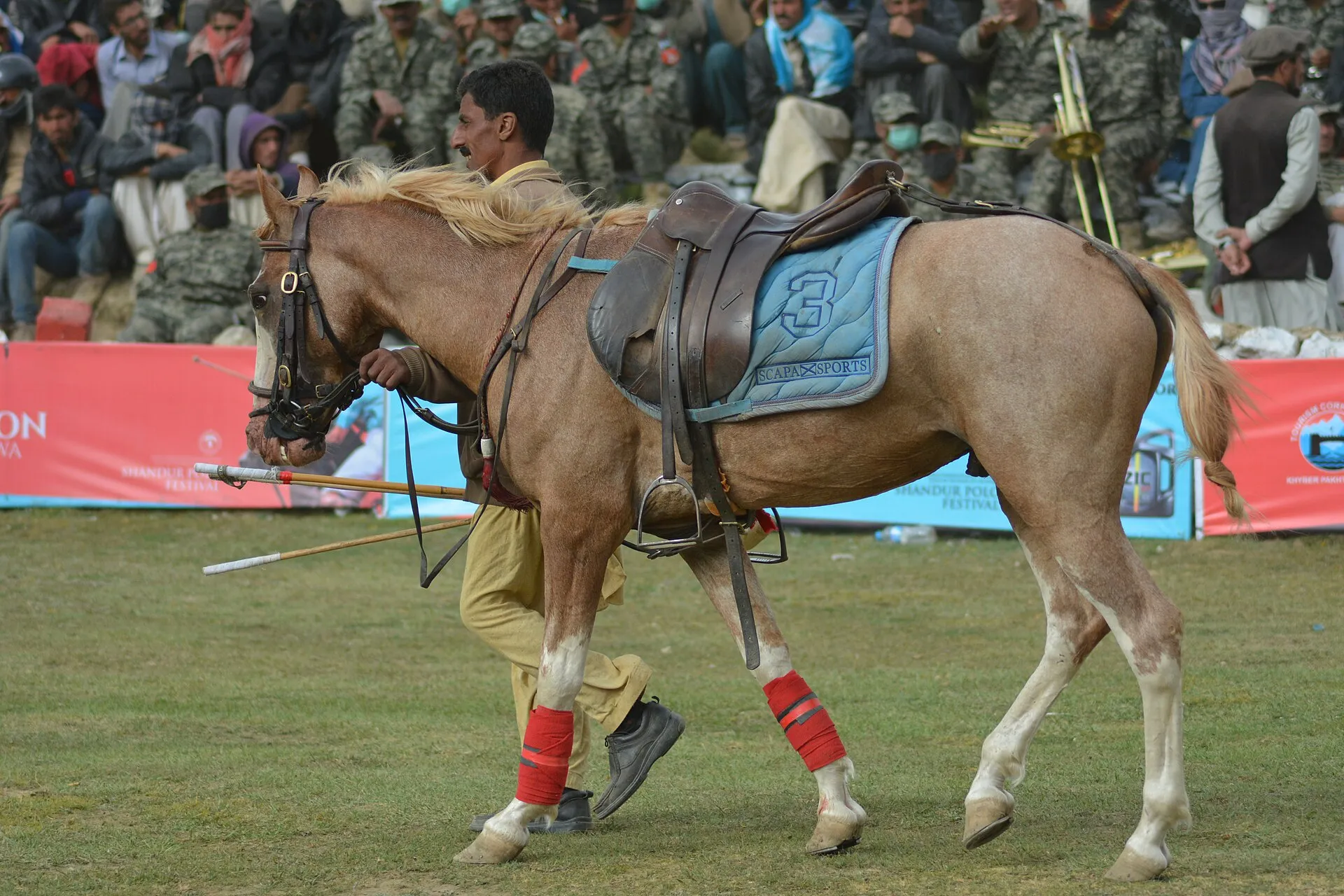
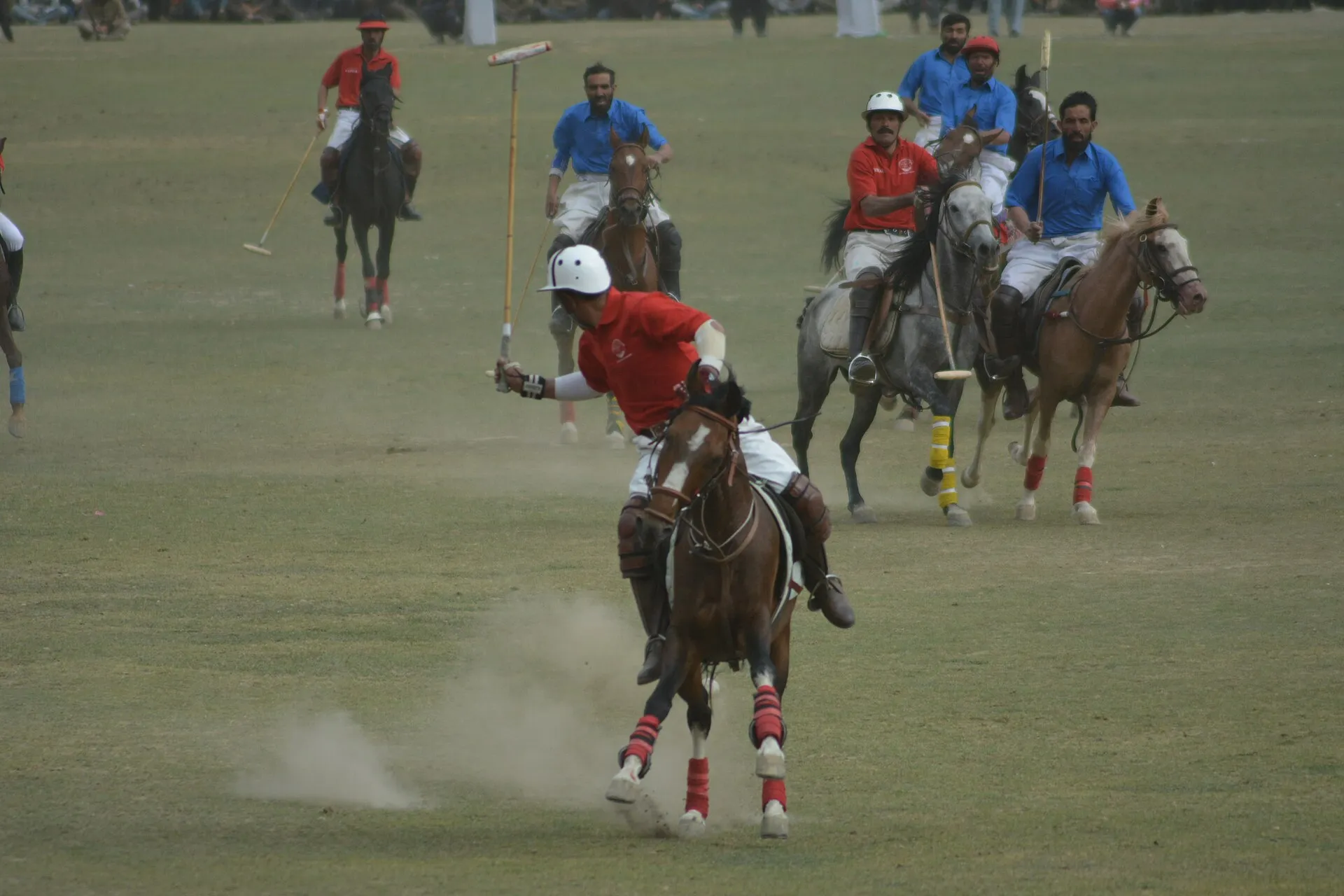
Shandur เปิดราวปลายเดือนเมษายนหรือพฤษภาคมและปิดในฤดูหนาวภายในต้นเดือนพฤศจิกายน เทศกาลโปโล Shandur ซึ่งในช่วงหลังจัดในเดือนมิถุนายน (11 ถึง 13 มิถุนายนในปี 2026) ทำให้ช่องเขาเต็มไปด้วยฝูงชนและการจราจร ซึ่งควรหลีกเลี่ยงการขับขี่ในช่วงนั้นเว้นแต่คุณต้องการมันโดยเฉพาะ หุบเขา Ghizer มอบทะเลสาบ Khalti และ Phander ริมถนน ปลาเทราต์จากแม่น้ำที่เกสต์เฮาส์ และช่วงถนนที่คุณน่าจะมีไว้คนเดียวทั้งหมด
เราจัดทริปจาก Gilgit สู่ Chitral พร้อมรถ 4x4 สนับสนุนที่บรรทุกสัมภาระและน้ำมันสำรอง คุณขับขี่บนกรวด เราขนน้ำมันสำรองสำหรับช่วงที่ไม่มี จัดการการลงทะเบียนชาวต่างชาติที่ด่านตรวจ และให้คุณพักในเกสต์เฮาส์ครอบครัวเล็กๆ ใน Phander และ Laspur เป็นทริปสำหรับนักขับขี่ที่ต้องการความหลากหลายของพื้นผิวและความโดดเดี่ยว ไม่ใช่การล่องชมวิวที่ราบเรียบ
พื้นผิวถนนและการข้ามลำธาร
คาดว่าส่วนใหญ่เป็นกรวดและดินที่ไม่ได้ลาดยาง โดยเฉพาะจาก Phander ขึ้นไปยัง Shandur และในการลงสู่ Chitral มีการไต่ขึ้นกรวดร่วงที่ชัน พื้นกระดานซักผ้า และการข้ามลำธารที่ไม่มีสะพานซึ่งลุยข้ามได้แต่เป็นของจริง น้ำหิมะละลายหล่อเลี้ยงการข้ามเหล่านั้น ดังนั้นจะตื้นกว่าในความเย็นยามเช้าและลึกกว่าในตอนบ่าย ซึ่งกำหนดว่าเราจัดเวลาวันขับขี่อย่างไร
ภูมิประเทศนี้เหมาะกับรถดูอัลสปอร์ตหรือรถ 150cc ที่เบากว่ามากกว่ารถทัวร์ริ่งที่หนัก CG125 ทำได้แต่การไต่ขึ้นกรวดเมื่อบรรทุกของเป็นงานหนักบนรถคันเล็กกว่า การลงสู่ Chitral ตามแม่น้ำแคบและมีหินร่วง ดังนั้นจึงคุ้มค่ากับการขับขี่อย่างมั่นคงมากกว่าความเร็ว
กำหนดการรายวัน
1Islamabad สู่ Gilgit ทางอากาศ
บิน Islamabad สู่ Gilgit ประตูสู่หุบเขา Ghizer บรีฟเรื่องมอเตอร์ไซค์ ตรวจอุปกรณ์ และในตอนเย็นทบทวนเส้นทาง ช่วงกรวด และแผนน้ำมันข้ามช่องเขา
2Gilgit สู่ Gahkuch ผ่านหุบเขา Ghizer ราว 100 กม.
ขับขี่ไปทางตะวันตกตามแม่น้ำ Ghizer 40 กม. แรกลาดยางก่อนพื้นผิวจะขรุขระขึ้น เข้าสู่เขตป่าสน เติมน้ำมันที่ Gilgit และ Gupis ปั๊มสุดท้ายที่เชื่อถือได้ก่อนช่องเขา ลงทะเบียนที่ด่านตรวจและพักค้างคืนที่เกสต์เฮาส์ Gahkuch
3Gahkuch สู่ Phander ราว 50 กม.
ขับขี่ผ่านทะเลสาบ Khalti ไปยัง Phander ที่ราว 2,900 ม. พร้อมเดินเล่นยามบ่ายริมทะเลสาบ Phander สีเทอร์ควอยซ์ใต้ฉากหลังธารน้ำแข็ง อาหารค่ำปลาเทราต์ที่เกสต์เฮาส์ครอบครัว
4Phander สู่ช่องเขา Shandur 3,734 ม. ราว 70 กม.
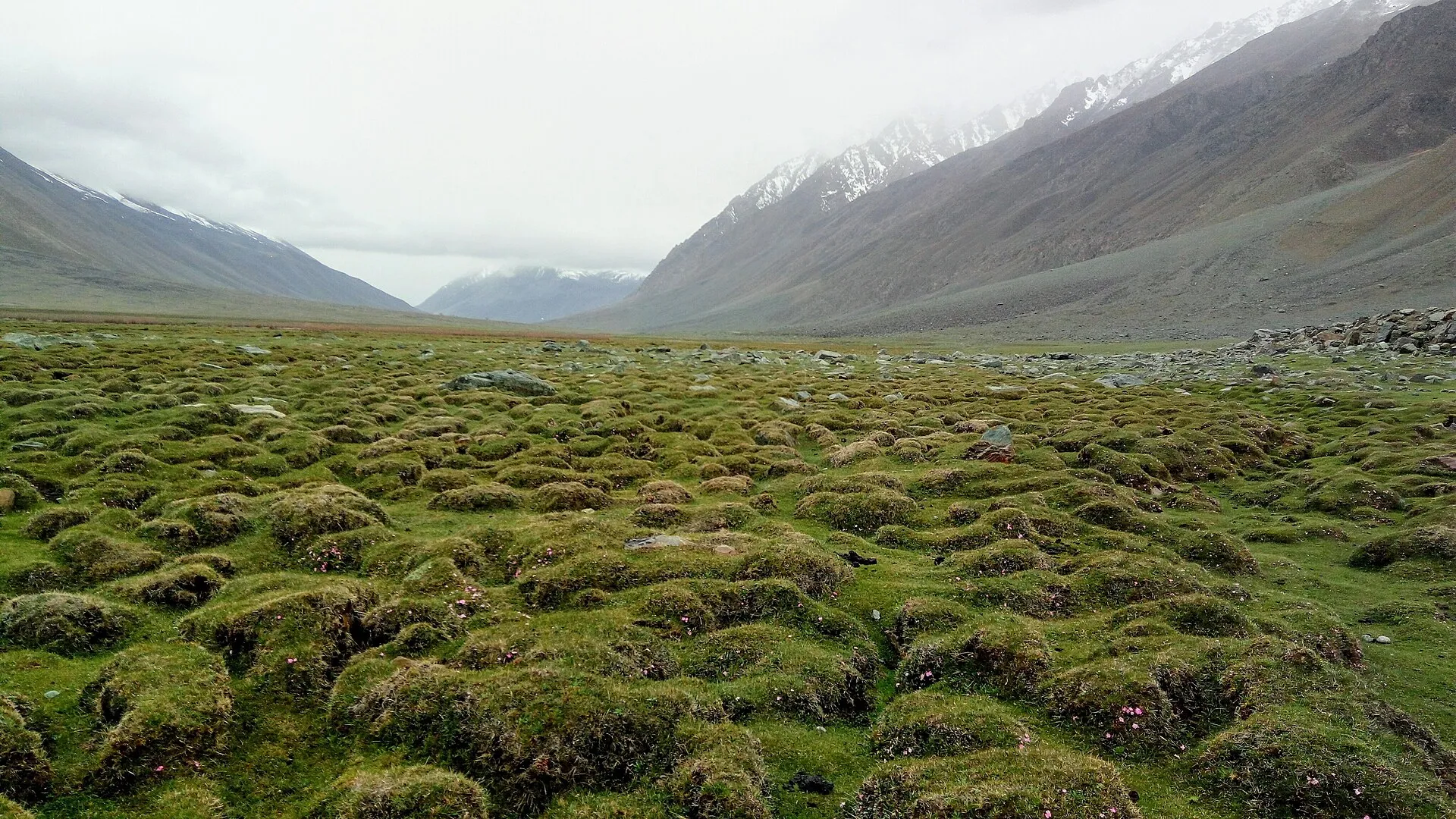
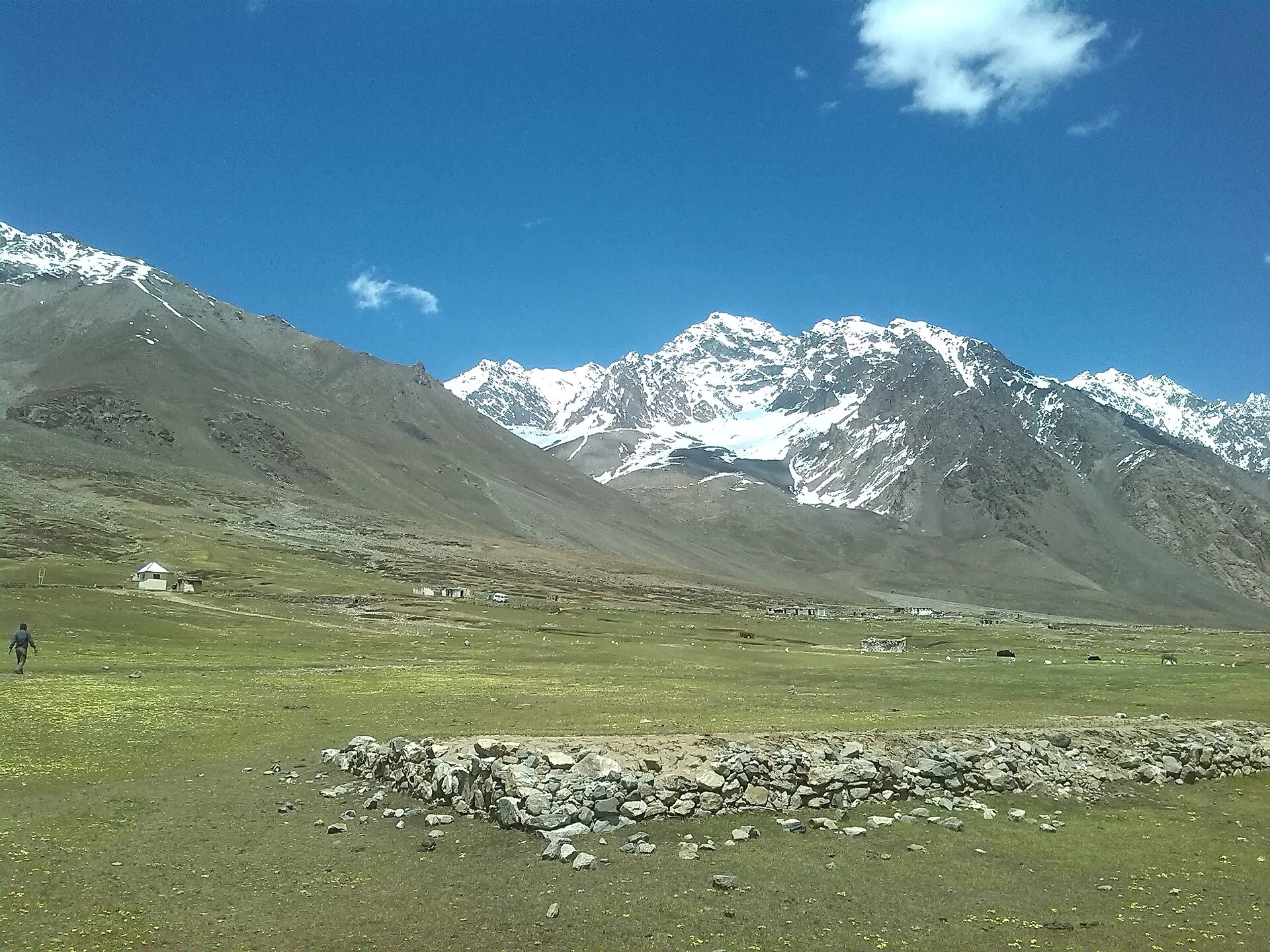
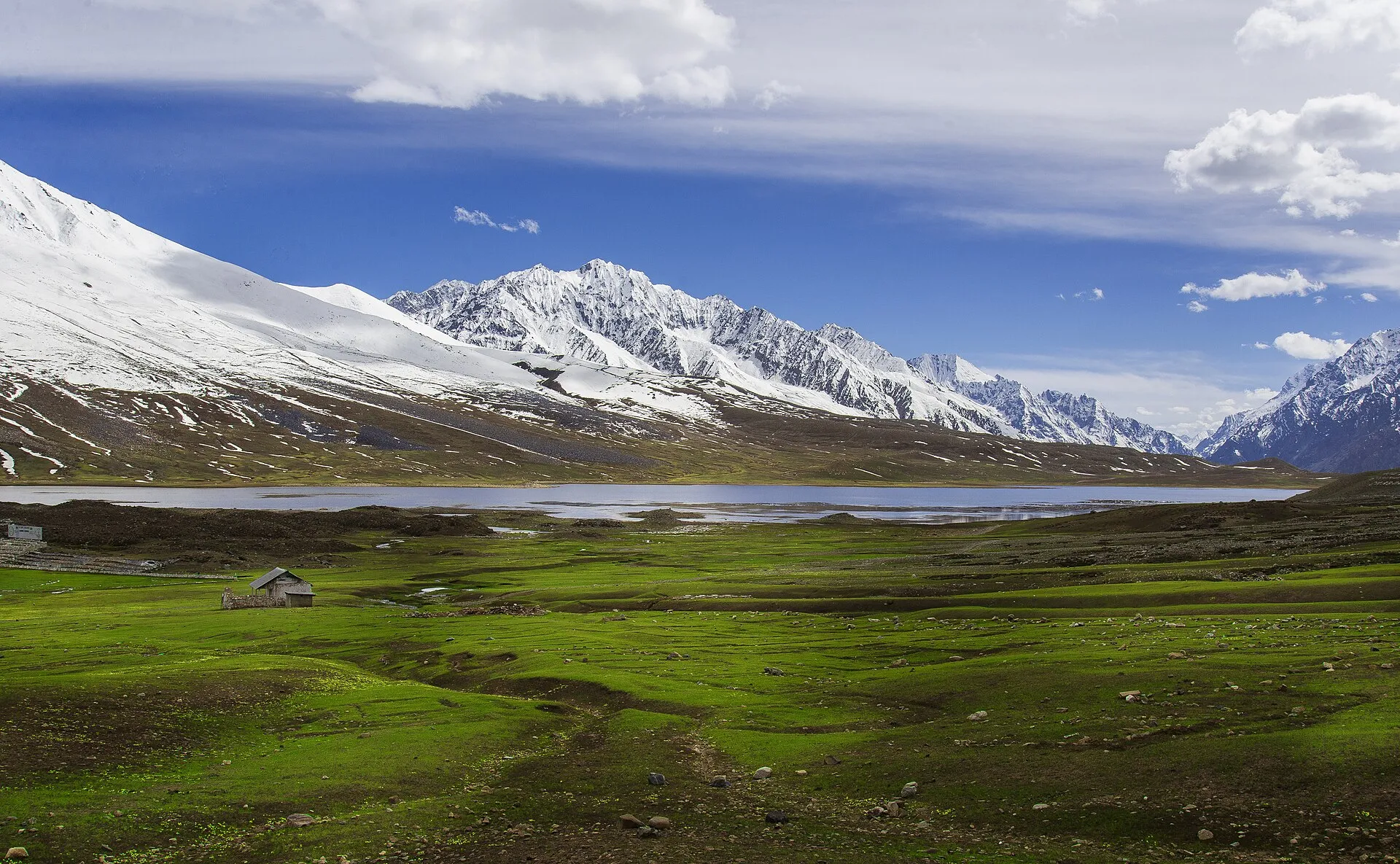
ไต่ขึ้นจาก Phander บนกรวดผสมแล้วเป็นกรวดหินสู่ช่องเขา Shandur ที่ 3,734 ม. สนามโปโลที่สูงที่สุดในโลก ข้ามลำธารน้ำหิมะละลายที่ไม่มีสะพานซึ่งลึกขึ้นในตอนบ่าย หยุดถ่ายรูปนานที่สนามโปโล จากนั้นกางเต็นท์หรือพักในบ้านพักพื้นฐานบนที่ราบสูงเพื่อชมดาว
5Shandur สู่ Laspur ราว 40 กม.
ลงทางลาดด้านตะวันตกบนกรวดขรุขระสู่หุบเขา Laspur ที่ราว 2,800 ม. ช่วงชันและร่วนที่คุ้มค่ากับการขับขี่อย่างระมัดระวัง เยี่ยมชมซากหอสังเกตการณ์เก่าและพักในเกสต์เฮาส์หมู่บ้าน Laspur
6Laspur สู่ Chitral ผ่าน Mastuj ราว 90 กม.
ขับขี่ลงตามแม่น้ำ Chitral ผ่าน Mastuj ที่ราว 2,300 ม. ชุมชนสำคัญสุดท้ายก่อน Chitral บนถนนแคบที่มีหินร่วงซึ่งดีขึ้นเมื่อเข้าใกล้เมือง ถึง Chitral ที่ราว 1,497 ม. เยี่ยมชมป้อมและพักค้างคืนในโรงแรม
7
วันหยุดพักจากมอเตอร์ไซค์พร้อมตัวเลือกทริปวันเดียวสู่หุบเขา Kalash ที่ Bumburet หรือมัสยิด Shahi บวกกับเวลาบำรุงรักษามอเตอร์ไซค์ อาหารค่ำอำลาในตอนเย็น
8
บิน Chitral สู่ Islamabad หรือเดินทางด้วยรถจี๊ปผ่านอุโมงค์ Lowari คืนมอเตอร์ไซค์
ช่วงว่างน้ำมันที่สำคัญ
การวางแผนน้ำมันคือปัจจัยชี้ขาดบนเส้นทางนี้ เติมน้ำมันที่ Gilgit และอีกครั้งที่ Gupis เพราะไม่มีอะไรบนช่องเขาเองและช่วงว่างข้าม Shandur ยาว ในฝั่ง Chitral นั้น Booni มีน้ำมัน เราขนน้ำมันสำรองในรถ 4x4 สนับสนุนสำหรับช่วงที่ไม่มีปั๊ม แต่คุณขับขี่โดยมีถังเต็มและสำรองในใจอยู่เสมอ
ความแปลกอย่างหนึ่งของทางเหนือคือปั๊มมีดีเซลสม่ำเสมอกว่าน้ำมันเบนซิน ซึ่งเกี่ยวข้องกับรถ 4x4 สนับสนุนมากกว่ามอเตอร์ไซค์ของคุณ ไม่ว่าอย่างไรกฎก็ยังคงเดิม เติมน้ำมันทุกที่ที่มีให้ เพราะปั๊มถัดไปอาจอยู่ห่างออกไปหลายชั่วโมงบนกรวด
ควรขับรถอะไร ควรนำอุปกรณ์อะไรมา
นักขับขี่ส่วนใหญ่รับรถใน Islamabad หรือ Rawalpindi แม้ว่า Gilgit จะใช้เป็นจุดรับสำรองที่ใกล้จุดเริ่มต้นของกรวดมากกว่า ตัวเลือกมีตั้งแต่ Honda CG125 ไปจนถึง Suzuki GS150 และ GS150SE, Honda CB150F และ Yamaha YBR125 และผู้ให้บริการระดับพรีเมียมจำนวนหนึ่งมีรถดูอัลสปอร์ตแท้ บนพื้นผิวที่ร่วนแบบนี้เราแนะนำคุณอย่างหนักแน่นให้ใช้ 150cc หรือดียิ่งกว่านั้นคือรถดูอัลสปอร์ตที่สร้างมาเพื่อทางดิน งบประมาณราว 10 ถึง 21 ดอลลาร์สหรัฐต่อวันตามรุ่น โดยปกติหมวกกันน็อก แผ่นกันกระแทก ถุงมือ และที่ยึดโทรศัพท์รวมอยู่ในข้อตกลง
เอกสารสามอย่างทำให้คุณได้เช่ารถ พาสปอร์ต วีซ่าปากีสถานที่ใช้งานได้ และใบขับขี่จากประเทศของคุณหรือใบขับขี่สากล ไม่ต้องกังวลเรื่อง carnet เพราะรถเช่าไม่ต้องการ เอกสารนั้นจะมีผลก็ต่อเมื่อรถเป็นของคุณเอง นำเข้ามาชั่วคราว ในด้านอุปกรณ์ ช่องเขากรวดที่ 3,734 ม. ยังคงเปิดโล่งและหนาวเย็นตลอดฤดูร้อน ดังนั้นจงนำหมวกกันน็อกแบบเต็มใบ เสื้อแจ็กเก็ตมีเกราะ ถุงมือ เสื้อผ้าให้ความอบอุ่น และเสื้อกันฝนมา รองเท้าบูตสูงคุ้มค่าที่การลุยข้ามลำธาร และครีมกันแดดที่แรงสำคัญที่ความสูงนี้
ทริปนี้เหมาะกับใคร
นี่เหมาะกับนักขับขี่ที่ต้องการกรวด การข้ามลำธาร และความโดดเดี่ยวมากกว่าความสบาย ระดับความสูงปานกลางที่ 3,734 ม. และคุณไม่ได้นอนที่ช่องเขา ดังนั้นอาการแพ้ความสูงจึงน้อย ความต้องการที่แท้จริงคือพื้นผิวที่ร่วน ช่วงว่างน้ำมัน การข้ามที่ไม่มีสะพาน และความห่างไกลที่มีบริการน้อย ประสบการณ์ออฟโรดเล็กน้อยช่วยได้มากที่นี่
เพิ่งเริ่มขับขี่บนภูเขาและต้องการอบอุ่นเครื่องก่อน ทริปที่นุ่มนวลกว่าสองทริปของเราสมเหตุสมผลก่อนจะลุยกรวดของ Shandur เส้นทางวนรอบ Babusar ทำให้คุณอยู่บนถนนลาดยางเกือบทั้งหมด และทริปสำรวจทางหลวง Karakoram เป็นการขับขี่บนถนนลาดยางยาวที่สิ้นสุดที่ชายแดนติดกับจีน หาทริป Babusar ได้ที่ /tours/babusar-motorcycle/ และทริปสำรวจ KKH ที่ /tours/kkh-motorcycle/
ทำไมต้องจองกับเรา
เราเป็นผู้ประกอบการใน Gilgit-Baltistan และจัดเส้นทางห่างไกลนี้มาตั้งแต่ปี 2015 คุณจะได้รถ 4x4 สนับสนุนที่บรรทุกสัมภาระและน้ำมันสำรองที่ทำให้ช่วงว่างของ Shandur จัดการได้ ช่างซ่อมสำหรับมอเตอร์ไซค์ที่ทุกคนต้องลำบากในการดูแลที่นี่ และการพักเกสต์เฮาส์ใน Phander และ Laspur ที่เป็นของแท้ที่สุดบนเส้นทาง เราจัดการการลงทะเบียนที่ด่านตรวจและจัดเวลาวันขับขี่ให้สอดคล้องกับระดับน้ำที่สูงขึ้นในตอนบ่ายของการข้ามลำธาร
สิ่งที่รวมอยู่
เที่ยวบิน Islamabad–Gilgit และเที่ยวบิน Chitral–Islamabad
เช่ามอเตอร์ไซค์ตลอดการเดินทาง
รถสนับสนุนพร้อมช่างเครื่องและน้ำมันสำรอง
ที่พัก 5 คืน (เกสต์เฮาส์ใน Ghizer, Phander, Laspur, Chitral)
อาหารทุกมื้อตลอดการเดินทาง
สิ่งที่ไม่รวม
เที่ยวบินระหว่างประเทศ
ประกันการเดินทาง
ค่าใช้จ่ายส่วนตัวและทิป
คำถามที่พบบ่อย
ถนนช่องเขา Shandur ลาดยางไหม
เพียงบางส่วน หุบเขา Ghizer เริ่มต้นด้วยถนนลาดยาง แต่ถนนกลายเป็นกรวดและดินขรุขระจากราว Phander ขึ้นไปยัง Shandur และในช่วงลงสู่ Chitral คาดว่าจะเจอพื้นผิวที่ร่วน ทางขึ้นที่ชัน และการข้ามลำธารที่ไม่มีสะพาน ซึ่งเป็นเหตุผลที่นี่เป็นการขับขี่ผจญภัยมากกว่าการขับชมวิว เมื่อออกจาก Gilgit ราว 40 กม. แรกเป็นถนนลาดยาง ก่อนที่ผิวถนนจะขรุขระขึ้นระหว่างทางไป Gahkuch จาก Phander ทางขึ้นสู่ช่องเขาที่ 3,734 ม. เป็นพื้นผสมแล้วกลายเป็นกรวดหินพร้อมช่วงที่เป็นลูกระนาด ขาลงฝั่งตะวันตกสู่หุบเขา Laspur ชันและร่วน และถนนเลียบแม่น้ำ Chitral ผ่าน Mastuj แคบและมีหินร่วงบ่อย จะดีขึ้นก็ต่อเมื่อใกล้ถึงตัวเมือง Chitral พื้นผิวเหล่านี้ทำให้ทุกอย่างช้าลง ระยะทางสั้น ๆ บนแผนที่จึงยังกลายเป็นวันขี่สี่ถึงหกชั่วโมง
การขับขี่ปลอดภัยและคุ้มค่าไหม
ปลอดภัย สำหรับนักขับขี่ที่คุ้นเคยกับกรวดและความห่างไกล เป็นเส้นทางในประเทศพร้อมการลงทะเบียนชาวต่างชาติที่ด่านตรวจ และสิ่งที่ได้รับคุ้มค่าจริง ทั้งสนามโปโลที่สูงที่สุดในโลก ทะเลสาบ Ghizer และช่วงถนนที่ว่างเปล่า อันตรายที่พูดกันตรง ๆ คือพื้นผิวที่ร่วน การข้ามแม่น้ำ และช่วงที่ไม่มีน้ำมัน ซึ่งทั้งหมดเราวางแผนรับมือไว้ ระหว่าง Gupis และ Chitral ไม่มีเมืองขนาดใหญ่ ช่างซ่อมมีน้อย และสัญญาณโทรศัพท์ขาด ๆ หาย ๆ รถ 4x4 สนับสนุนของเราจึงเดินทางไปกับกลุ่มพร้อมสัมภาระ น้ำมันสำรอง และช่างซ่อม เราจัดเวลาแต่ละวันให้ข้ามลำธารน้ำจากหิมะละลายในช่วงที่น้ำลดลง และจัดการการลงทะเบียนที่ด่านตรวจให้คุณ ระหว่างทางคุณผ่านทะเลสาบ Khalti และ Phander พักในเกสต์เฮาส์ของครอบครัวใน Phander และ Laspur และปิดท้ายด้วยวันพักใน Chitral พร้อมตัวเลือกเที่ยวหุบเขา Kalash ที่ Bumburet
เป็นพื้นผิวที่ยากที่สุดในสามทริปมอเตอร์ไซค์ของเรา ระดับความสูงปานกลางที่ 3,734 ม. อาการแพ้ความสูงจึงน้อย แต่ทางขึ้นที่เป็นกรวด การข้ามลำธารที่ไม่มีสะพาน และทางลงที่แคบและมีหินร่วงทำให้แต่ละวันใช้เวลาสี่ถึงหกชั่วโมง ประสบการณ์ออฟโรดเล็กน้อยช่วยได้มาก ระยะทางแต่ละวันไม่มาก ตั้งแต่ราว 40 กม. ในวัน Shandur ถึง Laspur ไปจนถึงราว 100 กม. จาก Gilgit ถึง Gahkuch แต่พื้นผิวทำให้ต้องใช้ความเร็วต่ำ ช่วงที่ชันและร่วนที่สุดคือทางขึ้นจาก Phander สู่ช่องเขาและทางลงสู่หุบเขา Laspur ซึ่งการขี่อย่างระมัดระวังสำคัญกว่าความเร็ว รถ 150cc ที่เบากว่าหรือรถ dual-sport รับมือได้ดีกว่ารถทัวริ่งหนัก ๆ มาก หากคุณยังใหม่กับการขี่บนภูเขา ทริปวน Babusar ของเราซึ่งเกือบทั้งหมดเป็นถนนลาดยาง หรือทริปสำรวจ Karakoram Highway ที่เป็นถนนยางมะตอยยาวตลอด เป็นจุดเริ่มต้นที่นุ่มนวลกว่าก่อนมา Shandur
เติมน้ำมันได้ที่ไหนบนเส้นทาง Shandur
เติมน้ำมันที่ Gilgit และ Gupis เพราะไม่มีน้ำมันบนช่องเขาและช่วงข้าม Shandur ที่ไม่มีปั๊มนั้นยาว ในฝั่ง Chitral นั้น Booni มีน้ำมัน รถ 4x4 สนับสนุนของเราขนน้ำมันสำรองสำหรับช่วงที่ไม่มีปั๊ม แต่ถึงอย่างนั้นก็ควรขี่ด้วยถังเต็มเสมอ การวางแผนน้ำมันคือเรื่องโลจิสติกส์ที่ชี้เป็นชี้ตายบนเส้นทางนี้ และเราอธิบายเรื่องนี้ในการบรีฟที่ Gilgit ในเย็นวันแรก ความแปลกอย่างหนึ่งของภาคเหนือคือปั๊มมักมีดีเซลสำรองไว้แน่นอนกว่าเบนซิน เรื่องนี้มีผลกับรถสนับสนุนมากกว่ารถของคุณ แต่ก็เป็นเหตุผลที่ดีที่จะเติมเบนซินทุกครั้งที่มีขาย เพราะปั๊มถัดไปอาจอยู่ห่างออกไปหลายชั่วโมงบนถนนกรวด Mastuj เป็นชุมชนสำคัญแห่งสุดท้ายก่อนถึง Chitral ดังนั้นในช่วงขาลง หากน้ำมันใกล้หมดก็แทบไม่มีอะไรระหว่างคุณกับตัวเมือง
มีจุดข้ามลำธารและน้ำจากหิมะละลายที่ไม่มีสะพานบนและใกล้ช่องเขา ลุยข้ามได้แต่ต้องเจอจริง และความลึกแตกต่างกันตามช่วงเวลาของวัน โดยลึกกว่าในตอนบ่ายเมื่อหิมะละลายมากที่สุด เราจัดเวลาวันขับขี่เพื่อข้ามตอนน้ำต่ำกว่าและให้รถ 4x4 สนับสนุนอยู่ใกล้ ๆ จุดข้ามส่วนใหญ่อยู่ในวันที่สี่ บนทางขึ้นจาก Phander สู่ Shandur ที่ 3,734 ม. ในทางปฏิบัติหมายถึงการออกเดินทางเช้าขึ้น เพื่อให้กลุ่มไปถึงจุดข้ามในช่วงเช้าที่อากาศเย็น รองเท้าบูตหุ้มข้อสูงพิสูจน์คุณค่าตัวเองที่นี่ และรถที่เบากว่าควบคุมผ่านน้ำไหลได้ง่ายกว่ารถทัวริ่งหนัก ๆ มาก จุดข้ามที่ไม่มีสะพานเป็นเหตุผลหนึ่งที่ทำให้เส้นทางนี้มีถนนลาดยางน้อยที่สุดและให้ความรู้สึกเหมือนการสำรวจมากที่สุดในสามเส้นทางมอเตอร์ไซค์ของเรา และเป็นเหตุผลที่ประสบการณ์ออฟโรดเล็กน้อยก่อนมาจะช่วยได้
ช่วงเวลาที่ดีที่สุดในการขับขี่ Shandur คือเมื่อไหร่
ราวมิถุนายนถึงกันยายน ภายในช่วงที่เริ่มจากราวปลายเดือนเมษายนหรือพฤษภาคมถึงต้นเดือนพฤศจิกายนก่อนฤดูหนาวจะปิดช่องเขา เทศกาลโปโล Shandur นำฝูงชนและการจราจรมาที่ช่องเขา จึงควรวางแผนเลี่ยงช่วงนั้น เว้นแต่คุณอยากชมความตระการตา เทศกาลเคยจัดในต้นเดือนกรกฎาคม แต่ครั้งหลัง ๆ จัดวันที่ 20 ถึง 22 มิถุนายน 2025 และ 11 ถึง 13 มิถุนายน 2026 และมีการประกาศวันที่ในแต่ละปี จึงควรตรวจสอบวันที่ของปีนั้นก่อนกำหนดวันเดินทางของคุณ ภายในช่วงที่กว้างกว่านั้น มิถุนายนถึงกันยายนให้การขับขี่ที่วางใจได้มากที่สุด ช่องเขาที่ 3,734 ม. ยังคงโล่งรับลมและหนาวแม้ในฤดูร้อน จึงควรเตรียมเสื้อผ้าอบอุ่นและเสื้อกันฝนไม่ว่าคุณจะเลือกเดือนไหน หากคุณอยากชมโปโล เรายังมีทัวร์เทศกาลโปโล Shandur แยกต่างหากที่กางเต็นท์บนที่ราบสูงเพื่อชมการแข่งขัน และไม่ว่าทางใด หลังการขี่จะมีวันพักใน Chitral ตามมา
รถ 150cc เช่น Suzuki GS150SE หรือ Honda CB150F หรือรถ dual-sport ที่เหมาะกับถนนกรวด CG125 พอรับมือได้ แต่ทางขึ้นกรวดขณะบรรทุกสัมภาระนั้นหนักหนาสำหรับรถคันเล็ก รถเช่าส่วนใหญ่ออกจาก Islamabad โดยมี Gilgit เป็นศูนย์รอง ราคาราว 10 ถึง 21 ดอลลาร์สหรัฐต่อวัน และแนะนำให้มีรถ 4x4 สนับสนุนบนภูมิประเทศแบบนี้ รุ่นอื่นที่มีให้เช่ารวมถึง Suzuki GS150 และ Yamaha YBR125 และร้านระดับพรีเมียมไม่กี่แห่งมีรถ dual-sport ของแท้ หมวกกันน็อก สนับป้องกัน ถุงมือ และที่ยึดโทรศัพท์มักมาพร้อมรถเช่า ในทัวร์ของเรา ค่าเช่ามอเตอร์ไซค์ตลอดทริปรวมอยู่ในราคาแล้ว พร้อมรถสนับสนุนและช่างซ่อม สำหรับอุปกรณ์ ควรนำหมวกกันน็อกแบบเต็มใบ แจ็กเก็ตที่มีการ์ด ถุงมือ เสื้อผ้าอบอุ่น เสื้อกันฝน และรองเท้าบูตหุ้มข้อสูงสำหรับลุยน้ำ รวมถึงครีมกันแดดแบบเข้มข้นสำหรับที่สูง
ต้องมีใบอนุญาตหรือ carnet ไหม
ไม่ต้องมีใบอนุญาตพิเศษและไม่ต้องมี carnet สำหรับรถเช่า เป็นเส้นทางในประเทศ และด่านตรวจลงทะเบียนชาวต่างชาติ ดังนั้นจงพกพาสปอร์ตและสำเนาไว้ carnet ใช้เฉพาะเมื่อคุณนำรถของตนเองเข้ามาแบบนำเข้าชั่วคราว ซึ่งเป็นกระบวนการแยกต่างหาก การเช่ารถต้องใช้สามอย่าง ได้แก่ พาสปอร์ต วีซ่าปากีสถานที่ใช้ได้ และใบขับขี่จากประเทศของคุณหรือใบขับขี่สากล การลงทะเบียนที่ด่านตรวจครั้งแรกอยู่ในวันที่สอง ระหว่างขี่จาก Gilgit ไป Gahkuch และทีมของเราจัดการเอกสารในแต่ละจุดเพื่อให้การรอสั้นที่สุด เก็บเอกสารไว้ในที่ที่หยิบได้ง่าย แทนที่จะเก็บไว้ในรถสนับสนุน เพราะคุณอาจถูกขอดูมากกว่าหนึ่งครั้งในวันเดียว ในทัวร์ของเราเราจัดหารถให้ คำถามเรื่อง carnet จึงไม่เกิดขึ้นเลย
เริ่มต้นการเดินทาง
พร้อมสำหรับการผจญภัยครั้งต่อไปแล้วหรือยัง?
เข้าร่วมชุมชนนักสำรวจของเราและค้นพบการเดินทางที่น่าจดจำ ทีมผู้เชี่ยวชาญของเราพร้อมช่วยวางแผนการสำรวจที่สมบูรณ์แบบ