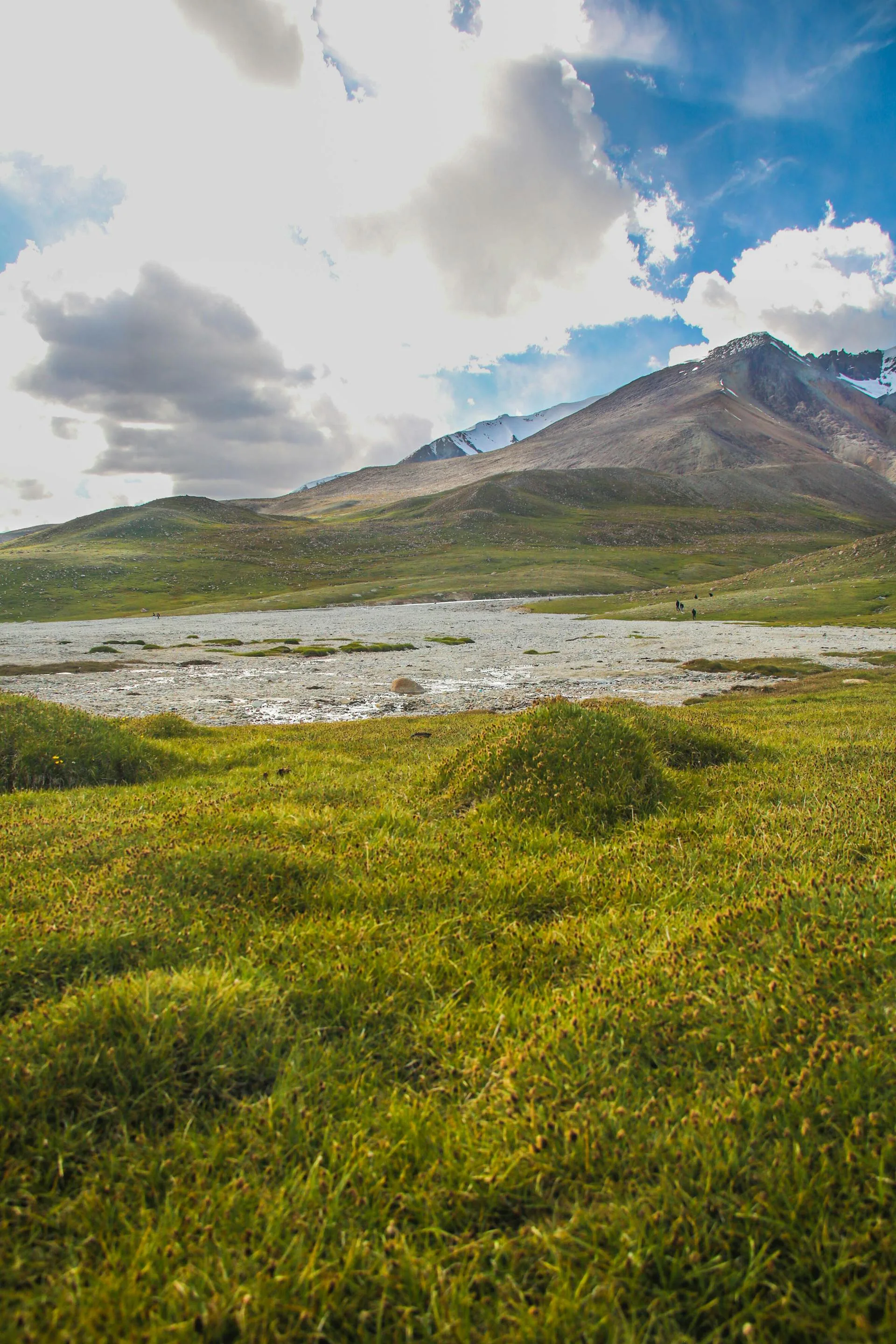
Deosai Camping at Bara Pani
Nights at Bara Pani above 4,000 metres, where the cold is real and the sky is enormous
Last updated: · Reviewed by Javeed Iqbal, Founder
Duration
5-7 Days
Difficulty
Easy-Moderate
Group Size
2-15 Campers
Best Season
Jul-Sep
About This Tour
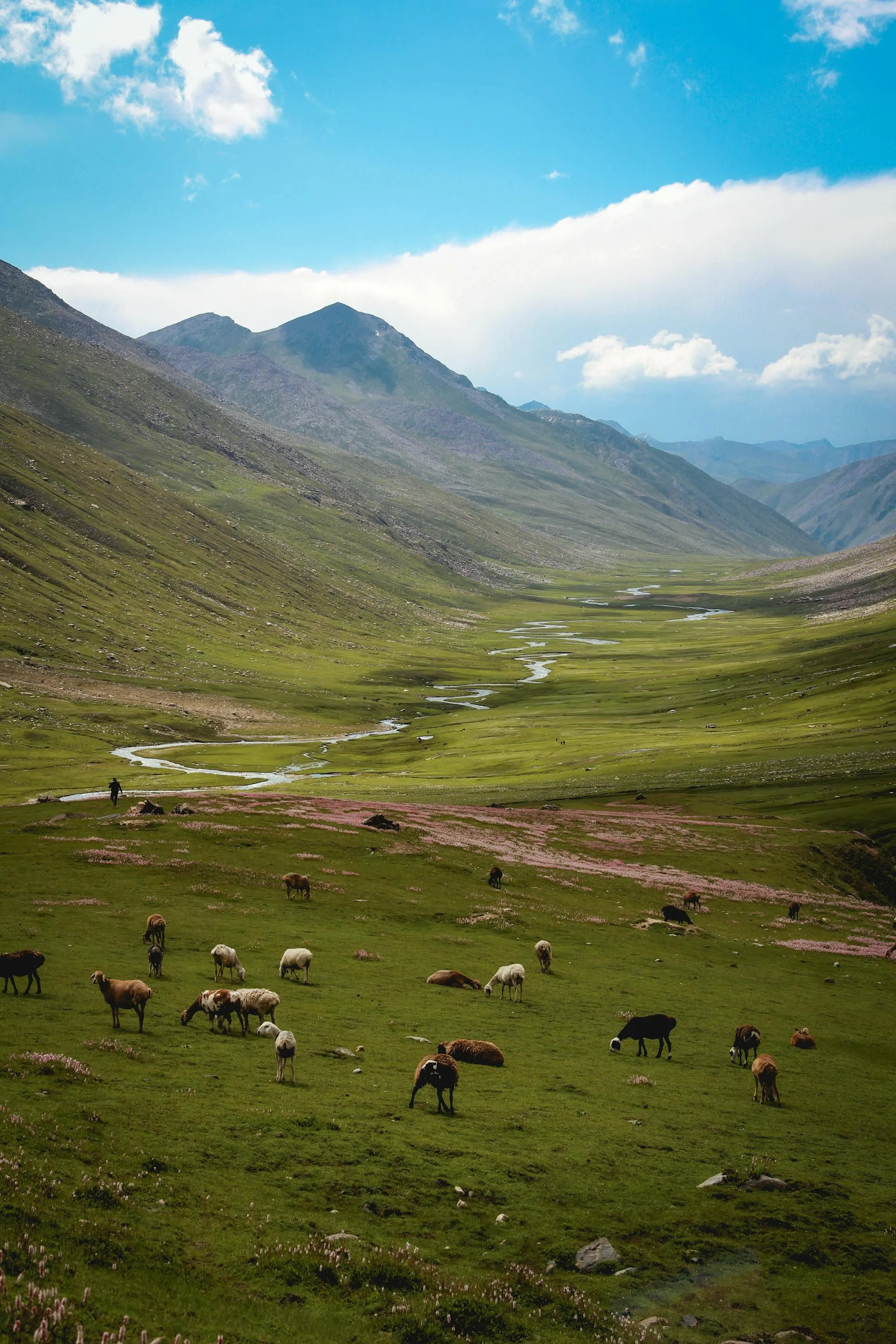
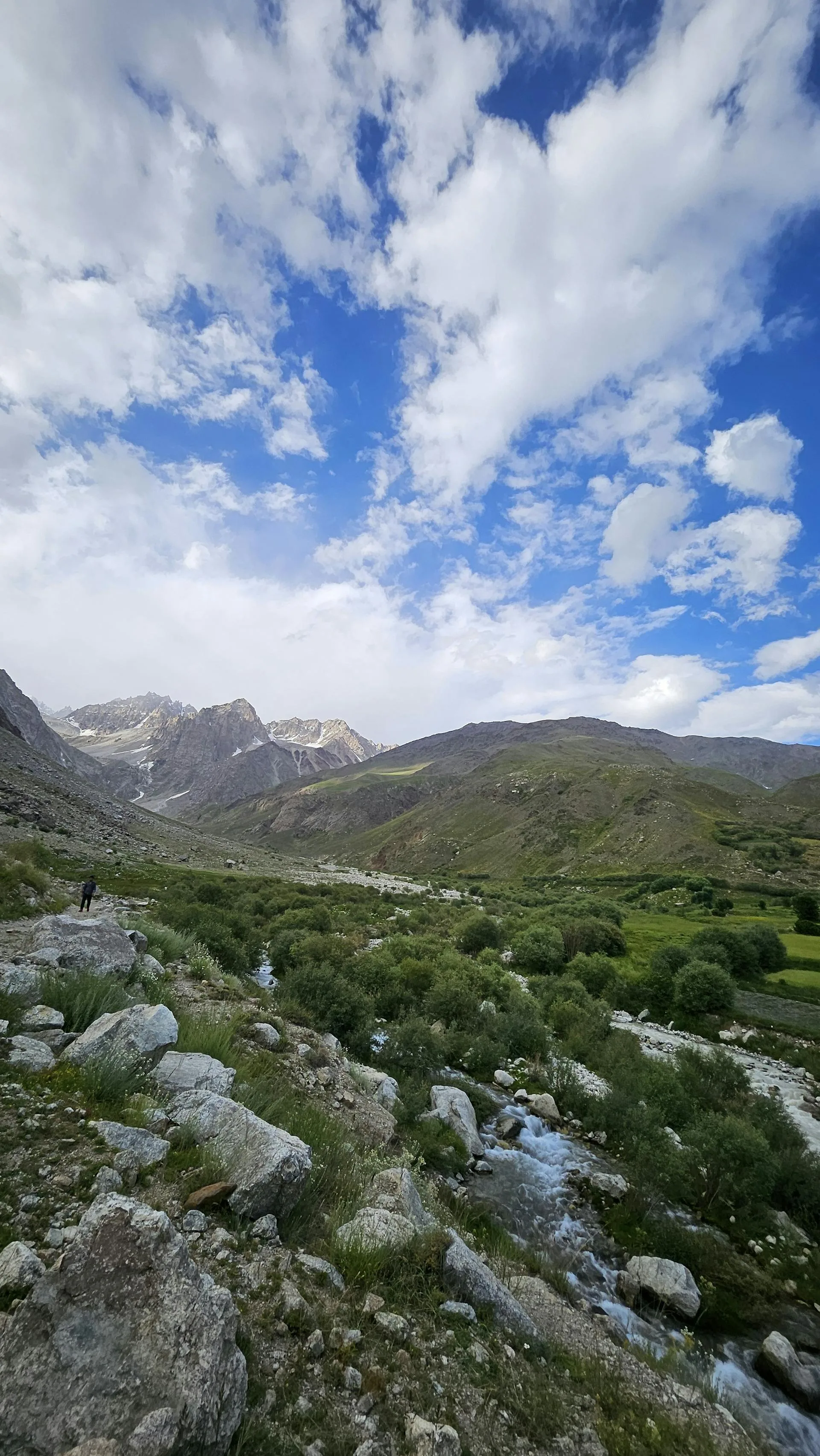
This is a camping trip, built around sleeping on the Deosai plateau rather than driving across it and leaving. We pitch at Bara Pani, one of the established river-crossing grounds where the plains run widest, with the average plateau elevation here at 4,114 metres. The plateau is locked under snow for nine months, so the canvas only goes up in the short summer window. What you get in exchange for the effort is a night somewhere very few people ever sleep.
We will be honest about the cold, because it is the thing first-timers underestimate. Even in July the nights at Bara Pani drop below freezing; you sleep in a four-season bag, wear layers to bed, and wake with frost on the tent. That same clear, thin, cold air is what makes the sky. With no settlement and no light for a hundred kilometres, the stars come out in numbers that startle people, and the Milky Way stands up bright enough to throw faint shadows. We run an evening session with the night sky as the whole point.
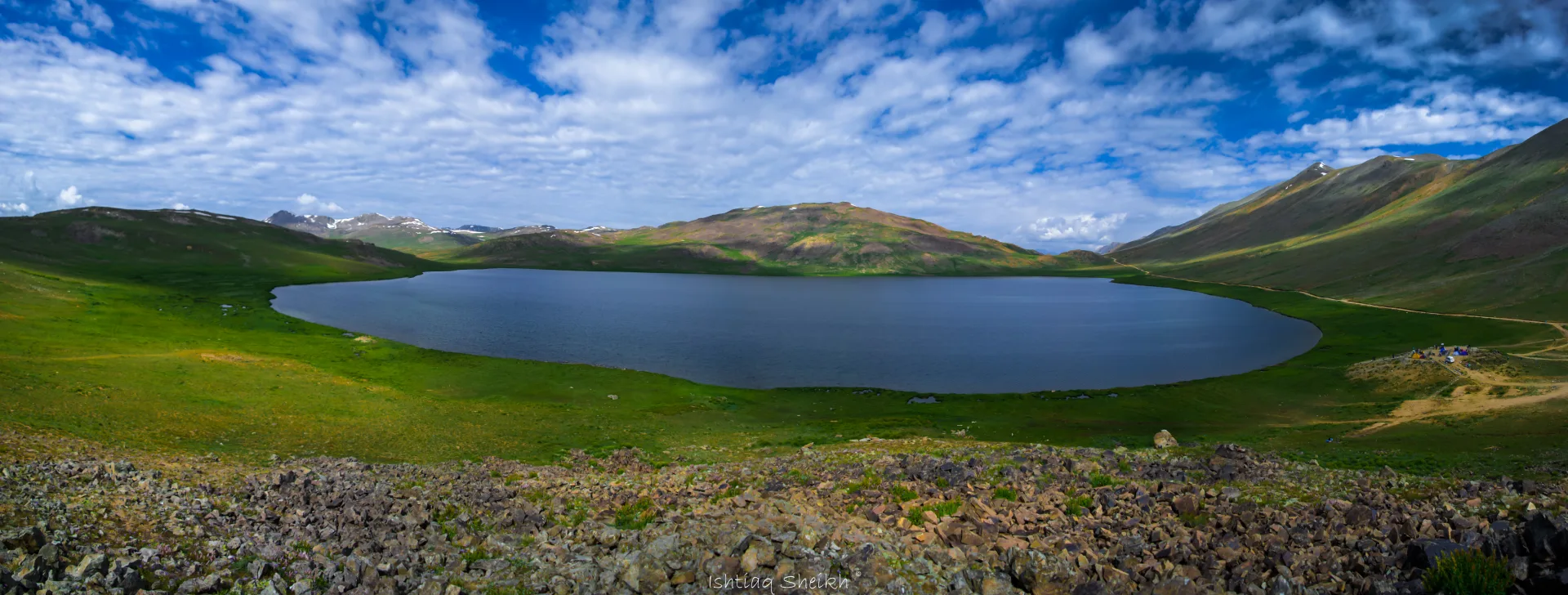
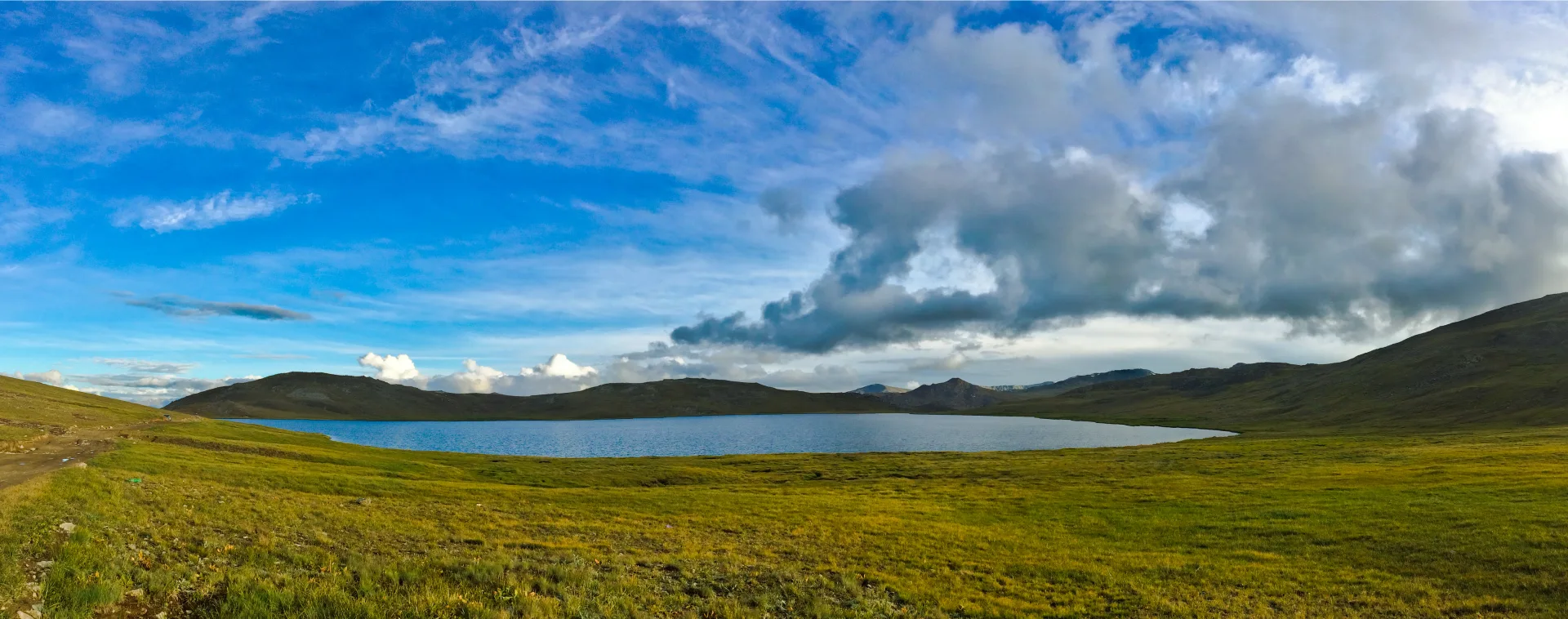
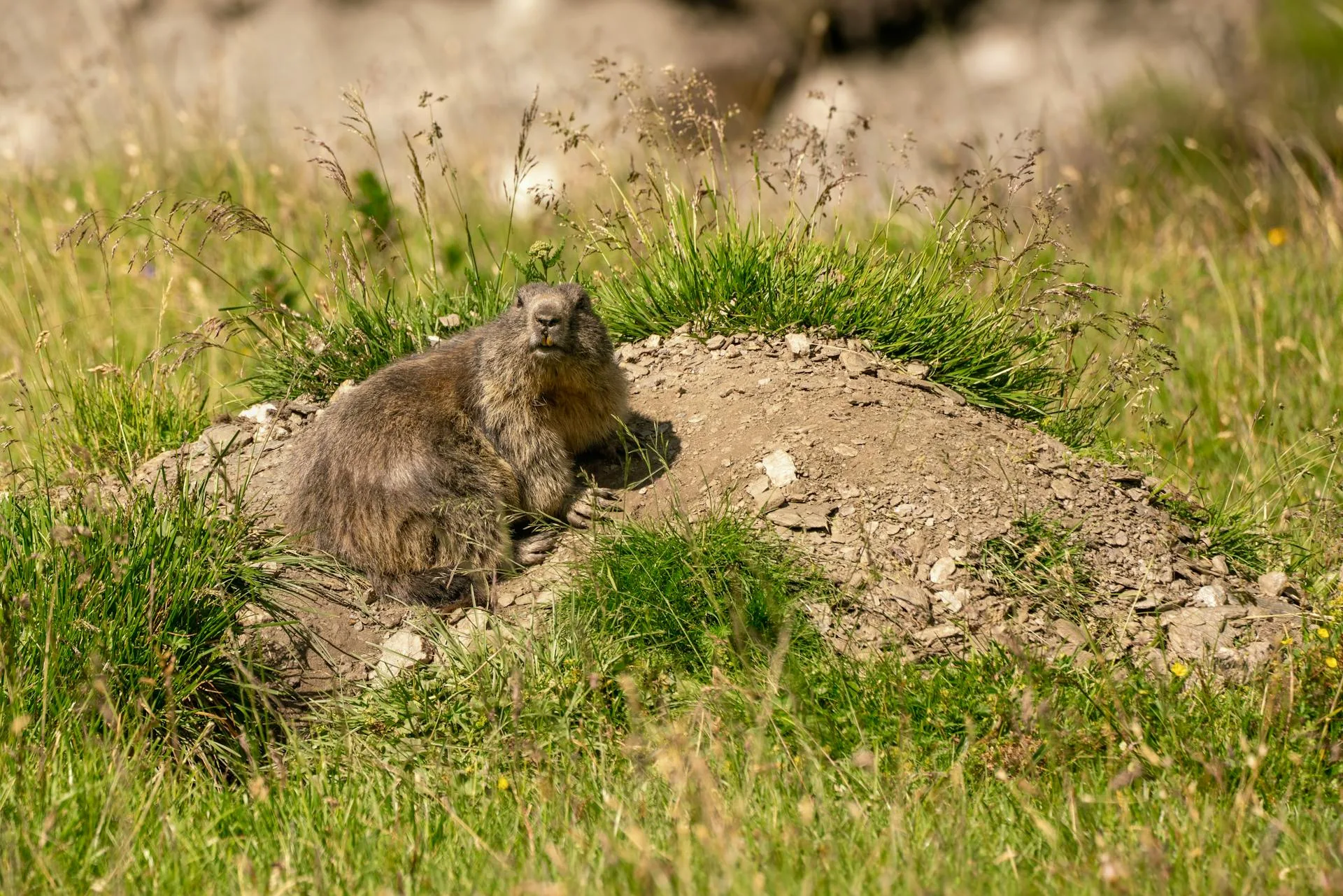
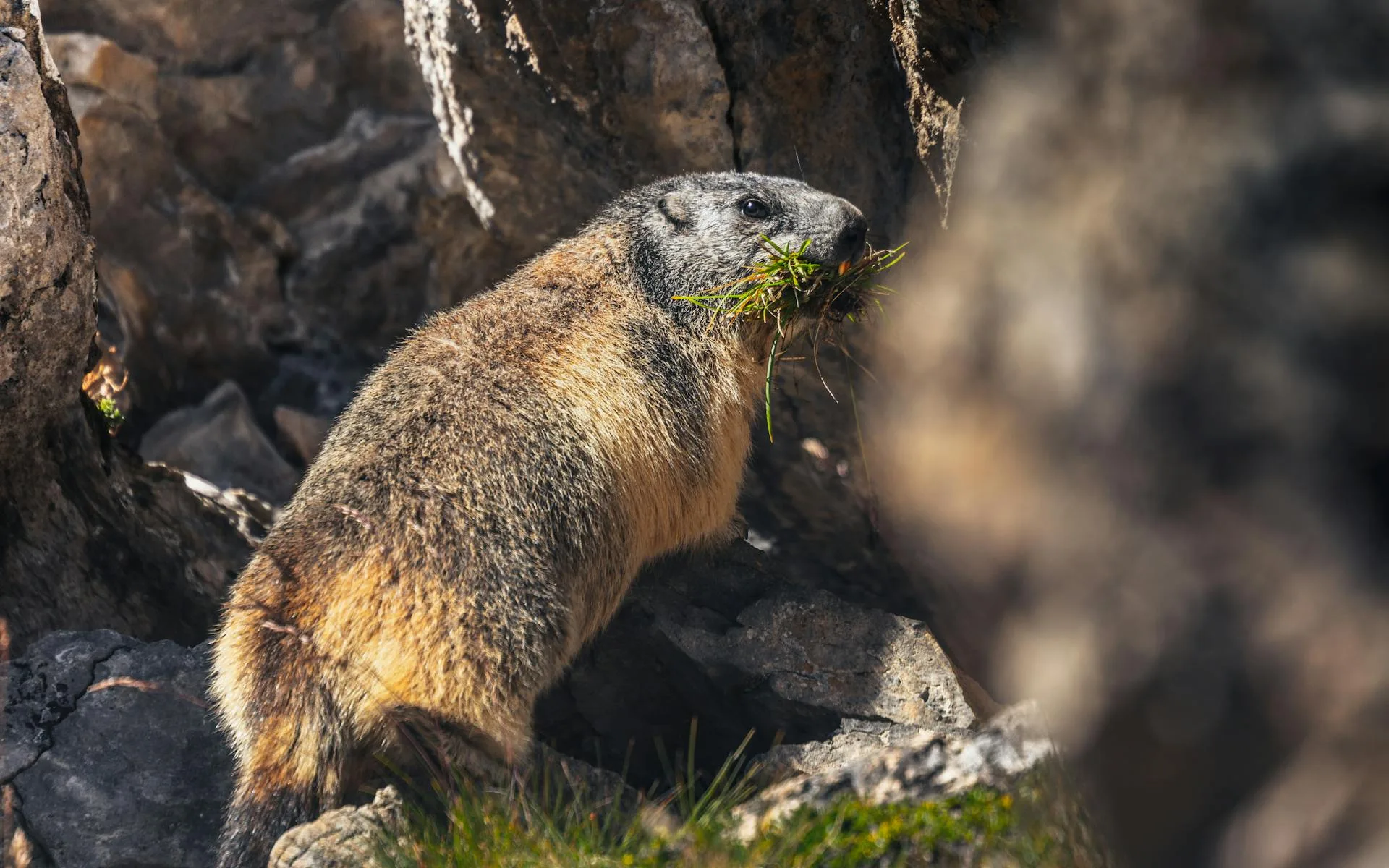
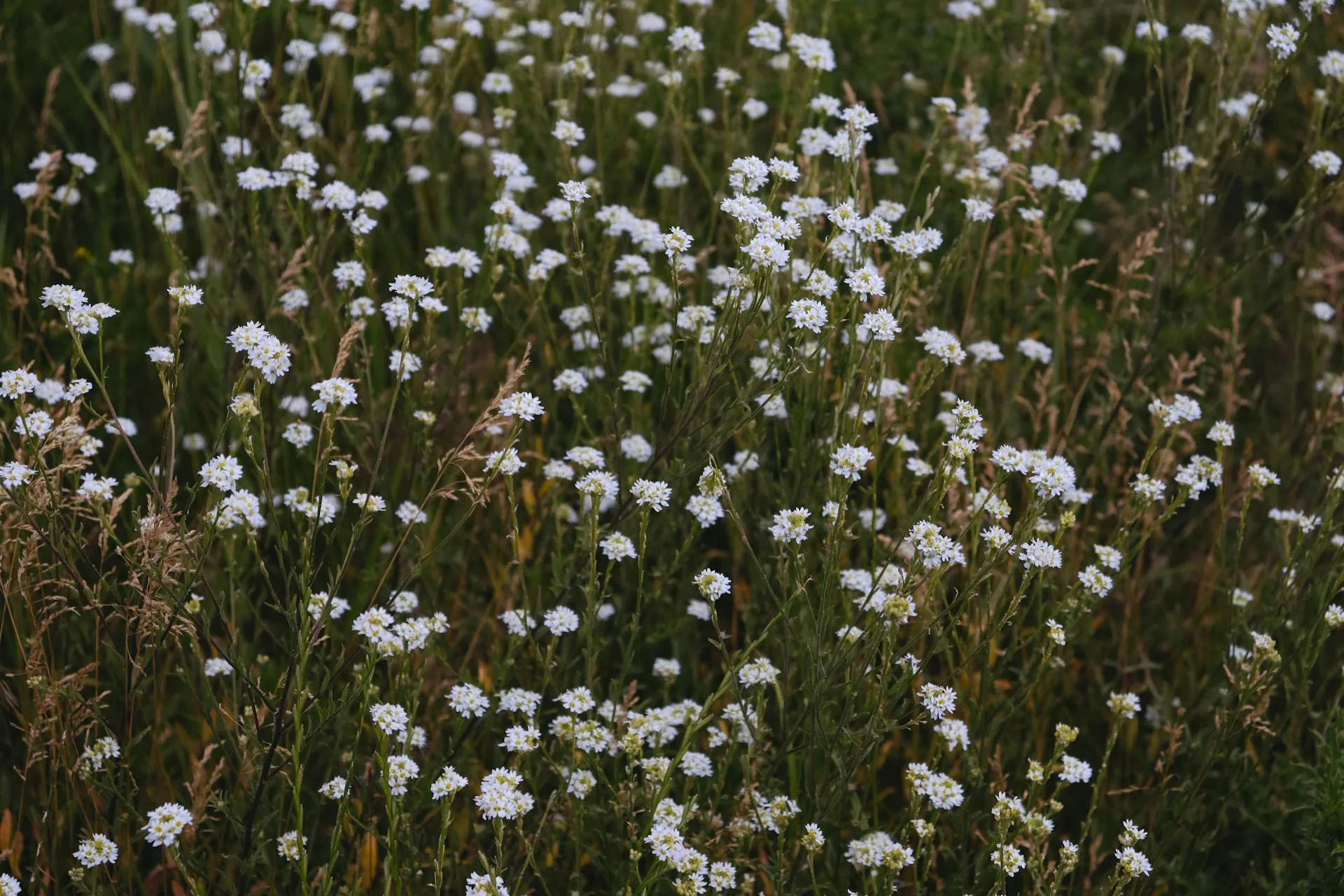
Dawn is the other reward. The plateau wakes with the alarm whistles of golden marmots carrying across the flat, the light coming in low and gold over the grass, and the first warmth slowly burning the frost off the meadow. You step out of the tent into total quiet, a mug of tea steaming in the cold air, and watch the marmots stand up at their burrows. By day we range out to Sheosar Lake at 4,142 metres and walk the wildflower meadows, and there is time to sit by the river crossing and do nothing at all. But the camp itself, and the long hours either side of darkness, are what this trip is really about.
The tour runs 5 to 7 days from Skardu, priced from $1,000, and includes the tents, four-season bags, mats, a mess tent and a camp cook, plus 4x4 transport across the roadless plateau. We carry expedition-grade gear because the conditions demand it. It suits travellers who actively want to camp high and cold, not those looking for a bed each night.
Nights at Bara Pani: What the Camp Is Like
Bara Pani sits on one of the river crossings where the plains open out, and it is our base for the nights on the plateau. We set a sleeping tent each, a heated mess tent for meals, and a camp kitchen run by our cook. There is no electricity, no signal and no lodge; the point is that there is nothing here but the plateau, the water and you.
Expect the temperature to swing hard. Afternoons can be mild in the sun; the moment it drops behind the ridge, the cold comes in fast and stays sub-zero through the night even in midsummer. We brief you on layering and hand out hot water bottles for the bag. The reward for sitting it out is a sky and a silence that you will not get from a hotel window in Skardu.
Day-by-Day Itinerary
1Islamabad to Skardu
Islamabad to Skardu
2Skardu onto the Plateau
Skardu onto the Plateau
3Sheosar Lake and the Meadows
Sheosar Lake and the Meadows
4Dawn at Bara Pani and the Night Sky
Dawn at Bara Pani and the Night Sky
5Deosai to Skardu
Deosai to Skardu
6Return to Islamabad
Return to Islamabad
Best Time to Camp on Deosai
The camping window is roughly mid-June to mid-September, the only stretch when the roads onto the plateau are clear of snow. Outside it, Deosai is shut. July and August bring the wildflower meadows to their peak and the slightly less brutal nights, which is why most of our camping departures fall in those weeks.
Even in the warmest part of the season, plan for nights below freezing. The cold is not a once-a-trip event; it is every night you spend up here. We would rather you arrive expecting it than be caught out by it.
What to Bring and How Fit You Need to Be
The hard fitness demand on this trip is altitude, not distance. Bara Pani sits above 4,000 metres, and a night spent that high can disturb sleep and leave you breathless on short walks; a day acclimatising in Skardu first makes a real difference. We provide the four-season bags, mats and tents, but you should bring a warm hat, gloves, thermal base layers, a down jacket and a head torch.
The toilets are camp toilets, cold and basic, and the washing is minimal. None of this is a hardship for people who camp, but it is worth knowing before you book. If sleeping high and cold sounds like a poor trade, our other Deosai trips may suit you better.
Camping, Touring or Safari?
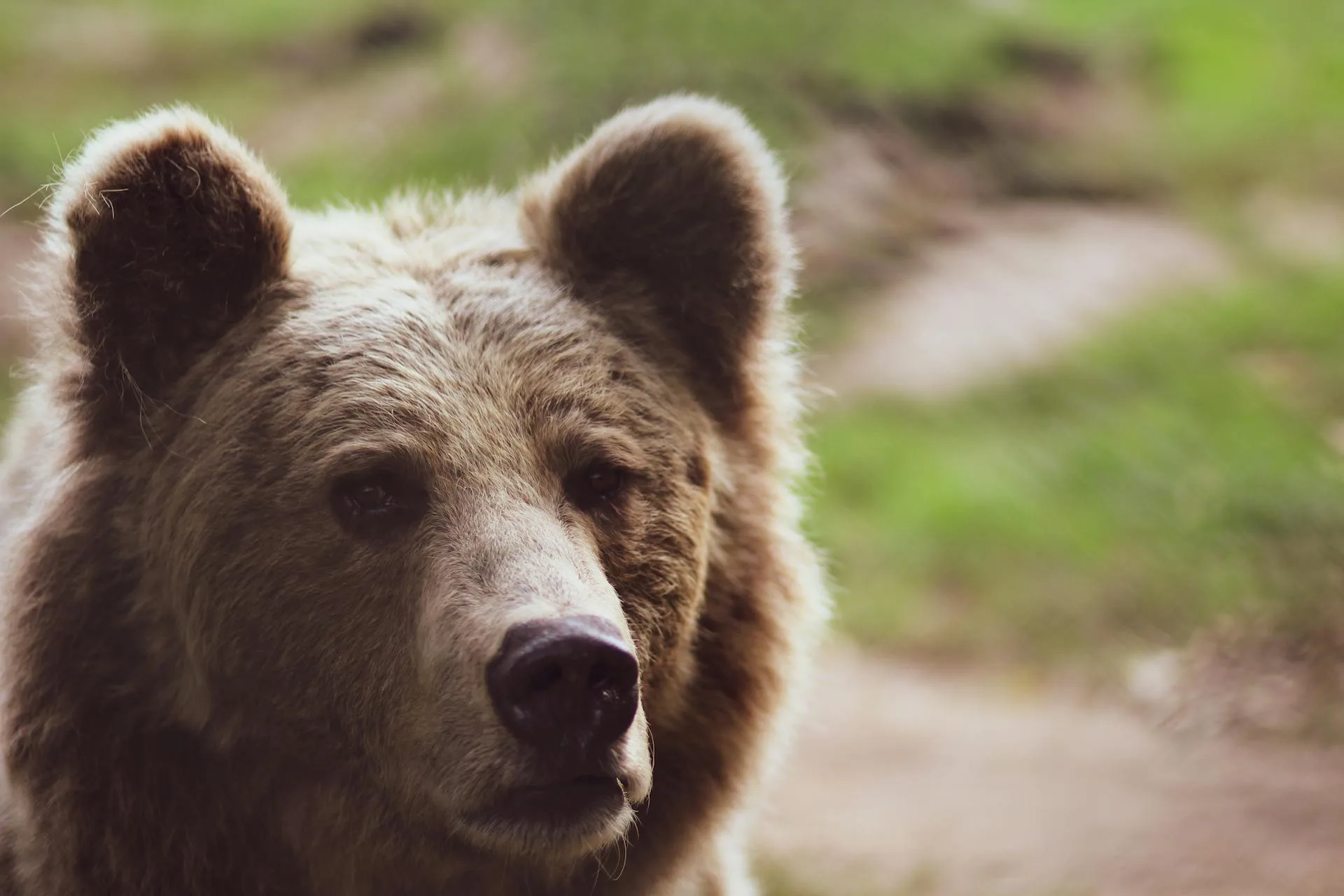
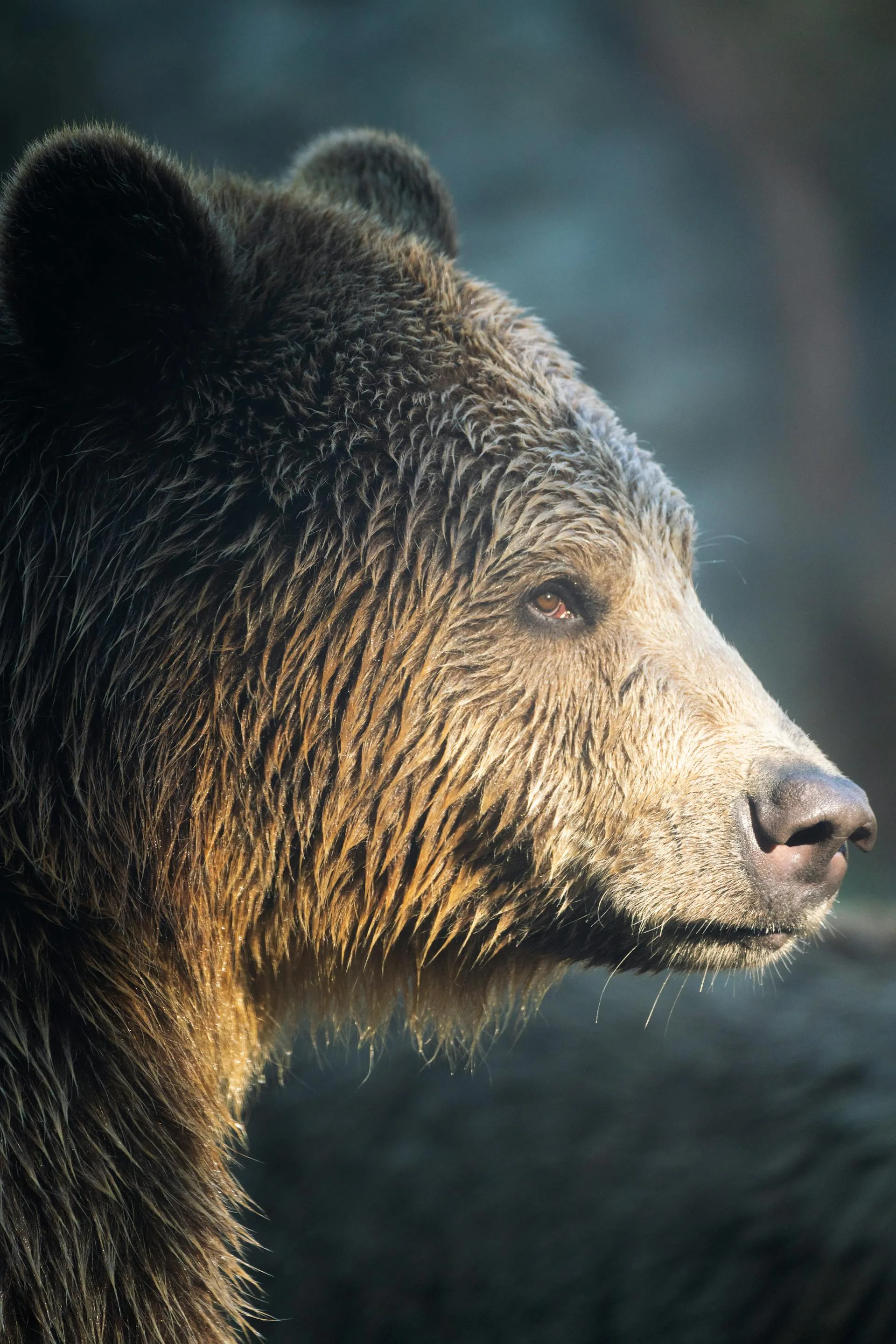
This trip is for the night on the plateau. If you would rather see Deosai by day and return to a Skardu hotel each evening, our Deosai National Park tour covers the full plateau and Sheosar Lake without the camp. If wildlife is your driver, our Deosai wildlife safari is built around dawn and dusk game drives for brown bears and marmots. All three cross the same plateau; they differ in where you sleep and what the days are shaped around.
Why Book With Us
We have been guiding in Gilgit-Baltistan since 2015, and high camping is its own discipline. We carry expedition-grade four-season gear because the plateau nights demand it, not because it reads well, and our camp cook keeps hot meals coming in a heated mess tent. Because the season is short and the weather moves the roads, we plan flexibly and read each day as it comes. If conditions at Bara Pani turn unsafe, we adapt rather than push, and we always tell you the truth about the cold before you commit.
What's Included
Not Included
Frequently Asked Questions
How cold does it get camping on Deosai?
How cold does it get camping on Deosai?
Is camping on Deosai safe?
Is camping on Deosai safe?
Where exactly do we camp?
Where exactly do we camp?
How fit do I need to be for Deosai camping?
How fit do I need to be for Deosai camping?
When is the best time for Deosai camping?
When is the best time for Deosai camping?
Is the stargazing really that good?
Is the stargazing really that good?
What gear do you provide and what should I bring?
What gear do you provide and what should I bring?
Will I see wildlife while camping?
Will I see wildlife while camping?
Ready for Your Next Adventure?
Join our community of explorers and discover the journey of a lifetime. Our expert team is ready to help you plan your perfect expedition.