Eco Tourism Pakistan: Wildlife & Community | Go With Guide
Home Explore Tours Skardu Tours
K2 Treks Trending Treks High Passes All Treks
8000m Peaks 7000m Peaks 6000m Peaks High Passes
Trekking Cultural Tours Family Holidays Luxury Tours
International Travelers
Cycle Touring Eco Tourism Motorcycle Touring Mountain Passes Festivals of Pakistan
Ibex Hunting Snow Leopard About Us Vehicles Contact FAQs Blog
Plan Your Trip
Pristine wilderness of northern Pakistan

Eco Tourism in Pakistan

Wildlife, conservation and community-run travel in the high north

Last updated:
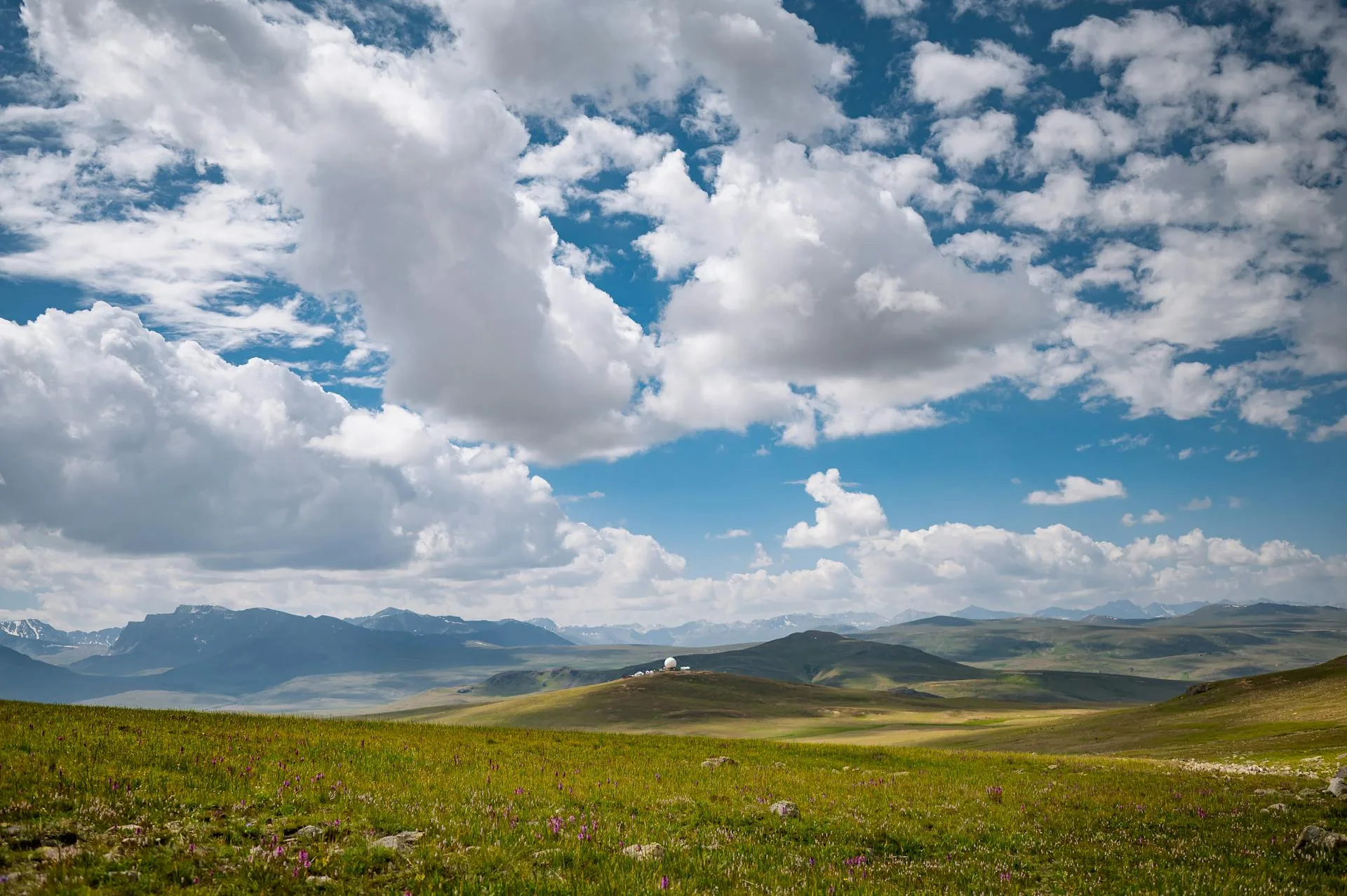
Alpine lake and mountains on the Deosai plateau, Gilgit-Baltistan

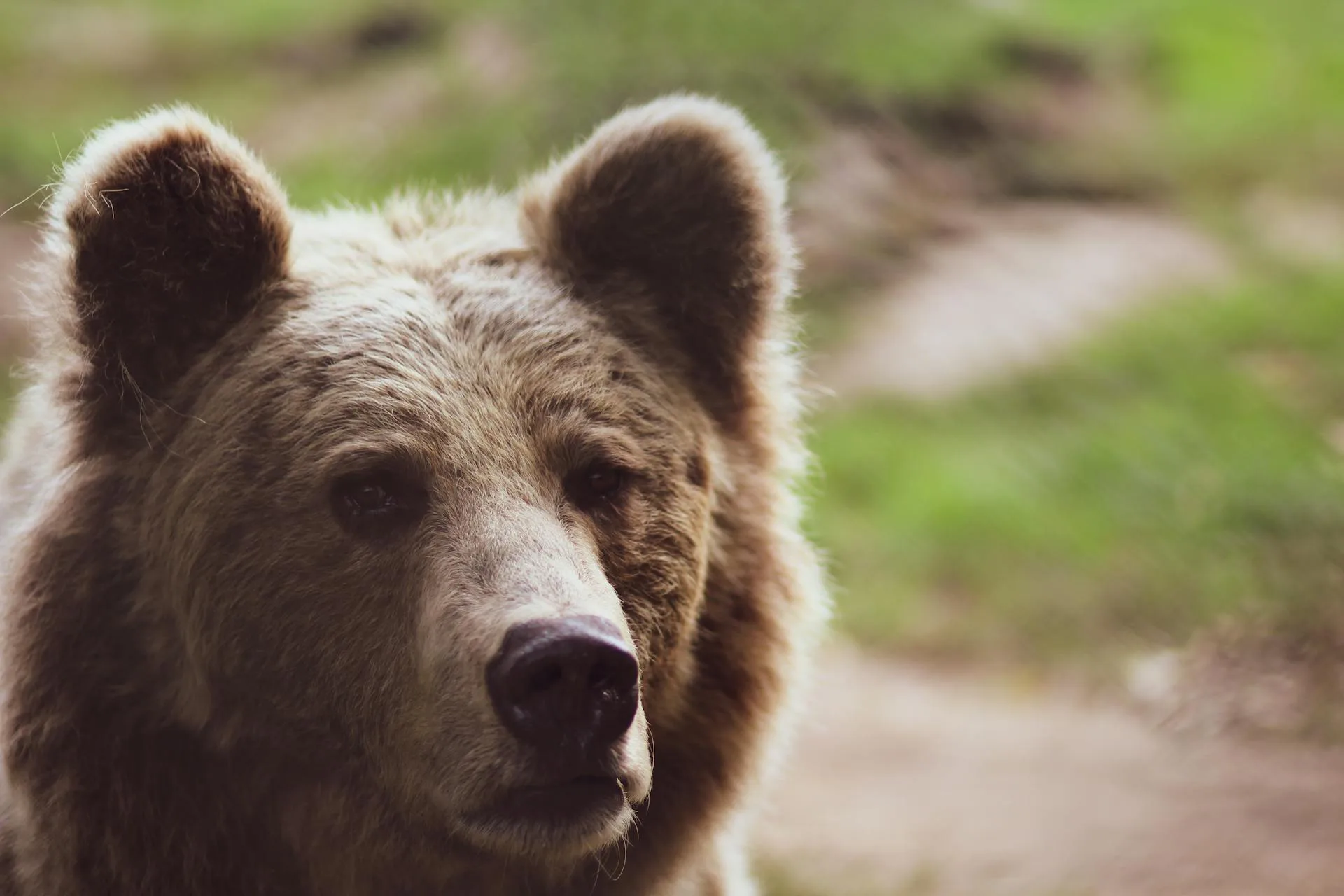
Pakistan's mountain north holds wildlife that surprises most first-time visitors. Gilgit-Baltistan alone protects six national parks, including Deosai, a plateau above 4,000 m that shelters one of the world's densest populations of Himalayan brown bears. Through community-led protection, the Deosai bears recovered from fewer than 20 animals in the early 1990s to around 80 today. The snow leopard, the ghost of these ranges, was counted at 155 to 167 individuals in the first robust national survey, which makes Pakistan the third-largest stronghold for the species on earth.

What turned poachers into protectors here was money, paid the right way. Under Pakistan's community conservation model, villages that manage their own wildlife keep 80 percent of the fees from a tightly limited annual trophy-hunting quota, with the rest going to the government. That revenue, alongside support from the Aga Khan Development Network, made the markhor worth more alive than dead: Pakistan's national animal was downlisted by the IUCN from Endangered to Near Threatened in 2015 after decades of recovery.

Choosing an eco-tour plugs you into that system. You stay in community-run guesthouses, hire local naturalist guides, and pay fees that reach village conservation funds rather than middlemen. It is not a luxury product and it does not pretend to be. It is a way of travelling the Karakoram that leaves the wildlife, and the people who now guard it, better off for your visit.

Eco and Wildlife Tours
Deosai Wildlife SafariModerate
5-7 days

Deosai Wildlife Safari

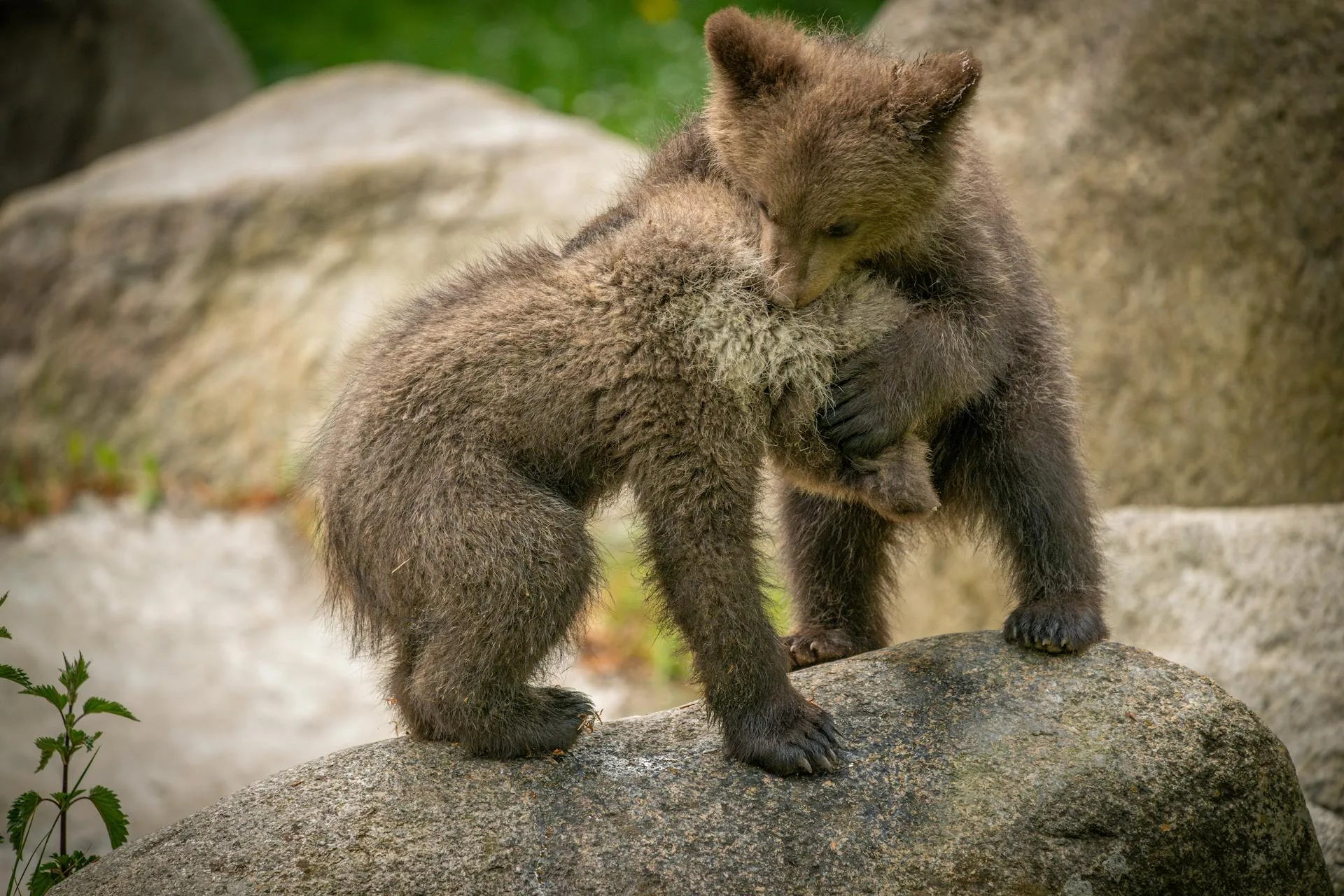
Track Himalayan brown bears and golden marmots across the Deosai plateau at over 4,000 m, with a naturalist guide and ethical wildlife-watching rules.

Deosai National ParkEasy-Moderate
4-6 days

Deosai National Park

The classic Deosai National Park circuit: Sheosar Lake, the high plains and the bears, on the second-highest plateau on earth.

Khunjerab Wildlife TrekModerate-Strenuous
7-9 days

Khunjerab Wildlife Trek

Walk the alpine zone of Khunjerab National Park with a tracker, scanning for ibex, blue sheep and the slim chance of a snow leopard.

Community Homestay ExperienceEasy
6-8 days

Community Homestay Experience

Sleep in family homes in Hunza, Nagar and Shimshal, where your room and board pay the hosts directly.

Shimshal Yak SafariModerate-Strenuous
8-10 days

Shimshal Yak Safari

Follow a yak caravan to the high Pamir pastures of Shimshal, a community-run trek into one of the remotest valleys in Pakistan.

Deosai Camping at Bara PaniEasy-Moderate
5-7 days

Deosai Camping at Bara Pani

Camp at Bara Pani under a Deosai sky, where marmots whistle at dawn and the night runs cold even in July.

The Wildlife You Might See

Deosai is the surest wildlife of the trip. The Himalayan brown bear is the flagship, best looked for in the early morning and late evening across the plains; golden marmots are everywhere, and Tibetan wolves and red foxes pass through. In the Karakoram and Hindu Kush valleys, Himalayan ibex and blue sheep are the staple sightings, with golden eagles and Himalayan griffon vultures overhead.

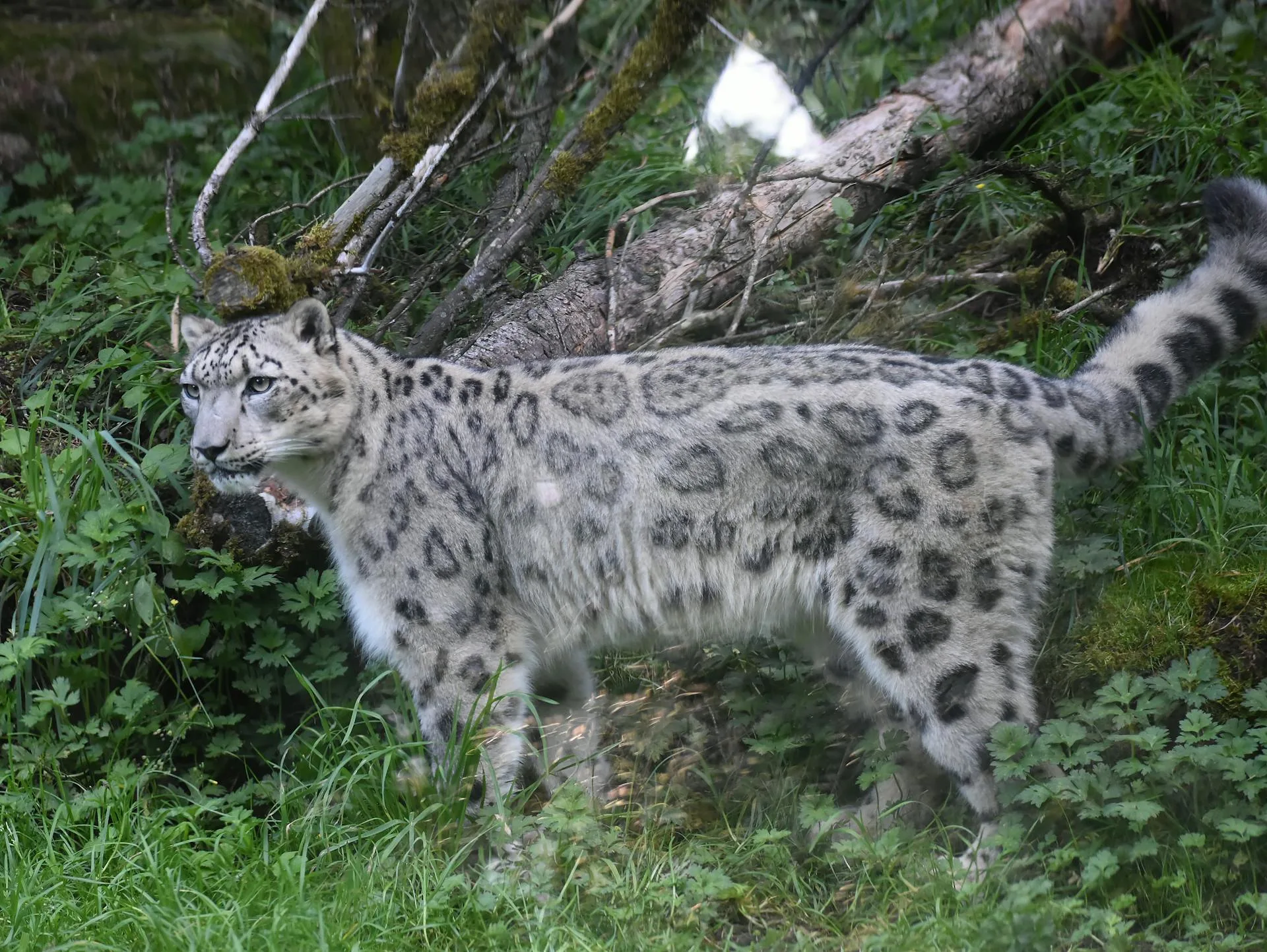
The snow leopard is the one nobody can promise you. It is genuinely rare, superbly camouflaged and mostly nocturnal, and a real sighting is a matter of luck on top of patience. We track sign, set realistic expectations, and treat any glimpse as the bonus it is. If seeing the cat is your single goal, our dedicated snow leopard expeditions give you the best odds in the right season.
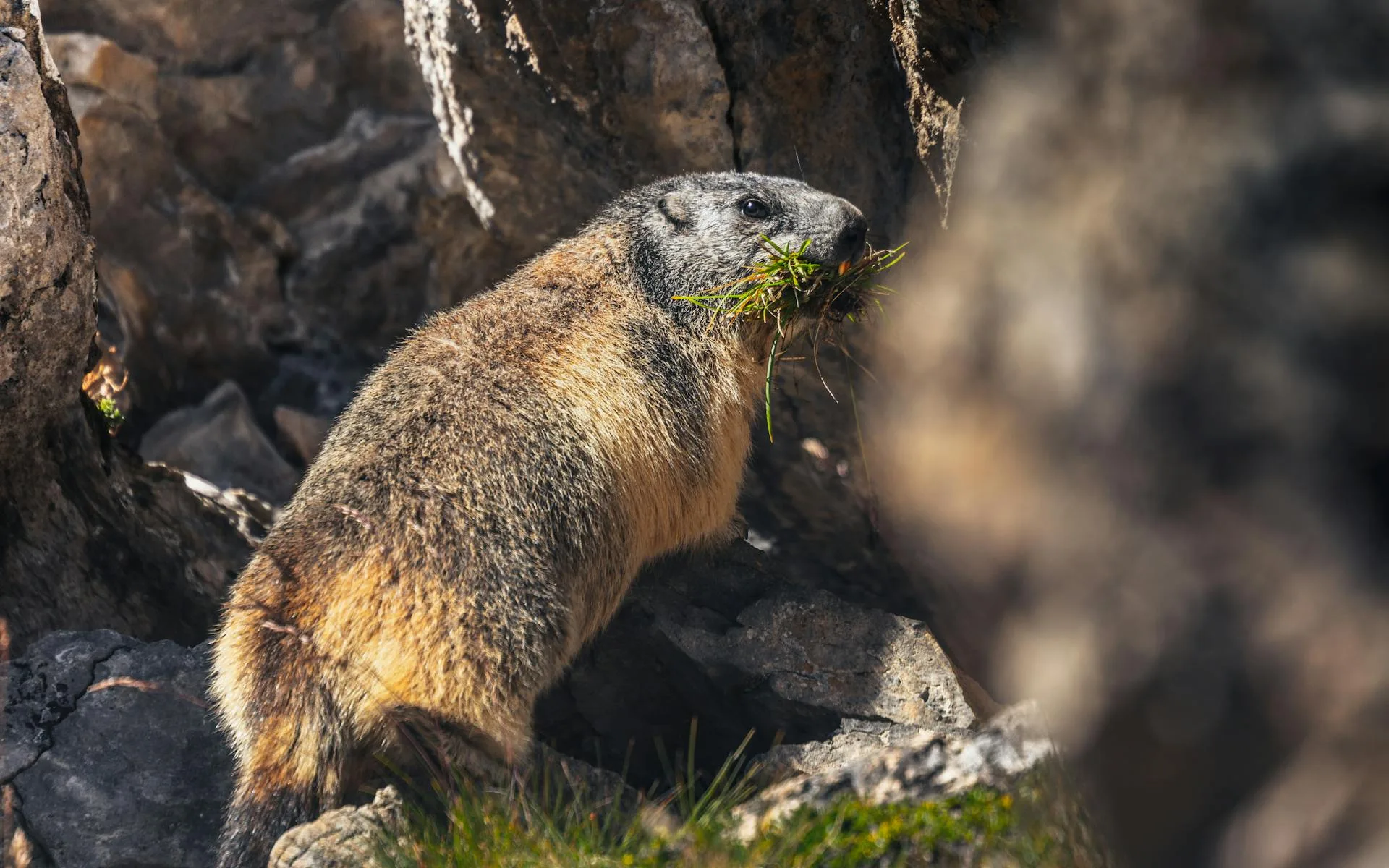
Golden marmot feeding on grass, Deosai National Park
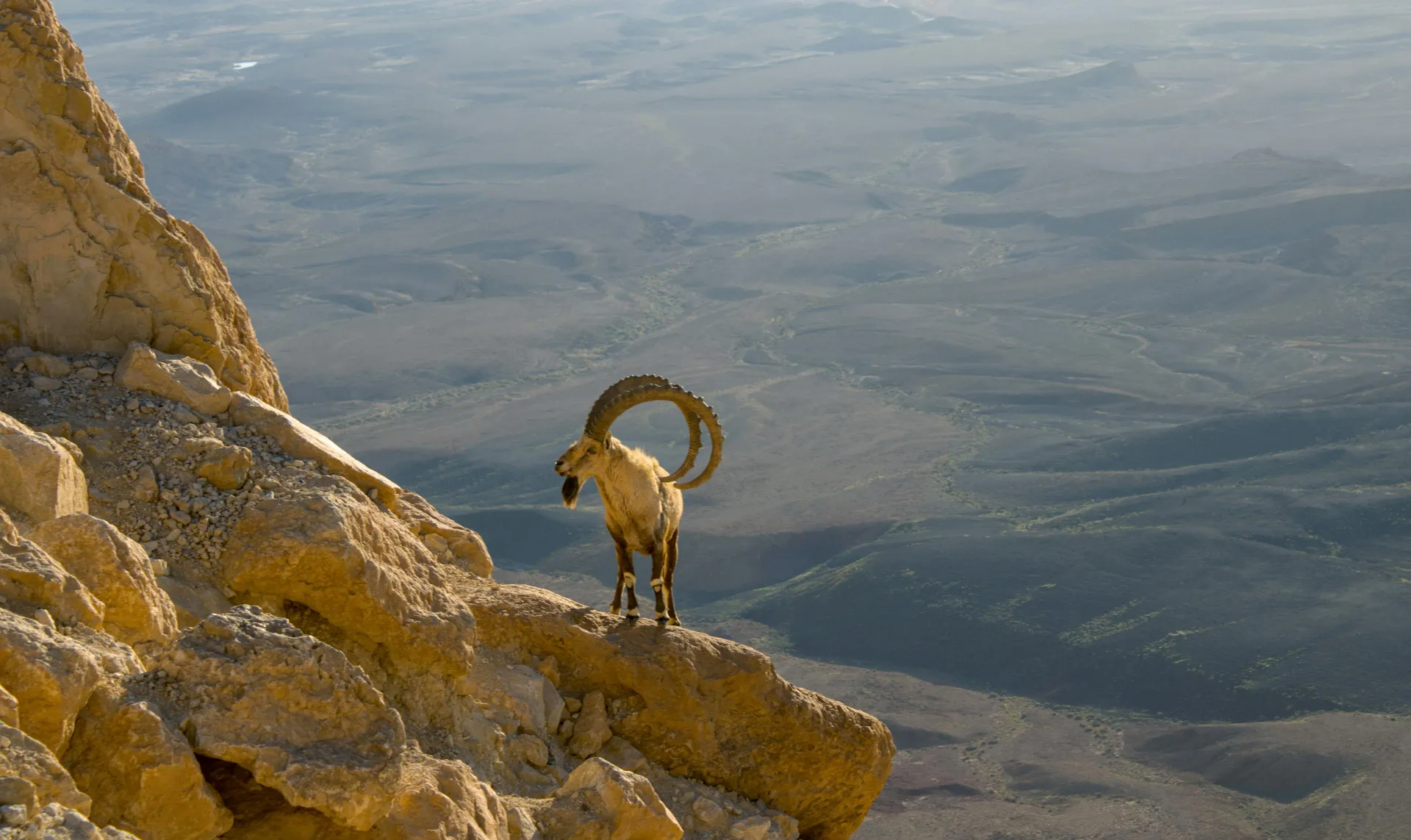
Himalayan ibex on a rocky ridge in the Karakoram

How the Conservation Model Works

Across Gilgit-Baltistan there are now dozens of community-managed conservation areas, each run by a village organisation that sets local rules, employs wildlife watchers and decides how its conservation income is spent. The trophy-hunting quota that funds much of this is small and government-set: a handful of old male ibex, blue sheep and markhor each winter, auctioned for fees that run from around 10,000 dollars for an ibex to well over 200,000 for a markhor.

You do not have to hunt to support it, and most of our guests never would. The same villages run the homestays, guide services and conservancy fees that an ordinary eco-tour pays into. The point of the model is simple: when a living animal earns a community more than a dead one, the community protects it. For the curious, our trophy hunting page explains the permit system in full.

When to Go for Wildlife

Deosai opens roughly mid-June to mid-September, once the snow clears the access roads; that window is the only practical time for the bears and the high plains. The Karakoram valley wildlife and birdlife are reliable from May to October. Snow leopard tracking is a winter pursuit, from November to March, when the cats follow their prey down to altitudes a tracking team can reach. Tell us which animal matters most and we will build the season around it.

Frequently Asked Questions

What is eco tourism in Pakistan?

Eco tourism in Pakistan is travel that funds the conservation and communities of the mountain north rather than extracting from them. In practice that means community-run guesthouses, local naturalist guides, and fees that reach village conservation funds, on tours built around Deosai's wildlife, the national parks and homestay valleys. Gilgit-Baltistan alone protects six national parks, and dozens of community-managed conservation areas are run by village organisations that employ wildlife watchers and decide how conservation income is spent. Our eco tours plug into that system. They include the Deosai Wildlife Safari for Himalayan brown bears, a Khunjerab wildlife trek for ibex and blue sheep, homestays with families in Hunza, Nagar and Shimshal, and a yak safari to the Shimshal Pamir pastures. It is not a luxury product and does not pretend to be. The aim is simple: the wildlife, and the people who now guard it, should be better off for your visit.

Does trophy hunting really help conservation?

Yes, and the data backs it. Pakistan's quota is tiny and government-set, communities keep 80 percent of the fees, and the revenue turned poaching into protection. Each winter only a handful of old male ibex, blue sheep and markhor are allowed, and permits are auctioned for fees running from around 10,000 dollars for an ibex to well over 200,000 for a markhor. The remaining share goes to the government. That money, with support from the Aga Khan Development Network, made a living markhor worth more to a village than a dead one. The markhor recovered enough to be downlisted by the IUCN in 2015, from Endangered to Near Threatened, and ibex and blue sheep populations have climbed in managed areas. You do not have to hunt to support the model. The same villages run the homestays, guide services and conservancy fees that an ordinary eco-tour pays into.

Will I see a snow leopard?

Probably not, and any honest operator will tell you so. Pakistan holds around 155 to 167 of them and they are masters of disappearing. That count comes from the first robust national survey and makes Pakistan the third-largest stronghold for the species on earth, but the cats are rare, superbly camouflaged and mostly nocturnal. Tracking is a winter pursuit, from November to March, when they follow their prey down to altitudes a tracking team can reach. We track sign and maximise your odds in winter, but we sell the expedition, not a guaranteed sighting. Any glimpse comes from luck on top of patience, and we treat it as a bonus. If seeing the cat is your single goal, our dedicated snow leopard expeditions give you the best odds in the right season. Summer trips such as the Khunjerab wildlife trek carry only a slim chance, alongside the more reliable ibex and blue sheep.

Where can I see the Himalayan brown bears?

On the Deosai plateau, reachable from Skardu or Astore between about mid-June and mid-September. Deosai has one of the densest brown bear populations anywhere, and our wildlife safari is built around finding them ethically, at distance. The plateau sits above 4,000 m, and the season is set by snow on the access roads; outside that window the bears and the high plains are out of reach. Early morning and late evening are the best times to look for them across the plains. Community-led protection has brought the Deosai bears back from fewer than 20 animals in the early 1990s to around 80 today. Golden marmots are everywhere up there, and Tibetan wolves and red foxes pass through. We run a Deosai Wildlife Safari of five to seven days with a naturalist guide and ethical watching rules, plus a shorter Deosai National Park circuit that takes in Sheosar Lake.

How does my trip money reach local communities?

Room and board are paid to host families, conservancy and park fees go to village funds, and guides and drivers are hired in the valleys you visit. We keep the chain short enough that you can see where it goes. On our Community Homestay Experience you sleep in family homes in Hunza, Nagar and Shimshal, and your room and board pay the hosts directly. The Shimshal Yak Safari is a community-run trek into the high Pamir pastures. Across Gilgit-Baltistan, dozens of community-managed conservation areas are run by village organisations that set local rules, employ wildlife watchers and decide how their conservation income is spent. Park entry fees paid at the gate go towards conservation too. Behind all of it is one principle. Fees should reach village funds rather than middlemen, so that a living animal and a well-run valley earn the community more than poaching ever did.

Is eco-tourism suitable for families?

Yes, much of it is. The wildlife safaris and homestays are gentle and well suited to curious children; the walking is easy and the pace relaxed. The winter snow leopard expeditions are cold and demanding and better suited to older travellers. Our Community Homestay Experience is rated easy and runs six to eight days in family homes in Hunza, Nagar and Shimshal, which gives children a real feel for village life. The Deosai trips are rated easy-moderate or moderate, with golden marmots everywhere and the chance of Himalayan brown bears in the early morning and evening. Bear in mind that Deosai sits above 4,000 m and the nights run cold even in July, so children need proper warm layers. The Khunjerab wildlife trek and the Shimshal yak safari are moderate-strenuous, with longer days on foot. Tell us your children's ages and we will suggest the trip that fits.

What should I pack for a wildlife trip?

Binoculars first. Then layers for cold mornings even in summer, sun protection for the high plateau, and a warm sleeping setup for Deosai nights, which drop below freezing. Winter leopard trips need serious cold-weather gear. Deosai sits above 4,000 m, so the sun is strong by day and the temperature falls fast once it sets; at Bara Pani the night runs cold even in July. Good binoculars matter because the bears are watched at distance, and the best viewing comes early in the morning and late in the evening, which are also the coldest hours. A camera with a longer lens helps, since golden eagles, griffon vultures, ibex and blue sheep are often a long way off. For snow leopard tracking between November and March, plan for hard cold and long hours outside while the team looks for sign. Tell us which trip and season you have in mind and we will advise on the rest.

Do I need a permit for the national parks?

No NOC is required for Deosai, Khunjerab or the GB national parks on a tourist visa. You pay a park entry fee at the gate, which funds conservation, and we handle it within the tour. Gilgit-Baltistan protects six national parks, and visiting them as a wildlife watcher needs nothing beyond your visa and passport. Timing matters more than paperwork: Deosai is only open from roughly mid-June to mid-September, once snow clears the access roads. Conservancy fees in community-managed areas go to village funds and are part of what an eco-tour pays into. The one permit system that does operate in these valleys is for trophy hunting, which runs on a small government-set quota and auctioned permits. That has nothing to do with an ordinary wildlife trip, and most of our guests never hunt. If you add a trek into a restricted zone such as the Baltoro, that route needs its own permits.

Ready for Your Next Adventure?

Join our community of explorers and discover the journey of a lifetime. Our expert team is ready to help you plan your perfect expedition.