Écotourisme au Pakistan
Faune, conservation et voyages gérés par les communautés dans le grand nord montagneux
Dernière mise à jour:
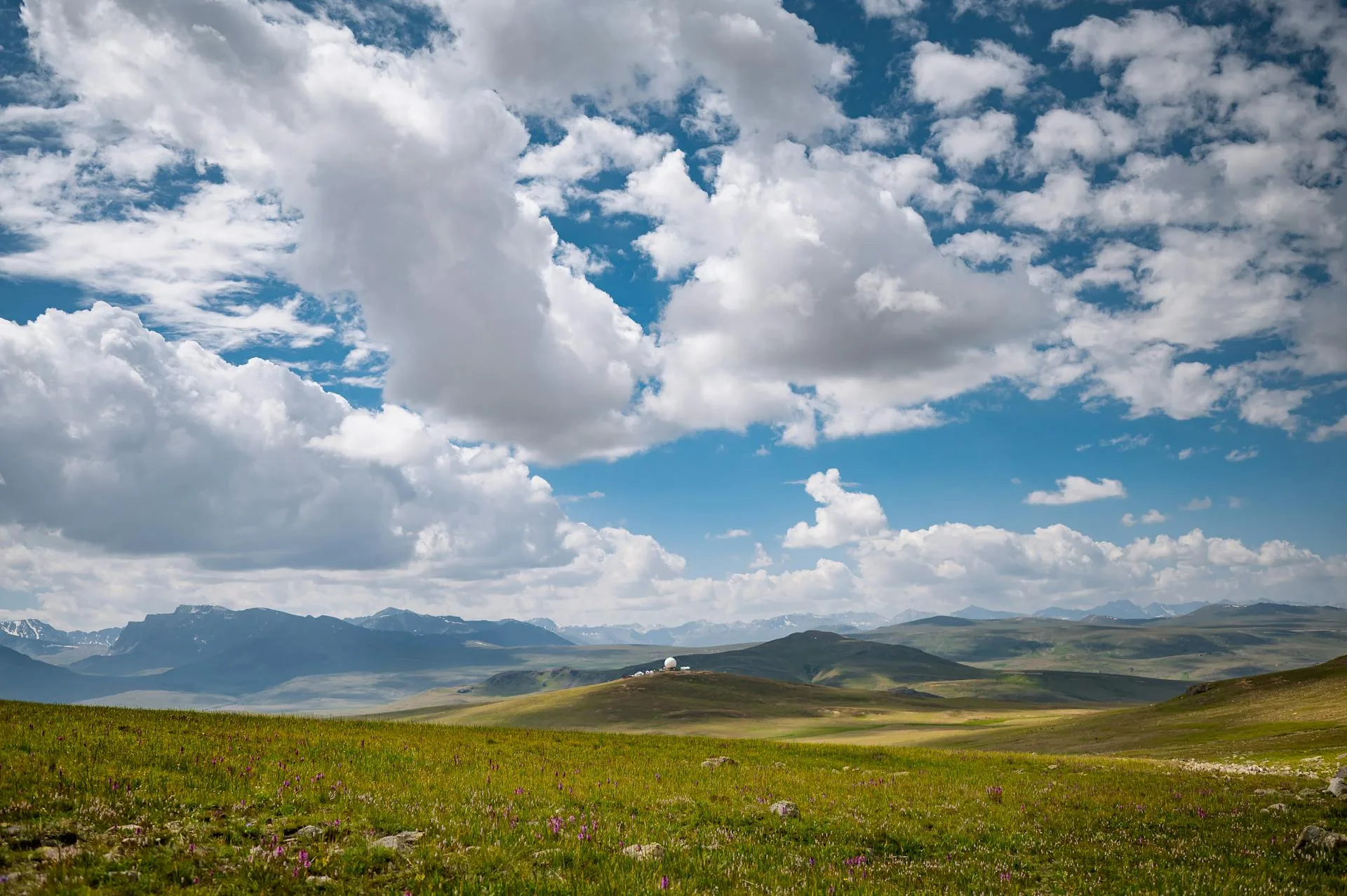
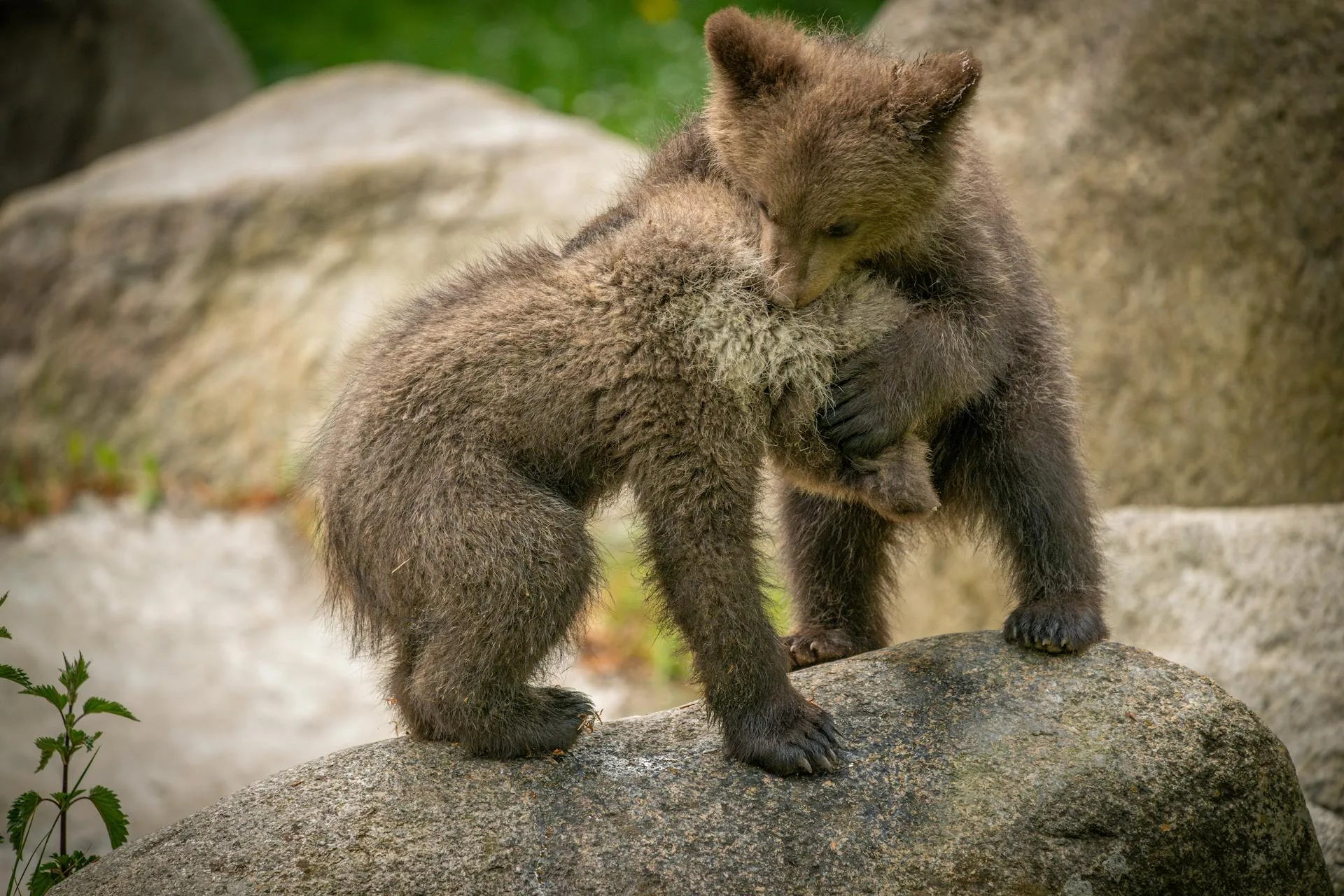
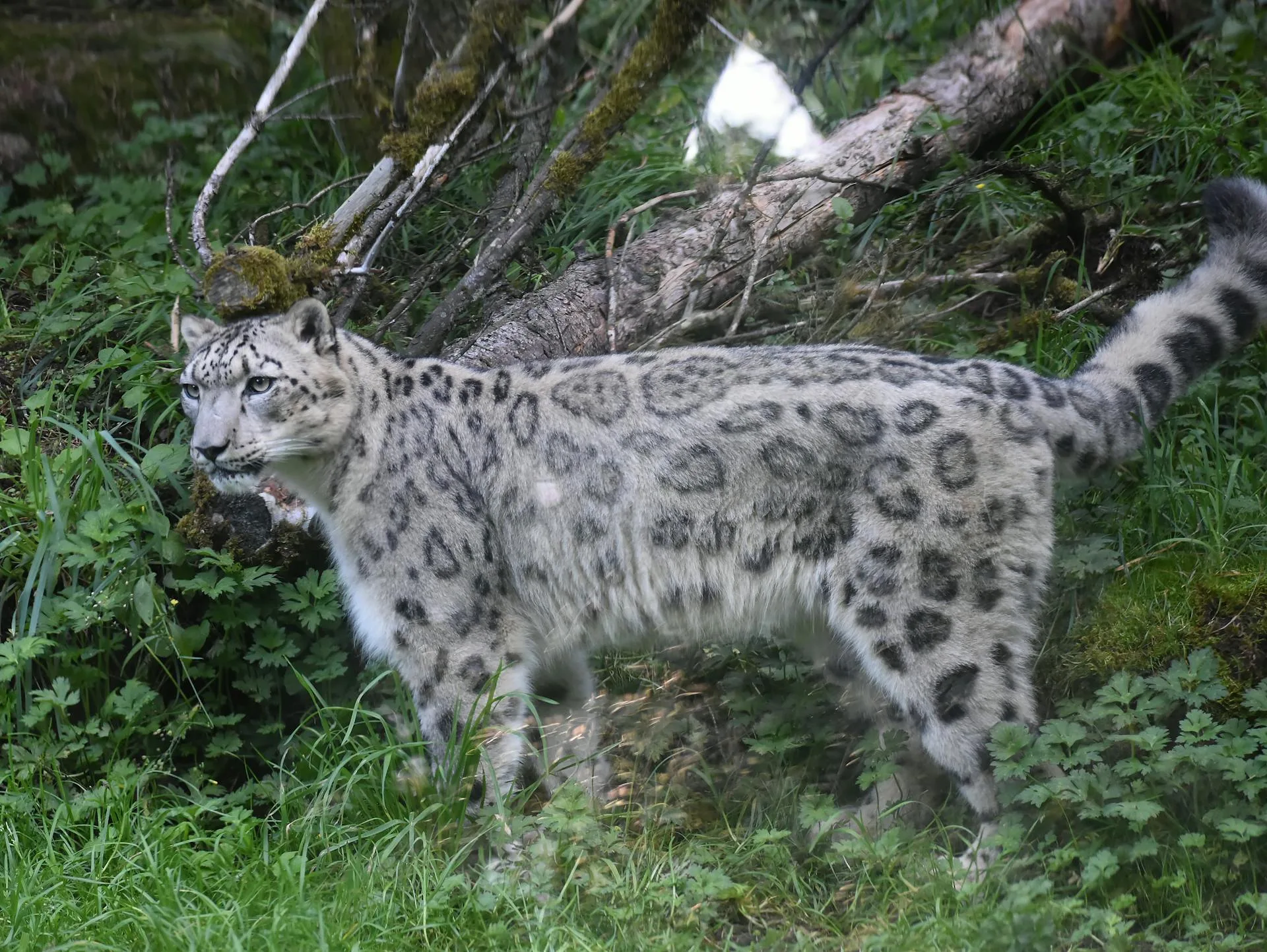
Le nord montagneux du Pakistan abrite une faune qui surprend la plupart des visiteurs lors de leur premier voyage. Le Gilgit-Baltistan à lui seul protège six parcs nationaux, dont le Deosai, un plateau au-dessus de 4 000 m qui abrite l'une des populations d'ours bruns de l'Himalaya les plus denses au monde. Grâce à une protection menée par les communautés, les ours du Deosai sont passés de moins de 20 animaux au début des années 1990 à environ 80 aujourd'hui. La panthère des neiges, le fantôme de ces montagnes, a été dénombrée à 155 à 167 individus lors du premier recensement national rigoureux, ce qui fait du Pakistan le troisième plus grand bastion de l'espèce sur la planète.
Ce qui a transformé ici les braconniers en protecteurs, c'est l'argent, versé de la bonne manière. Selon le modèle pakistanais de conservation communautaire, les villages qui gèrent leur propre faune conservent 80 pour cent des droits issus d'un quota annuel de chasse au trophée strictement limité, le reste revenant à l'État. Ces revenus, conjugués au soutien de l'Aga Khan Development Network, ont rendu le markhor plus précieux vivant que mort : l'animal national du Pakistan est passé, selon l'IUCN, de la catégorie En danger à Quasi menacé en 2015, après des décennies de redressement.
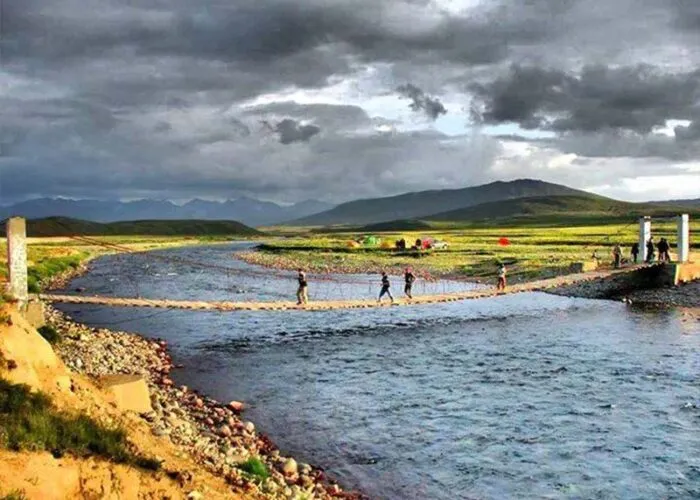
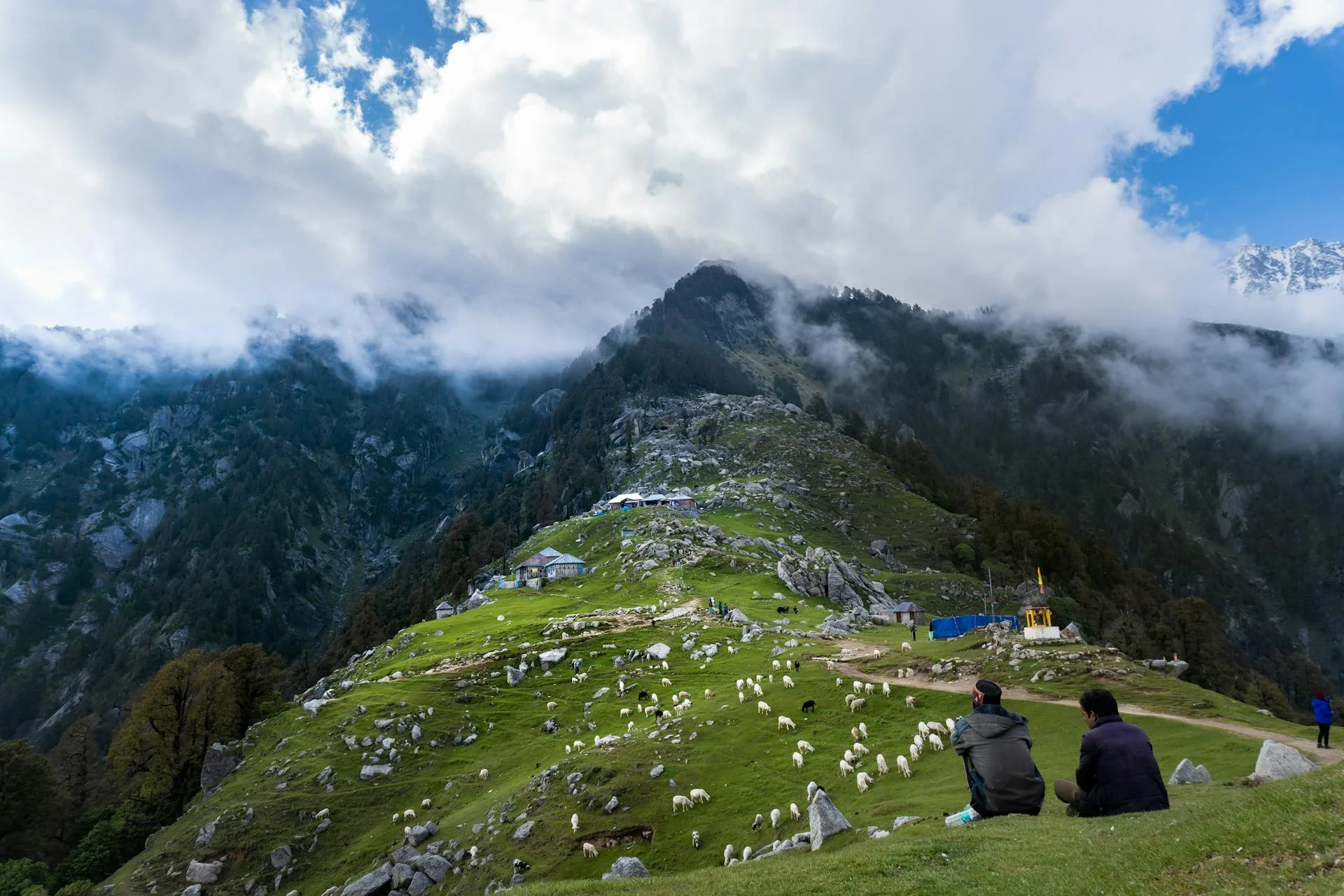
Choisir un écotour, c'est s'intégrer à ce système. Vous logez dans des maisons d'hôtes gérées par les communautés, employez des guides naturalistes locaux et payez des droits qui alimentent les fonds de conservation des villages plutôt que des intermédiaires. Ce n'est pas un produit de luxe et cela ne prétend pas l'être. C'est une façon de parcourir le Karakoram qui laisse la faune, et ceux qui la protègent désormais, mieux lotis après votre passage.
Circuits écotourisme et faune
 Modéré
Deosai Wildlife Safari (Safari faune au Deosai)
 Modéré
Deosai National Park (Parc national du Deosai)
 Modéré
Khunjerab Wildlife Trek (Trek faune au Khunjerab)
 Facile
Community Homestay Experience (Séjour chez l'habitant en communauté)
 Modéré
Shimshal Yak Safari (Safari à dos de yak à Shimshal)
 Modéré
Deosai Camping at Bara Pani (Camping au Deosai à Bara Pani)
La faune que vous pourriez observer
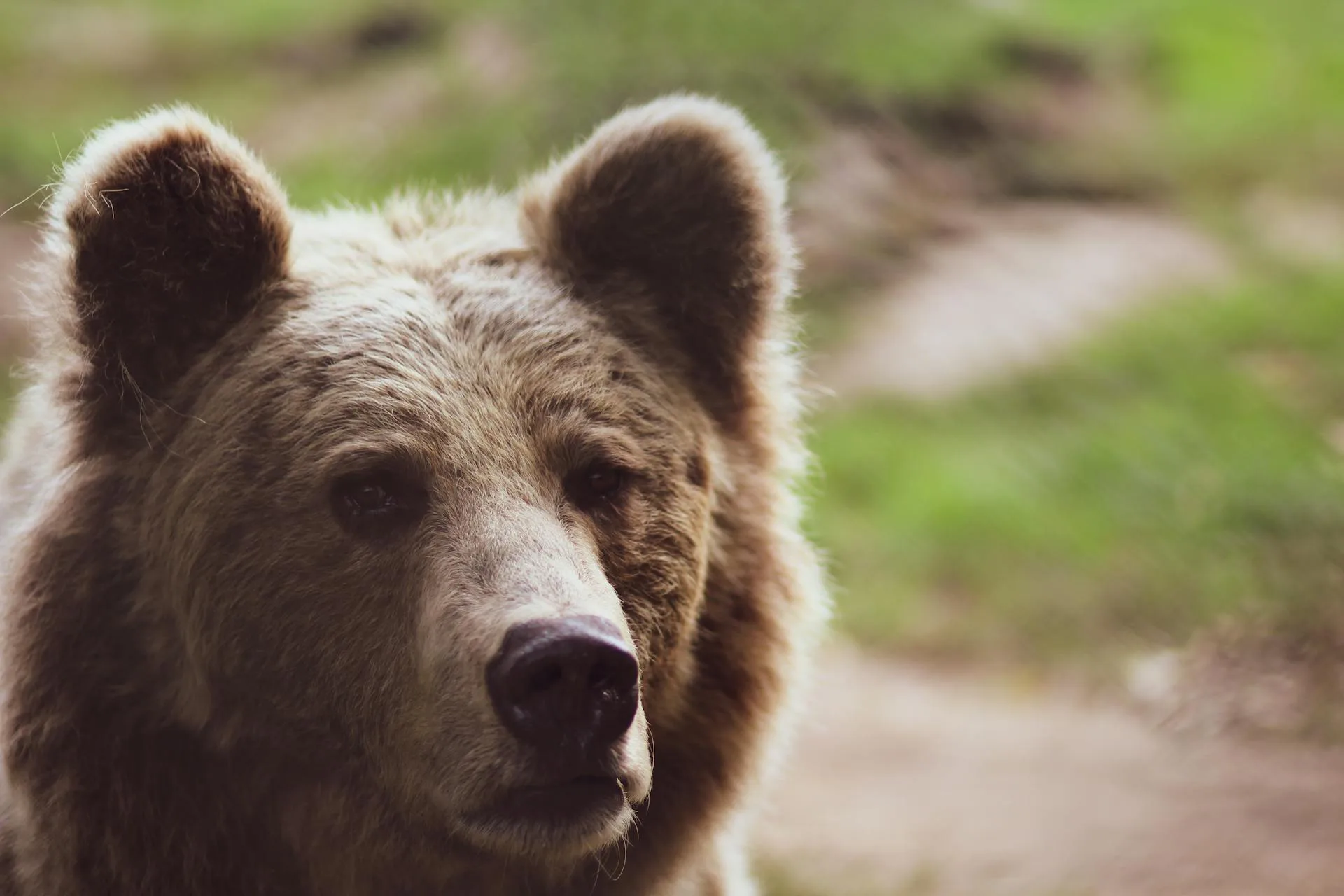
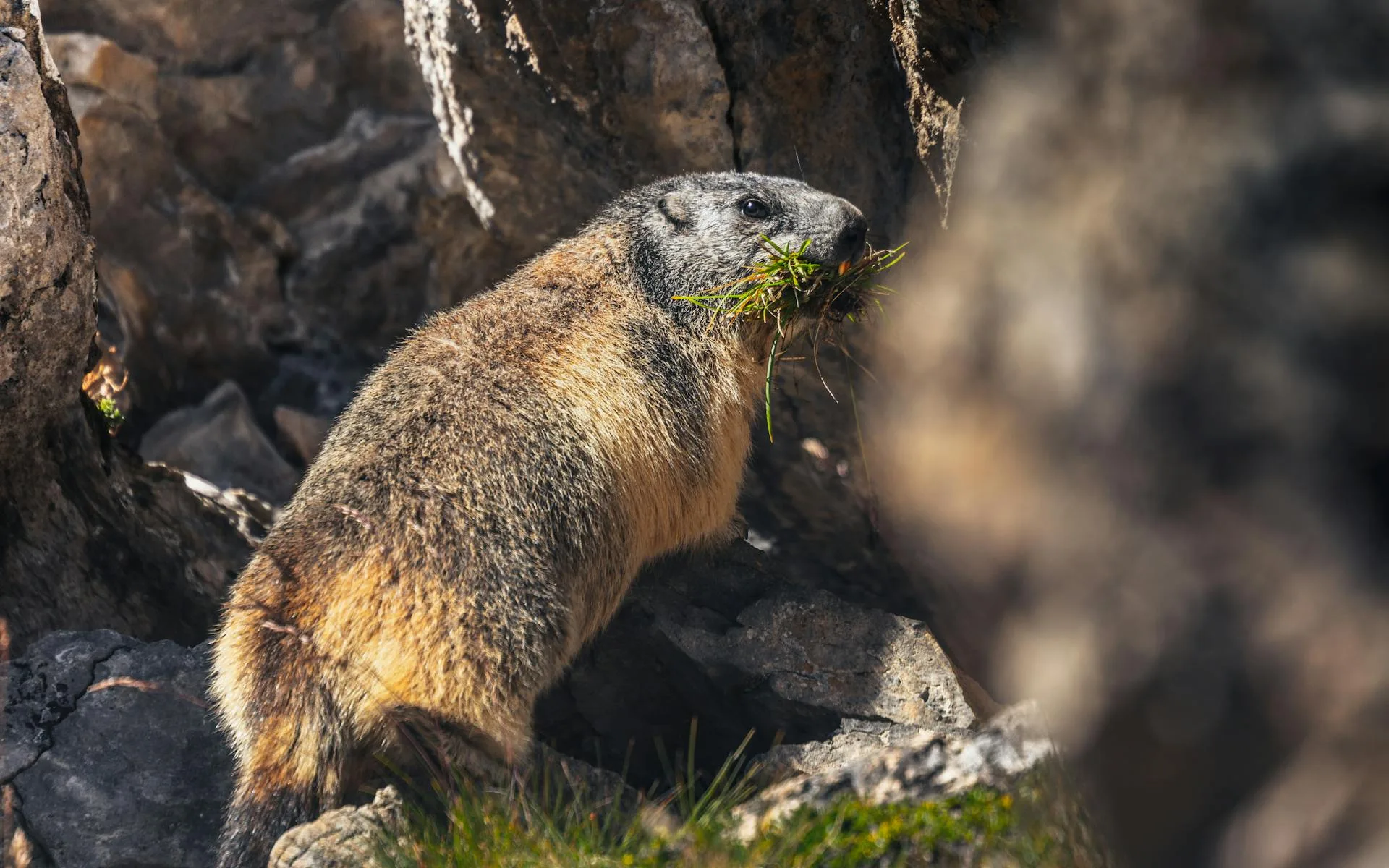
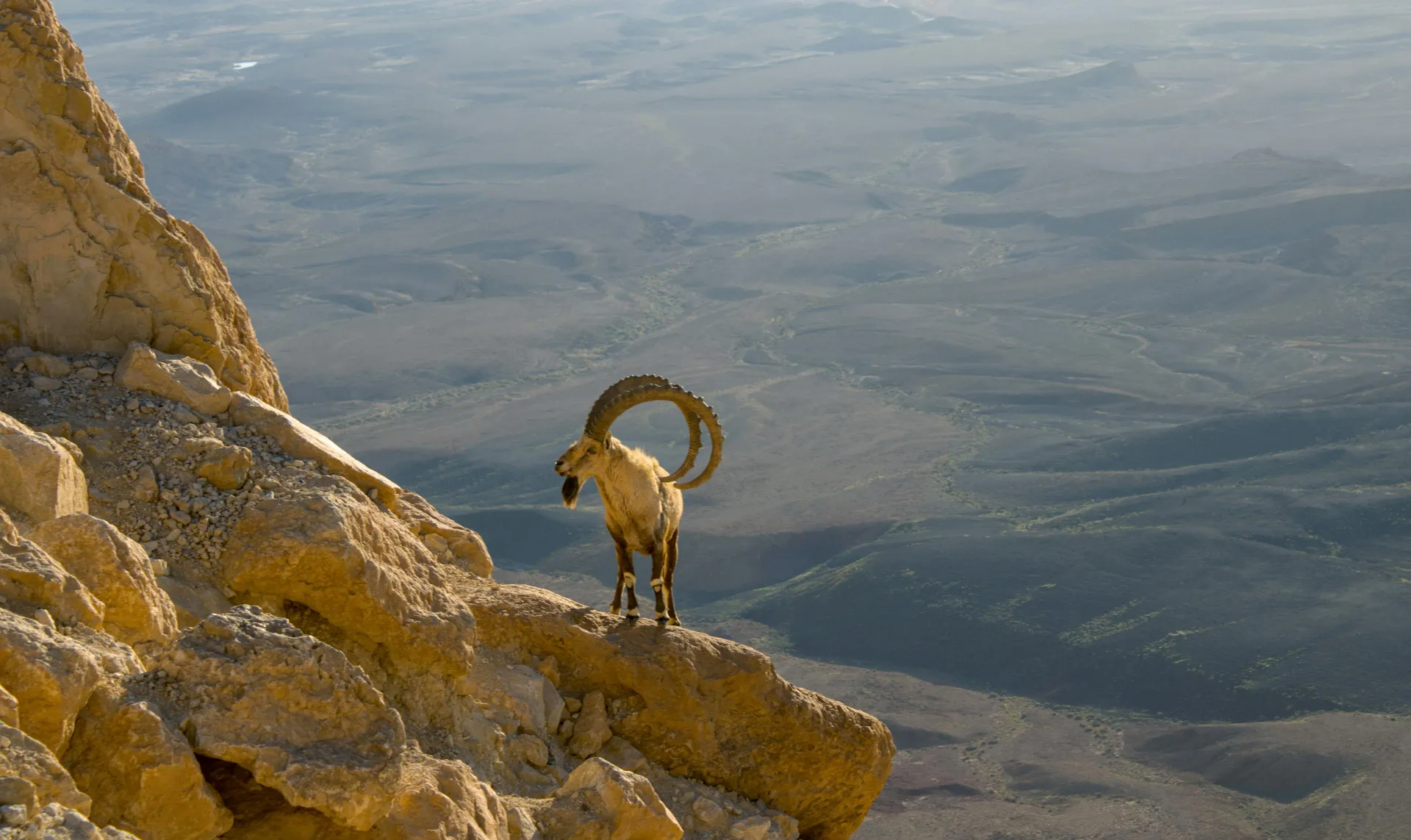
Le Deosai offre la faune la plus sûre du voyage. L'ours brun de l'Himalaya en est l'emblème, à rechercher de préférence tôt le matin et en fin de soirée à travers les plaines ; les marmottes dorées sont partout, et des loups du Tibet et des renards roux y passent. Dans les vallées du Karakoram et de l'Hindu Kush, le bouquetin de l'Himalaya et le bharal sont les observations courantes, avec des aigles royaux et des vautours fauves de l'Himalaya dans le ciel.
La panthère des neiges est celle que personne ne peut vous promettre. Elle est véritablement rare, superbement camouflée et surtout nocturne, et une observation réelle relève de la chance autant que de la patience. Nous repérons ses traces, fixons des attentes réalistes et considérons tout aperçu comme le bonus qu'il est. Si voir le félin est votre unique objectif, nos expéditions dédiées à la panthère des neiges vous donnent les meilleures chances à la bonne saison.
Comment fonctionne le modèle de conservation
À travers le Gilgit-Baltistan, on compte aujourd'hui des dizaines d'aires de conservation gérées par les communautés, chacune administrée par une organisation villageoise qui fixe les règles locales, emploie des gardes-faune et décide de l'usage de ses revenus de conservation. Le quota de chasse au trophée qui finance une grande partie de ce dispositif est faible et fixé par l'État : une poignée de vieux mâles de bouquetin, de bharal et de markhor chaque hiver, mis aux enchères pour des droits allant d'environ 10 000 dollars pour un bouquetin à bien plus de 200 000 pour un markhor.
Vous n'avez pas besoin de chasser pour le soutenir, et la plupart de nos clients ne le feraient jamais. Ce sont les mêmes villages qui gèrent les séjours chez l'habitant, les services de guide et les droits de conservation auxquels contribue un écotour ordinaire. Le principe du modèle est simple : lorsqu'un animal vivant rapporte plus à une communauté qu'un animal mort, la communauté le protège. Pour les curieux, notre page sur la chasse au trophée explique en détail le système de permis.
Quand partir pour la faune
Le Deosai ouvre à peu près de la mi-juin à la mi-septembre, une fois la neige dégagée des routes d'accès ; cette fenêtre est le seul moment pratique pour les ours et les hautes plaines. La faune et l'avifaune des vallées du Karakoram sont fiables de mai à octobre. Le pistage de la panthère des neiges est une affaire d'hiver, de novembre à mars, lorsque les félins suivent leurs proies vers des altitudes qu'une équipe de pistage peut atteindre. Dites-nous quel animal compte le plus pour vous et nous construirons la saison autour de lui.
Foire aux questions
Qu'est-ce que l'écotourisme au Pakistan ?
Qu'est-ce que l'écotourisme au Pakistan ?
La chasse au trophée aide-t-elle vraiment la conservation ?
La chasse au trophée aide-t-elle vraiment la conservation ?
Vais-je voir une panthère des neiges ?
Vais-je voir une panthère des neiges ?
Où puis-je voir les ours bruns de l'Himalaya ?
Où puis-je voir les ours bruns de l'Himalaya ?
Comment l'argent de mon voyage parvient-il aux communautés locales ?
Comment l'argent de mon voyage parvient-il aux communautés locales ?
L'écotourisme convient-il aux familles ?
L'écotourisme convient-il aux familles ?
Que dois-je emporter pour un voyage faune ?
Que dois-je emporter pour un voyage faune ?
Ai-je besoin d'un permis pour les parcs nationaux ?
Ai-je besoin d'un permis pour les parcs nationaux ?
Prêt pour votre prochaine aventure ?
Rejoignez notre communauté d'explorateurs et découvrez le voyage d'une vie. Notre équipe d'experts est prête à planifier votre expédition parfaite.