Karakoram Highway intégrale : d'Islamabad au Khunjerab
Toute la grande route, d'un bout à l'autre, par la route
Dernière mise à jour: · Révisé par Javeed Iqbal, fondateur
Durée
9-11 jours
Difficulté
Facile
Taille du groupe
2-12 voyageurs
Meilleure saison
Avr-Nov
À propos de ce circuit
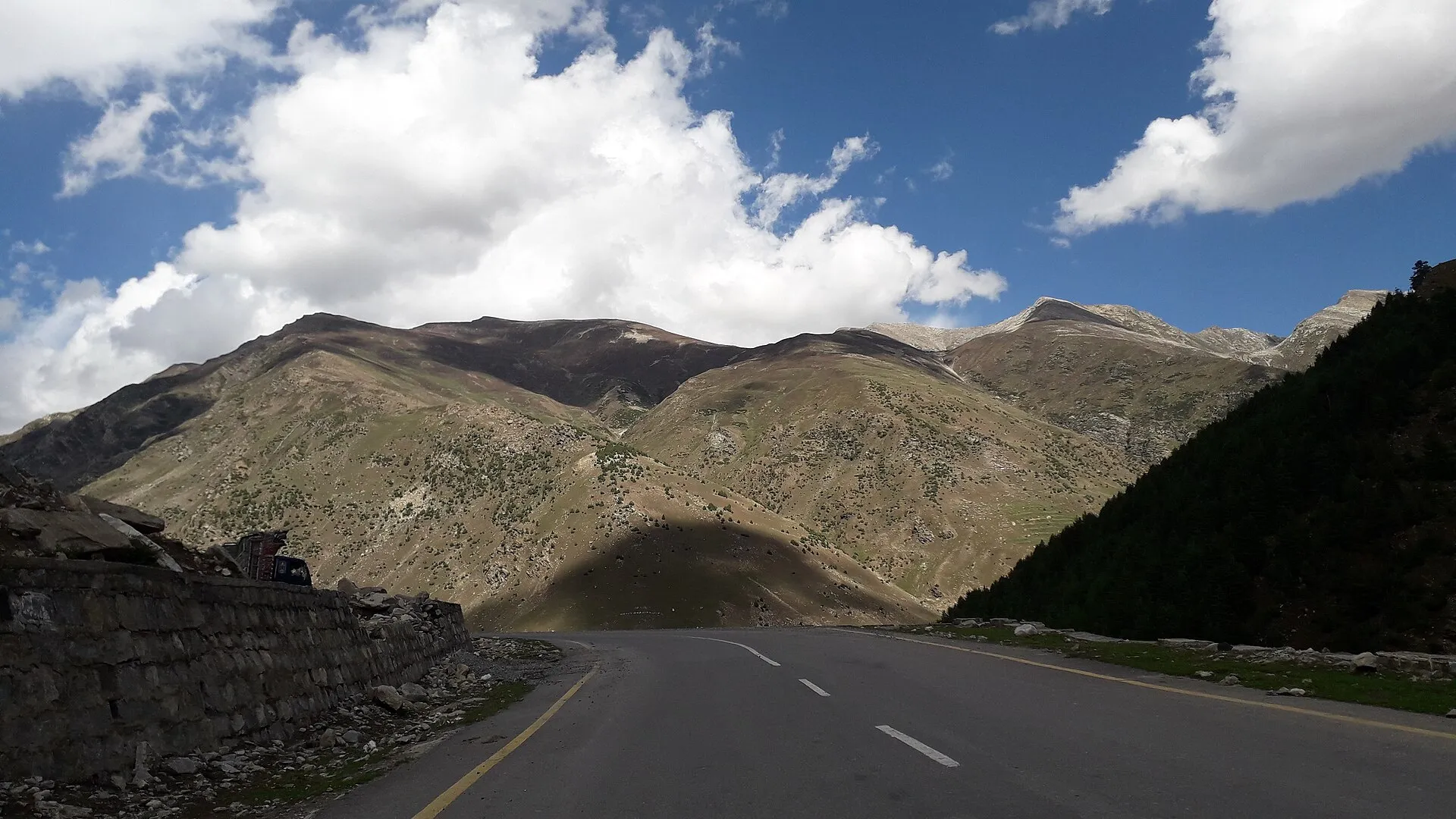
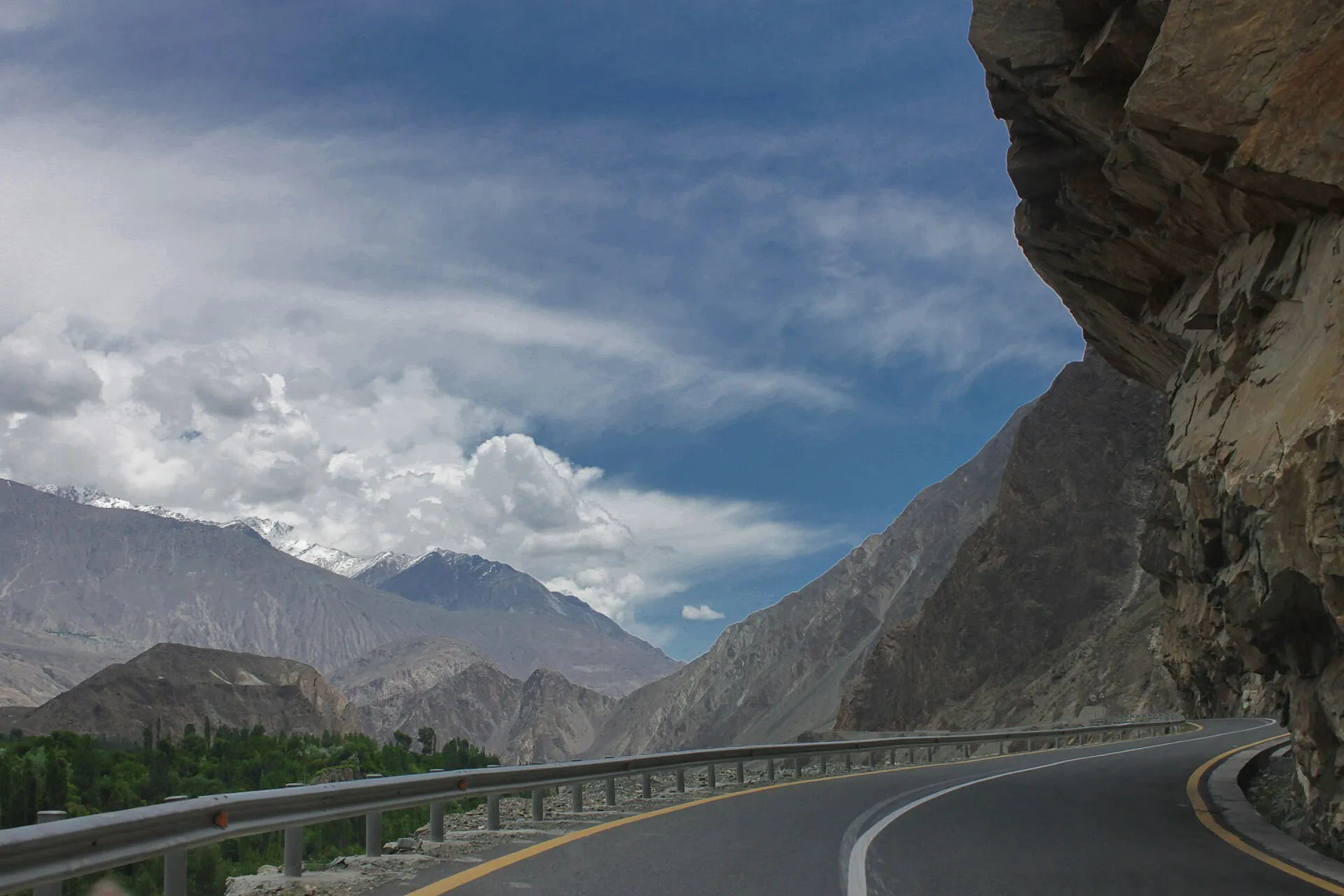
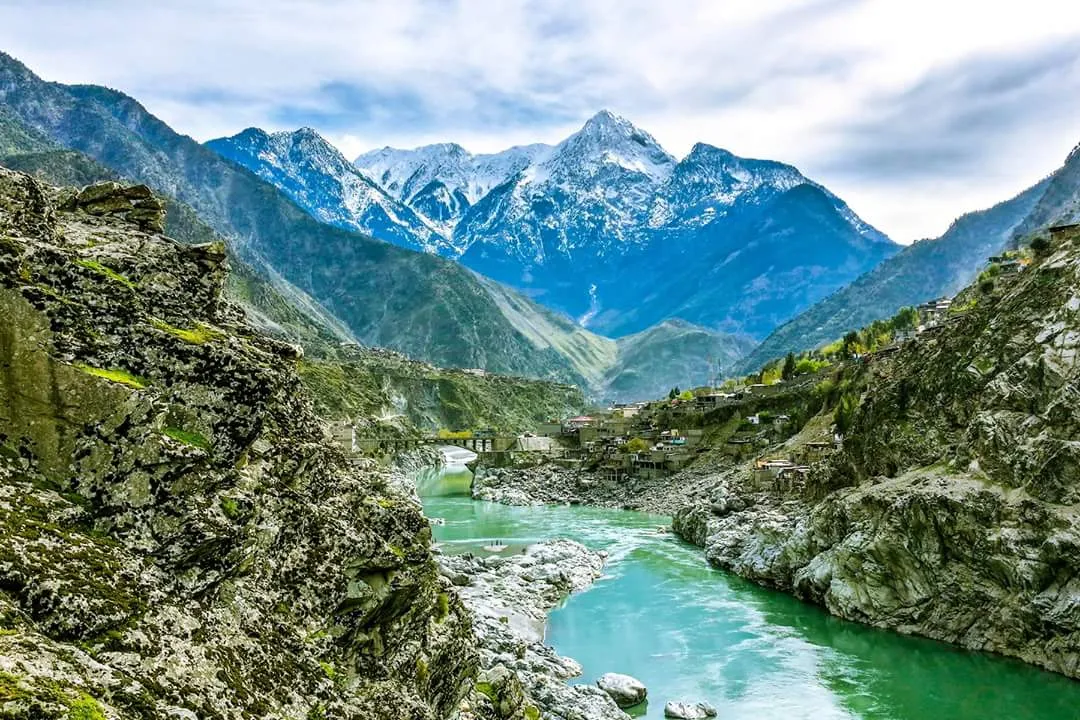
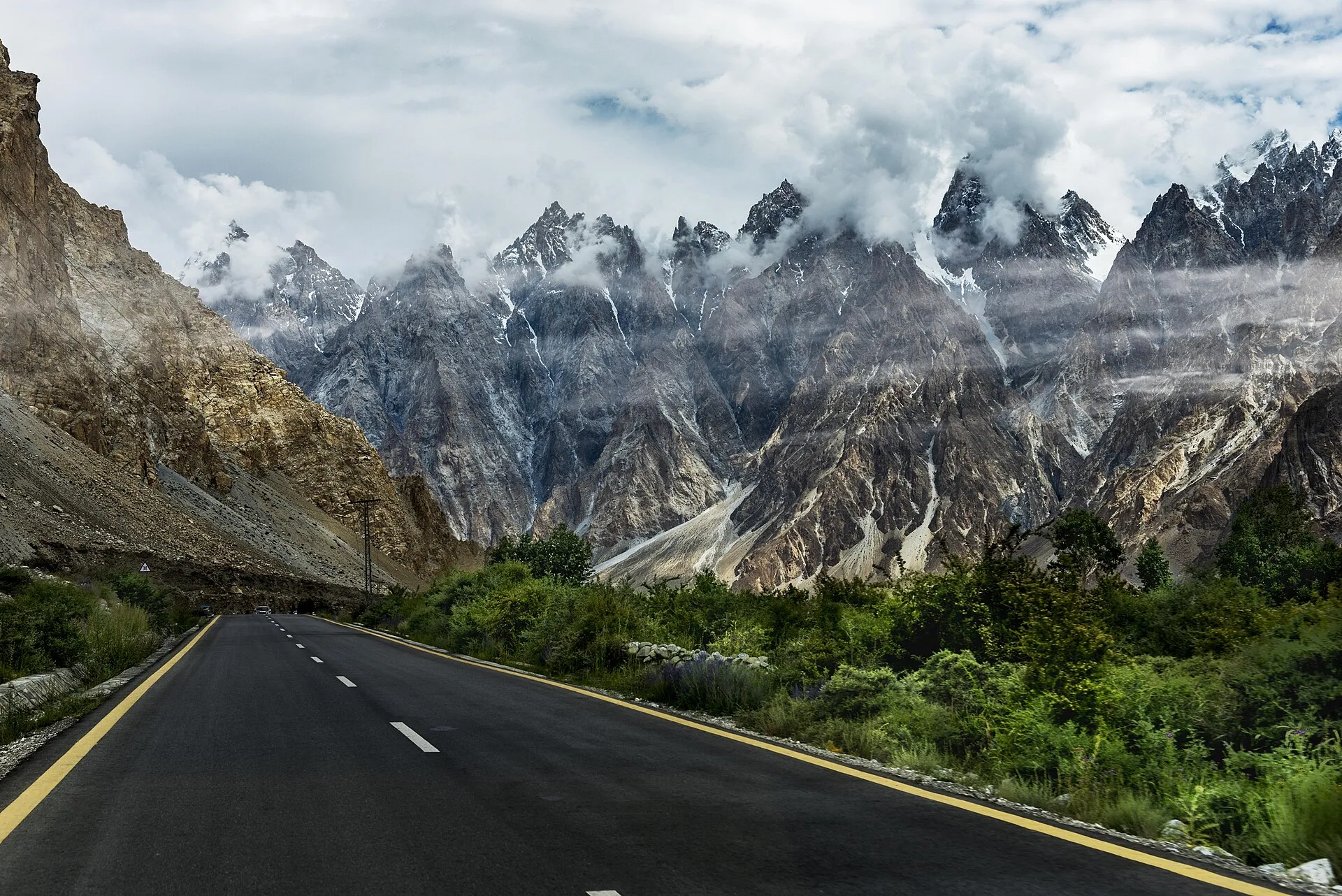
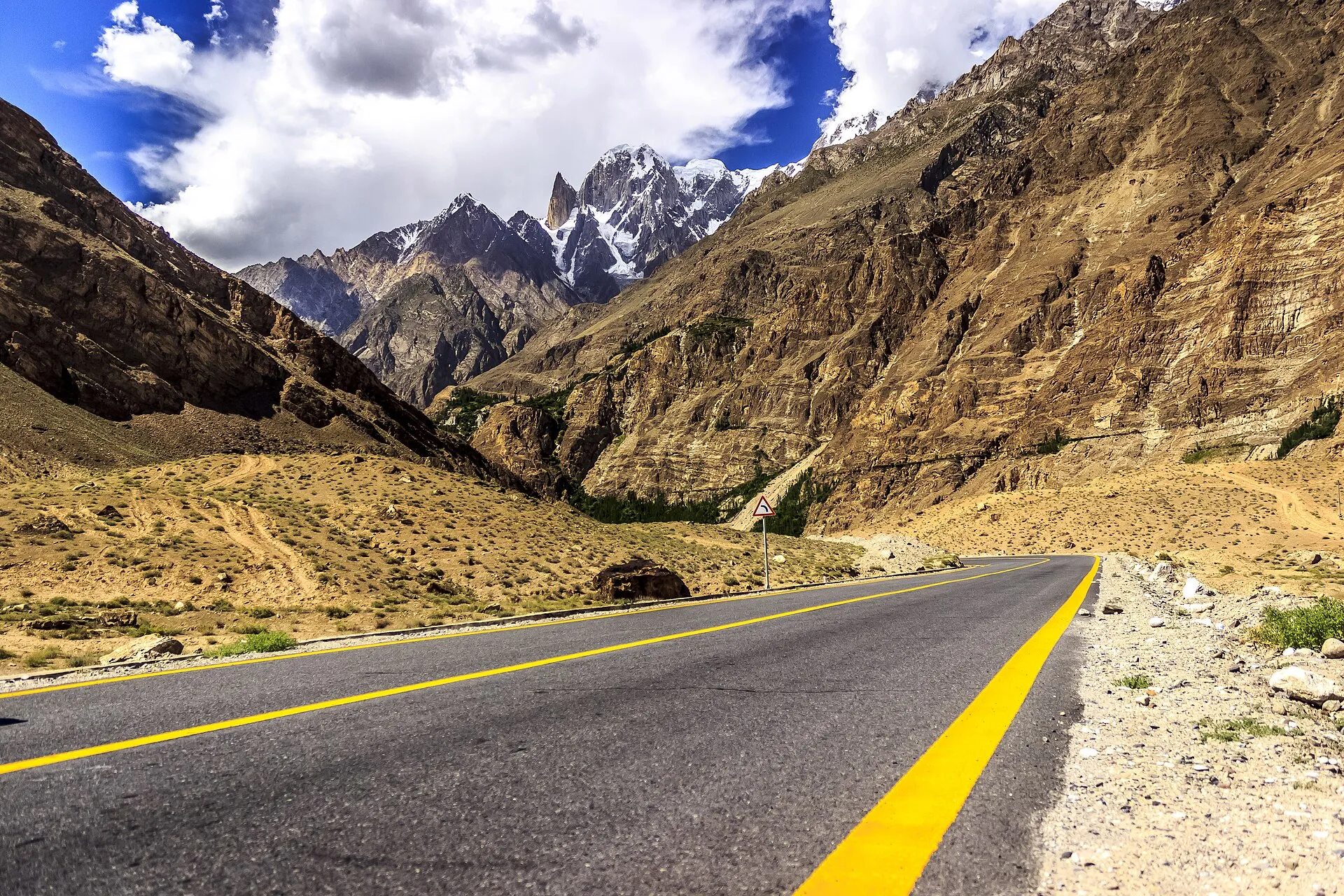
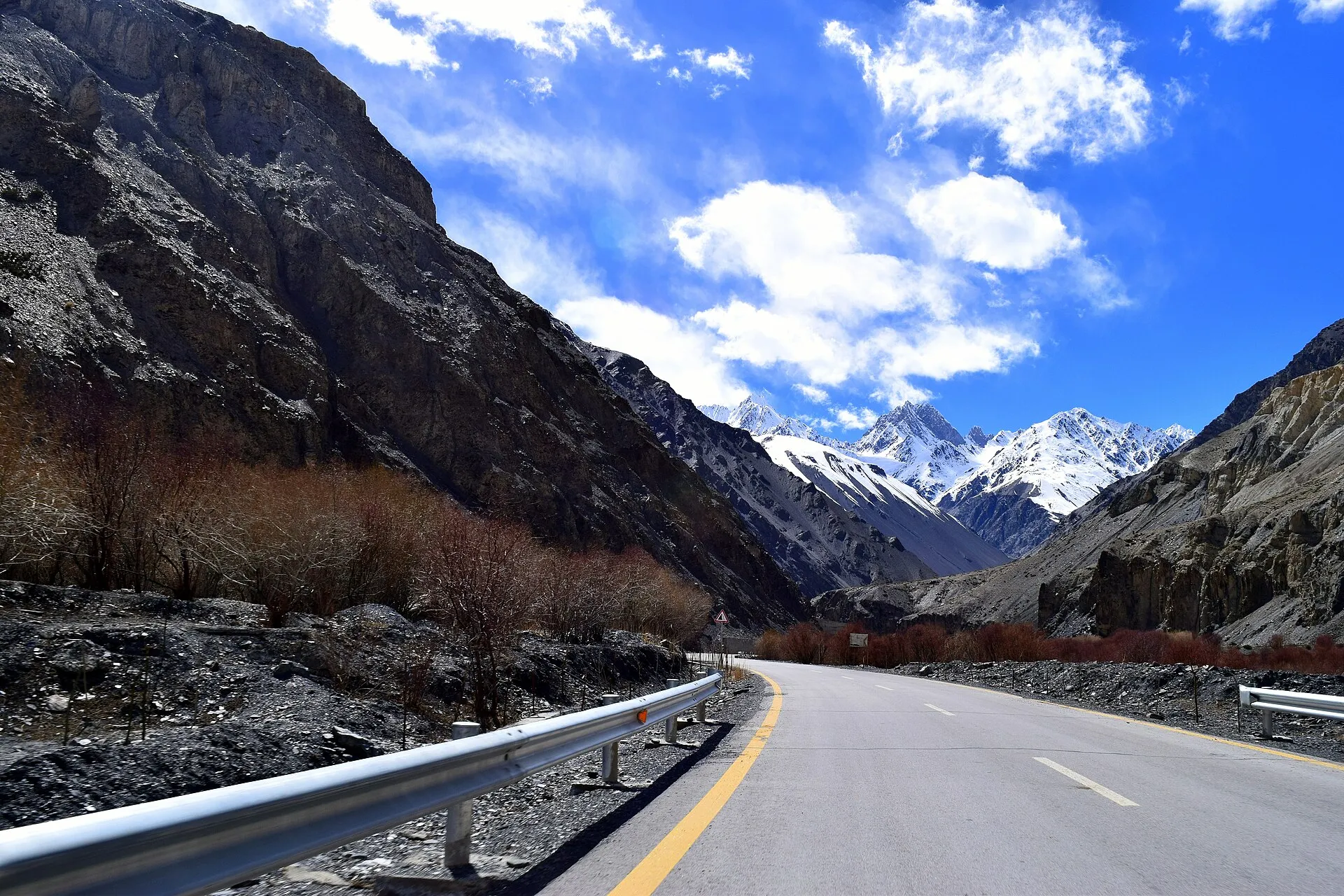
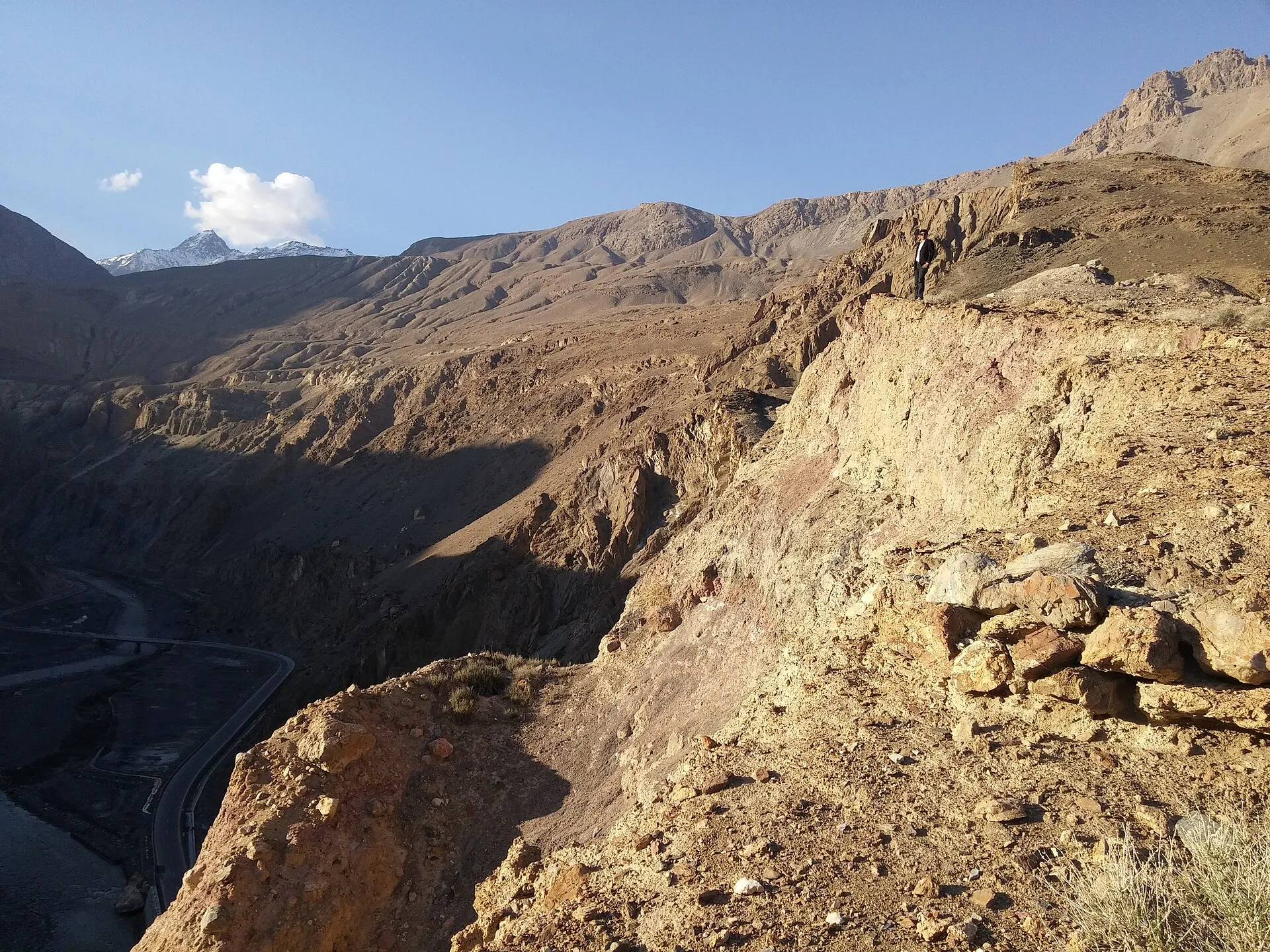
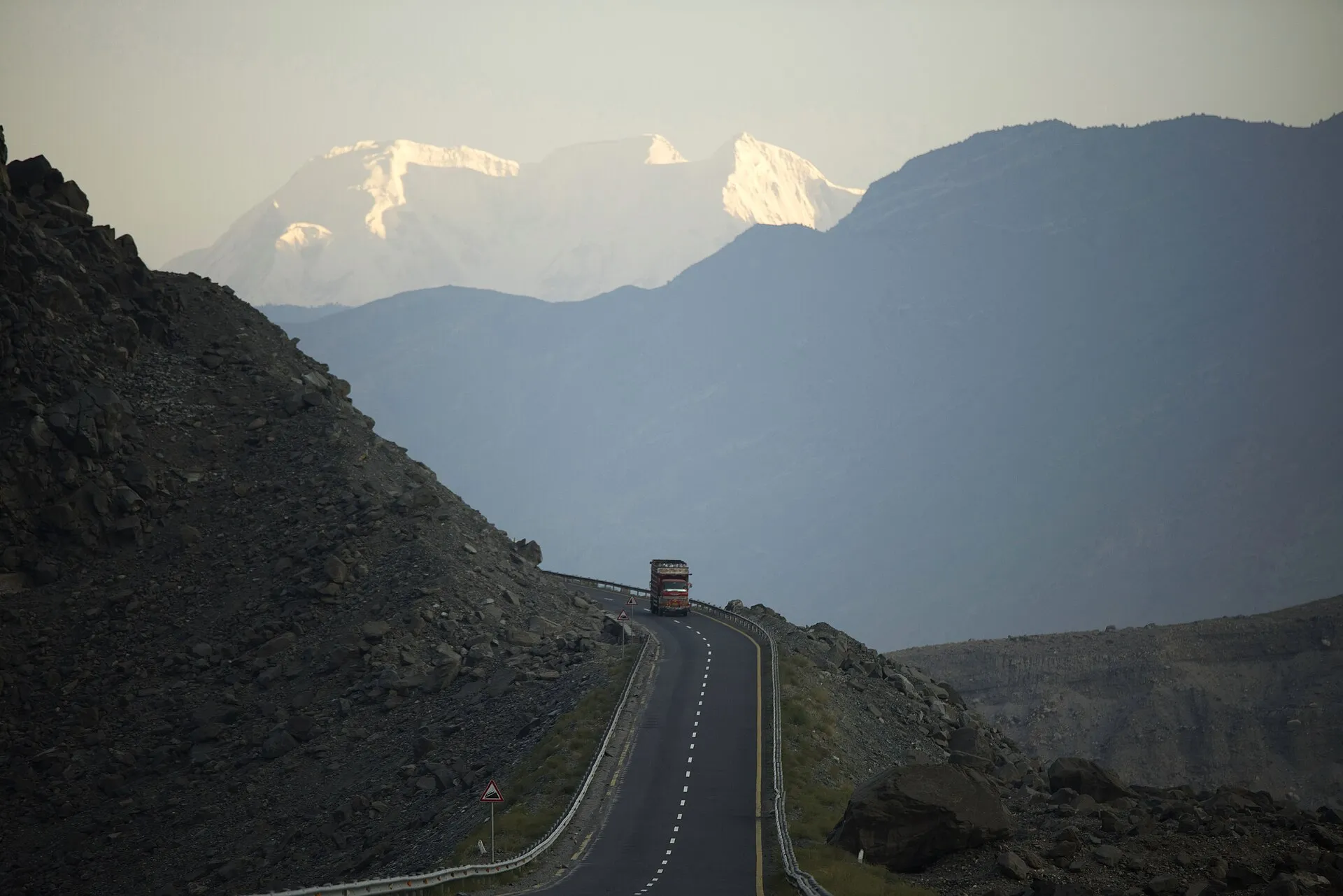
Ce voyage parcourt la Karakoram Highway d'un bout à l'autre, d'Islamabad jusqu'au Khunjerab Pass à 4 693 mètres sur la frontière Pakistan-Chine. La KKH est le plus haut poste routier international goudronné de la planète, et elle suit une ancienne branche de la route de la soie vers le nord à travers les gorges de l'Indus jusqu'au Gilgit-Baltistan. Vous ne prenez l'avion sur aucun tronçon de ce voyage. La route est la destination, et c'est tout l'intérêt : pas de vol de Gilgit ou de Skardu à se faire annuler à l'aube, juste une montée terrestre continue des plaines à la haute frontière.
En chemin, vous traversez le point de rencontre de trois systèmes montagneux. Près de Jaglot, là où les rivières Indus et Gilgit se rejoignent, un belvédère signalé marque l'endroit où l'Himalaya, le Karakoram et l'Hindu Kush se rencontrent. Vous vous arrêtez au belvédère du Nanga Parbat près du Raikot Bridge, à lever les yeux vers la « Montagne Tueuse » de 8 126 mètres, et de nouveau au café-belvédère du Rakaposhi à Ghulmet, où la face de 7 788 mètres s'élève presque à pic depuis le bord de la route. Puis la vallée du Hunza : Karimabad, les forts de Baltit et d'Altit, le lac d'Attabad, les Passu Cones, et enfin Sost et la longue montée jusqu'au Khunjerab.
La grande route a une histoire rude, et nous la racontons en roulant. La Chine et le Pakistan l'ont construite ensemble, les principaux travaux courant de 1966 à 1979 et la route ouverte au public en 1979. On estime que 810 ouvriers pakistanais et 200 chinois sont morts à la dynamiter à travers ce terrain, et plus de 140 des morts chinois reposent au Chinese Cemetery de Gilgit, que nous visitons. Les gens d'ici appellent la KKH la « Huitième Merveille du Monde », et une fois que vous avez vu les gorges qu'elle a traversées, le nom cesse de sonner comme un argument de vente.
Sur 10 à 14 jours, nous parcourons tout l'itinéraire dans un 4x4 privé avec un chauffeur de montagne, coupant les longues journées par des nuits à Besham ou Chilas sur la montée et du temps au Hunza près du sommet. Nous vendons ce voyage de mai à octobre, quand le col est ouvert de façon fiable et que la basse KKH est dégagée ; la fenêtre avril-novembre du panneau de réservation est la limite extérieure, pas une promesse que le col est accessible en avril. Attendez-vous à de longues heures dans le véhicule, à une nourriture de bord de route basique sur les sections basses, et à des paysages qui valent chacune d'elles.
Ce que vous voyez en parcourant toute la Karakoram Highway
La basse KKH au sortir d'Islamabad traverse Abbottabad et Besham le long de l'Indus, verte et subtropicale d'abord, puis se resserrant en gorge nue à mesure que vous montez vers Chilas. C'est la section ouverte toute l'année : quand le Babusar Pass est fermé, ce qui est généralement le cas du début de l'hiver jusqu'à juin environ, la route passe par Besham, Dasu puis Chilas, et c'est l'itinéraire que nous gardons.
Passé Chilas, les temps forts se succèdent vite. Le belvédère du Nanga Parbat près du Raikot Bridge vous offre la première paroi de 8 000 mètres. Le belvédère de la jonction des trois chaînes près de Jaglot se trouve au confluent Indus-Gilgit, à environ 40 à 45 kilomètres au sud-est de Gilgit. À Gilgit même, nous nous arrêtons au Chinese Cemetery, puis poussons au-delà du belvédère du Rakaposhi à Ghulmet jusqu'au Hunza.
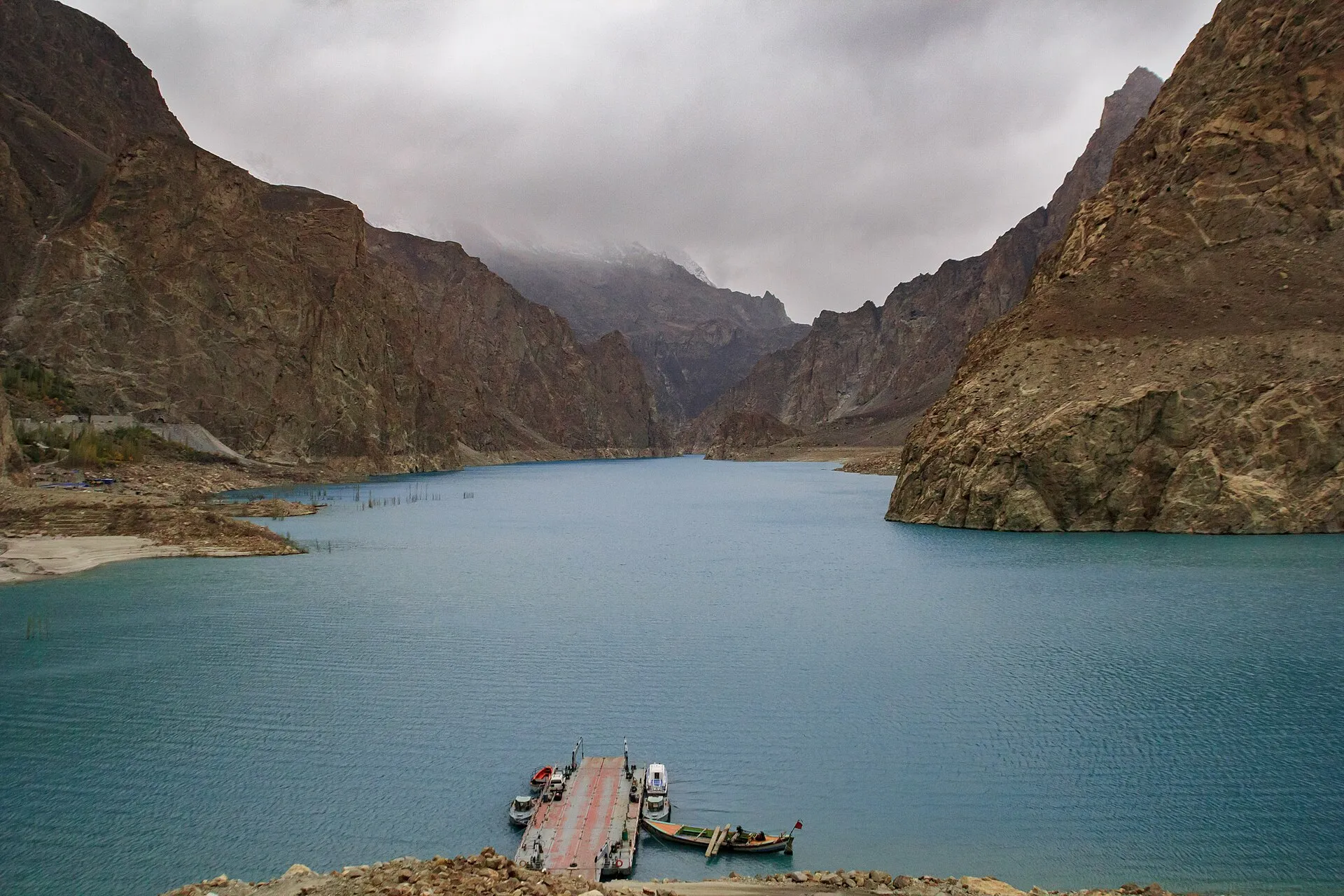
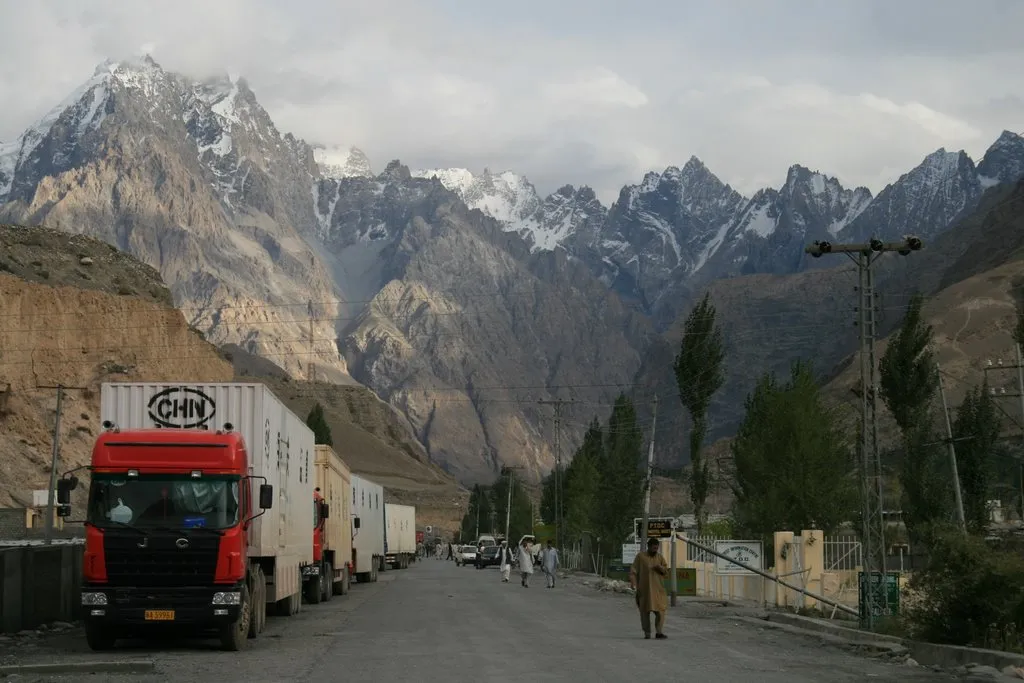
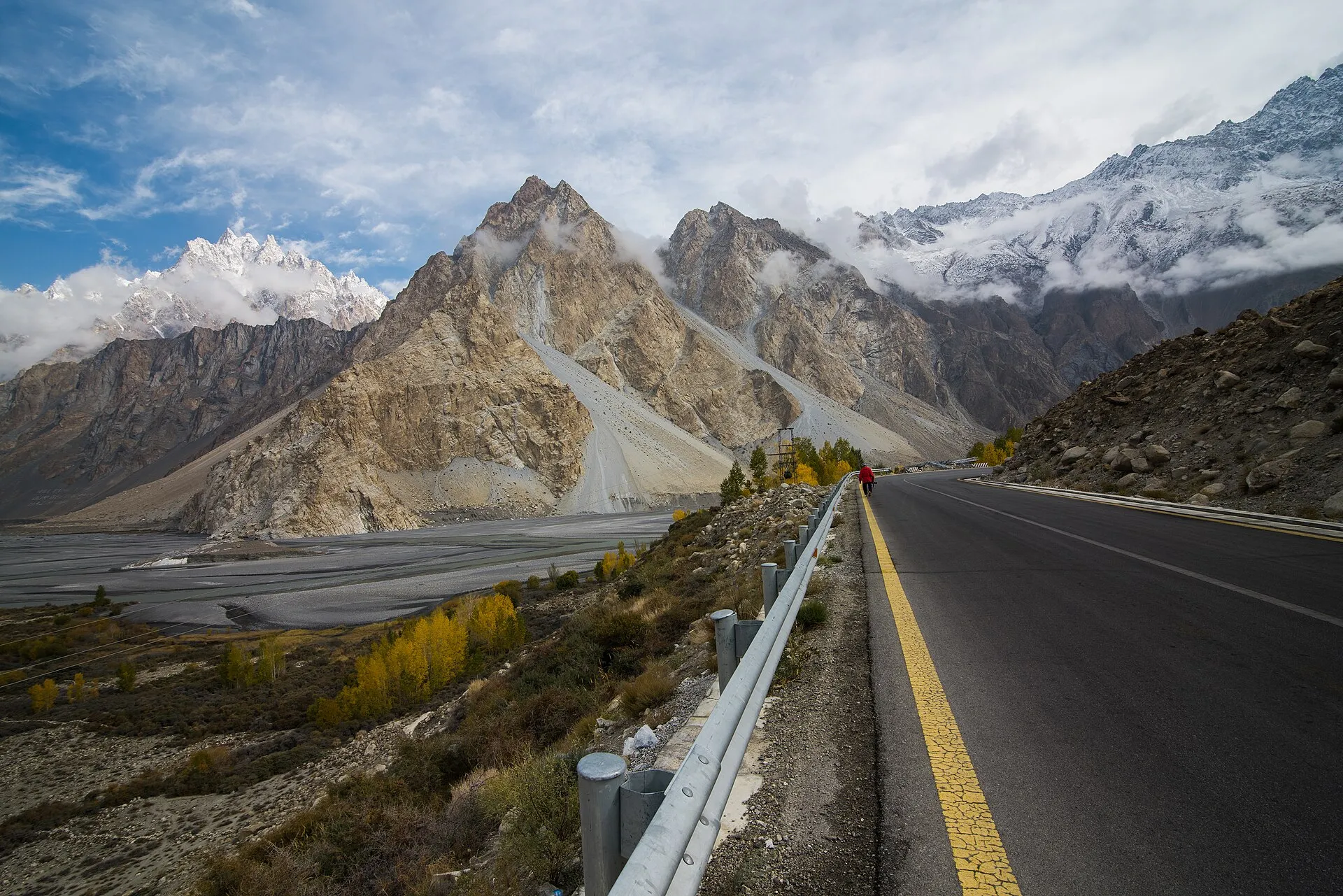
Au Hunza, la route ralentit pour devenir une visite à elle seule. Karimabad se trouve vers 2 438 mètres sous le Baltit Fort ; le lac d'Attabad, le lac turquoise formé par le glissement de terrain de 2010, est à environ 14 kilomètres en amont ; et le belvédère des Passu Cones à environ 2 565 mètres lève les yeux vers la crête du Tupopdan de 6 106 mètres. La dernière journée grimpe depuis Sost, la dernière ville pakistanaise et poste de douane, les quelque deux heures jusqu'à la porte du Khunjerab.
Itinéraire jour par jour
1Islamabad-Chilas
Islamabad-Chilas
2Chilas-Gilgit par la jonction des trois chaînes
Chilas-Gilgit par la jonction des trois chaînes
3Gilgit-Karimabad
Gilgit-Karimabad
4Journée patrimoine à Karimabad
Journée patrimoine à Karimabad
5Lac d'Attabad et Passu
Lac d'Attabad et Passu
6Passu-Khunjerab Pass et retour
Passu-Khunjerab Pass et retour
7Lac de Borith et vues sur glacier
Lac de Borith et vues sur glacier
8Retour à Karimabad
Retour à Karimabad
9Karimabad-Islamabad
Karimabad-Islamabad
Meilleure période pour parcourir la Karakoram Highway
De mai à octobre est la fenêtre. Il vous faut deux choses ouvertes en même temps : le Khunjerab Pass, tributaire de la neige et accessible de façon fiable pour les touristes de mai à octobre environ, et la basse KKH ou le raccourci du Babusar en bon état. Le Babusar, à 4 173 mètres, reste généralement fermé du début de l'hiver jusqu'à juin environ, donc sur les départs de début de saison nous empruntons plutôt la ligne ouverte toute l'année Besham-Dasu-Chilas.
L'été apporte le temps le plus chaud et la récolte d'abricots et de cerises au Hunza. L'automne, jusqu'en octobre, dore les vergers de la vallée et donne l'air de montagne le plus clair de l'année. Nous ne menons pas ce voyage en plein hiver : le col est fermé à tous les véhicules de fin décembre au début avril, et nous ne promettrons pas une porte que vous ne pouvez pas atteindre.
Est-il sûr de conduire la Karakoram Highway ?
La KKH est une route nationale en service, parcourue chaque jour par des bus, du fret et le trafic local, et le Gilgit-Baltistan est l'une des parties les plus calmes du pays pour les voyageurs. Les vrais dangers sont des dangers routiers : glissements de terrain et chutes de pierres sur les sections basses après la pluie, longs tronçons à voie unique, et l'altitude sur la journée du Khunjerab. Nous la conduisons avec des chauffeurs de montagne locaux qui savent quelles sections bougent et quand.
Les vrais inconvénients sont la distance et la rudesse. Certaines journées font six à huit heures dans le véhicule, la nourriture de bord de route sur la basse KKH est basique, et la montée du Hunza vers 2 400 mètres à 4 693 mètres en une journée est une ascension rapide. Nous rythmons le sommet lentement, vous gardons hydraté et limitons le temps au col, et nous ne recommandons pas la journée du Khunjerab aux hôtes ayant de sérieux problèmes cardiaques ou pulmonaires.
À qui s'adresse ce voyage
C'est pour les voyageurs qui veulent toute la route et préfèrent ne pas parier sur un vol de montagne. Si vous aimez les longs trajets terrestres, les paysages changeants et l'histoire racontée sur le terrain, la KKH intégrale tient ses promesses comme un voyage en avion ne le peut pas. La conduite est notée facile en effort puisque vous êtes passager, mais elle est longue, alors venez prêt à passer de vraies heures sur la route.
Elle convient aux photographes, aux amateurs de road trip et à quiconque veut le Nanga Parbat, la jonction des trois chaînes, le Rakaposhi, le Hunza et la porte du Khunjerab sur une seule ligne continue. Elle convient moins aux hôtes au programme serré qui ne veulent que les temps forts, ou à quiconque ne peut gérer une seule journée de haute altitude au col.
Qu'est-ce que la Karakoram Highway ?
La Karakoram Highway, ou KKH, est la route de montagne asphaltée qui relie le Pakistan et la Chine à travers le Karakoram, grimpant à 4 693 mètres au Khunjerab Pass, le plus haut poste-frontière international asphalté au monde. Elle s'étend sur environ 1 300 kilomètres au total, de Hasan Abdal près d'Islamabad jusqu'à la frontière en remontant le Gilgit-Baltistan, puis jusqu'à Kashgar dans le Xinjiang en Chine ; le côté pakistanais fait environ 880 kilomètres et porte le numéro de route N-35. Officiellement nommée China-Pakistan Friendship Highway, elle est souvent appelée la Huitième Merveille du monde pour l'ampleur même de la construction d'une route moderne à travers ce terrain. Pour les voyageurs, ce n'est pas seulement un moyen de monter au nord ; la route elle-même, se faufilant au pied de sommets de 7 000 et 8 000 mètres, de gorges profondes et de vallées de l'ancienne Silk Road, est l'attraction.
L'itinéraire et sa construction
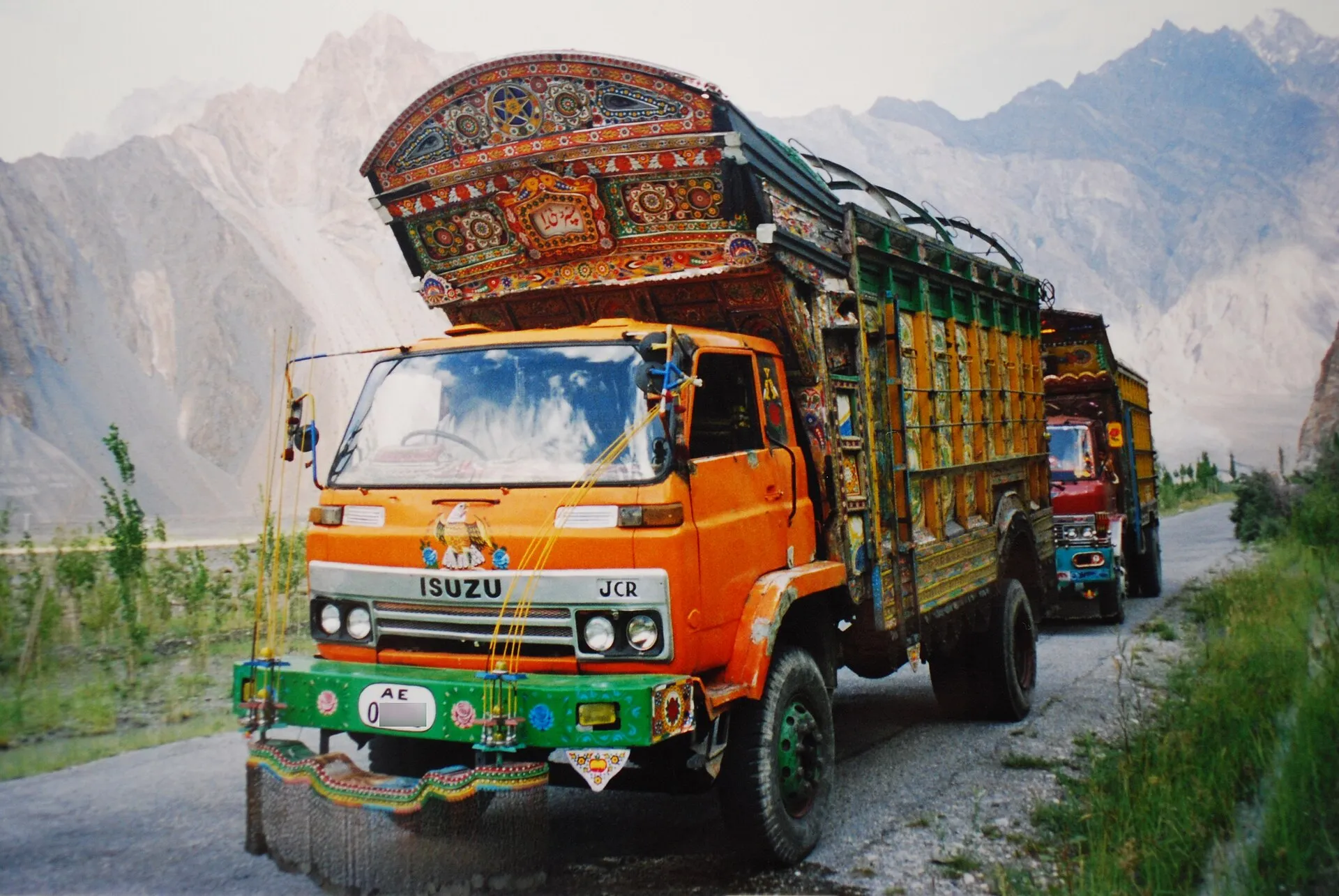
Construite conjointement par le Pakistan et la Chine entre 1966 et 1979 et ouverte au public en 1986, la KKH a coûté la vie à environ mille ouvriers, un tribut que l'on ressent en la parcourant. En partant d'Islamabad vers le nord, la route suit l'Indus à travers Besham et Chilas, passe le point de vue sur le Nanga Parbat près du Raikot Bridge, et atteint la jonction près de Jaglot où se rencontrent les chaînes de l'Himalaya, du Karakoram et de l'Hindu Kush. Depuis Gilgit, elle grimpe dans Nagar et Hunza, au-delà du point de vue sur le Rakaposhi à Ghulmet, du lac turquoise d'Attabad et des Passu Cones, puis continue par Sost et le Khunjerab National Park jusqu'au col. C'est une véritable route nationale en service, empruntée chaque jour par le fret et les bus locaux, mais les glissements de terrain et les affaissements après la pluie sont un danger bien réel, et c'est pourquoi des chauffeurs locaux et un plan flexible comptent.
Pourquoi réserver avec nous
Nous parcourons la Karakoram Highway d'un bout à l'autre depuis des années, dans les deux sens, en bonnes et mauvaises saisons. Nous gardons un plan routier en réserve pour chaque étape : quand le Babusar est fermé, nous prenons Besham-Dasu-Chilas, et quand le temps ferme une section, nous connaissons les options de nuit de part et d'autre. Nos chauffeurs sont du Gilgit-Baltistan, nos guides racontent la vraie histoire de la grande route plutôt qu'une version de brochure, et nous rythmons la journée du Khunjerab pour l'altitude plutôt que de la précipiter. Pas de vols signifie pas d'annulations à l'aube, et cette fiabilité est toute la raison d'être de ce voyage.
Ce qui est inclus
Non inclus
Questions fréquentes
Est-il sûr de conduire la Karakoram Highway ?
Est-il sûr de conduire la Karakoram Highway ?
Combien de jours faut-il pour conduire la KKH d'Islamabad au Khunjerab ?
Combien de jours faut-il pour conduire la KKH d'Islamabad au Khunjerab ?
Quelle est l'altitude du Khunjerab Pass ?
Quelle est l'altitude du Khunjerab Pass ?
Quelle est la meilleure période pour conduire la Karakoram Highway ?
Quelle est la meilleure période pour conduire la Karakoram Highway ?
Où les trois chaînes de montagnes se rencontrent-elles sur la KKH ?
Où les trois chaînes de montagnes se rencontrent-elles sur la KKH ?
Peut-on voir le Nanga Parbat et le Rakaposhi depuis la grande route ?
Peut-on voir le Nanga Parbat et le Rakaposhi depuis la grande route ?
Ai-je besoin de permis pour ce voyage ?
Ai-je besoin de permis pour ce voyage ?
Pourquoi conduire la KKH plutôt que de prendre l'avion pour Gilgit ?
Pourquoi conduire la KKH plutôt que de prendre l'avion pour Gilgit ?
Quelle est la longueur de la Karakoram Highway ?
Quelle est la longueur de la Karakoram Highway ?
Pourquoi la Karakoram Highway est-elle appelée la Huitième Merveille du monde ?
Pourquoi la Karakoram Highway est-elle appelée la Huitième Merveille du monde ?
Qui a construit la Karakoram Highway et quand ?
Qui a construit la Karakoram Highway et quand ?
La Karakoram Highway va-t-elle jusqu'en Chine ?
La Karakoram Highway va-t-elle jusqu'en Chine ?
Prêt pour votre prochaine aventure ?
Rejoignez notre communauté d'explorateurs et découvrez le voyage d'une vie. Notre équipe d'experts est prête à planifier votre expédition parfaite.