Khunjerab Wildlife Trek
Marches faune menées par un pisteur dans le Khunjerab National Park
Dernière mise à jour: · Révisé par Javeed Iqbal, fondateur
Durée
7-9 jours
Difficulté
Facile-Modérée
Taille du groupe
2-8 pers.
Meilleure saison
Juin-Sep
À propos de ce circuit
Soyons clairs d'emblée sur ce dont il s'agit. Le Khunjerab National Park n'a pas un trek à sentier fixe unique comme le Baltoro ou le Shimshal Pass. Ce que nous menons ici est un itinéraire faune et éco : des marches d'une journée menées par un pisteur dans les vallées latérales du parc, des séjours chez l'habitant wakhi, et une montée en voiture au Khunjerab Pass. Nous le vendons sur la biodiversité, le paysage et la culture, pas sur un sommet ni une traversée de col. Si vous voulez un trek de col difficile, ce n'est pas cela ; si vous voulez lire un écosystème de haute altitude avec quelqu'un qui le connaît, c'est l'un des meilleurs endroits du Pakistan pour le faire.
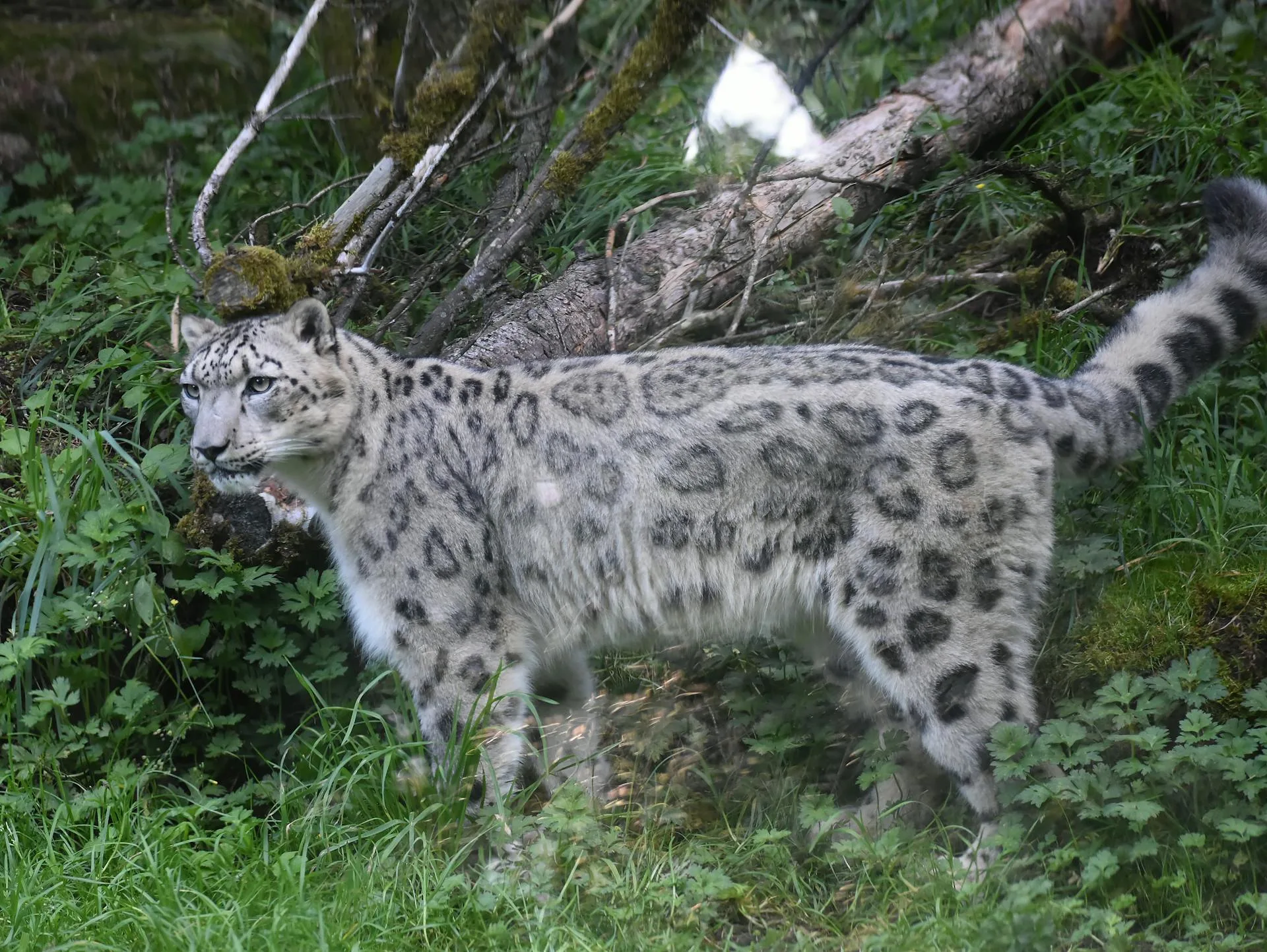
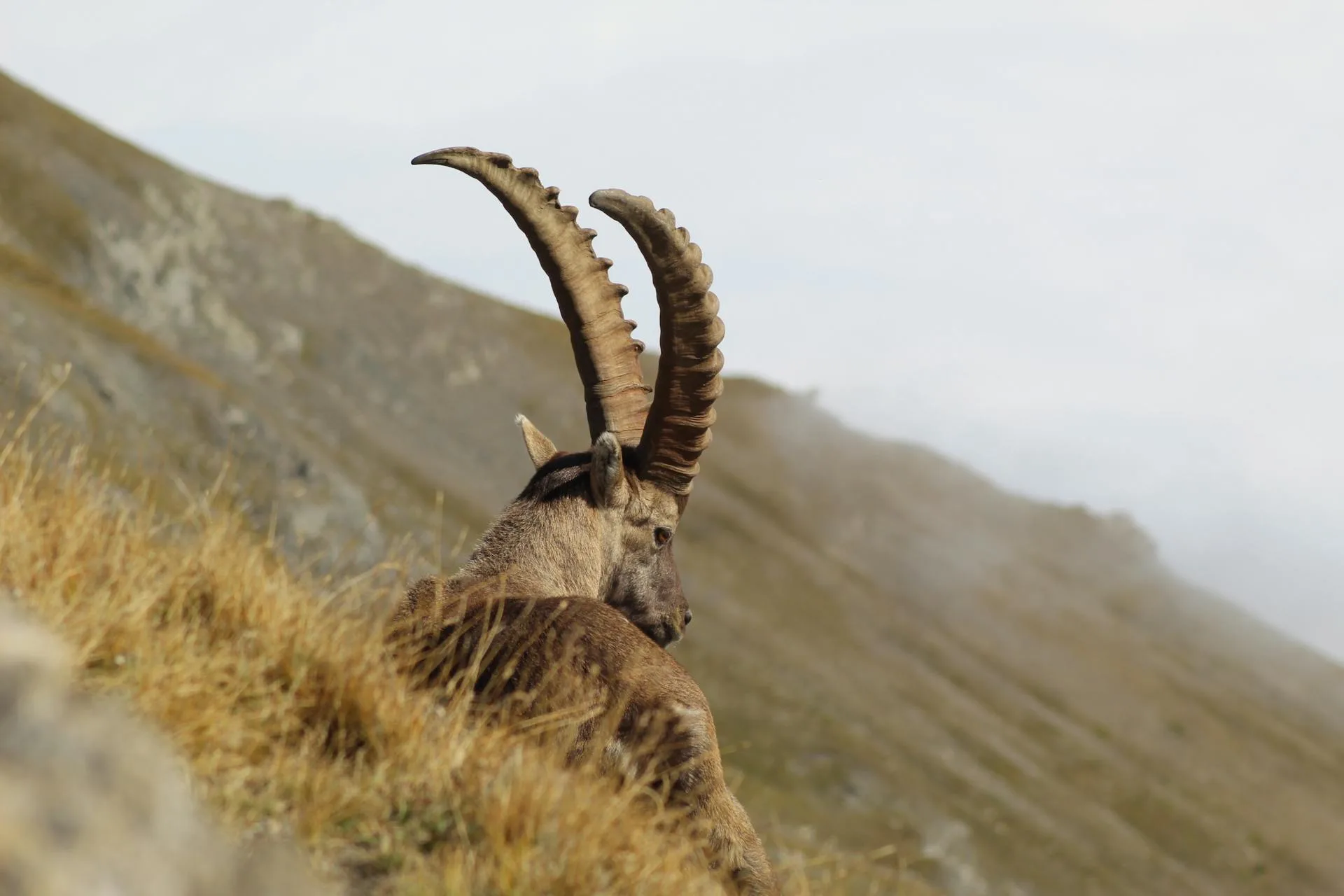
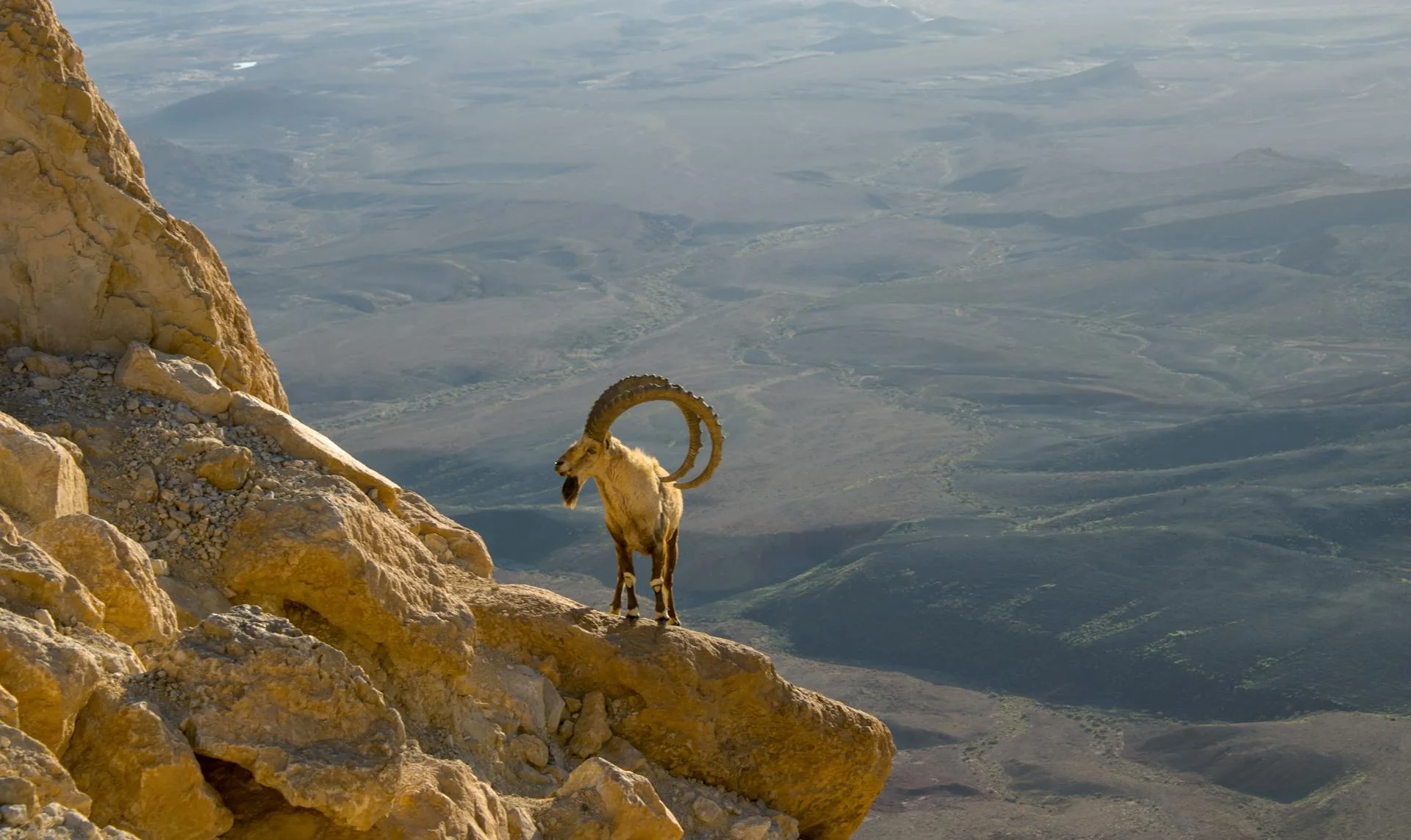
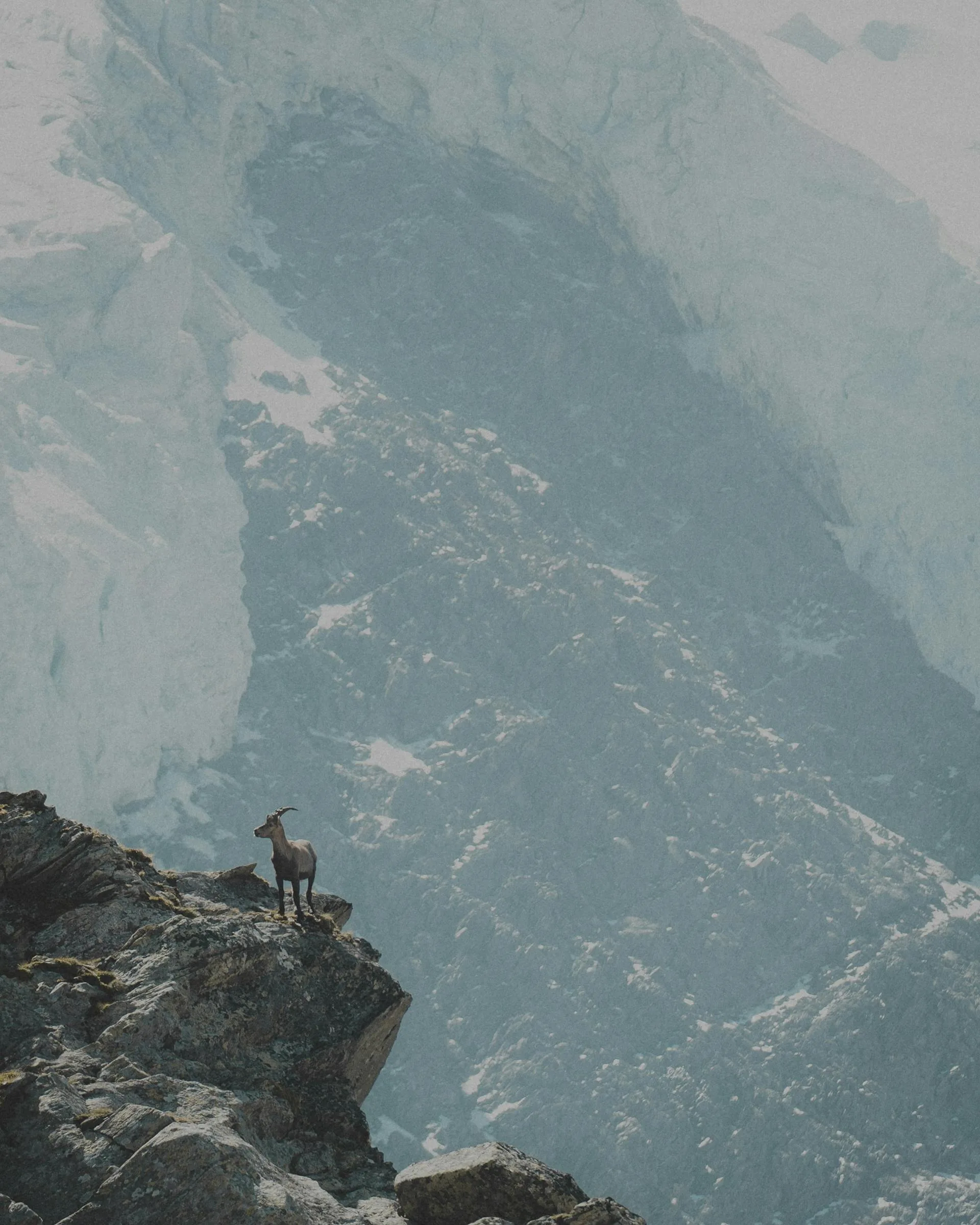
Le parc protège une vaste étendue de haut Karakoram entre la KKH et la frontière chinoise, et il abrite l'une des plus fortes densités de panthères des neiges de la région. Cela dit, une observation est une affaire de chance, pas un produit, et nous n'en promettrons aucune. Ce que vous pouvez raisonnablement attendre, c'est de voir l'habitat et les signes : des grattages de panthère des neiges que le pisteur lit au sol, des bouquetins sur les pentes, des bharals dans le secteur de Shimshal, et l'occasionnel mouton de Marco Polo près de la frontière. Les bouquetins de l'Himalaya se comptent ici par milliers, donc la chance d'en voir est vraiment bonne.
La marche est facile à modérée, typiquement 10 à 18 km par jour à des altitudes comprises entre environ 3 200 m et 4 600 m, avec une acclimatation intégrée plutôt que de longues journées techniques. Nos guides comptent des pisteurs faune formés qui lisent grattages, traces et crottes, et les journées sont rythmées pour observer et apprendre plutôt que d'avaler du chemin. Des familles wakhies nous accueillent chez elles tout au long du parcours, et leur connaissance des animaux, bâtie sur des générations de vie à leurs côtés, fait autant partie du voyage que le trek.
Notre itinéraire dure 9 jours au départ d'Islamabad et retour, combinant des marches d'une journée aux marges du Shimshal Pamir avec un trajet sur la KKH jusqu'au Khunjerab Pass. Pour un road trip ciblé vers la frontière elle-même, avec moins de marche et plus de temps au col, voyez notre voyage au Khunjerab Pass.
Ce que vous verrez réellement
Les bouquetins de l'Himalaya et de Sibérie sont la faune que vous avez le plus de chances d'apercevoir, avec bien plus d'un millier dans le parc et des observations fréquentes sur des pentes comme les pâturages de Furzeen Gar. Les bharals apparaissent du côté de Shimshal, et les moutons de Marco Polo, dont l'aire ne fait qu'effleurer le Pakistan, sont un régal occasionnel près de la frontière. L'ours brun et le loup du Tibet sont présents mais rarement vus.
La panthère des neiges est l'animal vedette et la réalité honnête est que vous suivez des signes plutôt que d'espérer le félin. Le Khunjerab abrite l'une des plus fortes densités de la région, et pourtant les observations sont très rares et dues à la chance. Nos pisteurs vous montreront les grattages, les empreintes et les sites de mise à mort, et expliqueront comment fonctionnent les relevés par pièges photographiques, si bien que vous repartez en comprenant le monde du prédateur même s'il reste invisible, ce qu'il sera presque certainement.
Itinéraire jour par jour
1Islamabad-Gilgit
Islamabad-Gilgit
2Gilgit-Karimabad
Gilgit-Karimabad
3Karimabad-Passu
Karimabad-Passu
4Passu-vallée de Shimshal
Passu-vallée de Shimshal
5Marche faune jusqu'à Furzeen Gar
Marche faune jusqu'à Furzeen Gar
6Furzeen-pâturage de Shujerab
Furzeen-pâturage de Shujerab
7Retour à Shimshal et montée au Khunjerab Pass
Retour à Shimshal et montée au Khunjerab Pass
8Sost-Passu-Gilgit
Sost-Passu-Gilgit
9Gilgit-Islamabad
Gilgit-Islamabad
Meilleure période pour visiter le Khunjerab
De la fin du printemps à l'automne est la fenêtre, à peu près quand la KKH et le Khunjerab Pass sont ouverts, puisque la neige hivernale ferme le col. L'été offre l'accès le plus fiable et la marche la plus chaude en altitude, tandis que le début de l'automne apporte un air plus clair et des niveaux de rivière plus bas. La faune est la plus active à l'aube et au crépuscule, donc nos marches sont calées tôt plutôt que bâties autour des distances de midi.
Permis, droits et accès
L'entrée se fait via un billet du Khunjerab National Park, perçu à la porte du parc près de Sost sur la KKH ; les tarifs sont modestes et plus élevés pour les étrangers que pour les nationaux, et nous confirmons le montant en vigueur avant votre départ. Le Khunjerab Villagers Organization et les communautés wakhies sont associés au volet faune. L'accès se fait par la route : d'Islamabad au Hunza, puis jusqu'à Sost et au parc, les marches dans les vallées latérales étant rejointes en jeep et à pied.
Altitude, condition et que mettre dans son sac
Le trek est facile à modéré, mais l'altitude est ce qu'il faut respecter. Le gain routier jusqu'au Khunjerab Pass est rapide et peut déclencher le mal des montagnes, donc nous intégrons l'acclimatation dans les journées plus basses et surveillons tout le monde de près. Apportez des chaussures de marche confortables, des jumelles pour la faune, des couches chaudes pour les matinées froides même en été, et une protection solaire. Nous organisons les séjours chez l'habitant, le transport, les guides et la logistique du parc.
Pourquoi réserver avec nous
Nous organisons des voyages au Gilgit-Baltistan depuis 2015, et sur celui-ci nous vous associons à des pisteurs faune wakhis formés qui vivent réellement dans les vallées du parc et en lisent les signes animaux au quotidien. Nous gardons les groupes petits et le rythme honnête : nous vous disons d'emblée que c'est un trek faune et éco, que bouquetins et bharals sont probables mais qu'une observation de panthère des neiges est une rare affaire de chance, et que la valeur est dans l'écologie et les séjours chez l'habitant. Nous préférons poser des attentes vraies plutôt que survendre un félin que vous ne verrez probablement jamais.
Ce qui est inclus
Non inclus
Questions fréquentes
Le trek du Khunjerab est-il un vrai trek ?
Le trek du Khunjerab est-il un vrai trek ?
Verrai-je une panthère des neiges au Khunjerab ?
Verrai-je une panthère des neiges au Khunjerab ?
Quelle faune puis-je réellement m'attendre à voir ?
Quelle faune puis-je réellement m'attendre à voir ?
Quelle est la difficulté du trek faune du Khunjerab ?
Quelle est la difficulté du trek faune du Khunjerab ?
Quelle est l'altitude du Khunjerab Pass ?
Quelle est l'altitude du Khunjerab Pass ?
Quelle est la meilleure période pour visiter le Khunjerab ?
Quelle est la meilleure période pour visiter le Khunjerab ?
Ai-je besoin d'un permis pour le Khunjerab National Park ?
Ai-je besoin d'un permis pour le Khunjerab National Park ?
En quoi est-ce différent du voyage au Khunjerab Pass ?
En quoi est-ce différent du voyage au Khunjerab Pass ?
Prêt pour votre prochaine aventure ?
Rejoignez notre communauté d'explorateurs et découvrez le voyage d'une vie. Notre équipe d'experts est prête à planifier votre expédition parfaite.