Taxila
2 500 ans de civilisation bouddhiste
Dernière mise à jour: · Révisé par Javeed Iqbal, fondateur
Durée
3-5 jours
Difficulté
Facile
Taille du groupe
2-12 pers.
Meilleure saison
Toute l'année
À propos de ce circuit
À une heure de route au nord-ouest d'Islamabad, éparpillée dans une vallée tranquille de champs de blé et d'acacias, se trouve l'une des grandes cités du monde antique. Taxila, Takshashila en sanskrit, fut inscrite par l'UNESCO en 1980 comme site en série : une grotte mésolithique, quatre tertres d'habitat et dix-huit monuments couvrant plus d'un millénaire de vie urbaine. La Perse a gouverné ici, Alexandre y fut reçu en 326 av. J.-C., Ashoka y a bâti, et cinq siècles d'érudition bouddhiste ont rendu le nom célèbre de la Chine à la Méditerranée.
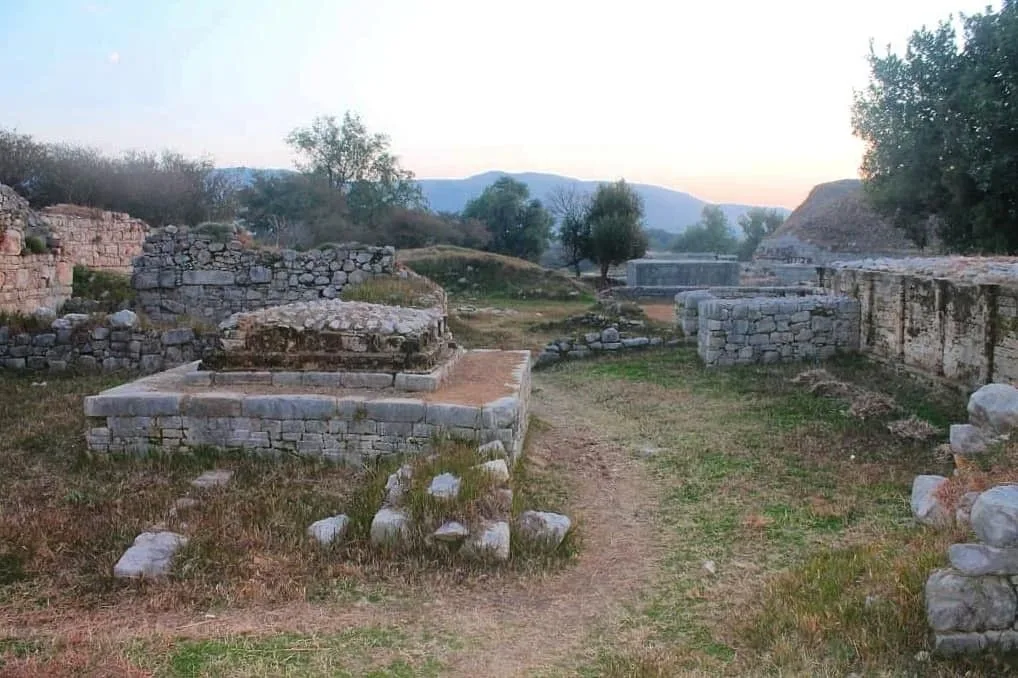
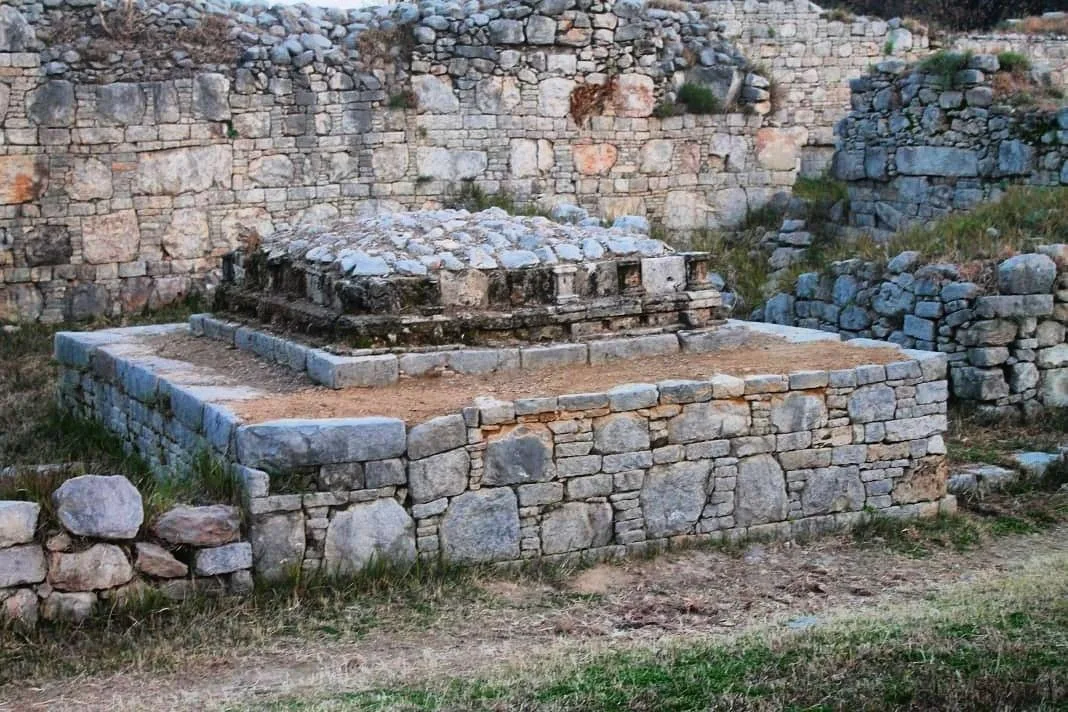
Trois cités enfouies se trouvent à quelques kilomètres les unes des autres, et marcher de l'une à l'autre, c'est traverser des chapitres. Le Bhir Mound est le plus ancien, une ville non planifiée d'époque achéménide aux ruelles tortueuses. Sirkap, fondée par les Indo-Grecs vers 180 av. J.-C., est tout l'inverse : une trame hellénistique avec une longue rue principale rectiligne, où le stupa de l'Aigle à deux têtes mêle colonnes grecques, arcs indiens et un aigle mésopotamien sur un seul petit monument. Sirsukh, la cité kouchane, vint en dernier. Nul autre lieu en Asie du Sud ne laisse lire les strates aussi clairement.
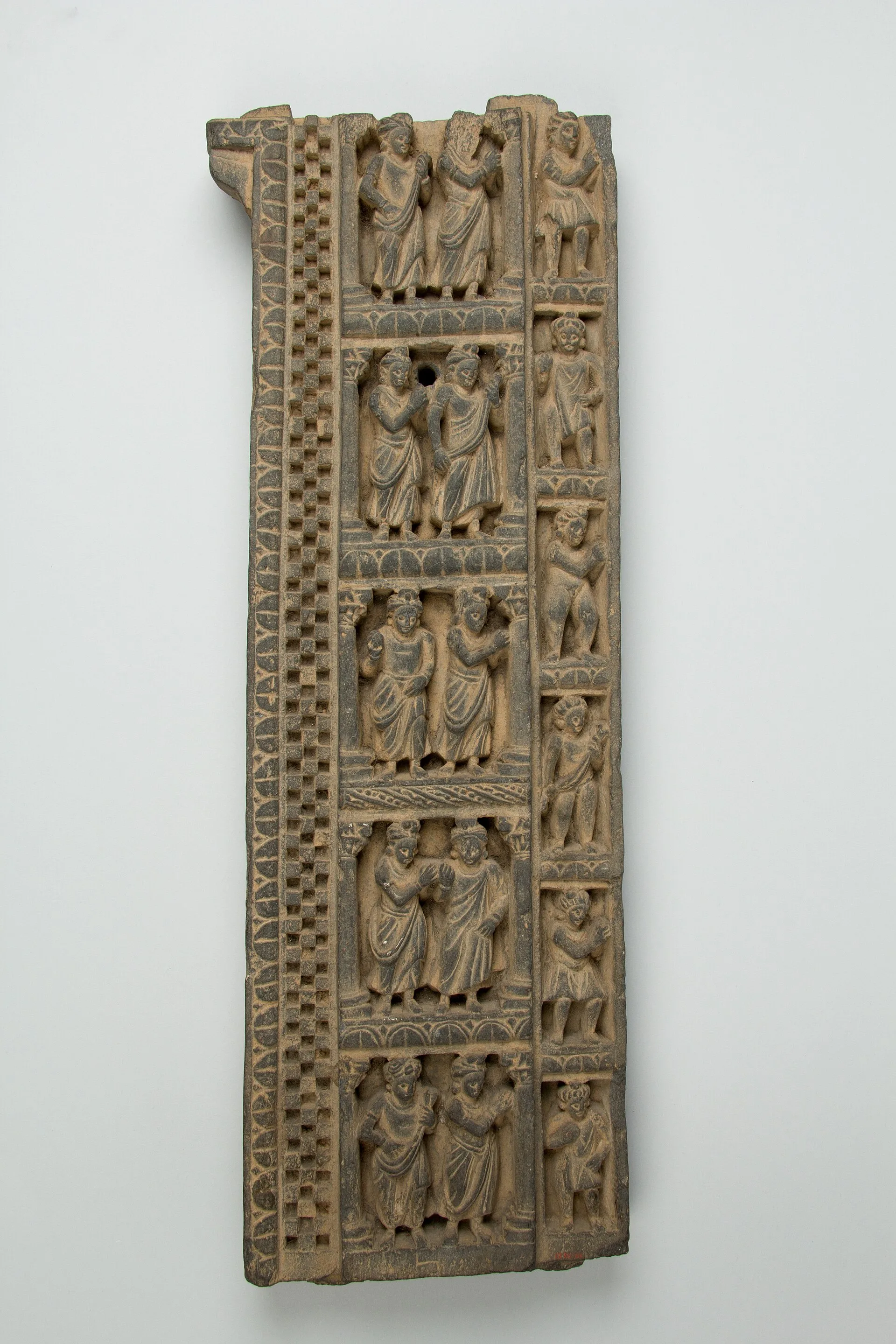
Le Gandhara est la raison pour laquelle la plupart des voyageurs viennent. Entre le 1er et le 5e siècle apr. J.-C. environ, les sculpteurs ont ici fondu la technique grecque et les sujets bouddhistes et produit certaines des premières images humaines du Bouddha, aux cheveux ondulés et drapé d'une toge comme un Apollon en méditation. Le musée de Taxila, construit à cet effet en 1928, conserve des milliers de pièces : des panneaux de schiste retraçant la vie du Bouddha, de sereins bodhisattvas en stuc, ainsi que des monnaies et des bijoux issus des fouilles de Sir John Marshall.
Nous proposons cela comme une excursion privée guidée à la journée depuis Islamabad, ou comme un circuit du Gandhara de 3 à 5 jours, mené par des guides qui ont étudié l'archéologie plutôt que mémorisé un texte.
Les sites que vous visitez
Musée de Taxila
Commencez ici, car le musée donne un visage aux ruines. Environ 4 000 objets y sont exposés : les frises narratives, les têtes en stuc, les trouvailles de fouilles de Marshall, et des trésors de monnaies qui retracent chaque souverain, des Grecs aux Huns.
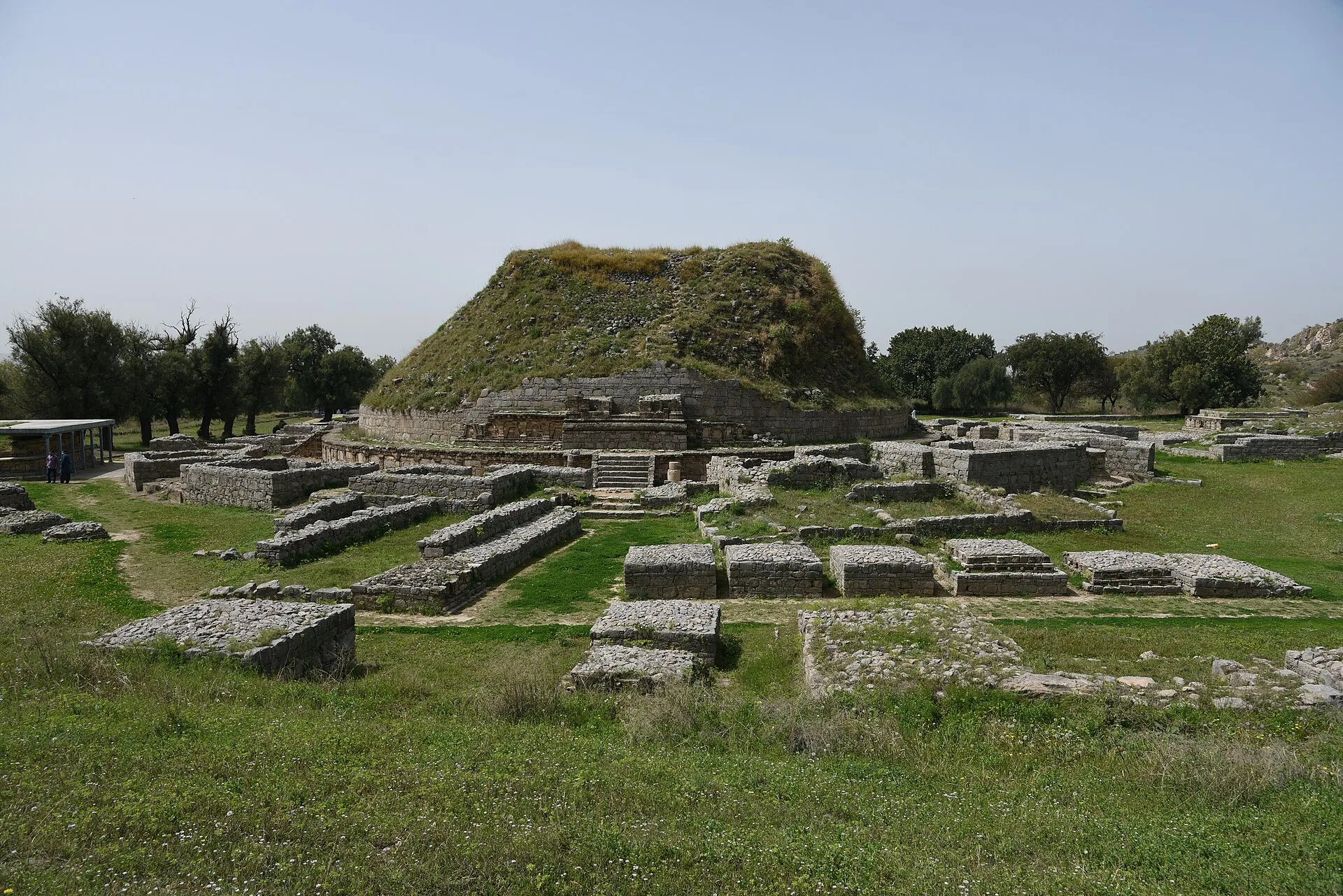
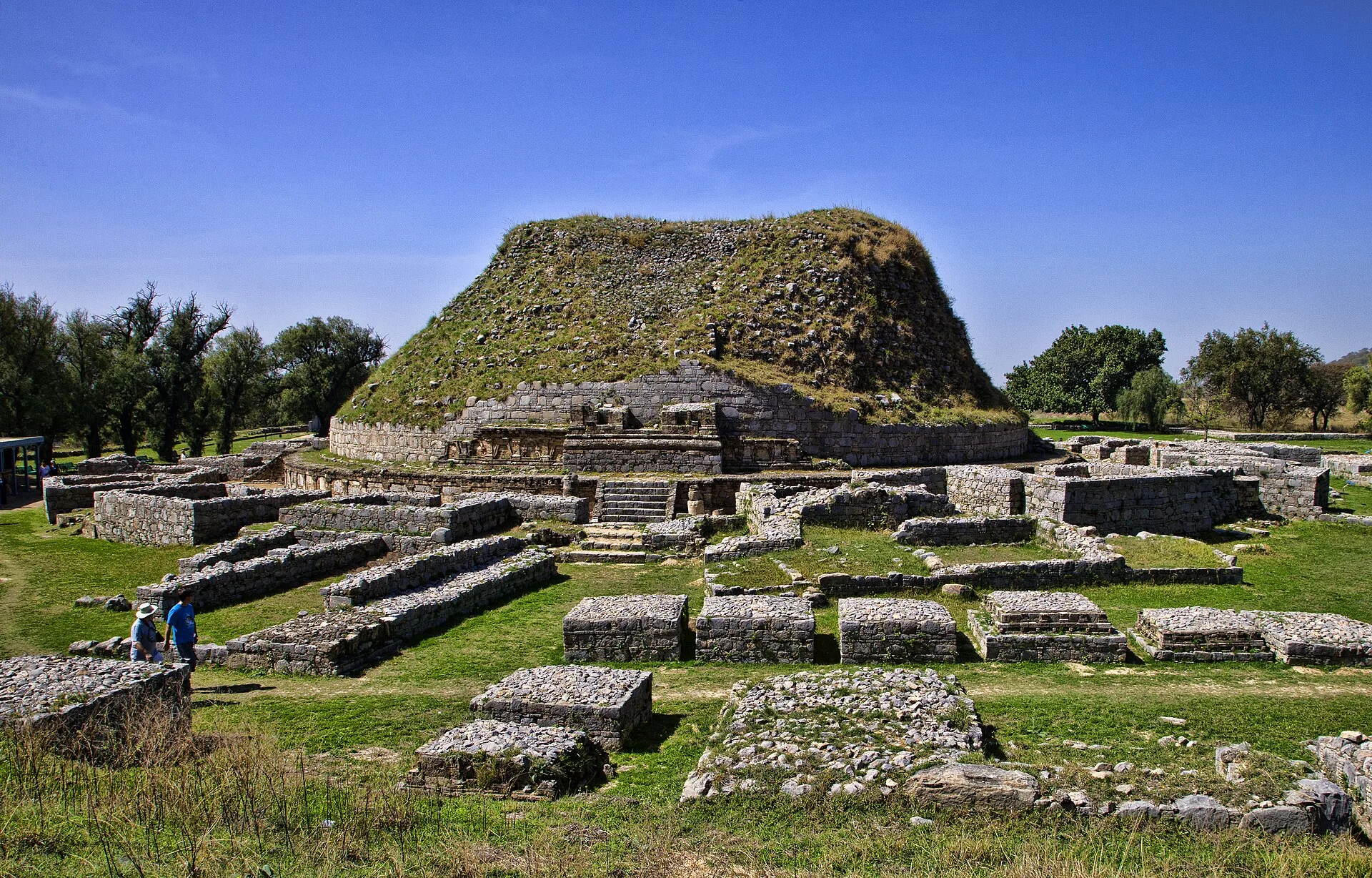
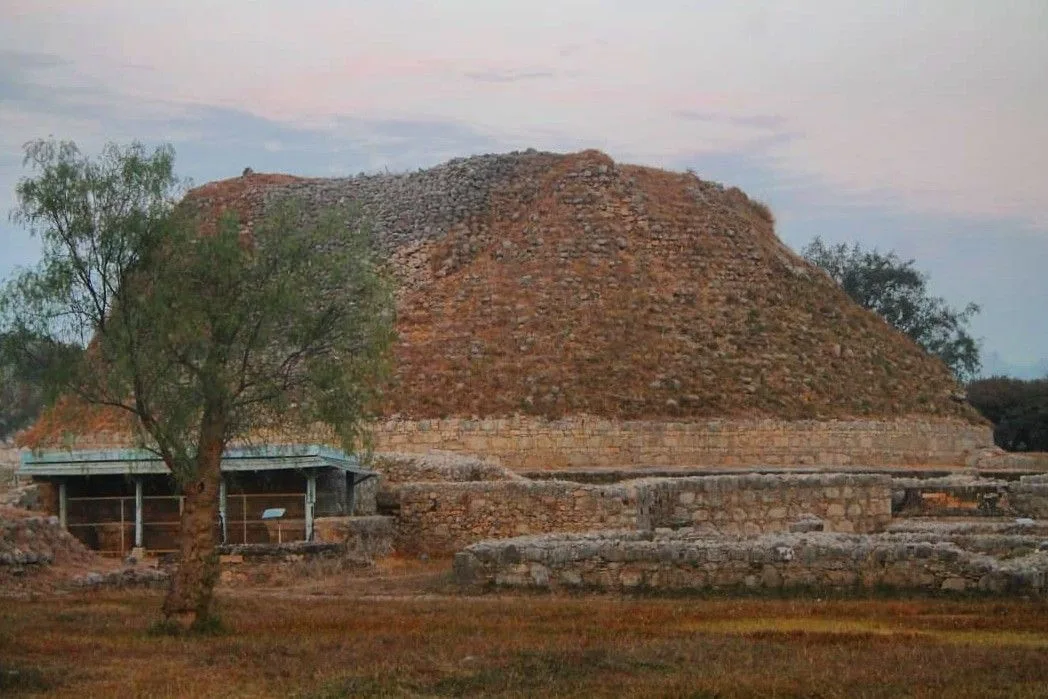
Stupa de Dharmarajika
Le plus grand stupa de Taxila, élevé au 3e siècle av. J.-C., par tradition au-dessus de reliques du Bouddha distribuées par Ashoka. Un anneau de stupas votifs et un vaste monastère se sont développés autour de lui au cours des siècles suivants ; les restes de moines tués lors du sac des Huns au 5e siècle furent retrouvés parmi les cellules.
Sirkap
La cité indo-grecque, tracée sur une trame hippodamienne vers 180 av. J.-C. Parcourez la longue rue principale en passant devant le stupa de l'Aigle à deux têtes et le temple absidial, reconstruit après le tremblement de terre de 30 apr. J.-C. environ.
Monastère de Jaulian
Un monastère perché du 2e au 5e siècle, avec des cellules de moines sur deux étages et le célèbre Bouddha guérisseur, un stupa votif percé d'un trou au nombril où les pèlerins glissent encore un doigt en implorant une guérison.
Où se trouve Taxila ?
Taxila se trouve dans la province du Punjab, au Pakistan, à environ 35 km au nord-ouest d'Islamabad et de Rawalpindi, à une petite heure de route de la capitale. Elle occupe une large vallée au pied des collines, là où se croisaient jadis les anciennes routes entre l'Asie centrale, la Perse et le sous-continent indien. C'est aujourd'hui l'une des zones archéologiques les plus importantes d'Asie du Sud et un site du patrimoine mondial de l'UNESCO, réparti entre plusieurs ensembles de ruines distincts et un musée, à quelques kilomètres de la ville moderne. Sa facilité d'accès en fait la fenêtre la plus simple sur l'ancienne civilisation du Gandhara que l'on puisse atteindre depuis Islamabad.
Le musée de Taxila et ses ruines
Taxila n'est pas un monument unique mais une constellation de sites répartis dans la vallée, que l'on commence idéalement par le musée de Taxila, qui abrite l'une des plus belles collections d'art du Gandhara au monde, ses Bouddhas en schiste gris et sa sculpture gréco-bouddhique issus des fouilles environnantes. De là se déploient les principales ruines : le tertre de la cité ancienne de Bhir, la ville grecque de Sirkap au plan quadrillé, le grand stupa de Dharmarajika, et les monastères à flanc de colline de Jaulian et Mohra Muradu, parmi les sites monastiques bouddhistes les mieux conservés au monde. Ensemble, ils retracent plus de mille ans d'histoire, du 6e siècle av. J.-C. à travers les époques Mauryan, indo-grecque et Kushan.
Itinéraire jour par jour
1Musée de Taxila et Sirkap
Musée de Taxila et Sirkap
2Stupa de Dharmarajika et monastère de Jaulian
Stupa de Dharmarajika et monastère de Jaulian
3Mohra Muradu et le stupa de Mankiala
Mohra Muradu et le stupa de Mankiala
4Khanpur et Hund (en option)
Khanpur et Hund (en option)
5Départ ou prolongation
Départ ou prolongation
Un pèlerinage bouddhiste au Gandhara
Pour les voyageurs bouddhistes, il ne s'agit pas de tourisme ; c'est un pèlerinage vers l'une des grandes sources de la foi. Le Gandhara a porté le bouddhisme par-delà les cols jusqu'en Chine, et les pèlerins chinois Faxian et Xuanzang ont tous deux foulé ce sol et consigné ce qu'ils y ont trouvé. Des groupes coréens, japonais, thaïlandais et sri-lankais parcourent de plus en plus ce même circuit, et nous organisons un temps de récitation à Dharmarajika, un accès matinal aux sites lorsque c'est possible, et des repas végétariens comme une évidence.
Comment s'y rendre et aspects pratiques
Taxila se trouve à environ 35 km d'Islamabad, à une heure de route par l'autoroute ou la GT Road, ce qui rend l'excursion à la journée vraiment facile. D'octobre à mars, c'est la saison agréable ; les après-midis d'été dépassent largement les 40 degrés, aussi les visites estivales commencent tôt et s'abritent au musée à midi. Les sites sont ouverts tous les jours pendant les heures de jour, et les billets pour étrangers sont modestes (quelques dollars par site ; nous nous en chargeons). Prévoyez une protection solaire et de l'eau en toute saison : les ruines offrent peu d'ombre.
À qui s'adresse ce circuit
Aux amateurs d'histoire, aux photographes de ruines et de collections de musée, aux pèlerins bouddhistes, et aux habitants d'Islamabad ou visiteurs d'affaires disposant d'une journée libre qu'ils préféreraient passer dans le premier millénaire. La marche est douce mais le terrain est inégal ; de bonnes chaussures valent mieux que des sandales.
Pourquoi réserver avec nous
Nos guides de Taxila sont formés à l'archéologie, pas aux anecdotes, et vous diront honnêtement quelles affirmations relèvent de la tradition plutôt que du fait, y compris la formule de « la plus ancienne université du monde » que vous entendrez ailleurs ; Taxila était un haut lieu d'érudition renommé où des maîtres enseignaient à des élèves dans les maisons et les monastères, ce qui est assez remarquable sans exagération. Véhicule privé, rythme flexible, parcours commençant par le musée pour rendre les ruines lisibles.
Ce qui est inclus
Non inclus
Questions fréquentes
À quelle distance Taxila est-il d'Islamabad ?
À quelle distance Taxila est-il d'Islamabad ?
Taxila vaut-il la visite ?
Taxila vaut-il la visite ?
Qu'est-ce que l'art du Gandhara ?
Qu'est-ce que l'art du Gandhara ?
Combien coûte l'entrée ?
Combien coûte l'entrée ?
Combien de jours faut-il ?
Combien de jours faut-il ?
Pourquoi les pèlerins bouddhistes visitent-ils Taxila ?
Pourquoi les pèlerins bouddhistes visitent-ils Taxila ?
Quelle est la meilleure période pour visiter ?
Quelle est la meilleure période pour visiter ?
Taxila fut-il vraiment la première université du monde ?
Taxila fut-il vraiment la première université du monde ?
Où se trouve Taxila et comment s'y rendre ?
Où se trouve Taxila et comment s'y rendre ?
Que voir à Taxila ?
Que voir à Taxila ?
Prêt pour votre prochaine aventure ?
Rejoignez notre communauté d'explorateurs et découvrez le voyage d'une vie. Notre équipe d'experts est prête à planifier votre expédition parfaite.