Hunza Valley
Huit jours de forts, de belvédères sur glaciers et de la haute Karakoram Highway
Dernière mise à jour: · Révisé par Javeed Iqbal, fondateur
Durée
7-10 jours
Difficulté
Facile-Modérée
Taille du groupe
2-15 voyageurs
Meilleure saison
Avr-Mai / Sep-Nov
À propos de ce circuit
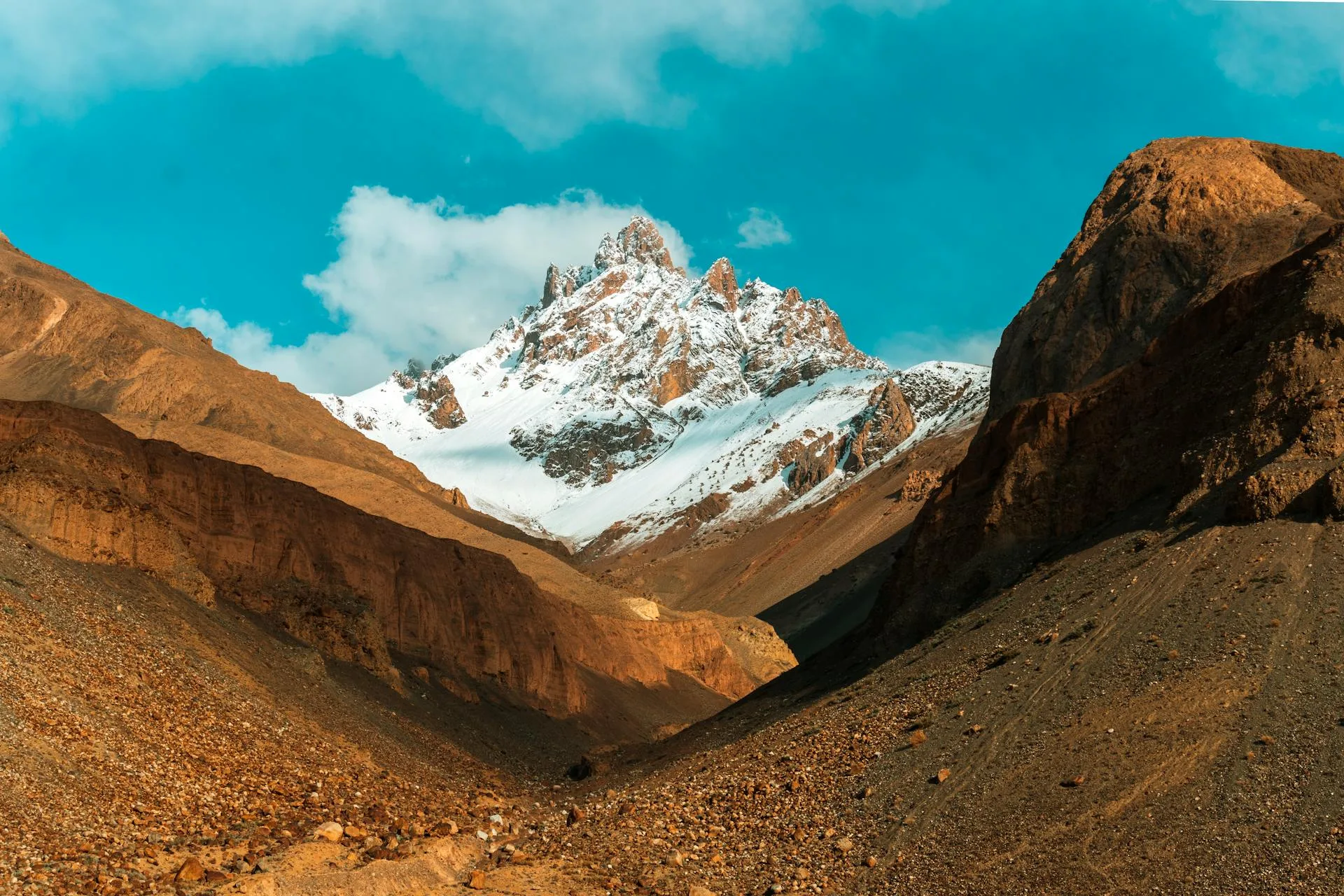
Le Hunza est une vallée du Gilgit-Baltistan, creusée par la rivière Hunza là où elle traverse le Karakoram occidental. Sa ville principale, Karimabad, se trouve à environ 2 438 mètres sur une terrasse de champs étagés, avec le Rakaposhi (7 788 m), l'Ultar et la pointe de la Lady Finger surgissant droit de l'horizon. Ce voyage de 8 jours parcourt toute la Karakoram Highway depuis Islamabad jusque dans la vallée et retour, si bien que vous arrivez après avoir vu le paysage passer des contreforts au désert de haute montagne.
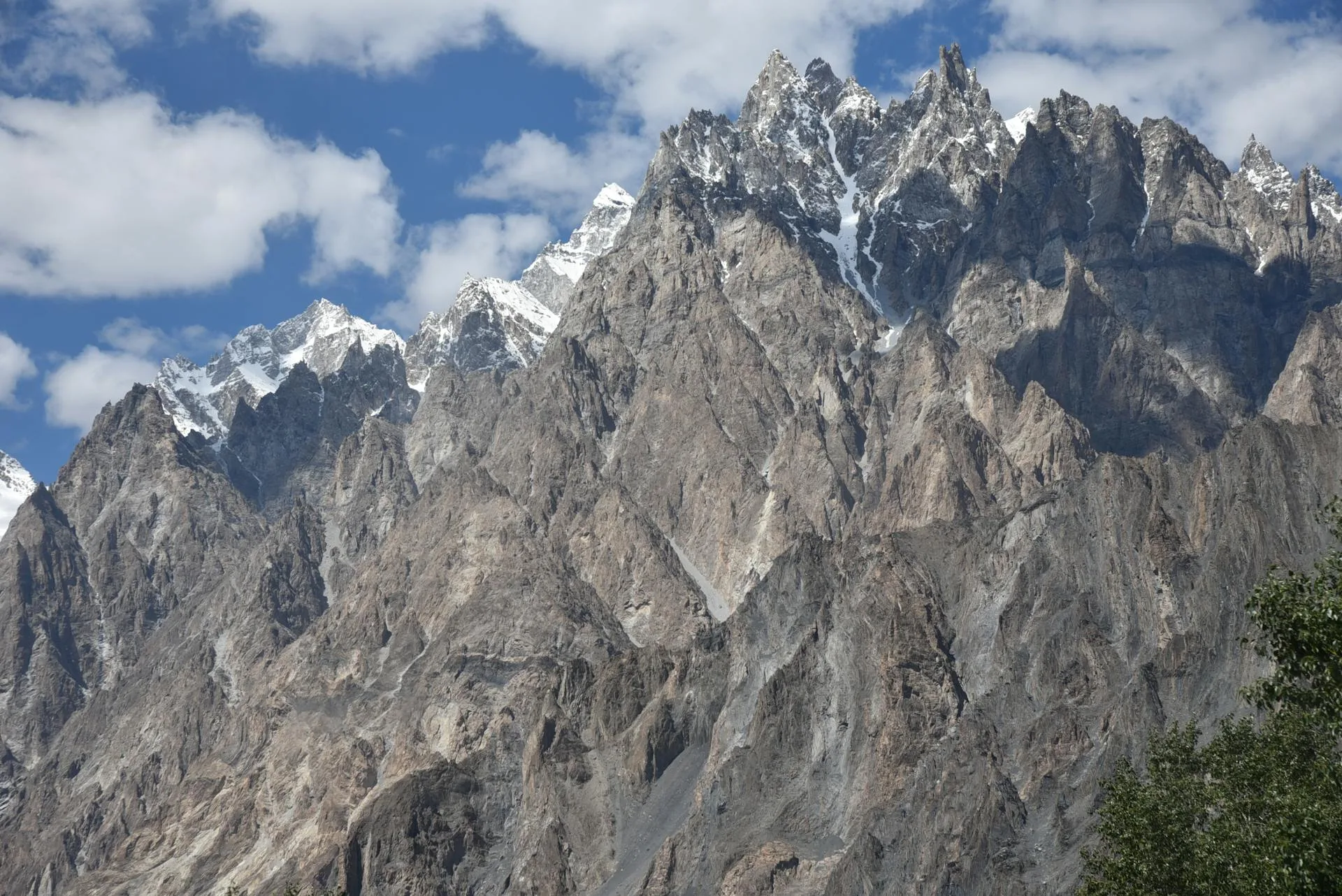
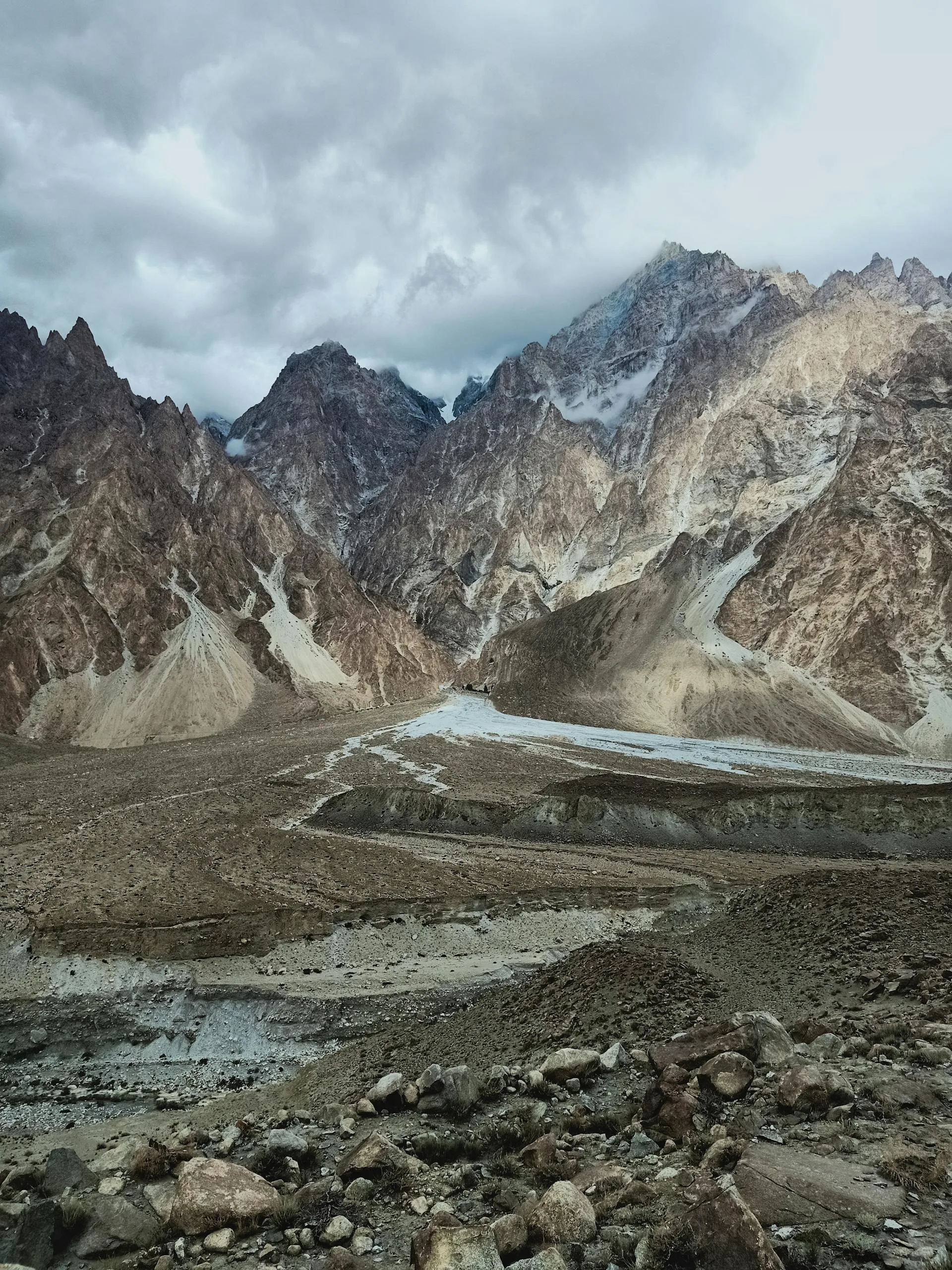
Au fil du voyage, vous parcourez deux des plus anciens forts de la région. Le Baltit Fort, au-dessus de Karimabad, a des origines du VIIIe siècle dans sa forme restaurée actuelle, reconstruit par l'Aga Khan Trust for Culture au milieu des années 1990 et inscrit sur la liste indicative de l'UNESCO depuis 2004. L'Altit Fort est plus ancien encore, le siège originel des Mirs du Hunza. Au nord de la ville, vous naviguez sur le lac d'Attabad, profond réservoir turquoise qui s'est formé après qu'un glissement de terrain a barré la rivière en 2010. Plus haut sur la route se dressent les Passu Cones, une rangée de sommets en dents de scie culminant à 6 106 m, et le pont suspendu de Hussaini, une enfilade de planches de bois tendue au-dessus de la rivière Hunza.
Le Hunza est le foyer du peuple Burusho, qui parle le bourouchaski, une langue sans aucun parent connu nulle part. Le calendrier change beaucoup la vallée. La floraison des abricotiers, cerisiers et amandiers court de fin mars à avril ; la récolte d'abricots vient en juin et juillet, avec les fruits étalés à sécher sur les toits ; octobre dore les peupliers. De mai à octobre est la fenêtre fiable dans l'ensemble, et nous planifions nos départs à l'intérieur.
Le rythme est régulier plutôt que pressé : deux journées de route à l'aller comme au retour sur la grande route, trois journées pleines basées à Karimabad et alentour, et une excursion au belvédère de l'Eagle's Nest au-dessus de Duikar (environ 2 850 m) pour le lever du soleil sur les sommets. Le groupe compte de 2 à 15 personnes, le niveau est facile à modéré, et le prix est de 1 200 $.
Ce que vous verrez et ferez au Hunza
Karimabad est la base. Depuis ses ruelles, vous pouvez monter au Baltit Fort en une dizaine de minutes, puis continuer vers l'Altit Fort et son verger d'abricotiers à une courte distance en voiture. Le bazar est petit et facile à parcourir pour des abricots séchés, des bonnets tricotés main et des pierres précieuses du Hunza. Comparer les deux forts est ici le temps fort patrimonial : Baltit est la restauration la plus imposante, avec la fameuse vue depuis le balcon sur la vallée, Altit la structure plus brute et plus ancienne sur une falaise au-dessus de la rivière.
Plus haut sur la route, le lac d'Attabad est le morceau de bravoure. Des bateaux traversent une eau qui se trouve à environ 2 400 m, et depuis l'ouverture des Pak-China Friendship Tunnels en 2015, la grande route contourne le lac, si bien que la balade en bateau est désormais un choix plutôt que le seul passage. Au-delà, le belvédère des Passu Cones (environ 2 565 m) vous offre l'alignement de sommets digne d'une carte postale, et le pont de Hussaini tout proche est là pour qui veut le traverser. Nous disons honnêtement qu'il est branlant, avec de vrais espaces entre les planches. L'excursion à l'Eagle's Nest est l'autre temps fort fixe, une montée en 4x4 jusqu'à Duikar pour la lumière de l'aube sur le Rakaposhi, l'Ultar et le Diran.
Où se trouve la vallée du Hunza ?
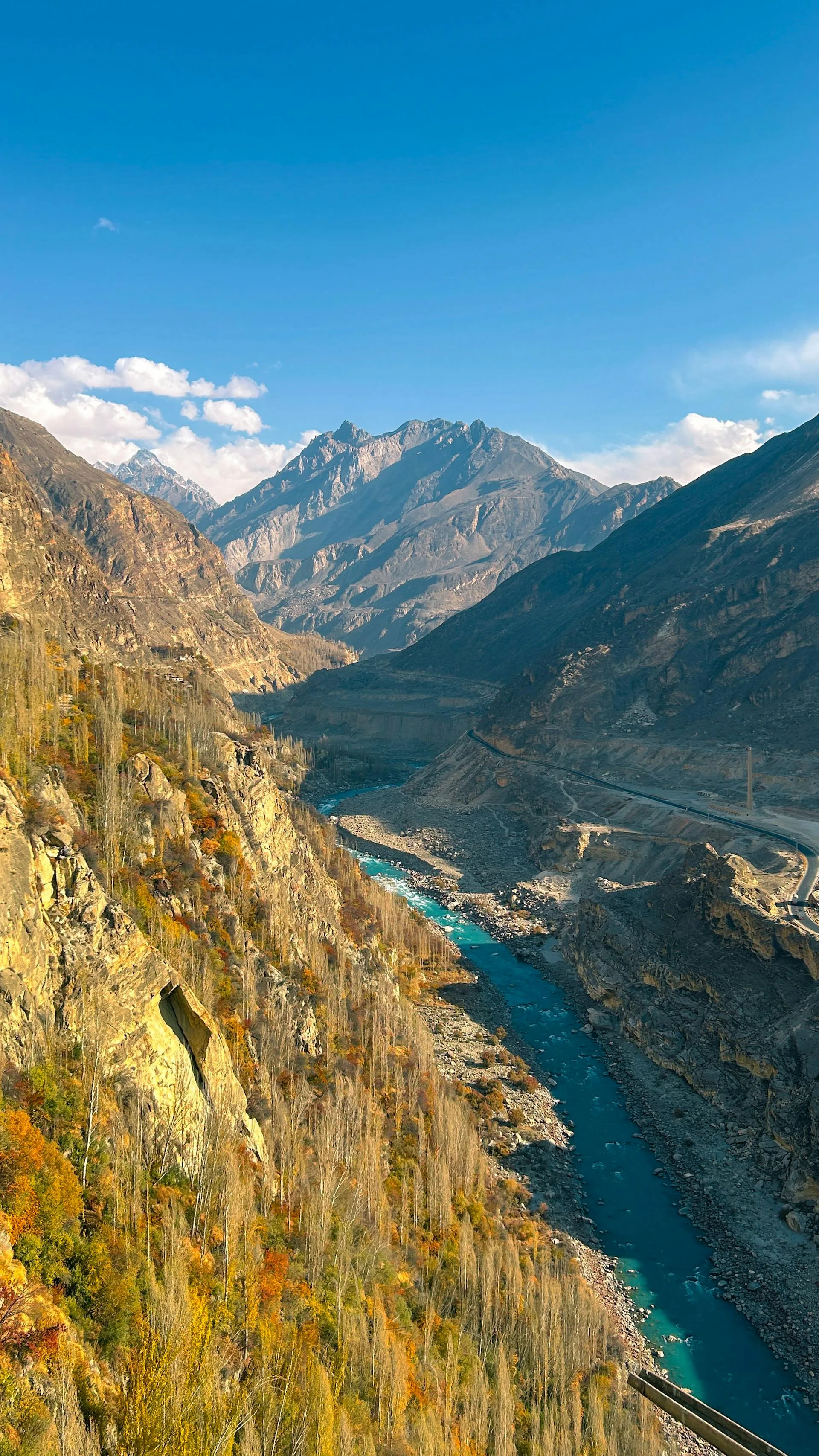
La vallée du Hunza se situe à l'extrême nord du Pakistan, dans la région du Gilgit-Baltistan, étirée le long de la Hunza River là où elle traverse le Karakoram occidental. Les principaux villages se trouvent entre 2 400 et 2 500 mètres environ, avec Karimabad, la ville centrale, posée sur un replat en terrasses à quelque 2 438 m. La vallée remonte vers le nord depuis Gilgit le long de la Karakoram Highway, en direction du col du Khunjerab et de la frontière chinoise, avec la vallée du Nagar qui lui fait face de l'autre côté de la rivière. Depuis Islamabad, elle est à environ 600 km par la route : soit vous conduisez toute la Karakoram Highway sur deux jours, soit vous prenez l'avion pour Gilgit et roulez les 2,5 à 3 dernières heures jusqu'à Karimabad.
Les villages de la vallée du Hunza
Le Hunza n'est pas une seule ville, mais un chapelet de villages. Karimabad en est le cœur touristique, sous le Baltit Fort, avec les plus belles vues sur la vallée. Aliabad, juste en contrebas, est la ville la plus grande et la plus animée, qui abrite le bazar principal et l'essentiel des services. Ganish, sur la route, est le plus ancien établissement du Hunza, ses tours de guet et ses vieilles mosquées formant aujourd'hui un site de conservation. Plus haut dans la vallée se trouvent Gulmit et Passu, dans le haut Hunza (Gojal), porte d'entrée vers les Passu Cones et les glaciers, tandis que Hopar se trouve en face, dans le Nagar, au bord de son glacier. Chaque village a son caractère propre, et un vrai voyage passe de l'un à l'autre plutôt que de rester au même endroit.
Le lac Attabad : le lac né dans le Hunza
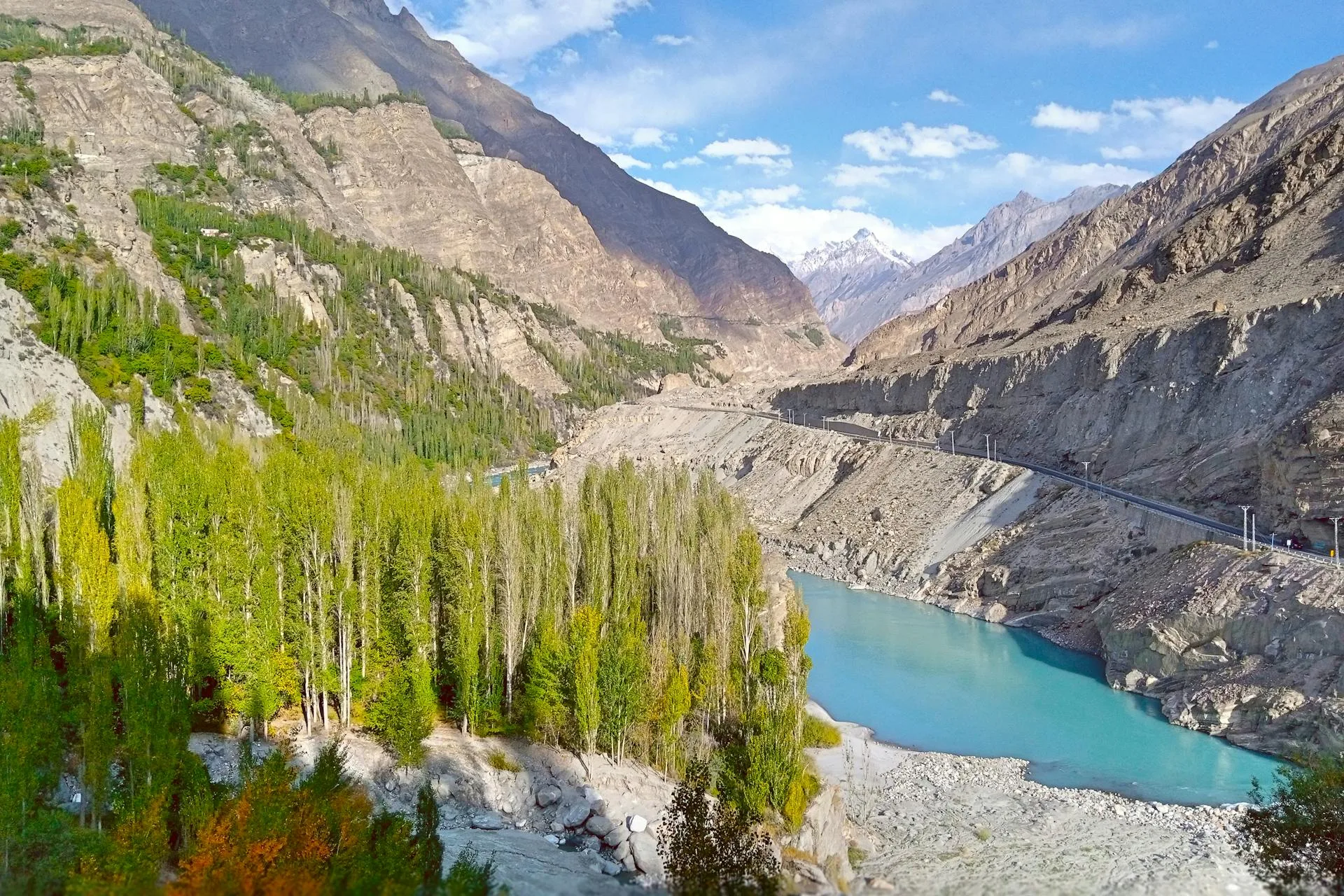
Le lac dont la plupart des gens s'enquièrent est le lac Attabad, et c'est une apparition récente. En janvier 2010, un immense glissement de terrain s'est abattu sur le village d'Attabad, barrant la Hunza River et ensevelissant un tronçon de la Karakoram Highway. Au fil des mois suivants, l'eau s'est accumulée en un réservoir long d'environ 20 km et profond de 100 m par endroits, submergeant plusieurs villages et coupant la route pendant des années. C'est aujourd'hui l'un des sites emblématiques de la vallée : une bande d'eau turquoise profond au pied de montagnes nues, traversée depuis 2015 par les tunnels de l'amitié Pakistan-Chine. Des promenades en bateau la parcourent, et sa rive s'est peuplée d'un ensemble de cafés et de maisons d'hôtes.
Météo et températures de la vallée du Hunza
Le Hunza connaît un climat de haute montagne, sec, avec quatre saisons bien marquées. Le printemps (de fin mars à avril) est doux le jour et froid la nuit, avec les floraisons d'abricotiers et de cerisiers sur les terrasses. L'été (de mai à août) est la période la plus chaude et la plus fréquentée, avec des températures diurnes souvent autour de 20 à 25 °C et de longues journées claires, même si le haut Hunza et les cols restent froids. L'automne (de septembre à octobre) dore les peupliers et apporte un temps vif et stable, ainsi que de fortes gelées nocturnes. L'hiver (de novembre à février) est froid et calme, avec de la neige, des nuits en dessous de zéro et certaines routes et maisons d'hôtes fermées. Quelle que soit la saison de votre venue, prévoyez de quoi affronter des matinées froides, même en plein été.
Où loger dans la vallée du Hunza
La plupart des visiteurs s'installent à Karimabad, qui offre le plus grand choix, des simples maisons d'hôtes aux hôtels de charme et de gamme moyenne, beaucoup avec des terrasses qui encadrent le Rakaposhi et le Lady Finger. Aliabad, juste en contrebas, propose davantage d'hôtels ordinaires et se révèle pratique pour les services. Pour le haut Hunza, Gulmit et Passu disposent d'un ensemble grandissant de maisons d'hôtes et de lodges près du lac Attabad et des Passu Cones, qui conviennent aux voyageurs en route vers le Khunjerab. Les prestations sont en général simples et honnêtes plutôt que luxueuses ; le chauffage et l'eau chaude peuvent être irréguliers dans les établissements anciens, et les meilleures chambres se réservent tôt en haute saison (floraisons et automne). Lors de nos circuits, nous bloquons des chambres dans des adresses que nous connaissons et en qui nous avons confiance.
Les habitants et la cuisine du Hunza
Le Hunza est le territoire du peuple Burusho, qui parle le Burushaski, une langue sans parente connue nulle part au monde, aux côtés du Wakhi et du Shina dans le haut de la vallée. C'est une région à majorité Ismaili, au taux d'alphabétisation élevé et à la longue tradition d'accueil des voyageurs. La cuisine s'appuie sur ce que produit la vallée : des abricots consommés frais, séchés et pressés pour en tirer de l'huile, ainsi que des noix, des mûres, du sarrasin et des cerises. Parmi les plats locaux à goûter figurent le chapshuro (un pain farci à la viande), la harissa, le diram et la soupe aux amandons d'abricot. La réputation de longévité de la vallée et son eau glaciaire, la « Hunza water », relèvent davantage du folklore que d'une science établie, mais les fruits frais, les noix et le rythme paisible, eux, sont bien réels.
Itinéraire jour par jour
1Islamabad-Chilas
Islamabad-Chilas
2Chilas-Karimabad
Chilas-Karimabad
3Forts de Karimabad et Eagle's Nest
Forts de Karimabad et Eagle's Nest
4Lac d'Attabad et Passu
Lac d'Attabad et Passu
5Excursion au Khunjerab Pass
Excursion au Khunjerab Pass
6Vallée de Hopar et belvédère sur glacier
Vallée de Hopar et belvédère sur glacier
7Karimabad-Chilas
Karimabad-Chilas
8Retour à Islamabad
Retour à Islamabad
Meilleure période pour visiter la vallée du Hunza
De mai à octobre est la saison sûre, avec des journées chaudes et claires et toutes les routes ouvertes. Pour la floraison, visez la première quinzaine d'avril, quand les abricotiers et cerisiers fleurissent sur les terrasses ; les dates exactes bougent d'une semaine ou deux chaque année selon la météo, alors prenez-les comme approximatives. Juin et juillet apportent la récolte d'abricots et le temps le plus chaud. Octobre est la courte et vive fenêtre d'automne où les peupliers virent à l'or, même si les nuits sont froides et que la saison peut se refermer tôt si la neige arrive en altitude.
Quand que vous veniez, le haut pays est froid à l'aube et les pensions plus simples peuvent avoir des salles de bains froides. Nous agençons l'itinéraire pour que les départs matinaux (Eagle's Nest, la journée du Khunjerab) tombent sur les matinées les plus dégagées dans la mesure du possible.
Comment rejoindre le Hunza depuis Islamabad
Il y a deux façons d'y arriver. Vous pouvez prendre l'avion d'Islamabad à Gilgit et faire les 2,5 à 3 dernières heures de route jusqu'à Karimabad, ou conduire toute la Karakoram Highway. Nous construisons ce voyage autour du trajet routier complet, car le vol de Gilgit est vraiment peu fiable : il dépend de la météo et est souvent retardé ou annulé, parfois pendant des jours, surtout en haute saison. La route supprime ce pari et la grande route est la moitié de l'expérience.
La route file vers le nord par Abbottabad, Besham et Chilas, suivant les gorges de l'Indus avant de monter dans les montagnes près du belvédère du Rakaposhi. Si vous préférez prendre l'avion pour un tronçon afin de gagner du temps, nous pouvons l'intégrer et garder le plan routier en réserve pour le cas où le vol tombe. Pour les voyageurs qui veulent aussi le col, ce voyage se marie naturellement avec notre itinéraire Du Hunza au Khunjerab, tandis que les familles voyageant avec de jeunes enfants préféreront peut-être le plus doux Hunza Family Explorer.
À qui s'adresse ce voyage
C'est un voyage pour les voyageurs qui veulent le circuit classique du Hunza sans trekking. La marche est courte et optionnelle, l'altitude reste surtout entre 2 400 et 2 900 m, et les longues journées se passent dans le véhicule sur la grande route plutôt qu'à pied. Si la culture de montagne, les forts, la cuisine et les grands paysages depuis des belvédères accessibles vous intéressent, il vous convient. Si vous êtes venu pour du trekking sérieux en haute altitude ou des traversées de glaciers, ce n'est pas le bon produit et nous vous orienterons ailleurs. Ceux qu'attire la culture vivante de la vallée peuvent aussi regarder notre séjour culturel au Hunza ou un séjour chez l'habitant.
Pourquoi réserver avec nous
Nous sommes un voyagiste du Gilgit-Baltistan et organisons le circuit du Hunza depuis 2015, ce qui explique pourquoi nous le vendons sur la route plutôt que sur un vol qui laisse les hôtes en plan quand le temps tourne. Nos chauffeurs connaissent la grande route et nos guides sont locaux, si bien qu'une visite de fort vient avec l'histoire de la famille qui l'a habité et qu'un arrêt en bord de route vient avec les bons abricots. Nous vous disons à l'avance ce qui est branlant, ce qui est froid et ce qui dépend du temps, et nous intégrons un plan de repli à chaque réservation.
Ce qui est inclus
Non inclus
Questions fréquentes
Le Hunza est-il sûr à visiter ?
Le Hunza est-il sûr à visiter ?
Le Hunza vaut-il le détour ?
Le Hunza vaut-il le détour ?
Quelle est la difficulté de ce voyage ?
Quelle est la difficulté de ce voyage ?
Combien de temps dure la route d'Islamabad au Hunza ?
Combien de temps dure la route d'Islamabad au Hunza ?
Quelle est la meilleure période pour visiter le Hunza ?
Quelle est la meilleure période pour visiter le Hunza ?
Ai-je besoin de permis pour ce voyage ?
Ai-je besoin de permis pour ce voyage ?
Combien coûte un voyage au Hunza ?
Combien coûte un voyage au Hunza ?
Faut-il prendre l'avion ou la route pour le Hunza ?
Faut-il prendre l'avion ou la route pour le Hunza ?
Quel lac est né dans la vallée du Hunza ?
Quel lac est né dans la vallée du Hunza ?
Où se situe la vallée du Hunza ?
Où se situe la vallée du Hunza ?
Où loger dans le Hunza ?
Où loger dans le Hunza ?
Quel temps fait-il dans la vallée du Hunza ?
Quel temps fait-il dans la vallée du Hunza ?
Prêt pour votre prochaine aventure ?
Rejoignez notre communauté d'explorateurs et découvrez le voyage d'une vie. Notre équipe d'experts est prête à planifier votre expédition parfaite.