Cultural Tours
Discover 5,000 years of heritage, history and living traditions
Last updated:
Explore Pakistan's Living Heritage
Few countries pack as much cultural depth into a single journey as Pakistan. Our cultural tours of Pakistan trace more than 5,000 years of history, from the Gandhara Buddhist ruins of Taxila to the Silk Road forts of Hunza and the pre-Islamic Kalash valleys of Chitral. This is not heritage preserved behind glass but living traditions still practised in mountain villages, where language, music, dress and hospitality carry the imprint of civilisations that met and mingled along the ancient trade routes of the Karakoram, Himalaya and Hindu Kush.
A Pakistan heritage tour can weave together the Wakhi and Burusho villages of Hunza, the Tibetan-influenced Buddhist and Balti culture of Skardu and Baltistan, and the animist festivals of the Kalash people, among the last surviving pre-Islamic cultures in South Asia. Along the way you can walk through UNESCO-listed archaeology, share a meal in a family home, watch craftspeople at work in centuries-old forts, and see how Hunza culture blends longevity, literacy and warmth in a way that stays with every visitor.
As a licensed local operator based in Gilgit-Baltistan, we design every cultural tour privately and to your own pace, comfort level and interests, whether that is archaeology, photography, folk music or simply time spent with the people who keep these traditions alive. Each itinerary is fully customisable, guided by local hosts who know the communities personally, and built around respectful, low-impact travel that supports the villages you visit.
Featured Cultural Tours
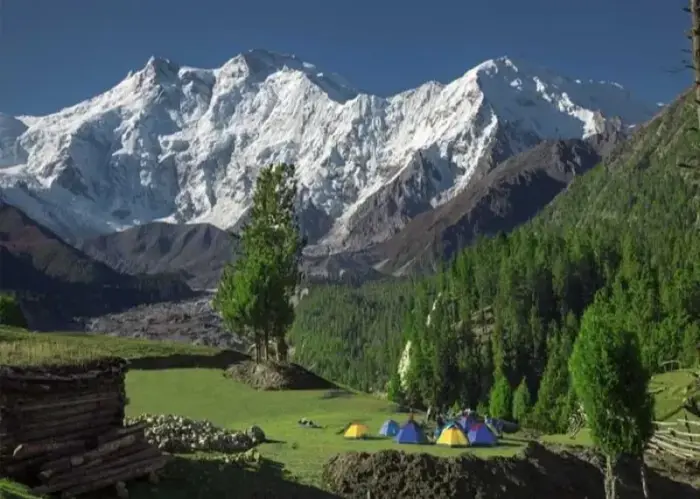
Hunza Valley Cultural Tour
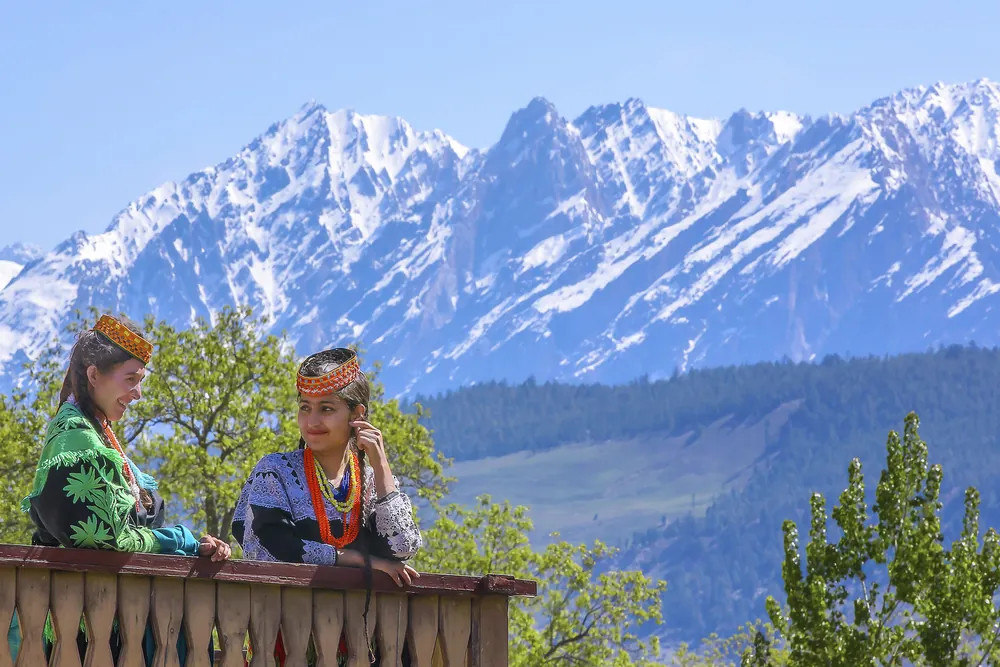
Kalash Valley Experience
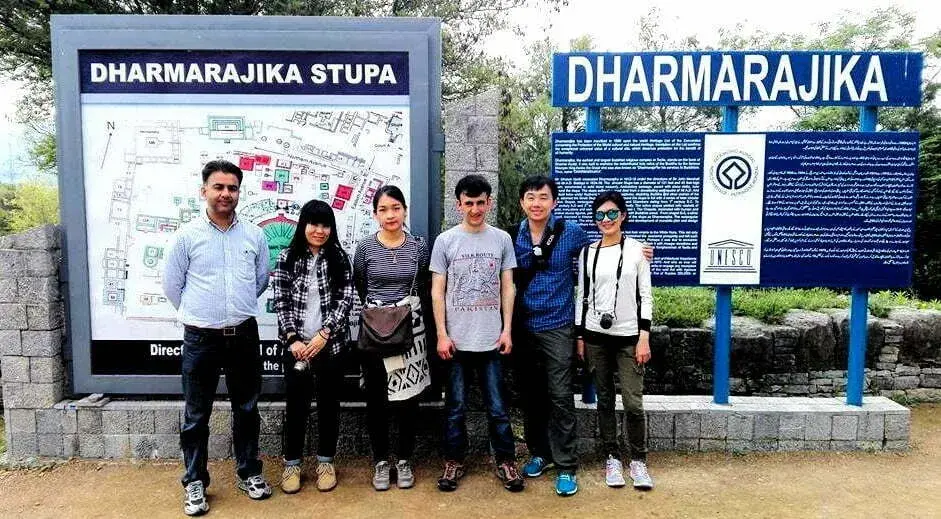
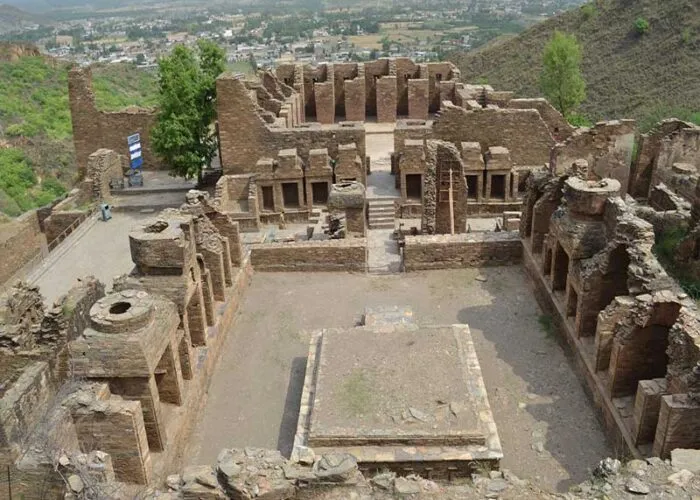
Taxila & Gandhara Heritage
Cultural Highlights
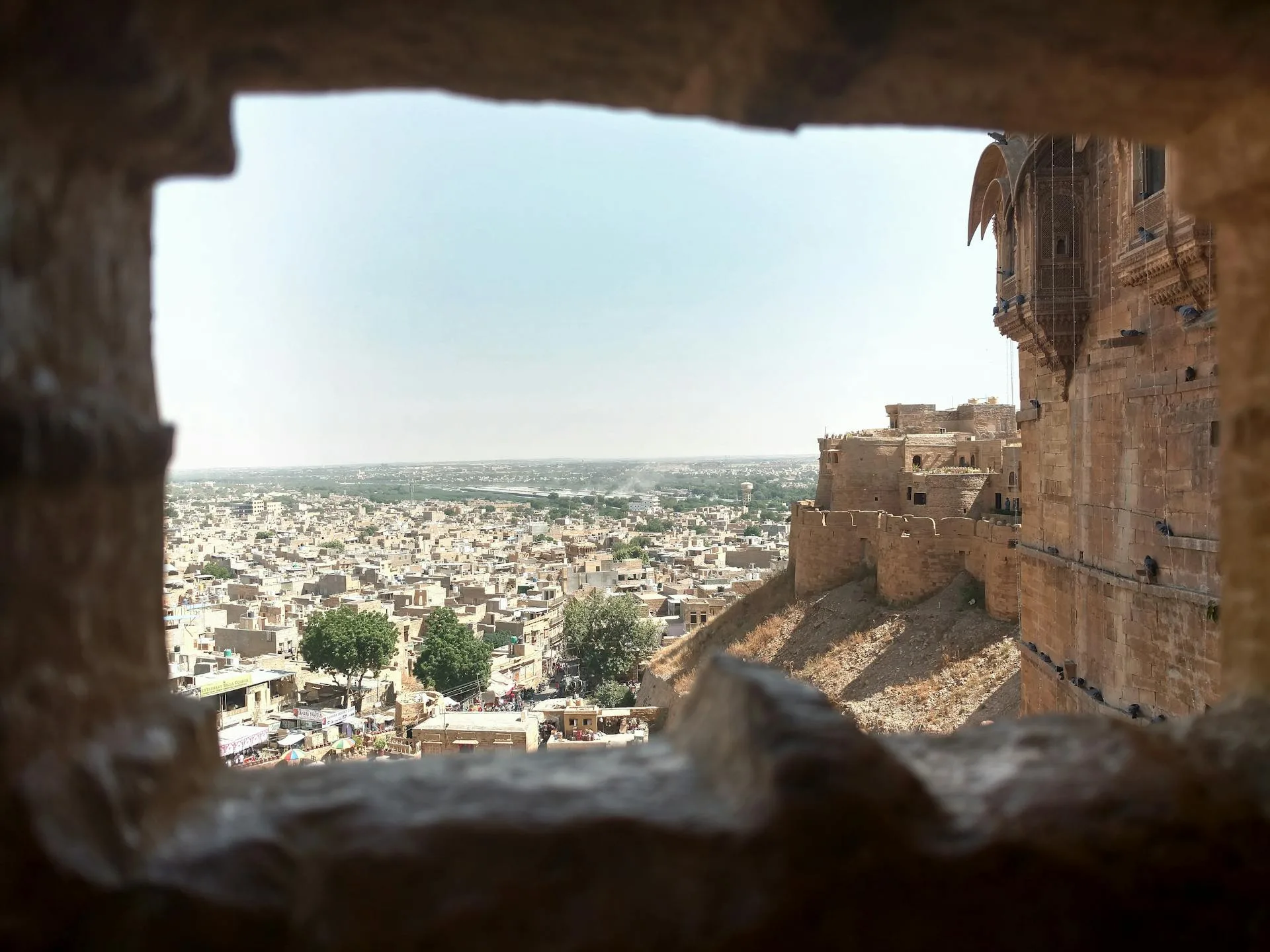
Ancient Silk Road Forts
Explore centuries-old fortresses along the historic Silk Road trade routes of northern Pakistan.
Living Indigenous Cultures
Meet the Kalash, Wakhi, and Burusho peoples who maintain traditions stretching back millennia.
UNESCO World Heritage Sites
Visit Taxila, Mohenjo-daro and the Lahore Fort, recognised treasures of human civilisation.
Traditional Music & Dance
Experience the vibrant folk traditions, Sufi music, and regional festivals that define Pakistan's cultural identity.
Cultural Highlights of Northern Pakistan
The cultural richness of northern Pakistan comes from its extraordinary diversity of peoples living within a few days' travel of one another. In the remote Kalash valleys of Bumburet, Rumbur and Birir near Chitral, the Kalash maintain one of South Asia's last pre-Islamic cultures, with their own polytheistic religion, calendar of seasonal festivals, distinctive black robes and elaborate headdresses. To the east, Hunza is home to the Wakhi and Burusho communities, whose Silk Road forts at Baltit and Altit, terraced apricot orchards and famed longevity have made Hunza culture one of the region's most celebrated stories.
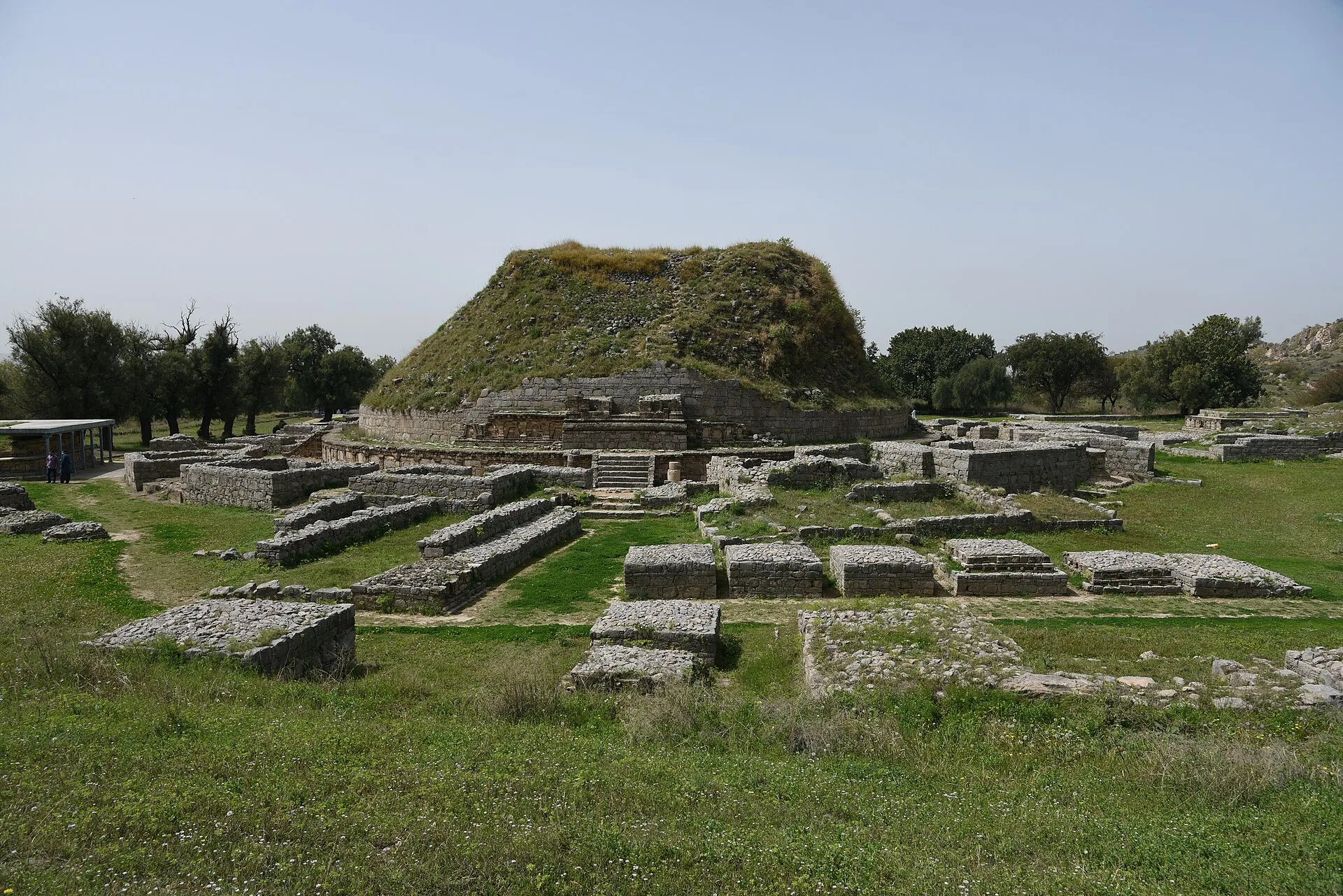
Further south and east, Baltistan carries a strongly Tibetan-influenced culture, reflected in its Balti language, ancient rock carvings, wooden mosques and the Buddhist heritage that once flourished before Islam. On the plains near Islamabad, the UNESCO World Heritage ruins of Taxila mark the heart of the Gandhara civilisation, where Greek, Persian, Buddhist and Central Asian influences produced some of the finest Buddhist art and monasteries in the ancient world. Together these threads make a single cultural tour through northern Pakistan feel like crossing several worlds at once.
When to Experience Pakistan's Culture
Cultural tours run comfortably from spring through autumn, and the timing you choose can be built around the festivals that bring these traditions most vividly to life. The Kalash calendar has three main celebrations: Chilam Joshi in spring, usually mid-May, welcomes the new season with music, dancing and matchmaking; Uchal in summer marks the wheat and barley harvest; and Choimus, the winter solstice festival held around December, is the most sacred of the year. For general travel, May to October offers the most reliable access to the northern valleys, with warm days in Hunza and Skardu and open mountain roads. When attending any festival or entering a village, we brief every traveller on respectful conduct, from asking before taking photographs to dressing modestly, so that your visit honours the communities who welcome you.
Cultural Tours in Pakistan: Frequently Asked Questions
What cultures can I experience on a tour of Pakistan?
Northern Pakistan is home to a remarkable range of cultures within a compact area. You can meet the Wakhi and Burusho communities of Hunza, the Balti people of Baltistan with their Tibetan-influenced traditions, and the Kalash of Chitral, one of South Asia's last pre-Islamic cultures. Combined with the Buddhist heritage of Gandhara and Taxila, a single cultural tour can span living mountain traditions and more than 5,000 years of history.
What are the Kalash valleys?
The Kalash valleys are three small valleys, Bumburet, Rumbur and Birir, in the Chitral district of Khyber Pakhtunkhwa. They are home to the Kalash people, who follow their own polytheistic religion, speak the Kalasha language and are known for their distinctive dress, wooden homes and seasonal festivals. They are widely regarded as one of the last surviving pre-Islamic cultures in South Asia.
When are the Kalash festivals held?
The Kalash mark three main festivals through the year. Chilam Joshi is held in spring, typically around mid-May, to welcome the new season. Uchal falls in summer to celebrate the harvest, and Choimus, the winter solstice festival, takes place around December and is the most sacred. Exact dates follow the Kalash calendar and can shift slightly each year, so we confirm timing before finalising a festival itinerary.
Is it appropriate for tourists to attend Kalash festivals?
Yes. Visitors are welcome at the festivals, and cultural tourism is an important source of income and pride for the Kalash community. What matters is respectful behaviour: dress modestly, always ask before photographing people, do not touch sacred sites or altars, and follow the guidance of your local host. We brief every traveller beforehand so that your presence supports rather than intrudes on the celebration.
Where is the Gandhara and Taxila heritage located?
Taxila lies about an hour northwest of Islamabad and Rawalpindi, in the Punjab region, and is the archaeological heart of the ancient Gandhara civilisation. Its ruins, stupas and monasteries are a UNESCO World Heritage Site, and the on-site museum holds one of the world's finest collections of Gandharan Buddhist art. Because it sits close to the capital, Taxila is easily combined with the start or end of a northern cultural tour.
Explore Pakistan's Heritage
Let us design a cultural journey tailored to your interests, whether it's archaeology, photography, music, or simply meeting the remarkable people of Pakistan.
Explore Pakistan's HeritageExplore More
Ready for Your Next Adventure?
Join our community of explorers and discover the journey of a lifetime. Our expert team is ready to help you plan your perfect expedition.